
Aug 16, 2026 · by BalayHub Admin · 6 min read
Home Insurance in the Philippines: Fire, Flood, Earthquake
Home insurance in the Philippines: what fire cover excludes, typhoon and flood from 0.05% a year, earthquake from 0.10%, the 2% deductible, condo cover.
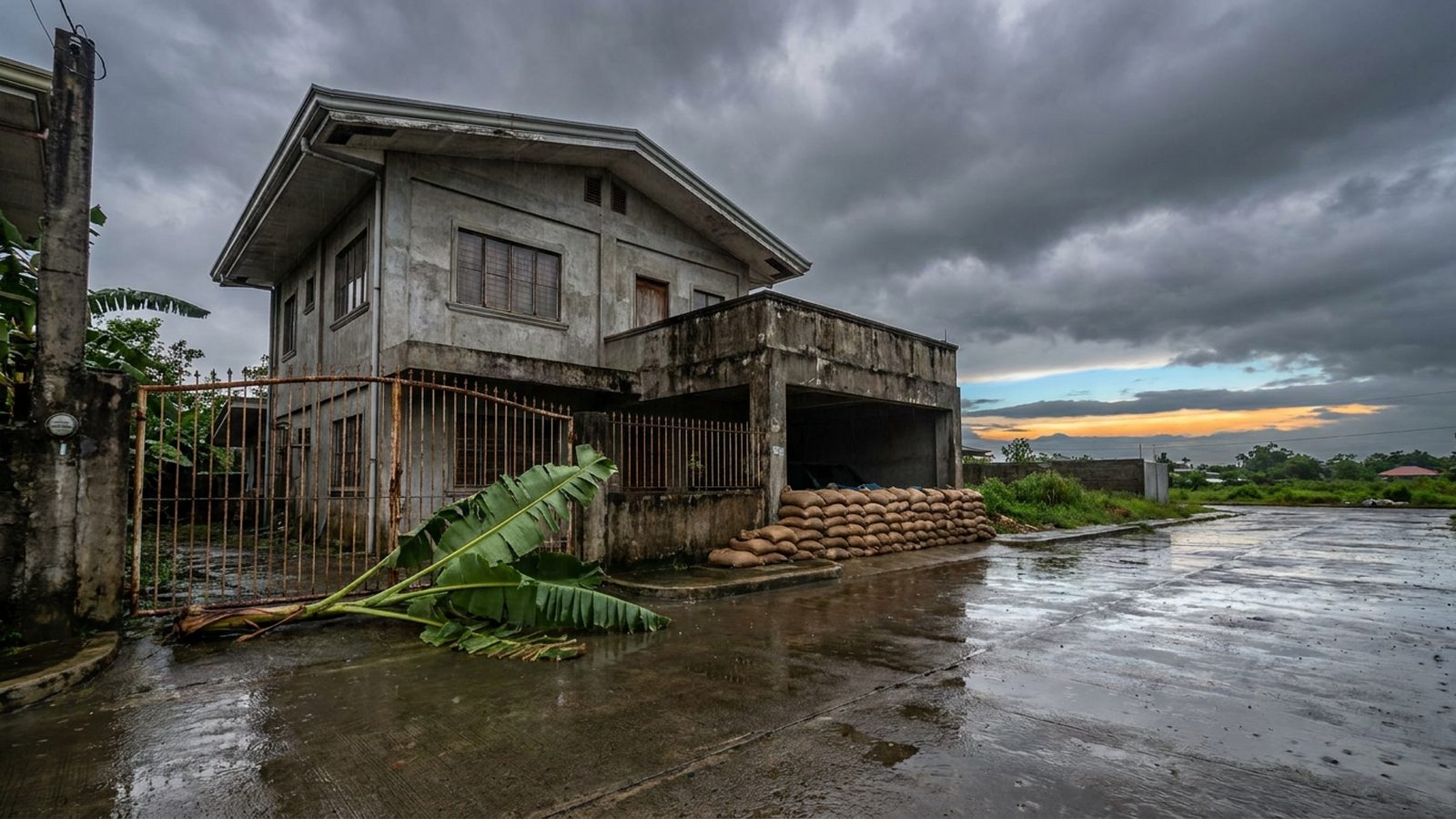
Home insurance in the Philippines is cheap, optional for most owners and widely skipped, in one of the most disaster exposed countries on earth. Fewer than one household in five carries disaster related property cover, according to figures reported by the Daily Tribune in November 2025, and the homes that are insured are mostly the ones a bank or Pag-IBIG required to be. This guide explains what a home policy covers, what the natural disaster add ons cost under the Insurance Commission's minimum rates, how condo owners are covered differently, and how to buy a policy that pays when a typhoon or an earthquake arrives.
What the basic policy covers, and what it does not
The standard product is a fire insurance policy, which despite the name covers fire and lightning and can be extended to what the industry calls allied perils. The extensions are where the Philippine risk actually sits: typhoon, flood, earthquake, and sometimes riot, burglary and damage from burst pipes. Insurers sell these either as add ons to a fire policy or bundled in a home package or a property all risk plan.
The trap is assuming the base policy includes them. A plain fire policy does not pay for a roof torn off by a typhoon or for a ground floor ruined by a flood. When we wrote about this year's habagat flooding and house damage, the owners who recovered fastest were the ones whose policy schedule listed flood by name. Read the schedule page, not the brochure: each peril is either listed with a sum insured or it is not covered.
Two more limits are worth knowing. Land is not insurable, only the structure and its contents, so the sum insured should be the cost of rebuilding the house, not the market price of the property. And insurers apply average: if you insure a ₱4 million (about $63,700 / €55,600) house for ₱2 million (about $31,800 / €27,800), a partial loss is paid at half.
What disaster cover costs
The Insurance Commission sets minimum premium rates for natural catastrophe cover: at least 0.05% of the sum insured per year for typhoon and flood, and at least 0.10% for earthquake. On a house insured for ₱2 million (about $31,800 / €27,800), that is about ₱1,000 (about $16 / €14) a year for typhoon and flood and about ₱2,000 (about $32 / €28) a year for earthquake, on top of the fire premium, before taxes and charges. Typhoon and flood claims carry a mandatory deductible of 2% of the property's actual cash value, so on that same house the first ₱40,000 (about $637 / €556) of a flood loss is yours.
For context, the country absorbed an estimated ₱911 billion (about $1.45e+04 million / €1.27e+04 million) in natural disaster losses between 2000 and 2023, a figure from the Senate Economic Planning Committee cited in the same report. Against that, ₱3,000 (about $48 / €42) a year on a ₱2 million (about $31,800 / €27,800) house is the cheapest protection in Philippine real estate. At the low end, microinsurance products sold through pawnshops and microfinance networks start at about ₱250 (about $4 / €3.5) a year for payouts of up to ₱20,000 (about $318 / €278), which will not rebuild a house but will replace a roof sheet and a week's income.
Rates above the minimum depend on location and construction. A concrete house on high ground prices near the floor; a light materials house beside a creek in a flood mapped barangay will be quoted more, or declined for flood. That is one more reason to run the address through the free hazard tools before you buy, as in our guides on how to check if a property floods and the West Valley Fault property check: the hazard rating you see is roughly the one the underwriter sees.
If you have a housing loan
Borrowers rarely get to choose. Pag-IBIG and the banks require the mortgaged property to be insured against fire for the life of the loan, and the borrower's life to be covered by mortgage redemption insurance, with the premiums collected together with the monthly amortization; our walk through of the Pag-IBIG housing loan computation shows where they sit in the payment. The Pag-IBIG loan calculator gives the principal and interest; ask the lender for the insurance line so your budget matches the billing statement.
Two cautions. The lender's policy protects the lender first: the sum insured usually tracks the loan balance or the appraised value of the structure, and the bank is named as beneficiary up to what you still owe. It may not include your furniture and appliances, and it may not include flood or earthquake unless the lender asked for allied perils. Ask for a copy of the policy, check which perils are listed, and top up with your own contents cover if the answer is fire only.
Condo owners: two policies, one building
In a condominium the corporation insures the building, its structure and the common areas, under a master policy paid from the association dues. What the master policy generally leaves to the unit owner is everything inside the unit's walls: the fit out, built in cabinets, appliances, furniture, and the owner's liability if a leak from their unit floods the one below. A unit owner's policy for improvements and contents is inexpensive because the structure is already covered.
Before you buy, ask the property management office what the master policy covers, whether earthquake and flood are included and what the deductible is, because a large deductible on a building claim comes back to owners as a special assessment. It belongs on the same list as the dues and the reserve fund in our guide to condo association dues, and it matters more the taller the building is, for the reasons in our comparison of high rise and mid rise condos.
Buying a policy that pays
Get quotes from at least three non life insurers licensed by the Insurance Commission, directly or through a licensed broker, and compare the schedules side by side: the perils listed, the sum insured for the building and for contents, the deductibles, and the exclusions. Insure the structure for its rebuilding cost, which our guide to house construction cost per square meter helps you estimate, and update it after a renovation.
Then prepare for the claim you hope not to make. Keep photos of the house and of the receipts for major appliances somewhere that survives a flood, which means online. After a loss, notify the insurer at once, photograph the damage before cleaning up, prevent further damage where you safely can and keep the repair quotations. Claims fail on late notice and missing proof far more often than on the fine print.
Policy makers are moving toward making this less optional. In February 2026 the OECD recommended that the Philippines consider mandatory home insurance, with premium discounts for disaster resilient construction and subsidies for low income households. Until that happens, the decision is yours, and at these rates it is an easy one. If you are still choosing where to live, our earthquake risk guide for property buyers shows how much the address changes the risk you are insuring.
This article is general information, not insurance advice. Premium rates, deductibles and coverage vary by insurer and property; read the policy schedule and consult a licensed insurance agent or broker before you buy.
Dollar and euro figures are approximate conversions at ₱62.8 per US dollar and ₱72.0 per euro (ECB reference rates, 2026-09-18).
Frequently asked questions
How much does home insurance cost in the Philippines?
The Insurance Commission sets minimum rates for natural disaster cover of 0.05% of the sum insured per year for typhoon and flood and 0.10% for earthquake. On a house insured for ₱2 million (about $31,800 / €27,800) that is about ₱1,000 (about $16 / €14) a year for typhoon and flood and ₱2,000 (about $32 / €28) for earthquake, on top of the fire premium and before taxes. Location and construction can push the quote higher.
Does fire insurance cover typhoon and flood damage?
Not by itself. A basic fire policy covers fire and lightning. Typhoon, flood and earthquake are allied perils that have to be added and listed on the policy schedule with their own sum insured. If the schedule does not name flood, a flooded ground floor is not covered. Typhoon and flood claims also carry a mandatory deductible of 2% of the property's actual cash value.
Is home insurance required for a Pag-IBIG or bank housing loan?
Yes. Lenders require fire insurance on the mortgaged property and mortgage redemption insurance on the borrower for the life of the loan, with premiums collected alongside the monthly amortization. That policy protects the lender up to the loan balance and may not include your contents, flood or earthquake, so ask for a copy and add your own cover where there are gaps.
Do condo owners need their own insurance?
Usually yes, for the inside of the unit. The condominium corporation's master policy, paid from the dues, covers the building and common areas. The owner's fit out, appliances, furniture and liability for damage to neighbouring units, such as a leak, are generally left to a separate unit owner's policy, which is inexpensive because the structure is already insured.
What should I insure my house for?
The cost of rebuilding the structure, not the market price of the property, because land cannot be insured. If you insure for less than the rebuilding cost, partial losses are paid proportionally under the average clause: a house worth ₱4 million (about $63,700 / €55,600) insured for ₱2 million (about $31,800 / €27,800) gets half of a partial claim. Add a separate sum for contents and update both after any renovation.
Ang home insurance sa Pilipinas ay mura, optional para sa karamihan ng mga may-ari at kadalasang hindi kinukuha, sa isa sa mga bansang pinakalantad sa kalamidad sa buong mundo. Wala pang isa sa bawat limang household ang may disaster related na property cover, ayon sa mga numerong iniulat ng Daily Tribune noong Nobyembre 2025, at ang mga bahay na naka-insure ay kadalasang ang mga ini-require ng bangko o ng Pag-IBIG. Ipinapaliwanag ng gabay na ito ang sakop ng isang home policy, ang halaga ng mga natural disaster add on sa ilalim ng minimum rates ng Insurance Commission, ang naiibang coverage ng mga condo owner, at ang pagbili ng policy na nagbabayad kapag dumating ang bagyo o lindol.
Ang sakop ng basic policy, at ang hindi sakop
Ang standard na produkto ay ang fire insurance policy, na sa kabila ng pangalan ay sumasakop sa sunog at kidlat at maaaring i-extend sa tinatawag ng industriya na allied perils. Nasa mga extension ang totohanang risk sa Pilipinas: bagyo, baha, lindol, at kung minsan riot, burglary at damage mula sa nabutas na tubo. Ibinebenta ng mga insurer ang mga ito bilang add on sa fire policy o naka-bundle sa home package o sa property all risk plan.
Ang bitag ay ang pag-aakalang kasama ang mga ito sa base policy. Ang plain na fire policy ay hindi nagbabayad para sa bubong na tinangay ng bagyo o sa ground floor na sinira ng baha. Nang sumulat kami tungkol sa habagat flooding at house damage ng taong ito, ang mga may-aring pinakamabilis na bumangon ay ang mga may policy schedule na tahasang naglilista ng flood. Basahin ang schedule page, hindi ang brochure: bawat peril ay alinman sa nakalista na may sum insured o hindi covered.
Dalawa pang limitasyon na dapat malaman. Hindi insurable ang lupa, tanging ang structure at ang contents nito, kaya ang sum insured ay dapat ang cost ng muling pagpapatayo ng bahay, hindi ang market price ng property. At naglalapat ang mga insurer ng average: kung i-insure ang bahay na ₱4 million (mga $63,700 / €55,600) sa ₱2 million (mga $31,800 / €27,800), binabayaran ang partial loss sa kalahati.
Ang halaga ng disaster cover
Itinatakda ng Insurance Commission ang minimum premium rates para sa natural catastrophe cover: hindi bababa sa 0.05% ng sum insured kada taon para sa typhoon at flood, at hindi bababa sa 0.10% para sa earthquake. Sa bahay na naka-insure sa ₱2 million (mga $31,800 / €27,800), iyon ay mga ₱1,000 (mga $16 / €14) kada taon para sa typhoon at flood at mga ₱2,000 (mga $32 / €28) kada taon para sa earthquake, dagdag sa fire premium, bago ang taxes at charges. Ang mga typhoon at flood claim ay may mandatory deductible na 2% ng actual cash value ng property, kaya sa parehong bahay na iyon ang unang ₱40,000 (mga $637 / €556) ng flood loss ay sagot ng may-ari.
Para sa konteksto, tinamo ng bansa ang tinatayang ₱911 billion (mga $1.45e+04 million / €1.27e+04 million) na natural disaster losses mula 2000 hanggang 2023, numero mula sa Senate Economic Planning Committee na sinipi sa parehong report. Kumpara sa halagang iyon, ang ₱3,000 (mga $48 / €42) kada taon sa bahay na ₱2 million (mga $31,800 / €27,800) ay ang pinakamurang proteksyon sa Philippine real estate. Sa low end, ang mga microinsurance product na ibinebenta sa mga pawnshop at microfinance network ay nagsisimula sa mga ₱250 (mga $4 / €3.5) kada taon para sa payout na hanggang ₱20,000 (mga $318 / €278), na hindi magpapatayo muli ng bahay ngunit makapagpapalit ng isang yero sa bubong at ng isang linggong kita.
Ang mga rate na lampas sa minimum ay depende sa lokasyon at construction. Ang concrete na bahay sa high ground ay napepresyuhan malapit sa floor; ang bahay na light materials sa tabi ng creek sa barangay na flood mapped ay makakatanggap ng higher na quote, o ide-decline para sa flood. Isa pang dahilan ito para ipasok ang address sa mga libreng hazard tool bago bumili, gaya ng sa aming mga gabay sa kung paano i-check kung binabaha ang property at sa West Valley Fault property check: ang hazard rating na nakikita mo ay humigit-kumulang ang nakikita ng underwriter.
Kung may housing loan
Ang mga borrower ay kadalasang walang pagpipilian. Ini-require ng Pag-IBIG at ng mga bangko na naka-insure laban sa sunog ang mortgaged property sa buong life of the loan, at na covered ng mortgage redemption insurance ang buhay ng borrower, at ang mga premium ay kinokolekta kasama ng monthly amortization; ipinapakita ng aming walk through ng Pag-IBIG housing loan computation kung nasaan ang mga ito sa payment. Nagbibigay ang Pag-IBIG loan calculator ng principal at interest; hingin sa lender ang insurance line para tugma ang budget sa billing statement.
Dalawang babala. Ang policy ng lender ay nagpoprotekta sa lender una: ang sum insured ay kadalasang sumusunod sa loan balance o sa appraised value ng structure, at ang bangko ay itinatalagang beneficiary hanggang sa halagang utang pa. Maaaring hindi kasama ang furniture at appliances, at maaaring hindi kasama ang flood o earthquake maliban kung humingi ang lender ng allied perils. Humingi ng kopya ng policy, i-check aling peril ang nakalista, at mag-top up ng sariling contents cover kung ang sagot ay fire only.
Condo owners: dalawang policy, isang building
Sa condominium, ini-insure ng corporation ang building, ang structure at ang common areas nito, sa ilalim ng master policy na binabayaran mula sa association dues. Ang iniiwan ng master policy sa unit owner ay ang lahat na nasa loob ng mga dingding ng unit: ang fit out, built in cabinets, appliances, furniture, at ang liability ng may-ari kung ang leak mula sa kanyang unit ay bumaha sa unit sa ibaba. Hindi mahal ang unit owner's policy para sa improvements at contents dahil covered na ang structure.
Bago bumili, tanungin ang property management office tungkol sa sakop ng master policy, kung kasama ang earthquake at flood at ano ang deductible, dahil ang malaking deductible sa building claim ay bumabalik sa mga may-ari bilang special assessment. Nabibilang ito sa parehong listahan ng dues at reserve fund sa aming gabay sa condo association dues, at lalong mahalaga ito kung lalong matayog ang building, sa mga dahilang nasa aming comparison ng high rise at mid rise condo.
Pagbili ng policy na nagbabayad
Kumuha ng quotes mula sa hindi bababa sa tatlong non life insurer na lisensiyado ng Insurance Commission, direkta o sa pamamagitan ng lisensiyadong broker, at ikumpara ang mga schedule nang side by side: ang mga peril na nakalista, ang sum insured para sa building at para sa contents, ang mga deductible, at ang mga exclusion. I-insure ang structure sa rebuilding cost nito, na tinutulungan kang tantiyahin ng aming gabay sa house construction cost per square meter, at i-update ito matapos ang renovation.
Pagkatapos, maghanda para sa claim na sana ay hindi kailanganin. Magtago ng mga litrato ng bahay at ng mga receipt ng major appliances sa lugar na nakaliligtas sa baha, ibig sabihin online. Matapos ang loss, abisuhan ang insurer kaagad, kunan ng litrato ang damage bago maglinis, pigilan ang karagdagang damage kung ligtas na magagawa at itago ang mga repair quotation. Ang mga claim ay nabibigo dahil sa late notice at nawawalang proof nang higit na madalas kaysa dahil sa fine print.
Kumikilos ang mga policy maker para bawasan ang pagiging optional ng insurance. Noong Pebrero 2026, inirekomenda ng OECD na isaalang-alang ng Pilipinas ang mandatory home insurance, na may premium discounts para sa disaster resilient construction at subsidies para sa mga low income household. Hanggang mangyari iyon, ang desisyon ay nasa may-ari, at sa mga rate na ito ay madaling desisyon. Kung pumipili pa ng lugar na titirhan, ipinapakita ng aming earthquake risk guide para sa mga property buyer kung gaano binabago ng address ang risk na ini-insure.
Ang artikulong ito ay general information, hindi insurance advice. Ang premium rates, deductibles at coverage ay nagkakaiba ayon sa insurer at property; basahin ang policy schedule at kumonsulta sa lisensiyadong insurance agent o broker bago bumili.
Tinatayang conversion lang ang mga halaga sa dollar at euro, sa ₱62.8 kada US dollar at ₱72.0 kada euro (ECB reference rates, 2026-09-18).
Mga madalas itanong
Magkano ang home insurance sa Pilipinas?
Itinatakda ng Insurance Commission ang minimum rates para sa natural disaster cover: 0.05% ng sum insured kada taon para sa typhoon at flood at 0.10% para sa earthquake. Sa bahay na naka-insure sa ₱2 million (mga $31,800 / €27,800), iyon ay mga ₱1,000 (mga $16 / €14) kada taon para sa typhoon at flood at ₱2,000 (mga $32 / €28) para sa earthquake, dagdag sa fire premium at bago ang taxes. Maaaring itaas ng lokasyon at construction ang quote.
Sakop ba ng fire insurance ang damage mula sa bagyo at baha?
Hindi kung fire insurance lang. Ang basic fire policy ay sumasakop sa sunog at kidlat. Ang typhoon, flood at earthquake ay allied perils na kailangang idagdag at ilista sa policy schedule na may sariling sum insured. Kung hindi nakasaad ang flood sa schedule, hindi covered ang binahang ground floor. Ang mga typhoon at flood claim ay may mandatory deductible din na 2% ng actual cash value ng property.
Required ba ang home insurance para sa Pag-IBIG o bank housing loan?
Oo. Ini-require ng mga lender ang fire insurance sa mortgaged property at mortgage redemption insurance sa borrower sa buong life of the loan, at ang mga premium ay kinokolekta kasama ng monthly amortization. Ang policy na iyon ay nagpoprotekta sa lender hanggang sa loan balance at maaaring hindi kasama ang iyong contents, flood o earthquake, kaya humingi ng kopya at magdagdag ng sariling cover kung may gap.
Kailangan ba ng mga condo owner ang sariling insurance?
Kadalasan oo, para sa loob ng unit. Ang master policy ng condominium corporation, na binabayaran mula sa dues, ay sumasakop sa building at common areas. Ang fit out, appliances, furniture ng may-ari at ang liability para sa damage sa mga katabing unit, gaya ng leak, ay karaniwang iniiwan sa hiwalay na unit owner's policy, na hindi mahal dahil naka-insure na ang structure.
Sa anong halaga dapat i-insure ang aking bahay?
Sa cost ng muling pagpapatayo ng structure, hindi sa market price ng property, dahil hindi insurable ang lupa. Kung i-insure sa halagang mas mababa sa rebuilding cost, ang mga partial loss ay binabayaran nang proporsyonal sa ilalim ng average clause: ang bahay na ₱4 million (mga $63,700 / €55,600) na naka-insure sa ₱2 million (mga $31,800 / €27,800) ay tumatanggap ng kalahati ng partial claim. Magdagdag ng hiwalay na sum para sa contents at i-update ang dalawa matapos ang anumang renovation.
Ang home insurance sa Pilipinas barato, optional para kadaghanan sa mga tag-iya ug kasagaran gi-skip, sa usa sa mga nasod nga labing bulnerable sa katalagman sa kalibotan. Dili moabot og usa sa lima ka panimalay ang adunay property cover nga may kalabotan sa katalagman, sumala sa mga numero nga gi-report sa Daily Tribune niadtong Nobyembre 2025, ug ang mga balay nga naka-insure kasagaran mao kadtong gi-require sa bangko o Pag-IBIG. Kini nga giya nagpasabot unsay gi-cover sa usa ka home policy, pila ang natural disaster add ons ubos sa minimum rates sa Insurance Commission, giunsa pag-cover ang mga condo owner sa lahi nga paagi, ug unsaon pagpalit og policy nga mobayad kon moabot ang bagyo o linog.
Unsay gi-cover sa basic policy, ug unsay wala
Ang standard nga produkto mao ang fire insurance policy, nga bisan sa iyang ngalan nag-cover sa sunog ug kilat ug mahimong i-extend ngadto sa gitawag sa industriya og allied perils. Ang mga extension mao ang dapit diin naa ang tinuod nga risgo sa Pilipinas: bagyo, baha, linog, ug usahay riot, burglary ug danyos gikan sa nabuto nga tubo. Ang mga insurer mobaligya niini isip add ons sa fire policy o gi-bundle sa usa ka home package o property all risk plan.
Ang lit-ag mao ang pagtuo nga ang base policy naglakip niini. Ang yano nga fire policy dili mobayad sa atop nga gilarot sa bagyo o sa ground floor nga naguba sa baha. Sa dihang nagsulat kami bahin sa habagat flooding ug danyos sa balay ning tuiga, ang mga tag-iya nga labing paspas nga nakabangon mao kadtong ang policy schedule naglista sa flood sa ngalan. Basaha ang schedule page, dili ang brochure: ang matag peril nalista uban sa sum insured, o dili kini covered.
Duha pa ka limitasyon nga angay mahibaloan. Ang yuta dili ma-insure, ang structure ug ang sulod niini ra, busa ang sum insured kinahanglan mao ang kantidad sa pagtukod pag-usab sa balay, dili ang market price sa property. Ug ang mga insurer mo-apply og average: kon imong i-insure ang ₱4 million (mga $63,700 / €55,600) nga balay sa ₱2 million (mga $31,800 / €27,800), ang partial loss bayran og katunga.
Pila ang disaster cover
Ang Insurance Commission nagtakda og minimum premium rates para natural catastrophe cover: labing menos 0.05% sa sum insured matag tuig para bagyo ug baha, ug labing menos 0.10% para linog. Sa balay nga naka-insure sa ₱2 million (mga $31,800 / €27,800), kana mga ₱1,000 (mga $16 / €14) matag tuig para bagyo ug baha ug mga ₱2,000 (mga $32 / €28) matag tuig para linog, dugang sa fire premium, sa wala pay taxes ug charges. Ang mga claim sa bagyo ug baha adunay mandatory deductible nga 2% sa actual cash value sa property, busa sa samang balay ang unang ₱40,000 (mga $637 / €556) sa flood loss imoha.
Para konteksto, ang nasod nakasagubang og gibanabanang ₱911 billion (mga $1.45e+04 million / €1.27e+04 million) nga natural disaster losses tali sa 2000 ug 2023, numero gikan sa Senate Economic Planning Committee nga gikutlo sa samang report. Itandi niana, ang ₱3,000 (mga $48 / €42) matag tuig sa ₱2 million (mga $31,800 / €27,800) nga balay mao ang labing barato nga proteksyon sa Philippine real estate. Sa ubos nga bahin, ang mga microinsurance product nga gibaligya pinaagi sa mga pawnshop ug microfinance network magsugod sa mga ₱250 (mga $4 / €3.5) matag tuig para payout hangtod sa ₱20,000 (mga $318 / €278), nga dili makatukod pag-usab og balay apan makailis og sin sa atop ug usa ka semana nga kita.
Ang mga rate nga labaw sa minimum nagdepende sa lokasyon ug construction. Ang konkreto nga balay sa taas nga yuta presyohan duol sa floor; ang light materials nga balay tupad sa sapa sa flood mapped nga barangay i-quote og labaw, o balibaran para flood. Usa pa kana ka rason sa pagpaagi sa address sa mga free hazard tool sa dili pa mopalit, sama sa among mga giya sa unsaon pagsusi kon ang property bahaon ug sa West Valley Fault property check: ang hazard rating nga imong makita hapit mao ra ang makita sa underwriter.
Kon aduna kay housing loan
Ang mga borrower panagsa ra nga makapili. Ang Pag-IBIG ug ang mga bangko nag-require nga ang mortgaged property i-insure batok sa sunog sa tibuok gidugayon sa loan, ug ang kinabuhi sa borrower i-cover sa mortgage redemption insurance, diin ang mga premium kolektahon uban sa monthly amortization; ang among walk through sa Pag-IBIG housing loan computation nagpakita asa kini nahimutang sa bayranan. Ang Pag-IBIG loan calculator mohatag sa principal ug interest; pangayoa ang lender sa insurance line aron ang imong budget motugma sa billing statement.
Duha ka pasidaan. Ang policy sa lender nanalipod una sa lender: ang sum insured kasagaran nagsunod sa loan balance o sa appraised value sa structure, ug ang bangko ginganlan isip beneficiary hangtod sa kantidad nga imong utang pa. Mahimong wala kini maglakip sa imong muwebles ug appliances, ug mahimong wala maglakip sa flood o earthquake gawas kon ang lender nangayo og allied perils. Pangayo og kopya sa policy, susiha unsang mga peril ang nalista, ug pun-i sa imong kaugalingong contents cover kon ang tubag fire ra.
Mga condo owner: duha ka policy, usa ka building
Sa condominium, ang corporation mo-insure sa building, sa structure niini ug sa mga common area, ubos sa master policy nga gibayran gikan sa association dues. Ang kasagarang ibilin sa master policy ngadto sa unit owner mao ang tanan nga naa sulod sa mga bungbong sa unit: ang fit out, built in nga mga cabinet, appliances, muwebles, ug ang liability sa tag-iya kon ang leak gikan sa iyang unit mobaha sa unit sa ubos. Ang unit owner's policy para improvements ug contents dili mahal kay ang structure covered na.
Sa dili pa mopalit, pangutan-a ang property management office unsay gi-cover sa master policy, kon apil ba ang earthquake ug flood ug pila ang deductible, kay ang dako nga deductible sa building claim mobalik sa mga tag-iya isip special assessment. Angay kini sa samang lista uban sa dues ug reserve fund sa among giya sa condo association dues, ug mas importante kini kon mas taas ang building, tungod sa mga rason sa among pagtandi sa high rise ug mid rise nga mga condo.
Pagpalit og policy nga mobayad
Pagkuha og quotes gikan sa labing menos tulo ka non life insurer nga lisensyado sa Insurance Commission, direkta o pinaagi sa lisensyadong broker, ug itandi ang mga schedule kiliran sa kiliran: ang mga peril nga nalista, ang sum insured para building ug para contents, ang mga deductible, ug ang mga exclusion. I-insure ang structure sa kantidad sa pagtukod niini pag-usab, nga ang among giya sa house construction cost per square meter makatabang nimo sa pagbanabana, ug i-update kini human sa renovation.
Dayon pangandam alang sa claim nga imong gilaoman nga dili mahitabo. Tipigi ang mga litrato sa balay ug sa mga receipt sa dagkong appliances sa dapit nga dili maunsa sa baha, nga nagpasabot og online. Human sa usa ka loss, pahibaloa dayon ang insurer, litratohi ang danyos sa dili pa manglimpyo, pugngi ang dugang danyos kon luwas ang pagbuhat niini ug tipigi ang mga repair quotation. Ang mga claim mapakyas tungod sa ulahi nga notice ug nawalang pruweba labaw kaayo kay sa tungod sa fine print.
Ang mga policy maker nagpaingon sa paghimo niini nga dili kaayo optional. Niadtong Pebrero 2026, ang OECD nagrekomendar nga ang Pilipinas mokonsiderar og mandatory home insurance, uban sa premium discount para disaster resilient nga construction ug subsidy para low income nga mga panimalay. Hangtod nga mahitabo kana, imoha ang desisyon, ug niini nga mga rate, sayon kini. Kon nagpili pa ka asa mopuyo, ang among earthquake risk guide para property buyers nagpakita unsa ka dako ang address mousab sa risgo nga imong gi-insure.
Kini nga artikulo kinatibuk-ang impormasyon, dili insurance advice. Ang premium rates, deductibles ug coverage managlahi sumala sa insurer ug property; basaha ang policy schedule ug pagkonsulta og lisensyadong insurance agent o broker sa dili pa mopalit.
Banabana lang ang mga conversion sa dollar ug euro, sa ₱62.8 matag US dollar ug ₱72.0 matag euro (ECB reference rates, 2026-09-18).
Mga kasagarang pangutana
Pila ang home insurance sa Pilipinas?
Ang Insurance Commission nagtakda og minimum rates para natural disaster cover nga 0.05% sa sum insured matag tuig para bagyo ug baha ug 0.10% para linog. Sa balay nga naka-insure sa ₱2 million (mga $31,800 / €27,800), kana mga ₱1,000 (mga $16 / €14) matag tuig para bagyo ug baha ug ₱2,000 (mga $32 / €28) para linog, dugang sa fire premium ug sa wala pay taxes. Ang lokasyon ug construction makapataas sa quote.
Ang fire insurance nag-cover ba sa danyos sa bagyo ug baha?
Dili, kon kini ra. Ang basic fire policy nag-cover sa sunog ug kilat. Ang bagyo, baha ug linog mga allied perils nga kinahanglan idugang ug ilista sa policy schedule uban sa ilang kaugalingong sum insured. Kon ang schedule wala maghingalan sa flood, ang nabahaan nga ground floor dili covered. Ang mga claim sa bagyo ug baha adunay usab mandatory deductible nga 2% sa actual cash value sa property.
Gikinahanglan ba ang home insurance para Pag-IBIG o bank housing loan?
Oo. Ang mga lender nag-require og fire insurance sa mortgaged property ug mortgage redemption insurance sa borrower sa tibuok gidugayon sa loan, diin ang mga premium kolektahon uban sa monthly amortization. Kana nga policy nanalipod sa lender hangtod sa loan balance ug mahimong wala maglakip sa imong contents, flood o earthquake, busa pangayo og kopya ug idugang ang imong kaugalingong cover kon adunay mga gintang.
Nagkinahanglan ba ang mga condo owner og ilang kaugalingong insurance?
Kasagaran oo, para sulod sa unit. Ang master policy sa condominium corporation, nga gibayran gikan sa dues, nag-cover sa building ug mga common area. Ang fit out sa tag-iya, appliances, muwebles ug liability sa danyos ngadto sa silingang mga unit, sama sa leak, kasagaran ibilin sa lain nga unit owner's policy, nga dili mahal kay ang structure naka-insure na.
Sa pila nga kantidad angay nako i-insure ang akong balay?
Sa kantidad sa pagtukod pag-usab sa structure, dili sa market price sa property, kay ang yuta dili ma-insure. Kon mo-insure ka og ubos sa rebuilding cost, ang mga partial loss bayran nga proporsyonal ubos sa average clause: ang balay nga nagkantidad og ₱4 million (mga $63,700 / €55,600) nga naka-insure sa ₱2 million (mga $31,800 / €27,800) modawat og katunga sa partial claim. Idugang ang lain nga sum para contents ug i-update ang duha human sa bisan unsang renovation.
Browse properties on BalayHub
See all listings →

Read next
Condo Insurance Philippines: Owners, Landlords and Renters
Condo insurance Philippines guide: what the master policy leaves to you, contents and liability cover, earthquake from 0.10% a year, landlords and tenants.
Pag-IBIG Housing Loan Pasalo: How to Sell Your House (2026)
Pag-IBIG housing loan pasalo, seller's side: three legal exits, why informal pasalo leaves you liable, the 6% capital gains tax and the steps in order.
The Maceda Law: Your Rights When You Stop Paying a Pre-Selling Property
After two years of installments the law entitles a defaulting buyer to a grace period and a refund of at least 50 percent of everything paid. How the Maceda Law works, the pasalo alternative, and the traps.