
Jul 3, 2026 · by BalayHub Admin · 4 min read
Maceda Law: Your Rights When You Stop Paying Installments
After two years of installments the law entitles a defaulting buyer to a grace period and a refund of at least 50 percent of everything paid. How the Maceda Law works, the pasalo alternative, and the traps.
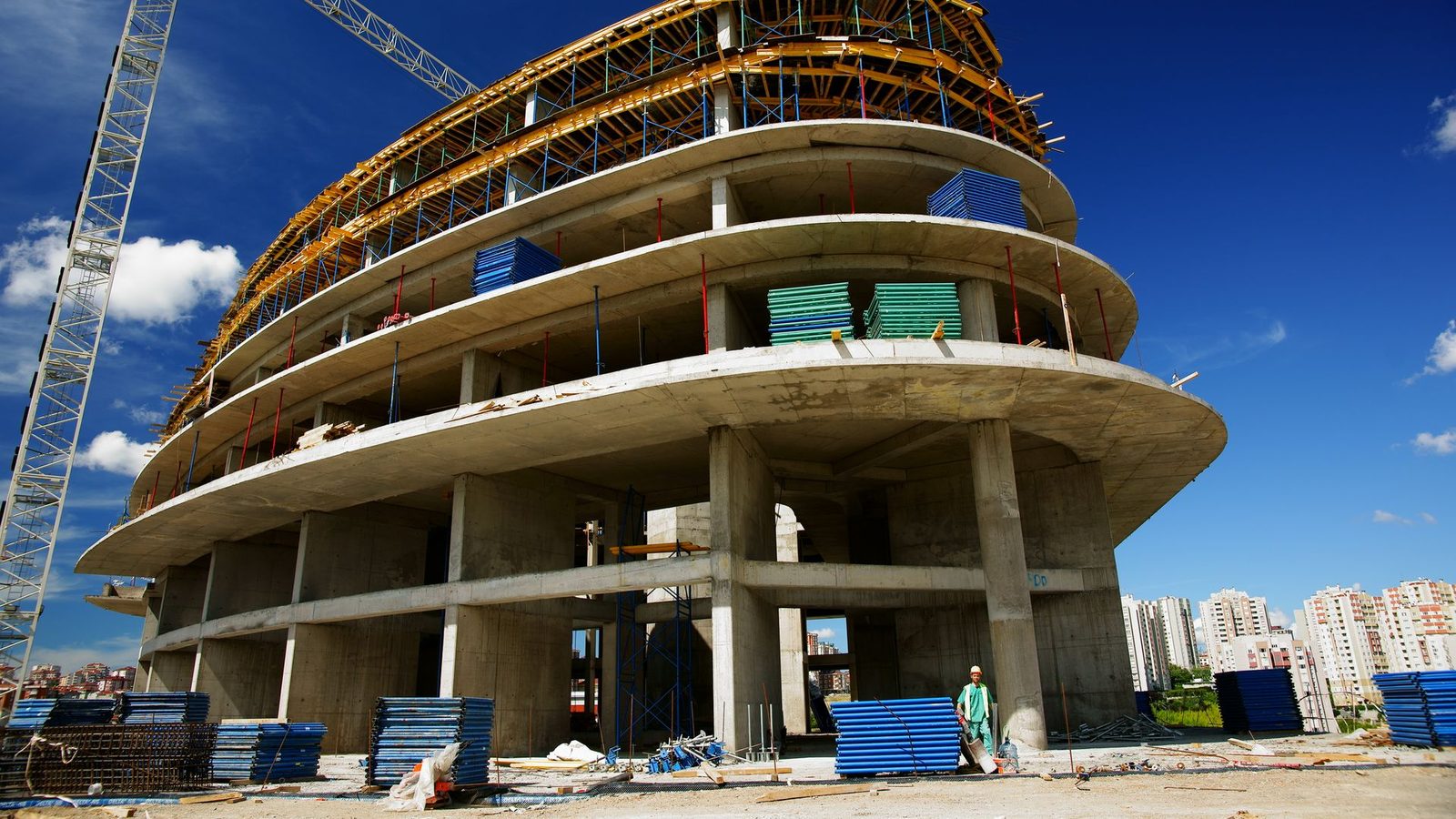
The Maceda Law: your rights when you stop paying for a pre-selling property (2026)
Thousands of Filipino families are quietly walking away from pre-selling condos and house and lot packages every year, and most of them leave money on the table that the law says is theirs. The Maceda Law, Republic Act 6552, exists precisely for this moment: it protects buyers of residential property on installment who can no longer keep paying, and in many cases it entitles them to a refund of half of everything they have paid, sometimes more. Developers rarely volunteer this. Buyers who know the law negotiate from a different position entirely.
Here is how it works, what you are owed, and the traps around the edges.
Who the law protects
The Maceda Law covers buyers of residential real estate on installment plans: condo units, house and lot packages, residential lots. It does not cover industrial lots or commercial buildings, and it is aimed at installment contracts, the classic pre-selling setup where you pay a down payment in monthly slices and then amortize, often through the contract to sell stage that our guide to Contract to Sell versus Deed of Absolute Sale explains.
The pivotal line in the law is two years of paid installments. Your rights look very different on each side of it.
If you have paid at least two years of installments
Three protections kick in:
A real grace period. You are entitled to a grace period of one month for every year of installments you have paid, without interest, to catch up on what you owe. Miss a few months after four years of paying and the developer cannot simply cancel; you have four months of grace to cure the default, usable once every five years of the contract.
A mandatory refund if the contract is cancelled. If you cannot catch up and the sale is cancelled, the developer must refund you the cash surrender value: fifty percent of your total payments, rising by five percent per year after the fifth year of installments, up to a ceiling of ninety percent. On a contract where you have paid, say, ₱800,000 (about $12,800 / €11,000) over three years, that is ₱400,000 (about $6,400 / €5,510) the developer owes you back.
Formality before cancellation. The cancellation is not valid until the developer serves a notarized notice of cancellation and actually pays the cash surrender value. Until both happen, the contract legally stands. Developers who send a plain letter and resell the unit are skipping steps the law does not let them skip.
If you have paid less than two years
The protection is thinner but real: a sixty day grace period from the missed installment to pay up, and cancellation only takes effect thirty days after you receive a notarized notice. There is no refund entitlement at this stage, which is exactly why the two year mark matters so much: a buyer eighteen months in who is struggling may be better off finding a way to reach two years, or negotiating an exit, than defaulting outright.
Your other exits
Cancellation is not the only door. The law lets you sell or assign your rights to another person before cancellation, which is the legal backbone of the pasalo market: instead of losing everything, you pass the contract to a buyer who pays you for your equity and continues the installments, exactly the mechanism our pasalo and assume balance guide walks through. You can also pay the balance in advance at any time without interest penalties under the same law. For many struggling buyers, a pasalo exit recovers more than the cash surrender value, so compare both numbers before deciding.
The traps around the edges
- Reservation fees and forfeiture clauses. Developers commonly treat reservation fees as non refundable, and how much of your early payments count toward the refund computation can get contested. Keep every receipt and the payment schedule.
- Waivers in the fine print. Contract clauses that waive Maceda rights are void; the protections stand even if you signed something that says otherwise.
- Silence as strategy. Some developers simply stall, neither cancelling formally nor refunding. The formal demand letter, the DHSUD complaint desk and, for sums within the limit, small claims court are the escalation path.
- Bank financed purchases. Once you have taken a bank loan and the developer has been paid in full, you are in mortgage territory, not Maceda territory; the law protects installment payments to the seller.
Before you buy, and if you are struggling now
The best use of the Maceda Law is before signing: knowing the two year threshold and the refund ladder tells you how much risk a pre-selling commitment really carries, which belongs in the same due diligence as our pre-selling first visit checklist and the honest budget math in how much salary you need. If you are already behind on payments, do the arithmetic both ways, cash surrender value versus a pasalo sale, send everything in writing, and do not vacate your rights on a phone call.
This is general information, not legal advice; the computations and notices in a real cancellation have specifics worth a professional's eyes, especially on six figure refunds.
Dollar and euro figures are approximate conversions at ₱62.5 per US dollar and ₱72.6 per euro (ECB reference rates, 2026-09-08).
Frequently asked questions
What is the Maceda Law?
Republic Act 6552, the law protecting buyers of residential real estate on installment, like pre-selling condos and house and lot packages, when they can no longer keep paying. Its key protections are grace periods to catch up and, after two years of installments, a mandatory cash refund if the contract is cancelled.
How much refund do I get under the Maceda Law?
If you have paid at least two years of installments and the sale is cancelled, the developer must refund the cash surrender value: 50 percent of your total payments, rising by 5 percent per year after the fifth year, up to 90 percent. The cancellation is not even valid until a notarized notice is served and that refund is actually paid.
What if I have paid less than two years of installments?
You get a 60 day grace period from the missed installment to catch up, and cancellation takes effect only 30 days after you receive a notarized notice, but there is no refund entitlement at that stage. That is why the two year mark matters so much for struggling buyers.
Is selling via pasalo better than a Maceda refund?
Often yes. Before cancellation you can assign your rights to another buyer who pays you for your equity and continues the installments, and that pasalo exit frequently recovers more than the 50 percent cash surrender value. Compute both numbers before deciding.
Ang Maceda Law: ang mga karapatan mo kapag hindi mo na kayang bayaran ang pre-selling property (2026)
Libo-libong pamilyang Pilipino ang tahimik na umaatras sa pre-selling condo at house and lot packages taon-taon, at karamihan sa kanila ay nag-iiwan ng perang sabi ng batas ay sa kanila. Ang Maceda Law, Republic Act 6552, ay ginawa mismo para sa ganitong sitwasyon: pinoprotektahan nito ang mga bumibili ng residential property sa installment na hindi na kayang ituloy ang bayad, at sa maraming kaso may karapatan silang makakuha ng refund na kalahati ng lahat ng naibayad nila, minsan pa nga ay mas malaki pa. Bihirang boluntaryong sabihin ito ng mga developer. Ang mga buyer na alam ang batas ay nakikipag-negotiate mula sa ibang-iba nang posisyon.
Heto kung paano ito gumagana, kung ano ang dapat mong makuha, at ang mga patibong sa paligid nito.
Sino ang protektado ng batas
Sakop ng Maceda Law ang mga bumibili ng residential real estate sa installment plans: condo units, house and lot packages, residential lots. Hindi nito sakop ang industrial lots o commercial buildings, at nakatuon ito sa installment contracts, ang klasikong pre-selling setup kung saan hinuhulugan mo ang down payment buwan-buwan at pagkatapos ay nag-a-amortize ka, kadalasan sa yugto ng contract to sell na ipinapaliwanag ng aming gabay sa Contract to Sell versus Deed of Absolute Sale.
Ang pinakamahalagang linya sa batas ay dalawang taon ng bayad na installments. Ibang-iba ang mga karapatan mo sa magkabilang panig nito.
Kung nakapagbayad ka na ng hindi bababa sa dalawang taon ng installments
Tatlong proteksyon ang papasok:
Totoong grace period. May karapatan kang makakuha ng grace period na isang buwan para sa bawat taon ng installments na naibayad mo, walang interes, para habulin ang mga naiwang bayad. Kung nakaligtaan mo ang ilang buwan pagkatapos ng apat na taong pagbabayad, hindi basta-basta makakapag-cancel ang developer; may apat na buwan kang grace para ayusin ang default, na magagamit isang beses kada limang taon ng kontrata.
Mandatory na refund kapag na-cancel ang kontrata. Kung hindi mo na kayang habulin at na-cancel ang sale, dapat i-refund sa iyo ng developer ang cash surrender value: 50 percent ng kabuuang bayad mo, tumataas ng 5 percent bawat taon pagkatapos ng ikalimang taon ng installments, hanggang sa maximum na 90 percent. Sa kontratang nakapagbayad ka na ng, halimbawa, ₱800,000 (mga $12,800 / €11,000) sa loob ng tatlong taon, ₱400,000 (mga $6,400 / €5,510) iyon ang utang sa iyo ng developer.
Pormalidad bago ang cancellation. Hindi valid ang cancellation hangga't hindi nagpapadala ang developer ng notarized notice of cancellation at hindi aktwal na binabayaran ang cash surrender value. Hangga't hindi nangyayari ang dalawang iyon, legal na nakatayo pa rin ang kontrata. Ang mga developer na nagpapadala lang ng ordinaryong sulat at muling ibinebenta ang unit ay lumalaktaw sa mga hakbang na hindi pinapayagan ng batas na laktawan.
Kung wala pang dalawang taon ang naibayad mo
Mas manipis ang proteksyon pero totoo pa rin: 60 days na grace period mula sa hindi nabayarang installment para makahabol sa bayad, at magkakabisa lang ang cancellation 30 days pagkatapos mong matanggap ang notarized notice. Wala kang karapatan sa refund sa yugtong ito, kaya nga napakahalaga ng two year mark: ang buyer na 18 months pa lang at nahihirapan na ay maaaring mas makabubuting humanap ng paraan para maabot ang dalawang taon, o makipag-negotiate ng exit, kaysa tuluyang mag-default.
Ang iba mo pang exit
Hindi lang cancellation ang pinto. Pinapayagan ka ng batas na ibenta o i-assign ang mga karapatan mo sa ibang tao bago ang cancellation, na siyang legal na gulugod ng pasalo market: sa halip na mawala lahat, ipinapasa mo ang kontrata sa isang buyer na magbabayad sa iyo para sa equity mo at magpapatuloy ng installments, ang eksaktong mekanismong tinatalakay ng aming gabay sa pasalo at assume balance. Puwede mo ring bayaran nang advance ang balance anumang oras nang walang interest penalties sa ilalim ng parehong batas. Para sa maraming nahihirapang buyer, mas malaki ang nababawi sa pasalo exit kaysa sa cash surrender value, kaya ikumpara ang dalawang numero bago magdesisyon.
Ang mga patibong sa paligid
- Reservation fees at forfeiture clauses. Karaniwang itinuturing ng mga developer na non refundable ang reservation fees, at puwedeng pagtalunan kung magkano sa mga maagang bayad mo ang mabibilang sa refund computation. Itago ang bawat resibo at ang payment schedule.
- Waivers sa fine print. Void ang mga clause sa kontrata na nagwa-waive ng Maceda rights; nananatili ang mga proteksyon kahit pumirma ka ng dokumentong may ibang sinasabi.
- Katahimikan bilang estratehiya. May mga developer na nagpapatagal lang, hindi nagka-cancel nang pormal pero hindi rin nagre-refund. Ang pormal na demand letter, ang DHSUD complaint desk at, para sa halagang pasok sa limit, ang small claims court ang escalation path.
- Mga biniling bank financed. Kapag kumuha ka na ng bank loan at nabayaran na nang buo ang developer, nasa mortgage territory ka na, hindi na Maceda territory; ang pinoprotektahan ng batas ay ang installment payments sa seller.
Bago ka bumili, at kung nahihirapan ka na ngayon
Ang pinakamagandang gamit ng Maceda Law ay bago pumirma: kapag alam mo ang two year threshold at ang refund ladder, makikita mo kung gaano kalaki talaga ang risk na dala ng isang pre-selling commitment, na dapat kasama sa parehong due diligence gaya ng aming pre-selling first visit checklist at ng tapat na budget math sa magkanong sahod ang kailangan mo. Kung nahuhuli ka na sa bayad, kuwentahin ang dalawang direksyon, cash surrender value laban sa pasalo sale, ipadala ang lahat nang nakasulat, at huwag isuko ang mga karapatan mo sa isang tawag sa telepono.
Pangkalahatang impormasyon ito, hindi legal advice; ang mga computation at notice sa isang totoong cancellation ay may mga detalyeng sulit ipatingin sa propesyonal, lalo na kapag six figure ang refund.
Tinatayang conversion lang ang mga halaga sa dollar at euro, sa ₱62.5 kada US dollar at ₱72.6 kada euro (ECB reference rates, 2026-09-08).
Mga madalas itanong
Ano ang Maceda Law?
Republic Act 6552, ang batas na nagpoprotekta sa mga bumibili ng residential real estate on installment, tulad ng pre-selling condos at house and lot packages, kapag hindi na nila kayang magbayad. Ang mga pangunahing proteksyon nito ay grace periods para makahabol at, pagkatapos ng two years of installments, mandatory cash refund kapag na-cancel ang contract.
Magkano ang refund ko under the Maceda Law?
Kung nakapagbayad ka na ng at least two years of installments at na-cancel ang sale, dapat i-refund ng developer ang cash surrender value: 50 percent ng total payments mo, tumataas ng 5 percent per year pagkatapos ng fifth year, hanggang 90 percent. Hindi pa nga valid ang cancellation hangga't hindi naseserve ang notarized notice at hindi aktwal na naibibigay ang refund na iyon.
Paano kung wala pang two years of installments ang nabayaran ko?
May 60 day grace period ka mula sa missed installment para makahabol, at magkakabisa lang ang cancellation 30 days pagkatapos mong matanggap ang notarized notice, pero wala kang refund entitlement sa stage na iyon. Kaya napakahalaga ng two year mark para sa mga nahihirapang buyer.
Mas maganda ba ang pagbebenta via pasalo kaysa Maceda refund?
Madalas, oo. Bago ma-cancel, pwede mong i-assign ang rights mo sa ibang buyer na magbabayad sa iyo para sa equity mo at magpapatuloy ng installments, at ang pasalo exit na iyan ay kadalasang nakaka-recover ng mas malaki kaysa sa 50 percent cash surrender value. I-compute ang dalawang numero bago magdesisyon.
Ang Maceda Law: ang imong mga katungod kung dili na nimo mabayran ang pre-selling property (2026)
Liboan ka pamilyang Pilipino ang hilom nga mobiya sa pre-selling condo ug house and lot packages matag tuig, ug kadaghanan kanila nagbilin ug kwarta nga sumala sa balaod ilaha unta. Ang Maceda Law, Republic Act 6552, gihimo gyud para niining higayona: gipanalipdan niini ang mga mopalit ug residential property pinaagi sa installment nga dili na makapadayon sa pagbayad, ug sa daghang kaso aduna silay katungod sa refund nga katunga sa tanan nilang nabayran, usahay mas dako pa. Panagsa ra kini boluntaryong isulti sa mga developer. Ang mga buyer nga nakahibalo sa balaod lahi ra gyud ang posisyon sa pag-negotiate.
Ania kung giunsa kini paglihok, unsa ang angay nimong madawat, ug ang mga lit-ag sa palibot niini.
Kinsa ang gipanalipdan sa balaod
Ang Maceda Law naglangkob sa mga mopalit ug residential real estate pinaagi sa installment plans: condo units, house and lot packages, residential lots. Wala niini malangkob ang industrial lots o commercial buildings, ug gitumong kini sa installment contracts, ang klasikong pre-selling setup diin bayran nimo ang down payment sa binulan nga hulog ug dayon mag-amortize ka, kasagaran sa contract to sell stage nga gipasabot sa among giya sa Contract to Sell versus Deed of Absolute Sale.
Ang pinakaimportanteng linya sa balaod mao ang duha ka tuig nga bayad nga installments. Lahi kaayo ang imong mga katungod sa matag kilid niini.
Kung nakabayad ka na ug labing menos duha ka tuig nga installments
Tulo ka proteksyon ang mosulod:
Tinuod nga grace period. Aduna kay katungod sa grace period nga usa ka bulan para sa matag tuig nga installments nga imong nabayran, walay interes, aron maapas ang imong utang. Kung nasipyat ka ug pipila ka bulan human sa upat ka tuig nga pagbayad, dili basta-basta maka-cancel ang developer; aduna kay upat ka bulan nga grace aron ayohon ang default, magamit kausa matag lima ka tuig sa kontrata.
Mandatory nga refund kung ma-cancel ang kontrata. Kung dili na nimo maapas ug ma-cancel ang sale, kinahanglan i-refund kanimo sa developer ang cash surrender value: 50 percent sa imong total nga bayad, mosaka ug 5 percent matag tuig human sa ikalimang tuig sa installments, hangtod sa kinatas-an nga 90 percent. Sa kontrata diin nakabayad ka na ug, pananglitan, ₱800,000 (mga $12,800 / €11,000) sulod sa tulo ka tuig, ₱400,000 (mga $6,400 / €5,510) kana nga utang kanimo sa developer.
Pormalidad una ang cancellation. Dili valid ang cancellation hangtod nga ang developer mopadala ug notarized notice of cancellation ug aktwal nga mobayad sa cash surrender value. Hangtod nga mahitabo kining duha, legal nga nagbarog gihapon ang kontrata. Ang mga developer nga mopadala lang ug ordinaryong sulat ug ibaligya pag-usab ang unit naglaktaw sa mga lakang nga wala itugot sa balaod nga laktawan.
Kung wala pa kaabot ug duha ka tuig ang imong nabayran
Mas nipis ang proteksyon pero tinuod gihapon: 60 days nga grace period gikan sa wala mabayri nga installment aron makabayad, ug ang cancellation moepekto lang 30 days human nimo madawat ang notarized notice. Walay katungod sa refund niining yugtoa, mao gyud nga importante kaayo ang two year mark: ang buyer nga 18 months pa lang ug naglisod na tingali mas maayo pa nga mangita ug paagi aron makaabot sa duha ka tuig, o makig-negotiate ug exit, kaysa mo-default dayon.
Ang imong ubang exit
Dili lang cancellation ang pultahan. Gitugotan ka sa balaod nga ibaligya o i-assign ang imong mga katungod ngadto sa laing tawo una pa ang cancellation, nga mao ang legal nga bukog sa pasalo market: imbes nga mawala ang tanan, ipasa nimo ang kontrata sa usa ka buyer nga mobayad kanimo para sa imong equity ug mopadayon sa installments, ang eksaktong mekanismo nga gihisgotan sa among giya sa pasalo ug assume balance. Mahimo usab nimo bayran ug advance ang balance bisan unsang orasa nga walay interest penalties ubos sa samang balaod. Para sa daghang naglisod nga buyer, mas dako ang mabawi sa pasalo exit kaysa cash surrender value, busa itandi ang duha ka numero una modesisyon.
Ang mga lit-ag sa palibot
- Reservation fees ug forfeiture clauses. Kasagaran giisip sa mga developer nga non refundable ang reservation fees, ug mahimong lalisan kung pila sa imong unang mga bayad ang maihap sa refund computation. Tipigi ang matag resibo ug ang payment schedule.
- Waivers sa fine print. Void ang mga clause sa kontrata nga mo-waive sa Maceda rights; magpabilin ang mga proteksyon bisan pa ug mipirma ka ug dokumento nga lahi ang giingon.
- Kahilom isip estratehiya. Ang ubang developer magpalangan lang, dili mo-cancel nga pormal pero dili usab mo-refund. Ang pormal nga demand letter, ang DHSUD complaint desk ug, para sa kantidad nga sulod sa limit, ang small claims court mao ang escalation path.
- Mga palit nga bank financed. Kung nakakuha ka na ug bank loan ug nabayran na sa hingpit ang developer, naa ka na sa mortgage territory, dili na Maceda territory; ang gipanalipdan sa balaod mao ang installment payments ngadto sa seller.
Una ka mopalit, ug kung naglisod ka na karon
Ang pinakamaayong gamit sa Maceda Law mao ang una pa ka mopirma: kung nakahibalo ka sa two year threshold ug sa refund ladder, makita nimo kung unsa gyud kadako ang risk nga dala sa usa ka pre-selling commitment, nga angay iapil sa samang due diligence sama sa among pre-selling first visit checklist ug sa matinud-anon nga budget math sa pila ka sweldo ang imong kinahanglan. Kung naulahi ka na sa bayad, kwentaha ang duha ka direksyon, cash surrender value batok sa pasalo sale, ipadala ang tanan nga nakasulat, ug ayaw isalikway ang imong mga katungod pinaagi lang sa tawag sa telepono.
Kini kinatibuk-ang impormasyon, dili legal advice; ang mga computation ug notice sa tinuod nga cancellation adunay mga detalye nga angay ipatan-aw sa propesyonal, ilabi na kung six figure ang refund.
Banabana lang ang mga conversion sa dollar ug euro, sa ₱62.5 matag US dollar ug ₱72.6 matag euro (ECB reference rates, 2026-09-08).
Mga kasagarang pangutana
Unsa ang Maceda Law?
Republic Act 6552, ang balaod nga nagpanalipod sa mga mopalit og residential real estate on installment, sama sa pre-selling condos ug house and lot packages, kung dili na sila makapadayon og bayad. Ang mga nag-unang proteksyon niini mao ang grace periods aron makaapas ug, human sa two years of installments, mandatory cash refund kung ma-cancel ang kontrata.
Pila ang refund nako ubos sa Maceda Law?
Kung nakabayad ka na og at least two years of installments ug na-cancel ang sale, kinahanglan i-refund sa developer ang cash surrender value: 50 percent sa imong total payments, mosaka og 5 percent per year human sa fifth year, hangtod 90 percent. Dili gani valid ang cancellation hangtod dili ma-serve ang notarized notice ug dili aktwal nga mabayran kana nga refund.
Unsa man kung wala pay two years of installments ang akong nabayran?
Naa kay 60 day grace period gikan sa missed installment aron makaapas, ug ang cancellation moepekto ra 30 days human nimo madawat ang notarized notice, apan wala kay refund entitlement niana nga stage. Mao nga importante kaayo ang two year mark para sa mga naglisod nga buyer.
Mas maayo ba ang pagbaligya via pasalo kaysa Maceda refund?
Kasagaran, oo. Una pa ma-cancel, mahimo nimong i-assign ang imong rights ngadto sa laing buyer nga mobayad nimo para sa imong equity ug mopadayon sa installments, ug kana nga pasalo exit kasagaran maka-recover og mas dako kaysa 50 percent cash surrender value. I-compute ang duha ka numero una modesisyon.
Browse properties on BalayHub
See all listings →
Read next
Zonal Value vs Market Value vs Assessed Value: Philippines
Zonal value vs market value vs assessed value: which one sets the 6% capital gains tax, which one sets amilyar, and what RA 12001 changes in 2026.
Condo Insurance Philippines: Owners, Landlords and Renters
Condo insurance Philippines guide: what the master policy leaves to you, contents and liability cover, earthquake from 0.10% a year, landlords and tenants.
Pag-IBIG Housing Loan Pasalo: How to Sell Your House (2026)
Pag-IBIG housing loan pasalo, seller's side: three legal exits, why informal pasalo leaves you liable, the 6% capital gains tax and the steps in order.