
Sep 13, 2026 · by BalayHub Admin · 7 min read
High-Rise vs Mid-Rise Condo in the Philippines: Which to Buy
High rise vs mid rise condo in the Philippines: the 15 meter Fire Code line, why dues climb with height, quake and flood behavior, and who each suits.
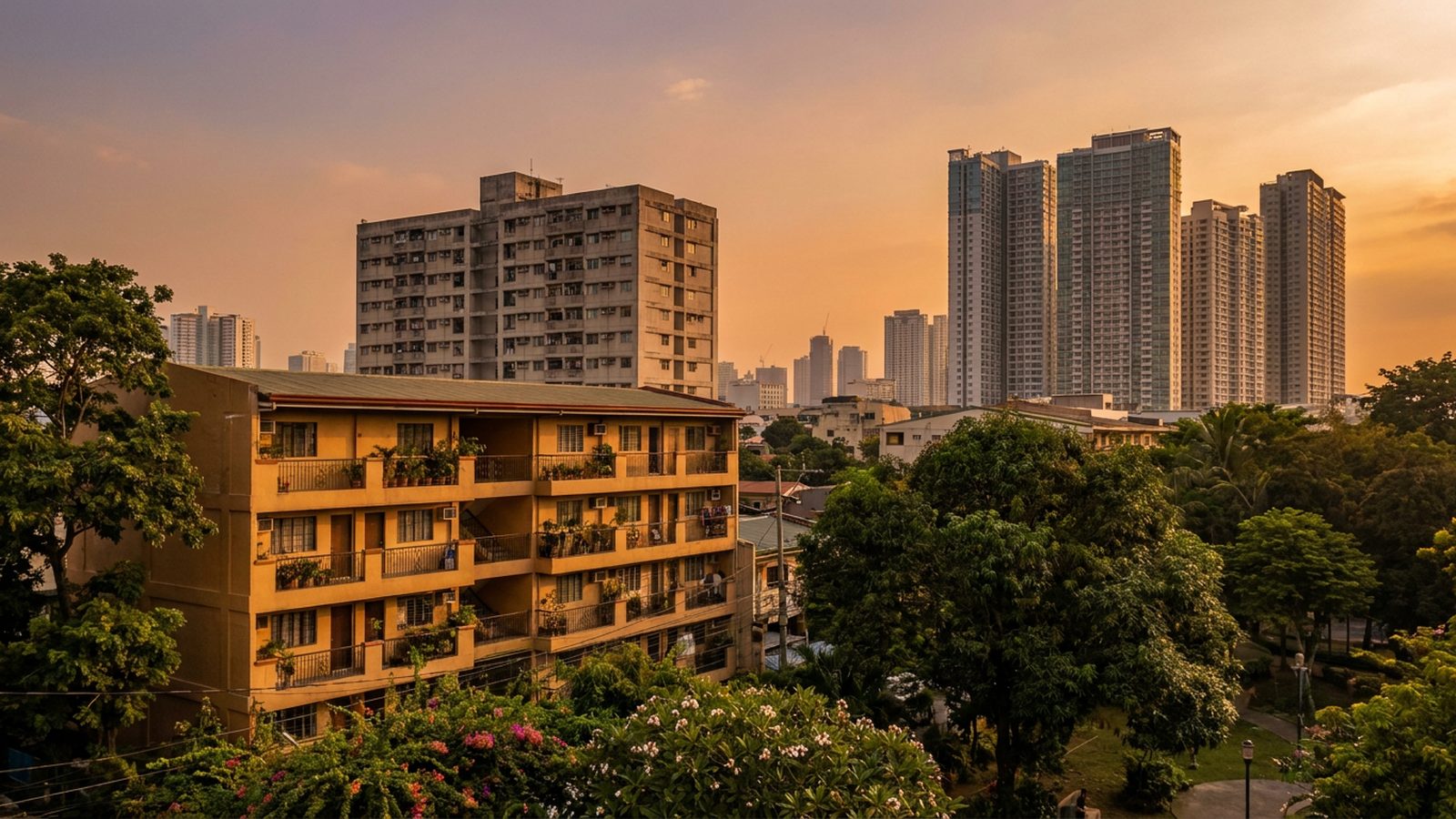
The height of the building you buy into shapes your monthly bill, your commute inside the building, how the unit behaves in an earthquake or a flood, and who will want to rent or buy it from you later. Yet most buyers choose a condo by location and price and only discover the difference between a high rise vs mid rise condo after they have moved in and paid the first association dues. This guide sets out what each height class means in the Philippines, what it costs to live in, and which one fits which buyer.
The first thing to know is that the labels are looser than they sound. The National Building Code does not define low, mid or high rise. The closest official line comes from the Fire Code's implementing rules, which treat a building as high rise once the floor of its topmost storey is fifteen meters or more above the level where a fire truck can reach it, roughly five storeys, and attach stricter fire protection to it. The market uses a different scale: low rise for up to about five floors, mid rise for six to fifteen, high rise for anything taller. This guide uses the market scale, with the Fire Code line noted where it changes what you pay.
What the three classes actually look like
In our building catalogue, 620 projects publish a floor count. Fifty four are low rise of five floors or fewer, 199 are mid rise of six to fifteen, and 367 are high rise, with 184 of those above thirty floors. The tallest residential towers in the catalogue reach 71 floors at The Gramercy Residences in Makati, 67 at Shang Salcedo Place and 64 at The Royalton at Capitol Commons in Pasig.
The three classes are built for different densities. A low rise like 32 Sanson by Rockwell in Cebu City spreads 355 units across five floors and leaves 70% of the site as open ground. A mid rise like Suntrust Treetop Villas puts about 651 units in twelve floor clusters behind a gate. A high rise like The Gramercy Residences stacks its units on one footprint, and the biggest multi tower high rise communities in Metro Manila run past 4,000 units. Density is the variable behind almost everything that follows: the land share per unit, the number of neighbors sharing an elevator, and the size of the dues bill.
The monthly cost: dues, elevators and systems
Association dues pay for what the building has to run, and height adds machinery. A high rise carries several elevators, pressurized fire stairs, sprinkler systems, a fire pump, water booster pumps to reach the upper floors, a generator sized for all of it, and a facade that needs periodic access equipment. A five floor walk up has none of that. The result is that a high rise unit generally pays more per square meter each month than a mid rise unit of the same size in the same city, and the gap widens in buildings with hotel style amenities. How dues are computed, what they cover and what happens if you fall behind is in our condo association dues guide, and it is worth reading before you compare two units on price alone.
The Fire Code line matters here. Once a building crosses the high rise threshold, the fire safety systems that the Fire Code of the Philippines requires become a permanent operating cost that the unit owners share. That is not an argument against high rise living, since those systems are exactly what you want at the thirtieth floor. It is an argument for asking for the dues schedule and the last audited statement before you reserve.
Elevators deserve their own line. In a tower with 1,000 units and four lifts, the morning wait is part of your commute, and a lift out of service for weeks is an ordinary event in older buildings. Ask how many elevators serve your floor, when they were last overhauled and whether the generator carries them during outages. A mid rise of six to eight floors with one lift has the opposite problem: one breakdown and the top floors are walk ups.
Earthquake, flood and the view
The Philippines sits on active faults and every condo built to code is designed for it, but height changes what you feel. Tall towers are designed to sway, and residents on high floors feel moderate quakes that people on the third floor of a mid rise barely notice. Low and mid rise buildings on firm ground tend to ride out the same event with less drama, while any building on soft or reclaimed soil is a question in itself. The specifics, including the soil question and what to ask about the structural design, are in our earthquake risk guide for property buyers.
Flooding cuts the other way. In a high rise, the street level flood reaches the lobby and the basement parking, and the unit on the twentieth floor stays dry, although the elevators may stop and the generator may sit in the flooded basement. In a low rise, the ground floor unit is the one at risk, and the garden that made the project attractive is the first thing under water. Our guide on how to check if a property floods shows how to verify the specific street before you decide which floor to buy.
Then there is the view and the noise, which are the reasons people pay for height. Above the fifteenth floor the traffic fades, the breeze reaches the balcony and the skyline is the amenity. Below the sixth, the trees are the amenity and the street is audible. Neither is better. They suit different lives.
Who each class suits, and what it does to resale
High rise suits the buyer who wants to be inside a business district, the investor renting to young professionals, and anyone who values a view and a full amenity deck over a garden. These units rent fast near MRT stations and central business districts because that is where the tenants are, and the same liquidity helps when you sell. Mid rise suits families who want a bigger unit for the money, a gated community feel and lower dues, and buyers in provincial cities where mid rise is the dominant format anyway. Low rise suits buyers who prize privacy, land share and quiet, and who accept a smaller pool of future buyers in exchange.
Resale follows the same logic. In Metro Manila's business districts the high rise stock is the liquid stock, and a mid rise unit can take longer to sell because its buyers are more specific. Outside the metro, in Cebu, Davao or Iloilo, a well located mid rise often holds value as well as a tower, because the tower premium is smaller where land is cheaper. Before you decide, compare the asking price per square meter of a high rise and a mid rise unit in the same district with the price per square meter tool, and check the condo listings for your city to see how much of each format is actually for sale where you are looking.
The checklist that settles it
Ask the developer or the association for five things: the number of elevators per tower and their maintenance record, the dues per square meter with the last year's increases, the fire safety certificate, the generator capacity and what it powers, and the flood history of the street. Then walk the building at rush hour and again at night. The turnover inspection checklist covers the unit itself; these five cover the building around it, which is what you are really buying into. Browse the building directory to compare floor counts, unit counts and developers side by side.
This article is general guidance. Building classifications and fire safety requirements are set by law and by the local building official; verify the specifics of any project with the developer and the association before you buy.
Frequently asked questions
What counts as a high rise condo in the Philippines?
The Fire Code's implementing rules treat a building as high rise once the floor of its topmost storey is fifteen meters or more above the level a fire truck can reach, which is about five storeys, and require stricter fire protection from that point. The market uses a looser scale: low rise up to about five floors, mid rise six to fifteen, high rise above that.
Are association dues higher in a high rise?
Usually yes per square meter. A tower runs several elevators, pressurized fire stairs, sprinklers, fire and booster pumps and a large generator, and the owners share those costs every month. A five floor walk up has almost none of that equipment. Always ask for the current dues schedule and the last audited statement before comparing two units on price alone.
Is a mid rise condo safer in an earthquake than a high rise?
Both are designed to the same code, but they behave differently. Tall towers are built to sway and residents on high floors feel moderate quakes clearly, while a low or mid rise on firm ground rides out the same event with less movement. Soil matters more than height: any building on soft or reclaimed ground deserves questions about its foundation and structural design.
Which is easier to rent out or resell?
In Metro Manila's business districts the high rise stock near MRT stations is the liquid stock, because young professional tenants and investors concentrate there. Mid rise units appeal to families and take longer to sell in the metro, but in Cebu, Davao or Iloilo a well located mid rise holds value about as well as a tower, since the tower premium is smaller where land is cheaper.
Ang taas ng building na bibilhan mo ay humuhubog sa buwanang bill mo, sa commute mo sa loob ng building, sa kung paano kumikilos ang unit sa lindol o baha, at sa kung sino ang gustong umupa o bumili nito sa iyo sa hinaharap. Pero karamihan ng buyer ay pumipili ng condo ayon sa lokasyon at presyo at natutuklasan lang ang pagkakaiba ng high rise vs mid rise condo pagkatapos nilang lumipat at bayaran ang unang association dues. Inilalatag ng guide na ito kung ano ang ibig sabihin ng bawat height class sa Pilipinas, magkano ang gastos sa pagtira dito, at alin ang bagay sa aling buyer.
Ang unang dapat malaman ay mas maluwag ang mga label kaysa sa tunog nito. Hindi tinutukoy ng National Building Code ang low, mid o high rise. Ang pinakamalapit na opisyal na linya ay mula sa implementing rules ng Fire Code, na itinuturing na high rise ang building kapag ang sahig ng pinakamataas na palapag nito ay 15 meters o higit pa sa itaas ng level na maaabot ng fire truck, mga limang palapag, at naglalapat ng mas mahigpit na fire protection dito. Ibang scale ang ginagamit ng market: low rise para sa hanggang mga limang palapag, mid rise para sa anim hanggang labinlima, high rise para sa anumang mas mataas. Ginagamit ng guide na ito ang market scale, at binabanggit ang Fire Code line kung saan nito binabago ang babayaran mo.
Ano talaga ang hitsura ng tatlong class
Sa aming building catalogue, 620 na proyekto ang naglalathala ng floor count. 54 ang low rise na limang palapag o mas mababa, 199 ang mid rise na anim hanggang labinlima, at 367 ang high rise, na 184 dito ay lampas tatlumpung palapag. Umaabot sa 71 palapag ang pinakamatataas na residential tower sa catalogue sa The Gramercy Residences sa Makati, 67 sa Shang Salcedo Place at 64 sa The Royalton at Capitol Commons sa Pasig.
Itinayo ang tatlong class para sa magkakaibang density. Ang low rise tulad ng 32 Sanson by Rockwell sa Cebu City ay nagkakalat ng 355 units sa limang palapag at nag-iiwan ng 70% ng site bilang open ground. Ang mid rise tulad ng Suntrust Treetop Villas ay naglalagay ng mga 651 units sa mga twelve floor cluster sa likod ng gate. Ang high rise tulad ng The Gramercy Residences ay nagpapatong-patong ng mga unit nito sa iisang footprint, at ang pinakamalalaking multi tower high rise community sa Metro Manila ay lampas 4,000 units. Ang density ang variable sa likod ng halos lahat ng susunod: ang land share kada unit, ang bilang ng kapitbahay na nagsasalo sa elevator, at ang laki ng dues bill.
Ang buwanang gastos: dues, elevator at mga sistema
Binabayaran ng association dues ang kailangang patakbuhin ng building, at nagdaragdag ng makinarya ang taas. May ilang elevator ang high rise, pressurized fire stairs, sprinkler system, fire pump, water booster pump para maabot ang matataas na palapag, generator na sapat para sa lahat ng iyon, at facade na nangangailangan ng pana-panahong access equipment. Wala nito ang five floor walk up. Ang resulta, sa pangkalahatan ay mas malaki ang binabayaran kada square meter bawat buwan ng high rise unit kaysa sa mid rise unit na kaparehong laki sa parehong lungsod, at lumalawak ang agwat sa mga building na may hotel style amenities. Nasa aming guide sa condo association dues kung paano kinukwenta ang dues, ano ang sakop nito at ano ang mangyayari kapag nahuli ka sa bayad, at sulit itong basahin bago mo ikumpara ang dalawang unit batay sa presyo lang.
Mahalaga rito ang Fire Code line. Kapag lumampas ang building sa high rise threshold, ang mga fire safety system na hinihingi ng Fire Code of the Philippines ay nagiging permanenteng operating cost na pinaghahatian ng mga unit owner. Hindi iyon argumento laban sa pagtira sa high rise, dahil ang mga sistemang iyon mismo ang gusto mo sa ikatatlumpung palapag. Argumento ito para hingin ang dues schedule at ang huling audited statement bago ka mag-reserve.
Nararapat ng sariling linya ang mga elevator. Sa tower na may 1,000 units at apat na lift, bahagi ng commute mo ang paghihintay sa umaga, at karaniwang pangyayari sa mas lumang building ang lift na sira nang ilang linggo. Itanong kung ilang elevator ang naglilingkod sa palapag mo, kailan huling na-overhaul ang mga ito at kung dinadala ng generator ang mga ito kapag may brownout. Kabaligtaran ang problema ng mid rise na anim hanggang walong palapag na may isang lift: isang sira lang at walk up na ang mga itaas na palapag.
Lindol, baha at ang view
Nakaupo ang Pilipinas sa mga aktibong fault at bawat condo na itinayo ayon sa code ay dinisenyo para dito, pero binabago ng taas ang nararamdaman mo. Dinisenyo ang matataas na tower para umuga, at nararamdaman ng mga residente sa matataas na palapag ang katamtamang lindol na halos hindi napapansin ng mga tao sa ikatlong palapag ng mid rise. Mas kalmadong nalalampasan ng low at mid rise na building sa matibay na lupa ang parehong pangyayari, habang ang anumang building sa malambot o reclaimed na lupa ay sariling tanong. Nasa aming earthquake risk guide para sa mga property buyer ang mga detalye, kasama ang tanong tungkol sa lupa at kung ano ang itatanong tungkol sa structural design.
Kabaligtaran naman sa baha. Sa high rise, umaabot ang baha sa kalye hanggang sa lobby at basement parking, at nananatiling tuyo ang unit sa ikadalawampung palapag, kahit na maaaring huminto ang elevator at maaaring nasa binahang basement ang generator. Sa low rise, ang ground floor unit ang nasa panganib, at ang hardin na nagpaganda sa proyekto ang unang nalulubog. Ipinapakita ng aming guide sa kung paano tingnan kung binabaha ang property kung paano i-verify ang partikular na kalye bago ka magpasya kung aling palapag ang bibilhin.
Tapos may view at ingay, na siyang mga dahilan kung bakit nagbabayad ang mga tao para sa taas. Sa itaas ng ikalabinlimang palapag, humihina ang traffic, umaabot ang hangin sa balcony at ang skyline ang amenity. Sa ibaba ng ikaanim, ang mga puno ang amenity at naririnig ang kalye. Walang mas maganda sa dalawa. Bagay sila sa magkaibang buhay.
Kanino bagay ang bawat class, at ang epekto nito sa resale
Bagay ang high rise sa buyer na gustong nasa loob ng business district, sa investor na nagpapaupa sa mga young professional, at sa sinumang mas pinahahalagahan ang view at buong amenity deck kaysa sa hardin. Mabilis maupahan ang mga unit na ito malapit sa MRT station at central business district dahil doon ang mga tenant, at ang parehong liquidity ang tumutulong kapag nagbenta ka. Bagay ang mid rise sa mga pamilyang gusto ng mas malaking unit para sa pera, gated community feel at mas mababang dues, at sa mga buyer sa mga probinsyang lungsod kung saan mid rise naman ang dominanteng format. Bagay ang low rise sa mga buyer na pinahahalagahan ang privacy, land share at katahimikan, at tinatanggap ang mas maliit na pool ng mga future buyer kapalit nito.
Sumusunod sa parehong lohika ang resale. Sa mga business district ng Metro Manila, ang high rise stock ang liquid stock, at maaaring mas matagal maibenta ang mid rise unit dahil mas partikular ang mga buyer nito. Sa labas ng metro, sa Cebu, Davao o Iloilo, madalas na kasing tatag ng tower ang halaga ng mid rise na nasa magandang lokasyon, dahil mas maliit ang tower premium kung saan mas mura ang lupa. Bago ka magpasya, ikumpara ang asking price per square meter ng high rise at mid rise unit sa parehong distrito gamit ang price per square meter tool, at tingnan ang condo listings para sa lungsod mo para makita kung gaano karami sa bawat format ang talagang nabebenta kung saan ka naghahanap.
Ang checklist na magtatapos ng usapan
Hingin sa developer o sa association ang limang bagay: ang bilang ng elevator kada tower at ang maintenance record nito, ang dues kada square meter kasama ang mga pagtaas noong nakaraang taon, ang fire safety certificate, ang kapasidad ng generator at kung ano ang pinapaandar nito, at ang flood history ng kalye. Pagkatapos, lakarin ang building sa rush hour at ulit sa gabi. Sakop ng turnover inspection checklist ang unit mismo; sakop ng limang ito ang building sa paligid nito, na siyang tunay mong binibili. I-browse ang building directory para ikumpara ang floor count, unit count at developer nang magkakatabi.
Pangkalahatang gabay ang artikulong ito. Itinatakda ng batas at ng local building official ang building classification at fire safety requirements; i-verify ang mga detalye ng anumang proyekto sa developer at sa association bago ka bumili.
Mga madalas itanong
Ano ang itinuturing na high rise condo sa Pilipinas?
Itinuturing ng implementing rules ng Fire Code na high rise ang building kapag ang sahig ng pinakamataas na palapag nito ay 15 meters o higit pa sa itaas ng level na maaabot ng fire truck, na mga limang palapag, at humihingi ng mas mahigpit na fire protection mula sa puntong iyon. Mas maluwag ang scale na ginagamit ng market: low rise hanggang mga limang palapag, mid rise na anim hanggang labinlima, high rise sa itaas niyon.
Mas mataas ba ang association dues sa high rise?
Karaniwang oo kada square meter. Nagpapatakbo ang tower ng ilang elevator, pressurized fire stairs, sprinkler, fire at booster pump at malaking generator, at pinaghahatian ng mga owner ang mga gastos na iyon buwan-buwan. Halos wala nito ang five floor walk up. Laging hingin ang kasalukuyang dues schedule at ang huling audited statement bago ikumpara ang dalawang unit batay sa presyo lang.
Mas ligtas ba ang mid rise condo sa lindol kaysa sa high rise?
Parehong dinisenyo ayon sa iisang code, pero magkaiba ang kilos nila. Itinayo ang matataas na tower para umuga at malinaw na nararamdaman ng mga residente sa matataas na palapag ang katamtamang lindol, habang mas kaunti ang galaw na nararanasan ng low o mid rise sa matibay na lupa sa parehong pangyayari. Mas mahalaga ang lupa kaysa sa taas: anumang building sa malambot o reclaimed na lupa ay dapat tanungin tungkol sa foundation at structural design nito.
Alin ang mas madaling paupahan o i-resell?
Sa mga business district ng Metro Manila, ang high rise stock malapit sa MRT station ang liquid stock, dahil doon nagkukumpulan ang mga young professional na tenant at investor. Nakakaakit ng mga pamilya ang mid rise unit at mas matagal maibenta sa metro, pero sa Cebu, Davao o Iloilo, halos kasing tatag ng tower ang halaga ng mid rise na nasa magandang lokasyon, dahil mas maliit ang tower premium kung saan mas mura ang lupa.
Ang gitas-on sa building nga imong paliton naghulma sa imong buwanang bayranan, sa imong biyahe sulod sa building, sa paglihok sa unit kung naay linog o baha, ug kung kinsa ang gustong mo-abang o mopalit niini gikan nimo sa umaabot. Apan kadaghanan sa mga buyer mopili og condo base sa lokasyon ug presyo, ug madiskobrehan ra ang kalainan sa high rise vs mid rise condo human na sila makabalhin ug makabayad sa unang association dues. Kini nga guide nagpasabot kung unsa ang matag klase sa gitas-on sa Pilipinas, unsa ang gasto sa pagpuyo niini, ug kinsa nga buyer ang angay sa matag usa.
Ang unang angay mahibaloan mao nga mas luag ang mga label kaysa paminaw niini. Wala gi-define sa National Building Code ang low, mid o high rise. Ang pinakaduol nga opisyal nga linya gikan sa implementing rules sa Fire Code, nga nag-isip sa building nga high rise kung ang salog sa kinatas-ang andana niini kinse ka metros o labaw pa ibabaw sa lebel nga maabot sa fire truck, mga lima ka andana, ug nagbutang og mas istrikto nga fire protection niini. Lahi ang sukdanan nga gigamit sa merkado: low rise hangtod mga lima ka andana, mid rise para sa unom hangtod kinse, high rise para sa bisan unsa nga mas taas pa. Kini nga guide naggamit sa sukdanan sa merkado, nga gitiman-an ang linya sa Fire Code kung asa kini makausab sa imong bayranan.
Unsa gyud ang hitsura sa tulo ka klase
Sa among building catalogue, 620 ka proyekto ang nagpagawas og floor count. Singkwenta'y kwatro ang low rise nga lima ka andana o ubos pa, 199 ang mid rise nga unom hangtod kinse, ug 367 ang high rise, nga 184 niini labaw sa traynta ka andana. Ang pinakataas nga residential tower sa catalogue moabot sa 71 ka andana sa The Gramercy Residences sa Makati, 67 sa Shang Salcedo Place ug 64 sa The Royalton at Capitol Commons sa Pasig.
Gitukod ang tulo ka klase para sa lainlaing density. Ang low rise sama sa 32 Sanson by Rockwell sa Cebu City nagpakatag og 355 ka unit sa lima ka andana ug nagbilin sa 70% sa site isip open ground. Ang mid rise sama sa Suntrust Treetop Villas nagbutang og mga 651 ka unit sa mga cluster nga dose ka andana sa luyo sa gate. Ang high rise sama sa The Gramercy Residences nagpatong-patong sa iyang mga unit sa usa ka footprint, ug ang pinakadagkong multi tower nga high rise community sa Metro Manila molapas sa 4,000 ka unit. Ang density mao ang variable sa luyo sa halos tanan nga mosunod: ang bahin sa yuta kada unit, ang gidaghanon sa silingan nga mag-ambit sa elevator, ug ang gidak-on sa dues.
Ang buwanang gasto: dues, elevator ug mga sistema
Ang association dues mobayad sa kinahanglang padaganon sa building, ug ang gitas-on nagdugang og makinarya. Ang high rise naay pipila ka elevator, pressurized fire stairs, sprinkler system, fire pump, water booster pump aron maabot ang taas nga mga andana, generator nga igo sa tanan niana, ug facade nga nanginahanglan og periodic access equipment. Ang lima ka andana nga walk up wala niana. Ang resulta mao nga ang high rise unit kasagaran mobayad og mas taas kada sqm matag bulan kaysa mid rise unit nga pareho og gidak-on sa samang siyudad, ug molapad ang gintang sa mga building nga naay hotel style nga amenity. Kung unsaon pagkwenta ang dues, unsa ang sakop niini ug unsa ang mahitabo kung maulahi ka og bayad naa sa among guide sa condo association dues, ug angay kini basahon sa dili pa ka mokumpara og duha ka unit base sa presyo lang.
Importante dinhi ang linya sa Fire Code. Kung molapas ang building sa high rise threshold, ang mga fire safety system nga gikinahanglan sa Fire Code of the Philippines mahimong permanente nga operating cost nga bahinon sa mga unit owner. Dili kana argumento batok sa pagpuyo sa high rise, kay kanang mga sistema mao gyud ang gusto nimo sa ika-traynta nga andana. Argumento kini nga pangayoon ang dues schedule ug ang katapusang audited statement sa dili pa ka mo-reserve.
Angay nga naay kaugalingong linya ang mga elevator. Sa tower nga naay 1,000 ka unit ug upat ka elevator, ang paghulat sa buntag bahin sa imong commute, ug ang elevator nga wala magdagan sulod sa mga semana ordinaryo nga panghitabo sa mas daan nga mga building. Pangutan-a kung pila ka elevator ang moserbisyo sa imong andana, kanus-a kini katapusang gi-overhaul ug kung madala ba kini sa generator panahon sa brownout. Ang mid rise nga unom hangtod walo ka andana nga naay usa ka elevator naay kaatbang nga problema: usa ka pagkaguba ug mahimong walk up ang mga taas nga andana.
Linog, baha ug ang view
Ang Pilipinas naa sa mga aktibong fault ug ang matag condo nga gitukod sumala sa code gidisenyo para niini, apan ang gitas-on makausab sa imong mabati. Ang mga taas nga tower gidisenyo nga motabyog, ug ang mga residente sa taas nga andana mobati sa katamtamang linog nga halos dili mamatikdan sa mga tawo sa ikatulong andana sa mid rise. Ang low ug mid rise nga building sa lig-on nga yuta kasagaran makaagi sa samang panghitabo nga mas gamay og drama, samtang ang bisan unsang building sa humok o reclaimed nga yuta usa ka pangutana mismo. Ang mga detalye, apil ang pangutana sa yuta ug unsa ang pangutan-on bahin sa structural design, naa sa among guide sa risgo sa linog para sa mga property buyer.
Kabaliktaran ang baha. Sa high rise, ang baha sa dalan moabot sa lobby ug sa basement parking, ug magpabiling uga ang unit sa ika-baynte nga andana, bisan mahimong mohunong ang mga elevator ug naa sa gibahaang basement ang generator. Sa low rise, ang unit sa ground floor ang naa sa risgo, ug ang garden nga nakapadani sa proyekto mao ang unang malubog sa tubig. Ang among guide bahin sa unsaon pagsusi kung mabahaan ang property nagpakita kung unsaon pag-verify sa espesipikong dalan sa dili pa ka modesisyon kung unsang andana ang paliton.
Unya naa ang view ug ang kasaba, nga mao ang mga rason nga mobayad ang mga tawo para sa gitas-on. Ibabaw sa ika-kinse nga andana, mawala ang trapiko, moabot ang hangin sa balcony ug ang skyline mao ang amenity. Ubos sa ikaunom, ang mga kahoy mao ang amenity ug madungog ang dalan. Walay mas maayo sa duha. Angay sila sa lainlaing kinabuhi.
Kinsa ang angay sa matag klase, ug unsa ang epekto niini sa resale
Ang high rise angay sa buyer nga gustong magpuyo sulod sa business district, sa investor nga magpaabang sa mga batan-ong propesyonal, ug sa bisan kinsa nga mas gipabilhan ang view ug kompleto nga amenity deck kaysa garden. Paspas maabangan kining mga unit duol sa mga MRT station ug central business district kay didto ang mga tenant, ug ang samang liquidity makatabang kung mobaligya ka. Ang mid rise angay sa mga pamilya nga gusto og mas dako nga unit sa samang kwarta, gated community nga pamati ug mas ubos nga dues, ug sa mga buyer sa mga siyudad sa probinsya diin mid rise na man ang dominante nga format. Ang low rise angay sa mga buyer nga gipabilhan ang privacy, bahin sa yuta ug kahilom, ug modawat og mas gamay nga pool sa umaabot nga buyer isip baylo.
Ang resale mosunod sa samang lohika. Sa mga business district sa Metro Manila ang high rise stock mao ang liquid nga stock, ug ang mid rise unit mahimong mas dugay mabaligya kay mas espesipiko ang mga buyer niini. Gawas sa metro, sa Cebu, Davao o Iloilo, ang mid rise nga maayo og lokasyon kasagaran makapabilin sa bili sama ra sa tower, kay mas gamay ang tower premium kung asa mas barato ang yuta. Sa dili pa ka modesisyon, ikumpara ang asking price kada sqm sa high rise ug mid rise unit sa samang distrito gamit ang price per square meter tool, ug susiha ang condo listings sa imong siyudad aron makita kung pila gyud sa matag format ang gibaligya kung asa ka nangita.
Ang checklist nga mohusay niini
Pangayoa sa developer o sa association ang lima ka butang: ang gidaghanon sa elevator kada tower ug ang maintenance record niini, ang dues kada sqm uban ang mga pagtaas sa miaging tuig, ang fire safety certificate, ang kapasidad sa generator ug unsa ang gipadagan niini, ug ang kasaysayan sa baha sa dalan. Unya lakawa ang building sa rush hour ug balik sa gabii. Ang turnover inspection checklist naglangkob sa unit mismo; kining lima naglangkob sa building palibot niini, nga mao gyud ang imong gipalit. I-browse ang building directory aron ikumpara ang floor count, unit count ug developer nga magtapad.
Kini nga artikulo kinatibuk-ang giya. Ang klasipikasyon sa building ug ang mga fire safety requirement gitakda sa balaod ug sa local building official; i-verify ang mga detalye sa bisan unsang proyekto sa developer ug sa association sa dili pa ka mopalit.
Mga kasagarang pangutana
Unsa ang giisip nga high rise condo sa Pilipinas?
Ang implementing rules sa Fire Code nag-isip sa building nga high rise kung ang salog sa kinatas-ang andana niini kinse ka metros o labaw pa ibabaw sa lebel nga maabot sa fire truck, nga mga lima ka andana, ug nagkinahanglan og mas istrikto nga fire protection gikan niana. Mas luag ang sukdanan sa merkado: low rise hangtod mga lima ka andana, mid rise unom hangtod kinse, high rise labaw niana.
Mas taas ba ang association dues sa high rise?
Kasagaran oo kada sqm. Ang tower nagpadagan og pipila ka elevator, pressurized fire stairs, sprinkler, fire ug booster pump ug dako nga generator, ug bahinon sa mga owner kanang gasto matag bulan. Ang lima ka andana nga walk up halos wala niana nga kagamitan. Pangayoa kanunay ang kasamtangang dues schedule ug ang katapusang audited statement sa dili pa ikumpara ang duha ka unit base sa presyo lang.
Mas luwas ba ang mid rise condo sa linog kaysa high rise?
Pareho silang gidisenyo sa samang code, apan lahi ang ilang paglihok. Ang mga taas nga tower gitukod nga motabyog ug klaro nga mabati sa mga residente sa taas nga andana ang katamtamang linog, samtang ang low o mid rise sa lig-on nga yuta makaagi sa samang panghitabo nga mas gamay og lihok. Mas importante ang yuta kaysa gitas-on: ang bisan unsang building sa humok o reclaimed nga yuta angay pangutan-on bahin sa foundation ug structural design niini.
Asa ang mas sayon ipaabang o i-resale?
Sa mga business district sa Metro Manila ang high rise stock duol sa mga MRT station mao ang liquid nga stock, kay didto nagtapok ang mga batan-ong propesyonal nga tenant ug mga investor. Ang mid rise unit makadani sa mga pamilya ug mas dugay mabaligya sa metro, apan sa Cebu, Davao o Iloilo ang mid rise nga maayo og lokasyon makapabilin sa bili halos sama sa tower, kay mas gamay ang tower premium kung asa mas barato ang yuta.
Browse properties on BalayHub
See all listings →
Read next
House Construction Cost per Square Meter Philippines 2026
House construction cost per square meter in the Philippines 2026: ₱28,000 basic to ₱75,000 high end, what the rate excludes, and a full 100 sqm budget.
Lapu-Lapu Condos and Houses: Buy or Rent in Mactan (2026)
Lapu-Lapu condos for rent at a ₱30,000 median, houses from ₱1.9M and resort units to ₱8.5M: Mactan Newtown, Punta Engaño, Maribago and Basak compared.
Tax Declaration vs Land Title Philippines: What It Proves
Tax declaration vs land title in the Philippines: the title proves ownership, the tax declaration only shows who paid amilyar. Risks and titling routes.