
Jun 8, 2026 · by BalayHub Admin · 8 min read
Earthquake Risk & Philippine Property: Safer Areas (2026)
Earthquake risk and Philippine property: which areas carry higher and lower risk, how buildings hold up, and what to check on a home before you sign.
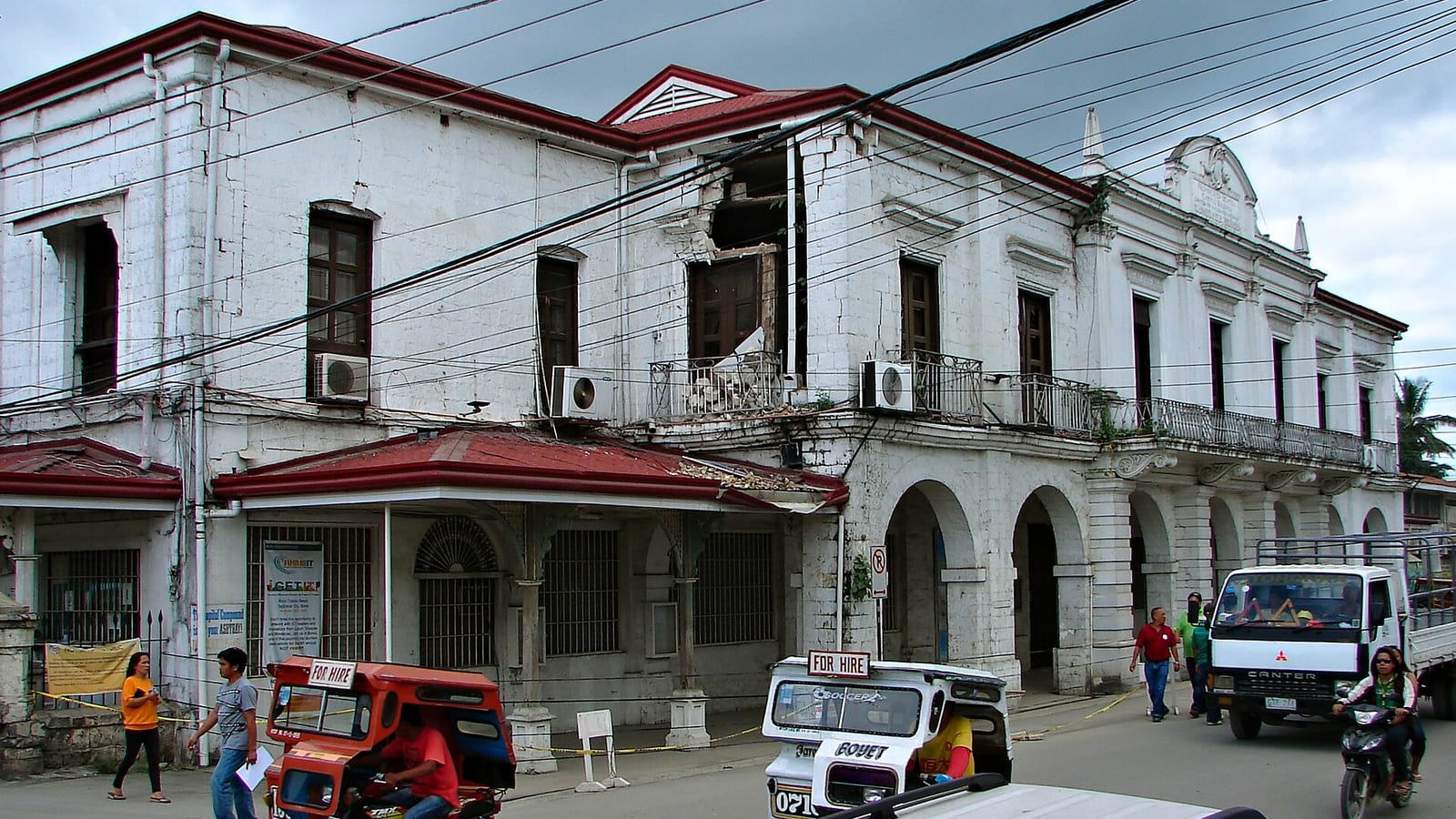
Sooner or later, every property buyer in the Philippines asks the same quiet question: is it actually safe to buy here? The country is one of the most seismically active places on Earth, strong earthquakes are part of its history, and where and how you live genuinely matters. Here is the part that rarely makes the headlines: earthquake risk in the Philippines is thoroughly mapped, free to check for any address, and very manageable once you know what to look for.
The difference between a well-sited, well-built home and a poorly sited one is not luck; it is about twenty minutes of homework that most buyers never do. This guide walks through where the risk is higher and lower, how Filipino homes are engineered to handle shaking, and the exact checks to run on any property before you sign anything.
Why the Philippines shakes so often
The country sits squarely on the Pacific Ring of Fire, pinched between two converging tectonic plates: the Sunda (Eurasian) plate subducting from the west and the fast-moving Philippine Sea plate pushing in from the east. That squeeze makes the islands one big, slowly deforming belt. PHIVOLCS records on the order of 20 small tremors a day, most of them too weak to feel.
Most of that energy is released along two kinds of features:
- The Philippine Fault Zone, a 1,200 to 1,500 km crack running the length of the archipelago from northwestern Luzon to southeastern Mindanao.
- The offshore trenches where plates dive under one another: the Manila Trench (west of Luzon), the Philippine Trench (east of Mindanao and the Visayas), and the Cotabato and Sulu-Negros trenches around Mindanao and the central islands, which have produced several of the strongest quakes in recent memory.
The hazard is real, but it's uneven and, crucially, something you can check and design around.
Where risk is higher, and where it's lower
Hazard is unevenly spread. Some regions sit right on top of active trenches and fault segments; others are comparatively quiet. As a broad guide:
| Area | Relative hazard | Why |
|---|---|---|
| Eastern Mindanao (Davao, Surigao, Sarangani, General Santos) | Higher | Philippine and Cotabato trenches lie just offshore, the source of several strong recent quakes |
| Eastern Visayas (Eastern Samar, Leyte, Southern Leyte) | Higher | Philippine Trench subduction along the eastern seaboard |
| West coast of Luzon and Mindoro | Higher | Manila Trench, capable of large, tsunami-generating quakes |
| Metro Manila's West Valley Fault corridor | Higher | The fault behind the "Big One" scenario (see below) |
| Palawan | Lower | Sits on the stable Sundaland block, away from the main trenches and the Philippine Fault |
| Parts of the western Visayas and the Sulu Sea side | Lower | Farther from the most active plate boundaries |
Two honest caveats. First, "lower" does not mean "zero": even Palawan, long treated as the country's calmest region, was rattled by magnitude-5 quakes in 2024 and still carries a non-zero seismic design requirement in the building code. Second, the region is only half the story, local soil can matter more, as we'll see.
The "Big One" and Metro Manila
If you're buying in the capital, the hazard that dominates planning is the West Valley Fault. This roughly 100 km fault runs through Bulacan, Quezon City, Marikina, Pasig, Makati, Taguig and Muntinlupa, then on into Rizal, Cavite and Laguna. PHIVOLCS scenarios for a magnitude-7.2 rupture, the so-called "Big One", model intensity-8 shaking and very large building and casualty figures.
Keep those numbers in perspective: they are planning scenarios, not predictions of a dated event. The fault last moved in 1658 and has a recurrence interval of roughly 400 to 600 years, which is why scientists say the probability rises as the coming decades pass rather than pointing to any specific year. The practical takeaway isn't fear, it's that buildings in this corridor should be modern and well-engineered, and that a home sitting directly on the fault trace is a different proposition from one a few kilometres away.
It's not just the region, it's the soil
Two houses in the same city can shake very differently. Soft, water-logged, reclaimed or riverine ground amplifies shaking and can liquefy, temporarily behaving like a liquid and letting foundations sink or tilt. Firm rock does the opposite.
In Greater Metro Manila, PHIVOLCS flags low-lying, reclaimed and delta areas, among them Manila, Malabon, Navotas, Valenzuela, Pasay, Parañaque, Las Piñas and parts of coastal Marikina, Pasig, Taguig and Caloocan, as liquefaction-prone. This is why a distant quake can still damage Manila: the 1990 Luzon and 1968 Casiguran earthquakes caused damage in the capital from more than a hundred kilometres away, amplified by soft ground.
The lesson is simple: check the specific parcel, not just the region. A rock site in a "higher-hazard" province can be safer than soft reclaimed land in a "lower-hazard" one.
How Filipino homes are built to resist earthquakes
The Philippines has modern seismic design rules. Structural design follows the National Structural Code of the Philippines (NSCP), mandated through the National Building Code (Presidential Decree 1096), and most of the country, including Metro Manila, is classed as Zone 4, the highest seismic zone in the code. New, code-compliant, properly engineered buildings are designed to ride out strong shaking. The damage you see in big quakes is concentrated overwhelmingly in older, non-engineered, poorly maintained or illegally modified structures.
How a home is built makes a real difference:
| Wall and structure type | How it behaves in a quake |
|---|---|
| Engineered reinforced-concrete (RC) frame | Designed to flex and hold its load, the strongest option when code-compliant |
| Confined masonry, hollow-block walls framed by RC tie-columns and bond beams | Strong; studies show roughly double the lateral strength of bare block walls |
| Bare unreinforced concrete hollow block (CHB) | Weakest, cracks and can collapse outward, especially on upper floors |
Two red flags worth knowing. A soft-story building, open parking or shopfronts at ground level with heavier walls above, can be vulnerable unless the frame was specifically engineered for it. And unpermitted additions (an extra floor, removed walls) can quietly undo a building's original earthquake design.
What to check before you buy or rent
You don't need to be an engineer to do meaningful due diligence. Run these checks:
- Screen the location for free. Open PHIVOLCS HazardHunterPH, enter the exact address, and download the multi-hazard report, it covers ground shaking, liquefaction, earthquake-induced landslide and tsunami, plus flood and volcanic hazards.
- Check the fault distance. Use PHIVOLCS FaultFinder to confirm the property isn't within the recommended 5-metre no-build setback on either side of an active fault trace. In Metro Manila, watch the West Valley Fault specifically.
- Establish the building's age and code era. A structure built and permitted under the current code carries modern Zone-4 detailing; something much older, never retrofitted, deserves extra scrutiny, sources commonly flag buildings over ~20 years old.
- Verify the paper trail. Ask for the approved Building Permit and the Certificate of Occupancy, and confirm the structural plans were signed and sealed by a licensed civil or structural engineer. For condos and subdivisions, check the developer's DHSUD Certificate of Registration and License to Sell, and how their buildings performed in past quakes.
- Inspect (ideally with an engineer). Look for diagonal or X-shaped cracks at beam-column joints, rebar corrosion or spalling concrete, evidence of past retrofitting, and any sign of removed walls or added floors.
- Weigh hazard against price. Solid, permitted, well-sited construction is part of a property's real long-term value, not an optional extra. Comparing the price per square metre by city alongside its hazard profile helps you judge whether a home is genuinely good value.
Buying from overseas? You can still do most of this remotely, since HazardHunterPH works from anywhere and a trusted representative can carry out the physical inspection. Our guide to buying property from abroad covers how to handle that at a distance.
If the ground shakes: Drop, Cover, Hold On
PHIVOLCS's official advice, aligned with international guidance, is Drop, Cover, and Hold On: drop to your hands and knees, take cover under sturdy furniture, and hold on until the shaking stops. (PHIVOLCS specifically rejects the "Triangle of Life" method.) Once you've moved in, secure tall furniture and heavy fixtures to the walls, keep an emergency kit, learn your building's exits and assembly area, and consider a professional retrofit assessment for an older home.
The bottom line
Earthquakes are a permanent feature of life in the Philippines, but risk is not the same as danger. It's unevenly distributed, higher along the eastern seaboard, the west Luzon coast and the West Valley Fault corridor; lower in Palawan and the western Visayas, and it can be checked, parcel by parcel, with free public tools. Pair good siting with modern, code-compliant, well-maintained construction and the residual risk is small.
Used wisely, hazard information makes you a better buyer, not a more anxious one. The metro's other big natural check, flooding, takes even less time to verify, and our guide to flood-prone and flood-safe areas in Metro Manila pairs with this one: water and fault line first, everything else after. Then browse properties for sale and for rent across 80+ cities on BalayHub, and treat earthquake safety as part of the same homework you'd do on price, title and location.
Putting it into practice
When you are ready to look at actual buildings, the building directory lists developments by city with the developer and the details behind each one, and you can browse the current properties for sale to apply what you have read here.
Frequently asked questions
Which parts of the Philippines have the lowest earthquake risk?
Palawan is traditionally the most seismically stable region, it sits on the stable Sundaland block, away from the main trenches and the Philippine Fault, along with parts of the western Visayas. But lower is not zero: even Palawan had magnitude-5 quakes in 2024 and still carries a seismic requirement in the building code.
Is it safe to buy property in Metro Manila despite the 'Big One'?
Yes, with care. The West Valley Fault scenario is a long-term planning estimate, not a dated prediction. The key is to avoid building directly on the fault trace and on liquefaction-prone soft soil, and to choose modern, code-compliant construction. Use PHIVOLCS HazardHunterPH and FaultFinder to check a specific address.
How can I check the earthquake risk of a specific property?
Use PHIVOLCS HazardHunterPH for a free multi-hazard report on any address, ground shaking, liquefaction, landslide and tsunami, and FaultFinder to confirm the property is not within the 5-metre setback of an active fault. For a transaction you can also request an official PHIVOLCS hazard assessment.
What kind of construction is safest in an earthquake?
An engineered reinforced-concrete frame, or confined masonry (hollow-block walls framed by reinforced-concrete tie-columns and bond beams), performs far better than bare unreinforced hollow block. Most of the Philippines is Zone 4, the highest in the structural code, so modern code-compliant buildings are designed for strong shaking.
Are older buildings in the Philippines dangerous?
Not automatically, but a building over about 20 years old that has never been retrofitted predates parts of today's code and deserves a professional structural assessment. Damage in major quakes is concentrated in old, non-engineered, poorly maintained or illegally modified structures, not in well-built compliant ones.
Should earthquake risk change how much I pay for a home?
It is one factor in value. Lower-hazard siting and solid, permitted, engineered construction are part of a property's real long-term worth. Weigh the hazard profile alongside the price per square metre, the title and the location rather than treating it in isolation.
Sa madaling panahon, halos lahat ng property buyer sa Pilipinas ay dumarating sa parehong tahimik na tanong: ligtas ba talagang bumili dito? Ang bansa ay isa sa mga pinaka-seismically active na lugar sa buong mundo, bahagi na ng kasaysayan natin ang malalakas na lindol, at talagang mahalaga kung saan at paano ka nakatira. Pero heto ang bahaging bihirang umabot sa headlines: ang earthquake risk sa Pilipinas ay kumpletong naka-mapa, libreng i-check para sa kahit anong address, at kayang-kayang i-manage kapag alam mo na kung ano ang hahanapin.
Ang pagkakaiba ng isang bahay na maayos ang lokasyon at maayos ang pagkakagawa sa isang bahay na hindi ay hindi swerte; mga dalawampung minutong homework lang ito na hindi ginagawa ng karamihan ng buyers. Tatalakayin ng guide na ito kung saan mas mataas at mas mababa ang risk, paano dinisenyo ang mga bahay sa Pilipinas para makayanan ang pagyanig, at ang eksaktong mga check na dapat mong gawin sa kahit anong property bago ka pumirma ng kahit ano.
Bakit madalas lumindol sa Pilipinas
Nakaupo ang bansa mismo sa Pacific Ring of Fire, naiipit sa pagitan ng dalawang nagtatagpong tectonic plates: ang Sunda (Eurasian) plate na sumusubduct mula sa kanluran at ang mabilis na Philippine Sea plate na tumutulak mula sa silangan. Dahil sa pagkakaipit na iyon, ang buong kapuluan ay parang isang malaking belt na dahan-dahang nade-deform. Nakakapagtala ang PHIVOLCS ng humigit-kumulang 20 maliliit na yanig kada araw, karamihan ay masyadong mahina para maramdaman.
Karamihan ng enerhiyang iyon ay lumalabas sa dalawang uri ng features:
- Ang Philippine Fault Zone, isang 1,200 to 1,500 km na bitak na tumatakbo sa buong haba ng kapuluan mula northwestern Luzon hanggang southeastern Mindanao.
- Ang mga offshore na trenches kung saan sumisisid ang mga plate sa ilalim ng isa't isa: ang Manila Trench (kanluran ng Luzon), ang Philippine Trench (silangan ng Mindanao at ng Visayas), at ang Cotabato at Sulu-Negros trenches sa paligid ng Mindanao at ng gitnang mga isla, na pinagmulan ng ilan sa pinakamalalakas na lindol sa nakalipas na mga taon.
Totoo ang hazard, pero hindi ito pantay-pantay at, higit sa lahat, puwede mo itong i-check at paghandaan sa disenyo.
Saan mas mataas ang risk, at saan mas mababa
Hindi pantay ang pagkakalat ng hazard. May mga rehiyong nakaupo mismo sa ibabaw ng mga active na trench at fault segment; ang iba naman ay medyo tahimik. Bilang malawak na gabay:
| Lugar | Relatibong hazard | Bakit |
|---|---|---|
| Eastern Mindanao (Davao, Surigao, Sarangani, General Santos) | Mas mataas | Nasa tapat lang ng baybayin ang Philippine at Cotabato trenches, pinagmulan ng ilang malalakas na lindol kamakailan |
| Eastern Visayas (Eastern Samar, Leyte, Southern Leyte) | Mas mataas | Subduction ng Philippine Trench sa silangang baybayin |
| Kanlurang baybayin ng Luzon at Mindoro | Mas mataas | Manila Trench, kayang gumawa ng malalaking lindol na nakakalikha ng tsunami |
| Corridor ng West Valley Fault sa Metro Manila | Mas mataas | Ang fault sa likod ng "Big One" scenario (tingnan sa ibaba) |
| Palawan | Mas mababa | Nakaupo sa stable na Sundaland block, malayo sa mga pangunahing trenches at sa Philippine Fault |
| Bahagi ng western Visayas at ng Sulu Sea side | Mas mababa | Mas malayo sa pinaka-active na plate boundaries |
Dalawang tapat na paalala. Una, ang "mas mababa" ay hindi ibig sabihing "zero": kahit ang Palawan, na matagal nang itinuturing na pinakakalmadong rehiyon ng bansa, ay nayanig ng mga magnitude-5 na lindol noong 2024 at may non-zero pa ring seismic design requirement sa building code. Pangalawa, kalahati lang ng kuwento ang rehiyon, minsan mas mahalaga pa ang lokal na lupa, gaya ng makikita natin.
Ang "Big One" at ang Metro Manila
Kung bibili ka sa kabisera, ang hazard na nangingibabaw sa planning ay ang West Valley Fault. Ang humigit-kumulang 100 km na fault na ito ay dumadaan sa Bulacan, Quezon City, Marikina, Pasig, Makati, Taguig at Muntinlupa, at nagpapatuloy sa Rizal, Cavite at Laguna. Ang mga scenario ng PHIVOLCS para sa isang magnitude-7.2 na rupture, ang tinatawag na "Big One", ay nagmo-model ng intensity-8 na pagyanig at napakalaking bilang ng mga apektadong gusali at biktima.
Panatilihin sa tamang perspektiba ang mga numerong iyon: planning scenarios ang mga ito, hindi prediksyon ng isang lindol na may petsa. Huling gumalaw ang fault noong 1658 at may recurrence interval na humigit-kumulang 400 to 600 years, kaya sinasabi ng mga scientist na tumataas ang probability habang lumilipas ang mga darating na dekada, hindi sila tumuturo sa isang partikular na taon. Ang praktikal na aral ay hindi takot, kundi ito: dapat moderno at maayos ang engineering ng mga gusali sa corridor na ito, at ibang usapan ang bahay na nakaupo mismo sa fault trace kumpara sa isang bahay na ilang kilometro ang layo.
Hindi lang ang rehiyon, pati ang lupa
Dalawang bahay sa parehong lungsod ay puwedeng magkaibang-magkaiba ang pagyanig. Ang malambot, babad sa tubig, reclaimed o tabing-ilog na lupa ay nagpapalakas ng pagyanig at puwedeng mag-liquefy, pansamantalang kumikilos na parang likido at hinahayaang lumubog o tumagilid ang mga pundasyon. Kabaligtaran ang ginagawa ng matigas na bato.
Sa Greater Metro Manila, itinuturing ng PHIVOLCS na liquefaction-prone ang mga mababang, reclaimed at delta na lugar, kabilang ang Manila, Malabon, Navotas, Valenzuela, Pasay, Parañaque, Las Piñas at bahagi ng coastal Marikina, Pasig, Taguig at Caloocan. Ito ang dahilan kung bakit kayang manira sa Manila kahit ng malayong lindol: nagdulot ng pinsala sa kabisera ang 1990 Luzon at 1968 Casiguran earthquakes mula sa mahigit isandaang kilometrong layo, pinalakas ng malambot na lupa.
Simple ang aral: i-check ang mismong parcel, hindi lang ang rehiyon. Ang isang batuhang site sa probinsyang "mas mataas ang hazard" ay puwedeng mas ligtas kaysa sa malambot na reclaimed land sa probinsyang "mas mababa" ang hazard.
Paano ginagawa ang mga bahay sa Pilipinas para labanan ang lindol
May modernong seismic design rules ang Pilipinas. Sumusunod ang structural design sa National Structural Code of the Philippines (NSCP), na ipinapatupad sa pamamagitan ng National Building Code (Presidential Decree 1096), at karamihan ng bansa, kasama ang Metro Manila, ay nasa Zone 4, ang pinakamataas na seismic zone sa code. Ang mga bago, code-compliant, at maayos na na-engineer na gusali ay dinisenyo para makayanan ang malakas na pagyanig. Ang pinsalang nakikita mo sa malalaking lindol ay halos lahat nasa mas luma, non-engineered, hindi na-maintain o illegal na binagong mga istruktura.
Malaki ang pinagkaiba depende sa kung paano ginawa ang bahay:
| Uri ng pader at istruktura | Paano ito kumikilos sa lindol |
|---|---|
| Engineered reinforced-concrete (RC) frame | Dinisenyong bumaluktot at hawakan pa rin ang load nito, ang pinakamatibay na option kapag code-compliant |
| Confined masonry, hollow-block walls na naka-frame sa RC tie-columns at bond beams | Matibay; ipinapakita ng mga pag-aaral na halos doble ang lateral strength kumpara sa hubad na block walls |
| Hubad na unreinforced concrete hollow block (CHB) | Pinakamahina, bumibitak at puwedeng gumuho palabas, lalo na sa itaas na mga palapag |
Dalawang red flag na dapat mong malaman. Ang soft-story na gusali, bukas na parking o shopfronts sa ground level na may mas mabibigat na pader sa itaas, ay puwedeng maging vulnerable maliban kung espesyal na na-engineer ang frame para dito. At ang mga unpermitted addition (dagdag na palapag, tinanggal na mga pader) ay puwedeng tahimik na sirain ang orihinal na earthquake design ng gusali.
Ano ang dapat i-check bago ka bumili o umupa
Hindi mo kailangang maging engineer para makagawa ng makabuluhang due diligence. Gawin ang mga check na ito:
- I-screen ang lokasyon nang libre. Buksan ang PHIVOLCS HazardHunterPH, ilagay ang eksaktong address, at i-download ang multi-hazard report, saklaw nito ang ground shaking, liquefaction, earthquake-induced landslide at tsunami, pati flood at volcanic hazards.
- I-check ang layo sa fault. Gamitin ang PHIVOLCS FaultFinder para kumpirmahing wala ang property sa loob ng inirerekomendang 5-metrong no-build setback sa magkabilang panig ng isang active na fault trace. Sa Metro Manila, bantayan lalo na ang West Valley Fault.
- Alamin ang edad ng gusali at ang code era nito. Ang istrukturang itinayo at napermitan sa ilalim ng kasalukuyang code ay may modernong Zone-4 detailing; ang mas luma na hindi kailanman na-retrofit ay nangangailangan ng dagdag na pagsusuri, karaniwang binabantayan ng mga source ang mga gusaling lampas ~20 taong gulang.
- Beripikahin ang mga papeles. Hingin ang approved na Building Permit at ang Certificate of Occupancy, at kumpirmahing pirmado at selyado ng lisensyadong civil o structural engineer ang structural plans. Para sa mga condo at subdivision, i-check ang DHSUD Certificate of Registration at License to Sell ng developer, at kung paano nag-perform ang kanilang mga gusali sa mga nakaraang lindol.
- Mag-inspect (mas maganda kung may kasamang engineer). Hanapin ang diagonal o X-shaped na mga bitak sa beam-column joints, kalawang sa rebar o spalling na kongkreto, ebidensya ng nakaraang retrofitting, at anumang senyales ng tinanggal na pader o dinagdag na palapag.
- Timbangin ang hazard laban sa presyo. Bahagi ng tunay na long-term value ng isang property ang matibay, may permit, at maayos ang lokasyong construction, hindi ito optional extra. Ang paghahambing ng presyo kada square metre kada lungsod kasabay ng hazard profile nito ay tumutulong sa iyong husgahan kung talagang sulit ang isang bahay.
Bumibili mula abroad? Kaya mo pa ring gawin ang karamihan nito nang remote, dahil gumagana ang HazardHunterPH kahit saan at puwedeng isang pinagkakatiwalaang representative ang gumawa ng pisikal na inspection. Tinatalakay ng aming guide sa pagbili ng property mula abroad kung paano ito hawakan mula sa malayo.
Kapag yumanig ang lupa: Drop, Cover, Hold On
Ang opisyal na payo ng PHIVOLCS, na naaayon sa international guidance, ay Drop, Cover, and Hold On: dumapa gamit ang mga kamay at tuhod, sumilong sa ilalim ng matibay na furniture, at kumapit hanggang tumigil ang pagyanig. (Espesipikong tinatanggihan ng PHIVOLCS ang "Triangle of Life" method.) Kapag nakalipat ka na, i-secure sa pader ang matataas na furniture at mabibigat na fixtures, maghanda ng emergency kit, alamin ang mga exit at assembly area ng gusali mo, at pag-isipan ang professional retrofit assessment para sa mas lumang bahay.
Ang bottom line
Permanenteng bahagi ng buhay sa Pilipinas ang lindol, pero ang risk ay hindi katumbas ng panganib. Hindi pantay ang pagkakahati nito, mas mataas sa silangang baybayin, sa kanlurang baybayin ng Luzon at sa corridor ng West Valley Fault; mas mababa sa Palawan at sa western Visayas, at puwede itong i-check, parcel por parcel, gamit ang mga libreng pampublikong tool. Pagsamahin ang magandang lokasyon at ang moderno, code-compliant, at maayos na na-maintain na construction at maliit na lang ang matitirang risk.
Kapag ginamit nang tama, ang hazard information ay ginagawa kang mas mahusay na buyer, hindi mas balisang buyer. Ang isa pang malaking natural check sa metro, ang pagbaha, ay mas mabilis pang i-verify, at ang aming guide sa flood-prone at flood-safe na mga lugar sa Metro Manila ay kapareha ng guide na ito: tubig at fault line muna, saka na ang lahat ng iba. Pagkatapos, mag-browse ng mga property na for sale at for rent sa 80+ na lungsod sa BalayHub, at ituring ang earthquake safety bilang bahagi ng parehong homework na gagawin mo sa presyo, titulo at lokasyon.
Isabuhay ang natutunan
Kapag handa ka nang tumingin ng aktwal na mga gusali, nakalista sa building directory ang mga development kada lungsod kasama ang developer at ang mga detalye sa likod ng bawat isa, at puwede mong i-browse ang kasalukuyang mga property na for sale para i-apply ang nabasa mo rito.
Mga madalas itanong
Aling parte ng Pilipinas ang may pinakamababang earthquake risk?
Tradisyonal na ang Palawan ang pinaka-seismically stable na region, nakaupo ito sa stable Sundaland block, malayo sa mga main trench at sa Philippine Fault, kasama ang ilang bahagi ng western Visayas. Pero ang mababa ay hindi zero: kahit Palawan ay nagka-magnitude-5 quakes noong 2024 at may seismic requirement pa rin sa building code.
Safe bang bumili ng property sa Metro Manila kahit may 'Big One'?
Oo, basta maingat. Ang West Valley Fault scenario ay long-term planning estimate, hindi prediction na may petsa. Ang susi ay iwasang magtayo mismo sa fault trace at sa liquefaction-prone na malambot na lupa, at pumili ng modern at code-compliant na construction. Gamitin ang PHIVOLCS HazardHunterPH at FaultFinder para i-check ang specific na address.
Paano ko iche-check ang earthquake risk ng isang specific na property?
Gamitin ang PHIVOLCS HazardHunterPH para sa libreng multi-hazard report sa kahit anong address, ground shaking, liquefaction, landslide at tsunami, at ang FaultFinder para i-confirm na hindi nasa loob ng 5-metre setback ng active fault ang property. Para sa transaction, pwede ka ring humingi ng official PHIVOLCS hazard assessment.
Anong klaseng construction ang pinaka-safe sa lindol?
Ang engineered reinforced-concrete frame, o confined masonry (hollow-block walls na naka-frame sa reinforced-concrete tie-columns at bond beams), ay mas maganda ang performance kaysa sa hollow block lang na walang reinforcement. Karamihan sa Pilipinas ay Zone 4, ang pinakamataas sa structural code, kaya ang mga modern at code-compliant na building ay dinisenyo para sa malakas na pagyanig.
Delikado ba ang mga lumang building sa Pilipinas?
Hindi automatic, pero ang building na lampas mga 20 years old na hindi pa na-retrofit kahit kailan ay mas luma pa sa ilang bahagi ng kasalukuyang code at nararapat sa professional structural assessment. Sa malalaking lindol, nako-concentrate ang damage sa mga luma, non-engineered, hindi na-maintain o illegally modified na structures, hindi sa mga maayos ang pagkakagawa at compliant.
Dapat bang baguhin ng earthquake risk ang halagang babayaran ko para sa bahay?
Isa itong factor sa value. Ang lower-hazard na lokasyon at ang solid, may permit at engineered na construction ay bahagi ng tunay na long-term worth ng property. Timbangin ang hazard profile kasabay ng price per square metre, ng title at ng location imbes na tingnan itong mag-isa.
Sa madugay o sa madali, tanang property buyer sa Pilipinas moabot ra gyud sa samang hilom nga pangutana: luwas ba gyud mopalit dinhi? Ang atong nasod usa sa mga pinaka-seismically active nga lugar sa tibuok kalibotan, kabahin na sa atong kasaysayan ang kusog nga mga linog, ug importante gyud kung asa ug unsaon nimo pagpuyo. Pero ania ang bahin nga panagsa ra makaabot sa headlines: ang earthquake risk sa Pilipinas kompleto nang na-mapa, libre i-check para sa bisan unsang address, ug sayon ra ma-manage kung nahibalo ka na kung unsa ang pangitaon.
Ang kalainan sa usa ka balay nga maayo og lokasyon ug maayo og pagkahimo batok sa usa ka balay nga dili, dili kini swerte; mga baynte minutos ra kini nga homework nga wala buhata sa kadaghanang buyers. Kini nga guide maghisgot kung asa mas taas ug mas ubos ang risk, giunsa pagdesinyo ang mga balay sa Pilipinas aron makasugakod sa pag-uyog, ug ang eksaktong mga check nga angay nimong buhaton sa bisan unsang property sa dili ka pa mopirma og bisan unsa.
Nganong kanunay maglinog sa Pilipinas
Ang nasod nahimutang mismo sa Pacific Ring of Fire, naipit taliwala sa duha ka nagtagbo nga tectonic plates: ang Sunda (Eurasian) plate nga naga-subduct gikan sa kasadpan ug ang paspas nga Philippine Sea plate nga naduot gikan sa sidlakan. Tungod nianang pagpiit, ang tibuok kapupud-an nahimong usa ka dako, hinay-hinay nga nadeporma nga belt. Ang PHIVOLCS makarekord og mga 20 ka gagmayng linog kada adlaw, kadaghanan huyang ra kaayo aron mabati.
Kadaghanan sa maong enerhiya mogawas sa duha ka klase sa features:
- Ang Philippine Fault Zone, usa ka 1,200 to 1,500 km nga liki nga midagan sa tibuok gitas-on sa kapupud-an gikan sa northwestern Luzon hangtod sa southeastern Mindanao.
- Ang mga offshore nga trenches diin ang mga plate mosalom ilalom sa usag usa: ang Manila Trench (kasadpan sa Luzon), ang Philippine Trench (sidlakan sa Mindanao ug sa Visayas), ug ang Cotabato ug Sulu-Negros trenches palibot sa Mindanao ug sa tungang mga isla, nga maoy gigikanan sa pipila sa pinakakusog nga mga linog sa bag-o lang nga panahon.
Tinuod ang hazard, pero dili kini patas ang pagkabahin ug, labaw sa tanan, mahimo nimo kining i-check ug planohan sa design.
Asa mas taas ang risk, ug asa mas ubos
Dili patas ang pagkatag sa hazard. Ang ubang rehiyon nahimutang mismo ibabaw sa active nga mga trench ug fault segment; ang uban medyo hilom ra. Isip kinatibuk-ang giya:
| Lugar | Relatibong hazard | Ngano |
|---|---|---|
| Eastern Mindanao (Davao, Surigao, Sarangani, General Santos) | Mas taas | Ang Philippine ug Cotabato trenches anaa ra sa gawas sa baybayon, gigikanan sa pipila ka kusog nga mga linog bag-o lang |
| Eastern Visayas (Eastern Samar, Leyte, Southern Leyte) | Mas taas | Subduction sa Philippine Trench ubay sa sidlakang baybayon |
| Kasadpang baybayon sa Luzon ug Mindoro | Mas taas | Manila Trench, makahimo og dagkong mga linog nga makamugna og tsunami |
| Corridor sa West Valley Fault sa Metro Manila | Mas taas | Ang fault luyo sa "Big One" scenario (tan-awa sa ubos) |
| Palawan | Mas ubos | Nahimutang sa stable nga Sundaland block, layo sa mga nag-unang trenches ug sa Philippine Fault |
| Mga bahin sa western Visayas ug sa Sulu Sea side | Mas ubos | Mas layo sa pinaka-active nga plate boundaries |
Duha ka prangka nga pahinumdom. Una, ang "mas ubos" wala magpasabot og "zero": bisan ang Palawan, nga dugay nang giisip nga pinakakalmado nga rehiyon sa nasod, nauyog sa mga magnitude-5 nga linog niadtong 2024 ug aduna gihapoy non-zero nga seismic design requirement sa building code. Ikaduha, katunga ra sa istorya ang rehiyon, usahay mas importante pa ang lokal nga yuta, sama sa atong makita.
Ang "Big One" ug ang Metro Manila
Kung mopalit ka sa kaulohan, ang hazard nga nagdominar sa planning mao ang West Valley Fault. Kining mga 100 km nga fault moagi sa Bulacan, Quezon City, Marikina, Pasig, Makati, Taguig ug Muntinlupa, unya magpadayon sa Rizal, Cavite ug Laguna. Ang mga scenario sa PHIVOLCS para sa usa ka magnitude-7.2 nga rupture, ang gitawag nga "Big One", nagmodelo og intensity-8 nga pag-uyog ug dako kaayong ihap sa mga apektadong building ug kaswalti.
Ibutang sa hustong perspektiba kanang mga numeroha: planning scenarios kini, dili prediksyon sa usa ka linog nga adunay petsa. Kataposang milihok ang fault niadtong 1658 ug adunay recurrence interval nga mga 400 to 600 years, maong giingon sa mga siyentista nga mosaka ang probability samtang molabay ang umaabot nga mga dekada, dili sila magtudlo og espesipikong tuig. Ang praktikal nga leksyon dili kahadlok, kondili kini: ang mga building niini nga corridor angay moderno ug maayo ang pagka-engineer, ug lahi ra gyud nga istorya ang balay nga nahimutang mismo sa fault trace kaysa sa balay nga pipila ka kilometro ang gilay-on.
Dili lang ang rehiyon, apil ang yuta
Duha ka balay sa samang syudad mahimong lahi kaayo ang pag-uyog. Ang humok, basa sa tubig, reclaimed o daplin sa suba nga yuta magpakusog sa pag-uyog ug mahimong mag-liquefy, temporaryong molihok nga morag likido ug magtugot sa mga pundasyon nga mounlod o motakilid. Ang gahi nga bato mao ang kabaliktaran.
Sa Greater Metro Manila, giila sa PHIVOLCS nga liquefaction-prone ang ubos, reclaimed ug delta nga mga lugar, lakip ang Manila, Malabon, Navotas, Valenzuela, Pasay, Parañaque, Las Piñas ug mga bahin sa coastal Marikina, Pasig, Taguig ug Caloocan. Mao kini ang rason nganong ang layo nga linog makadaot gihapon sa Manila: ang 1990 Luzon ug 1968 Casiguran earthquakes nakahatag og danyos sa kaulohan gikan sa kapin sa usa ka gatos ka kilometro ang gilay-on, gipakusog sa humok nga yuta.
Simple ra ang leksyon: i-check ang espesipikong parcel, dili lang ang rehiyon. Ang batoon nga site sa probinsyang "mas taas ang hazard" mahimong mas luwas kaysa sa humok nga reclaimed land sa probinsyang "mas ubos" ang hazard.
Giunsa paghimo ang mga balay sa Pilipinas aron makasukol sa linog
Ang Pilipinas adunay modernong seismic design rules. Ang structural design nagsunod sa National Structural Code of the Philippines (NSCP), nga gimando pinaagi sa National Building Code (Presidential Decree 1096), ug kadaghanan sa nasod, lakip ang Metro Manila, giklasipikar nga Zone 4, ang pinakataas nga seismic zone sa code. Ang bag-o, code-compliant, ug tarong nga pagka-engineer nga mga building gidesinyo aron makasugakod sa kusog nga pag-uyog. Ang danyos nga makita nimo sa dagkong mga linog halos tanan anaa sa mas karaan, non-engineered, wala ma-maintain o ilegal nga giusab nga mga istruktura.
Dako gyud ang kalainan depende sa kung giunsa paghimo ang balay:
| Klase sa bungbong ug istruktura | Unsaon niini paglihok sa linog |
|---|---|
| Engineered reinforced-concrete (RC) frame | Gidesinyo nga moliko ug mokupot gihapon sa iyang load, ang pinakalig-on nga option kung code-compliant |
| Confined masonry, hollow-block walls nga gi-frame sa RC tie-columns ug bond beams | Lig-on; gipakita sa mga pagtuon nga halos doble ang lateral strength kompara sa hubo nga block walls |
| Hubo nga unreinforced concrete hollow block (CHB) | Pinakahuyang, moliki ug mahimong matumba pagawas, ilabi na sa taas nga mga andana |
Duha ka red flag nga angay nimong mahibaloan. Ang soft-story nga building, abli nga parking o shopfronts sa ground level nga adunay mas bug-at nga mga bungbong sa taas, mahimong vulnerable gawas kung espesipikong gi-engineer ang frame para niini. Ug ang mga unpermitted addition (dugang andana, gitangtang nga mga bungbong) mahimong hilom nga moguba sa orihinal nga earthquake design sa building.
Unsa ang angay i-check una ka mopalit o moabang
Dili nimo kinahanglan nga engineer ka aron makahimo og makahuluganong due diligence. Buhata kini nga mga check:
- I-screen ang lokasyon nga libre. Ablihi ang PHIVOLCS HazardHunterPH, isulod ang eksaktong address, ug i-download ang multi-hazard report, naglangkob kini sa ground shaking, liquefaction, earthquake-induced landslide ug tsunami, dugang pa sa flood ug volcanic hazards.
- I-check ang gilay-on sa fault. Gamita ang PHIVOLCS FaultFinder aron makumpirmar nga ang property wala sa sulod sa girekomendar nga 5-metro nga no-build setback sa isig ka kilid sa usa ka active nga fault trace. Sa Metro Manila, bantayi ilabi na ang West Valley Fault.
- Susiha ang edad sa building ug ang code era niini. Ang istruktura nga gitukod ug gipermitan ubos sa kasamtangang code adunay modernong Zone-4 detailing; ang mas karaan pa nga wala gayod ma-retrofit angayan og dugang nga pagsusi, kasagarang gibantayan sa mga source ang mga building nga kapin sa ~20 anyos.
- I-verify ang mga papeles. Pangayoa ang approved nga Building Permit ug ang Certificate of Occupancy, ug kumpirmaha nga ang structural plans gipirmahan ug giselyohan sa lisensyadong civil o structural engineer. Para sa mga condo ug subdivision, i-check ang DHSUD Certificate of Registration ug License to Sell sa developer, ug kung giunsa pag-perform sa ilang mga building sa nangaging mga linog.
- Pag-inspeksyon (mas maayo kung kauban ang engineer). Pangitaa ang diagonal o X-shaped nga mga liki sa beam-column joints, taya sa rebar o spalling nga kongkreto, ebidensya sa nangaging retrofitting, ug bisan unsang timailhan sa gitangtang nga mga bungbong o gidugang nga mga andana.
- Timbanga ang hazard batok sa presyo. Ang lig-on, adunay permit, ug maayo og lokasyon nga construction kabahin sa tinuod nga long-term value sa usa ka property, dili kini optional extra. Ang pagkompara sa presyo matag square metre matag syudad uban sa hazard profile niini makatabang nimo paghukom kung ang usa ka balay tinuod bang sulit.
Mopalit gikan sa abroad? Mahimo gihapon nimo ang kadaghanan niini nga remote, kay ang HazardHunterPH molihok bisan asa ug ang usa ka kasaligang representative mahimong mobuhat sa pisikal nga inspection. Ang among giya sa pagpalit og property gikan sa abroad maghisgot kung unsaon kini pagdumala gikan sa layo.
Kung mouyog ang yuta: Drop, Cover, Hold On
Ang opisyal nga tambag sa PHIVOLCS, nga uyon sa international guidance, mao ang Drop, Cover, and Hold On: luhod gamit ang mga kamot ug tuhod, pasilong ilalom sa lig-on nga muwebles, ug kupot hangtod mohunong ang pag-uyog. (Espesipikong gisalikway sa PHIVOLCS ang "Triangle of Life" method.) Kung nakabalhin ka na, i-secure sa bungbong ang tag-as nga muwebles ug bug-at nga mga fixture, pag-andam og emergency kit, tun-i ang mga exit ug assembly area sa imong building, ug hunahunaa ang professional retrofit assessment para sa mas karaang balay.
Ang bottom line
Ang linog permanenteng kabahin sa kinabuhi sa Pilipinas, pero ang risk dili pareho sa peligro. Dili kini patas ang pagkabahin, mas taas ubay sa sidlakang baybayon, sa kasadpang baybayon sa Luzon ug sa corridor sa West Valley Fault; mas ubos sa Palawan ug sa western Visayas, ug mahimo kining i-check, parcel por parcel, gamit ang libreng publikong mga tool. Ipares ang maayong lokasyon sa moderno, code-compliant, ug maayong pagka-maintain nga construction ug gamay na lang ang mahibiling risk.
Kung gamiton og maayo, ang hazard information maghimo nimong mas maayong buyer, dili mas nabalaka nga buyer. Ang laing dakong natural nga check sa metro, ang baha, mas paspas pang i-verify, ug ang among giya sa flood-prone ug flood-safe nga mga lugar sa Metro Manila kapares niining usa: tubig ug fault line una, ang tanan human niana. Unya i-browse ang mga property nga for sale ug for rent sa 80+ ka syudad sa BalayHub, ug isipa ang earthquake safety nga kabahin sa samang homework nga imong buhaton sa presyo, titulo ug lokasyon.
Unsaon kini paggamit sa aktwal
Kung andam ka nang motan-aw og aktwal nga mga building, ang building directory naglista sa mga development matag syudad uban ang developer ug ang mga detalye luyo sa matag usa, ug mahimo nimong i-browse ang kasamtangang mga property nga for sale aron i-apply ang imong nabasa dinhi.
Mga kasagarang pangutana
Asang bahin sa Pilipinas ang naay pinakaubos nga earthquake risk?
Tradisyonal nga ang Palawan ang pinaka-seismically stable nga region, nahimutang kini sa stable Sundaland block, layo sa mga main trench ug sa Philippine Fault, uban sa pipila ka bahin sa western Visayas. Pero ang ubos dili zero: bisan ang Palawan naka-experience og magnitude-5 quakes niadtong 2024 ug naa gihapoy seismic requirement sa building code.
Safe ba mopalit og property sa Metro Manila bisan naay 'Big One'?
Oo, basta mag-amping. Ang West Valley Fault scenario kay long-term planning estimate, dili prediction nga naay petsa. Ang yawi kay likayan ang pagtukod mismo sa fault trace ug sa liquefaction-prone nga humok nga yuta, ug pilion ang modern ug code-compliant nga construction. Gamita ang PHIVOLCS HazardHunterPH ug FaultFinder aron i-check ang specific nga address.
Unsaon nako pag-check sa earthquake risk sa usa ka specific nga property?
Gamita ang PHIVOLCS HazardHunterPH para sa libreng multi-hazard report sa bisan unsang address, ground shaking, liquefaction, landslide ug tsunami, ug ang FaultFinder aron i-confirm nga wala sa sulod sa 5-metre setback sa active fault ang property. Para sa transaction, pwede pud ka mangayo og official PHIVOLCS hazard assessment.
Unsang klaseng construction ang pinaka-safe sa linog?
Ang engineered reinforced-concrete frame, o confined masonry (hollow-block walls nga naka-frame sa reinforced-concrete tie-columns ug bond beams), mas maayo ang performance kaysa sa hollow block ra nga walay reinforcement. Kadaghanan sa Pilipinas kay Zone 4, ang pinakataas sa structural code, mao nga ang mga modern ug code-compliant nga building gidesinyo para sa kusog nga pag-uyog.
Delikado ba ang mga karaang building sa Pilipinas?
Dili automatic, pero ang building nga sobra na sa mga 20 years old nga wala pa gyud ma-retrofit kay mas karaan pa sa pipila ka bahin sa karong code ug angay sa professional structural assessment. Sa dagkong linog, ang damage naka-concentrate sa mga karaan, non-engineered, wala ma-maintain o illegally modified nga structures, dili sa mga maayong pagkabuhat ug compliant.
Angay bang usbon sa earthquake risk ang kantidad nga akong ibayad para sa balay?
Usa kini ka factor sa value. Ang lower-hazard nga lokasyon ug ang solid, naay permit ug engineered nga construction kay bahin sa tinuod nga long-term worth sa property. Timbanga ang hazard profile uban sa price per square metre, sa title ug sa location imbes nga tan-awon kini nga mag-inusara.
Browse properties on BalayHub
See all listings →
Read next
Rent or Buy in Metro Manila 2026: The Break-even Math
Rent or buy in Metro Manila: a one bedroom rents for ₱25,000 and sells for ₱7.7M. The monthly cost of owning, the break even growth rate and the horizon.
Land Title Annotations Philippines: What Each Entry Means
Land title annotations Philippines buyers must read: mortgage, lis pendens, adverse claim, levy, easement and the Rule 74 entry, and how to clear each one.
RFO Condo vs Pre-Selling in the Philippines: Which to Buy
RFO condo vs pre-selling: cash needed now or stretched over 24 to 48 months, construction risk, rent from month one, and the finished buildings by city.