
Sep 4, 2026 · by BalayHub Admin · 4 min read
How to Check if a Property Floods Before You Buy
Flood risk is checkable in an afternoon, for free: HazardHunterPH on the exact pin, UP NOAH for modeled flood depth, the barangay hall for street-level truth, and the waterline stains the seller painted over. The full due diligence, plus how to price and insure a flood history.
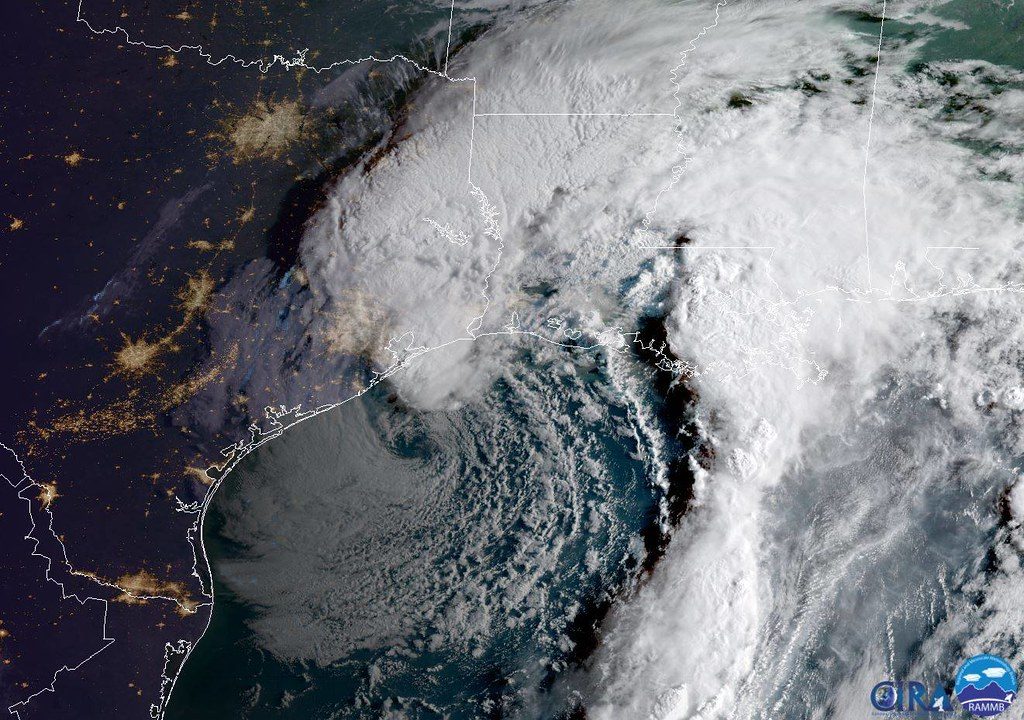
Every September the same photos go around: streets turned into rivers, cars floating in subdivisions that looked perfectly dry in April. And every September, buyers discover that the house they are about to sign for sits in one of those photos. The seller will not tell you. The listing will not tell you. The dry season certainly will not tell you.
Flood risk is checkable, though, in an afternoon and for free. Here is how to do it properly, from the official hazard maps down to the tide line on a garage wall.
Start with the government's own maps
The Philippines is unusually well mapped for hazards, and almost nobody uses the tools:
- HazardHunterPH (by DOST and PHIVOLCS) is the one-stop check: type an address or drop a pin, and it generates a hazard assessment for flooding, landslides and earthquakes for that exact spot. If you check only one thing, check this.
- UP NOAH (Nationwide Operational Assessment of Hazards) shows modeled flood depth by area for different rain scenarios, the 5-year, 25-year and 100-year events. A lot listed as "never floods" that sits in the 5-year orange zone is not a difference of opinion, it is a lie.
- Your LGU's own flood hazard map. City planning offices keep them, and barangay halls know their own basins street by street. The barangay secretary has answered the "does it flood here" question a thousand times and has no commission riding on yours.
During an actual storm, the live picture comes from PAGASA's warnings and your LGU's official pages, which post road-level flooding in real time. Bookmark them before you need them.
Then read the property like an adjuster
Maps model water; buildings record it. On the visit, look for what the water left behind:
- Waterline stains on perimeter walls, fences and posts, a faint horizontal shadow half a meter up a wall is the flood's autograph.
- The height game. In flood-aware streets, newer houses sit on raised pads and garages step up from the road. If every house on the block is elevated except the one you are viewing, the block knows something.
- Fresh paint on the lower meter only. Sometimes it is just paint. Sometimes it is makeup.
- Warped lower cabinets, rust on ground-level outlets, a musty smell in storage rooms: water has been here.
- For condos, the unit stays dry but ask how the basement parking, the generators and the lobby fared in the last two big typhoons, and whether the access streets close. A tower you cannot enter or leave for two days is a flood problem with elevators.
Ask the questions that have no rehearsed answers
The seller expects "does it flood?" and has an answer ready. Ask the neighbors instead, and ask better questions: how high did the water reach in the last two or three strong typhoons, how fast did it drain, does the flooding come from rain or from the river backing up? Rain flooding drains in hours; river and tidal backflow can sit for days. Then ask the barangay hall the same questions. Cross-check the stories: they converge on the truth remarkably fast.
Put it in the paperwork
If you proceed on a property with any flood history, the risk belongs in the numbers and the documents, not in hope:
- Price it. Our Metro Manila flood map guide covers what flood exposure does to value; a real flood history is a negotiation lever measured in hundreds of thousands.
- Insure it. Standard fire policies do not cover flood by default; the "Acts of God" extension does. On a mortgaged property, check what the bank's required policy actually includes.
- Verify the drainage story. If the seller claims "it was fixed by the new pumping station", that is checkable with the LGU, and worth checking.
Flood exposure also compounds the other climate risks working on Philippine property values, a theme our climate change guide covers, and it pairs with the seismic homework in the earthquake risk guide: the same afternoon of due diligence covers both.
The five-minute version
HazardHunter on the exact pin. NOAH for the flood depth scenario. Barangay hall for the street-level truth. Waterlines and raised pads on the visit. Neighbors for the last big storm. If all five come back clean, buy with confidence; if one does not, you have either a discount or a dodged bullet, and both are wins.
Browse current houses and condos with this checklist in hand, and check any asking price against the area with the price per square meter tool: flood-safe streets carry a premium, and knowing exactly how much lets you decide if it is worth paying. General information, not engineering advice; for high-value purchases in exposed areas, a geotechnical or drainage assessment is money well spent.
Frequently asked questions
How do I check if a property is in a flood-prone area in the Philippines?
Use the government's own tools: HazardHunterPH (by DOST and PHIVOLCS) generates a flood, landslide and earthquake assessment for an exact address, and UP NOAH shows modeled flood depths for 5-year, 25-year and 100-year rain scenarios. Then cross-check on the ground: ask the barangay hall and the neighbors how high the water reached in the last strong typhoons, and look for waterline stains and raised ground floors on the street.
What are the signs that a house has flooded before?
Waterline stains on perimeter walls and fences, fresh paint on only the lower meter of walls, warped lower cabinets, rust on ground-level outlets, a musty smell in storage areas, and a ground floor built noticeably higher than the street. If every other house on the block sits on a raised pad and the one for sale does not, the block has learned something the listing does not mention.
Does home insurance in the Philippines cover flood damage?
Not by default. Standard fire insurance excludes flood; coverage comes through the Acts of God (natural catastrophe) extension, which adds typhoon, flood and earthquake. On mortgaged homes, check whether the bank's required policy includes it, because many minimum policies do not.
Should I buy a house that has flooded before?
Sometimes yes, at the right price. A documented flood history is a negotiation lever worth hundreds of thousands of pesos, and mitigations matter: how high the water reached, how fast it drained, and whether drainage works have genuinely changed the street. Price the risk, insure it with the Acts of God extension, and verify any 'it was fixed' claim with the LGU before believing it.
Tuwing Setyembre, iikot na naman ang parehong mga litrato: mga kalyeng naging ilog, mga sasakyang lumulutang sa mga subdivision na mukhang tuyong-tuyo noong Abril. At tuwing Setyembre, may mga buyer na nadidiskubreng ang bahay na malapit na nilang pirmahan ay nasa isa sa mga litratong iyon. Hindi sasabihin ng seller. Hindi sasabihin ng listing. At ang tag-init, lalong hindi magsasabi.
Ang totoo, kayang i-check ang flood risk sa loob ng isang hapon, at libre pa. Ganito ang tamang paraan, mula sa mga opisyal na hazard map hanggang sa marka ng tubig sa pader ng garahe.
Simulan sa sariling mga mapa ng gobyerno
Sobrang detalyado ng hazard mapping ng Pilipinas, pero halos walang gumagamit ng mga tool na ito:
- HazardHunterPH (gawa ng DOST at PHIVOLCS) ang one-stop check: i-type ang address o mag-drop ng pin, at gagawa ito ng hazard assessment para sa baha, landslide at lindol sa eksaktong lugar na iyon. Kung isa lang ang iche-check mo, ito na iyon.
- UP NOAH (Nationwide Operational Assessment of Hazards) na nagpapakita ng modeled flood depth kada lugar para sa iba't ibang rain scenario, ang 5-year, 25-year at 100-year na ulan. Ang loteng naka-lista bilang "hindi binabaha" pero nasa orange zone ng 5-year scenario ay hindi pagkakaiba ng opinyon, kasinungalingan iyon.
- Ang sariling flood hazard map ng LGU mo. Nasa city planning office ang mga ito, at kabisado ng barangay hall ang kanilang mga kalye isa-isa. Ilang libong beses nang nasagot ng barangay secretary ang tanong na "binabaha ba dito", at wala siyang komisyong nakasalalay sa bibilhin mo.
Kapag may bagyo na talaga, ang live na sitwasyon ay galing sa mga warning ng PAGASA at sa mga opisyal na page ng LGU mo, na nagpo-post ng road-level flooding in real time. I-bookmark mo na sila bago mo pa kailanganin.
Tapos basahin ang property na parang insurance adjuster ka
Modelo lang ng tubig ang mga mapa; ang mga gusali, may record. Sa mismong visit, hanapin ang iniwan ng tubig:
- Waterline stains sa mga perimeter wall, bakod at poste. Ang malabong pahalang na anino na kalahating metro ang taas sa pader ay pirma ng baha.
- Ang height game. Sa mga kalyeng sanay sa baha, nakapatong sa raised pad ang mga mas bagong bahay at umaakyat ang garahe mula sa kalsada. Kung lahat ng bahay sa block ay elevated maliban sa tinitingnan mo, may alam ang block.
- Bagong pintura sa ibabang metro lang ng pader. Minsan pintura lang talaga. Minsan makeup.
- Namamagang lower cabinets, kalawang sa mga saksakang malapit sa sahig, amoy-amag sa mga storage room: dumaan na dito ang tubig.
- Para sa condo, tuyo ang unit pero itanong kung ano ang sinapit ng basement parking, ng mga generator at ng lobby sa huling dalawang malalaking bagyo, at kung nagsasara ba ang mga access street. Ang tower na hindi mo mapasukan o malabasan nang dalawang araw ay problema pa rin sa baha, may elevator nga lang.
Itanong ang mga tanong na walang ensayadong sagot
Inaasahan ng seller ang "binabaha ba?" at may handa na siyang sagot. Sa mga kapitbahay ka magtanong, at gawin mong mas maganda ang tanong: gaano kataas ang inabot ng tubig sa huling dalawa o tatlong malalakas na bagyo, gaano kabilis humupa, galing ba sa ulan ang baha o sa ilog na umaapaw pabalik? Ang bahang galing sa ulan, ilang oras lang humuhupa; ang backflow mula sa ilog at sa taog, kayang manatili nang ilang araw. Tapos itanong ang parehong mga tanong sa barangay hall. I-cross-check ang mga kwento: nagkakasundo sila sa totoo nang nakakagulat na bilis.
Ilagay sa papeles
Kung tutuloy ka sa property na may kahit anong flood history, dapat nasa numero at dokumento ang risk, hindi sa pag-asa:
- I-presyo ito. Tinatalakay ng aming gabay sa flood map ng Metro Manila kung ano ang ginagawa ng flood exposure sa value; ang totoong flood history ay negotiation lever na daan-daang libo ang halaga.
- I-insure ito. Hindi kasama ang baha sa standard fire policy by default; ang "Acts of God" extension ang sumasagot dito. Sa property na naka-mortgage, alamin kung ano talaga ang kasama sa policy na hinihingi ng bangko.
- I-verify ang kwento ng drainage. Kung sabi ng seller na "naayos na iyan ng bagong pumping station", puwede iyang i-check sa LGU, at sulit i-check.
Pinapalala rin ng flood exposure ang iba pang climate risk na gumagalaw sa property values sa Pilipinas, temang tinatalakay ng aming gabay sa climate change, at kapareha ito ng seismic homework sa gabay sa earthquake risk: iisang hapon ng due diligence, sagot na pareho.
Ang five-minute version
HazardHunter sa eksaktong pin. NOAH para sa flood depth scenario. Barangay hall para sa totoong lagay ng kalye. Waterlines at raised pads sa visit. Mga kapitbahay para sa huling malaking bagyo. Kung malinis lahat ng lima, bili nang may kumpiyansa; kung hindi ang isa, may discount ka o nakailag ka sa bala, at panalo pareho.
I-browse ang mga kasalukuyang bahay at condo na hawak ang checklist na ito, at i-check ang kahit anong asking price laban sa area gamit ang price per square meter tool: may premium ang mga kalyeng ligtas sa baha, at kapag alam mo kung magkano eksakto, ikaw na ang magdedesisyon kung sulit bayaran. General information ito, hindi engineering advice; para sa malalaking bili sa mga exposed na lugar, sulit na gastos ang geotechnical o drainage assessment.
Mga madalas itanong
Paano ko malalaman kung flood-prone ang isang property sa Pilipinas?
Gamitin ang sariling mga tool ng gobyerno: ang HazardHunterPH (gawa ng DOST at PHIVOLCS) ay gumagawa ng flood, landslide at earthquake assessment para sa eksaktong address, at ang UP NOAH ay nagpapakita ng modeled flood depths para sa 5-year, 25-year at 100-year rain scenarios. Tapos i-cross-check sa lugar mismo: itanong sa barangay hall at sa mga kapitbahay kung gaano kataas ang inabot ng tubig sa mga huling malalakas na bagyo, at hanapin ang waterline stains at mga nakaangat na ground floor sa kalye.
Ano ang mga senyales na binaha na ang isang bahay dati?
Waterline stains sa mga perimeter wall at bakod, bagong pintura sa ibabang metro lang ng pader, namamagang lower cabinets, kalawang sa mga saksakang malapit sa sahig, amoy-amag sa mga storage area, at ground floor na kapansin-pansing mas mataas sa kalye. Kung lahat ng ibang bahay sa block ay nakapatong sa raised pad at ang binebenta lang ang hindi, may natutunan ang block na hindi binabanggit ng listing.
Sagot ba ng home insurance sa Pilipinas ang flood damage?
Hindi by default. Hindi kasama ang baha sa standard fire insurance; ang coverage ay galing sa Acts of God (natural catastrophe) extension, na nagdadagdag ng bagyo, baha at lindol. Sa mga bahay na naka-mortgage, i-check kung kasama ito sa policy na hinihingi ng bangko, dahil maraming minimum policy ang wala nito.
Dapat ba akong bumili ng bahay na binaha na dati?
Minsan oo, sa tamang presyo. Ang dokumentadong flood history ay negotiation lever na nagkakahalaga ng daan-daang libong piso, at mahalaga ang mga mitigation: gaano kataas ang inabot ng tubig, gaano kabilis humupa, at kung tunay bang binago ng drainage works ang kalye. I-presyo ang risk, i-insure gamit ang Acts of God extension, at i-verify muna sa LGU ang kahit anong 'naayos na' na claim bago maniwala.
Matag Septyembre, mao ra gihapon ang mga litratong mokatap: mga kalsadang nahimong suba, mga sakyanang naglutaw sa mga subdivision nga murag uga kaayo niadtong Abril. Ug matag Septyembre, adunay mga buyer nga makadiskubre nga ang balay nga hapit na nila pirmahan naa diay sa usa niadtong mga litratoha. Dili mosulti ang seller. Dili mosulti ang listing. Ug ang ting-init, dili gyud mosulti.
Pero ang tinuod, ma-check ra ang flood risk sulod sa usa ka hapon, ug libre pa. Ania ang saktong paagi, gikan sa mga opisyal nga hazard map hangtod sa marka sa tubig sa bungbong sa garahe.
Sugdi sa kaugalingong mga mapa sa gobyerno
Detalyado kaayo ang hazard mapping sa Pilipinas, pero halos walay mogamit sa mga tool:
- HazardHunterPH (gikan sa DOST ug PHIVOLCS) mao ang one-stop check: i-type ang address o i-drop ang pin, ug maghimo kini og hazard assessment para sa baha, landslide ug linog para nianang eksaktong lugar. Kung usa ra ang imong i-check, kini na.
- UP NOAH (Nationwide Operational Assessment of Hazards) nga nagpakita sa modeled flood depth kada lugar para sa lain-laing rain scenario, ang 5-year, 25-year ug 100-year nga ulan. Ang lote nga gi-lista nga "dili gyud bahaon" pero naa sa orange zone sa 5-year scenario, dili na kalainan sa opinyon, bakak na na.
- Ang kaugalingong flood hazard map sa imong LGU. Naa kini sa city planning office, ug nahibalo ang barangay hall sa ilang mga kalsada tagsa-tagsa. Liboan na ka beses natubag sa barangay secretary ang pangutanang "gabahaon ba dinhi", ug wala siyay komisyong nakataya sa imong paliton.
Kung adunay bagyo na gyud, ang live nga sitwasyon gikan sa mga warning sa PAGASA ug sa mga opisyal nga page sa imong LGU, nga mag-post og road-level flooding in real time. I-bookmark na sila sa dili pa nimo kinahanglanon.
Dayon basaha ang property sama sa usa ka insurance adjuster
Modelo ra sa tubig ang mga mapa; ang mga building, adunay record. Sa mismong visit, pangitaa ang gibilin sa tubig:
- Waterline stains sa mga perimeter wall, koral ug poste. Ang hanap nga pahigdang anino nga tunga sa metro ang gitas-on sa bungbong mao ang pirma sa baha.
- Ang height game. Sa mga kalsadang sinati sa baha, ang mga bag-ong balay nakapatong sa raised pad ug mosaka ang garahe gikan sa dalan. Kung tanang balay sa block elevated gawas sa imong gitan-aw, adunay nahibaw-an ang block.
- Bag-ong pintura sa ubos nga metro ra sa bungbong. Usahay pintura ra gyud. Usahay makeup.
- Nanghubag nga lower cabinets, taya sa mga outlet nga duol sa salog, bahong agup-op sa mga storage room: niagi na dinhi ang tubig.
- Para sa condo, uga ang unit pero pangutan-a kung unsa ang nahitabo sa basement parking, sa mga generator ug sa lobby sa miaging duha ka dagkong bagyo, ug kung magsira ba ang mga access street. Ang tower nga dili nimo masudlan o magawsan sulod sa duha ka adlaw, problema gihapon sa baha, adunay elevator lang.
Ipangutana ang mga pangutanang walay ensayadong tubag
Gipaabot sa seller ang "gabahaon ba?" ug aduna na siyay andam nga tubag. Ang mga silingan ang pangutan-a, ug himoang mas maayo ang pangutana: unsa ka taas ang naabot sa tubig sa miaging duha o tulo ka kusog nga bagyo, unsa ka dali mihubas, gikan ba sa ulan ang baha o sa suba nga miawas balik? Ang baha gikan sa ulan, pipila ka oras ra mohubas; ang backflow gikan sa suba ug sa taob, mahimong magpabilin og pipila ka adlaw. Dayon ipangutana ang samang mga pangutana sa barangay hall. I-cross-check ang mga istorya: magtagbo sila sa tinuod sa makapakuratang kadali.
Ibutang sa papeles
Kung mopadayon ka sa property nga adunay bisan unsang flood history, ang risk kinahanglan naa sa numero ug dokumento, dili sa paglaom:
- I-presyo kini. Gihisgotan sa among giya sa flood map sa Metro Manila kung unsa ang epekto sa flood exposure sa value; ang tinuod nga flood history usa ka negotiation lever nga gatosan ka libo ang bili.
- I-insure kini. Ang standard fire policy dili mo-cover og baha by default; ang "Acts of God" extension mao ang mosagot niini. Sa property nga naka-mortgage, susiha kung unsa gyud ang sulod sa policy nga gipangayo sa bangko.
- I-verify ang istorya sa drainage. Kung moingon ang seller nga "naayo na na sa bag-ong pumping station", ma-check ra na sa LGU, ug angay gyud checkon.
Ang flood exposure modugang usab sa ubang climate risk nga naga-apekto sa property values sa Pilipinas, tema nga gihisgotan sa among giya sa climate change, ug kapares kini sa seismic homework sa giya sa earthquake risk: usa ra ka hapon nga due diligence, sakop na ang duha.
Ang five-minute version
HazardHunter sa eksaktong pin. NOAH para sa flood depth scenario. Barangay hall para sa tinuod nga kahimtang sa kalsada. Waterlines ug raised pads sa visit. Mga silingan para sa miaging dakong bagyo. Kung limpyo tanang lima, palit nga adunay kompiyansa; kung dili ang usa, aduna kay discount o nakalikay ka sa bala, ug parehong daog.
I-browse ang mga kasamtangang balay ug condo dala kining checklist, ug i-check ang bisan unsang asking price batok sa area gamit ang price per square meter tool: adunay premium ang mga kalsadang luwas sa baha, ug kung nahibalo ka kung pila gyud, ikaw na ang modesisyon kung angay bang bayran. General information kini, dili engineering advice; para sa dagkong palit sa mga exposed nga lugar, sulit nga gasto ang geotechnical o drainage assessment.
Mga kasagarang pangutana
Unsaon nako pagkahibalo kung flood-prone ang usa ka property sa Pilipinas?
Gamita ang kaugalingong mga tool sa gobyerno: ang HazardHunterPH (gikan sa DOST ug PHIVOLCS) maghimo og flood, landslide ug earthquake assessment para sa eksaktong address, ug ang UP NOAH magpakita sa modeled flood depths para sa 5-year, 25-year ug 100-year rain scenarios. Dayon i-cross-check sa lugar mismo: pangutan-a ang barangay hall ug ang mga silingan kung unsa ka taas ang naabot sa tubig sa miaging mga kusog nga bagyo, ug pangitaa ang waterline stains ug ang mga gipataas nga ground floor sa kalsada.
Unsa ang mga timailhan nga nabahaan na ang usa ka balay kaniadto?
Waterline stains sa mga perimeter wall ug koral, bag-ong pintura sa ubos nga metro ra sa bungbong, nanghubag nga lower cabinets, taya sa mga outlet nga duol sa salog, bahong agup-op sa mga storage area, ug ground floor nga klarong mas taas sa kalsada. Kung tanang ubang balay sa block nakapatong sa raised pad ug ang gibaligya ra ang wala, adunay nakat-onan ang block nga wala gihisgoti sa listing.
Mo-cover ba ang home insurance sa Pilipinas sa flood damage?
Dili by default. Ang standard fire insurance dili maglakip og baha; ang coverage moagi sa Acts of God (natural catastrophe) extension, nga magdugang og bagyo, baha ug linog. Sa mga balay nga naka-mortgage, susiha kung apil kini sa policy nga gipangayo sa bangko, kay daghang minimum policy ang wala niini.
Angay ba kong mopalit og balay nga nabahaan na kaniadto?
Usahay oo, sa saktong presyo. Ang dokumentadong flood history usa ka negotiation lever nga mokabat og gatosan ka libo ka pesos, ug importante ang mga mitigation: unsa ka taas ang naabot sa tubig, unsa ka dali mihubas, ug kung tinuod bang nausab sa drainage works ang kalsada. I-presyo ang risk, i-insure pinaagi sa Acts of God extension, ug i-verify una sa LGU ang bisan unsang 'naayo na' nga claim sa dili pa motuo.
Browse properties on BalayHub
See all listings →
Read next
Rent or Buy in Metro Manila 2026: The Break-even Math
Rent or buy in Metro Manila: a one bedroom rents for ₱25,000 and sells for ₱7.7M. The monthly cost of owning, the break even growth rate and the horizon.
Land Title Annotations Philippines: What Each Entry Means
Land title annotations Philippines buyers must read: mortgage, lis pendens, adverse claim, levy, easement and the Rule 74 entry, and how to clear each one.
RFO Condo vs Pre-Selling in the Philippines: Which to Buy
RFO condo vs pre-selling: cash needed now or stretched over 24 to 48 months, construction risk, rent from month one, and the finished buildings by city.