
Jul 2, 2026 · by BalayHub Admin · 4 min read
Condo Association Dues in the Philippines, Explained (2026)
What condo dues pay for, how they are computed per square meter (roughly ₱60 to ₱150 in most towers), what a real unit pays per month, special assessments, and what happens if an owner stops paying.
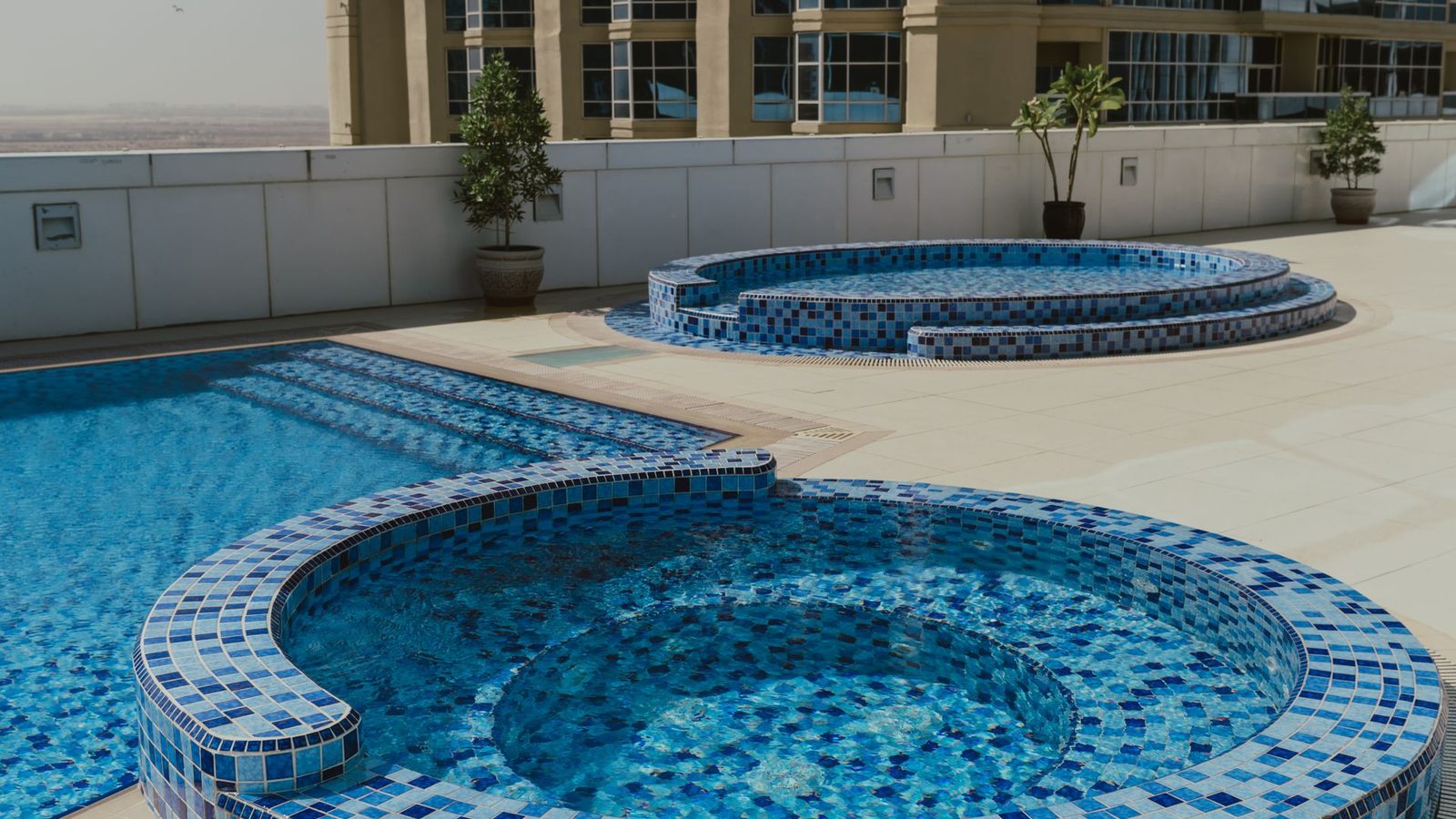
Condo association dues in the Philippines, explained (2026)
Condo association dues are the monthly fee every unit owner pays to run the building: the guards, the elevators, the pool, the insurance, the light in the hallway. They are computed per square meter of your unit, they never stop for as long as you own it, and they are the single most underestimated line in a first-time buyer's budget. A unit you can afford to buy but not to carry is not actually affordable.
Here is how dues work, what they typically cost, what happens if you stop paying, and how to judge whether a building's dues are fair.
What the dues pay for
The condominium corporation, which every owner automatically joins, collects dues to operate the shared property: security and reception, housekeeping of common areas, elevator and generator maintenance, the amenity deck, building insurance, administration salaries, and the utilities of everything outside your unit. Part of the collection usually feeds a reserve fund for big future repairs like roof waterproofing or elevator overhauls. A building with a healthy reserve is a building that will not surprise you.
How they are computed, and what they cost
Dues are charged per square meter per month, so a bigger unit pays more. Across most residential towers the rate runs roughly ₱60 to ₱150 (about $0.96 to $2.4 / €0.83 to €2.1) per square meter, with ordinary mid-market buildings clustering toward the lower half and luxury towers with heavy amenities and hotel-style service running well above the range. Parking slots are billed their own smaller monthly fee.
In concrete pesos: at a typical ₱80 (about $1.3 / €1.1) per square meter, monthly dues come to about ₱2,000 (about $32 / €28) for a 25 sqm studio, ₱2,800 (about $45 / €39) for a 35 sqm 1-bedroom, and ₱4,800 (about $77 / €66) for a 60 sqm 2-bedroom. At a premium ₱120 (about $1.9 / €1.7) rate those same units pay roughly ₱3,000 (about $48 / €41), ₱4,200 and ₱7,200 (about $67 to $115 / €58 to €99). Ask the exact current rate per square meter before you buy, then multiply by your unit's floor area; that one line of arithmetic is your real monthly carrying cost on top of any amortization.
The math on a real unit: a 24 sqm studio at ₱90 (about $1.4 / €1.2) per sqm pays about ₱2,160 (about $35 / €30) a month, roughly ₱26,000 (about $416 / €358) a year. A 60 sqm two bedroom at the same rate pays about ₱5,400 (about $86 / €74) a month. On a rental unit, that difference lands straight on the yield, which is why dues per square meter belong in any investor's comparison, as covered in our rental yields guide.
On top of regular dues, the corporation can levy a special assessment, a one-time charge approved to fund a major expense the reserve cannot cover. Rare in well-run buildings, common in buildings that kept dues artificially low for years. Cheap dues today are sometimes just deferred bills.
What happens if you do not pay
Unpaid dues accrue interest and penalties under the building's master deed and house rules, and the corporation has real teeth: it can deny amenity access and, for persistent delinquency, the unpaid dues constitute a lien on the unit that must be settled before you can cleanly sell. Buyers of resale units should always ask the admin office for a statement of account, because arrears attached to the unit can become the new owner's problem in practice. It sits alongside the other carrying costs, dues, utilities and the yearly amilyar, in the full picture our hidden costs guide lays out.
Renters and dues
Tenants do not pay dues directly; the owner does, and prices them into the rent. That is one of the structural reasons an apartment rents cheaper than a condo in the same area, a difference we unpack in apartment versus condo. If you are renting a condo, what you owe is in your lease, not in the corporation's books.
How to judge a building's dues before buying
- Ask the exact current rate per square meter and what it includes; get it from the admin office, not the seller's memory.
- Ask when dues last increased and whether an increase or special assessment is being discussed.
- Look at the building's condition against its age: clean lobbies, working elevators and a maintained deck mean the dues are doing their job.
- For resale, get the statement of account on the specific unit before money moves.
- Compare per square meter across your shortlist. A rate far below the neighbors can mean efficiency, or a reserve running on fumes.
Dues are not a nuisance fee; they are the price of the building staying worth what you paid for it. Budget them from day one, weigh them per square meter when comparing towers in the building directory, and treat a well-run corporation as part of what you are buying. This is general information; rates, rules and penalties are set by each condominium corporation, so confirm the specifics for any building you are considering.
Dollar and euro figures are approximate conversions at ₱62.5 per US dollar and ₱72.6 per euro (ECB reference rates, 2026-09-08).
Frequently asked questions
How much are condo association dues in the Philippines?
Most residential towers charge roughly ₱60 to ₱150 (about $0.96 to $2.4 / €0.83 to €2.1) per square meter per month, with mid-market buildings toward the lower half and amenity-heavy luxury towers above the range. A 24 sqm studio at ₱90 (about $1.4 / €1.2) per sqm pays about ₱2,160 (about $35 / €30) a month, and parking slots carry their own smaller fee.
What do condo dues pay for?
The operation of the shared building: security, housekeeping of common areas, elevator and generator maintenance, the amenities, building insurance, administration, and the utilities of everything outside your unit, plus contributions to a reserve fund for major future repairs.
What happens if I do not pay my condo dues?
Unpaid dues accrue interest and penalties, the corporation can restrict amenity access, and persistent arrears constitute a lien on the unit that must be settled before a clean sale. Resale buyers should always request a statement of account from the admin office, since arrears attached to a unit can become the new owner's problem in practice.
Do tenants pay association dues?
Not directly. The owner pays the dues and prices them into the rent, which is one structural reason a condo rents higher than an apartment in the same area. A tenant's obligations are what the lease says, not what the condominium corporation bills.
Condo association dues sa Pilipinas, ipinaliwanag (2026)
Ang condo association dues ay ang buwanang bayad ng bawat unit owner para patakbuhin ang building: ang mga guwardiya, ang mga elevator, ang pool, ang insurance, ang ilaw sa hallway. Kinukuwenta ito kada square meter ng unit mo, hindi ito tumitigil hangga't ikaw ang may-ari, at ito ang pinaka-underestimated na linya sa budget ng isang first-time buyer. Ang unit na kaya mong bilhin pero hindi mo kayang panatilihin ay hindi talaga abot-kaya.
Heto kung paano gumagana ang dues, magkano ang karaniwang halaga, ano ang mangyayari kapag tumigil ka sa pagbabayad, at paano husgahan kung makatarungan ang dues ng isang building.
Saan napupunta ang dues
Ang condominium corporation, na awtomatikong sinasalihan ng bawat owner, ang nangongolekta ng dues para patakbuhin ang shared property: security at reception, paglilinis ng mga common area, maintenance ng elevator at generator, ang amenity deck, insurance ng building, sahod ng administration, at ang mga utility ng lahat ng nasa labas ng unit mo. Bahagi ng koleksyon ang karaniwang napupunta sa reserve fund para sa malalaking pagkukumpuni sa hinaharap tulad ng roof waterproofing o overhaul ng elevator. Ang building na malusog ang reserve ay building na hindi ka bibiglain.
Paano kinukuwenta, at magkano
Ang dues ay sinisingil kada square meter kada buwan, kaya mas malaki ang bayad ng mas malaking unit. Sa karamihan ng mga residential tower, ang rate ay humigit-kumulang ₱60 hanggang ₱150 (mga $0.96 hanggang $2.4 / €0.83 hanggang €2.1) kada square meter, kung saan ang mga ordinaryong mid-market building ay nagkukumpulan sa mas mababang kalahati at ang mga luxury tower na maraming amenity at hotel-style na serbisyo ay lampas nang malayo sa range. Ang mga parking slot ay may sariling mas maliit na buwanang bayad.
Ang kuwenta sa totoong unit: ang 24 sqm studio sa ₱90 (mga $1.4 / €1.2) kada sqm ay nagbabayad ng humigit-kumulang ₱2,160 (mga $35 / €30) kada buwan, mga ₱26,000 (mga $416 / €358) kada taon. Ang 60 sqm two bedroom sa parehong rate ay nagbabayad ng humigit-kumulang ₱5,400 (mga $86 / €74) kada buwan. Sa isang rental unit, ang pagkakaibang iyon ay direktang tumatama sa yield, kaya nga ang dues kada square meter ay dapat kasama sa paghahambing ng bawat investor, gaya ng tinalakay sa aming gabay sa rental yields.
Bukod sa regular na dues, puwedeng magpataw ang corporation ng special assessment, isang one-time na singil na inaprubahan para pondohan ang malaking gastusin na hindi kayang saluhin ng reserve. Bihira sa mga building na maayos ang pamamalakad, karaniwan sa mga building na pinanatiling artipisyal na mababa ang dues sa loob ng maraming taon. Ang murang dues ngayon ay minsan mga bill lang na ipinagpaliban.
Ano ang mangyayari kapag hindi ka nagbayad
Ang hindi nabayarang dues ay nagpapatong ng interes at penalties sa ilalim ng master deed at house rules ng building, at may totoong pangil ang corporation: puwede nitong ipagkait ang access sa mga amenity at, sa matagalang delinquency, ang hindi nabayarang dues ay nagiging lien sa unit na kailangang ayusin bago mo ito maibenta nang malinis. Ang mga bumibili ng resale unit ay dapat laging humingi sa admin office ng statement of account, dahil ang mga atraso na nakakabit sa unit ay puwedeng maging problema ng bagong owner sa praktika. Kasama ito sa iba pang carrying cost, dues, utilities at ang taunang amilyar, sa buong larawang inilalatag ng aming gabay sa hidden costs.
Ang mga renter at ang dues
Hindi direktang nagbabayad ng dues ang mga tenant; ang owner ang nagbabayad, at isinasama ito sa renta. Isa iyon sa mga istruktural na dahilan kung bakit mas mura ang renta ng apartment kaysa sa condo sa parehong lugar, isang pagkakaibang binubuklat namin sa apartment laban sa condo. Kung condo ang inuupahan mo, ang utang mo ay nasa lease mo, hindi sa libro ng corporation.
Paano husgahan ang dues ng isang building bago bumili
- Itanong ang eksaktong kasalukuyang rate kada square meter at kung ano ang kasama; kunin ito sa admin office, hindi sa alaala ng seller.
- Itanong kung kailan huling tumaas ang dues at kung may pinag-uusapang pagtaas o special assessment.
- Tingnan ang kondisyon ng building laban sa edad nito: malinis na lobby, gumaganang elevator at maayos na deck ay tanda na ginagampanan ng dues ang trabaho nito.
- Para sa resale, kunin ang statement of account ng partikular na unit bago gumalaw ang pera.
- Ikumpara ang kada square meter sa buong shortlist mo. Ang rate na malayong mas mababa sa mga kapitbahay ay puwedeng ibig sabihin ay efficiency, o reserve na halos ubos na.
Ang dues ay hindi bayad na pang-inis lang; ito ang presyo ng pananatili ng building sa halagang ibinayad mo. I-budget ito mula sa unang araw, timbangin ito kada square meter kapag naghahambing ng mga tower sa building directory, at ituring ang isang maayos na pinatatakbong corporation bilang bahagi ng binibili mo. Pangkalahatang impormasyon ito; ang mga rate, patakaran at penalties ay itinatakda ng bawat condominium corporation, kaya kumpirmahin ang mga detalye para sa anumang building na isinasaalang-alang mo.
Tinatayang conversion lang ang mga halaga sa dollar at euro, sa ₱62.5 kada US dollar at ₱72.6 kada euro (ECB reference rates, 2026-09-08).
Mga madalas itanong
Magkano ang condo association dues sa Pilipinas?
Karamihan ng residential towers ay naniningil ng humigit-kumulang ₱60 hanggang ₱150 (mga $0.96 hanggang $2.4 / €0.83 hanggang €2.1) per square meter per month, kung saan nasa lower half ang mid-market na buildings at lampas sa range naman ang mga amenity-heavy na luxury tower. Ang 24 sqm studio sa ₱90 (mga $1.4 / €1.2) per sqm ay nagbabayad ng mga ₱2,160 (mga $35 / €30) kada buwan, at may sariling mas maliit na fee ang parking slots.
Saan napupunta ang binabayad na condo dues?
Sa operation ng shared building: security, housekeeping ng common areas, elevator at generator maintenance, mga amenities, building insurance, administration, at ang utilities ng lahat ng nasa labas ng unit mo, plus contributions sa reserve fund para sa malalaking future repairs.
Ano ang mangyayari kung hindi ako magbayad ng condo dues ko?
Ang unpaid dues ay nagpapatong ng interest at penalties, pwedeng i-restrict ng corporation ang amenity access mo, at ang matagal nang arrears ay nagiging lien sa unit na kailangang bayaran bago magkaroon ng malinis na sale. Dapat laging humingi ang resale buyers ng statement of account mula sa admin office, dahil ang arrears na nakakabit sa unit ay pwedeng maging problema ng bagong may-ari in practice.
Nagbabayad ba ng association dues ang tenants?
Hindi directly. Ang owner ang nagbabayad ng dues at isinasama niya ito sa presyo ng renta, na isang structural na dahilan kung bakit mas mahal ang renta ng condo kaysa apartment sa parehong area. Ang obligasyon ng tenant ay kung ano ang nakasulat sa lease, hindi kung ano ang sinisingil ng condominium corporation.
Condo association dues sa Pilipinas, gipasabot (2026)
Ang condo association dues mao ang binulan nga bayad sa matag unit owner aron mapadagan ang building: ang mga guwardya, ang mga elevator, ang pool, ang insurance, ang suga sa hallway. Gikwenta kini kada square meter sa imong unit, dili kini mohunong samtang ikaw ang tag-iya, ug mao kini ang pinaka-underestimated nga linya sa budget sa usa ka first-time buyer. Ang unit nga kaya nimong paliton apan dili nimo kayang sustentohan dili gyud tinuod nga abot-kaya.
Ania kung giunsa paglihok ang dues, pila ang kasagarang kantidad, unsa ang mahitabo kung mohunong ka og bayad, ug unsaon paghukom kung makiangayon ba ang dues sa usa ka building.
Asa moadto ang dues
Ang condominium corporation, nga awtomatikong apilan sa matag owner, ang mokolekta sa dues aron mapadagan ang shared property: security ug reception, paglimpyo sa mga common area, maintenance sa elevator ug generator, ang amenity deck, insurance sa building, sweldo sa administration, ug ang mga utility sa tanan nga naa gawas sa imong unit. Bahin sa koleksyon kasagaran moadto sa reserve fund para sa dagkong pag-ayo sa umaabot sama sa roof waterproofing o overhaul sa elevator. Ang building nga himsog ang reserve mao ang building nga dili ka niya kalitan.
Giunsa kini pagkwenta, ug pila
Ang dues singlon kada square meter kada bulan, mao nga mas dako ang bayad sa mas dako nga unit. Sa kadaghanan sa mga residential tower, ang rate anaa sa mga ₱60 hangtod ₱150 (mga $0.96 hangtod $2.4 / €0.83 hangtod €2.1) kada square meter, diin ang mga ordinaryong mid-market building nagpundok sa ubos nga katunga ug ang mga luxury tower nga daghag amenity ug hotel-style nga serbisyo layo ra nga labaw sa range. Ang mga parking slot naay kaugalingong mas gamay nga binulan nga bayad.
Ang kwenta sa tinuod nga unit: ang 24 sqm studio sa ₱90 (mga $1.4 / €1.2) kada sqm mobayad og mga ₱2,160 (mga $35 / €30) kada bulan, mga ₱26,000 (mga $416 / €358) kada tuig. Ang 60 sqm two bedroom sa samang rate mobayad og mga ₱5,400 (mga $86 / €74) kada bulan. Sa usa ka rental unit, kana nga kalainan diretsong motama sa yield, mao nga ang dues kada square meter angay iapil sa pagkompara sa matag investor, sama sa gihisgotan sa among giya sa rental yields.
Dugang sa regular nga dues, ang corporation mahimong mopahamtang og special assessment, usa ka one-time nga singil nga giaprubahan aron pondohan ang dako nga gasto nga dili kaya sa reserve. Talagsaon sa mga building nga maayo og pagdumala, komon sa mga building nga gipabiling artipisyal nga ubos ang dues sulod sa daghang katuigan. Ang barato nga dues karon usahay mga bill ra nga gilangan.
Unsa ang mahitabo kung dili ka mobayad
Ang wala mabayrang dues magpatong og interes ug penalties ubos sa master deed ug house rules sa building, ug ang corporation naay tinuod nga ngipon: mahimo niining ihikaw ang access sa mga amenity ug, sa dugay nga delinquency, ang wala mabayrang dues mahimong lien sa unit nga kinahanglan husayon una nimo kini mahalin og limpyo. Ang mga mopalit og resale unit angay kanunay mangayo sa admin office og statement of account, kay ang mga atraso nga nakataod sa unit mahimong problema sa bag-ong owner sa praktika. Nahimutang kini tapad sa ubang carrying cost, dues, utilities ug ang tinuig nga amilyar, sa tibuok hulagway nga gilatag sa among giya sa hidden costs.
Ang mga renter ug ang dues
Ang mga tenant dili diretsong mobayad sa dues; ang owner ang mobayad, ug iapil kini sa abang. Usa kana sa mga istruktural nga rason nganong mas barato ang abang sa apartment kaysa condo sa samang lugar, usa ka kalainan nga among gibuklad sa apartment batok sa condo. Kung nag-abang ka og condo, ang imong bayranan naa sa imong lease, dili sa libro sa corporation.
Unsaon paghukom sa dues sa usa ka building una mopalit
- Pangutan-a ang eksaktong kasamtangang rate kada square meter ug unsa ang apil; kuhaa kini sa admin office, dili sa panumdoman sa seller.
- Pangutan-a kung kanus-a kataposang misaka ang dues ug kung naay gihisgotang pagsaka o special assessment.
- Tan-awa ang kondisyon sa building batok sa edad niini: limpyo nga lobby, nagdagan nga mga elevator ug maayong pagkaatiman nga deck nagpasabot nga nagbuhat sa ilang trabaho ang dues.
- Para sa resale, kuhaa ang statement of account sa espesipikong unit una molihok ang kwarta.
- Ikompara ang kada square meter sa tibuok nimong shortlist. Ang rate nga layo ra nga mas ubos sa mga silingan mahimong magpasabot og efficiency, o reserve nga halos hurot na.
Ang dues dili bayad nga samok ra; mao kini ang presyo aron magpabilin ang bili sa building sa kantidad nga imong gibayad. I-budget kini sukad sa unang adlaw, timbanga kini kada square meter kung magkompara og mga tower sa building directory, ug isipa ang usa ka maayong pagkadumala nga corporation isip bahin sa imong gipalit. Kini kinatibuk-ang impormasyon; ang mga rate, lagda ug penalties gitakda sa matag condominium corporation, mao nga kumpirmaha ang mga detalye para sa bisan unsang building nga imong gikonsiderar.
Banabana lang ang mga conversion sa dollar ug euro, sa ₱62.5 matag US dollar ug ₱72.6 matag euro (ECB reference rates, 2026-09-08).
Mga kasagarang pangutana
Pila ang condo association dues sa Pilipinas?
Kadaghanan sa residential towers maningil og mga ₱60 hangtod ₱150 (mga $0.96 hangtod $2.4 / €0.83 hangtod €2.1) per square meter kada bulan, diin ang mid-market nga mga building anaa sa ubos nga bahin ug ang mga amenity-heavy nga luxury tower lapas sa range. Ang 24 sqm studio sa ₱90 (mga $1.4 / €1.2) per sqm mobayad og mga ₱2,160 (mga $35 / €30) kada bulan, ug ang parking slots adunay kaugalingong mas gamay nga fee.
Asa paingon ang bayad sa condo dues?
Sa operation sa shared building: security, housekeeping sa common areas, maintenance sa elevator ug generator, ang mga amenities, building insurance, administration, ug ang utilities sa tanan nga naa sa gawas sa imong unit, dugang pa ang contributions sa reserve fund para sa dagko nga umaabot nga repairs.
Unsa ang mahitabo kung dili ko mobayad sa akong condo dues?
Ang wala mabayri nga dues magpatong og interest ug penalties, mahimong i-restrict sa corporation ang imong amenity access, ug ang dugay na nga arrears mahimong lien sa unit nga kinahanglan bayran una mahitabo ang limpyo nga sale. Ang resale buyers kinahanglan kanunay mangayo og statement of account gikan sa admin office, kay ang arrears nga nakataod sa unit mahimong problema sa bag-ong tag-iya in practice.
Mobayad ba ang tenants og association dues?
Dili directly. Ang tag-iya ang mobayad sa dues ug iapil niya kini sa presyo sa abang, nga usa ka structural nga rason nganong mas mahal ang abang sa condo kaysa apartment sa parehong lugar. Ang obligasyon sa tenant mao ang nakasulat sa lease, dili ang gisingil sa condominium corporation.
Browse properties on BalayHub
See all listings →
Read next
Lost Land Title in the Philippines: How to Replace It
A lost land title is replaced by court petition under Section 109 of PD 1529: steps, documents, 6 to 12 months and ₱50,000 to ₱200,000 in estimated costs.
Real Estate Broker Commission & PRC License Check (2026)
Real estate broker commission in the Philippines: 3% to 5% by custom, who pays, when it is earned, and how to verify a PRC license before you sign.
Condo Investment for Foreigners in the Philippines: the Math
Condo investment for foreigners in the Philippines: gross yields from 4.3% in Pasig to 11.9% in Davao, the 25% tax on non resident rent, and the 40% cap.