
Sep 15, 2026 · by BalayHub Admin · 7 min read
Pag-IBIG Housing Loan Pasalo: How to Sell Your House (2026)
Pag-IBIG housing loan pasalo, seller's side: three legal exits, why informal pasalo leaves you liable, the 6% capital gains tax and the steps in order.
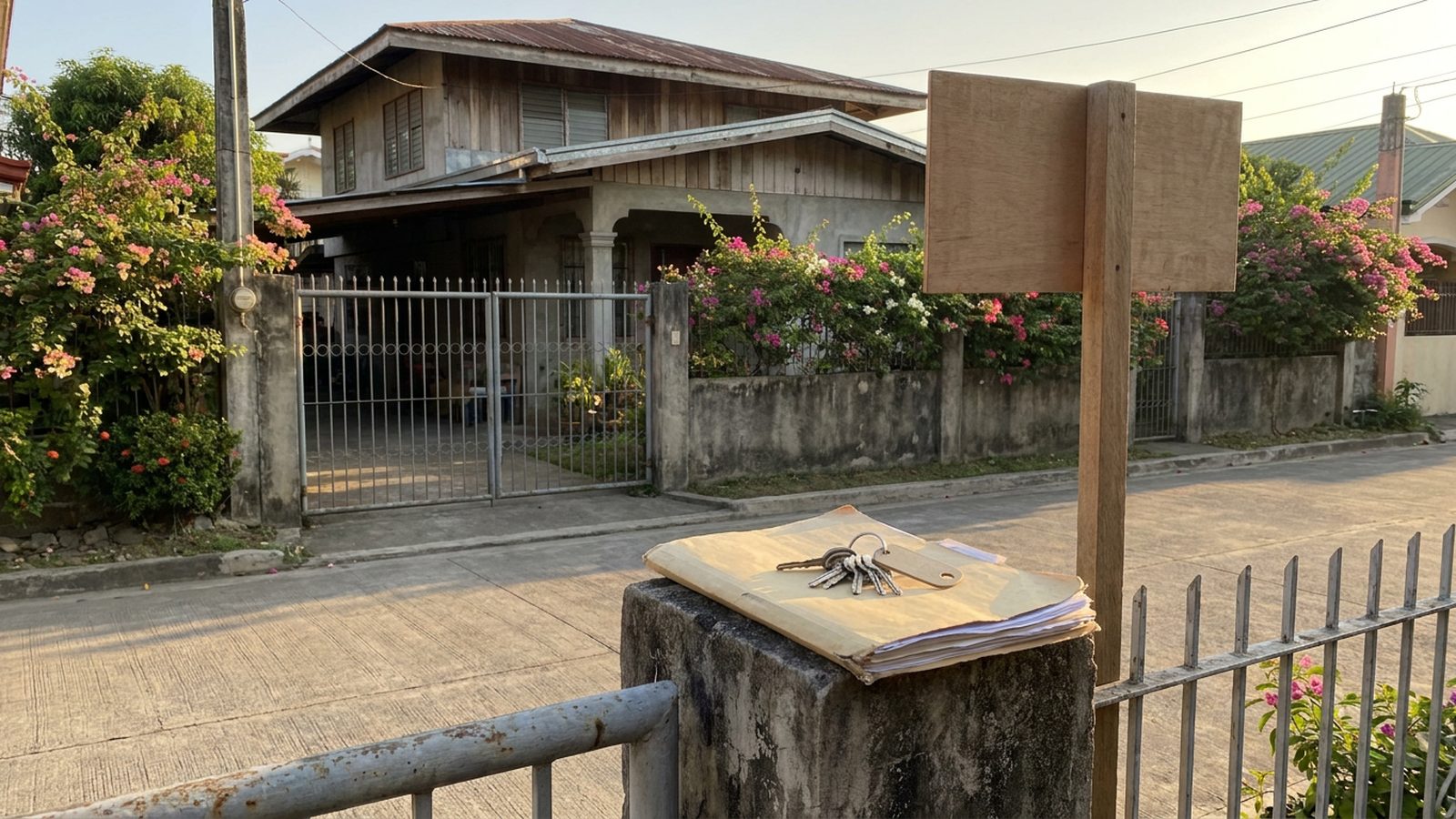
Most guides to Pag-IBIG housing loan pasalo are written for the buyer. This one is for the other side of the table. Selling a house while the Pag-IBIG loan is still running is common, legal and often the only way to move on from a property you can no longer afford or no longer need, but the shortcuts that circulate in group chats leave the seller carrying a loan for a house someone else lives in. Here is how the sale works when you do it properly, what it costs you, and where the informal version goes wrong.
The starting point is simple. Until the loan is either paid off or formally transferred, Pag-IBIG knows exactly one borrower, and that borrower is you. A buyer can pay you, move in and send the amortization every month for years, and none of that changes your name on the loan or on the title annotation.
Your three legal exits
A house with an outstanding Pag-IBIG balance can change hands in three ways, and the differences matter more than the price.
The cleanest is a buyer who pays off the loan. The buyer settles the outstanding balance directly with Pag-IBIG, either in cash or through a new housing loan of their own, the mortgage annotation is cancelled, and you sign a Deed of Absolute Sale for a property that is now free of debt. Since September 2026 the Pag-IBIG ceiling for a new loan sits at ₱10 million (about $159,000 / €138,000), which covers most resale houses; the current rates are in our note on the Pag-IBIG ₱10 million cap and promo rates. You receive the price minus the balance, the buyer receives a clean title, and you are done.
The second route is a formal assumption of mortgage. The buyer applies to Pag-IBIG to take over your account, Pag-IBIG evaluates them as a member and as a borrower, and once approved the loan is transferred into their name. You sign a Deed of Sale with Assumption of Mortgage, the sale is annotated on the title and the buyer becomes the borrower of record.
The third route is what most pasalo listings actually describe: the buyer pays you your equity, takes the keys and keeps paying your amortization under your name, with a notarized private agreement and a promise to transfer later. It is fast and it costs almost nothing upfront. It is also the version where the seller's risk never ends.
What the informal version does to the seller
A notarized agreement between you and the buyer, however carefully drafted, does not substitute the buyer as Pag-IBIG's borrower. Only Pag-IBIG can do that, by approving the assumption. Without that written approval, the arrangement is a private contract between two people, and the lender is not part of it.
The practical consequence is spelled out plainly in the Respicio & Co. commentary on selling a Pag-IBIG mortgaged house: if the buyer stops paying, Pag-IBIG will run after the original borrower. Arrears accumulate on your record, the foreclosure notice carries your name, and the person living in the house has no obligation to the lender at all. Your Pag-IBIG standing, including your ability to borrow again, is tied to an account you no longer control.
The arrangement also tends to collapse at the worst moments. If you die, your heirs may refuse to honor a deal they never signed. If the buyer dies, separates or moves abroad, the payments stop and the house is occupied by people you have never met. And if, years later, either side declines to sign the final transfer documents, the buyer holds possession without title and you hold a title with someone else's family inside it. This is the ordinary failure mode of informal pasalo, and the reason we treat the formal route as the only one worth recommending on our pasalo listings page.
Getting your account ready
Pag-IBIG processes an assumption on the strength of the account, so the first job is to make the account presentable. Request your current statement of account, confirm the outstanding balance, and clear any arrears and penalties before you list. An account with missed payments is the fastest way to lose a serious buyer.
The buyer and Pag-IBIG will expect a certified copy of the title, the current loan statement, the latest tax declaration, a real property tax clearance showing the amilyar is paid to date, and the consent of your spouse or any co-owner. If you are working abroad, a Special Power of Attorney lets a relative sign on your behalf. Our guide to getting a real property tax clearance covers the treasurer's office step, and the wider checklist is in our guide to selling property in the Philippines.
On the buyer's side, Pag-IBIG looks at membership, capacity to pay and credit. The buyer needs to be an active member with the contribution history Pag-IBIG requires for a housing loan, currently at least 24 monthly contributions, with income that supports the remaining amortization and no problem accounts of their own. Screen for this before you accept any equity payment. A buyer who cannot qualify for assumption is a buyer who will, sooner or later, ask you to keep the loan in your name.
The money: equity, taxes and what you actually keep
The buyer pays you the equity, meaning the difference between the agreed price and the balance they take over. On a house priced at ₱2.6 million (about $41,400 / €35,800) with ₱1.8 million (about $28,600 / €24,800) still owed to Pag-IBIG, the equity is ₱800,000 (about $12,700 / €11,000), and that is the cash that reaches you.
The taxes are computed on the whole price, not on the equity alone. The capital gains tax of 6% is charged on the selling price or the zonal value, whichever is higher, so on our example it is at least ₱156,000 (about $2,480 / €2,150), and customarily it is the seller's bill. The documentary stamp tax of 1.5%, the local transfer tax and the registration fees are customarily the buyer's, but only if the contract says so. The most common dispute we hear about starts with a "net to seller" price agreed in a chat and no clause on who pays what. Put every tax in the deed. The full split, with a worked example, is in our closing costs guide.
Pag-IBIG charges a processing fee for the assumption and the deed needs notarization, so budget a few thousand pesos on top. The seller's real cost is the capital gains tax, exactly as in a cash sale.
The sequence that protects you
Done properly, the sale runs in order. The buyer verifies the title and your loan statement. You sign a Contract to Sell that makes the deal conditional on Pag-IBIG approving the assumption, and the buyer pays a reservation or a first tranche of the equity against a receipt. The buyer files the assumption application with Pag-IBIG. On approval, you execute the Deed of Sale with Assumption of Mortgage, the buyer pays the rest of the equity, the taxes are settled at the BIR, and the sale is registered at the Registry of Deeds. Only then hand over the keys.
With a fresh loan the sequence is the same, except that Pag-IBIG releases your mortgage on payoff and the deed is a plain Deed of Absolute Sale. Either way, do not release possession before the lender has recognized the transfer.
Listing it the right way
When you list, say what you are offering. State the outstanding balance, the monthly amortization, the remaining term and the equity you want, and write that the sale is subject to formal Pag-IBIG assumption. Buyers who understand pasalo will read that as a clean deal, and buyers who wanted the informal version will move on. You can post a pasalo listing with those fields on BalayHub. The buyer's view of the same transaction is in our Pag-IBIG assume balance guide and the longer pasalo and assume balance guide, worth reading before you negotiate, since they describe what a careful buyer will ask you for.
This article is general information, not legal or tax advice. Confirm the current Pag-IBIG requirements and fees with the Fund and consult a lawyer for your specific sale.
Dollar and euro figures are approximate conversions at ₱62.9 per US dollar and ₱72.6 per euro (ECB reference rates, 2026-09-14).
Frequently asked questions
Can I sell my house while my Pag-IBIG loan is still being paid?
Yes. You can sell to a buyer who pays off the balance with cash or a new loan of their own, or to a buyer who formally assumes your Pag-IBIG loan with the Fund's written approval. What you cannot safely do is hand over the house while the loan stays in your name, because Pag-IBIG will still treat you as the borrower if the payments stop.
Who pays the capital gains tax in a pasalo sale?
Customarily the seller, at 6% of the selling price or the zonal value, whichever is higher, and it is computed on the whole price, not only on the equity the buyer hands you. Documentary stamp tax of 1.5%, transfer tax and registration are usually the buyer's, but only if the deed says so. Write every tax into the contract before you accept money.
What does the buyer need to assume my Pag-IBIG loan?
Active Pag-IBIG membership with the required contribution history, currently at least 24 monthly contributions, income that supports the remaining amortization, an acceptable credit record and no problem housing account of their own. Pag-IBIG evaluates the buyer the way it would evaluate a new borrower, then approves the transfer and annotates the sale on the title.
What happens if the buyer stops paying in an informal pasalo?
Pag-IBIG runs after you, the original borrower. Arrears and penalties go on your account, the foreclosure notice carries your name, and the buyer living in the house has no obligation to the Fund. You can also lose the right to borrow from Pag-IBIG again. This is why the equity should only change hands under a sale that Pag-IBIG has recognized.
What documents should I prepare before listing a pasalo house?
Your current Pag-IBIG statement of account with no arrears, a certified copy of the title, the latest tax declaration, a real property tax clearance showing the amilyar is paid, the consent of your spouse or co-owners, and a Special Power of Attorney if you are abroad. A buyer's lawyer will ask for all of these, so having them ready shortens the sale by weeks.
Karamihan ng mga guide tungkol sa Pag-IBIG housing loan pasalo ay isinulat para sa buyer. Ang isang ito ay para sa kabilang panig ng mesa. Karaniwan, legal at madalas ang tanging paraan para makaalis sa property na hindi mo na kayang bayaran o hindi mo na kailangan ang pagbebenta ng bahay habang tumatakbo pa ang Pag-IBIG loan, pero ang mga shortcut na kumakalat sa group chat ay nag-iiwan sa seller ng loan para sa bahay na tinitirhan na ng iba. Narito kung paano gumagana ang benta kapag ginawa mo ito nang maayos, magkano ang gastos mo, at saan nagkakamali ang informal na bersyon.
Simple ang panimula. Hangga't hindi pa bayad o pormal na nailipat ang loan, iisa lang ang borrower na kilala ng Pag-IBIG, at ikaw iyon. Puwedeng magbayad sa iyo ang buyer, lumipat sa bahay at magpadala ng amortization buwan-buwan sa loob ng ilang taon, at wala sa mga iyon ang magpapalit ng pangalan mo sa loan o sa annotation ng title.
Ang tatlong legal na paraan para makalabas
May tatlong paraan para mapalitan ng may-ari ang bahay na may natitirang balance sa Pag-IBIG, at mas mahalaga ang pagkakaiba nila kaysa sa presyo.
Ang pinakamalinis ay ang buyer na magbabayad ng buong loan. Sinesettle ng buyer ang outstanding balance nang direkta sa Pag-IBIG, cash man o sa pamamagitan ng sarili niyang bagong housing loan, kinakansela ang mortgage annotation, at pipirma ka ng Deed of Absolute Sale para sa property na wala nang utang. Mula September 2026, nasa ₱10 million (mga $159,000 / €138,000) ang ceiling ng Pag-IBIG para sa bagong loan, na sapat para sa karamihan ng resale na bahay; nasa aming note tungkol sa Pag-IBIG ₱10 million cap at promo rates ang kasalukuyang rates. Matatanggap mo ang presyo minus ang balance, makakakuha ang buyer ng malinis na title, at tapos ka na.
Ang pangalawang ruta ay ang pormal na assumption of mortgage. Mag-a-apply ang buyer sa Pag-IBIG para kunin ang account mo, susuriin siya ng Pag-IBIG bilang member at bilang borrower, at kapag naaprubahan, ililipat ang loan sa pangalan niya. Pipirma ka ng Deed of Sale with Assumption of Mortgage, ia-annotate ang benta sa title at magiging borrower of record ang buyer.
Ang pangatlong ruta ang totoong inilalarawan ng karamihan ng pasalo listing: babayaran ka ng buyer ng equity mo, kukunin ang susi at patuloy na magbabayad ng amortization mo sa ilalim ng pangalan mo, may notarized na pribadong kasunduan at pangakong ililipat sa hinaharap. Mabilis ito at halos walang gastos sa simula. Ito rin ang bersyon kung saan hindi kailanman natatapos ang panganib ng seller.
Ang ginagawa ng informal na bersyon sa seller
Ang notarized na kasunduan sa pagitan mo at ng buyer, gaano man kaingat ang pagkakasulat, ay hindi pumapalit sa buyer bilang borrower ng Pag-IBIG. Pag-IBIG lang ang makakagawa niyon, sa pamamagitan ng pag-apruba ng assumption. Kung wala ang nakasulat na approval na iyon, pribadong kontrata lang ito sa pagitan ng dalawang tao, at hindi kasama ang lender.
Malinaw na nakasaad ang praktikal na epekto sa komentaryo ng Respicio & Co. tungkol sa pagbebenta ng bahay na naka-mortgage sa Pag-IBIG: kapag tumigil sa pagbabayad ang buyer, hahabulin ng Pag-IBIG ang orihinal na borrower. Maiipon ang arrears sa record mo, pangalan mo ang nasa foreclosure notice, at ang taong nakatira sa bahay ay walang anumang obligasyon sa lender. Ang standing mo sa Pag-IBIG, kasama ang kakayahan mong umutang ulit, ay nakatali sa account na hindi mo na kontrolado.
Madalas ding bumagsak ang ganitong kasunduan sa pinakamasamang pagkakataon. Kapag namatay ka, puwedeng tumanggi ang mga tagapagmana mo na tuparin ang kasunduang hindi naman nila pinirmahan. Kapag namatay, naghiwalay o nangibang-bansa ang buyer, titigil ang bayad at may mga taong hindi mo pa nakikilala ang nakatira sa bahay. At kung, pagkalipas ng ilang taon, tumanggi ang alinmang panig na pumirma sa huling transfer documents, hawak ng buyer ang possession nang walang title at hawak mo ang title na may pamilya ng iba sa loob. Ito ang karaniwang pagkabigo ng informal na pasalo, at ang dahilan kung bakit ang pormal na ruta lang ang itinuturing naming karapat-dapat irekomenda sa aming pasalo listings page.
Paghahanda ng account mo
Pinoproseso ng Pag-IBIG ang assumption batay sa lakas ng account, kaya ang unang trabaho ay gawing presentable ang account. Humingi ng kasalukuyang statement of account mo, kumpirmahin ang outstanding balance, at linisin ang anumang arrears at penalty bago ka mag-list. Ang account na may hindi nabayarang buwan ang pinakamabilis na paraan para mawalan ng seryosong buyer.
Aasahan ng buyer at ng Pag-IBIG ang certified copy ng title, ang kasalukuyang loan statement, ang pinakabagong tax declaration, ang real property tax clearance na nagpapakitang bayad ang amilyar hanggang ngayon, at ang pahintulot ng asawa mo o ng sinumang co-owner. Kung nasa abroad ka, pinapayagan ng Special Power of Attorney ang isang kamag-anak na pumirma para sa iyo. Sinasaklaw ng aming guide sa pagkuha ng real property tax clearance ang hakbang sa treasurer's office, at nasa aming guide sa pagbebenta ng property sa Pilipinas ang mas malawak na checklist.
Sa panig ng buyer, tinitingnan ng Pag-IBIG ang membership, kakayahang magbayad at credit. Kailangang active member ang buyer na may contribution history na hinihingi ng Pag-IBIG para sa housing loan, sa kasalukuyan ay hindi bababa sa 24 monthly contributions, may kitang kayang suportahan ang natitirang amortization at walang sariling problemang account. I-screen ito bago ka tumanggap ng anumang equity payment. Ang buyer na hindi makaka-qualify sa assumption ay buyer na, sa malao't madali, hihilingin sa iyong panatilihin ang loan sa pangalan mo.
Ang pera: equity, buwis at kung ano talaga ang matitira sa iyo
Babayaran ka ng buyer ng equity, ibig sabihin, ang pagitan ng napagkasunduang presyo at ng balance na kukunin niya. Sa bahay na may presyong ₱2.6 million (mga $41,400 / €35,800) na may ₱1.8 million (mga $28,600 / €24,800) pang utang sa Pag-IBIG, ang equity ay ₱800,000 (mga $12,700 / €11,000), at iyon ang cash na aabot sa iyo.
Kinukwenta ang buwis sa buong presyo, hindi sa equity lang. Sinisingil ang capital gains tax na 6% sa selling price o sa zonal value, alinman ang mas mataas, kaya sa aming halimbawa, hindi ito bababa sa ₱156,000 (mga $2,480 / €2,150), at kaugalian na ang seller ang nagbabayad nito. Ang documentary stamp tax na 1.5%, ang local transfer tax at ang registration fees ay karaniwang sa buyer, pero kung nakasaad lang iyon sa kontrata. Ang pinakakaraniwang alitan na naririnig namin ay nagsisimula sa presyong "net to seller" na napagkasunduan sa chat at walang clause kung sino ang magbabayad ng ano. Ilagay ang bawat buwis sa deed. Nasa aming closing costs guide ang buong hatian, may kasamang halimbawa.
Naniningil ang Pag-IBIG ng processing fee para sa assumption at kailangang i-notarize ang deed, kaya maglaan ng ilang libong piso na dagdag. Ang tunay na gastos ng seller ay ang capital gains tax, gaya rin sa cash sale.
Ang pagkakasunod-sunod na magpoprotekta sa iyo
Kapag ginawa nang maayos, may pagkakasunod-sunod ang benta. Bine-verify ng buyer ang title at ang loan statement mo. Pipirma ka ng Contract to Sell na ginagawang conditional ang deal sa pag-apruba ng Pag-IBIG sa assumption, at magbabayad ang buyer ng reservation o unang tranche ng equity na may resibo. Ipa-file ng buyer ang assumption application sa Pag-IBIG. Kapag naaprubahan, ipapatupad mo ang Deed of Sale with Assumption of Mortgage, babayaran ng buyer ang natitirang equity, sesettle-in ang buwis sa BIR, at irerehistro ang benta sa Registry of Deeds. Saka mo lang ibigay ang susi.
Sa bagong loan, pareho ang pagkakasunod-sunod, maliban sa pagre-release ng Pag-IBIG ng mortgage mo pagkabayad, at simpleng Deed of Absolute Sale ang deed. Alinman dito, huwag ibigay ang possession bago kilalanin ng lender ang paglilipat.
Ang tamang paraan ng pag-list
Kapag nag-list ka, sabihin kung ano ang inaalok mo. Isaad ang outstanding balance, ang buwanang amortization, ang natitirang term at ang equity na gusto mo, at isulat na ang benta ay subject sa pormal na Pag-IBIG assumption. Babasahin iyon ng mga buyer na nakakaintindi ng pasalo bilang malinis na deal, at lilipat na lang ang mga buyer na gusto ang informal na bersyon. Puwede kang mag-post ng pasalo listing na may mga field na iyon sa BalayHub. Nasa aming Pag-IBIG assume balance guide at sa mas mahabang pasalo at assume balance guide ang pananaw ng buyer sa parehong transaksyon, sulit basahin bago ka makipag-negotiate, dahil inilalarawan nila kung ano ang hihingin sa iyo ng maingat na buyer.
Pangkalahatang impormasyon ang artikulong ito, hindi legal o tax advice. Kumpirmahin ang kasalukuyang requirements at fees ng Pag-IBIG sa Fund at kumonsulta sa abogado para sa partikular mong benta.
Tinatayang conversion lang ang mga halaga sa dollar at euro, sa ₱62.9 kada US dollar at ₱72.6 kada euro (ECB reference rates, 2026-09-14).
Mga madalas itanong
Puwede ko bang ibenta ang bahay ko habang binabayaran pa ang Pag-IBIG loan ko?
Oo. Puwede kang magbenta sa buyer na magbabayad ng balance gamit ang cash o sarili niyang bagong loan, o sa buyer na pormal na aasumihin ang Pag-IBIG loan mo na may nakasulat na approval ng Fund. Ang hindi mo ligtas na magagawa ay ibigay ang bahay habang nananatili sa pangalan mo ang loan, dahil ikaw pa rin ang ituturing na borrower ng Pag-IBIG kapag tumigil ang bayad.
Sino ang nagbabayad ng capital gains tax sa pasalo sale?
Kaugalian na ang seller, sa 6% ng selling price o ng zonal value, alinman ang mas mataas, at kinukwenta ito sa buong presyo, hindi lang sa equity na ibibigay sa iyo ng buyer. Ang documentary stamp tax na 1.5%, transfer tax at registration ay karaniwang sa buyer, pero kung nakasaad lang iyon sa deed. Isulat ang bawat buwis sa kontrata bago ka tumanggap ng pera.
Ano ang kailangan ng buyer para asumihin ang Pag-IBIG loan ko?
Active na Pag-IBIG membership na may kinakailangang contribution history, sa kasalukuyan ay hindi bababa sa 24 monthly contributions, kitang kayang suportahan ang natitirang amortization, katanggap-tanggap na credit record at walang sariling problemang housing account. Susuriin ng Pag-IBIG ang buyer gaya ng pagsusuri nito sa bagong borrower, saka aaprubahan ang paglilipat at ia-annotate ang benta sa title.
Ano ang mangyayari kapag tumigil sa pagbabayad ang buyer sa informal na pasalo?
Hahabulin ka ng Pag-IBIG, ang orihinal na borrower. Mapupunta sa account mo ang arrears at penalty, pangalan mo ang nasa foreclosure notice, at ang buyer na nakatira sa bahay ay walang obligasyon sa Fund. Puwede ka ring mawalan ng karapatang umutang ulit sa Pag-IBIG. Kaya dapat lang magpalit ng kamay ang equity sa ilalim ng bentang kinilala na ng Pag-IBIG.
Anong mga dokumento ang dapat kong ihanda bago mag-list ng pasalo na bahay?
Ang kasalukuyang Pag-IBIG statement of account mo na walang arrears, certified copy ng title, ang pinakabagong tax declaration, real property tax clearance na nagpapakitang bayad ang amilyar, ang pahintulot ng asawa o mga co-owner mo, at Special Power of Attorney kung nasa abroad ka. Hihingin lahat ng ito ng abogado ng buyer, kaya kapag handa na ang mga ito, mapapaikli ng ilang linggo ang benta.
Kasagaran sa mga guide bahin sa Pag-IBIG housing loan pasalo gisulat para sa buyer. Kini para sa pikas nga bahin sa lamesa. Ang pagbaligya og balay samtang nagdagan pa ang Pag-IBIG loan komon ra, legal, ug kasagaran mao ra gyud ang paagi aron makalingkawas ka sa property nga dili na nimo makaya o dili na nimo kinahanglan. Apan ang mga shortcut nga nagalibot sa mga group chat magbilin sa seller nga nagpas-an gihapon og loan para sa balay nga gipuy-an na sa lain. Ania kung unsaon pagdagan sa baligya kung himuon nimo sa sakto nga paagi, unsa ang gasto nimo, ug asa masayop ang informal nga bersyon.
Simple ra ang sinugdanan. Hangtod nga dili pa mabayran sa hingpit o pormal nga ma-transfer ang loan, usa ra ka borrower ang nailhan sa Pag-IBIG, ug ikaw kana. Mahimong mobayad nimo ang buyer, mobalhin sa balay ug mopadala sa amortization matag bulan sulod sa daghang tuig, apan wala niana makausab sa imong ngalan sa loan o sa annotation sa title.
Ang imong tulo ka legal nga paagi sa paggawas
Ang balay nga naa pay outstanding balance sa Pag-IBIG mahimong mabalhin sa lain sa tulo ka paagi, ug mas importante ang kalainan niini kaysa presyo.
Ang pinakalimpyo mao ang buyer nga mobayad sa tibuok loan. Ang buyer mo-settle sa outstanding balance direkta sa Pag-IBIG, pinaagi sa cash o pinaagi sa iyang kaugalingong bag-ong housing loan, makansela ang mortgage annotation, ug mopirma ka og Deed of Absolute Sale para sa property nga wala nay utang. Sukad September 2026, ang Pag-IBIG ceiling para sa bag-ong loan naa sa ₱10 million (mga $159,000 / €138,000), nga makakobre sa kadaghanan sa mga resale nga balay; ang kasamtangang rates naa sa among note bahin sa Pag-IBIG ₱10 million cap ug promo rates. Madawat nimo ang presyo minus ang balance, makadawat ang buyer og limpyo nga title, ug human na ka.
Ang ikaduhang ruta mao ang pormal nga assumption of mortgage. Mag-apply ang buyer sa Pag-IBIG aron kuhaon ang imong account, e-evaluate siya sa Pag-IBIG isip member ug isip borrower, ug kung ma-aprobahan, ma-transfer ang loan sa iyang ngalan. Mopirma ka og Deed of Sale with Assumption of Mortgage, ma-annotate ang baligya sa title, ug ang buyer na ang borrower of record.
Ang ikatulong ruta mao ang kasagarang gihulagway sa mga pasalo listing: bayran ka sa buyer sa imong equity, kuhaon niya ang yawe ug padayon siyang mobayad sa imong amortization ubos sa imong ngalan, nga adunay notarized nga pribadong kasabotan ug saad nga i-transfer unya. Paspas kini ug halos walay gasto sa sinugdanan. Kini usab ang bersyon diin dili gyud matapos ang risgo sa seller.
Unsa ang epekto sa informal nga bersyon sa seller
Ang notarized nga kasabotan tali nimo ug sa buyer, bisan unsa pa ka maampingon ang pagkahimo, dili makapuli sa buyer isip borrower sa Pag-IBIG. Ang Pag-IBIG ra ang makahimo niana, pinaagi sa pag-aprobar sa assumption. Kung wala kanang sinulat nga approval, ang kasabotan usa lang ka pribadong kontrata tali sa duha ka tawo, ug ang lender dili apil niini.
Klaro nga gipasabot ang praktikal nga sangputanan sa komentaryo sa Respicio & Co. bahin sa pagbaligya og balay nga naka-mortgage sa Pag-IBIG: kung mohunong pagbayad ang buyer, ang orihinal nga borrower ang gukdon sa Pag-IBIG. Magtapok ang arrears sa imong record, ang imong ngalan ang naa sa foreclosure notice, ug ang tawo nga nagpuyo sa balay walay bisan unsang obligasyon sa lender. Ang imong standing sa Pag-IBIG, apil ang imong katakos nga makautang pag-usab, nakataod sa account nga dili na nimo makontrolar.
Kasagaran usab nga mahugno ang kasabotan sa labing daotang higayon. Kung mamatay ka, mahimong dili tumanon sa imong mga manununod ang deal nga wala nila pirmahi. Kung mamatay ang buyer, magbulag o molangyaw, mohunong ang bayad ug ang balay gipuy-an sa mga tawo nga wala nimo mahimamat. Ug kung, paglabay sa mga tuig, ang bisan asang bahin modumili sa pagpirma sa katapusang mga dokumento sa transfer, naa sa buyer ang possession nga walay title, ug naa nimo ang title nga naay pamilya sa lain sa sulod. Mao kini ang ordinaryong pagkapakyas sa informal nga pasalo, ug mao ang rason nga ang pormal nga ruta ra ang among girekomenda sa among pasalo listings page.
Pag-andam sa imong account
Giproseso sa Pag-IBIG ang assumption base sa kahimtang sa account, busa ang unang buluhaton mao ang paghimo sa account nga presentable. Pangayoa ang imong kasamtangang statement of account, kumpirmaha ang outstanding balance, ug bayri ang bisan unsang arrears ug penalties sa dili pa ka mag-list. Ang account nga naay wala mabayri nga bulan mao ang pinakapaspas nga paagi aron mawala ang seryosong buyer.
Magpaabot ang buyer ug ang Pag-IBIG og certified copy sa title, ang kasamtangang loan statement, ang pinakabag-ong tax declaration, real property tax clearance nga nagpakita nga bayad ang amilyar hangtod karon, ug ang consent sa imong asawa o bana o sa bisan kinsang co-owner. Kung nagtrabaho ka sa gawas sa nasod, ang Special Power of Attorney motugot sa imong paryente nga mopirma para nimo. Ang among guide sa pagkuha og real property tax clearance naghisgot sa lakang sa treasurer's office, ug ang mas lapad nga checklist naa sa among guide sa pagbaligya og property sa Pilipinas.
Sa bahin sa buyer, tan-awon sa Pag-IBIG ang membership, katakos sa pagbayad ug credit. Kinahanglan nga aktibo nga member ang buyer nga naay contribution history nga gikinahanglan sa Pag-IBIG para sa housing loan, karon labing menos 24 ka buwanang contribution, nga naay kita nga makasuporta sa nahibiling amortization ug walay problema nga account sa iyang kaugalingon. I-screen kini sa dili pa ka modawat og bisan unsang equity payment. Ang buyer nga dili maka-qualify sa assumption mao ang buyer nga, sa madugay o sa madali, mohangyo nimo nga ipabilin ang loan sa imong ngalan.
Ang kwarta: equity, buhis ug unsa gyud ang mabilin nimo
Bayran ka sa buyer sa equity, nga mao ang kalainan tali sa gikasabotang presyo ug sa balance nga iyang kuhaon. Sa balay nga gipresyohan og ₱2.6 million (mga $41,400 / €35,800) nga naa pay ₱1.8 million (mga $28,600 / €24,800) nga utang sa Pag-IBIG, ang equity ₱800,000 (mga $12,700 / €11,000), ug mao kana ang cash nga moabot nimo.
Ang buhis gikwenta base sa tibuok presyo, dili sa equity lang. Ang capital gains tax nga 6% gipatong sa selling price o sa zonal value, kung asa ang mas taas, busa sa among pananglitan labing menos ₱156,000 (mga $2,480 / €2,150) kini, ug naandan nga ang seller ang mobayad. Ang documentary stamp tax nga 1.5%, ang local transfer tax ug ang registration fees naandan nga sa buyer, apan kung gisulat lang kini sa kontrata. Ang pinakakomon nga panaglalis nga among nadungog nagsugod sa presyo nga "net to seller" nga gikasabotan sa chat ug walay clause kung kinsa ang mobayad sa unsa. Isulat ang matag buhis sa deed. Ang tibuok nga pagbahin, nga naay pananglitan, naa sa among guide sa closing costs.
Naningil ang Pag-IBIG og processing fee para sa assumption ug kinahanglan nga notarized ang deed, busa pag-budget og pipila ka libo ka pesos nga dugang. Ang tinuod nga gasto sa seller mao ang capital gains tax, sama ra gyud sa cash sale.
Ang han-ay nga manalipod nimo
Kung himuon sa sakto, ang baligya modagan sa han-ay. I-verify sa buyer ang title ug ang imong loan statement. Mopirma ka og Contract to Sell nga naghimo sa deal nga conditional sa pag-aprobar sa Pag-IBIG sa assumption, ug mobayad ang buyer og reservation o unang tranche sa equity nga naay resibo. I-file sa buyer ang assumption application sa Pag-IBIG. Kung ma-aprobahan, ipatuman nimo ang Deed of Sale with Assumption of Mortgage, bayran sa buyer ang nahibilin sa equity, ma-settle ang buhis sa BIR, ug ma-rehistro ang baligya sa Registry of Deeds. Unya pa lang ihatag ang yawe.
Sa bag-ong loan pareho ra ang han-ay, gawas nga i-release sa Pag-IBIG ang imong mortgage kung mabayran na ug ang deed usa ka yano nga Deed of Absolute Sale. Bisan asa niini, ayaw ihatag ang possession sa dili pa mailhan sa lender ang transfer.
Pag-list niini sa sakto nga paagi
Kung mag-list ka, isulti kung unsa ang imong gitanyag. Isulat ang outstanding balance, ang buwanang amortization, ang nahibiling term ug ang equity nga gusto nimo, ug isulat nga ang baligya subject sa pormal nga Pag-IBIG assumption. Ang mga buyer nga nakasabot sa pasalo mobasa niana isip limpyo nga deal, ug ang mga buyer nga gusto sa informal nga bersyon mopadayon sa lain. Mahimo kang mag-post og pasalo listing nga naay kanang mga field sa BalayHub. Ang panglantaw sa buyer sa samang transaksyon naa sa among Pag-IBIG assume balance guide ug sa mas taas nga guide sa pasalo ug assume balance, angay basahon sa dili pa ka makignegosasyon, kay gihulagway niini kung unsa ang pangayoon nimo sa maampingong buyer.
Kini nga artikulo kinatibuk-ang impormasyon, dili legal o tax advice. Kumpirmaha ang kasamtangang mga requirement ug fees sa Pag-IBIG sa Fund mismo ug pagkonsulta og abogado para sa imong espesipikong baligya.
Banabana lang ang mga conversion sa dollar ug euro, sa ₱62.9 matag US dollar ug ₱72.6 matag euro (ECB reference rates, 2026-09-14).
Mga kasagarang pangutana
Mahimo ba nakong ibaligya ang akong balay samtang ginabayran pa ang akong Pag-IBIG loan?
Oo. Mahimo kang mobaligya sa buyer nga mobayad sa balance pinaagi sa cash o sa iyang kaugalingong bag-ong loan, o sa buyer nga pormal nga mo-assume sa imong Pag-IBIG loan nga naay sinulat nga approval gikan sa Fund. Ang dili nimo mahimo nga luwas mao ang paghatag sa balay samtang nagpabilin ang loan sa imong ngalan, kay isipon ka gihapon sa Pag-IBIG nga borrower kung mohunong ang bayad.
Kinsa ang mobayad sa capital gains tax sa pasalo nga baligya?
Naandan nga ang seller, sa 6% sa selling price o sa zonal value, kung asa ang mas taas, ug gikwenta kini sa tibuok presyo, dili lang sa equity nga ihatag nimo sa buyer. Ang documentary stamp tax nga 1.5%, transfer tax ug registration kasagaran sa buyer, apan kung nakasulat lang kini sa deed. Isulat ang matag buhis sa kontrata sa dili pa ka modawat og kwarta.
Unsa ang kinahanglan sa buyer aron ma-assume ang akong Pag-IBIG loan?
Aktibo nga Pag-IBIG membership nga naay gikinahanglang contribution history, karon labing menos 24 ka buwanang contribution, kita nga makasuporta sa nahibiling amortization, madawat nga credit record ug walay problema nga housing account sa iyang kaugalingon. E-evaluate sa Pag-IBIG ang buyer sama sa pag-evaluate niini sa bag-ong borrower, unya aprobahan ang transfer ug i-annotate ang baligya sa title.
Unsa ang mahitabo kung mohunong pagbayad ang buyer sa informal nga pasalo?
Ikaw ang gukdon sa Pag-IBIG, ang orihinal nga borrower. Ang arrears ug penalties masulod sa imong account, ang imong ngalan ang naa sa foreclosure notice, ug ang buyer nga nagpuyo sa balay walay obligasyon sa Fund. Mahimo usab nga mawala ang imong katungod nga makautang pag-usab sa Pag-IBIG. Mao kini ang rason nga ang equity angay lang ihatag ubos sa baligya nga giila na sa Pag-IBIG.
Unsa nga mga dokumento ang akong andamon sa dili pa mag-list og pasalo nga balay?
Ang imong kasamtangang Pag-IBIG statement of account nga walay arrears, certified copy sa title, ang pinakabag-ong tax declaration, real property tax clearance nga nagpakita nga bayad ang amilyar, ang consent sa imong asawa o bana o sa mga co-owner, ug Special Power of Attorney kung naa ka sa gawas sa nasod. Pangayoon kining tanan sa abogado sa buyer, busa kung andam na kini, mapamubo ang baligya og pipila ka semana.
Looking for a place?
See all listings →Read next
The Maceda Law: Your Rights When You Stop Paying a Pre-Selling Property
After two years of installments the law entitles a defaulting buyer to a grace period and a refund of at least 50 percent of everything paid. How the Maceda Law works, the pasalo alternative, and the traps.
Are Condotels a Good Investment in the Philippines? (2026)
How the condotel model really works: the rental pool, the free nights, where it earns (Boracay, Mactan, Palawan), where it disappoints, and the questions that separate a sound buy from a brochure.
Pag-IBIG Housing Loan: How to Apply, Step by Step (2026)
Who qualifies for a Pag-IBIG housing loan in 2026, how much you can borrow (up to ₱10M), the exact documents, and the sequence from application to release, with the common rejection reasons.