
Sep 16, 2026 · by BalayHub Admin · 6 min read
Condo Insurance Philippines: Owners, Landlords and Renters
Condo insurance Philippines guide: what the master policy leaves to you, contents and liability cover, earthquake from 0.10% a year, landlords and tenants.
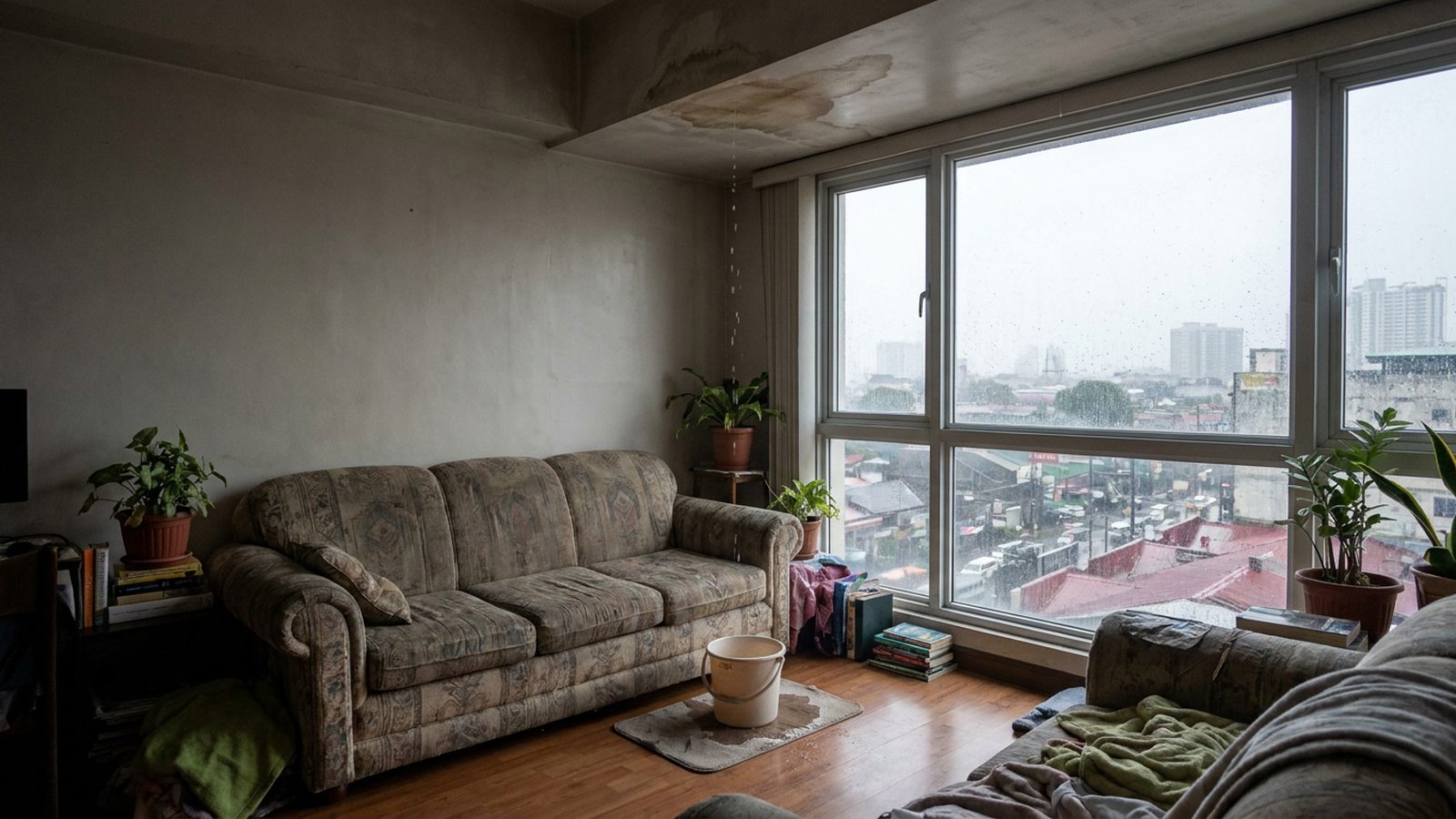
Condo insurance Philippines buyers rarely think about until the unit upstairs floods theirs is a simpler subject than house insurance, because someone else already insures the building. What is left for the unit owner, the landlord and the tenant to cover is the inside of the unit, the things in it and the damage they might cause to a neighbor, and those three are cheap to insure and expensive to ignore. This guide explains who insures what in a Philippine condominium, what a unit policy covers, what it costs at the Insurance Commission's minimum rates, and what landlords and renters should each carry.
Two policies, one building
The first policy belongs to the condominium corporation. The Condominium Act, Republic Act 4726, lets a project's declaration of restrictions provide for "maintenance of insurance policies, insuring condominium owners against loss by fire, casualty, liability, workmen's compensation and other insurable risks", and in practice every managed building carries a master policy on the structure and the common areas, paid from the association dues.
How far that master policy reaches into your unit varies from building to building. Some cover the bare structure and stop at your walls. Others include the fixtures the developer delivered. Almost none cover what you added after turnover, and none cover your belongings. The second policy, the one you buy, fills that gap. So the first step is a question to the property management office: what does the master policy cover inside the units, which perils does it include, and what is the deductible. It belongs on the same list as the dues and the reserve fund in our guide to condo association dues.
The deductible matters because of how condominiums pay for losses. If an earthquake or a fire damages the building and the insurance falls short, the corporation covers the difference with a special assessment on every owner. The Act even contemplates the worst case: when damage has left half or more of the units untenantable and owners holding more than 30% of the common areas oppose rebuilding, the project can be partitioned by sale. An underinsured building is every owner's problem.
What a unit owner's policy covers
Condo policies sold by Philippine non life insurers follow a common pattern. The property section covers the unit's improvements, meaning partitions, flooring, built in cabinets and fixtures, and its contents: furniture, appliances, clothing, computers and, in some plans, the parking slot. The basic perils are fire and lightning, usually extended to smoke, explosion, vehicle impact, riot and malicious damage, water damage from burst pipes, and robbery or burglary. Earthquake, typhoon, flood and volcanic eruption are optional natural catastrophe covers that have to be added and named on the schedule.
Around that core come the extensions that matter most in a tower. Personal liability pays when something in your unit damages someone else's: the classic case is a leaking pipe or an overflowing washing machine that ruins the ceiling and the furniture of the unit below. Alternative accommodation or loss of rent pays for a place to stay, or for the rent you are not collecting, while the unit is uninhabitable. Some plans add cover for a share of a special loss assessment by the corporation, personal accident for the family, and cover for household staff.
Two things are not covered: the structure, because the master policy has it, and wear, gradual leaks and poor maintenance, which no policy pays for. Report water damage the day you find it.
What it costs
Unit policies are among the cheapest insurance products in the country because the sum insured is small. For the natural disaster part, the Insurance Commission's minimum rates are 0.05% of the sum insured per year for typhoon and flood and 0.10% for earthquake, figures reported by the Daily Tribune. On improvements and contents worth ₱1 million (about $15,900 / €13,900), that is about ₱500 (about $8 / €6.9) a year for typhoon and flood and ₱1,000 (about $16 / €14) for earthquake, on top of the fire and extended perils premium, before taxes. Typhoon and flood claims carry a mandatory deductible of 2% of the property's actual cash value.
Set the sum insured at what it would cost to refit and refurnish the unit today, not at what you paid for the unit. A ₱6 million (about $95,500 / €83,400) one bedroom may have ₱600,000 (about $9,550 / €8,340) of improvements and ₱400,000 (about $6,370 / €5,560) of contents, and that is the figure to insure. The general principles, including the average clause that cuts claims on underinsured property, are in our home insurance guide.
If you rent the unit out
A landlord needs three things. The improvements and whatever furniture and appliances you provide should be insured in your name, since the tenant's policy, if there is one, covers only the tenant's belongings. Liability cover should stay in place, because the corporation and the neighbor will come to the owner of the unit that leaked, whoever was living in it. And loss of rent cover keeps the amortization paid while a damaged unit is being repaired. If the unit is mortgaged, the lender's fire policy protects the loan balance and rarely anything else; ask for a copy and fill the gaps.
Write the insurance into the lease: who insures what, that the tenant is responsible for damage caused by negligence, and that the tenant must report leaks at once. Our landlord's guide to renting out a condo and the lease agreement template show where those clauses go. For investors, the premium is a rounding error against the yield figures in our piece on condo investment for foreigners.
If you are the tenant
Your landlord's policy does not cover your laptop, your clothes or your liability if your unit floods the one below. A tenant's policy for contents and personal liability costs little and travels with you when you move. Check the lease for what you are liable for, photograph the unit at move in, and keep the turnover inspection checklist approach in mind: the record you make on day one settles most disputes about the deposit later.
Height, location and the fine print
The taller the building and the softer the ground, the more the earthquake extension earns its premium, for the reasons in our comparison of high rise and mid rise condos. Units on low floors near creeks and the bay should name flood on the schedule. Get quotes from at least three insurers licensed by the Insurance Commission, compare the schedules line by line, and keep an inventory with photos and receipts stored online. When you compare condos to buy, ask each building's management the master policy questions above; the answers say a great deal about how the corporation is run. Current choices are on the condo listings.
This article is general information, not insurance advice. Coverage, exclusions and premiums vary by insurer and by building; read the policy schedule and consult a licensed insurance agent or broker before you buy.
Dollar and euro figures are approximate conversions at ₱62.8 per US dollar and ₱72.0 per euro (ECB reference rates, 2026-09-18).
Frequently asked questions
Do I need insurance if the condo building is already insured?
Yes, for what the building's policy leaves out. The condominium corporation's master policy, paid from the dues, covers the structure and common areas. Your own improvements, furniture, appliances and your liability for damage to neighbouring units, such as a leak, are generally not included. Ask the management office exactly what the master policy covers inside the units and what its deductible is.
What does condo insurance cover in the Philippines?
A unit owner's policy typically covers improvements such as partitions, flooring and built in cabinets, plus contents, against fire, lightning, smoke, explosion, water damage from burst pipes and burglary, with earthquake, typhoon and flood as optional add ons. Common extensions are personal liability to neighbours, alternative accommodation or loss of rent, a share of special assessments and family personal accident cover.
How much does condo insurance cost?
Little, because the sum insured is only the improvements and contents. At the Insurance Commission's minimum rates, typhoon and flood cover costs 0.05% of the sum insured a year and earthquake 0.10%, so about ₱500 and ₱1,000 (about $8 to $16 / €6.9 to €14) on ₱1 million (about $15,900 / €13,900), on top of the fire and extended perils premium and before taxes. Typhoon and flood claims carry a 2% deductible.
Who pays if a leak from my unit damages the unit below?
The owner of the unit where the leak started is normally the one the neighbour and the corporation pursue, whether the owner or a tenant was living there. Personal liability cover in a unit policy pays for that damage. Without it the repair of someone else's ceiling, flooring and furniture comes out of your pocket, which is the most common uninsured loss in a tower.
Should a tenant insure a rented condo?
A tenant should insure his or her own belongings and personal liability, since the landlord's policy covers neither. The landlord should insure the improvements, any furniture and appliances provided, liability, and loss of rent. Put the split in the lease, along with the tenant's duty to report leaks immediately, so there is no argument after a loss.
Ang condo insurance sa Pilipinas, na kadalasang hindi iniisip ng mga buyer hanggang bahain ng unit sa itaas ang kanilang unit, ay mas payak na paksa kaysa house insurance, dahil may ibang nag-insure ng building. Ang naiiwan sa unit owner, sa landlord at sa tenant ay ang loob ng unit, ang mga gamit sa loob nito at ang damage na maaaring idulot sa kapitbahay, at ang tatlong ito ay mura sa pag-insure at mahal kapag binalewala. Ipinapaliwanag ng gabay na ito kung sino ang nag-insure ng ano sa isang Philippine condominium, ang sakop ng unit policy, ang halaga nito sa minimum rates ng Insurance Commission, at ang cover na dapat dalhin ng mga landlord at ng mga renter.
Dalawang policy, isang building
Ang unang policy ay ng condominium corporation. Pinapahintulutan ng Condominium Act, ang Republic Act 4726, na ang declaration of restrictions ng isang project ay maglaan para sa "maintenance of insurance policies, insuring condominium owners against loss by fire, casualty, liability, workmen's compensation and other insurable risks", at sa praktika bawat managed building ay may master policy sa structure at sa mga common area, na binabayaran mula sa association dues.
Ang layo ng abot ng master policy sa loob ng iyong unit ay nag-iiba sa bawat building. Ang ilan ay sumasakop sa bare structure at humihinto sa iyong mga dingding. Ang ibang policy ay naglalakip ng mga fixture na ini-deliver ng developer. Halos walang sumasakop sa mga idinagdag matapos ang turnover, at walang sumasakop sa iyong mga gamit. Ang ikalawang policy, ang binibili ng may-ari, ay pumupuno sa puwang na iyon. Kaya ang unang hakbang ay isang tanong sa property management office: ano ang sakop ng master policy sa loob ng mga unit, aling mga peril ang kasama, at magkano ang deductible. Nabibilang ito sa parehong listang may dues at reserve fund sa aming gabay sa condo association dues.
Mahalaga ang deductible dahil sa paraan ng pagbayad ng mga condominium para sa mga loss. Kung ang lindol o sunog ay pumipinsala sa building at hindi sapat ang insurance, tinatakpan ng corporation ang difference sa pamamagitan ng special assessment sa bawat may-ari. Isinasaalang alang ng Act maging ang worst case: kapag ang damage ay nag-iwan ng kalahati o higit ng mga unit na untenantable at ang mga may-aring may hawak ng mahigit 30% ng mga common area ay tumututol sa rebuilding, ang project ay maaaring i-partition sa pamamagitan ng sale. Ang underinsured na building ay problema ng bawat may-ari.
Ang sakop ng policy ng unit owner
Ang mga condo policy na ibinebenta ng mga Philippine non life insurer ay sumusunod sa isang karaniwang pattern. Ang property section ay sumasakop sa mga improvement ng unit, ibig sabihin mga partition, flooring, built in cabinet at fixture, at sa contents nito: furniture, appliance, damit, computer at, sa ilang plan, ang parking slot. Ang mga basic peril ay sunog at kidlat, kadalasang extended sa smoke, explosion, vehicle impact, riot at malicious damage, water damage mula sa nabutas na tubo, at robbery o burglary. Ang earthquake, typhoon, flood at volcanic eruption ay mga optional na natural catastrophe cover na dapat idagdag at ilista sa schedule.
Sa paligid ng core na iyon ay ang mga extension na pinakamahalaga sa isang tower. Ang personal liability ay nagbabayad kapag may bagay sa iyong unit na pumipinsala sa gamit ng ibang tao: ang classic case ay ang tumatagas na tubo o umaapaw na washing machine na sumisira sa ceiling at furniture ng unit sa ibaba. Ang alternative accommodation o loss of rent ay nagbabayad para sa tirahan, o para sa upang hindi nakokolekta, habang ang unit ay hindi matirhan. Ang ilang plan ay nagdadagdag ng cover para sa bahagi ng special loss assessment ng corporation, personal accident para sa pamilya, at cover para sa household staff.
Dalawang bagay ang hindi covered: ang structure, dahil sakop ito ng master policy, at ang wear, gradual leak at poor maintenance, na walang policy na nagbabayad. I-report ang water damage sa araw na natuklasan ito.
Ang halaga nito
Ang mga unit policy ay kabilang sa mga pinakamurang insurance product sa bansa dahil maliit ang sum insured. Para sa natural disaster na bahagi, ang minimum rates ng Insurance Commission ay 0.05% ng sum insured kada taon para sa typhoon at flood at 0.10% para sa earthquake, mga numerong iniulat ng Daily Tribune. Sa mga improvement at contents na may halagang ₱1 million (mga $15,900 / €13,900), iyon ay mga ₱500 (mga $8 / €6.9) kada taon para sa typhoon at flood at ₱1,000 (mga $16 / €14) para sa earthquake, dagdag sa fire at extended perils premium, bago ang taxes. Ang mga typhoon at flood claim ay may mandatory deductible na 2% ng actual cash value ng property.
Itakda ang sum insured sa halagang kailangan ngayon sa pag-refit at pag-refurnish ng unit, hindi sa halagang ibinayad para sa unit. Ang isang ₱6 million (mga $95,500 / €83,400) na one bedroom ay maaaring may ₱600,000 (mga $9,550 / €8,340) ng improvement at ₱400,000 (mga $6,370 / €5,560) ng contents, at iyon ang numerong dapat i-insure. Ang mga pangkalahatang prinsipyo, kabilang ang average clause na nagbabawas ng claim sa underinsured na property, ay nasa aming home insurance guide.
Kung pinapaupahan ang unit
Tatlong bagay ang kailangan ng landlord. Ang mga improvement at anumang furniture at appliance na iyong ibinibigay ay dapat naka-insure sa iyong pangalan, dahil ang policy ng tenant, kung may, ay sumasakop tanging sa mga gamit ng tenant. Ang liability cover ay dapat manatili, dahil ang corporation at ang kapitbahay ay lalapit sa may-ari ng unit na tumagas, sinuman ang nakatira roon. At ang loss of rent cover ay nagpapanatiling bayad ang amortization habang kinukumpuni ang nasirang unit. Kung naka-mortgage ang unit, ang fire policy ng lender ay nagpoprotekta sa loan balance at kadalasang wala nang iba; humingi ng kopya at punuin ang mga puwang.
Isulat ang insurance sa lease: sino ang nag-insure ng ano, na ang tenant ay responsable para sa damage na idinulot ng negligence, at na ang tenant ay dapat mag-report ng leak kaagad. Ipinapakita ng aming gabay ng landlord sa pagpapaupa ng condo at ng lease agreement template ang lugar ng mga clause na iyon. Para sa mga investor, ang premium ay rounding error laban sa mga yield figure sa aming artikulo tungkol sa condo investment para sa mga foreigner.
Kung ang tenant ay ikaw
Ang policy ng iyong landlord ay hindi sumasakop sa iyong laptop, sa iyong mga damit o sa iyong liability kung bahain ng iyong unit ang unit sa ibaba. Ang tenant's policy para sa contents at personal liability ay may mababang halaga at sumasama sa iyo kapag lumipat. I-check ang lease para sa mga bagay na sagutin ng tenant, kunan ng photo ang unit sa move in, at alalahanin ang approach ng turnover inspection checklist: ang record na ginawa sa unang araw ang lumulutas ng karamihan ng mga dispute tungkol sa deposit.
Height, lokasyon at ang fine print
Kapag mas matayog ang building at mas malambot ang lupa, higit na karapat dapat ang earthquake extension sa premium nito, para sa mga dahilang nasa aming paghahambing ng high rise at mid rise condo. Ang mga unit sa mababang floor malapit sa mga creek at sa bay ay dapat maglista ng flood sa schedule. Kumuha ng quote mula sa hindi bababa sa tatlong insurer na licensed ng Insurance Commission, ihambing ang mga schedule line by line, at magtago ng inventory na may mga photo at receipt na naka-store online. Kapag naghahambing ng mga condo na bibilhin, itanong sa management ng bawat building ang mga master policy question sa itaas; ang mga sagot ay nagsasabi ng marami tungkol sa pamamalakad ng corporation. Ang mga kasalukuyang pagpipilian ay nasa mga condo listing.
Ang artikulong ito ay pangkalahatang impormasyon, hindi insurance advice. Ang coverage, exclusions at premium ay nag-iiba ayon sa insurer at ayon sa building; basahin ang policy schedule at kumonsulta sa isang licensed insurance agent o broker bago bumili.
Tinatayang conversion lang ang mga halaga sa dollar at euro, sa ₱62.8 kada US dollar at ₱72.0 kada euro (ECB reference rates, 2026-09-18).
Mga madalas itanong
Kailangan ko ba ng insurance kung naka-insure na ang condo building?
Oo, para sa mga bagay na hindi sakop ng policy ng building. Ang master policy ng condominium corporation, na binabayaran mula sa dues, ay sumasakop sa structure at mga common area. Ang iyong mga improvement, furniture, appliance at ang iyong liability para sa damage sa mga kapitbahay na unit, gaya ng leak, ay kadalasang hindi kasama. Itanong sa management office ang tiyak na sakop ng master policy sa loob ng mga unit at ang deductible nito.
Ano ang sakop ng condo insurance sa Pilipinas?
Ang policy ng unit owner ay tipikal na sumasakop sa mga improvement gaya ng partition, flooring at built in cabinet, dagdag ang contents, laban sa sunog, kidlat, smoke, explosion, water damage mula sa nabutas na tubo at burglary, na may earthquake, typhoon at flood bilang optional add on. Ang mga karaniwang extension ay personal liability sa mga kapitbahay, alternative accommodation o loss of rent, bahagi ng mga special assessment at personal accident cover para sa pamilya.
Magkano ang condo insurance?
Kaunti, dahil ang sum insured ay tanging ang mga improvement at contents. Sa minimum rates ng Insurance Commission, ang typhoon at flood cover ay 0.05% ng sum insured kada taon at ang earthquake ay 0.10%, kaya mga ₱500 at ₱1,000 (mga $8 hanggang $16 / €6.9 hanggang €14) sa ₱1 million (mga $15,900 / €13,900), dagdag sa fire at extended perils premium at bago ang taxes. Ang mga typhoon at flood claim ay may 2% deductible.
Sino ang nagbabayad kung ang leak mula sa aking unit ay nakasira sa unit sa ibaba?
Ang may-ari ng unit na pinagmulan ng leak ay karaniwang ang hinahabol ng kapitbahay at ng corporation, ang may-ari man o ang tenant ang nakatira roon. Ang personal liability cover sa unit policy ay nagbabayad para sa damage na iyon. Kung wala ito, ang repair ng ceiling, flooring at furniture ng ibang tao ay mula sa iyong bulsa, at ito ang pinakakaraniwang uninsured loss sa isang tower.
Dapat bang mag-insure ang tenant ng inuupahang condo?
Ang tenant ay dapat mag-insure ng kanyang mga gamit at personal liability, dahil ang policy ng landlord ay hindi sumasakop sa alinman. Ang landlord ay dapat mag-insure ng mga improvement, anumang furniture at appliance na ibinigay, liability, at loss of rent. Ilagay ang hatian sa lease, kasama ang obligasyon ng tenant na mag-report ng leak kaagad, upang walang pagtatalo matapos ang loss.
Ang condo insurance sa Pilipinas, nga panagsa ra hunahunaon sa mga buyer hangtod nga ang unit sa ibabaw mobaha sa ilaha, usa ka mas yano nga hilisgotan kay sa house insurance, tungod kay adunay lain nga nag-insure na sa building. Ang nahibilin nga angay i-cover sa unit owner, sa landlord ug sa tenant mao ang sulod sa unit, ang mga butang nga anaa niini ug ang kadaot nga mahimo nilang ipahinabo sa silingan, ug kining tulo barato nga i-insure ug mahal kon pasagdan. Kini nga giya nagpatin-aw kinsa ang nag-insure sa unsa sa usa ka condominium sa Pilipinas, unsay gi-cover sa usa ka unit policy, pila ang gasto niini sa minimum rates sa Insurance Commission, ug unsay angay dad-on sa mga landlord ug renter.
Duha ka policy, usa ka building
Ang unang policy iya sa condominium corporation. Ang Condominium Act, Republic Act 4726, nagtugot nga ang declaration of restrictions sa usa ka project maghatag og "maintenance of insurance policies, insuring condominium owners against loss by fire, casualty, liability, workmen's compensation and other insurable risks", ug sa praktika ang matag managed building adunay master policy sa structure ug sa mga common area, nga gibayran gikan sa association dues.
Unsa ka layo ang maong master policy mosulod sa imong unit managlahi matag building. Ang uban mo-cover sa bare structure ug mohunong sa imong mga bungbong. Ang uban molakip sa mga fixture nga gi-deliver sa developer. Hapit walay mo-cover sa imong gidugang human sa turnover, ug walay mo-cover sa imong mga kabtangan. Ang ikaduhang policy, ang imong paliton, mopuno nianang gintang. Busa ang unang lakang mao ang usa ka pangutana ngadto sa property management office: unsay gi-cover sa master policy sulod sa mga unit, unsang mga peril ang nalakip, ug pila ang deductible. Angay kini ibutang sa samang lista uban sa dues ug reserve fund sa among giya sa condo association dues.
Importante ang deductible tungod sa paagi nga ang mga condominium mobayad sa mga loss. Kon ang linog o sunog modaot sa building ug dili igo ang insurance, ang corporation motabon sa kalainan pinaagi sa special assessment sa matag tag-iya. Ang Act gani naghunahuna sa labing grabe nga kaso: kon ang kadaot nakapahimo sa tunga o sobra sa mga unit nga untenantable ug ang mga tag-iya nga naghupot og sobra sa 30% sa mga common area mosupak sa pagtukod pag-usab, ang project mahimong bahinon pinaagi sa pagbaligya. Ang underinsured nga building problema sa matag tag-iya.
Unsay gi-cover sa policy sa unit owner
Ang mga condo policy nga gibaligya sa mga Philippine non life insurer nagsunod sa komon nga pattern. Ang property section mo-cover sa mga improvement sa unit, nga nagpasabot og mga partition, flooring, built in cabinet ug fixture, ug sa contents niini: furniture, appliances, sinina, computer ug, sa pipila ka plan, ang parking slot. Ang basic perils mao ang sunog ug kilat, kasagaran gipalapdan ngadto sa aso, explosion, vehicle impact, riot ug malicious damage, water damage gikan sa nabuto nga tubo, ug robbery o burglary. Ang linog, typhoon, baha ug volcanic eruption mga optional nga natural catastrophe cover nga kinahanglan idugang ug nganlan sa schedule.
Libot nianang core anaa ang mga extension nga labing importante sa usa ka tower. Ang personal liability mobayad kon adunay butang sa imong unit nga makadaot sa iya sa laing tawo: ang klasikong kaso mao ang nagtulo nga tubo o nag-awas nga washing machine nga modaot sa kisame ug furniture sa unit sa ubos. Ang alternative accommodation o loss of rent mobayad sa lugar nga kapuy-an, o sa abang nga wala nimo makolekta, samtang ang unit dili kapuy-an. Ang ubang plan modugang og cover alang sa bahin sa special loss assessment sa corporation, personal accident alang sa pamilya, ug cover alang sa mga kasambahay.
Duha ka butang wala gi-cover: ang structure, kay naa kini sa master policy, ug ang wear, hinay-hinay nga tulo ug dili maayong maintenance, nga walay policy nga mobayad. I-report ang water damage sa adlaw nga imong nakit-an kini.
Pila ang gasto niini
Ang mga unit policy usa sa labing barato nga insurance product sa nasod tungod kay gamay ang sum insured. Alang sa bahin sa natural disaster, ang minimum rates sa Insurance Commission mao ang 0.05% sa sum insured matag tuig alang sa typhoon ug baha ug 0.10% alang sa linog, mga numero nga gitaho sa Daily Tribune. Sa improvements ug contents nga nagkantidad og ₱1 million (mga $15,900 / €13,900), kana mga ₱500 (mga $8 / €6.9) sa usa ka tuig alang sa typhoon ug baha ug ₱1,000 (mga $16 / €14) alang sa linog, ibabaw sa premium sa fire ug extended perils, sa wala pa ang mga buhis. Ang mga claim sa typhoon ug baha adunay mandatory deductible nga 2% sa actual cash value sa property.
Ibutang ang sum insured sa kantidad nga gikinahanglan aron i-refit ug i-refurnish ang unit karon, dili sa imong gibayad alang sa unit. Ang ₱6 million (mga $95,500 / €83,400) nga one bedroom mahimong adunay ₱600,000 (mga $9,550 / €8,340) nga improvements ug ₱400,000 (mga $6,370 / €5,560) nga contents, ug kana ang numero nga angay i-insure. Ang kinatibuk-ang mga prinsipyo, lakip ang average clause nga mokunhod sa mga claim sa underinsured property, anaa sa among home insurance guide.
Kon imong paabangan ang unit
Ang landlord nanginahanglan og tulo ka butang. Ang mga improvement ug bisan unsang furniture ug appliances nga imong gihatag kinahanglan i-insure sa imong ngalan, kay ang policy sa tenant, kon aduna, mo-cover ra sa mga kabtangan sa tenant. Ang liability cover kinahanglan magpabilin, tungod kay ang corporation ug ang silingan moadto sa tag-iya sa unit nga nagtulo, bisan kinsa ang nagpuyo niini. Ug ang loss of rent cover mopadayon sa pagbayad sa amortization samtang ang nadaot nga unit gi-repair. Kon ang unit naka-mortgage, ang fire policy sa lender manalipod sa loan balance ug panagsa ra sa bisan unsang lain; pangayo og kopya ug pun-i ang mga gintang.
Isulat ang insurance sa lease: kinsa ang mo-insure sa unsa, nga ang tenant responsable sa kadaot nga tungod sa negligence, ug nga ang tenant kinahanglan mo-report dayon sa mga tulo. Ang among giya sa landlord sa pagpaabang og condo ug ang lease agreement template nagpakita asa ibutang kadtong mga clause. Alang sa mga investor, ang premium usa ra ka rounding error kon itandi sa mga yield figure sa among artikulo bahin sa condo investment alang sa mga langyaw.
Kon ikaw ang tenant
Ang policy sa imong landlord dili mo-cover sa imong laptop, sa imong mga sinina o sa imong liability kon ang imong unit mobaha sa unit sa ubos. Ang tenant's policy alang sa contents ug personal liability barato ug mouban kanimo kon mobalhin ka. Susiha ang lease kon unsay imong tulubagon, kuhai og litrato ang unit sa move in, ug hinumdomi ang pamaagi sa turnover inspection checklist: ang record nga imong gihimo sa unang adlaw mohusay sa kadaghanan sa mga panaglalis bahin sa deposit unya.
Gitas-on, lokasyon ug ang fine print
Kon mas taas ang building ug mas humok ang yuta, mas takos sa premium ang earthquake extension, tungod sa mga rason nga anaa sa among pagtandi sa high rise ug mid rise nga mga condo. Ang mga unit sa ubos nga mga floor duol sa mga sapa ug sa bay kinahanglan magngalan sa baha sa schedule. Pagkuha og quote gikan sa labing menos tulo ka insurer nga lisensiyado sa Insurance Commission, itandi ang mga schedule linya por linya, ug pagtipig og inventory nga adunay mga litrato ug receipt nga gitipigan online. Kon magtandi ka og mga condo nga paliton, pangutan-a ang management sa matag building sa mga pangutana bahin sa master policy sa ibabaw; ang mga tubag mosulti og daghan bahin sa giunsa pagpadagan ang corporation. Ang kasamtangang mga kapilian anaa sa mga condo listing.
Kini nga artikulo kinatibuk-ang impormasyon, dili insurance advice. Ang coverage, exclusions ug premium managlahi matag insurer ug matag building; basaha ang policy schedule ug konsultaha ang usa ka lisensiyadong insurance agent o broker sa dili pa mopalit.
Banabana lang ang mga conversion sa dollar ug euro, sa ₱62.8 matag US dollar ug ₱72.0 matag euro (ECB reference rates, 2026-09-18).
Mga kasagarang pangutana
Kinahanglan ba ko og insurance kon ang condo building naka-insure na?
Oo, alang sa wala gilakip sa policy sa building. Ang master policy sa condominium corporation, nga gibayran gikan sa dues, mo-cover sa structure ug sa mga common area. Ang imong kaugalingong improvements, furniture, appliances ug ang imong liability sa kadaot sa mga silingang unit, sama sa tulo, kasagaran wala gilakip. Pangutan-a ang management office unsay gyod gi-cover sa master policy sulod sa mga unit ug pila ang deductible niini.
Unsay gi-cover sa condo insurance sa Pilipinas?
Ang policy sa unit owner kasagaran mo-cover sa improvements sama sa mga partition, flooring ug built in cabinet, dugang ang contents, batok sa sunog, kilat, aso, explosion, water damage gikan sa nabuto nga tubo ug burglary, nga ang linog, typhoon ug baha mga optional add on. Ang komon nga mga extension mao ang personal liability ngadto sa mga silingan, alternative accommodation o loss of rent, bahin sa special assessment ug personal accident cover alang sa pamilya.
Pila ang gasto sa condo insurance?
Gamay ra, kay ang sum insured mao ra ang improvements ug contents. Sa minimum rates sa Insurance Commission, ang typhoon ug flood cover nagkantidad og 0.05% sa sum insured sa usa ka tuig ug ang linog 0.10%, busa mga ₱500 ug ₱1,000 (mga $8 hangtod $16 / €6.9 hangtod €14) sa ₱1 million (mga $15,900 / €13,900), ibabaw sa premium sa fire ug extended perils ug sa wala pa ang mga buhis. Ang mga claim sa typhoon ug baha adunay 2% nga deductible.
Kinsa ang mobayad kon ang tulo gikan sa akong unit modaot sa unit sa ubos?
Ang tag-iya sa unit diin nagsugod ang tulo mao ang kasagarang gukdon sa silingan ug sa corporation, nagpuyo man didto ang tag-iya o usa ka tenant. Ang personal liability cover sa usa ka unit policy mobayad nianang kadaot. Kon wala kini, ang pag-repair sa kisame, flooring ug furniture sa laing tawo gikan sa imong bulsa, ug mao kini ang labing komon nga uninsured loss sa usa ka tower.
Angay ba nga ang tenant mo-insure sa giabangang condo?
Ang tenant angay mo-insure sa iyang kaugalingong mga kabtangan ug personal liability, kay ang policy sa landlord dili mo-cover sa bisan hain niini. Ang landlord angay mo-insure sa improvements, sa bisan unsang furniture ug appliances nga gihatag, sa liability ug sa loss of rent. Ibutang kining bahin-bahin sa lease, uban sa katungdanan sa tenant sa pag-report dayon sa mga tulo, aron walay panaglalis human sa usa ka loss.
Browse properties on BalayHub
See all listings →
Read next
Pag-IBIG Housing Loan Pasalo: How to Sell Your House (2026)
Pag-IBIG housing loan pasalo, seller's side: three legal exits, why informal pasalo leaves you liable, the 6% capital gains tax and the steps in order.
Home Insurance in the Philippines: Fire, Flood, Earthquake
Home insurance in the Philippines: what fire cover excludes, typhoon and flood from 0.05% a year, earthquake from 0.10%, the 2% deductible, condo cover.
The Maceda Law: Your Rights When You Stop Paying a Pre-Selling Property
After two years of installments the law entitles a defaulting buyer to a grace period and a refund of at least 50 percent of everything paid. How the Maceda Law works, the pasalo alternative, and the traps.