
Nov 16, 2026 · by BalayHub Admin · 8 min read
Building Permit Cost Philippines: Steps, Who Signs (2026)
Building permit cost in the Philippines: ₱6.00 per sqm for a house, the clearances before it, who signs the plans, the 15-day rule, and the Fire Code tax.
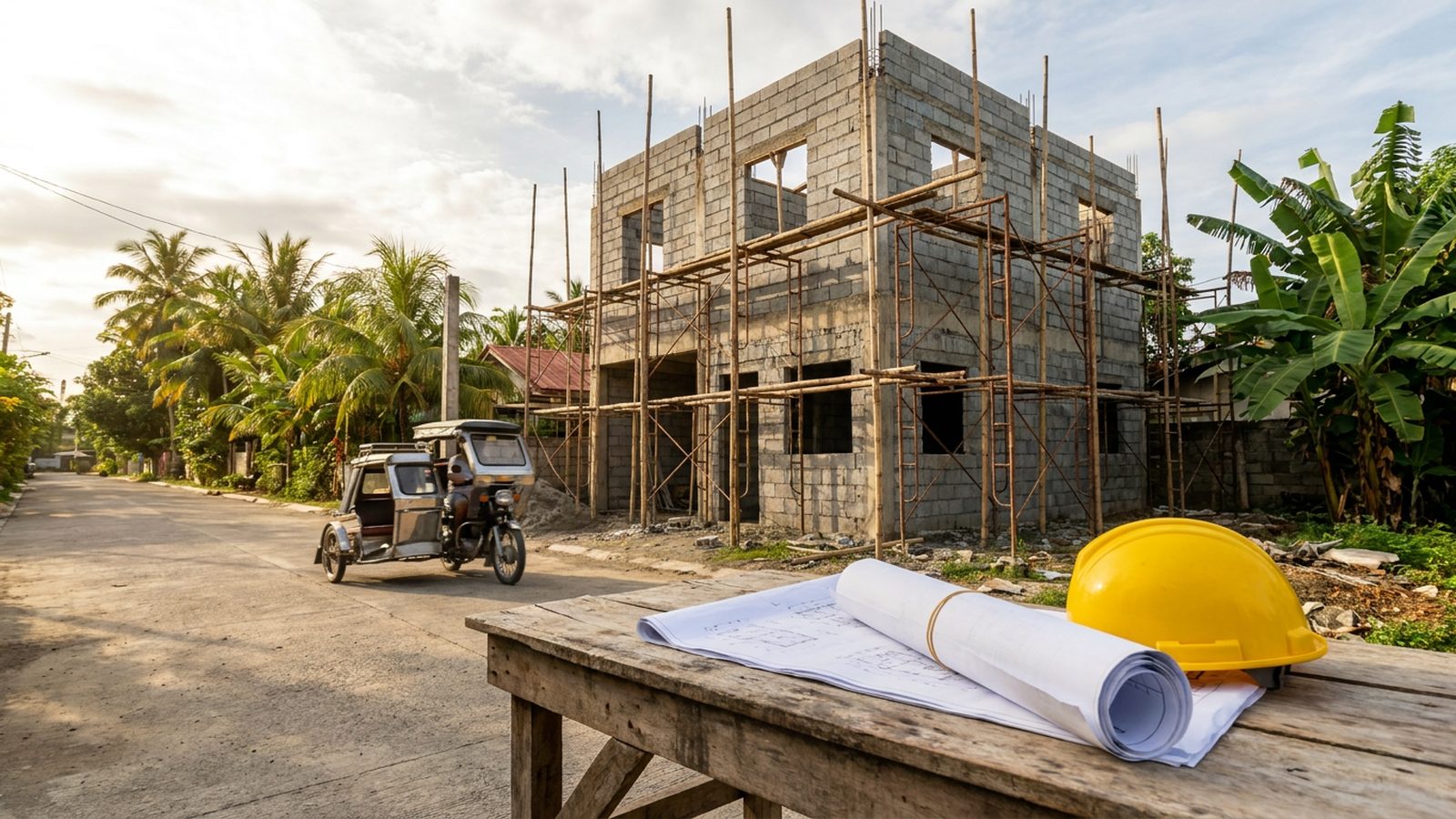
The building permit cost Philippines cities charge for a house is the smallest number in the project and the one that causes the most delay when it is skipped. The permit fee for a 150-square-meter single-family home is counted in hundreds of pesos under the national schedule. The plans, clearances, inspections and Fire Code tax around it are where the time and money go, and building without it means fines, a stop order and a house that cannot legally be occupied or sold with a clean record.
This guide follows the sequence of Presidential Decree 1096, the National Building Code, from the first clearance to the certificate of occupancy, with the fee schedule most cities apply. It is written for a family building on its own lot, the scenario we cost in buy a lot and build or buy a house.
When you need a building permit
Section 301 of the Code is short: no person may erect, construct, alter, repair, move, convert or demolish a building without first obtaining a building permit from the building official of the city or municipality. Ancillary permits ride on the main one: electrical, sanitary and plumbing, mechanical for air-conditioning and pumps, fencing and excavation.
The penalties are in the Code. Section 212 allows administrative fines of up to ₱10,000 (about $157 / €143) for violations of the Code or its rules. Section 213 makes a violation a criminal offense punishable by a fine of up to ₱20,000 (about $314 / €286), imprisonment of up to two years, or both. The building official can also order work stopped and unlawful occupancy discontinued under Section 207.
The permits before the permit
The building permit sits in the middle of a chain. Before the city engineer's office accepts your application you normally need a barangay clearance for the construction; a locational or zoning clearance from the city planning office confirming that a residence is allowed on that lot; and a fire safety evaluation of the plans by the Bureau of Fire Protection. Republic Act 9514, the Fire Code, makes a BFP inspection a prerequisite to permits issued by local governments and requires a Fire Safety Inspection Certification before any occupancy permit is released. If the lot has no road frontage, read our guide to right of way for a landlocked lot first.
After the house is finished the chain continues: your supervising architect or engineer files the certificate of completion and the construction logbook (Section 308), the BFP issues the FSIC, and the building official issues the certificate of occupancy. Section 309 requires it within 30 days after the final inspection, and no one may legally occupy the house before it exists.
Who signs what
The owner of the lot files the application. If the applicant is not the registered owner, a lease contract or authority from the owner goes in with it, which is how an OFW's parent or sibling applies under a special power of attorney, as described in our guide to building a house from abroad.
Section 302 lists the contents: a description of the work, a certified true copy of the title, the proposed use, the estimated cost, and five sets of plans and specifications. The plans are not the owner's to draw. Electrical plans must be signed and sealed by a registered electrical engineer and mechanical plans by a mechanical engineer; the architectural and structural sheets carry the seal of the licensed architect or civil engineer who, under Section 308, must also be engaged for full-time inspection and supervision of the works and must keep the logbook.
Section 304 gives the building official 15 days from your payment of the fees to issue the permit. The Ease of Doing Business Act, Republic Act 11032, layers a second clock on top: three working days for simple transactions, seven for complex ones and 20 for highly technical ones, extendable once, and an application left unacted beyond the deadline with complete documents and paid fees is deemed approved. San Fernando, Pampanga, for instance, commits in its citizen's charter to under three working days for simple works and 20 at most for highly technical ones.
What the permit costs
The fees are set nationally by the Department of Public Works and Highways and collected by the city; the figures below are those published by the City of San Fernando, which most local charters reproduce, give or take local ordinances.
| Item | Rate for a single-family house (Division A-1) |
|---|---|
| Building fee, floor area above 20 up to 50 sqm | ₱3.40 (about $0.05 / €0.05) per sqm |
| Above 50 up to 100 sqm | ₱4.80 (about $0.08 / €0.07) per sqm |
| Above 100 up to 150 sqm | ₱6.00 (about $0.09 / €0.09) per sqm |
| Above 150 sqm | ₱7.20 (about $0.11 / €0.10) per sqm |
| Line and grade (street frontage) | ₱24 (about $0.38 / €0.34) for the first 10 m, then ₱2.40 (about $0.04 / €0.03) per m |
| Excavation | ₱200 (about $3.1 / €2.9) inspection fee plus ₱3 (about $0.05 / €0.04) per cubic meter |
| Electrical, up to 5 kVA connected load | ₱200 (about $3.1 / €2.9), then ₱20 (about $0.31 / €0.29) per additional kVA up to 50 kVA |
| Plumbing, first fixture unit | ₱24 (about $0.38 / €0.34), plus ₱7 (about $0.11 / €0.10) per extra water closet or lavatory, ₱3 (about $0.05 / €0.04) per sink or floor drain |
| Septic tank, up to 5 cubic meters | ₱24 (about $0.38 / €0.34), plus ₱7 (about $0.11 / €0.10) per extra cubic meter |
| Fence, masonry or concrete up to 1.80 m | ₱3 (about $0.05 / €0.04) per lineal meter |
For a 150-square-meter house the building fee is 150 times ₱6.00 (about $0.09 / €0.09), or ₱900 (about $14 / €13); a 200-square-meter house pays ₱1,440 (about $23 / €21). Add the other lines for the same 150-square-meter house with 15 meters of street frontage, 60 cubic meters of excavation, a 10 kVA electrical load, two bathrooms, a septic tank and 60 meters of fence, and the city collects about ₱1,900 (about $30 / €27) in total.
The larger government charge is the Fire Code construction tax under Section 12 of RA 9514: 0.1% of the verified estimated value of the building, capped at ₱50,000 (about $785 / €715), half payable before the building permit and half before the occupancy permit. On a ₱6,000,000 (about $94,200 / €85,800) house that is ₱6,000 (about $94 / €86). Using the construction costs in our cost per square meter guide, a 150-square-meter house at ₱36,000 to ₱50,000 (about $565 to $785 / €515 to €715) per square meter is a ₱5,400,000 to ₱7,500,000 (about $84,800 to $118,000 / €77,200 to €107,000) project, so the Fire Code tax alone outweighs every permit fee combined.
None of this includes the architect's and engineers' fees for the plans and the supervision the Code requires, negotiated privately and the real cost of a permit. Budget them into the financing, whether a bank construction loan or the route in funding a house construction from abroad.
Validity, denial and appeal
A permit is not forever. Under Section 305 it expires and becomes void if the work is not started within one year of issue, or if construction is suspended or abandoned for 120 days after it starts.
The building official may refuse, suspend or revoke a permit under Section 306 on three grounds: errors in the plans and specifications, incorrect or inaccurate data in the application, and non-compliance with the Code or its rules. The notice must be in writing and state the grounds. You can appeal to the Secretary of Public Works within 15 days of receiving it (Section 307), and the Secretary must decide within another 15 days. Approved plans cannot be changed on site without the building official's approval; adding a room mid-build means an amended permit.
The occupancy certificate and what it opens
The certificate of occupancy is the document that turns a structure into a legal home. Utilities connect permanently against it, a bank releases the last tranche of a construction loan on it, an insurer asks for it, and the city assessor uses the completed building to assess the improvement for real property tax, which starts the following year.
If you are still choosing the lot, prefer a titled lot with road frontage inside a zoned residential area; our guide to buying land in the Philippines lists the checks and the land listings show what is on the market. A lot that cannot clear zoning cannot get a permit, whatever its price per square meter.
This article summarizes PD 1096, RA 9514 and RA 11032 and a published local fee schedule as of November 2026. Fees and procedures vary by city; confirm with the Office of the Building Official where the lot is located.
Dollar and euro figures are approximate conversions at ₱63.7 per US dollar and ₱70.0 per euro (ECB reference rates, 2026-11-17).
Frequently asked questions
How much does a building permit cost in the Philippines?
The national schedule charges a single-family house ₱3.40 (about $0.05 / €0.05) per square meter of floor area above 20 up to 50 square meters, ₱4.80 up to 100 (about $0.08 to $1.6 / €0.07 to €1.4), ₱6.00 up to 150 (about $0.09 to $2.4 / €0.09 to €2.1) and ₱7.20 (about $0.11 / €0.10) above 150, so a 150-square-meter house pays ₱900 (about $14 / €13) in building fees. Line and grade, excavation, electrical, plumbing and fencing fees bring the same house to about ₱1,900 (about $30 / €27) in city fees, before the Fire Code construction tax of 0.1% of the building's estimated value, which is ₱6,000 (about $94 / €86) on a ₱6,000,000 (about $94,200 / €85,800) house.
What are the requirements for a building permit?
A filled application form, a certified true copy of the title or a lease or authority if you are not the owner, the latest tax declaration and tax clearance, barangay clearance, a locational or zoning clearance, the fire safety evaluation from the Bureau of Fire Protection, and five sets of plans and specifications signed and sealed by licensed professionals, together with the estimated cost and the bill of materials.
Who can sign the plans for a building permit?
Licensed professionals only. Electrical plans must be signed and sealed by a registered electrical engineer, mechanical plans by a mechanical engineer, and the architectural and structural plans by a licensed architect or civil engineer, who under Section 308 of the National Building Code must also be engaged to inspect and supervise the works and keep the logbook until the certificate of completion is filed.
How long does it take to get a building permit?
Section 304 of PD 1096 requires the building official to issue the permit within 15 days from payment of the fees. The Ease of Doing Business Act adds limits of three working days for simple transactions, seven for complex ones and 20 for highly technical ones, and an application that is complete and paid but left unacted beyond the deadline is deemed approved. Cities publish their own commitments in their citizen's charters.
What happens if you build without a permit in the Philippines?
The National Building Code allows administrative fines of up to ₱10,000 (about $157 / €143) and, on conviction, a fine of up to ₱20,000 (about $314 / €286) or imprisonment of up to two years or both. The building official can order the work stopped and unlawful occupancy discontinued, and without a permit there is no certificate of occupancy, which blocks permanent utility connections, bank loan releases and a clean resale.
Ang building permit cost na sinisingil ng mga lungsod sa Pilipinas para sa isang bahay ay ang pinakamaliit na numero sa proyekto at ang pinakamalaking sanhi ng pagkaantala kapag nilaktawan. Ang permit fee para sa isang 150-square-meter na single-family na bahay ay binibilang sa daan-daang piso sa ilalim ng national schedule. Ang mga plano, clearance, inspeksyon at Fire Code tax sa paligid nito ang kumukuha ng oras at pera, at ang pagtatayo nang wala ito ay nangangahulugan ng mga multa, stop order at bahay na hindi legal na matitirhan o maibebenta nang may malinis na rekord.
Sinusunod ng gabay na ito ang pagkakasunod-sunod ng Presidential Decree 1096, ang National Building Code, mula sa unang clearance hanggang sa certificate of occupancy, kasama ang fee schedule na ipinapatupad ng karamihan sa mga lungsod. Isinulat ito para sa isang pamilyang nagtatayo sa sarili nitong lote, ang senaryong kinuwenta namin sa bumili ng lote at magtayo o bumili ng bahay.
Kailan mo kailangan ng building permit
Maikli ang Section 301 ng Code: walang sinumang maaaring magtayo, magkonstruksyon, magbago, magkumpuni, maglipat, mag-convert o magdemolis ng gusali nang hindi muna kumukuha ng building permit mula sa building official ng lungsod o munisipalidad. Nakasakay sa pangunahing permit ang mga ancillary permit: electrical, sanitary at plumbing, mechanical para sa air-conditioning at mga bomba, fencing at excavation.
Nasa Code ang mga parusa. Pinahihintulutan ng Section 212 ang administratibong multa na hanggang ₱10,000 (mga $157 / €143) para sa mga paglabag sa Code o sa mga tuntunin nito. Ginagawa ng Section 213 ang paglabag na isang kriminal na pagkakasala na may parusang multa na hanggang ₱20,000 (mga $314 / €286), pagkabilanggo na hanggang dalawang taon, o pareho. Maaari ring iutos ng building official na ihinto ang trabaho at itigil ang ilegal na paninirahan sa ilalim ng Section 207.
Ang mga permit bago ang permit
Nasa gitna ng isang kadena ang building permit. Bago tanggapin ng opisina ng city engineer ang iyong aplikasyon, karaniwang kailangan mo ng barangay clearance para sa konstruksyon; locational o zoning clearance mula sa city planning office na nagkukumpirma na pinahihintulutan ang tirahan sa loteng iyon; at fire safety evaluation ng mga plano ng Bureau of Fire Protection. Ginagawa ng Republic Act 9514, ang Fire Code, ang inspeksyon ng BFP na prerequisite sa mga permit na inilalabas ng mga lokal na pamahalaan at hinihingi nito ang Fire Safety Inspection Certification bago ilabas ang anumang occupancy permit. Kung walang road frontage ang lote, basahin muna ang aming gabay sa right of way para sa landlocked na lote.
Kapag tapos na ang bahay, nagpapatuloy ang kadena: inihahain ng iyong supervising architect o engineer ang certificate of completion at ang construction logbook (Section 308), inilalabas ng BFP ang FSIC, at inilalabas ng building official ang certificate of occupancy. Hinihingi ng Section 309 na ilabas ito sa loob ng 30 araw matapos ang final inspection, at walang sinumang maaaring legal na tumira sa bahay bago ito umiral.
Sino ang lumalagda sa ano
Ang may-ari ng lote ang naghahain ng aplikasyon. Kung hindi ang aplikante ang rehistradong may-ari, kasama nito ang isang lease contract o awtoridad mula sa may-ari, na siyang paraan ng pag-apply ng magulang o kapatid ng isang OFW sa ilalim ng special power of attorney, tulad ng inilarawan sa aming gabay sa pagpapatayo ng bahay mula sa ibang bansa.
Naglilista ang Section 302 ng mga nilalaman: paglalarawan ng trabaho, certified true copy ng titulo, ang iminungkahing gamit, ang tinatayang gastos, at limang set ng mga plano at specification. Hindi ang may-ari ang dapat gumuhit ng mga plano. Ang mga electrical plan ay dapat lagdaan at selyuhan ng isang registered electrical engineer at ang mga mechanical plan ng isang mechanical engineer; ang mga architectural at structural sheet ay may selyo ng lisensyadong arkitekto o civil engineer na, sa ilalim ng Section 308, ay dapat ding kunin para sa full-time na inspeksyon at supervision ng mga gawain at dapat mag-ingat ng logbook.
Binibigyan ng Section 304 ang building official ng 15 araw mula sa iyong pagbabayad ng mga bayarin para ilabas ang permit. Nagpapatong ng ikalawang orasan ang Ease of Doing Business Act, ang Republic Act 11032: tatlong working day para sa mga simpleng transaksyon, pito para sa mga kumplikado at 20 para sa mga highly technical, na maaaring palawigin nang isang beses, at ang aplikasyong hindi naaksyunan lampas sa deadline na may kumpletong dokumento at bayad na mga bayarin ay itinuturing na aprubado. Ang San Fernando, Pampanga, halimbawa, ay nangangako sa citizen's charter nito ng wala pang tatlong working day para sa mga simpleng gawain at hindi hihigit sa 20 para sa mga highly technical.
Magkano ang permit
Itinatakda ang mga bayarin sa pambansang antas ng Department of Public Works and Highways at kinokolekta ng lungsod; ang mga numero sa ibaba ay ang mga inilathala ng City of San Fernando, na inuulit ng karamihan sa mga lokal na charter, maliban sa ilang pagkakaiba dahil sa mga lokal na ordinansa.
| Item | Rate para sa single-family na bahay (Division A-1) |
|---|---|
| Building fee, floor area na higit sa 20 hanggang 50 sqm | ₱3.40 (mga $0.05 / €0.05) kada sqm |
| Higit sa 50 hanggang 100 sqm | ₱4.80 (mga $0.08 / €0.07) kada sqm |
| Higit sa 100 hanggang 150 sqm | ₱6.00 (mga $0.09 / €0.09) kada sqm |
| Higit sa 150 sqm | ₱7.20 (mga $0.11 / €0.10) kada sqm |
| Line and grade (street frontage) | ₱24 (mga $0.38 / €0.34) para sa unang 10 m, pagkatapos ₱2.40 (mga $0.04 / €0.03) kada m |
| Excavation | ₱200 (mga $3.1 / €2.9) inspection fee dagdag ang ₱3 (mga $0.05 / €0.04) kada cubic meter |
| Electrical, hanggang 5 kVA connected load | ₱200 (mga $3.1 / €2.9), pagkatapos ₱20 (mga $0.31 / €0.29) kada karagdagang kVA hanggang 50 kVA |
| Plumbing, unang fixture unit | ₱24 (mga $0.38 / €0.34), dagdag ang ₱7 (mga $0.11 / €0.10) kada karagdagang water closet o lavatory, ₱3 (mga $0.05 / €0.04) kada sink o floor drain |
| Septic tank, hanggang 5 cubic meter | ₱24 (mga $0.38 / €0.34), dagdag ang ₱7 (mga $0.11 / €0.10) kada karagdagang cubic meter |
| Bakod, masonry o concrete hanggang 1.80 m | ₱3 (mga $0.05 / €0.04) kada lineal meter |
Para sa isang 150-square-meter na bahay, ang building fee ay 150 beses ₱6.00 (mga $0.09 / €0.09), o ₱900 (mga $14 / €13); ang isang 200-square-meter na bahay ay nagbabayad ng ₱1,440 (mga $23 / €21). Idagdag ang ibang mga linya para sa parehong 150-square-meter na bahay na may 15 metro ng street frontage, 60 cubic meter ng excavation, 10 kVA electrical load, dalawang banyo, septic tank at 60 metro ng bakod, at kokolekta ang lungsod ng humigit-kumulang ₱1,900 (mga $30 / €27) sa kabuuan.
Ang mas malaking singil ng gobyerno ay ang Fire Code construction tax sa ilalim ng Section 12 ng RA 9514: 0.1% ng verified na tinatayang halaga ng gusali, na may cap na ₱50,000 (mga $785 / €715), kalahati ang babayaran bago ang building permit at kalahati bago ang occupancy permit. Sa isang ₱6,000,000 (mga $94,200 / €85,800) na bahay, ₱6,000 (mga $94 / €86) iyon. Gamit ang mga gastos sa konstruksyon sa aming gabay sa cost per square meter, ang isang 150-square-meter na bahay sa ₱36,000 hanggang ₱50,000 (mga $565 hanggang $785 / €515 hanggang €715) kada square meter ay isang ₱5,400,000 hanggang ₱7,500,000 (mga $84,800 hanggang $118,000 / €77,200 hanggang €107,000) na proyekto, kaya ang Fire Code tax lamang ay mas malaki kaysa sa lahat ng permit fee na pinagsama.
Hindi pa kasama sa alinman sa mga ito ang mga bayarin ng arkitekto at mga engineer para sa mga plano at sa supervision na hinihingi ng Code, na pinag-uusapan nang pribado at siyang tunay na gastos ng isang permit. Isama ang mga ito sa budget ng financing, maging bank construction loan o ang ruta sa pagpopondo ng konstruksyon ng bahay mula sa ibang bansa.
Bisa, pagtanggi at apela
Hindi panghabambuhay ang isang permit. Sa ilalim ng Section 305, nag-e-expire ito at nawawalan ng bisa kung hindi sinimulan ang trabaho sa loob ng isang taon mula sa paglabas, o kung nasuspinde o inabandona ang konstruksyon sa loob ng 120 araw matapos itong magsimula.
Maaaring tanggihan, suspindihin o bawiin ng building official ang isang permit sa ilalim ng Section 306 sa tatlong batayan: mga mali sa mga plano at specification, mali o hindi tumpak na datos sa aplikasyon, at hindi pagsunod sa Code o sa mga tuntunin nito. Dapat nakasulat ang abiso at nakasaad ang mga batayan. Maaari kang umapela sa Secretary of Public Works sa loob ng 15 araw mula sa pagkatanggap nito (Section 307), at dapat magdesisyon ang Secretary sa loob ng isa pang 15 araw. Hindi maaaring baguhin sa site ang mga aprubadong plano nang walang pag-apruba ng building official; ang pagdaragdag ng kuwarto sa gitna ng konstruksyon ay nangangahulugan ng amended permit.
Ang occupancy certificate at ang binubuksan nito
Ang certificate of occupancy ang dokumentong gumagawa sa isang istruktura na legal na tahanan. Permanenteng kumokonekta ang mga utility batay dito, inilalabas ng bangko ang huling tranche ng construction loan batay dito, hinihingi ito ng insurer, at ginagamit ng city assessor ang natapos na gusali para tasahin ang improvement para sa real property tax, na magsisimula sa susunod na taon.
Kung pumipili ka pa ng lote, piliin ang may titulong lote na may road frontage sa loob ng zoned residential area; naglilista ang aming gabay sa pagbili ng lupa sa Pilipinas ng mga dapat suriin at ipinapakita ng mga land listing kung ano ang nasa merkado. Ang loteng hindi makapasa sa zoning ay hindi makakakuha ng permit, anuman ang presyo nito kada square meter.
Binubuod ng artikulong ito ang PD 1096, RA 9514 at RA 11032 at isang inilathalang lokal na fee schedule noong November 2026. Nag-iiba ang mga bayarin at proseso sa bawat lungsod; kumpirmahin sa Office of the Building Official kung saan matatagpuan ang lote.
Tinatayang conversion lang ang mga halaga sa dollar at euro, sa ₱63.7 kada US dollar at ₱70.0 kada euro (ECB reference rates, 2026-11-17).
Mga madalas itanong
Magkano ang building permit sa Pilipinas?
Sinisingil ng national schedule ang isang single-family na bahay ng ₱3.40 (mga $0.05 / €0.05) kada square meter ng floor area na higit sa 20 hanggang 50 square meter, ₱4.80 hanggang 100 (mga $0.08 hanggang $1.6 / €0.07 hanggang €1.4), ₱6.00 hanggang 150 (mga $0.09 hanggang $2.4 / €0.09 hanggang €2.1) at ₱7.20 (mga $0.11 / €0.10) na higit sa 150, kaya ang isang 150-square-meter na bahay ay nagbabayad ng ₱900 (mga $14 / €13) sa building fee. Dinadala ng mga bayarin sa line and grade, excavation, electrical, plumbing at fencing ang parehong bahay sa humigit-kumulang ₱1,900 (mga $30 / €27) sa mga bayarin ng lungsod, bago ang Fire Code construction tax na 0.1% ng tinatayang halaga ng gusali, na ₱6,000 (mga $94 / €86) sa isang ₱6,000,000 (mga $94,200 / €85,800) na bahay.
Ano ang mga requirement para sa building permit?
Napunang application form, certified true copy ng titulo o lease o awtoridad kung hindi ikaw ang may-ari, ang pinakabagong tax declaration at tax clearance, barangay clearance, locational o zoning clearance, ang fire safety evaluation mula sa Bureau of Fire Protection, at limang set ng mga plano at specification na nilagdaan at sinelyuhan ng mga lisensyadong propesyonal, kasama ang tinatayang gastos at ang bill of materials.
Sino ang maaaring lumagda sa mga plano para sa building permit?
Mga lisensyadong propesyonal lamang. Ang mga electrical plan ay dapat lagdaan at selyuhan ng isang registered electrical engineer, ang mga mechanical plan ng isang mechanical engineer, at ang mga architectural at structural plan ng isang lisensyadong arkitekto o civil engineer, na sa ilalim ng Section 308 ng National Building Code ay dapat ding kunin para mag-inspeksyon at mag-supervise ng mga gawain at mag-ingat ng logbook hanggang maihain ang certificate of completion.
Gaano katagal makakuha ng building permit?
Hinihingi ng Section 304 ng PD 1096 na ilabas ng building official ang permit sa loob ng 15 araw mula sa pagbabayad ng mga bayarin. Nagdaragdag ang Ease of Doing Business Act ng limitasyon na tatlong working day para sa mga simpleng transaksyon, pito para sa mga kumplikado at 20 para sa mga highly technical, at ang aplikasyong kumpleto at bayad na ngunit hindi naaksyunan lampas sa deadline ay itinuturing na aprubado. Naglalathala ang mga lungsod ng sarili nilang mga pangako sa kanilang citizen's charter.
Ano ang mangyayari kung magtatayo ka nang walang permit sa Pilipinas?
Pinahihintulutan ng National Building Code ang administratibong multa na hanggang ₱10,000 (mga $157 / €143) at, kapag nahatulan, multa na hanggang ₱20,000 (mga $314 / €286) o pagkabilanggo na hanggang dalawang taon o pareho. Maaaring iutos ng building official na ihinto ang trabaho at itigil ang ilegal na paninirahan, at kung walang permit, walang certificate of occupancy, na humahadlang sa permanenteng koneksyon ng utility, paglabas ng bank loan at malinis na resale.
Ang building permit cost nga gipaningil sa mga siyudad sa Pilipinas alang sa usa ka balay mao ang labing gamay nga numero sa proyekto ug ang usa nga hinungdan sa labing daghang kalangan kon laktawan kini. Ang permit fee alang sa usa ka 150-square-meter nga single-family nga balay giihap sa gatosan ka piso ubos sa nasudnong schedule. Ang mga plano, clearance, inspeksyon ug Fire Code tax palibot niini mao ang diin moadto ang oras ug kwarta, ug ang pagtukod nga wala kini nagpasabot og mga multa, usa ka stop order ug usa ka balay nga dili legal nga mapuy-an o mabaligya nga limpyo ang rekord.
Kini nga giya nagsunod sa han-ay sa Presidential Decree 1096, ang National Building Code, gikan sa unang clearance hangtod sa certificate of occupancy, uban ang fee schedule nga gigamit sa kadaghanang siyudad. Gisulat kini alang sa usa ka pamilya nga magtukod sa kaugalingong lote, ang senaryo nga among gikwenta sa mopalit og lote ug magtukod o mopalit og balay.
Kanus-a ka magkinahanglan og building permit
Ang Section 301 sa Code mubo ra: walay tawo nga makapatindog, makatukod, makausab, makaayo, makabalhin, maka-convert o makaguba og usa ka building nga dili una makakuha og building permit gikan sa building official sa siyudad o munisipalidad. Ang mga ancillary permit nagsakay sa pangunang permit: electrical, sanitary ug plumbing, mechanical alang sa air-conditioning ug mga bomba, fencing ug excavation.
Ang mga silot naa sa Code. Ang Section 212 nagtugot og administrative fines nga hangtod ₱10,000 (mga $157 / €143) alang sa mga paglapas sa Code o sa mga lagda niini. Ang Section 213 naghimo sa paglapas nga usa ka kriminal nga sala nga silotan og multa nga hangtod ₱20,000 (mga $314 / €286), pagkabilanggo nga hangtod duha ka tuig, o pareho. Ang building official makamando usab nga hunongon ang trabaho ug ihunong ang ilegal nga pagpuyo ubos sa Section 207.
Ang mga permit sa dili pa ang permit
Ang building permit naa sa tunga sa usa ka kadena. Sa dili pa dawaton sa city engineer's office ang imong aplikasyon kasagaran kinahanglan nimo ang barangay clearance alang sa konstruksyon; usa ka locational o zoning clearance gikan sa city planning office nga nagkumpirma nga gitugotan ang usa ka puloy-anan niana nga lote; ug usa ka fire safety evaluation sa mga plano sa Bureau of Fire Protection. Ang Republic Act 9514, ang Fire Code, naghimo sa inspeksyon sa BFP nga usa ka prerequisite sa mga permit nga gi-isyu sa mga local government ug nagkinahanglan og Fire Safety Inspection Certification sa dili pa i-release ang bisan unsang occupancy permit. Kon ang lote walay road frontage, basaha una ang among giya sa right of way alang sa usa ka landlocked nga lote.
Human mahuman ang balay magpadayon ang kadena: ang imong supervising architect o engineer mo-file sa certificate of completion ug sa construction logbook (Section 308), ang BFP mo-isyu sa FSIC, ug ang building official mo-isyu sa certificate of occupancy. Ang Section 309 nagkinahanglan niini sulod sa 30 ka adlaw human sa final inspection, ug walay usa nga legal nga makapuyo sa balay sa dili pa kini maglungtad.
Kinsa ang mopirma sa unsa
Ang tag-iya sa lote mo-file sa aplikasyon. Kon ang aplikante dili ang rehistradong tag-iya, usa ka lease contract o awtoridad gikan sa tag-iya iapil niini, nga mao ang paagi nga ang ginikanan o igsoon sa usa ka OFW mo-apply ubos sa usa ka special power of attorney, sama sa gihulagway sa among giya sa pagtukod og balay gikan sa gawas sa nasud.
Ang Section 302 naglista sa mga sulod: usa ka paghulagway sa trabaho, usa ka certified true copy sa title, ang gisugyot nga paggamit, ang gibanabana nga gasto, ug lima ka set sa mga plano ug specification. Ang mga plano dili iya sa tag-iya nga idrowing. Ang electrical plans kinahanglang pirmahan ug selyohan sa usa ka registered electrical engineer ug ang mechanical plans sa usa ka mechanical engineer; ang architectural ug structural sheets nagdala sa selyo sa lisensyadong arkitekto o civil engineer nga, ubos sa Section 308, kinahanglan usab nga kuhaon alang sa full-time nga inspeksyon ug superbisyon sa mga trabaho ug kinahanglang magtipig sa logbook.
Ang Section 304 naghatag sa building official og 15 ka adlaw gikan sa imong pagbayad sa mga fee aron i-isyu ang permit. Ang Ease of Doing Business Act, Republic Act 11032, nagbutang og ikaduhang orasan sa ibabaw niini: tulo ka working day alang sa simple nga mga transaksyon, pito alang sa komplikado ug 20 alang sa highly technical, nga mahimong i-extend kausa, ug ang usa ka aplikasyon nga wala maaksyonan lapas sa deadline nga kompleto ang mga dokumento ug bayad ang mga fee giisip nga aprubado. Ang San Fernando, Pampanga, pananglitan, mikomitir sa iyang citizen's charter og ubos sa tulo ka working day alang sa simple nga mga trabaho ug 20 ang labing taas alang sa highly technical.
Pila ang gasto sa permit
Ang mga fee gitakda sa nasudnong lebel sa Department of Public Works and Highways ug gikolekta sa siyudad; ang mga numero sa ubos mao kadtong gipatik sa City of San Fernando, nga gikopya sa kadaghanang lokal nga charter, gawas sa gamay nga kalainan tungod sa mga lokal nga ordinansa.
| Butang | Rate alang sa usa ka single-family nga balay (Division A-1) |
|---|---|
| Building fee, floor area labaw sa 20 hangtod 50 sqm | ₱3.40 (mga $0.05 / €0.05) kada sqm |
| Labaw sa 50 hangtod 100 sqm | ₱4.80 (mga $0.08 / €0.07) kada sqm |
| Labaw sa 100 hangtod 150 sqm | ₱6.00 (mga $0.09 / €0.09) kada sqm |
| Labaw sa 150 sqm | ₱7.20 (mga $0.11 / €0.10) kada sqm |
| Line and grade (street frontage) | ₱24 (mga $0.38 / €0.34) alang sa unang 10 m, dayon ₱2.40 (mga $0.04 / €0.03) kada m |
| Excavation | ₱200 (mga $3.1 / €2.9) inspection fee dugang ₱3 (mga $0.05 / €0.04) kada cubic meter |
| Electrical, hangtod 5 kVA connected load | ₱200 (mga $3.1 / €2.9), dayon ₱20 (mga $0.31 / €0.29) kada dugang kVA hangtod 50 kVA |
| Plumbing, unang fixture unit | ₱24 (mga $0.38 / €0.34), dugang ₱7 (mga $0.11 / €0.10) kada dugang water closet o lavatory, ₱3 (mga $0.05 / €0.04) kada sink o floor drain |
| Septic tank, hangtod 5 cubic meters | ₱24 (mga $0.38 / €0.34), dugang ₱7 (mga $0.11 / €0.10) kada dugang cubic meter |
| Koral, masonry o concrete hangtod 1.80 m | ₱3 (mga $0.05 / €0.04) kada lineal meter |
Alang sa usa ka 150-square-meter nga balay ang building fee 150 ka pilo sa ₱6.00 (mga $0.09 / €0.09), o ₱900 (mga $14 / €13); ang usa ka 200-square-meter nga balay mobayad og ₱1,440 (mga $23 / €21). Idugang ang ubang mga linya alang sa samang 150-square-meter nga balay nga naay 15 metros nga street frontage, 60 cubic meters nga excavation, 10 kVA nga electrical load, duha ka banyo, usa ka septic tank ug 60 metros nga koral, ug ang siyudad mokolekta og mga ₱1,900 (mga $30 / €27) sa kinatibuk-an.
Ang mas dako nga bayad sa gobyerno mao ang Fire Code construction tax ubos sa Section 12 sa RA 9514: 0.1% sa verified nga gibanabana nga bili sa building, nga adunay kisame nga ₱50,000 (mga $785 / €715), katunga bayran sa dili pa ang building permit ug katunga sa dili pa ang occupancy permit. Sa usa ka ₱6,000,000 (mga $94,200 / €85,800) nga balay kana ₱6,000 (mga $94 / €86). Gamit ang mga construction cost sa among giya sa gasto kada square meter, ang usa ka 150-square-meter nga balay sa ₱36,000 hangtod ₱50,000 (mga $565 hangtod $785 / €515 hangtod €715) kada square meter usa ka ₱5,400,000 hangtod ₱7,500,000 (mga $84,800 hangtod $118,000 / €77,200 hangtod €107,000) nga proyekto, busa ang Fire Code tax lang mas bug-at kay sa tanang permit fee nga gitapok.
Walay bisan usa niini nga naglakip sa mga fee sa arkitekto ug mga engineer alang sa mga plano ug sa superbisyon nga gikinahanglan sa Code, nga gikasabutan nga pribado ug mao ang tinuod nga gasto sa usa ka permit. I-budget kini sa financing, bisan usa ka bank construction loan o ang ruta sa pagpondo sa konstruksyon sa balay gikan sa gawas sa nasud.
Validity, pagbalibad ug apela
Ang usa ka permit dili hangtod sa hangtod. Ubos sa Section 305 ma-expire kini ug mahimong void kon ang trabaho dili masugdan sulod sa usa ka tuig gikan sa pag-isyu, o kon ang konstruksyon masuspenso o mabiyaan sa 120 ka adlaw human kini magsugod.
Ang building official mahimong mobalibad, mosuspenso o mobawi sa usa ka permit ubos sa Section 306 sa tulo ka basehan: mga sayop sa mga plano ug specification, sayop o dili tukma nga datos sa aplikasyon, ug dili pagsunod sa Code o sa mga lagda niini. Ang notice kinahanglang sinulat ug magsulti sa mga basehan. Mahimo kang mo-apela sa Secretary of Public Works sulod sa 15 ka adlaw gikan sa pagdawat niini (Section 307), ug ang Secretary kinahanglang modesisyon sulod sa laing 15 ka adlaw. Ang mga aprubadong plano dili mausab sa site nga walay pagtugot sa building official; ang pagdugang og kwarto samtang nagtukod nagpasabot og amended permit.
Ang occupancy certificate ug unsay ablihan niini
Ang certificate of occupancy mao ang dokumento nga maghimo sa usa ka istruktura nga usa ka legal nga puloy-anan. Ang mga utility mokonektar nga permanente basi niini, ang usa ka bangko mo-release sa katapusang tranche sa usa ka construction loan basi niini, ang usa ka insurer mangayo niini, ug ang city assessor mogamit sa nahuman nga building aron i-assess ang improvement alang sa real property tax, nga magsugod sa sunod tuig.
Kon nagpili ka pa sa lote, palabiha ang usa ka titulado nga lote nga naay road frontage sulod sa usa ka zoned residential area; ang among giya sa pagpalit og yuta sa Pilipinas naglista sa mga susihon ug ang mga listing sa yuta nagpakita sa unsay anaa sa merkado. Ang usa ka lote nga dili makapasar sa zoning dili makakuha og permit, bisan pila ang presyo niini kada square meter.
Kini nga artikulo nagsumaryo sa PD 1096, RA 9514 ug RA 11032 ug usa ka gipatik nga lokal nga fee schedule sumala sa kahimtang sa November 2026. Ang mga fee ug pamaagi managlahi kada siyudad; kumpirmaha sa Office of the Building Official diin nahimutang ang lote.
Banabana lang ang mga conversion sa dollar ug euro, sa ₱63.7 matag US dollar ug ₱70.0 matag euro (ECB reference rates, 2026-11-17).
Mga kasagarang pangutana
Pila ang gasto sa building permit sa Pilipinas?
Ang nasudnong schedule maningil sa usa ka single-family nga balay og ₱3.40 (mga $0.05 / €0.05) kada square meter sa floor area labaw sa 20 hangtod 50 square meters, ₱4.80 hangtod 100 (mga $0.08 hangtod $1.6 / €0.07 hangtod €1.4), ₱6.00 hangtod 150 (mga $0.09 hangtod $2.4 / €0.09 hangtod €2.1) ug ₱7.20 (mga $0.11 / €0.10) labaw sa 150, busa ang usa ka 150-square-meter nga balay mobayad og ₱900 (mga $14 / €13) sa building fees. Ang line and grade, excavation, electrical, plumbing ug fencing fees modala sa samang balay ngadto sa mga ₱1,900 (mga $30 / €27) sa city fees, sa dili pa ang Fire Code construction tax nga 0.1% sa gibanabana nga bili sa building, nga ₱6,000 (mga $94 / €86) sa usa ka ₱6,000,000 (mga $94,200 / €85,800) nga balay.
Unsa ang mga requirement alang sa building permit?
Usa ka napuno nga application form, usa ka certified true copy sa title o usa ka lease o awtoridad kon dili ikaw ang tag-iya, ang pinakabag-o nga tax declaration ug tax clearance, barangay clearance, usa ka locational o zoning clearance, ang fire safety evaluation gikan sa Bureau of Fire Protection, ug lima ka set sa mga plano ug specification nga pinirmahan ug selyado sa mga lisensyadong propesyonal, uban ang gibanabana nga gasto ug ang bill of materials.
Kinsa ang makapirma sa mga plano alang sa building permit?
Mga lisensyadong propesyonal lang. Ang electrical plans kinahanglang pirmahan ug selyohan sa usa ka registered electrical engineer, ang mechanical plans sa usa ka mechanical engineer, ug ang architectural ug structural plans sa usa ka lisensyadong arkitekto o civil engineer, nga ubos sa Section 308 sa National Building Code kinahanglan usab nga kuhaon aron mo-inspeksyon ug mo-superbisar sa mga trabaho ug magtipig sa logbook hangtod ma-file ang certificate of completion.
Unsa ka dugay makakuha og building permit?
Ang Section 304 sa PD 1096 nagkinahanglan sa building official nga i-isyu ang permit sulod sa 15 ka adlaw gikan sa pagbayad sa mga fee. Ang Ease of Doing Business Act nagdugang og mga limitasyon nga tulo ka working day alang sa simple nga mga transaksyon, pito alang sa komplikado ug 20 alang sa highly technical, ug ang usa ka aplikasyon nga kompleto ug bayad apan wala maaksyonan lapas sa deadline giisip nga aprubado. Ang mga siyudad nagpatik sa ilang kaugalingong mga komitment sa ilang citizen's charter.
Unsay mahitabo kon magtukod ka nga walay permit sa Pilipinas?
Ang National Building Code nagtugot og administrative fines nga hangtod ₱10,000 (mga $157 / €143) ug, kon makonbikto, multa nga hangtod ₱20,000 (mga $314 / €286) o pagkabilanggo nga hangtod duha ka tuig o pareho. Ang building official makamando nga hunongon ang trabaho ug ihunong ang ilegal nga pagpuyo, ug kon walay permit walay certificate of occupancy, nga mobabag sa permanenteng koneksyon sa utility, mga release sa bank loan ug limpyo nga resale.
Browse properties on BalayHub
See all listings →
Read next
How to Read a Land Title in the Philippines, Field by Field
How to read a land title in the Philippines: the TCT number and transfer line, the owner block, the technical description, the encumbrances, how to verify.
Buying a Resale Condo in the Philippines: Due Diligence List
Buying a resale condo in the Philippines: the CCT check, the dues clearance and Section 18 certificate, the 40% foreign cap, who pays the 6% and the 1.5%.
Condo Turnover Delayed: Your Rights and How to Complain
Condo turnover delayed? PD 957 Section 23 lets you stop paying after notice or take back all you paid with legal interest. Steps, HSAC complaint, Maceda.