
Sep 27, 2026 · by BalayHub Admin · 6 min read
Right of Way in the Philippines: Rules for a Landlocked Lot
Right of way in the Philippines for a landlocked lot: the five Civil Code conditions, who pays the indemnity, the route, and checks before buying.
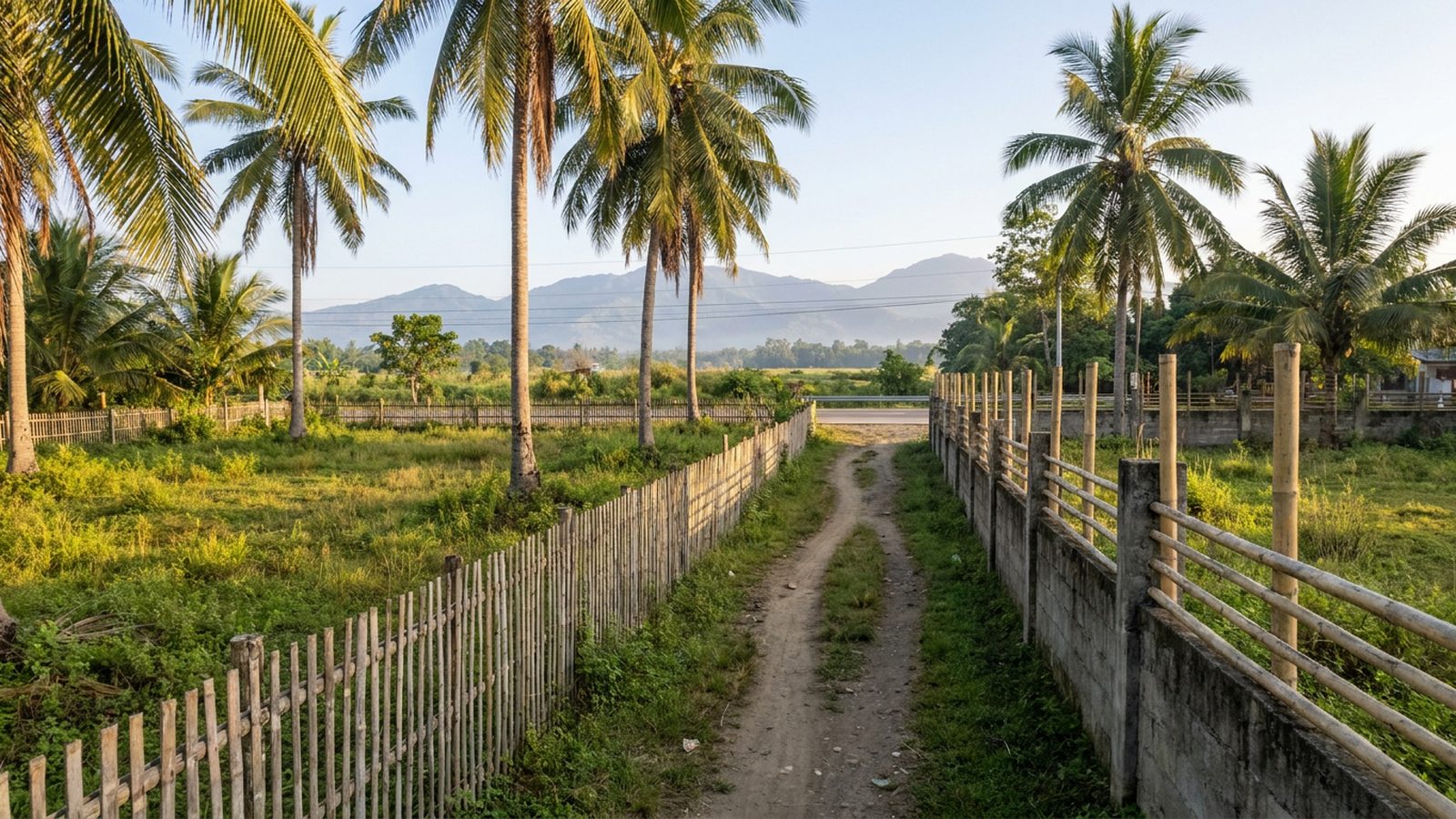
A right of way in the Philippines is not a favor a neighbor grants. Where a lot is surrounded by other people's land and has no adequate outlet to a public road, the Civil Code lets its owner demand a passage across a neighboring property, on payment of an indemnity. The rule is in Articles 649 to 657, and it is narrower than buyers of cheap interior lots tend to assume: the law gives access, not the most convenient access, and it makes the landlocked owner prove the case and pay for the passage. This guide sets out when the right exists, what it costs, how the route is chosen, and what to check before buying a lot that does not touch a road.
When the law gives you a passage
Lawyers who handle these cases reduce Articles 649 and 650 and the decisions applying them to five conditions, all of which the owner of the landlocked lot has to prove.
The lot is surrounded by other immovables belonging to other people. It has no adequate outlet to a public road. The isolation was not caused by the owner's own acts. The route asked for is the one least prejudicial to the neighbor's land. And the proper indemnity is paid, except in the one case described below.
The second and third conditions decide most disputes. An outlet does not have to be comfortable to be adequate: an existing path that is longer, steeper or less convenient can be enough to defeat a claim, because the easement exists for need and not for convenience. And an owner who created the problem, for instance by selling the part of the property that fronted the road and keeping the back, cannot then demand a passage from a neighbor who had nothing to do with it.
Where the passage goes and how wide it is
Article 650 fixes the route: at the point least prejudicial to the land that will carry it and, as far as consistent with that, where the distance to the public road is shortest. When the two tests point in different directions, the least damage wins over the shortest line. A straight path that cuts a neighbor's lot in half loses to a longer one along the boundary.
Article 651 fixes the width: whatever is sufficient for the needs of the landlocked property, which can change as those needs change. A footpath that served a farm lot is not automatically enough for a house with a car, and a request for a road wide enough for trucks has to be justified by what the land is actually used for. The owner of the land that carries the passage keeps ownership of the strip and may fence or gate it so long as passage is not obstructed.
What it costs
For a permanent passage, the indemnity under Article 649 is the value of the land occupied plus the damage caused to the property that carries it. Payment is a condition of the right: the passage is not owed until the indemnity, agreed or fixed by the court, is paid. The indemnity pays for the burden, not for ownership, and the strip stays the neighbor's property. The cost of building and maintaining the path also falls on the owner who needs it.
There is one case where nothing is owed. Under Article 652, when a lot becomes enclosed because of a sale, an exchange or a partition, and it is surrounded by other land of the seller, the other party to the exchange or the co-owner, that person must grant a right of way without indemnity. This is the provision that protects a buyer of an interior lot carved out of a larger property, and it is the reason to deal with access in the deed while the seller still owns the frontage.
The right does not last forever regardless of circumstances. When the landlocked lot gains adequate access of its own, for example because a public road is opened beside it or the owner acquires adjoining land that reaches the road, the neighbor can ask that the easement end.
How to get one
Start with a survey and an offer. A written proposal that shows the route on a plan, states the width and offers a price settles more of these cases than a demand letter does. If the neighbor agrees, put it in a notarized deed of easement and have it annotated on both titles at the Registry of Deeds, so that it binds whoever buys either lot later.
If the neighbor refuses, the dispute goes first to barangay conciliation when the parties live in the same city or municipality, and then to the Regional Trial Court, which decides whether the conditions are met and fixes the route, the width and the indemnity. A right of way of this kind cannot be gained simply by using a path for many years. It needs an agreement or a judgment, which is why a path that "everyone has always used" is not a right until it is on paper.
Before you buy a lot without frontage
An interior lot is cheaper for a reason, and the reason should be priced, not ignored. Our guide to buying land puts it in one line: if access crosses someone else's land, you want a registered right of way, not a neighborly promise.
Ask to see the easement annotated on the title of the lot you are buying and on the title of the lot the path crosses, and check both with a certified copy as described in our guide on how to verify a land title. Compare the path on the ground with the one on the plan. If the lot is being cut from the seller's larger property, have the right of way written into the deed of sale and annotated before you pay, while Article 652 makes it the seller's obligation. If the land is held only under a tax declaration, the access problem sits on top of the ownership problem set out in our guide to tax declaration vs land title.
Then put a number on it. Compare the asking price with road front lots nearby using our land price guide and the price per square meter tool, and subtract what a strip of the neighbor's land, a survey, a lawyer and a driveway would cost. Access rules of a different kind apply on the coast, where the shore carries public easements covered in our guide to beachfront property. Current land for sale is listed by city.
This article is general information, not legal advice. It summarizes the Civil Code rules on the legal easement of right of way; whether they apply to a particular lot depends on facts a court would weigh, so consult a lawyer before buying or filing.
Frequently asked questions
Can I demand a right of way if my lot has no access to the road?
Yes, if five conditions are met: the lot is surrounded by other people's land, it has no adequate outlet to a public road, you did not cause the isolation yourself, the route you ask for is the least prejudicial to the neighbor, and you pay the proper indemnity. An existing path that is merely longer or less convenient can count as an adequate outlet and defeat the claim.
Who pays for a right of way in the Philippines?
The owner of the landlocked lot. For a permanent passage the indemnity is the value of the land occupied plus the damage caused to the neighbor's property, and it must be paid for the right to exist. The exception is a lot enclosed as a result of a sale, exchange or partition and surrounded by other land of the seller, the other party to the exchange or the co-owner: that person must grant the right of way without indemnity.
How wide is a right of way, and where does it pass?
For an ordinary right of way the Civil Code sets no fixed width. The passage must be sufficient for the needs of the landlocked property, and those needs can change over time. It is placed at the point least prejudicial to the land that carries it and, as far as consistent with that, along the shortest distance to the public road. Where the two conflict, the least damage prevails over the shortest route.
Is it safe to buy a lot with no road frontage?
Only if access is on paper. Look for an easement of right of way annotated on the title of the lot and on the title of the land the path crosses, and compare the path on the ground with the plan. If the lot is being cut from the seller's larger property, have the right of way written into the deed and annotated before paying. A path used by habit or by a neighbor's permission is not a right.
Ang right of way sa Pilipinas ay hindi pabor na ibinibigay ng kapitbahay. Kapag ang isang lote ay napapaligiran ng lupa ng ibang tao at walang sapat na labasan papunta sa pampublikong kalsada, pinapayagan ng Civil Code ang may-ari nito na humingi ng daanan sa katabing property, kapalit ng pagbabayad ng indemnity. Ang patakaran ay nasa Articles 649 to 657, at mas makitid ito kaysa sa inaakala ng mga bumibili ng murang interior lot: access ang ibinibigay ng batas, hindi ang pinakamaginhawang access, at ang landlocked na may-ari ang pinagpapatunay nito ng kaso at pinagbabayad para sa daanan. Inilalatag ng gabay na ito kung kailan umiiral ang karapatan, magkano ang gastos, paano pinipili ang ruta, at ano ang dapat tingnan bago bumili ng loteng hindi dumidikit sa kalsada.
Kailan ka binibigyan ng batas ng daanan
Ibinubuod ng mga abogadong humahawak ng ganitong kaso ang Articles 649 and 650 at ang mga desisyong nagpapatupad ng mga ito sa limang kondisyon, na lahat ay kailangang patunayan ng may-ari ng landlocked na lote.
Ang lote ay napapaligiran ng ibang mga immovable na pag-aari ng ibang tao. Wala itong sapat na labasan papunta sa pampublikong kalsada. Ang pagkakakulong nito ay hindi dulot ng sariling gawa ng may-ari. Ang rutang hinihingi ay ang pinakamaliit ang pinsala sa lupa ng kapitbahay. At nabayaran ang tamang indemnity, maliban sa nag-iisang kasong inilalarawan sa ibaba.
Ang ikalawa at ikatlong kondisyon ang nagpapasya sa karamihan ng alitan. Hindi kailangang maginhawa ang isang labasan para maging sapat: ang umiiral na daang mas mahaba, mas matarik o hindi gaanong maginhawa ay puwedeng sapat na para matalo ang claim, dahil umiiral ang easement para sa pangangailangan at hindi para sa ginhawa. At ang may-aring lumikha ng problema, halimbawa sa pagbebenta ng bahagi ng property na nakaharap sa kalsada at pagpapanatili ng likuran, ay hindi na puwedeng humingi ng daanan sa kapitbahay na walang kinalaman dito.
Saan dadaan ang daanan at gaano ito kalapad
Itinatakda ng Article 650 ang ruta: sa puntong pinakamaliit ang pinsala sa lupang dadaanan nito at, hangga't tugma roon, kung saan pinakamaikli ang distansya papunta sa pampublikong kalsada. Kapag magkaiba ang itinuturo ng dalawang pamantayan, nananaig ang pinakamaliit na pinsala sa pinakamaikling linya. Ang tuwid na daang humahati sa lote ng kapitbahay ay talo sa mas mahabang daan sa gilid ng hangganan.
Itinatakda ng Article 651 ang lapad: anumang sapat para sa mga pangangailangan ng landlocked na property, na puwedeng magbago habang nagbabago ang mga pangangailangang iyon. Ang footpath na sapat noon para sa isang farm lot ay hindi awtomatikong sapat para sa bahay na may kotse, at ang hiling na kalsadang kasya ang mga truck ay kailangang bigyang-katwiran ng aktuwal na gamit ng lupa. Nananatiling may-ari ng strip ang may-ari ng lupang dinadaanan, at puwede niya itong bakuran o lagyan ng gate basta hindi nahaharangan ang pagdaan.
Magkano ang gastos
Para sa permanenteng daanan, ang indemnity sa ilalim ng Article 649 ay ang halaga ng lupang sinasakop dagdag ang pinsalang idinulot sa property na dinadaanan. Ang pagbabayad ay kondisyon ng karapatan: walang obligasyong ibigay ang daanan hangga't hindi nababayaran ang indemnity, napagkasunduan man ito o itinakda ng korte. Ang indemnity ay bayad para sa pasaning ipinapataw sa lupa, hindi para sa pagmamay-ari, at nananatiling pag-aari ng kapitbahay ang strip. Ang gastos sa paggawa at pagmementena ng daan ay sagot din ng may-aring nangangailangan nito.
May isang kaso kung saan walang babayaran. Sa ilalim ng Article 652, kapag nakulong ang isang lote dahil sa bentahan, palitan o partition, at napapaligiran ito ng ibang lupa ng seller, ng kabilang partido sa palitan o ng co-owner, ang taong iyon ay kailangang magbigay ng right of way nang walang indemnity. Ito ang probisyong nagpoprotekta sa buyer ng interior lot na hinati mula sa mas malaking property, at ito ang dahilan para ayusin ang access sa deed habang pag-aari pa ng seller ang frontage.
Hindi panghabambuhay ang karapatan anuman ang mangyari. Kapag nagkaroon na ng sariling sapat na access ang landlocked na lote, halimbawa dahil may binuksang pampublikong kalsada sa tabi nito o nakabili ang may-ari ng katabing lupang abot sa kalsada, puwedeng hilingin ng kapitbahay na tapusin na ang easement.
Paano kumuha nito
Magsimula sa survey at sa isang alok. Mas maraming ganitong kaso ang naaayos ng nakasulat na proposal na nagpapakita ng ruta sa plano, nagsasaad ng lapad at nag-aalok ng presyo kaysa ng demand letter. Kung pumayag ang kapitbahay, ilagay ito sa notaryadong deed of easement at ipa-annotate sa parehong titulo sa Registry of Deeds, para may bisa ito sa sinumang bibili ng alinman sa dalawang lote sa hinaharap.
Kung tumanggi ang kapitbahay, dadaan muna ang alitan sa barangay conciliation kapag nakatira ang mga partido sa iisang lungsod o munisipalidad, at pagkatapos ay sa Regional Trial Court, na magpapasya kung natugunan ang mga kondisyon at magtatakda ng ruta, lapad at indemnity. Ang ganitong uri ng right of way ay hindi nakukuha sa simpleng paggamit ng isang daan sa loob ng maraming taon. Kailangan nito ng kasunduan o ng hatol ng korte, kaya ang daang "matagal nang dinadaanan ng lahat" ay hindi karapatan hangga't wala ito sa papel.
Bago ka bumili ng loteng walang frontage
May dahilan kung bakit mas mura ang interior lot, at ang dahilang iyon ay dapat isama sa presyo, hindi balewalain. Sinasabi ito ng aming gabay sa pagbili ng lupa sa isang linya: kung dumadaan ang access sa lupa ng iba, registered na right of way ang kailangan mo, hindi pangako ng kapitbahay.
Hilinging makita ang easement na naka-annotate sa titulo ng loteng binibili mo at sa titulo ng loteng dinadaanan ng daan, at i-check ang dalawa gamit ang certified copy gaya ng inilalarawan sa aming gabay sa kung paano i-verify ang land title. Ikumpara ang daan sa aktuwal na lupa sa daang nasa plano. Kung ang lote ay hinahati mula sa mas malaking property ng seller, ipasulat ang right of way sa deed of sale at ipa-annotate bago ka magbayad, habang ginagawa pa itong obligasyon ng seller ng Article 652. Kung ang lupa ay hawak lang sa ilalim ng tax declaration, nakapatong ang problema sa access sa problema sa pagmamay-ari na inilalatag sa aming gabay sa tax declaration vs land title.
Pagkatapos, lagyan ito ng numero. Ikumpara ang asking price sa mga kalapit na loteng nasa tabi ng kalsada gamit ang aming gabay sa presyo ng lupa at ang price per square meter tool, at ibawas ang magiging gastos sa isang strip ng lupa ng kapitbahay, sa survey, sa abogado at sa driveway. Ibang uri ng patakaran sa access ang umiiral sa baybayin, kung saan may mga public easement ang dalampasigan na sinasaklaw ng aming gabay sa beachfront property. Ang kasalukuyang mga lupang ibinebenta ay nakalista kada lungsod.
Ang artikulong ito ay pangkalahatang impormasyon, hindi legal advice. Binubuod nito ang mga patakaran ng Civil Code sa legal easement ng right of way; kung saklaw ng mga ito ang isang partikular na lote ay nakadepende sa mga katotohanang titimbangin ng korte, kaya kumonsulta sa abogado bago bumili o mag-file.
Mga madalas itanong
Puwede ba akong humingi ng right of way kung walang access sa kalsada ang lote ko?
Oo, kung natugunan ang limang kondisyon: napapaligiran ang lote ng lupa ng ibang tao, wala itong sapat na labasan papunta sa pampublikong kalsada, hindi ikaw ang naging dahilan ng pagkakakulong nito, ang rutang hinihingi mo ang pinakamaliit ang pinsala sa kapitbahay, at babayaran mo ang tamang indemnity. Ang umiiral na daang mas mahaba lang o hindi gaanong maginhawa ay puwedeng ituring na sapat na labasan at makatalo sa claim.
Sino ang nagbabayad para sa right of way sa Pilipinas?
Ang may-ari ng landlocked na lote. Para sa permanenteng daanan, ang indemnity ay ang halaga ng lupang sinasakop dagdag ang pinsalang idinulot sa property ng kapitbahay, at kailangan itong mabayaran para umiral ang karapatan. Ang exception ay ang loteng nakulong dahil sa bentahan, palitan o partition at napapaligiran ng ibang lupa ng seller, ng kabilang partido sa palitan o ng co-owner: ang taong iyon ay kailangang magbigay ng right of way nang walang indemnity.
Gaano kalapad ang right of way, at saan ito dumadaan?
Para sa karaniwang right of way, walang takdang lapad na itinatakda ang Civil Code. Kailangang sapat ang daanan para sa mga pangangailangan ng landlocked na property, at puwedeng magbago ang mga pangangailangang iyon sa paglipas ng panahon. Inilalagay ito sa puntong pinakamaliit ang pinsala sa lupang dinadaanan at, hangga't tugma roon, sa pinakamaikling distansya papunta sa pampublikong kalsada. Kapag nagsalungat ang dalawa, nananaig ang pinakamaliit na pinsala sa pinakamaikling ruta.
Ligtas bang bumili ng loteng walang road frontage?
Ligtas lang ito kung nasa papel ang access. Hanapin ang easement of right of way na naka-annotate sa titulo ng lote at sa titulo ng lupang dinadaanan ng daan, at ikumpara ang daan sa aktuwal na lupa sa nasa plano. Kung ang lote ay hinahati mula sa mas malaking property ng seller, ipasulat ang right of way sa deed at ipa-annotate bago magbayad. Ang daang ginagamit dahil lang sa nakasanayan o sa pahintulot ng kapitbahay ay hindi karapatan.
Ang right of way sa Pilipinas dili usa ka pabor nga ihatag sa silingan. Kung ang usa ka lote gilibotan sa yuta sa ubang tawo ug walay igong agianan paingon sa public road, ang Civil Code nagtugot sa tag-iya niini nga mangayo og agianan tabok sa silingang property, basta mobayad og indemnity. Ang lagda anaa sa Articles 649 to 657, ug mas pig-ot kini kaysa sa gidahom sa mga buyer sa baratong interior lot: ang balaod naghatag og access, dili ang pinakakombenyente nga access, ug ang tag-iya sa landlocked nga lote maoy kinahanglan mopamatuod sa kaso ug mobayad sa agianan. Kini nga giya nagpahimutang kung kanus-a anaa ang katungod, pila ang gasto niini, giunsa pagpili ang ruta, ug unsay susihon sa dili pa mopalit og lote nga dili modapat sa dalan.
Kung kanus-a ang balaod mohatag kanimo og agianan
Ang mga abogado nga nagdumala niining mga kaso nagpamubo sa Articles 649 and 650 ug sa mga desisyon nga nag-aplikar niini ngadto sa lima ka kondisyon, nga ang tanan kinahanglan pamatud-an sa tag-iya sa landlocked nga lote.
Ang lote gilibotan sa ubang mga immovable nga iya sa ubang tawo. Wala kini igong agianan paingon sa public road. Ang pagkahimulag dili tungod sa kaugalingong mga buhat sa tag-iya. Ang ruta nga gipangayo mao ang labing gamay og kadaot sa yuta sa silingan. Ug nabayran ang tukmang indemnity, gawas sa usa ka kaso nga gihulagway sa ubos.
Ang ikaduha ug ikatulo nga kondisyon maoy modesisyon sa kadaghanan sa mga panagbangi. Ang agianan dili kinahanglan komportable aron maisip nga igo: ang anaa nang agianan nga mas taas, mas titip o dili kaayo kombenyente mahimong igo na aron mapildi ang usa ka claim, kay ang easement anaa para sa panginahanglan ug dili para sa kakombenyente. Ug ang tag-iya nga maoy naghimo sa problema, pananglitan pinaagi sa pagbaligya sa bahin sa property nga nag-atubang sa dalan ug pagtipig sa likod, dili na makapangayo og agianan gikan sa silingan nga walay kalabotan niini.
Asa moagi ang agianan ug unsa kini kalapad
Ang Article 650 nagtakda sa ruta: sa punto nga labing gamay og kadaot sa yuta nga pagaagian niini ug, kutob sa nahiuyon niana, diin pinakamubo ang distansya paingon sa public road. Kung ang duha ka sukdanan magtudlo og lahi nga direksyon, ang labing gamay nga kadaot modaog batok sa pinakamubo nga linya. Ang tul-id nga agianan nga mobahin sa lote sa silingan sa duha mapildi sa mas taas nga agianan subay sa utlanan.
Ang Article 651 nagtakda sa gilapdon: bisan unsa nga igo para sa mga panginahanglan sa landlocked nga property, nga mahimong mausab samtang mausab ang maong mga panginahanglan. Ang footpath nga nagsilbi sa usa ka lote nga umahan dili awtomatikong igo para sa balay nga adunay sakyanan, ug ang hangyo og dalan nga igo ka lapad para sa mga truck kinahanglan mapamatud-an pinaagi sa kung unsa gyud ang gamit sa yuta. Ang tag-iya sa yuta nga giagian magpabilin nga tag-iya sa strip ug mahimong mokoral o mobutang og gate niini basta dili mababagan ang pag-agi.
Pila ang gasto niini
Para sa permanente nga agianan, ang indemnity ubos sa Article 649 mao ang bili sa yuta nga naokupar dugang ang kadaot nga nahimo sa property nga giagian niini. Ang bayad usa ka kondisyon sa katungod: ang agianan dili pa angay ihatag hangtod nga mabayran ang indemnity, nga gikasabotan o gitakda sa korte. Ang indemnity bayad para sa palas-anon, dili para sa ownership, ug ang strip magpabilin nga property sa silingan. Ang gasto sa paghimo ug pagmentinar sa agianan mahulog usab sa tag-iya nga nagkinahanglan niini.
Adunay usa ka kaso nga walay bayran. Ubos sa Article 652, kung ang usa ka lote malibotan tungod sa baligya, exchange o partition, ug gilibotan kini sa ubang yuta sa seller, sa pikas partido sa exchange o sa co-owner, ang maong tawo kinahanglan mohatag og right of way nga walay indemnity. Mao kini ang probisyon nga nanalipod sa buyer sa interior lot nga gikuha gikan sa mas dako nga property, ug mao kini ang rason nga husayon ang access sulod sa deed samtang ang seller mao pa ang tag-iya sa frontage.
Ang katungod dili molungtad hangtod sa hangtod bisan unsa pay sirkumstansya. Kung ang landlocked nga lote makabaton na og kaugalingong igong access, pananglitan tungod kay giablihan ang usa ka public road tupad niini o ang tag-iya nakapalit og kasikbit nga yuta nga moabot sa dalan, ang silingan makapangayo nga tapuson ang easement.
Unsaon pagkuha niini
Sugdi sa survey ug sa usa ka tanyag. Ang sinulat nga proposal nga nagpakita sa ruta sa usa ka plano, nag-ingon sa gilapdon ug nagtanyag og presyo makahusay og mas daghan niining mga kaso kaysa sa demand letter. Kung mouyon ang silingan, ibutang kini sa notaryadong deed of easement ug ipa-annotate sa duha ka titulo sa Registry of Deeds, aron mabugkos niini si bisan kinsa nga mopalit sa bisan asa sa duha ka lote sa ulahi.
Kung modumili ang silingan, ang panagbangi moagi una sa barangay conciliation kung ang mga partido nagpuyo sa samang siyudad o munisipyo, ug dayon sa Regional Trial Court, nga maoy modesisyon kung natuman ba ang mga kondisyon ug motakda sa ruta, sa gilapdon ug sa indemnity. Ang right of way nga ingon niini nga klase dili maangkon pinaagi lang sa paggamit sa usa ka agianan sulod sa daghang tuig. Nagkinahanglan kini og kasabotan o hukom, mao nga ang agianan nga "kanunay nang gigamit sa tanan" dili katungod hangtod nga anaa na kini sa papel.
Sa dili ka pa mopalit og lote nga walay frontage
Ang interior lot mas barato tungod sa usa ka rason, ug ang rason angay presyohan, dili balewalaon. Ang among giya sa pagpalit og yuta nag-ingon niini sa usa ka linya: kung ang access motabok sa yuta sa laing tawo, ang imong gusto mao ang rehistradong right of way, dili saad sa silingan.
Pangayoa nga makita ang easement nga naka-annotate sa titulo sa lote nga imong paliton ug sa titulo sa lote nga giagian sa agianan, ug susiha ang duha gamit ang certified copy sumala sa gihulagway sa among giya sa unsaon pag-verify sa land title. Itandi ang agianan sa yuta mismo sa anaa sa plano. Kung ang lote putlon gikan sa mas dako nga property sa seller, ipasulat ang right of way sa deed of sale ug ipa-annotate sa dili ka pa mobayad, samtang ang Article 652 naghimo niini nga obligasyon sa seller. Kung ang yuta gikuptan lang ubos sa tax declaration, ang problema sa access nagpatong sa problema sa ownership nga gipahimutang sa among giya sa tax declaration vs land title.
Dayon butangi kini og numero. Itandi ang asking price sa mga lote nga nag-atubang sa dalan sa duol gamit ang among giya sa presyo sa yuta ug ang price per square meter tool, ug ikuha ang gasto sa usa ka strip sa yuta sa silingan, sa survey, sa abogado ug sa driveway. Lahi nga klase sa mga lagda sa access ang moaplikar sa baybayon, diin ang baybay adunay mga public easement nga gihisgotan sa among giya sa beachfront property. Ang kasamtangang yuta nga gibaligya gilista kada siyudad.
Kini nga artikulo kinatibuk-ang impormasyon, dili legal advice. Gi-summarize niini ang mga lagda sa Civil Code bahin sa legal easement of right of way; kung moaplikar ba kini sa usa ka partikular nga lote nagdepende sa mga kamatuoran nga timbangon sa korte, mao nga pagkonsulta og abogado sa dili ka pa mopalit o mo-file.
Mga kasagarang pangutana
Makapangayo ba ko og right of way kung ang akong lote walay access sa dalan?
Oo, kung matuman ang lima ka kondisyon: ang lote gilibotan sa yuta sa ubang tawo, wala kini igong agianan paingon sa public road, dili ikaw ang hinungdan sa pagkahimulag, ang ruta nga imong gipangayo mao ang labing gamay og kadaot sa silingan, ug mobayad ka sa tukmang indemnity. Ang anaa nang agianan nga mas taas lang o dili kaayo kombenyente mahimong maisip nga igong agianan ug makapildi sa claim.
Kinsa ang mobayad sa right of way sa Pilipinas?
Ang tag-iya sa landlocked nga lote. Para sa permanente nga agianan ang indemnity mao ang bili sa yuta nga naokupar dugang ang kadaot nga nahimo sa property sa silingan, ug kinahanglan kining mabayran aron maanaa ang katungod. Ang eksepsyon mao ang lote nga nalibotan tungod sa baligya, exchange o partition ug gilibotan sa ubang yuta sa seller, sa pikas partido sa exchange o sa co-owner: ang maong tawo kinahanglan mohatag sa right of way nga walay indemnity.
Unsa kalapad ang right of way, ug asa kini moagi?
Para sa ordinaryo nga right of way ang Civil Code walay gitakda nga piho nga gilapdon. Ang agianan kinahanglan igo para sa mga panginahanglan sa landlocked nga property, ug kadtong mga panginahanglan mahimong mausab sa paglabay sa panahon. Ibutang kini sa punto nga labing gamay og kadaot sa yuta nga giagian niini ug, kutob sa nahiuyon niana, subay sa pinakamubo nga distansya paingon sa public road. Kung magbangi ang duha, ang labing gamay nga kadaot maoy mopatigbabaw sa pinakamubo nga ruta.
Luwas ba ang pagpalit og lote nga walay road frontage?
Kung anaa lang sa papel ang access. Pangitaa ang easement of right of way nga naka-annotate sa titulo sa lote ug sa titulo sa yuta nga giagian sa agianan, ug itandi ang agianan sa yuta mismo sa plano. Kung ang lote putlon gikan sa mas dako nga property sa seller, ipasulat ang right of way sa deed ug ipa-annotate sa dili ka pa mobayad. Ang agianan nga gigamit tungod lang sa naandan o sa pagtugot sa silingan dili usa ka katungod.
Browse properties on BalayHub
See all listings →
Read next
Documents Needed to Buy a House in the Philippines (2026)
The documents needed to buy a house in the Philippines: IDs, TIN, PSA marriage certificate, cedula, Pag-IBIG number, income papers, and where to get each.
Cancel a Mortgage Annotation on Title After Full Payment
A mortgage annotation on title stays after the loan is paid. How to cancel it at the Registry of Deeds: the release, the documents and the common snags.
Homeowners Association Dues and Rights: RA 9904 Explained
Homeowners association dues need a basis in the bylaws and majority approval. RA 9904 on membership, records, gates, the board and fines up to ₱50,000.