
Jun 15, 2026 · by BalayHub Admin · 7 min read
Amilyar in English: Real Property Tax, Computation, Payment
What amilyar (real property tax) is, how it is computed from your property's assessed value, when and where to pay, the prompt-payment discount, the penalties for paying late, and how delinquency can lead to auction.
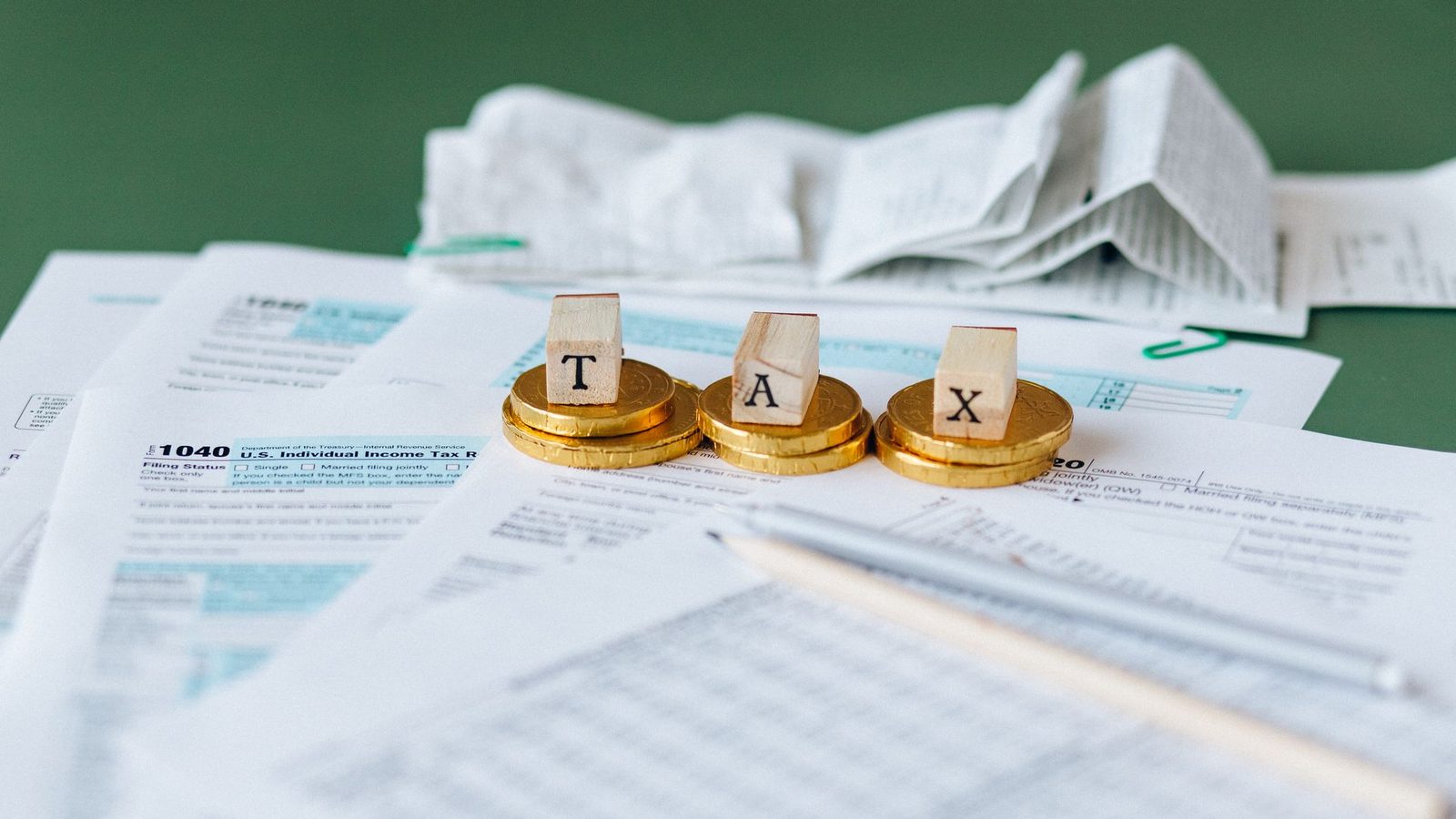
Amilyar in English: real property tax, how to compute and pay it (2026)
Every property owner in the Philippines owes amilyar, the everyday name for real property tax (RPT), and a surprising number quietly forget it. It is the annual tax you pay to your city or municipality for owning land, a building or a condo, and it does not go away if you ignore it. It just grows penalties, and in the worst case the local government can auction your property out from under you for unpaid taxes. Here is how amilyar is computed, when and where to pay, the discounts worth catching, and what happens if you let it slide.
What does amilyar mean in English?
Amilyar translates to real property tax, the annual tax on land, houses and condo units collected by your city or municipal treasurer. The word descends from the Spanish amillaramiento, the old assessment rolls, which is why no English dictionary helps you: it survives only in Filipino usage. If a form asks for it in English, write "real property tax" or RPT.
What amilyar actually is
Amilyar is the Filipino term for real property tax (RPT), a local tax collected every year by the City or Municipal Treasurer on real property: the land, the buildings, and the permanent improvements on it. It funds local government services, and it is owed every year for as long as you own the property, separate from the one-time taxes you pay when you buy. If you own a condo, you pay it on your unit; if you own a house and lot, on both the land and the structure.
How amilyar is computed
The math runs in three steps, and the rates and levels are set locally, so treat the figures here as the framework rather than your exact bill.
- Start with the Fair Market Value (FMV) of the property, as carried in the Tax Declaration at the Assessor's Office.
- Apply the assessment level to get the Assessed Value. The assessment level is a fraction set by the Local Government Code and the LGU, and it is lower for homes than for commercial property, with residential property commonly assessed at around 20% of market value and commercial and industrial property much higher.
- Apply the tax rate to the assessed value. The basic RPT rate is capped at 1% in provinces and 2% in cities and the municipalities of Metro Manila, and on top of that almost everyone pays an additional 1% Special Education Fund (SEF).
A worked example
Say a condo carries a fair market value of ₱3,000,000 (about $48,000 / €41,300) and sits in a city. Assessed at a residential level of 20%, the assessed value is ₱600,000 (about $9,600 / €8,260). The basic RPT at 2% is ₱12,000 (about $192 / €165), plus the 1% SEF of ₱6,000 (about $96 / €83), for a total of about ₱18,000 (about $288 / €248) a year. Treat that as an illustration only, because the assessment level, the rate and any local adjustments vary by LGU. Your actual figure is on your tax declaration and your statement from the Treasurer.
How much is amilyar per year: a quick table
The question people ask most is simply how much amilyar costs for a normal home, so here is the framework applied to four property values. The figures assume a residential assessment level of 20 percent, the 2 percent basic rate plus 1 percent SEF in a city or Metro Manila municipality, and 1 percent plus 1 percent in a province. The starting value is the fair market value on the tax declaration, which is usually well below the price the property would sell for, so a house that would sell for ₱5 million (about $80,000 / €68,900) often carries a declared value of ₱1 million to ₱2 million (about $16,000 to $32,000 / €13,800 to €27,500).
| Fair market value on the tax declaration | Assessed value (20%) | Amilyar per year, city or Metro Manila (3%) | Amilyar per year, province (2%) |
|---|---|---|---|
| ₱1,000,000 (about $16,000 / €13,800) | ₱200,000 (about $3,200 / €2,750) | ₱6,000 (about $96 / €83) | ₱4,000 (about $64 / €55) |
| ₱3,000,000 (about $48,000 / €41,300) | ₱600,000 (about $9,600 / €8,260) | ₱18,000 (about $288 / €248) | ₱12,000 (about $192 / €165) |
| ₱5,000,000 (about $80,000 / €68,900) | ₱1,000,000 (about $16,000 / €13,800) | ₱30,000 (about $480 / €413) | ₱20,000 (about $320 / €275) |
| ₱10,000,000 (about $160,000 / €138,000) | ₱2,000,000 (about $32,000 / €27,500) | ₱60,000 (about $960 / €826) | ₱40,000 (about $640 / €551) |
Per square meter the tax is small: a 200 square meter provincial lot with a declared value of ₱2,000 (about $32 / €28) per square meter, or ₱400,000 (about $6,400 / €5,510), owes ₱1,600 (about $26 / €22) a year. For an ordinary house and lot outside Metro Manila most owners pay a few thousand pesos a year; in a Metro Manila city with a recent revision of the schedule of market values the same house can owe several times that. The prompt payment discount, typically 10 to 20 percent, comes off these amounts when you pay in the first quarter.
When and where to pay
Amilyar is an annual tax, but most LGUs let you pay it in four quarterly installments instead of one lump, with the full-year payment usually due early in the year and the quarters falling at the end of each quarter. You pay at the City or Municipal Treasurer's Office that covers the property, and a growing number of LGUs now accept payment online or through partner channels. Bring or have ready your latest tax declaration and the previous official receipt.
The discounts worth catching, and the penalties to avoid
This is where paying attention pays off:
- Prompt-payment discount. Many LGUs grant a discount, often up to 20%, for paying the full year early or in advance. On a recurring bill, that adds up.
- Late penalties. Miss the deadline and interest accrues at 2% per month, capped at 72% over three years. A small bill ignored for years becomes a large one.
- Tax delinquency and auction. Leave it unpaid long enough and the LGU can declare the property delinquent and, after notices, sell it at public auction to recover the tax. This is rare for owners who pay attention, and devastating for those who do not.
What to check on your own bill
A few habits keep amilyar from biting:
- Verify the tax declaration. Make sure the property class, area and improvements on file are correct, since an over-stated value means an over-stated tax. You can contest an assessment you believe is wrong with the Assessor.
- Keep your receipts. You will need proof of payment when you sell or transfer, and a clearance that taxes are paid up is part of moving a title.
- Update it after a transfer. When you buy, the Tax Declaration should be moved into your name so the bills come to you, a step covered in our guide to transferring a land title.
Where amilyar fits in the bigger picture
Amilyar is one line in the running cost of owning, alongside association dues and utilities, and it is easy to overlook when you are focused on the purchase price. Our breakdown of the hidden costs of buying a condo and our wider guide to Philippine property taxes put it in context with everything else you will owe.
Pay it early for the discount, keep the receipts, and check the assessment is fair, and amilyar is a small, predictable cost rather than a problem. When you are budgeting for a purchase, factor a year of it in from the start, and browse the live listings with the full cost in view. This is general information, not tax advice; assessment levels, rates and discounts vary by local government, so confirm your exact figures with your City or Municipal Treasurer and Assessor.
Dollar and euro figures are approximate conversions at ₱62.5 per US dollar and ₱72.6 per euro (ECB reference rates, 2026-09-08).
Frequently asked questions
What is amilyar?
Amilyar is the everyday name for real property tax (RPT), the annual local tax you pay to your city or municipality for owning land, a building or a condo. It is collected by the City or Municipal Treasurer, funds local services, and is owed every year you own the property, separate from the one-time taxes you pay when you buy.
How is amilyar computed?
In three steps. Take the property's Fair Market Value from the Tax Declaration, apply the assessment level (commonly around 20% for residential property) to get the Assessed Value, then apply the tax rate: a basic RPT capped at 1% in provinces or 2% in cities and Metro Manila municipalities, plus an additional 1% Special Education Fund. For example, a ₱3M (about $48,000 / €41,300) condo assessed at 20% has a ₱600,000 (about $9,600 / €8,260) assessed value, giving about ₱18,000 (about $288 / €248) a year.
How much is real property tax in the Philippines?
The basic rate is up to 1% of the assessed value in provinces and up to 2% in cities and Metro Manila municipalities, plus a 1% Special Education Fund. Because it is charged on the assessed value (a fraction of market value) rather than the market price, the yearly bill on a typical home is in the thousands to tens of thousands of pesos. Exact rates and assessment levels vary by local government.
What happens if I do not pay amilyar?
Interest accrues at 2% per month on the unpaid amount, capped at 72% over three years, so a small bill ignored for years becomes a large one. If it stays unpaid long enough, the local government can declare the property delinquent and, after notices, sell it at public auction to recover the tax. Paying early often earns a discount of up to 20%, so it pays to stay current.
Is the tax declaration the same as amilyar?
No. The tax declaration is the assessor's record of the property, its area, classification and fair market value, and it is the document that the tax is computed on. Amilyar is the real property tax itself, the amount you pay the treasurer every year based on that declaration. You need the tax declaration to pay amilyar and to get a tax clearance, but holding a tax declaration or paying amilyar does not by itself prove you own the land.
Is real property tax the same as amilyar?
Yes. Amilyar is the everyday Filipino word for the real property tax that cities and municipalities collect every year on land, houses and condominium units, computed on the assessed value set by the local assessor. The receipt you get from the treasurer's office says real property tax; the barangay, the seller and the bank will call it amilyar. They are one and the same tax.
Amilyar, ipinaliwanag: paano i-compute at bayaran ang real property tax sa Pilipinas (2026)
Lahat ng may-ari ng property sa Pilipinas ay may utang na amilyar, ang karaniwang tawag sa real property tax (RPT), at nakakagulat kung gaano karami ang tahimik na nakakalimot dito. Ito ang taunang buwis na binabayaran mo sa iyong city o municipality dahil may-ari ka ng lupa, building o condo, at hindi ito nawawala kapag binalewala mo. Lumalaki lang ang penalty, at sa pinakamalalang kaso, puwedeng i-auction ng local government ang property mo dahil sa hindi nabayarang buwis. Narito kung paano kino-compute ang amilyar, kailan at saan magbabayad, ang mga discount na sulit habulin, at ang mangyayari kapag pinabayaan mo ito.
Ano ba talaga ang amilyar
Ang amilyar ay local tax na kinokolekta ng City o Municipal Treasurer sa real property: ang lupa, ang mga building, at ang mga permanenteng improvement dito. Pinopondohan nito ang mga serbisyo ng local government, at may utang ka nito bawat taon habang ikaw ang may-ari ng property, hiwalay sa mga one-time tax na binabayaran mo kapag bumibili. Kung may condo ka, babayaran mo ito para sa unit mo; kung house and lot naman, para sa lupa at sa istruktura.
Paano kino-compute ang amilyar
Tatlong hakbang ang computation, at ang mga rate at level ay itinatakda ng bawat lokalidad, kaya ituring mo ang mga figure dito bilang framework at hindi ang eksaktong bill mo.
- Magsimula sa Fair Market Value (FMV) ng property, ayon sa nakalagay sa Tax Declaration sa Assessor's Office.
- I-apply ang assessment level para makuha ang Assessed Value. Ang assessment level ay fraction na itinakda ng Local Government Code at ng LGU, at mas mababa ito para sa mga bahay kaysa sa commercial property. Karaniwan, ang residential property ay ina-assess sa humigit-kumulang 20% ng market value, samantalang mas mataas nang malaki ang commercial at industrial property.
- I-apply ang tax rate sa assessed value. Ang basic RPT rate ay may cap na 1% sa mga probinsya at 2% sa mga city at sa mga municipality ng Metro Manila, at dagdag pa dito, halos lahat ay nagbabayad ng karagdagang 1% Special Education Fund (SEF).
Isang halimbawang computation
Sabihin nating ang isang condo ay may fair market value na ₱3,000,000 (mga $48,000 / €41,300) at nasa isang city. Kung ia-assess sa residential level na 20%, ang assessed value ay ₱600,000 (mga $9,600 / €8,260). Ang basic RPT sa 2% ay ₱12,000 (mga $192 / €165), dagdag ang 1% SEF na ₱6,000 (mga $96 / €83), kaya ang total ay humigit-kumulang ₱18,000 (mga $288 / €248) kada taon. Ituring mo itong ilustrasyon lamang, dahil ang assessment level, ang rate at anumang local adjustment ay iba-iba depende sa LGU. Ang aktuwal na figure mo ay nasa tax declaration mo at sa statement mula sa Treasurer.
Magkano ang amilyar kada taon: isang mabilis na table
Ang tanong na pinakamadalas itanong ng mga tao ay simpleng magkano ang amilyar para sa isang karaniwang bahay, kaya narito ang framework na inilapat sa apat na property value. Ipinapalagay ng mga figure ang residential assessment level na 20 percent, ang 2 percent basic rate dagdag ang 1 percent SEF sa isang city o Metro Manila municipality, at 1 percent dagdag ang 1 percent sa isang province. Ang panimulang halaga ay ang fair market value sa tax declaration, na karaniwang mas mababa nang malaki kaysa sa presyong mabebenta ang property, kaya ang bahay na mabebenta sa ₱5 million (mga $80,000 / €68,900) ay madalas may declared value na ₱1 million hanggang ₱2 million (mga $16,000 hanggang $32,000 / €13,800 hanggang €27,500).
| Fair market value sa tax declaration | Assessed value (20%) | Amilyar kada taon, city o Metro Manila (3%) | Amilyar kada taon, province (2%) |
|---|---|---|---|
| ₱1,000,000 (mga $16,000 / €13,800) | ₱200,000 (mga $3,200 / €2,750) | ₱6,000 (mga $96 / €83) | ₱4,000 (mga $64 / €55) |
| ₱3,000,000 (mga $48,000 / €41,300) | ₱600,000 (mga $9,600 / €8,260) | ₱18,000 (mga $288 / €248) | ₱12,000 (mga $192 / €165) |
| ₱5,000,000 (mga $80,000 / €68,900) | ₱1,000,000 (mga $16,000 / €13,800) | ₱30,000 (mga $480 / €413) | ₱20,000 (mga $320 / €275) |
| ₱10,000,000 (mga $160,000 / €138,000) | ₱2,000,000 (mga $32,000 / €27,500) | ₱60,000 (mga $960 / €826) | ₱40,000 (mga $640 / €551) |
Per square meter, maliit ang buwis: ang 200 square meter na provincial lot na may declared value na ₱2,000 (mga $32 / €28) kada square meter, o ₱400,000 (mga $6,400 / €5,510), ay may babayarang ₱1,600 (mga $26 / €22) kada taon. Para sa karaniwang house and lot sa labas ng Metro Manila, ilang libong piso kada taon ang binabayaran ng karamihan ng may-ari; sa isang Metro Manila city na may kamakailang revision ng schedule of market values, ang parehong bahay ay maaaring magbayad ng ilang beses na mas malaki roon. Ang prompt payment discount, karaniwang 10 hanggang 20 percent, ay ibinabawas sa mga halagang ito kapag nagbayad ka sa unang quarter.
Kailan at saan magbabayad
Ang amilyar ay taunang buwis, pero karamihan ng LGU ay pinapayagan kang magbayad nito sa apat na quarterly installment sa halip na isang bagsakan, kung saan ang full-year payment ay karaniwang due sa unang bahagi ng taon at ang mga quarterly payment naman ay sa katapusan ng bawat quarter. Magbabayad ka sa City o Municipal Treasurer's Office na sumasakop sa property, at dumadami na rin ang mga LGU na tumatanggap ng bayad online o sa pamamagitan ng mga partner channel. Dalhin o ihanda ang pinakabagong tax declaration mo at ang nakaraang official receipt.
Ang mga discount na sulit habulin, at ang mga penalty na dapat iwasan
Dito nagbabayad nang maganda ang pagiging atentibo:
- Prompt-payment discount. Maraming LGU ang nagbibigay ng discount, kadalasang hanggang 20%, kapag nagbayad ka ng buong taon nang maaga o in advance. Sa isang paulit-ulit na bill, malaki ang naiipon diyan.
- Late penalties. Kapag lumagpas ka sa deadline, tumatakbo ang interest na 2% kada buwan, na may cap na 72% sa loob ng tatlong taon. Ang maliit na bill na binalewala nang ilang taon ay nagiging malaki.
- Tax delinquency at auction. Kapag hinayaan mong hindi bayad nang matagal, puwedeng ideklara ng LGU na delinquent ang property at, pagkatapos ng mga notice, ibenta ito sa public auction para mabawi ang buwis. Bihira itong mangyari sa mga may-aring atentibo, pero mapaminsala ito sa mga hindi.
Ano ang dapat i-check sa sarili mong bill
Ilang gawi ang magliligtas sa iyo mula sa problema sa amilyar:
- I-verify ang tax declaration. Siguraduhing tama ang property class, area at mga improvement na nakatala, dahil kapag over-stated ang value, over-stated din ang buwis. Puwede mong kuwestiyunin sa Assessor ang assessment na sa tingin mo ay mali.
- Itago ang mga receipt. Kakailanganin mo ang proof of payment kapag nagbenta o nag-transfer ka, at ang clearance na bayad na ang mga buwis ay bahagi ng paglilipat ng title.
- I-update ito pagkatapos ng transfer. Kapag bumili ka, dapat ilipat sa pangalan mo ang Tax Declaration para sa iyo dumating ang mga bill, isang hakbang na tinalakay sa aming gabay sa pag-transfer ng land title.
Saan pumapasok ang amilyar sa mas malaking larawan
Ang amilyar ay isang linya lang sa running cost ng pagmamay-ari, kasama ng association dues at utilities, at madali itong makaligtaan kapag nakatutok ka sa purchase price. Ang aming breakdown ng mga hidden cost sa pagbili ng condo at ang aming mas malawak na gabay sa mga property tax sa Pilipinas ay naglalagay dito sa konteksto kasama ng lahat ng iba pang babayaran mo.
Bayaran mo ito nang maaga para sa discount, itago ang mga receipt, at i-check kung makatarungan ang assessment, at ang amilyar ay magiging maliit at predictable na gastos sa halip na problema. Kapag nagba-budget ka para sa isang purchase, isama na ang isang taon nito mula sa simula, at i-browse ang mga live na listing nang kitang-kita ang buong gastos. General information ito, hindi tax advice; ang assessment level, rate at discount ay iba-iba depende sa local government, kaya kumpirmahin ang eksaktong figure mo sa iyong City o Municipal Treasurer at Assessor.
Tinatayang conversion lang ang mga halaga sa dollar at euro, sa ₱62.5 kada US dollar at ₱72.6 kada euro (ECB reference rates, 2026-09-08).
Mga madalas itanong
Ano ang amilyar?
Ang amilyar ay ang tawag natin sa real property tax (RPT), ang taunang local tax na binabayaran mo sa city o municipality dahil may-ari ka ng lupa, building o condo. Kinokolekta ito ng City o Municipal Treasurer, pumupunta sa local services, at babayaran mo ito taon-taon habang sa iyo ang property, hiwalay sa mga one-time na tax na binabayaran mo pagbili.
Paano kinokompute ang amilyar?
Tatlong steps lang. Kunin ang Fair Market Value ng property mula sa Tax Declaration, i-apply ang assessment level (karaniwang mga 20% para sa residential property) para makuha ang Assessed Value, tapos i-apply ang tax rate: basic RPT na hanggang 1% sa provinces o 2% sa cities at Metro Manila municipalities, plus dagdag na 1% Special Education Fund. Halimbawa, ang ₱3M (mga $48,000 / €41,300) condo na naka-assess sa 20% ay may ₱600,000 (mga $9,600 / €8,260) assessed value, kaya mga ₱18,000 (mga $288 / €248) kada taon.
Magkano ang real property tax sa Pilipinas?
Ang basic rate ay hanggang 1% ng assessed value sa provinces at hanggang 2% sa cities at Metro Manila municipalities, plus 1% Special Education Fund. Dahil sa assessed value ito kinokompute (fraction lang ng market value) at hindi sa market price, ang taunang bayarin sa karaniwang bahay ay nasa thousands hanggang tens of thousands of pesos. Iba-iba ang exact rates at assessment levels depende sa local government.
Ano ang mangyayari kapag hindi ako nagbayad ng amilyar?
Tutubo ito ng interest na 2% kada buwan sa hindi nabayaran, capped sa 72% sa loob ng tatlong taon, kaya ang maliit na bill na pinabayaan ng ilang taon ay lalaki nang husto. Kapag matagal itong hindi nabayaran, pwedeng i-declare ng local government na delinquent ang property at, pagkatapos ng mga notice, ibenta ito sa public auction para mabawi ang tax. Kapag maaga kang nagbayad, madalas may discount na hanggang 20%, kaya sulit talagang manatiling updated.
Pareho ba ang tax declaration at amilyar?
Hindi. Ang tax declaration ay ang record ng assessor tungkol sa property, ang area nito, classification at fair market value, at ito ang dokumentong pinagbabasehan ng pagkalkula ng buwis. Ang amilyar ay ang real property tax mismo, ang halagang binabayaran mo sa treasurer bawat taon batay sa declaration na iyon. Kailangan mo ang tax declaration para magbayad ng amilyar at para makakuha ng tax clearance, pero ang paghawak ng tax declaration o pagbabayad ng amilyar ay hindi sa sarili nito nagpapatunay na pag-aari mo ang lupa.
Pareho ba ang real property tax at amilyar?
Oo. Ang amilyar ang pang-araw-araw na salitang Filipino para sa real property tax na kinokolekta ng mga lungsod at munisipyo taon-taon sa lupa, bahay at condominium unit, na kinukuwenta batay sa assessed value na itinakda ng local assessor. Ang resibong makukuha mo sa treasurer's office ay nakasulat na real property tax; ang barangay, ang seller at ang bangko ay tatawagin itong amilyar. Iisa at parehong buwis ang mga ito.
Amilyar, gipasabot: unsaon pag-compute ug pagbayad sa real property tax sa Pilipinas (2026)
Tanang tag-iya og property sa Pilipinas adunay utang nga amilyar, ang naandan nga tawag sa real property tax (RPT), ug makapakurat kung pila ka daghan ang hilom lang nga makalimot niini. Mao kini ang tinuig nga buhis nga imong bayran sa imong city o municipality tungod kay tag-iya ka og yuta, building o condo, ug dili kini mawala kung imong pasagdan. Motubo lang ang penalty, ug sa pinakagrabe nga kaso, mahimong i-auction sa local government ang imong property tungod sa wala mabayri nga buhis. Ania kung giunsa pag-compute ang amilyar, kanus-a ug asa mobayad, ang mga discount nga angay hikawaton, ug unsay mahitabo kung imong pasagdan.
Unsa gyud ang amilyar
Ang amilyar usa ka local tax nga ginakolekta sa City o Municipal Treasurer sa real property: ang yuta, ang mga building, ug ang mga permanente nga improvement niini. Nagpundo kini sa mga serbisyo sa local government, ug utang nimo kini matag tuig samtang ikaw ang tag-iya sa property, lahi sa mga one-time tax nga imong bayran kung mopalit ka. Kung naa kay condo, bayran nimo kini para sa imong unit; kung house and lot, para sa yuta ug sa istruktura.
Unsaon pag-compute ang amilyar
Tulo ka lakang ang computation, ug ang mga rate ug level ginatakda sa matag lokalidad, busa isipa ang mga figure dinhi isip framework ug dili ang eksakto nimong bill.
- Sugdi sa Fair Market Value (FMV) sa property, sumala sa nakasulat sa Tax Declaration didto sa Assessor's Office.
- I-apply ang assessment level aron makuha ang Assessed Value. Ang assessment level usa ka fraction nga gitakda sa Local Government Code ug sa LGU, ug mas ubos kini para sa mga balay kaysa sa commercial property. Kasagaran, ang residential property gina-assess sa mga 20% sa market value, samtang mas taas kaayo ang commercial ug industrial property.
- I-apply ang tax rate sa assessed value. Ang basic RPT rate adunay cap nga 1% sa mga probinsya ug 2% sa mga city ug sa mga municipality sa Metro Manila, ug dugang pa niini, halos tanan mobayad og dugang nga 1% Special Education Fund (SEF).
Usa ka pananglitan nga computation
Ingnon ta nga ang usa ka condo adunay fair market value nga ₱3,000,000 (mga $48,000 / €41,300) ug nahimutang sa usa ka city. Kung i-assess sa residential level nga 20%, ang assessed value kay ₱600,000 (mga $9,600 / €8,260). Ang basic RPT sa 2% kay ₱12,000 (mga $192 / €165), dugang ang 1% SEF nga ₱6,000 (mga $96 / €83), busa ang total kay mga ₱18,000 (mga $288 / €248) matag tuig. Isipa kini nga ilustrasyon lang, kay ang assessment level, ang rate ug ang bisan unsang local adjustment magkalahi depende sa LGU. Ang imong aktuwal nga figure anaa sa imong tax declaration ug sa statement gikan sa Treasurer.
Pila ang amilyar matag tuig: usa ka dali nga table
Ang pangutana nga kanunayng ipangutana sa mga tawo mao lang kung pila ang gasto sa amilyar para sa usa ka normal nga balay, busa ania ang framework nga gigamit sa upat ka property value. Ang mga numero nag-assume og residential assessment level nga 20 percent, ang 2 percent basic rate dugang 1 percent SEF sa usa ka siyudad o Metro Manila municipality, ug 1 percent dugang 1 percent sa usa ka probinsya. Ang sinugdanang value mao ang fair market value sa tax declaration, nga kasagaran mas ubos kaayo sa presyo nga mabaligya ang property, busa ang balay nga mabaligya og ₱5 million (mga $80,000 / €68,900) kasagaran naay declared value nga ₱1 million hangtod ₱2 million (mga $16,000 hangtod $32,000 / €13,800 hangtod €27,500).
| Fair market value sa tax declaration | Assessed value (20%) | Amilyar matag tuig, siyudad o Metro Manila (3%) | Amilyar matag tuig, probinsya (2%) |
|---|---|---|---|
| ₱1,000,000 (mga $16,000 / €13,800) | ₱200,000 (mga $3,200 / €2,750) | ₱6,000 (mga $96 / €83) | ₱4,000 (mga $64 / €55) |
| ₱3,000,000 (mga $48,000 / €41,300) | ₱600,000 (mga $9,600 / €8,260) | ₱18,000 (mga $288 / €248) | ₱12,000 (mga $192 / €165) |
| ₱5,000,000 (mga $80,000 / €68,900) | ₱1,000,000 (mga $16,000 / €13,800) | ₱30,000 (mga $480 / €413) | ₱20,000 (mga $320 / €275) |
| ₱10,000,000 (mga $160,000 / €138,000) | ₱2,000,000 (mga $32,000 / €27,500) | ₱60,000 (mga $960 / €826) | ₱40,000 (mga $640 / €551) |
Matag square meter gamay ra ang buhis: ang 200 square meter nga lote sa probinsya nga naay declared value nga ₱2,000 (mga $32 / €28) matag square meter, o ₱400,000 (mga $6,400 / €5,510), mobayad og ₱1,600 (mga $26 / €22) matag tuig. Para sa ordinaryong house and lot gawas sa Metro Manila kadaghanan sa mga tag-iya mobayad og pipila ka libo ka pesos matag tuig; sa usa ka siyudad sa Metro Manila nga naay bag-ong revision sa schedule of market values ang samang balay mahimong mobayad og pila ka pilo niana. Ang prompt payment discount, kasagaran 10 hangtod 20 percent, ibawas niini nga mga kantidad kung mobayad ka sa unang quarter.
Kanus-a ug asa mobayad
Ang amilyar tinuig nga buhis, apan kadaghanan sa mga LGU motugot nga bayran nimo kini sa upat ka quarterly installment imbes nga usa ka bagsakan, diin ang full-year payment kasagaran due sa sayong bahin sa tuig ug ang mga quarterly payment kay sa katapusan sa matag quarter. Mobayad ka sa City o Municipal Treasurer's Office nga naglangkob sa property, ug nagkadaghan na ang mga LGU nga modawat og bayad online o pinaagi sa mga partner channel. Dad-a o andama ang imong pinakabag-o nga tax declaration ug ang miaging official receipt.
Ang mga discount nga angay hikawaton, ug ang mga penalty nga angay likayan
Dinhi mobayad og maayo ang pagka-atentibo:
- Prompt-payment discount. Daghang LGU ang mohatag og discount, kasagaran hangtod 20%, kung mobayad ka sa tibuok tuig og sayo o in advance. Sa usa ka balik-balik nga bill, dako ang matigom ana.
- Late penalties. Kung molapas ka sa deadline, modagan ang interest nga 2% matag bulan, nga adunay cap nga 72% sulod sa tulo ka tuig. Ang gamay nga bill nga gipasagdan sulod sa daghang tuig mahimong dako.
- Tax delinquency ug auction. Kung pasagdan nimo nga dili bayad sa dugay nga panahon, mahimong ideklara sa LGU nga delinquent ang property ug, human sa mga notice, ibaligya kini sa public auction aron mabawi ang buhis. Talagsa ra kini mahitabo sa mga tag-iya nga atentibo, apan makadaot kaayo sa mga dili.
Unsay angay i-check sa imong kaugalingong bill
Pipila ka batasan ang makapugong nga mopaak ang amilyar:
- I-verify ang tax declaration. Siguroha nga sakto ang property class, area ug mga improvement nga nakalista, kay kung over-stated ang value, over-stated sad ang buhis. Mahimo nimong kuwestiyunon sa Assessor ang assessment nga sa imong tan-aw sayop.
- Tipigi ang mga receipt. Kinahanglan nimo ang proof of payment kung mobaligya o mo-transfer ka, ug ang clearance nga bayad na ang mga buhis kabahin sa pagbalhin sa title.
- I-update kini human sa transfer. Kung mopalit ka, kinahanglan ibalhin sa imong ngalan ang Tax Declaration aron sa imoha moabot ang mga bill, usa ka lakang nga gihisgotan sa among giya sa pag-transfer og land title.
Asa mahimutang ang amilyar sa mas dako nga hulagway
Ang amilyar usa lang ka linya sa running cost sa pagpanag-iya, kauban sa association dues ug utilities, ug sayon kini makalimtan kung nakapokus ka sa purchase price. Ang among breakdown sa mga hidden cost sa pagpalit og condo ug ang among mas lapad nga giya sa mga property tax sa Pilipinas magbutang niini sa konteksto kauban sa tanan pang imong bayranan.
Bayri kini og sayo para sa discount, tipigi ang mga receipt, ug i-check kung makiangayon ang assessment, ug ang amilyar mahimong gamay ug predictable nga gasto imbes nga problema. Kung nagbadyet ka para sa usa ka purchase, iapil na ang usa ka tuig niini gikan sa sinugdanan, ug i-browse ang mga live nga listing nga klaro nimo ang tibuok gasto. General information kini, dili tax advice; ang assessment level, rate ug discount magkalahi depende sa local government, busa kumpirmaha ang imong eksakto nga figure sa imong City o Municipal Treasurer ug Assessor.
Banabana lang ang mga conversion sa dollar ug euro, sa ₱62.5 matag US dollar ug ₱72.6 matag euro (ECB reference rates, 2026-09-08).
Mga kasagarang pangutana
Unsa ang amilyar?
Ang amilyar mao ang naandan nga tawag sa real property tax (RPT), ang tinuig nga local tax nga imong bayran sa city o municipality kay tag-iya ka og yuta, building o condo. Ang City o Municipal Treasurer ang mokolekta niini, moadto kini sa local services, ug bayran nimo kini kada tuig samtang imo pa ang property, lahi sa mga one-time nga tax nga bayran nimo inig palit.
Giunsa pagkwenta ang amilyar?
Tulo ra ka steps. Kuhaa ang Fair Market Value sa property gikan sa Tax Declaration, i-apply ang assessment level (kasagaran mga 20% para sa residential property) para makuha ang Assessed Value, dayon i-apply ang tax rate: basic RPT nga hangtod 1% sa provinces o 2% sa cities ug Metro Manila municipalities, plus dugang 1% Special Education Fund. Pananglitan, ang ₱3M (mga $48,000 / €41,300) condo nga na-assess sa 20% adunay ₱600,000 (mga $9,600 / €8,260) assessed value, mao nga mga ₱18,000 (mga $288 / €248) kada tuig.
Pila ang real property tax sa Pilipinas?
Ang basic rate kay hangtod 1% sa assessed value sa provinces ug hangtod 2% sa cities ug Metro Manila municipalities, plus 1% Special Education Fund. Tungod kay gibase kini sa assessed value (usa ra ka fraction sa market value) ug dili sa market price, ang tinuig nga bayranan sa kasagarang balay anaa sa thousands hangtod tens of thousands of pesos. Magkalahi ang exact rates ug assessment levels depende sa local government.
Unsay mahitabo kung dili ko mobayad og amilyar?
Motubo kini og interest nga 2% kada bulan sa wala mabayri, capped sa 72% sulod sa tulo ka tuig, mao nga ang gamay nga bill nga gipasagdan og pila ka tuig modako gyud. Kung dugay kining wala mabayri, mahimong i-declare sa local government nga delinquent ang property ug, human sa mga notice, ibaligya kini sa public auction para mabawi ang tax. Kung sayo ka mobayad, sagad naay discount nga hangtod 20%, mao nga maayo gyud nga updated ka kanunay.
Pareho ra ba ang tax declaration ug amilyar?
Dili. Ang tax declaration mao ang rekord sa assessor sa property, ang area niini, classification ug fair market value, ug mao kini ang dokumento nga basehan sa pagkwenta sa buhis. Ang amilyar mao ang real property tax mismo, ang kantidad nga imong bayran sa treasurer matag tuig base niana nga declaration. Kinahanglan nimo ang tax declaration aron mobayad og amilyar ug aron makakuha og tax clearance, apan ang paghupot og tax declaration o pagbayad og amilyar dili sa iyang kaugalingon makapamatuod nga imo ang yuta.
Parehas ra ba ang real property tax ug amilyar?
Oo. Ang amilyar mao ang adlaw-adlaw nga pulong sa mga Pilipino para sa real property tax nga kolektahon sa mga siyudad ug munisipyo matag tuig sa yuta, balay ug condominium unit, nga kwentahon base sa assessed value nga gitakda sa lokal nga assessor. Ang resibo nga makuha nimo sa treasurer's office nag-ingon real property tax; ang barangay, ang seller ug ang bangko motawag niini og amilyar. Usa ra sila ka buhis.
Browse properties on BalayHub
See all listings →
Read next
Condo Insurance Philippines: Owners, Landlords and Renters
Condo insurance Philippines guide: what the master policy leaves to you, contents and liability cover, earthquake from 0.10% a year, landlords and tenants.
Pag-IBIG Housing Loan Pasalo: How to Sell Your House (2026)
Pag-IBIG housing loan pasalo, seller's side: three legal exits, why informal pasalo leaves you liable, the 6% capital gains tax and the steps in order.
Home Insurance in the Philippines: Fire, Flood, Earthquake
Home insurance in the Philippines: what fire cover excludes, typhoon and flood from 0.05% a year, earthquake from 0.10%, the 2% deductible, condo cover.