
Jul 6, 2026 · by BalayHub Admin · 4 min read
Buying Land in the Philippines: Titled Lots, Tax Decs, Traps
How to buy a lot safely in 2026: Torrens title versus tax declaration, patent and CLOA restrictions, the relocation survey, zoning and access checks, financing realities, and the scams that repeat.
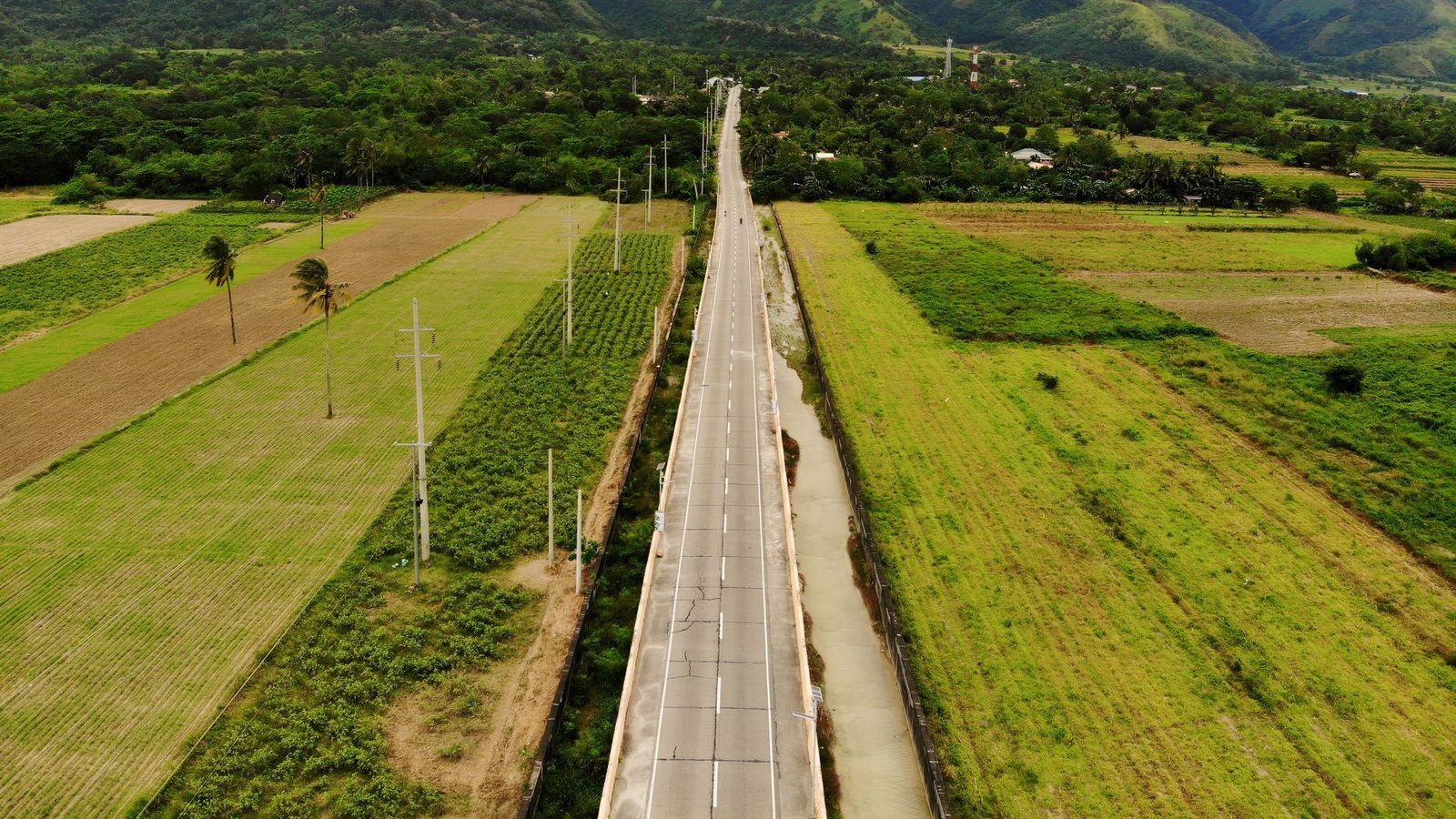
Buying land in the Philippines: titled lots, tax declarations and the traps (2026)
Land is where Philippine property dreams start and where most of the horror stories live. A lot has no doorbell to ring, no neighbors who lived through the title's history, and often no fence between what the seller shows you and what the paper says you are buying. That gap is exactly where careless buyers fall in, and it is why buying a lot rewards paperwork discipline more than any other purchase in the market. Coastal lots carry rules of their own, from the public easement along the shore to foreshore land that cannot be titled at all; see our guide to beachfront property in the Philippines.
Here is how to buy land properly in 2026: the kinds of ownership paper you will meet, the checks that matter, financing realities, and the traps that repeat year after year.
The paper decides everything
With land, the document you are offered defines the deal.
A Torrens title (an Original or Transfer Certificate of Title) is the gold standard: registered land, an owner of record at the Registry of Deeds, a boundary defined by a technical description. This is what "titled lot" means, and it is what you want.
A tax declaration only is not ownership. It is a tax record at the Assessor's Office, and plenty of honest families hold land this way, but buying "rights" over tax-declared land means buying a claim, not a title, with the titling burden and its risks landing on you. Price it accordingly, and involve a lawyer before any money moves.
Patent and reform titles carry strings. Land acquired through free patents or agrarian reform (a CLOA) can carry restrictions on sale or transfer for a number of years, and agricultural land in general may need clearances before it can change hands or use. If the title on the table traces to one of these, the restriction dates matter as much as the price.
Our guide to verifying a land title covers the Registry of Deeds check step by step; for raw land, add one more professional to the budget: a geodetic engineer for a relocation survey, so the corners on the ground match the technical description on the paper. Boundary surprises are the most common post-purchase heartbreak.
The checklist beyond the title
- Zoning and use. Confirm with the city or municipal planning office what the lot is zoned for. Farmland does not become a subdivision by wishing, and converting agricultural land to residential use is a process, not a formality.
- Access. A lot with no legal road access is worth a fraction of one with it. If access crosses someone else's land, you want a registered right of way, not a neighborly promise.
- Occupants and tenants. Informal settlers and agricultural tenants have legal protections that survive the sale. Walk the land, ask around the barangay, and treat any occupied lot as a different transaction.
- The mother title problem. If you are buying a portion of a bigger parcel, the subdivision of the title into your own has to actually happen, with a survey and Registry work. Until your title exists, you own a promise.
- Utilities and flood. Water, power distance, and how the land behaves in the wet season all price in eventually; better they price in before you sign.
Paying for land
Financing is the quiet surprise: banks are far more conservative with raw land than with houses, and many simply will not mortgage an empty lot, which is why so much land sells for cash or on developer installment terms. Pag-IBIG does finance lot purchases within its programs, and subdivision developers sell lots on installment, where the Maceda Law protections apply just as they do for houses. If the plan is to buy now and build later, our guide to building a house from abroad covers the construction side.
One more rule that surprises foreigners: land ownership is constitutionally reserved for Filipinos. A foreign buyer can own a condo unit but not the lot under a house, with the workarounds and limits explained in the foreign buyer's guide.
The traps that repeat
The double sale, where one lot is sold to two buyers and the one who registers first in good faith usually wins, which is why you register the sale immediately rather than someday. The fake title, printed well enough to pass a glance, which dies under a certified true copy request at the Registry. The "clean" title with an unregistered heir, resolved only by checking the seller's chain and civil status. The bargain lot that turns out to be road, easement, timberland or someone's retention area. None of these survive the boring checks; all of them feast on buyers in a hurry.
Land rewards patience like nothing else in the market: verified paper, a relocation survey, a registered deed, and the lot is yours in the fullest sense the law allows. Browse the current lots and land for sale, compare asking prices per square meter with the price tool, and when the paper checks out, move decisively. This is general information, not legal advice; land cases turn on specifics, so put a lawyer and a geodetic engineer on anything that matters.
Frequently asked questions
What is the difference between a titled lot and a tax declaration?
A Torrens title (OCT or TCT) is registered ownership at the Registry of Deeds with a defined technical description: that is what a titled lot means. A tax declaration is only a tax record at the Assessor's Office; buying tax-declared land means buying a claim rather than a title, with the titling burden and risk passing to you, so it should be priced and lawyered accordingly.
What should I check before buying a lot?
Verify the title at the Registry of Deeds, commission a relocation survey from a geodetic engineer so the corners match the paper, confirm zoning with the planning office, secure legal road access, check for occupants or agricultural tenants whose rights survive a sale, and if buying part of a bigger parcel, remember you own nothing until the subdivided title actually exists.
Can I get a loan to buy land in the Philippines?
It is harder than for a house: many banks will not mortgage raw land, so lots often sell for cash or on developer installment terms. Pag-IBIG finances lot purchases within its programs, and installment buyers of subdivision lots enjoy Maceda Law protections just as house buyers do.
Can foreigners buy land in the Philippines?
No. Land ownership is constitutionally reserved for Filipino citizens; foreigners can own condominium units but not the lot under a house. Common legal routes are long term leases, ownership through a Filipino spouse, or buying a condo instead.
Pagbili ng lupa sa Pilipinas: titled lots, tax declarations at ang mga patibong (2026)
Sa lupa nagsisimula ang pangarap ng maraming Pilipino sa property, at doon din nakatira ang karamihan ng mga horror story. Ang isang lot ay walang doorbell na pwedeng pindutin, walang kapitbahay na nakasaksi sa kasaysayan ng title, at madalas walang bakod sa pagitan ng ipinapakita sa iyo ng seller at ng nakasulat sa papel na binibili mo. Sa puwang na iyon nahuhulog ang mga pabayang buyer, kaya sa pagbili ng lot, mas malaki ang gantimpala ng disiplina sa papeles kaysa sa kahit anong ibang uri ng transaksyon sa merkado. May sariling mga patakaran ang mga coastal lot, mula sa public easement sa tabi ng dalampasigan hanggang sa foreshore land na hindi puwedeng ma-title; tingnan ang aming gabay sa beachfront property sa Pilipinas.
Ito ang tamang paraan ng pagbili ng lupa sa 2026: ang mga uri ng dokumento ng pagmamay-ari na makakasalubong mo, ang mga pagsusuring mahalaga, ang realidad ng financing, at ang mga patibong na paulit-ulit taun-taon.
Ang papel ang nagpapasya sa lahat
Sa lupa, ang dokumentong iniaalok sa iyo ang nagtatakda ng deal.
Ang Torrens title (Original o Transfer Certificate of Title) ang gold standard: rehistradong lupa, may owner of record sa Registry of Deeds, at boundary na tinutukoy ng technical description. Ito ang ibig sabihin ng "titled lot", at ito ang gusto mo.
Ang tax declaration lang ay hindi pagmamay-ari. Ito ay tax record sa Assessor's Office, at maraming tapat na pamilya ang ganito ang hawak sa lupa, pero ang pagbili ng "rights" sa tax-declared na lupa ay pagbili ng claim, hindi ng title, at ikaw ang papasan sa gastos at panganib ng pagpapa-title. Ipresyo ito nang naaayon, at isali ang abogado bago gumalaw ang kahit anong pera.
Ang patent at reform titles ay may kaakibat na kondisyon. Ang lupang nakuha sa pamamagitan ng free patent o agrarian reform (isang CLOA) ay maaaring may restriction sa pagbenta o paglipat sa loob ng ilang taon, at ang agricultural land sa pangkalahatan ay maaaring mangailangan ng clearance bago ito mailipat o mapalitan ng gamit. Kung ang title na nasa mesa ay nagmula sa isa sa mga ito, kasinghalaga ng presyo ang mga petsa ng restriction.
Ang aming gabay sa pag-verify ng land title ay nagpapaliwanag ng Registry of Deeds check nang paisa-isang hakbang; para sa raw land, magdagdag ng isa pang propesyonal sa budget: isang geodetic engineer para sa relocation survey, para tumugma ang mga corner sa mismong lupa sa technical description sa papel. Ang sorpresa sa boundary ang pinakakaraniwang sakit ng ulo pagkatapos ng bilihan.
Ang checklist lampas sa title
- Zoning at gamit. Kumpirmahin sa city o municipal planning office kung ano ang zoning ng lot. Ang farmland ay hindi nagiging subdivision dahil lang hiniling mo, at ang pag-convert ng agricultural land sa residential use ay isang proseso, hindi pormalidad lang.
- Access. Ang lot na walang legal na daanan ay katiting lang ang halaga kumpara sa mayroon. Kung ang daanan ay dumadaan sa lupa ng iba, kailangan mo ng registered right of way, hindi pangako lang ng kapitbahay.
- Mga nakatira at tenant. Ang mga informal settler at agricultural tenant ay may legal na proteksyon na hindi nabubura ng bentahan. Lakarin ang lupa, magtanong-tanong sa barangay, at ituring na ibang klase ng transaksyon ang kahit anong lot na may nakatira.
- Ang problema sa mother title. Kung bumibili ka ng bahagi ng mas malaking parcel, kailangang aktwal na mangyari ang subdivision ng title para maging sa iyo, kasama ang survey at trabaho sa Registry. Hangga't wala pa ang title mo, pangako pa lang ang hawak mo.
- Utilities at baha. Ang tubig, layo ng kuryente, at kung paano umaasta ang lupa sa tag-ulan ay papasok din sa presyo balang araw; mas mabuting pumasok ang mga iyon sa presyo bago ka pumirma.
Pagbabayad sa lupa
Ang financing ang tahimik na sorpresa: mas konserbatibo ang mga bangko sa raw land kaysa sa mga bahay, at marami ang talagang ayaw mag-mortgage ng bakanteng lot, kaya karamihan ng lupa ay nabebenta nang cash o sa installment terms ng developer. Ang Pag-IBIG ay nagpo-finance ng lot purchase sa loob ng mga programa nito, at ang mga subdivision developer ay nagbebenta ng lots sa installment, kung saan tumatalab ang proteksyon ng Maceda Law gaya rin sa mga bahay. Kung ang plano ay bumili ngayon at magtayo mamaya, ang aming gabay sa pagpapatayo ng bahay mula abroad ang sumasakop sa panig ng construction.
Isa pang patakaran na ikinagugulat ng mga dayuhan: ang pagmamay-ari ng lupa ay nakalaan sa Constitution para sa mga Pilipino. Ang foreign buyer ay maaaring magmay-ari ng condo unit pero hindi ng lot sa ilalim ng bahay, at ang mga workaround at limitasyon ay ipinaliwanag sa gabay para sa foreign buyer.
Ang mga patibong na paulit-ulit
Ang double sale, kung saan ang isang lot ay ibinenta sa dalawang buyer at kadalasang panalo ang unang nagparehistro in good faith, kaya dapat irehistro mo agad ang sale at hindi "sa susunod na lang". Ang pekeng title, na maayos ang pagkaka-print para makalusot sa mabilisang tingin, pero bumabagsak sa certified true copy request sa Registry. Ang "malinis" na title na may hindi rehistradong tagapagmana, na naaayos lang sa pagsusuri ng chain at civil status ng seller. Ang murang lot na kalaunan ay kalsada pala, easement, timberland, o retention area ng iba. Wala sa mga ito ang nakakaligtas sa boring na mga pagsusuri; lahat ng mga ito ay nagpipiging sa mga nagmamadaling buyer.
Walang kapantay ang lupa sa paggantimpala sa pasensya sa buong merkado: verified na papel, relocation survey, registered deed, at ang lot ay sa iyo na sa pinakabuong kahulugang pinapayagan ng batas. I-browse ang kasalukuyang lots at lupang binebenta, ikumpara ang asking price kada square meter gamit ang price tool, at kapag pumasa na ang papeles, kumilos nang mabilis at may katiyakan. Pangkalahatang impormasyon ito, hindi legal advice; ang mga kaso sa lupa ay nakasalalay sa detalye, kaya maglagay ng abogado at geodetic engineer sa kahit anong bagay na mahalaga.
Mga madalas itanong
Ano ang pinagkaiba ng titled lot at tax declaration?
Ang Torrens title (OCT o TCT) ay rehistradong ownership sa Registry of Deeds na may defined technical description: iyon ang ibig sabihin ng titled lot. Ang tax declaration ay record lang sa Assessor's Office para sa buwis; kapag bumili ka ng tax-declared na lupa, claim ang binibili mo at hindi titulo, at ikaw ang mag-aako ng gastos at risk ng pagpapa-title, kaya dapat mas mababa ang presyo at may kasama kang abogado.
Ano ang dapat kong i-check bago bumili ng lote?
I-verify ang title sa Registry of Deeds, magpa-relocation survey sa geodetic engineer para tugma ang mga corner sa papel, kumpirmahin ang zoning sa planning office, siguraduhing may legal na daanan papasok, i-check kung may mga occupant o agricultural tenant na may karapatang hindi nawawala kahit maibenta, at kung bahagi ng mas malaking parcel ang bibilhin mo, tandaang wala ka pang pag-aari hangga't wala pa talaga ang subdivided title.
Pwede ba akong umutang para bumili ng lupa sa Pilipinas?
Mas mahirap ito kaysa sa bahay: maraming bangko ang ayaw mag-mortgage ng raw land, kaya madalas cash o developer installment terms ang bentahan ng lote. May financing ang Pag-IBIG para sa lot purchase sa loob ng mga programa nito, at ang mga installment buyer ng subdivision lots ay protektado rin ng Maceda Law tulad ng mga bumibili ng bahay.
Pwede bang bumili ng lupa ang mga foreigner sa Pilipinas?
Hindi. Ang pagmamay-ari ng lupa ay nakalaan sa Constitution para sa mga Filipino citizen; pwedeng magmay-ari ang foreigner ng condominium unit pero hindi ng lote sa ilalim ng bahay. Ang mga karaniwang legal na ruta ay long term lease, ownership sa pamamagitan ng Filipino spouse, o pagbili na lang ng condo.
Pagpalit og yuta sa Pilipinas: titled lots, tax declarations ug ang mga lit-ag (2026)
Sa yuta magsugod ang damgo sa daghang Pilipino bahin sa property, ug didto pud nagpuyo ang kadaghanan sa mga horror story. Ang usa ka lot walay doorbell nga maduot, walay silingan nga nakasaksi sa kasaysayan sa title, ug kasagaran walay koral tali sa gipakita nimo sa seller ug sa nakasulat sa papel nga imong gipalit. Anang gintanga mahulog ang mga danghag nga buyer, maong sa pagpalit og lot, mas dako ang ganti sa disiplina sa papeles kaysa bisan unsang klase sa transaksyon sa merkado. Ang mga coastal lot adunay kaugalingong mga lagda, gikan sa public easement ubay sa baybayon hangtod sa foreshore land nga dili gayod ma-title; tan-awa ang among giya sa beachfront property sa Pilipinas.
Mao kini ang hustong paagi sa pagpalit og yuta sa 2026: ang mga klase sa dokumento sa pagpanag-iya nga imong masugatan, ang mga pagsusi nga importante, ang tinuod nga kahimtang sa financing, ug ang mga lit-ag nga balik-balik matag tuig.
Ang papel maoy magbuot sa tanan
Sa yuta, ang dokumentong gitanyag kanimo maoy magtakda sa deal.
Ang Torrens title (Original o Transfer Certificate of Title) mao ang gold standard: rehistradong yuta, adunay owner of record sa Registry of Deeds, ug boundary nga gitino sa technical description. Mao ni ang buot ipasabot sa "titled lot", ug mao ni ang imong gusto.
Ang tax declaration ra dili pagpanag-iya. Tax record kini sa Assessor's Office, ug daghang matinud-anon nga pamilya ang ingon ani og paghupot sa yuta, apan ang pagpalit og "rights" sa tax-declared nga yuta pagpalit og claim, dili og title, ug ikaw ang mopas-an sa kabug-at ug risgo sa pagpa-title. Presyohi kini nga angay, ug apili og abogado una molihok ang bisan unsang kwarta.
Ang patent ug reform titles adunay mga kondisyon. Ang yutang nakuha pinaagi sa free patent o agrarian reform (usa ka CLOA) mahimong adunay restriction sa pagbaligya o pagbalhin sulod sa pila ka tuig, ug ang agricultural land sa kinatibuk-an mahimong magkinahanglan og clearance una kini mabalhin og tag-iya o mausab ang gamit. Kung ang title nga naa sa lamesa naggikan sa usa niini, ang mga petsa sa restriction sama ka importante sa presyo.
Ang among giya sa pag-verify sa land title nagpasabot sa Registry of Deeds check sa tinagsa ka lakang; para sa raw land, pagdugang og usa pa ka propesyonal sa budget: usa ka geodetic engineer para sa relocation survey, aron ang mga corner diha mismo sa yuta motakdo sa technical description sa papel. Ang sorpresa sa boundary mao ang pinakakomon nga kasakit human sa pagpalit.
Ang checklist lapas sa title
- Zoning ug gamit. Kumpirmaha sa city o municipal planning office kung unsa ang zoning sa lot. Ang farmland dili mahimong subdivision tungod lang sa pangandoy, ug ang pag-convert sa agricultural land ngadto sa residential use usa ka proseso, dili lang pormalidad.
- Access. Ang lot nga walay legal nga agianan gamay ra kaayo og bili kumpara sa naa. Kung ang agianan moagi sa yuta sa uban, kinahanglan nimo og registered right of way, dili lang saad sa silingan.
- Mga nagpuyo ug tenant. Ang mga informal settler ug agricultural tenant adunay legal nga proteksyon nga dili mapapas sa pagbaligya. Baktasa ang yuta, pangutana sa barangay, ug isipa nga lahi nga transaksyon ang bisan unsang lot nga adunay nagpuyo.
- Ang problema sa mother title. Kung mopalit ka og bahin sa mas dako nga parcel, kinahanglan gyud mahitabo ang subdivision sa title ngadto sa imoha, uban ang survey ug trabaho sa Registry. Samtang wala pa ang imong title, saad pa lang ang imong gihuptan.
- Utilities ug baha. Ang tubig, gilay-on sa kuryente, ug kung unsa ang lihok sa yuta sa ting-ulan mosulod ra gyud sa presyo sa kadugayan; mas maayo nga mosulod kini sa presyo una ka mopirma.
Pagbayad sa yuta
Ang financing mao ang hilom nga sorpresa: mas konserbatibo ang mga bangko sa raw land kaysa sa mga balay, ug daghan ang dili gyud mo-mortgage og bakanteng lot, maong kadaghanan sa yuta gibaligya og cash o pinaagi sa installment terms sa developer. Ang Pag-IBIG nagpa-finance og lot purchase sulod sa mga programa niini, ug ang mga subdivision developer namaligya og lots sa installment, diin ang proteksyon sa Maceda Law mogamit sama ra sa mga balay. Kung ang plano mopalit karon ug magtukod unya, ang among giya sa pagtukod og balay gikan sa abroad maoy naglangkob sa bahin sa construction.
Usa pa ka lagda nga makapakurat sa mga langyaw: ang pagpanag-iya sa yuta gigahin sa Constitution para sa mga Pilipino. Ang foreign buyer mahimong manag-iya og condo unit apan dili sa lot ilalom sa balay, ug ang mga workaround ug limitasyon gipasabot sa giya para sa foreign buyer.
Ang mga lit-ag nga balik-balik
Ang double sale, diin ang usa ka lot gibaligya sa duha ka buyer ug kasagaran modaog ang unang nagparehistro in good faith, maong kinahanglan irehistro dayon ang sale, dili "sunod na lang". Ang peke nga title, nga maayo ang pagka-print aron makalusot sa kadali nga tan-aw, apan mapukan sa certified true copy request sa Registry. Ang "limpyo" nga title nga adunay wala marehistro nga manununod, nga masulbad lang pinaagi sa pagsusi sa chain ug civil status sa seller. Ang barato nga lot nga sa kadugayan kalsada diay, easement, timberland, o retention area sa uban. Walay usa niini nga makalingkawas sa boring nga mga pagsusi; tanan kini magkombira sa mga nagdali nga buyer.
Walay makatupong sa yuta sa pagganti sa pailob sa tibuok merkado: verified nga papel, relocation survey, registered deed, ug ang lot imoha na sa pinakabug-os nga kahulogan nga gitugot sa balaod. I-browse ang kasamtangang lots ug yuta nga gibaligya, itandi ang asking price kada square meter gamit ang price tool, ug kung mopasar na ang papeles, lihok dayon nga desidido. Kinatibuk-ang impormasyon kini, dili legal advice; ang mga kaso sa yuta nagdepende sa detalye, maong pagbutang og abogado ug geodetic engineer sa bisan unsang butang nga importante.
Mga kasagarang pangutana
Unsa may kalainan sa titled lot ug tax declaration?
Ang Torrens title (OCT o TCT) rehistrado nga ownership sa Registry of Deeds nga naay klaro nga technical description: mao na ang buot ipasabot sa titled lot. Ang tax declaration record ra sa Assessor's Office para sa buhis; kung mopalit ka ug tax-declared nga yuta, claim ang imong gipalit ug dili titulo, ug ikaw ang mopas-an sa gasto ug risgo sa pagpa-title, mao nga angay mas ubos ang presyo ug naay abogado nga kauban.
Unsa akong susihon una mopalit ug lote?
I-verify ang title sa Registry of Deeds, pagpa-relocation survey sa geodetic engineer aron motakdo ang mga corner sa papel, kumpirmaha ang zoning sa planning office, siguruha nga naay legal nga agianan pasulod, susiha kung naay mga occupant o agricultural tenant nga ang katungod dili mawala bisan mabaligya, ug kung parte sa mas dako nga parcel ang imong paliton, hinumdumi nga wala pa kay gipanag-iya hangtod wala pa gyud ang subdivided title.
Makahulam ba ko para mopalit ug yuta sa Pilipinas?
Mas lisod ni kaysa balay: daghang bangko dili mo-mortgage ug raw land, mao nga sagad cash o developer installment terms ang baligya sa lote. Naay financing ang Pag-IBIG para sa lot purchase sulod sa mga programa niini, ug ang mga installment buyer sa subdivision lots protektado sad sa Maceda Law sama sa mga mopalit ug balay.
Makapalit ba ug yuta ang mga foreigner sa Pilipinas?
Dili. Ang pagpanag-iya sa yuta gireserba sa Constitution para sa mga Filipino citizen; makapanag-iya ang foreigner ug condominium unit pero dili sa lote ilalom sa balay. Ang kasagarang legal nga ruta mao ang long term lease, ownership pinaagi sa Filipino spouse, o pagpalit na lang ug condo.
Browse properties on BalayHub
See all listings →
Read next
Lost Land Title in the Philippines: How to Replace It
A lost land title is replaced by court petition under Section 109 of PD 1529: steps, documents, 6 to 12 months and ₱50,000 to ₱200,000 in estimated costs.
Real Estate Broker Commission & PRC License Check (2026)
Real estate broker commission in the Philippines: 3% to 5% by custom, who pays, when it is earned, and how to verify a PRC license before you sign.
Condo Investment for Foreigners in the Philippines: the Math
Condo investment for foreigners in the Philippines: gross yields from 4.3% in Pasig to 11.9% in Davao, the 25% tax on non resident rent, and the 40% cap.