
Nov 20, 2026 · by BalayHub Admin · 7 min read
Buying a Resale Condo in the Philippines: Due Diligence List
Buying a resale condo in the Philippines: the CCT check, the dues clearance and Section 18 certificate, the 40% foreign cap, who pays the 6% and the 1.5%.
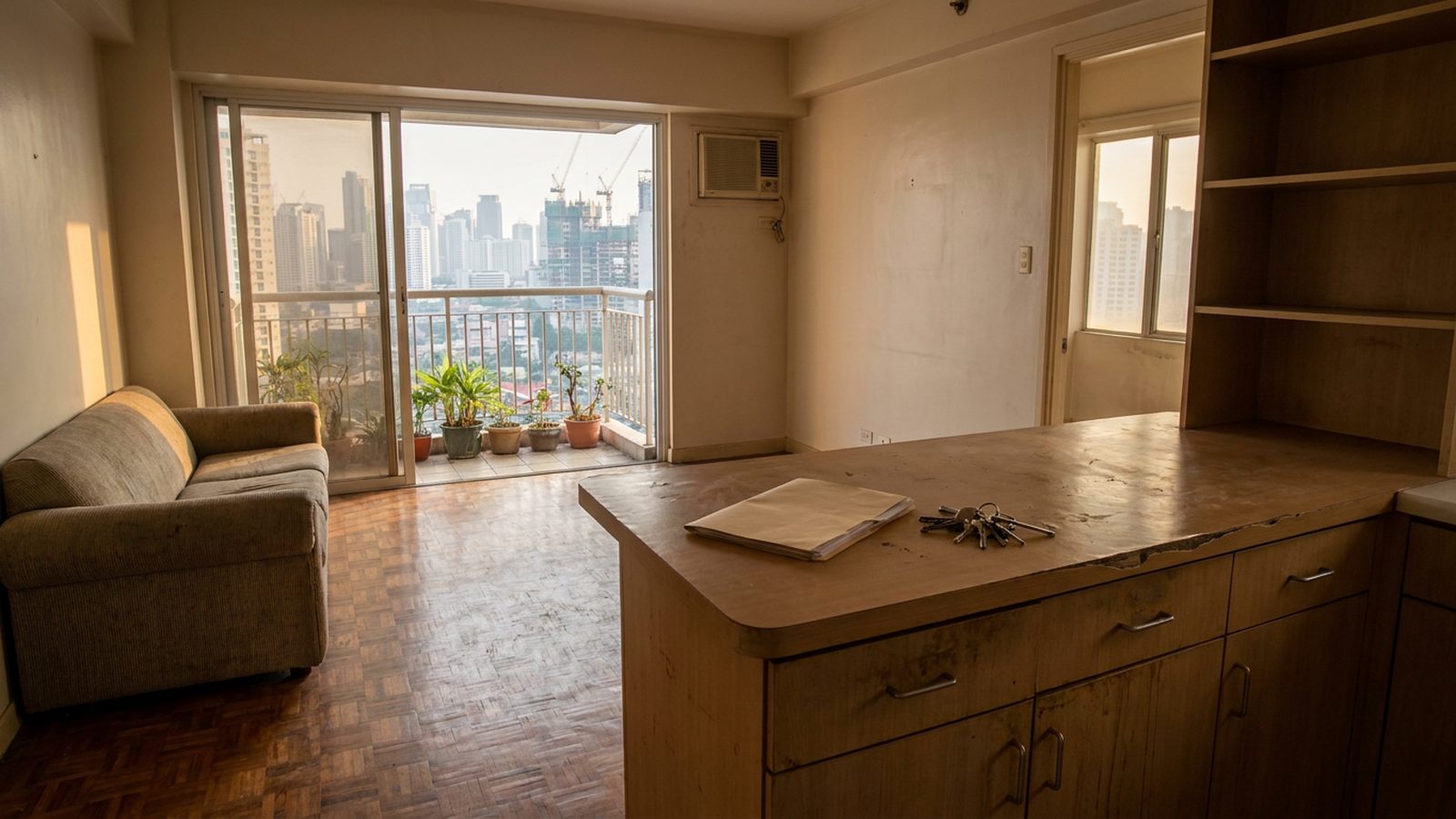
Buying a resale condo in the Philippines is a different transaction from buying from a developer, and the paperwork that protects you is different too. There is no reservation agreement, no license to sell to check, no turnover date to wait for. There is a unit that already exists, a seller who may or may not own it outright, a condominium corporation that has been billing that unit for years, and a title whose back pages record everything that has happened to it. The buyer's protection is a short list of documents, and this guide is that list.
The law behind most of it is Republic Act 4726, the Condominium Act, which we quote where it matters. Prices and running costs come from our own listing sample.
What you are actually buying
A condominium unit is more than the space inside the walls. Section 5 of RA 4726 provides that any transfer of a unit includes the transfer of the owner's undivided interest in the common areas, and Section 10 adds that membership in the condominium corporation cannot be transferred separately from the unit. When you buy a resale unit you therefore buy three things at once: the unit, a share of the land and common areas, and a seat in the corporation that runs them, with the dues and rules that come with it.
The title for all of this is a Condominium Certificate of Title, not a TCT, and our guide to TCT vs CCT explains what each covers. One rule follows directly from the shared land: the Condominium Act limits non-Filipino ownership so that Filipinos hold at least 60% of the project, which is why a foreign buyer must ask the corporation, in writing, whether the building still has room under the 40% ceiling before signing anything.
The CCT check
Ask the seller for the owner's duplicate CCT and order your own Certified True Copy from the Registry of Deeds, which you can do online as our guide on how to check a title online describes. Compare the two page by page. The owner block must match the seller's identification, including civil status and spouse, because a married seller needs the spouse's consent to sell. The unit number, floor and area must match what you are being shown.
Then read the Memorandum of Encumbrances on the back. A mortgage means a bank must be paid and the cancellation registered before the unit can be transferred to you. A notice of lis pendens or an adverse claim means someone else is asserting a right over the unit in or near a court. A registered notice of assessment means the corporation has already turned unpaid dues into a lien. Our guide to land title annotations decodes each entry. A clean back page is the normal state of a well kept unit; anything else needs to be cancelled before closing, not promised.
Dues, taxes and the corporation's paper
The condominium corporation is the second registry you must consult. Under Section 20 of RA 4726 every assessment is an obligation of the owner at the time it is made, and once the management body registers a notice of assessment it becomes a lien on the unit, superior to every lien registered after it except real property tax, enforceable by foreclosure. The lien follows the unit, not the seller. Before the deed is signed, obtain the corporation's clearance showing that dues, special assessments and utilities billed through the building are paid to date, and have any arrear settled out of the price at closing. What happens to an owner who stops paying, and therefore what you would inherit, is in our guide to unpaid condo dues.
You will need the corporation's paper for the transfer itself. Section 18 of the Condominium Act bars the Registry of Deeds from registering any conveyance of a unit after the original sale unless it is accompanied by a certificate of the management body stating that the conveyance complies with the declaration of restrictions. Ask early how long the corporation takes to issue it and what it charges.
Real property tax is assessed per unit. Section 25 makes each separately owned unit a separate taxable property, with the tax a lien solely on that unit, so ask for the tax declaration of the unit and the latest receipts, then obtain a tax clearance from the city treasurer. Finally, ask what the dues actually are: across most residential towers they run roughly ₱60 to ₱150 (about $0.94 to $2.4 / €0.86 to €2.1) per square meter per month, as our guide to condo association dues sets out, and the rate for this building is the number that will decide your monthly cost for as long as you own the unit.
The building itself
A resale unit comes with a building that has already shown its character. Read the master deed and declaration of restrictions, which Section 4 of RA 4726 requires to describe the land, the building, the common areas and the restrictions on use; a building that bans short-term rentals or pets will not change its mind for a new owner. Ask the administration for the latest audited financial statement of the corporation, the balance of its reserve or sinking fund, and whether any special assessment for repairs is pending or being discussed. Walk the common areas at night as well as in the day, and run the same physical checks on the unit that a new buyer runs at turnover, from water pressure to the ceiling under the unit above.
Age cuts both ways. An older building has settled its defects and its dues are predictable, but its elevators and pumps are closer to replacement. The trade-off between a finished building and a pre-selling one is the subject of our guide to RFO vs pre-selling condos.
What it costs to close, and who pays
A resale between private parties is taxed as the sale of a capital asset. The seller pays the 6% capital gains tax, computed on the highest of the selling price, the BIR zonal value and the assessor's market value, and files it within 30 days of the sale; the figures and deadlines are in our guide to capital gains tax on a property sale. The buyer customarily pays the documentary stamp tax of 1.5%, the local transfer tax, which the Local Government Code caps at 0.5% of the price or market value in provinces and at 0.75% in cities, plus registration and notarial fees. In round numbers the buyer's side comes to about 2.5% to 4% of the price and the seller's to 9% to 11% once a broker's commission is included, the split our guide to closing costs lays out line by line.
Agree in writing who pays what, and who pays the corporation's transfer and certificate fees, before the earnest money moves. Then put the agreed terms into a deed of absolute sale that copies the CCT number, the unit description and the parking slot, if one is included, exactly as the title states them. Ask whether the parking slot has its own CCT or is only a right of use under the master deed; the answer changes what you can sell later.
The checks in this guide take two to three weeks and cost less than a month of dues. On a ₱6,000,000 (about $94,100 / €85,600) unit, the median condo for sale in our listings, they are the difference between buying a home and buying someone else's unpaid bills.
This article summarizes RA 4726 and the Local Government Code as of November 2026 and is general information, not legal advice. Have the title and the corporation's documents reviewed by a lawyer before you sign.
Dollar and euro figures are approximate conversions at ₱63.8 per US dollar and ₱70.1 per euro (ECB reference rates, 2026-11-20).
Frequently asked questions
What documents should I check before buying a resale condo?
The seller's owner's duplicate Condominium Certificate of Title and your own Certified True Copy from the Registry of Deeds, compared page by page including the encumbrances on the back; the corporation's dues clearance and the Section 18 certificate it must issue for the transfer to be registered; the unit's tax declaration, latest real property tax receipts and a tax clearance; the master deed with its restrictions; and the seller's identification matching the owner block, with the spouse's consent if married.
Who pays the taxes when buying a resale condo in the Philippines?
By custom the seller pays the 6% capital gains tax, computed on the highest of the price, the zonal value and the assessor's value, and the broker's commission. The buyer pays the 1.5% documentary stamp tax, the local transfer tax of up to 0.5% in provinces and 0.75% in cities, and the registration and notarial fees. That puts the buyer's side at roughly 2.5% to 4% of the price and the seller's at 9% to 11%. Put the split in writing before any money moves.
Do unpaid condo dues transfer to the new owner?
The debt is the seller's, but under Section 20 of the Condominium Act a registered notice of assessment becomes a lien on the unit itself, superior to later liens except real property tax, and the corporation can foreclose on it. The lien stays with the unit whoever owns it. Get the corporation's clearance before signing and have any arrears paid out of the purchase price at closing, otherwise you inherit the problem.
Can a foreigner buy a resale condo in the Philippines?
Yes, within the Condominium Act's limit. Because every unit carries an undivided share of the land and common areas, Filipinos must hold at least 60% of the project, so foreign ownership is capped at 40% of the building. Before signing, ask the condominium corporation for written confirmation that the building still has room under that ceiling, because a transfer that breaches it cannot be registered.
What is a Section 18 certificate for a condo sale?
Section 18 of RA 4726 bars the Registry of Deeds from registering any conveyance of a condominium unit after the developer's original sale unless the deed is accompanied by a certificate from the management body confirming that the transfer complies with the declaration of restrictions. In practice the condominium corporation issues it once dues are cleared, so ask early how long it takes and what it costs, because without it the new title cannot be issued.
Ang pagbili ng resale condo sa Pilipinas ay ibang transaksyon kumpara sa pagbili mula sa developer, at iba rin ang mga papeles na nagpoprotekta sa iyo. Walang reservation agreement, walang license to sell na dapat i-check, walang turnover date na hihintayin. May unit na umiiral na, may seller na maaaring may-ari nito nang buo o hindi, may condominium corporation na matagal nang naniningil sa unit na iyon, at may title na ang mga likurang pahina ay nagtatala ng lahat ng nangyari dito. Ang proteksyon ng buyer ay isang maikling listahan ng mga dokumento, at ang gabay na ito ang listahang iyon.
Ang batas sa likod ng karamihan nito ay ang Republic Act 4726, ang Condominium Act, na sinisipi namin kung saan ito mahalaga. Ang mga presyo at gastusin sa pagpapatakbo ay mula sa sarili naming listing sample.
Ano talaga ang binibili mo
Ang condominium unit ay higit pa sa espasyong nasa loob ng mga pader. Isinasaad ng Section 5 ng RA 4726 na anumang paglilipat ng unit ay kasama ang paglilipat ng undivided interest ng may-ari sa mga common area, at idinaragdag ng Section 10 na ang pagiging miyembro sa condominium corporation ay hindi maaaring ilipat nang hiwalay sa unit. Kaya kapag bumili ka ng resale unit, tatlong bagay ang binibili mo nang sabay: ang unit, bahagi ng lupa at mga common area, at upuan sa korporasyong namamahala sa mga ito, kasama ang dues at mga tuntuning kaakibat nito.
Ang title para sa lahat ng ito ay Condominium Certificate of Title, hindi TCT, at ipinaliliwanag ng aming gabay sa TCT vs CCT kung ano ang sinasaklaw ng bawat isa. Isang tuntunin ang direktang sumusunod mula sa pinagsasaluhang lupa: nililimitahan ng Condominium Act ang pagmamay-ari ng hindi Pilipino upang hawak ng mga Pilipino ang hindi bababa sa 60% ng proyekto, kaya dapat magtanong ang dayuhang buyer sa korporasyon, nang nakasulat, kung may puwang pa ang gusali sa ilalim ng 40% na ceiling bago pumirma ng anuman.
Ang CCT check
Hingin sa seller ang owner's duplicate CCT at mag-order ng sarili mong Certified True Copy mula sa Registry of Deeds, na maaari mong gawin online gaya ng inilalarawan ng aming gabay sa paano i-check ang title online. Ihambing ang dalawa pahina por pahina. Dapat tumugma ang owner block sa identification ng seller, kabilang ang civil status at asawa, dahil kailangan ng kasal na seller ang pahintulot ng asawa para makapagbenta. Dapat tumugma ang unit number, palapag at area sa ipinapakita sa iyo.
Pagkatapos, basahin ang Memorandum of Encumbrances sa likod. Ang mortgage ay nangangahulugang may bangkong dapat bayaran at dapat irehistro ang kanselasyon bago mailipat sa iyo ang unit. Ang notice of lis pendens o adverse claim ay nangangahulugang may ibang taong iginigiit ang karapatan sa unit sa korte o malapit doon. Ang rehistradong notice of assessment ay nangangahulugang ginawa nang lien ng korporasyon ang hindi nabayarang dues. Binubuksan ng aming gabay sa mga anotasyon sa land title ang bawat entry. Ang malinis na likurang pahina ang normal na kalagayan ng maayos na inaalagaang unit; anumang iba pa ay kailangang kanselahin bago ang closing, hindi ipangako lamang.
Dues, buwis at mga papeles ng korporasyon
Ang condominium corporation ang ikalawang registry na dapat mong konsultahin. Sa ilalim ng Section 20 ng RA 4726, bawat assessment ay obligasyon ng may-ari sa oras na ito ginawa, at kapag nairehistro ng management body ang notice of assessment, nagiging lien ito sa unit, na nakatataas sa bawat lien na nairehistro pagkatapos nito maliban sa real property tax, at maipatutupad sa pamamagitan ng foreclosure. Sumusunod ang lien sa unit, hindi sa seller. Bago lagdaan ang deed, kunin ang clearance ng korporasyon na nagpapakitang bayad hanggang sa kasalukuyan ang dues, special assessments at mga utility na sinisingil sa pamamagitan ng gusali, at ipabayad ang anumang atraso mula sa presyo sa closing. Ang nangyayari sa may-aring tumigil sa pagbabayad, at samakatuwid ang mamanahin mo, ay nasa aming gabay sa hindi nabayarang condo dues.
Kakailanganin mo ang papeles ng korporasyon para sa mismong paglilipat. Ipinagbabawal ng Section 18 ng Condominium Act sa Registry of Deeds na irehistro ang anumang conveyance ng unit pagkatapos ng orihinal na bentahan maliban kung sinasamahan ito ng certificate ng management body na nagsasaad na ang conveyance ay sumusunod sa declaration of restrictions. Magtanong nang maaga kung gaano katagal bago ito mailabas ng korporasyon at magkano ang singil nito.
Ang real property tax ay ina-assess kada unit. Ginagawa ng Section 25 ang bawat hiwalay na pag-aaring unit na hiwalay na taxable property, na ang buwis ay lien lamang sa unit na iyon, kaya hingin ang tax declaration ng unit at ang pinakabagong mga resibo, pagkatapos kumuha ng tax clearance mula sa city treasurer. Sa wakas, itanong kung magkano talaga ang dues: sa karamihan ng mga residential tower, umaabot ang mga ito sa humigit-kumulang ₱60 hanggang ₱150 (mga $0.94 hanggang $2.4 / €0.86 hanggang €2.1) kada square meter kada buwan, gaya ng inilalatag ng aming gabay sa condo association dues, at ang rate para sa gusaling ito ang numerong magdedesisyon sa iyong buwanang gastos hangga't pag-aari mo ang unit.
Ang gusali mismo
Ang resale unit ay may kasamang gusaling naipakita na ang katangian nito. Basahin ang master deed at declaration of restrictions, na hinihingi ng Section 4 ng RA 4726 na ilarawan ang lupa, ang gusali, ang mga common area at ang mga paghihigpit sa paggamit; ang gusaling nagbabawal sa short-term rental o alagang hayop ay hindi magbabago ng isip para sa bagong may-ari. Hingin sa administrasyon ang pinakabagong audited financial statement ng korporasyon, ang balanse ng reserve o sinking fund nito, at kung may nakabinbin o pinag-uusapang special assessment para sa pagkukumpuni. Lakarin ang mga common area sa gabi at sa araw, at gawin sa unit ang parehong pisikal na pagsusuri na ginagawa ng bagong buyer sa turnover, mula sa water pressure hanggang sa kisame sa ilalim ng unit sa itaas.
Dalawang mukha ang edad. Ang mas lumang gusali ay naayos na ang mga depekto nito at predictable ang dues, pero mas malapit na palitan ang mga elevator at pump nito. Ang trade-off sa pagitan ng tapos nang gusali at pre-selling ang paksa ng aming gabay sa RFO vs pre-selling condo.
Magkano ang gastos sa closing, at sino ang nagbabayad
Ang resale sa pagitan ng mga pribadong partido ay binubuwisan bilang bentahan ng capital asset. Binabayaran ng seller ang 6% na capital gains tax, na kinukwenta sa pinakamataas sa selling price, BIR zonal value at market value ng assessor, at ini-file ito sa loob ng 30 araw mula sa bentahan; ang mga figure at deadline ay nasa aming gabay sa capital gains tax sa pagbebenta ng property. Ang buyer ang karaniwang nagbabayad ng documentary stamp tax na 1.5%, ng local transfer tax, na nililimitahan ng Local Government Code sa 0.5% ng presyo o market value sa mga probinsya at sa 0.75% sa mga lungsod, dagdag pa ang registration at notarial fees. Sa bilugang numero, umaabot ang panig ng buyer sa humigit-kumulang 2.5% hanggang 4% ng presyo at ang panig ng seller sa 9% hanggang 11% kapag isinama ang komisyon ng broker, ang hatiang inilalatag linya por linya ng aming gabay sa closing costs.
Magkasundo nang nakasulat kung sino ang magbabayad ng ano, at kung sino ang magbabayad ng transfer at certificate fees ng korporasyon, bago gumalaw ang earnest money. Pagkatapos, ilagay ang napagkasunduang termino sa isang deed of absolute sale na kinokopya ang CCT number, ang paglalarawan ng unit at ang parking slot, kung kasama, nang eksakto gaya ng nakasaad sa title. Itanong kung ang parking slot ay may sariling CCT o right of use lamang sa ilalim ng master deed; nagbabago sa sagot ang maaari mong ibenta sa hinaharap.
Ang mga pagsusuri sa gabay na ito ay tumatagal ng dalawa hanggang tatlong linggo at nagkakahalaga ng mas mababa sa isang buwang dues. Sa unit na ₱6,000,000 (mga $94,100 / €85,600), ang median na condo for sale sa aming mga listing, ang mga ito ang pagkakaiba sa pagitan ng pagbili ng tahanan at pagbili ng hindi nabayarang bill ng iba.
Binubuod ng artikulong ito ang RA 4726 at ang Local Government Code noong Nobyembre 2026 at ito ay pangkalahatang impormasyon, hindi legal na payo. Ipasuri ang title at ang mga dokumento ng korporasyon sa isang abogado bago ka pumirma.
Tinatayang conversion lang ang mga halaga sa dollar at euro, sa ₱63.8 kada US dollar at ₱70.1 kada euro (ECB reference rates, 2026-11-20).
Mga madalas itanong
Anong mga dokumento ang dapat kong suriin bago bumili ng resale condo?
Ang owner's duplicate Condominium Certificate of Title ng seller at ang sarili mong Certified True Copy mula sa Registry of Deeds, na inihambing pahina por pahina kabilang ang mga encumbrance sa likod; ang dues clearance ng korporasyon at ang Section 18 certificate na dapat nitong ilabas para mairehistro ang paglilipat; ang tax declaration ng unit, ang pinakabagong mga resibo ng real property tax at tax clearance; ang master deed kasama ang mga paghihigpit nito; at ang identification ng seller na tumutugma sa owner block, kasama ang pahintulot ng asawa kung kasal.
Sino ang nagbabayad ng buwis sa pagbili ng resale condo sa Pilipinas?
Sa kaugalian, binabayaran ng seller ang 6% na capital gains tax, na kinukwenta sa pinakamataas sa presyo, zonal value at value ng assessor, at ang komisyon ng broker. Binabayaran ng buyer ang 1.5% na documentary stamp tax, ang local transfer tax na hanggang 0.5% sa mga probinsya at 0.75% sa mga lungsod, at ang registration at notarial fees. Inilalagay nito ang panig ng buyer sa humigit-kumulang 2.5% hanggang 4% ng presyo at ang panig ng seller sa 9% hanggang 11%. Isulat ang hatian bago gumalaw ang anumang pera.
Nalilipat ba sa bagong may-ari ang hindi nabayarang condo dues?
Ang utang ay sa seller, pero sa ilalim ng Section 20 ng Condominium Act, ang rehistradong notice of assessment ay nagiging lien sa mismong unit, na nakatataas sa mga susunod na lien maliban sa real property tax, at maaari itong i-foreclose ng korporasyon. Nananatili ang lien sa unit sinuman ang may-ari. Kunin ang clearance ng korporasyon bago pumirma at ipabayad ang anumang atraso mula sa presyo ng pagbili sa closing, kung hindi, mamanahin mo ang problema.
Makakabili ba ng resale condo ang dayuhan sa Pilipinas?
Oo, sa loob ng limitasyon ng Condominium Act. Dahil bawat unit ay may kasamang undivided share sa lupa at mga common area, dapat hawak ng mga Pilipino ang hindi bababa sa 60% ng proyekto, kaya nililimitahan ang pagmamay-ari ng dayuhan sa 40% ng gusali. Bago pumirma, humingi sa condominium corporation ng nakasulat na kumpirmasyon na may puwang pa ang gusali sa ilalim ng ceiling na iyon, dahil hindi mairerehistro ang paglilipat na lumalabag dito.
Ano ang Section 18 certificate para sa bentahan ng condo?
Ipinagbabawal ng Section 18 ng RA 4726 sa Registry of Deeds na irehistro ang anumang conveyance ng condominium unit pagkatapos ng orihinal na bentahan ng developer maliban kung sinasamahan ang deed ng certificate mula sa management body na nagkukumpirma na ang paglilipat ay sumusunod sa declaration of restrictions. Sa praktika, inilalabas ito ng condominium corporation kapag nalinis na ang dues, kaya magtanong nang maaga kung gaano ito katagal at magkano, dahil kung wala ito, hindi mailalabas ang bagong title.
Ang pagpalit og resale condo sa Pilipinas usa ka lahi nga transaksyon kaysa pagpalit gikan sa developer, ug lahi usab ang mga papeles nga manalipod kanimo. Walay reservation agreement, walay license to sell nga susihon, walay turnover date nga paabuton. Aduna ang usa ka unit nga anaa na, usa ka nagbaligya nga mahimong hingpit nga tag-iya niini o dili, usa ka condominium corporation nga nagsingil sa maong unit sulod sa daghang tuig, ug usa ka title kansang mga panid sa likod nagrekord sa tanang nahitabo niini. Ang panalipod sa mamalit usa ka mubo nga lista sa mga dokumento, ug kini nga giya mao kana nga lista.
Ang balaod luyo sa kadaghanan niini mao ang Republic Act 4726, ang Condominium Act, nga among gikutlo kon asa kini importante. Ang mga presyo ug gasto sa pagpadagan gikan sa among kaugalingong sample sa mga listing.
Unsa gayud ang imong gipalit
Ang usa ka condominium unit labaw pa sa luna sulod sa mga bungbong. Ang Section 5 sa RA 4726 naglatid nga ang bisan unsang pagbalhin sa usa ka unit naglakip sa pagbalhin sa undivided interest sa tag-iya sa mga common area, ug ang Section 10 nagdugang nga ang pagkamiyembro sa condominium corporation dili mabalhin nga lahi gikan sa unit. Busa kon mopalit ka og resale unit, tulo ka butang ang imong gipalit sa usa ka higayon: ang unit, usa ka bahin sa yuta ug sa mga common area, ug usa ka lingkoranan sa korporasyon nga nagdumala niini, uban ang mga dues ug mga lagda nga kauban niini.
Ang title alang niining tanan usa ka Condominium Certificate of Title, dili TCT, ug ang among giya bahin sa TCT vs CCT nagpasabot kon unsa ang gilangkob sa matag usa. Usa ka lagda ang direktang mosunod gikan sa gipaambit nga yuta: ang Condominium Act naglimit sa pagpanag-iya sa dili Pilipino aron ang mga Pilipino maghupot sa labing menos 60% sa proyekto, mao nga ang usa ka langyaw nga mamalit kinahanglan mangutana sa korporasyon, sa sinulat, kon aduna pa bay luna ang building ubos sa 40% nga kisame sa wala pa mopirma og bisan unsa.
Ang pagsusi sa CCT
Pangayoa ang nagbaligya sa owner's duplicate CCT ug mag-order sa imong kaugalingong Certified True Copy gikan sa Registry of Deeds, nga mahimo nimo online sama sa gihulagway sa among giya bahin sa unsaon pag-check sa title online. Itandi ang duha panid por panid. Ang bloke sa tag-iya kinahanglan motakdo sa identification sa nagbaligya, lakip ang civil status ug kapikas, tungod kay ang usa ka minyo nga nagbaligya nagkinahanglan sa pagtugot sa kapikas aron makabaligya. Ang numero sa unit, andana ug area kinahanglan motakdo sa gipakita kanimo.
Dayon basaha ang Memorandum of Encumbrances sa likod. Ang usa ka mortgage nagpasabot nga adunay bangko nga kinahanglan bayran ug ang cancellation marehistro sa wala pa mabalhin ang unit kanimo. Ang usa ka notice of lis pendens o adverse claim nagpasabot nga adunay laing tawo nga nag-angkon og katungod sa unit sa korte o duol niini. Ang usa ka rehistradong notice of assessment nagpasabot nga ang korporasyon nahimo na ang wala mabayri nga dues ngadto sa usa ka lien. Ang among giya bahin sa mga annotation sa land title nagpasabot sa matag entry. Ang limpyo nga panid sa likod mao ang normal nga kahimtang sa usa ka maayong pagkaatiman nga unit; ang bisan unsa pa kinahanglan kanselahon sa wala pa ang closing, dili isaad lamang.
Dues, buhis ug ang mga papeles sa korporasyon
Ang condominium corporation mao ang ikaduhang registry nga kinahanglan nimong konsultahon. Ubos sa Section 20 sa RA 4726, ang matag assessment usa ka obligasyon sa tag-iya sa panahon nga gihimo kini, ug kon marehistro na sa management body ang notice of assessment, mahimo kini nga lien sa unit, labaw sa matag lien nga narehistro human niini gawas sa real property tax, ug mapatuman pinaagi sa foreclosure. Ang lien mosunod sa unit, dili sa nagbaligya. Sa wala pa mapirmahan ang deed, kuhaa ang clearance sa korporasyon nga nagpakita nga bayad na hangtod karon ang dues, mga special assessment ug mga utility nga gisingil pinaagi sa building, ug ipabayad ang bisan unsang atraso gikan sa presyo sa closing. Ang mahitabo sa usa ka tag-iya nga mohunong sa pagbayad, ug busa ang imong mapanunod, anaa sa among giya bahin sa wala mabayri nga condo dues.
Kinahanglan nimo ang mga papeles sa korporasyon alang sa pagbalhin mismo. Ang Section 18 sa Condominium Act nagdili sa Registry of Deeds sa pagrehistro sa bisan unsang conveyance sa usa ka unit human sa orihinal nga baligya gawas kon ubanan kini og sertipiko sa management body nga nag-ingon nga ang conveyance nagsunod sa declaration of restrictions. Pangutana og sayo kon unsa ka dugay ang korporasyon mo-isyu niini ug pila ang singil.
Ang real property tax gi-assess kada unit. Ang Section 25 naghimo sa matag lahi nga gipanag-iya nga unit nga usa ka lahi nga taxable property, nga ang buhis usa ka lien sa maong unit lamang, busa pangayoa ang tax declaration sa unit ug ang pinakabag-o nga mga resibo, dayon kuhaa ang tax clearance gikan sa city treasurer. Sa katapusan, pangutana kon pila gayud ang dues: sa kadaghanan sa mga residential tower mokabat kini og mga ₱60 hangtod ₱150 (mga $0.94 hangtod $2.4 / €0.86 hangtod €2.1) kada square meter kada bulan, sama sa gilatid sa among giya bahin sa condo association dues, ug ang rate alang niini nga building mao ang numero nga modesisyon sa imong binulan nga gasto hangtod nga ikaw ang tag-iya sa unit.
Ang building mismo
Ang usa ka resale unit moabot uban ang usa ka building nga nagpakita na sa kinaiya niini. Basaha ang master deed ug declaration of restrictions, nga gikinahanglan sa Section 4 sa RA 4726 nga maghulagway sa yuta, sa building, sa mga common area ug sa mga restriksyon sa paggamit; ang usa ka building nga nagdili sa short-term rental o mga binuhing hayop dili mausab ang hunahuna alang sa usa ka bag-ong tag-iya. Pangayoa ang administrasyon sa pinakabag-o nga audited financial statement sa korporasyon, sa balanse sa reserve o sinking fund niini, ug kon aduna bay special assessment alang sa pag-ayo nga nagpaabot o gihisgotan. Laktawi ang mga common area sa gabii ug sa adlaw, ug himoa sa unit ang samang pisikal nga pagsusi nga ginahimo sa usa ka bag-ong mamalit sa turnover, gikan sa water pressure hangtod sa kisame ubos sa unit sa ibabaw.
Ang edad adunay duha ka bahin. Ang mas daan nga building nahusay na ang mga depekto niini ug ang dues niini matag-an, apan ang mga elevator ug bomba niini mas duol na sa pag-ilis. Ang baylo tali sa usa ka nahuman nga building ug usa ka pre-selling mao ang hilisgutan sa among giya bahin sa RFO vs pre-selling condo.
Pila ang gasto sa closing, ug kinsa ang mobayad
Ang usa ka resale tali sa pribadong mga partido gibuhisan isip baligya sa usa ka capital asset. Ang nagbaligya mobayad sa 6% capital gains tax, nga gikuwenta sa labing taas tali sa selling price, sa BIR zonal value ug sa market value sa assessor, ug mo-file niini sulod sa 30 ka adlaw gikan sa baligya; ang mga numero ug deadline anaa sa among giya bahin sa capital gains tax sa baligya sa propyedad. Ang mamalit nabatasan nga mobayad sa documentary stamp tax nga 1.5%, sa local transfer tax, nga gilimitahan sa Local Government Code sa 0.5% sa presyo o market value sa mga probinsya ug sa 0.75% sa mga siyudad, dugang sa mga registration ug notarial fee. Sa lingin nga mga numero, ang bahin sa mamalit mokabat og mga 2.5% hangtod 4% sa presyo ug ang sa nagbaligya 9% hangtod 11% kon ilakip na ang komisyon sa broker, ang pagbahin nga gilatid linya por linya sa among giya bahin sa closing costs.
Pagkauyon sa sinulat kon kinsa ang mobayad sa unsa, ug kinsa ang mobayad sa transfer ug certificate fee sa korporasyon, sa wala pa molihok ang earnest money. Dayon ibutang ang gikauyonan nga mga termino sa usa ka deed of absolute sale nga mokopya sa numero sa CCT, sa deskripsyon sa unit ug sa parking slot, kon lakip kini, eksakto sama sa gisulti sa title. Pangutana kon ang parking slot adunay kaugalingong CCT o usa lamang ka right of use ubos sa master deed; ang tubag mag-usab sa imong mabaligya sa umaabot.
Ang mga pagsusi niini nga giya mokabat og duha hangtod tulo ka semana ug mas barato pa sa usa ka bulan nga dues. Sa usa ka ₱6,000,000 (mga $94,100 / €85,600) nga unit, ang median nga condo nga gibaligya sa among mga listing, kini ang kalainan tali sa pagpalit og puloy-anan ug pagpalit sa wala mabayri nga mga bayronon sa laing tawo.
Kini nga artikulo nagsumaryo sa RA 4726 ug sa Local Government Code hangtod sa Nobyembre 2026 ug usa ka kinatibuk-ang impormasyon, dili legal nga tambag. Iparebyu ang title ug ang mga dokumento sa korporasyon sa usa ka abogado sa wala ka pa mopirma.
Banabana lang ang mga conversion sa dollar ug euro, sa ₱63.8 matag US dollar ug ₱70.1 matag euro (ECB reference rates, 2026-11-20).
Mga kasagarang pangutana
Unsa nga mga dokumento ang angay nakong susihon sa wala pa mopalit og resale condo?
Ang owner's duplicate Condominium Certificate of Title sa nagbaligya ug ang imong kaugalingong Certified True Copy gikan sa Registry of Deeds, nga gitandi panid por panid lakip ang mga encumbrance sa likod; ang dues clearance sa korporasyon ug ang Section 18 certificate nga kinahanglan niini i-isyu aron marehistro ang pagbalhin; ang tax declaration sa unit, ang pinakabag-o nga mga resibo sa real property tax ug usa ka tax clearance; ang master deed uban ang mga restriksyon niini; ug ang identification sa nagbaligya nga motakdo sa bloke sa tag-iya, uban ang pagtugot sa kapikas kon minyo.
Kinsa ang mobayad sa mga buhis sa pagpalit og resale condo sa Pilipinas?
Sumala sa nabatasan, ang nagbaligya mobayad sa 6% capital gains tax, nga gikuwenta sa labing taas tali sa presyo, sa zonal value ug sa value sa assessor, ug sa komisyon sa broker. Ang mamalit mobayad sa 1.5% documentary stamp tax, sa local transfer tax nga hangtod 0.5% sa mga probinsya ug 0.75% sa mga siyudad, ug sa mga registration ug notarial fee. Kana nagbutang sa bahin sa mamalit sa mga 2.5% hangtod 4% sa presyo ug sa nagbaligya sa 9% hangtod 11%. Ibutang ang pagbahin sa sinulat sa wala pa molihok ang bisan unsang kuwarta.
Mabalhin ba ang wala mabayri nga condo dues ngadto sa bag-ong tag-iya?
Ang utang iya sa nagbaligya, apan ubos sa Section 20 sa Condominium Act, ang usa ka rehistradong notice of assessment mahimong lien sa unit mismo, labaw sa mga ulahing lien gawas sa real property tax, ug ang korporasyon maka-foreclose niini. Ang lien magpabilin sa unit bisan kinsa ang tag-iya. Kuhaa ang clearance sa korporasyon sa wala pa mopirma ug ipabayad ang bisan unsang atraso gikan sa presyo sa pagpalit sa closing, kay kon dili, mapanunod nimo ang problema.
Makapalit ba ang usa ka langyaw og resale condo sa Pilipinas?
Oo, sulod sa limit sa Condominium Act. Tungod kay ang matag unit nagdala og undivided share sa yuta ug sa mga common area, ang mga Pilipino kinahanglan maghupot sa labing menos 60% sa proyekto, busa ang pagpanag-iya sa langyaw gilimitahan sa 40% sa building. Sa wala pa mopirma, pangayoa ang condominium corporation og sinulat nga kumpirmasyon nga aduna pa luna ang building ubos sa maong kisame, tungod kay ang usa ka pagbalhin nga molapas niini dili marehistro.
Unsa ang Section 18 certificate alang sa baligya sa condo?
Ang Section 18 sa RA 4726 nagdili sa Registry of Deeds sa pagrehistro sa bisan unsang conveyance sa usa ka condominium unit human sa orihinal nga baligya sa developer gawas kon ubanan ang deed og sertipiko gikan sa management body nga nagkumpirma nga ang pagbalhin nagsunod sa declaration of restrictions. Sa praktika, ang condominium corporation mo-isyu niini kon mahawan na ang dues, busa pangutana og sayo kon unsa ka dugay ug pila ang gasto, tungod kay kon wala kini, dili ma-isyu ang bag-ong title.
Browse properties on BalayHub
See all listings →
Read next
How to Read a Land Title in the Philippines, Field by Field
How to read a land title in the Philippines: the TCT number and transfer line, the owner block, the technical description, the encumbrances, how to verify.
Building Permit Cost Philippines: Steps, Who Signs (2026)
Building permit cost in the Philippines: ₱6.00 per sqm for a house, the clearances before it, who signs the plans, the 15-day rule, and the Fire Code tax.
Condo Turnover Delayed: Your Rights and How to Complain
Condo turnover delayed? PD 957 Section 23 lets you stop paying after notice or take back all you paid with legal interest. Steps, HSAC complaint, Maceda.