
Jul 18, 2026 · by BalayHub Admin · 5 min read
Funding a House Construction in the Philippines From Abroad
How to fund home construction in the Philippines from the US or abroad: Pag-IBIG construction loan releases, bank financing and a staged remittance build.
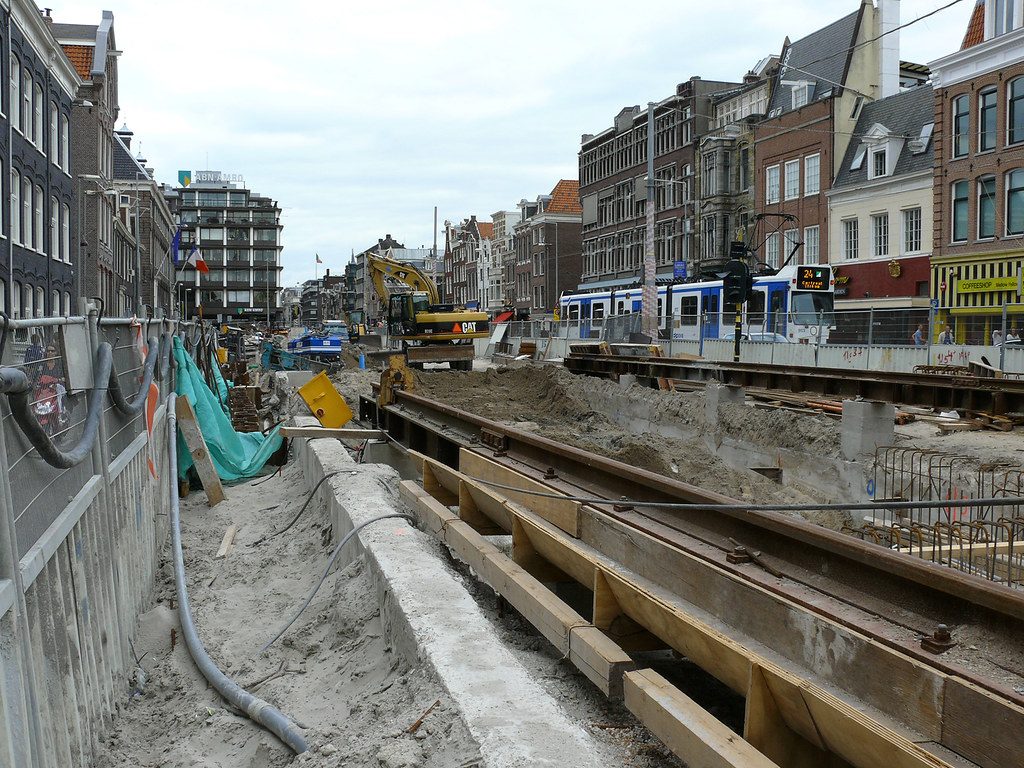
Plenty of OFWs own a lot back home and know exactly what they want to build on it. The sticking point is rarely the design or even the contractor. It is the money: how do you actually pay for a construction that runs eight months to a year, from another country, without wiring your savings into a hole you cannot inspect?
There are three realistic ways to fund a build from abroad, and each one fails in a different way when set up carelessly. This guide walks through all three, then the paperwork that makes any of them work remotely.
Option 1: the Pag-IBIG construction loan
Most people know Pag-IBIG financing for buying a finished home, but the same housing loan program covers house construction on a lot you already own, and even lot purchase plus construction in one loan. For an OFW paying member this is usually the cheapest money available, with the same rate tiers and terms as a regular purchase loan and amortization stretching up to 30 years.
Two things make a construction loan different from a purchase loan, and both matter more when you are abroad:
The first is that the lot title has to be in your name and clean, because the land is the collateral while the house does not exist yet. If your lot still sits under a Mother Title or the seller never transferred it properly, fix that first; our title transfer guide covers the process.
The second is that Pag-IBIG does not hand over the full amount on day one. Construction loans are released in tranches tied to actual progress on site. An inspector checks that the stage was really built before the next release moves. This annoys some borrowers, but for a remote owner it is a feature: the fund is effectively auditing your contractor for you.
On top of the loan basics you will need building plans signed by a licensed engineer or architect, a bill of materials and cost estimate, and the building permit. Assemble these before applying, not after. The application walkthrough covers the membership and document side, and the numbers behind rates and amortization are in our computation guide.
Option 2: a bank construction loan
Banks run construction financing too, with the same staged-release logic. Rates are typically higher than Pag-IBIG for mid-income builds, approval leans heavily on your income documents, and banks are stricter about accredited contractors and formal plans. Where banks win is speed on bigger amounts and more flexibility on high-value projects that exceed what Pag-IBIG will finance.
For an OFW the practical difference is documentation. Expect to show your employment contract, proof of remittance income, and to name an attorney-in-fact in the Philippines who can sign at each release. If you are choosing between the two routes, our Pag-IBIG versus bank comparison applies to construction the same way it does to purchases: run both quotes, compare the all-in monthly, and remember that the cheapest listed rate is not always the cheapest loan.
Option 3: cash by stages, the remittance build
A large share of OFW homes are built with no loan at all. You save, you remit, the build moves while the money lasts, then pauses. Done deliberately, this is a legitimate strategy: no interest, no bank, full control of pace.
Done casually, it is how horror stories start. The classic failure is sending a relative or contractor a lump sum for "the whole roof stage" and discovering on your next vacation that half of it went elsewhere. If you fund in cash, copy what the banks do:
- Split the project into defined stages with a scope you can photograph: foundation done, walls up, roof on, finishing.
- Release money per stage, after evidence, not on promises. Photos and videos with dates, ideally a walkthrough call from the site.
- Put the stage prices in the construction contract itself, so "we need more for cement" is a renegotiation, not a phone call.
- Keep the peso account in your name where possible, and time big transfers on decent exchange rates. The FX mechanics are the same as paying a mortgage from abroad: the spread costs you more than the wire fee.
The paperwork that makes remote funding possible
Whichever route you choose, three documents carry the whole thing while you are away.
The Special Power of Attorney names someone in the Philippines to sign loan releases, receive inspections and deal with the contractor. It must be specific about the property and the powers, notarized, and apostilled if signed abroad. We wrote a full guide to the SPA for overseas buyers, and everything in it applies to construction.
The construction contract should name stages, stage prices, deadlines and what happens when they slip. Vague one-page agreements are where most of the money disappears. Our guide on building a house from abroad covers realistic cost per square meter, the permits, and the contractor scams to watch for; read it before you sign anything.
And the building permit plus signed plans are not bureaucratic decoration. No permit means no loan releases, trouble at connection time for utilities, and a problem the day you sell.
How much should you budget?
Depends on finish level more than anything. Current build costs and the honest ranges are in the construction cost breakdown. For context on what finished houses actually sell for, the median house and lot on our listings asks around ₱8 million (about $128,000 / €110,000) nationwide, so compare that against your lot cost plus build cost before you commit: sometimes buying finished beats building, sometimes it is not close.
If you are still at the lot-hunting stage, start with the land buying guide and browse current lots for sale. Once the funding is mapped, the build itself becomes a management problem, and those are solvable from any timezone. This is general information rather than financial advice; confirm current Pag-IBIG rules and bank terms directly before committing, they change by circular.
Dollar and euro figures are approximate conversions at ₱62.5 per US dollar and ₱72.6 per euro (ECB reference rates, 2026-09-08).
Frequently asked questions
Can I use a Pag-IBIG loan to build a house on my own lot?
Yes. The Pag-IBIG housing loan program covers house construction on a lot you already own, and even lot purchase plus construction in a single loan, with the same rate tiers and terms up to 30 years as a purchase loan. The lot title must be clean and in your name because it serves as collateral, and the loan is released in tranches as construction progresses, verified by inspection.
How do banks release money for a house construction loan?
In stages, not upfront. Banks release construction financing in tranches tied to verified progress on site, the same logic Pag-IBIG uses. For an overseas borrower this means naming an attorney-in-fact in the Philippines through a Special Power of Attorney who can sign at each release.
Is it better to build with a loan or send remittances in stages?
A cash build by stages avoids interest entirely and many OFW homes are built this way. The risk is control: money released on promises rather than photographed, verified stages is how construction funds disappear. If you fund in cash, copy the banks: defined stages with prices written into the construction contract, and money released only after evidence.
What documents do I need to fund a construction from abroad?
Three carry most of the weight: a notarized and apostilled Special Power of Attorney naming your representative in the Philippines, a construction contract that specifies stages, stage prices and deadlines, and the building permit with plans signed by a licensed engineer or architect. Lenders will not release without the permit and plans.
Maraming OFW ang may sariling lote sa Pilipinas at alam na alam na kung ano ang gustong ipatayo doon. Ang problema ay bihirang ang design o kahit ang contractor. Ang pera talaga: paano mo babayaran ang construction na tatagal ng eight months hanggang one year, habang nasa ibang bansa ka, nang hindi mo lang basta ipinapadala ang ipon mo sa isang butas na hindi mo man lang ma-inspect?
May tatlong realistic na paraan para pondohan ang build mula abroad, at bawat isa ay may sariling paraan ng pagpalpak kapag pabaya ang setup. Tatalakayin ng guide na ito ang lahat ng tatlo, tapos ang mga papeles na nagpapagana sa alinman sa mga ito kahit malayo ka.
Option 1: ang Pag-IBIG construction loan
Karamihan sa atin, kilala ang Pag-IBIG financing para sa pagbili ng tapos nang bahay, pero ang parehong housing loan program ay sumasaklaw din sa house construction sa lote na pagmamay-ari mo na, at pati lot purchase plus construction sa iisang loan. Para sa OFW na paying member, ito kadalasan ang pinakamurang pera na makukuha mo, na may parehong rate tiers at terms tulad ng regular purchase loan, at amortization na umaabot hanggang 30 years.
Dalawang bagay ang nagpapaiba ng construction loan sa purchase loan, at parehong mas mahalaga kapag nasa abroad ka:
Una, kailangang nasa pangalan mo ang lot title at malinis ito, dahil ang lupa ang collateral habang wala pa ang bahay. Kung nasa ilalim pa ng Mother Title ang lote mo o hindi ito na-transfer nang maayos ng seller, ayusin muna iyon; sakop ng aming title transfer guide ang buong proseso.
Pangalawa, hindi ibibigay ng Pag-IBIG ang buong halaga sa day one. Ang construction loans ay nire-release in tranches na nakatali sa actual progress sa site. May inspector na magche-check kung natapos talaga ang stage bago gumalaw ang susunod na release. Nakakainis ito para sa ibang borrowers, pero para sa remote owner, feature ito: parang ang fund na mismo ang nag-a-audit ng contractor mo para sa iyo.
Bukod sa loan basics, kakailanganin mo ng building plans na pirmado ng licensed engineer o architect, bill of materials at cost estimate, at ang building permit. Ihanda ang mga ito bago mag-apply, hindi pagkatapos. Sakop ng application walkthrough ang membership at document side, at ang numbers sa likod ng rates at amortization ay nasa aming computation guide.
Option 2: bank construction loan
May construction financing din ang mga bangko, na may parehong staged-release na logic. Ang rates ay karaniwang mas mataas kaysa Pag-IBIG para sa mid-income builds, ang approval ay nakasalalay nang malaki sa income documents mo, at mas istrikto ang mga bangko pagdating sa accredited contractors at formal plans. Kung saan nananalo ang banks: mas mabilis sila sa malalaking halaga, at mas flexible sa high-value projects na lampas sa kayang i-finance ng Pag-IBIG.
Para sa OFW, ang practical na pagkakaiba ay nasa documentation. Asahan mong ipapakita mo ang employment contract mo, proof of remittance income, at magpapangalan ka ng attorney-in-fact sa Pilipinas na pwedeng pumirma sa bawat release. Kung namimili ka pa sa dalawang ruta, ang aming Pag-IBIG versus bank comparison ay applicable sa construction gaya ng sa purchases: kumuha ng parehong quotes, i-compare ang all-in monthly, at tandaang hindi laging pinakamurang loan ang may pinakamurang naka-advertise na rate.
Option 3: cash by stages, ang remittance build
Malaking bahagi ng mga bahay ng OFW ay itinayo nang walang kahit anong loan. Nag-iipon ka, nagre-remit, umuusad ang build habang may pera, tapos hihinto. Kapag sinadya at pinlano, lehitimong strategy ito: walang interest, walang bangko, ikaw ang may full control ng bilis.
Kapag basta-basta lang, dito nagsisimula ang mga horror story. Ang classic na palpak: pinadalhan mo ang kamag-anak o contractor ng lump sum para sa "buong roof stage" tapos sa susunod mong bakasyon, madidiskubre mong napunta sa iba ang kalahati. Kung cash ang pondo mo, gayahin ang ginagawa ng mga bangko:
- Hatiin ang project sa defined stages na may scope na kaya mong kunan ng litrato: tapos ang foundation, nakatayo ang walls, nakalagay ang roof, finishing.
- Mag-release ng pera per stage, pagkatapos ng ebidensya, hindi sa pangako. Photos at videos na may dates, ideally may walkthrough call mula mismo sa site.
- Ilagay ang stage prices sa construction contract mismo, para ang "kulang pa para sa semento" ay maging renegotiation, hindi lang isang tawag sa telepono.
- Hangga't maaari, panatilihin ang peso account sa pangalan mo, at i-time ang malalaking transfer sa magandang exchange rates. Pareho lang ang FX mechanics sa pagbabayad ng mortgage mula abroad: mas malaki ang kinakain sa iyo ng spread kaysa sa wire fee.
Ang papeles na nagpapaposible ng remote funding
Alinman ang piliin mo, tatlong dokumento ang bumubuhat ng lahat habang wala ka.
Ang Special Power of Attorney ang nagpapangalan ng tao sa Pilipinas na pipirma sa loan releases, tatanggap ng inspections at haharap sa contractor. Kailangang specific ito tungkol sa property at sa powers, notarized, at apostilled kung pinirmahan sa abroad. May buo kaming guide sa SPA para sa overseas buyers, at lahat ng nandoon ay applicable sa construction.
Ang construction contract ay dapat may nakalistang stages, stage prices, deadlines, at kung ano ang mangyayari kapag na-delay. Ang mga malabo at one-page na kasunduan ang kadalasang dahilan kung bakit naglalaho ang pera. Sakop ng aming guide sa pagpapatayo ng bahay mula abroad ang realistic na cost per square meter, ang mga permit, at ang mga contractor scam na dapat bantayan; basahin ito bago ka pumirma ng kahit ano.
At ang building permit kasama ang signed plans ay hindi lang dekorasyon ng burukrasya. Kapag walang permit, walang loan releases, magkakaproblema ka sa pagpapakabit ng utilities, at may sakit ng ulo kang haharapin sa araw na ibebenta mo ang bahay.
Magkano dapat ang budget mo?
Nakadepende ito sa finish level higit sa kahit ano. Ang current build costs at ang honest na ranges ay nasa construction cost breakdown. Para sa konteksto kung magkano talaga ang bentahan ng mga tapos nang bahay, ang median house and lot sa aming listings ay nasa around ₱8 million (mga $128,000 / €110,000) nationwide, kaya i-compare iyan sa lot cost mo plus build cost bago ka mag-commit: minsan mas sulit ang bumili ng tapos na kaysa magpatayo, minsan hindi man lang malapit.
Kung nasa lot-hunting stage ka pa, magsimula sa land buying guide at tingnan ang mga kasalukuyang lots for sale. Kapag na-mapa na ang funding, magiging management problem na lang ang build mismo, at kaya iyong lutasin mula sa kahit anong timezone. General information ito, hindi financial advice; i-confirm ang current Pag-IBIG rules at bank terms nang direkta bago mag-commit, dahil nagbabago ang mga iyan kada circular.
Tinatayang conversion lang ang mga halaga sa dollar at euro, sa ₱62.5 kada US dollar at ₱72.6 kada euro (ECB reference rates, 2026-09-08).
Mga madalas itanong
Pwede ba akong gumamit ng Pag-IBIG loan para magpatayo ng bahay sa sarili kong lote?
Oo. Sakop ng Pag-IBIG housing loan program ang house construction sa lote na pag-aari mo na, at pati lot purchase plus construction sa iisang loan, na may parehong rate tiers at terms hanggang 30 years tulad ng purchase loan. Dapat malinis at nakapangalan sa iyo ang lot title dahil ito ang magsisilbing collateral, at nire-release ang loan in tranches habang umuusad ang construction, na vine-verify sa pamamagitan ng inspection.
Paano nire-release ng mga bangko ang pera para sa house construction loan?
Paunti-unti, hindi buo agad. Nire-release ng mga bangko ang construction financing in tranches na nakatali sa verified na progress sa site, parehong logic ang ginagamit ng Pag-IBIG. Para sa overseas borrower, ibig sabihin nito kailangan mong mag-appoint ng attorney-in-fact sa Pilipinas sa pamamagitan ng Special Power of Attorney na pwedeng pumirma sa bawat release.
Mas maganda bang magpatayo gamit ang loan o magpadala ng remittances paunti-unti?
Ang cash build by stages ay walang interest at maraming OFW home ang ganito naipatayo. Ang risk ay ang control: ang perang nire-release base sa pangako imbes na sa naka-photograph at verified na stages ang dahilan kung paano nawawala ang construction funds. Kung cash ang pondo mo, gayahin ang mga bangko: defined stages na may presyong nakasulat sa construction contract, at pera na nire-release lang kapag may ebidensya na.
Anong mga dokumento ang kailangan ko para pondohan ang construction mula abroad?
Tatlo ang may pinakamabigat na papel: notarized at apostilled na Special Power of Attorney na nagpapangalan sa representative mo sa Pilipinas, construction contract na nagse-specify ng stages, stage prices at deadlines, at ang building permit na may plans na pirmado ng licensed engineer o architect. Hindi magre-release ang mga lender nang walang permit at plans.
Daghang OFW ang naay kaugalingong lote sa Pilipinas ug klaro na kaayo kung unsa ang gustong ipatukod didto. Ang problema panagsa ra ang design o bisan ang contractor. Ang kuwarta gyud: unsaon man nimo pagbayad sa construction nga modagan og eight months hangtod one year, gikan sa laing nasod, nga dili lang nimo basta ipadala ang imong tinigom ngadto sa usa ka bangag nga dili gani nimo ma-inspect?
Naay tulo ka realistic nga paagi sa pagpondo sa build gikan sa abroad, ug ang matag usa lahi ang paagi sa pagkapakyas kung walay pagbantay ang setup. Kini nga guide moagi sa tanang tulo, dayon sa mga papeles nga maoy magpalihok sa bisan asa niini bisan layo ka.
Option 1: ang Pag-IBIG construction loan
Kadaghanan nato nakaila sa Pag-IBIG financing para sa pagpalit og human na nga balay, pero ang samang housing loan program naglakip usab sa house construction sa lote nga imo nang gipanag-iya, ug bisan lot purchase plus construction sa usa ra ka loan. Para sa OFW nga paying member, kini kasagaran ang pinakabarato nga kuwarta nga makuha nimo, nga may samang rate tiers ug terms sama sa regular purchase loan, ug amortization nga moabot hangtod 30 years.
Duha ka butang ang nagpalahi sa construction loan gikan sa purchase loan, ug pareho kining mas importante kung naa ka sa abroad:
Una, kinahanglan nga naa sa imong ngalan ang lot title ug limpyo kini, kay ang yuta maoy collateral samtang wala pa ang balay. Kung ang imong lote naa pa gihapon ilalom sa Mother Title o wala gyud kini gi-transfer og tarong sa seller, ayoha una kana; ang among title transfer guide naglakip sa tibuok proseso.
Ikaduha, dili ihatag sa Pag-IBIG ang tibuok kantidad sa day one. Ang construction loans i-release in tranches nga nakagapos sa actual progress sa site. Naay inspector nga mosusi kung natukod ba gyud ang stage una molihok ang sunod nga release. Makalagot kini sa ubang borrowers, pero para sa remote owner, feature kini: ang fund na mismo ang nag-audit sa imong contractor para nimo.
Gawas sa loan basics, magkinahanglan ka og building plans nga pirmado sa licensed engineer o architect, bill of materials ug cost estimate, ug ang building permit. Andama kini una ka mag-apply, dili human na. Ang application walkthrough naglakip sa membership ug document side, ug ang numbers luyo sa rates ug amortization naa sa among computation guide.
Option 2: bank construction loan
Naa puy construction financing ang mga bangko, nga may samang staged-release nga logic. Ang rates kasagaran mas taas kaysa Pag-IBIG para sa mid-income builds, ang approval nagsalig og dako sa imong income documents, ug mas estrikto ang mga bangko bahin sa accredited contractors ug formal plans. Asa modaog ang banks: mas paspas sila sa mas dagkong kantidad, ug mas flexible sa high-value projects nga molapaw sa kayang i-finance sa Pag-IBIG.
Para sa OFW, ang practical nga kalainan naa sa documentation. Pangandami nga ipakita ang imong employment contract, proof of remittance income, ug magngalan ka og attorney-in-fact sa Pilipinas nga makapirma sa matag release. Kung nagpili ka pa taliwala sa duha ka ruta, ang among Pag-IBIG versus bank comparison mo-apply sa construction sama ra sa purchases: kuhaa ang duha ka quotes, i-compare ang all-in monthly, ug hinumdomi nga ang pinakabarato nga naka-advertise nga rate dili kanunay ang pinakabarato nga loan.
Option 3: cash by stages, ang remittance build
Dakong bahin sa mga balay sa OFW gitukod nga walay bisan unsang loan. Magtigom ka, mag-remit, molihok ang build samtang naay kuwarta, dayon mohunong. Kung tinuyo ug giplano, lehitimo kini nga strategy: walay interest, walay bangko, ikaw ang naay full control sa dagan.
Kung binuang lang, dinhi magsugod ang mga horror story. Ang classic nga sayop: gipadad-an nimo ang paryente o contractor og lump sum para sa "tibuok roof stage" dayon sa sunod nimong bakasyon, madiskubrehan nimo nga ang katunga niadto sa laing dapit. Kung cash ang imong pondo, sunda ang gibuhat sa mga bangko:
- Bahina ang project sa defined stages nga naay scope nga imong ma-picture-an: human ang foundation, nabarog ang walls, nataod ang roof, finishing.
- I-release ang kuwarta per stage, human sa ebidensya, dili sa saad. Photos ug videos nga naay dates, ideally naay walkthrough call gikan mismo sa site.
- Ibutang ang stage prices sa construction contract mismo, aron ang "kulang pa para sa semento" mahimong renegotiation, dili lang usa ka tawag sa telepono.
- Kutob sa mahimo, ipabilin ang peso account sa imong ngalan, ug i-time ang dagkong transfer sa maayong exchange rates. Pareho ra ang FX mechanics sa pagbayad og mortgage gikan sa abroad: mas dako ang kaonon sa spread kaysa sa wire fee.
Ang papeles nga maoy nagpaposible sa remote funding
Bisan asa nga ruta ang imong pilion, tulo ka dokumento ang mopas-an sa tanan samtang wala ka.
Ang Special Power of Attorney maoy magngalan og tawo sa Pilipinas nga mopirma sa loan releases, modawat sa inspections ug moatubang sa contractor. Kinahanglan specific kini bahin sa property ug sa powers, notarized, ug apostilled kung gipirmahan sa abroad. Nagsulat mi og kompleto nga guide sa SPA para sa overseas buyers, ug ang tanan nga naa didto mo-apply sa construction.
Ang construction contract kinahanglan maglista sa stages, stage prices, deadlines, ug unsay mahitabo kung ma-delay. Ang mga hanap nga one-page nga kasabotan maoy kasagarang hinungdan kung ngano mawala ang kuwarta. Ang among guide sa pagtukod og balay gikan sa abroad naglakip sa realistic nga cost per square meter, sa mga permit, ug sa mga contractor scam nga angay bantayan; basaha kini una ka mopirma og bisan unsa.
Ug ang building permit uban ang signed plans dili lang dekorasyon sa burukrasya. Kung walay permit, walay loan releases, magproblema ka sa pagpakonekta sa utilities, ug naay sakit sa ulo nga maghulat nimo sa adlaw nga ibaligya nimo ang balay.
Pila dapat ang imong budget?
Nagdepende kini sa finish level labaw sa bisan unsa. Ang current build costs ug ang honest nga ranges naa sa construction cost breakdown. Para sa konteksto kung pila gyud ang baligya sa mga human na nga balay, ang median house and lot sa among listings naa sa mga ₱8 million (mga $128,000 / €110,000) nationwide, busa i-compare kana sa imong lot cost plus build cost una ka mo-commit: usahay mas maayo ang pagpalit og human na kaysa magpatukod, usahay dili gani duol.
Kung naa ka pa sa lot-hunting stage, sugdi sa land buying guide ug tan-awa ang mga kasamtangang lots for sale. Kung na-mapa na ang funding, ang build mismo mahimong management problem na lang, ug masulbad kana gikan sa bisan unsang timezone. General information kini, dili financial advice; i-confirm ang current Pag-IBIG rules ug bank terms nga direkta una ka mo-commit, kay mag-usab-usab kana kada circular.
Banabana lang ang mga conversion sa dollar ug euro, sa ₱62.5 matag US dollar ug ₱72.6 matag euro (ECB reference rates, 2026-09-08).
Mga kasagarang pangutana
Pwede ba kong mogamit og Pag-IBIG loan aron magpatukod og balay sa akong kaugalingong lote?
Oo. Sakop sa Pag-IBIG housing loan program ang house construction sa lote nga imo nang gipanag-iya, ug bisan ang lot purchase plus construction sa usa ra ka loan, nga parehong rate tiers ug terms hangtod 30 years sama sa purchase loan. Kinahanglan limpyo ug nakapangalan nimo ang lot title kay mao kini ang collateral, ug ang loan i-release in tranches samtang nag-progress ang construction, nga i-verify pinaagi sa inspection.
Unsaon sa mga bangko pag-release sa kwarta para sa house construction loan?
Hinay-hinay, dili tibuok dayon. Ang mga bangko mo-release sa construction financing in tranches nga nakagakot sa verified nga progress sa site, parehong logic ang gigamit sa Pag-IBIG. Para sa overseas borrower, pasabot ani kinahanglan kang mo-appoint og attorney-in-fact sa Pilipinas pinaagi sa Special Power of Attorney nga makapirma sa matag release.
Mas maayo bang magpatukod gamit ang loan o magpadala og remittances nga hinay-hinay?
Ang cash build by stages walay interest ug daghang OFW home ang ingon ani nga pagkatukod. Ang risk kay ang control: ang kwartang gi-release base sa saad imbes nga sa naka-photograph ug verified nga stages mao ang hinungdan nganong mawala ang construction funds. Kung cash ang imong pondo, sundoga ang mga bangko: defined stages nga naay presyo nga nakasulat sa construction contract, ug kwarta nga i-release lang kung naa nay ebidensya.
Unsang mga dokumento ang akong kinahanglan aron pondohan ang construction gikan sa abroad?
Tulo ang pinakabug-at og papel: notarized ug apostilled nga Special Power of Attorney nga nagngalan sa imong representative sa Pilipinas, construction contract nga nag-specify sa stages, stage prices ug deadlines, ug ang building permit nga naay plans nga pirmado sa licensed engineer o architect. Dili mo-release ang mga lender kung walay permit ug plans.
Browse properties on BalayHub
See all listings →
Read next
Rent or Buy in Metro Manila 2026: The Break-even Math
Rent or buy in Metro Manila: a one bedroom rents for ₱25,000 and sells for ₱7.7M. The monthly cost of owning, the break even growth rate and the horizon.
Land Title Annotations Philippines: What Each Entry Means
Land title annotations Philippines buyers must read: mortgage, lis pendens, adverse claim, levy, easement and the Rule 74 entry, and how to clear each one.
RFO Condo vs Pre-Selling in the Philippines: Which to Buy
RFO condo vs pre-selling: cash needed now or stretched over 24 to 48 months, construction risk, rent from month one, and the finished buildings by city.