
Nov 2, 2026 · by BalayHub Admin · 6 min read
Condo Turnover Delayed: Your Rights and How to Complain
Condo turnover delayed? PD 957 Section 23 lets you stop paying after notice or take back all you paid with legal interest. Steps, HSAC complaint, Maceda.
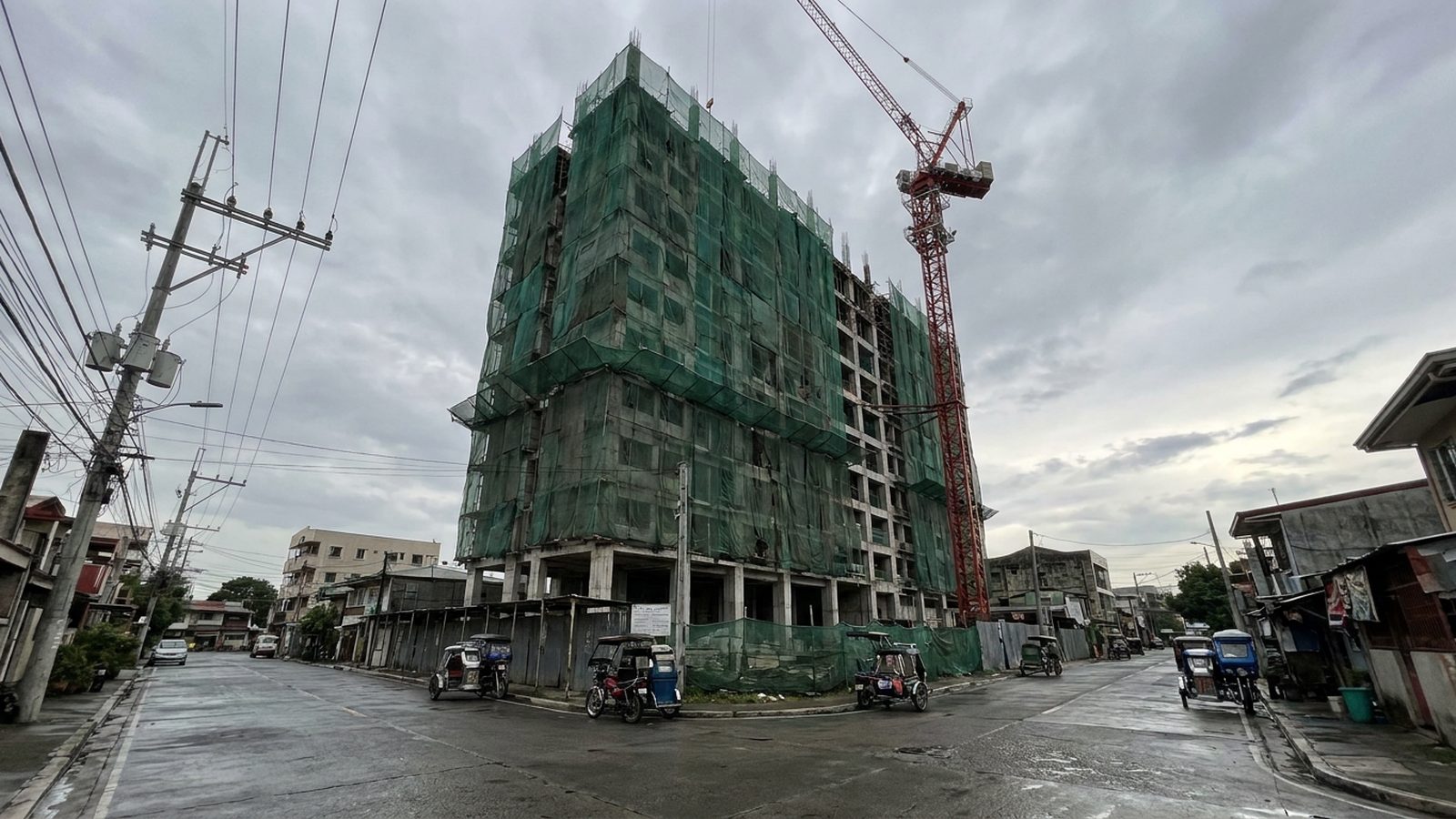
A condo turnover delayed by a quarter is normal in the Philippines; one delayed by two years is a legal event with a procedure, a regulator and a refund rule attached. The difficulty for buyers is that the contract, the sales agent and the developer's letters all describe the delay in soothing language, while the law that governs it, Presidential Decree 957, is blunt. This guide sets out what the decree gives a buyer whose unit is late, the difference between waiting and walking away, where a complaint is filed and what it can order, and the mistakes that cost buyers the refund they were entitled to.
What the contract and the license actually promise
Start with two documents, not the brochure. The contract to sell states a completion or turnover date, often with a grace period of several months and a force majeure clause. The license to sell issued by the Department of Human Settlements and Urban Development states the completion date the regulator approved, and any extension the developer applied for and obtained. Section 20 of PD 957 requires the developer to construct the facilities, improvements and infrastructure shown in the approved plans and advertisements within one year from the issuance of the license, or within the period the regulator fixes. A promise from the sales team that was never written into the contract or the license is not a deadline the developer owes you. Our ten minute check on how to verify the DHSUD license to sell shows where to find the project record.
Read the force majeure clause with care. It excuses delay caused by events the developer could not prevent, and the courts have refused to stretch it to ordinary business conditions such as currency movements or cost increases. A developer who invokes it should show the regulator approved extension that goes with it.
Section 23: the rule that decides the money
Section 23 of the decree is the provision to know by heart. When a developer fails to develop the project according to the approved plans and within the time limit, a buyer who has given due notice may stop paying further installments, and the installments already paid cannot be forfeited. The buyer may instead choose to be reimbursed the total amount paid, including amortization interest but excluding delinquency interest, with interest at the legal rate.
That sentence contains the two remedies. The first is to stay in the contract, suspend payments after written notice, and wait for the unit. The second is to rescind and take the money back with legal interest, which the courts have applied at 6% a year. Which one makes sense depends on the price you locked in: a unit bought in 2021 at a price well below today's pre-selling launches is often worth waiting for, and a unit bought near the market is often worth leaving. Our comparison of RFO condos versus pre-selling puts numbers on the gap that makes waiting worthwhile.
Two cautions sit inside Section 23. The suspension of payments protects you only after due notice, so a buyer who simply stops paying hands the developer an argument that the buyer defaulted first. And the rule covers installments paid to the developer; a bank or Pag-IBIG loan already released to the developer is a separate contract that does not pause because the tower is late, a point our guide to pre-selling payment terms raises when it explains the balance at turnover.
Why the Maceda Law is the wrong tool here
Buyers are often offered a "voluntary cancellation" computed under Republic Act 6552, the Maceda Law. That law protects a buyer who stops paying: after two years of installments it guarantees a grace period and a cash surrender value of 50% of what was paid, rising by 5% a year after the fifth year to a maximum of 90%, and under two years it gives a sixty day grace period and a notarial notice before cancellation. It is written for buyer default, and Section 24 of PD 957 sends a defaulting buyer to it.
A buyer whose unit is late has not defaulted. Accepting a Maceda computation for a developer's delay means giving up the half of your money that Section 23 would have returned in full. Read any cancellation form for the words "cash surrender value" and for a waiver of claims before signing, and compare it with what Section 23 gives you.
Where to file and what the regulator can do
Two offices share the work. The DHSUD regional office covering the project handles regulatory complaints: under Sections 8 and 9 of the decree a verified complaint from a buyer can lead to the suspension or revocation of the license to sell, and under Section 38 to administrative fines. Since September 2026 the department has ordered its regional offices to resolve pending homebuyer complaints within thirty days, a change we covered in our note on the DHSUD complaint against a developer, and conciliation there is the fastest route to a signed settlement.
Money claims go to the Human Settlements Adjudication Commission, the body that Republic Act 11201 created in 2019 out of the old HLURB. Section 16 of that law gives its regional adjudicators original and exclusive jurisdiction over claims for refund by condominium buyers against the project owner and over actions for specific performance of the contract. A decision of a regional adjudicator becomes final unless appealed to the Commission within fifteen calendar days, and the Commission's decisions go to the Court of Appeals under Rule 43. The complaint is a verified pleading with the facts, the legal basis, the relief you want and the documents attached; if a bank financed the unit, expect the financing institution to be joined as a party.
Before either office, send a demand letter to the developer's registered address by a method that proves delivery: unit, contract date, the deadline and its source, the chronology of postponements, your chosen remedy under Section 23, a full payment summary and a date for their reply. The letter is the "due notice" the section requires, and it is the first exhibit in any complaint.
The checklist before you sign anything
Keep every receipt and every postponement letter, because the refund is computed on the total paid and the delay is proven by the developer's own notices. Do not sign a waiver, a quitclaim or a cancellation form while the complaint is open. Do not accept the keys to an unfinished unit as proof of turnover: our condo turnover inspection checklist explains why the punch list is signed before the acceptance form, not after. If you keep the unit, remember that Section 25 requires the developer to deliver the title on full payment and to redeem any mortgage on it within six months. And if you are still choosing a project, the simplest protection is the one our guide to the contract to sell versus the deed of absolute sale describes: a turnover date in the contract with a stated remedy for delay, and a check of the developer's finished towers among the condos for sale before the reservation fee.
This article is general information on Philippine law as of November 2026, not legal advice. Deadlines and remedies depend on your contract, the license to sell and the facts; consult a lawyer before rescinding or suspending payments.
Sources: Presidential Decree 957, lawphil; Republic Act 6552, Maceda Law, lawphil; Republic Act 11201, DHSUD Act, lawphil.
Frequently asked questions
What can I do if my condo turnover is delayed?
Under Section 23 of PD 957, once the developer misses the approved completion date you may, after written notice, stop paying further installments without forfeiting what you paid, or rescind and be reimbursed the total amount paid including amortization interest, with legal interest. Send a demand letter first, then file with the DHSUD regional office for conciliation or with the Human Settlements Adjudication Commission for a refund order.
Can I get a full refund for a delayed pre-selling condo?
Yes, if the delay is the developer's failure to complete the project within the time fixed in the license to sell. Section 23 of PD 957 entitles the buyer to reimbursement of the total amount paid, including amortization interest but excluding delinquency interest, plus interest at the legal rate, which the courts apply at 6% a year. Do not accept a Maceda Law cash surrender value, which returns only 50% to 90%, for a delay that is not your default.
Where do I file a complaint against a condo developer for delayed turnover?
Regulatory complaints go to the DHSUD regional office covering the project, which can suspend or revoke the license to sell and since September 2026 is ordered to resolve homebuyer complaints within thirty days. Refund and specific performance claims go to the Human Settlements Adjudication Commission, whose regional adjudicators have original and exclusive jurisdiction under Section 16 of RA 11201, with appeal to the Commission within fifteen days.
Should I keep paying the developer while the unit is late?
Section 23 lets you suspend installments only after giving the developer due notice of its failure to develop on time, so send the written notice before you stop. Keep the withheld money available in case the dispute is resolved by turnover. A bank or Pag-IBIG loan already released to the developer is a separate contract and does not pause; talk to the lender before interrupting those payments.
Does the Maceda Law apply when the developer is late?
No. The Maceda Law, RA 6552, protects a buyer who stops paying: a grace period and a cash surrender value of 50% to 90% after two years of installments, and a sixty day grace period before that. Section 24 of PD 957 sends a defaulting buyer to it. A buyer whose unit is late has not defaulted and is covered by Section 23, which returns the full amount paid with legal interest.
Normal sa Pilipinas ang condo turnover na na-delay ng isang quarter; ang na-delay ng dalawang taon ay isang legal na pangyayari na may kaakibat na procedure, regulator at refund rule. Ang hirap para sa mga buyer ay inilalarawan ng kontrata, ng sales agent at ng mga sulat ng developer ang delay sa malambing na wika, habang ang batas na namamahala dito, ang Presidential Decree 957, ay prangka. Inilalatag ng gabay na ito kung ano ang ibinibigay ng decree sa buyer na late ang unit, ang pagkakaiba ng paghihintay at pag-alis, kung saan isinasampa ang reklamo at ano ang maaari nitong iutos, at ang mga pagkakamaling nagpapawala sa mga buyer ng refund na karapatan nila.
Ano talaga ang ipinapangako ng kontrata at ng license
Magsimula sa dalawang dokumento, hindi sa brochure. Nakasaad sa contract to sell ang completion o turnover date, kadalasang may grace period na ilang buwan at force majeure clause. Nakasaad sa license to sell na inisyu ng Department of Human Settlements and Urban Development ang completion date na inaprubahan ng regulator, at anumang extension na inaplayan at nakuha ng developer. Inaatasan ng Section 20 ng PD 957 ang developer na itayo ang mga facility, improvement at infrastructure na ipinakita sa approved plans at mga advertisement sa loob ng isang taon mula sa pag-isyu ng license, o sa loob ng panahong itinakda ng regulator. Ang pangako ng sales team na hindi kailanman naisulat sa kontrata o sa license ay hindi deadline na inuutang sa iyo ng developer. Ipinapakita ng aming sampung minutong check kung paano i-verify ang DHSUD license to sell kung saan mahahanap ang project record.
Basahing mabuti ang force majeure clause. Pinapaumanhinan nito ang delay na dulot ng mga pangyayaring hindi mapipigilan ng developer, at tumanggi ang mga korte na palawigin ito sa ordinaryong kalagayan ng negosyo gaya ng galaw ng currency o pagtaas ng gastos. Ang developer na gumagamit nito ay dapat magpakita ng extension na inaprubahan ng regulator na kaakibat nito.
Section 23: ang rule na nagdedesisyon sa pera
Ang Section 23 ng decree ang provision na dapat kabisado. Kapag nabigo ang developer na i-develop ang project ayon sa approved plans at sa loob ng time limit, ang buyer na nagbigay ng due notice ay maaaring huminto sa pagbabayad ng mga susunod na installment, at hindi maaaring ma-forfeit ang mga installment na nabayaran na. Maaari namang piliin ng buyer na ma-reimburse ang kabuuang halagang binayaran, kasama ang amortization interest pero hindi kasama ang delinquency interest, na may interest sa legal rate.
Nakapaloob sa pangungusap na iyon ang dalawang remedyo. Ang una ay manatili sa kontrata, i-suspend ang bayad pagkatapos ng written notice, at hintayin ang unit. Ang ikalawa ay mag-rescind at bawiin ang pera na may legal interest, na inilalapat ng mga korte sa 6% kada taon. Kung alin ang makatuwiran ay nakadepende sa presyong na-lock in mo: ang unit na binili noong 2021 sa presyong malayo sa ibaba ng mga pre-selling launch ngayon ay kadalasang sulit hintayin, at ang unit na binili malapit sa market ay kadalasang sulit iwan. Ang aming paghahambing ng RFO condo at pre-selling ay naglalagay ng numero sa gap na nagpapasulit sa paghihintay.
May dalawang babala sa loob ng Section 23. Pinoprotektahan ka ng suspension of payments pagkatapos lang ng due notice, kaya ang buyer na basta humihinto sa pagbabayad ay nagbibigay sa developer ng argumento na ang buyer ang unang nag-default. At sakop ng rule ang mga installment na binayaran sa developer; ang bank o Pag-IBIG loan na na-release na sa developer ay hiwalay na kontrata na hindi humihinto dahil late ang tower, isang puntong binabanggit ng aming gabay sa pre-selling payment terms kapag ipinapaliwanag nito ang balance sa turnover.
Bakit maling tool dito ang Maceda Law
Madalas inaalok sa mga buyer ang "voluntary cancellation" na kinuwenta sa ilalim ng Republic Act 6552, ang Maceda Law. Pinoprotektahan ng batas na iyon ang buyer na humihinto sa pagbabayad: pagkatapos ng dalawang taon ng installment, ginagarantiya nito ang grace period at cash surrender value na 50% ng nabayaran, tumataas ng 5% kada taon pagkatapos ng ikalimang taon hanggang sa maximum na 90%, at kung wala pang dalawang taon, nagbibigay ito ng animnapung araw na grace period at notarial notice bago ang cancellation. Isinulat ito para sa default ng buyer, at ipinapadala ng Section 24 ng PD 957 ang nag-default na buyer doon.
Ang buyer na late ang unit ay hindi nag-default. Ang pagtanggap ng Maceda computation para sa delay ng developer ay nangangahulugang isinusuko mo ang kalahati ng pera mo na ibabalik ng Section 23 nang buo. Basahin ang anumang cancellation form para sa mga salitang "cash surrender value" at para sa waiver of claims bago pumirma, at ihambing ito sa ibinibigay sa iyo ng Section 23.
Saan magsasampa at ano ang magagawa ng regulator
Dalawang opisina ang naghahati sa trabaho. Ang DHSUD regional office na sumasakop sa project ang humahawak ng mga regulatory complaint: sa ilalim ng Sections 8 at 9 ng decree, ang verified complaint mula sa buyer ay maaaring humantong sa suspension o revocation ng license to sell, at sa ilalim ng Section 38 sa administrative fines. Mula Setyembre 2026, inutusan ng department ang mga regional office nito na resolbahin ang mga nakabinbing reklamo ng homebuyer sa loob ng tatlumpung araw, isang pagbabagong tinalakay namin sa aming note tungkol sa reklamo sa DHSUD laban sa developer, at ang conciliation doon ang pinakamabilis na daan patungo sa pirmadong settlement.
Ang mga money claim ay napupunta sa Human Settlements Adjudication Commission, ang body na nilikha ng Republic Act 11201 noong 2019 mula sa dating HLURB. Binibigyan ng Section 16 ng batas na iyon ang mga regional adjudicator nito ng original and exclusive jurisdiction sa mga claim for refund ng mga condominium buyer laban sa project owner at sa mga aksyon para sa specific performance ng kontrata. Ang desisyon ng regional adjudicator ay nagiging final maliban kung iaapela sa Commission sa loob ng labinlimang calendar day, at ang mga desisyon ng Commission ay napupunta sa Court of Appeals sa ilalim ng Rule 43. Ang reklamo ay isang verified pleading na may mga facts, legal basis, ang relief na gusto mo at ang mga dokumentong nakalakip; kung bangko ang nag-finance ng unit, asahan na isasama ang financing institution bilang party.
Bago ang alinmang opisina, magpadala ng demand letter sa registered address ng developer sa paraang nagpapatunay ng delivery: unit, petsa ng kontrata, ang deadline at ang pinagmulan nito, ang chronology ng mga postponement, ang napili mong remedyo sa ilalim ng Section 23, buong payment summary at petsa para sa kanilang sagot. Ang sulat ang "due notice" na hinihingi ng section, at ito ang unang exhibit sa anumang reklamo.
Ang checklist bago ka pumirma ng kahit ano
Itago ang bawat resibo at bawat postponement letter, dahil kinukuwenta ang refund sa kabuuang nabayaran at pinapatunayan ang delay ng sariling mga notice ng developer. Huwag pumirma ng waiver, quitclaim o cancellation form habang bukas ang reklamo. Huwag tanggapin ang susi ng hindi tapos na unit bilang patunay ng turnover: ipinapaliwanag ng aming condo turnover inspection checklist kung bakit pinipirmahan ang punch list bago ang acceptance form, hindi pagkatapos. Kung itutuloy mo ang unit, tandaan na inaatasan ng Section 25 ang developer na i-deliver ang titulo sa full payment at i-redeem ang anumang mortgage dito sa loob ng anim na buwan. At kung pumipili ka pa ng project, ang pinakasimpleng proteksyon ay ang inilalarawan ng aming gabay sa contract to sell at deed of absolute sale: turnover date sa kontrata na may nakasaad na remedyo para sa delay, at pag-check ng mga natapos na tower ng developer sa mga condo for sale bago ang reservation fee.
Ang artikulong ito ay pangkalahatang impormasyon tungkol sa batas ng Pilipinas noong Nobyembre 2026, hindi legal advice. Ang mga deadline at remedyo ay nakadepende sa iyong kontrata, sa license to sell at sa mga facts; kumonsulta sa abogado bago mag-rescind o mag-suspend ng bayad.
Mga Pinagmulan: Presidential Decree 957, lawphil; Republic Act 6552, Maceda Law, lawphil; Republic Act 11201, DHSUD Act, lawphil.
Mga madalas itanong
Ano ang magagawa ko kung na-delay ang condo turnover ko?
Sa ilalim ng Section 23 ng PD 957, kapag na-miss ng developer ang approved completion date, maaari kang, pagkatapos ng written notice, huminto sa pagbabayad ng mga susunod na installment nang hindi nafo-forfeit ang nabayaran mo, o mag-rescind at ma-reimburse ang kabuuang halagang binayaran kasama ang amortization interest, na may legal interest. Magpadala muna ng demand letter, pagkatapos magsampa sa DHSUD regional office para sa conciliation o sa Human Settlements Adjudication Commission para sa refund order.
Makakakuha ba ako ng full refund para sa na-delay na pre-selling condo?
Oo, kung ang delay ay dahil sa pagkabigo ng developer na tapusin ang project sa loob ng panahong itinakda sa license to sell. Binibigyan ng Section 23 ng PD 957 ang buyer ng karapatan sa reimbursement ng kabuuang halagang binayaran, kasama ang amortization interest pero hindi kasama ang delinquency interest, dagdag ang interest sa legal rate, na inilalapat ng mga korte sa 6% kada taon. Huwag tumanggap ng Maceda Law cash surrender value, na nagbabalik lang ng 50% hanggang 90%, para sa delay na hindi mo default.
Saan ako magsasampa ng reklamo laban sa condo developer para sa na-delay na turnover?
Ang mga regulatory complaint ay napupunta sa DHSUD regional office na sumasakop sa project, na maaaring mag-suspend o mag-revoke ng license to sell at mula Setyembre 2026 ay inutusang resolbahin ang mga reklamo ng homebuyer sa loob ng tatlumpung araw. Ang mga claim para sa refund at specific performance ay napupunta sa Human Settlements Adjudication Commission, na ang mga regional adjudicator ay may original and exclusive jurisdiction sa ilalim ng Section 16 ng RA 11201, na may apela sa Commission sa loob ng labinlimang araw.
Dapat ba akong magpatuloy sa pagbabayad sa developer habang late ang unit?
Pinapayagan ka ng Section 23 na i-suspend ang mga installment pagkatapos lang bigyan ang developer ng due notice tungkol sa pagkabigo nitong mag-develop sa oras, kaya ipadala ang written notice bago ka huminto. Panatilihing available ang pinigil na pera kung sakaling maresolba ang dispute sa pamamagitan ng turnover. Ang bank o Pag-IBIG loan na na-release na sa developer ay hiwalay na kontrata at hindi humihinto; makipag-usap sa lender bago putulin ang mga bayad na iyon.
Umiiral ba ang Maceda Law kapag late ang developer?
Hindi. Pinoprotektahan ng Maceda Law, RA 6552, ang buyer na humihinto sa pagbabayad: grace period at cash surrender value na 50% hanggang 90% pagkatapos ng dalawang taon ng installment, at animnapung araw na grace period bago nito. Ipinapadala ng Section 24 ng PD 957 ang nag-default na buyer doon. Ang buyer na late ang unit ay hindi nag-default at sakop ng Section 23, na nagbabalik ng buong halagang binayaran na may legal interest.
Ang condo turnover nga na-delay og usa ka quarter normal sa Pilipinas; ang na-delay og duha ka tuig usa ka legal nga hitabo nga adunay proseso, regulator ug lagda sa refund nga nakalakip. Ang kalisod alang sa mga buyer mao nga ang kontrata, ang sales agent ug ang mga sulat sa developer tanan naghulagway sa delay sa malumo nga pinulongan, samtang ang balaod nga nagdumala niini, ang Presidential Decree 957, prangka. Kini nga giya nagpahimutang unsa ang gihatag sa decree sa buyer kansang unit na-late, ang kalainan tali sa paghulat ug sa paghawa, asa i-file ang reklamo ug unsa ang mahimo niining imando, ug ang mga sayop nga nakapawala sa mga buyer sa refund nga angay nila.
Unsa gyud ang gisaad sa kontrata ug sa lisensya
Sugdi sa duha ka dokumento, dili sa brochure. Ang contract to sell nagsulti sa completion o turnover date, kasagaran adunay grace period nga pipila ka bulan ug force majeure clause. Ang license to sell nga gi-isyu sa Department of Human Settlements and Urban Development nagsulti sa completion date nga gi-aprobahan sa regulator, ug sa bisan unsang extension nga gi-apply ug nakuha sa developer. Ang Section 20 sa PD 957 nagkinahanglan nga ang developer motukod sa mga facility, improvement ug infrastructure nga gipakita sa gi-aprobahan nga mga plano ug advertisement sulod sa usa ka tuig gikan sa pag-isyu sa lisensya, o sulod sa panahon nga gitakda sa regulator. Ang saad gikan sa sales team nga wala gyud masulat sa kontrata o sa lisensya dili deadline nga utang kanimo sa developer. Ang among napulo ka minuto nga check kon unsaon pag-verify sa DHSUD license to sell nagpakita asa makita ang record sa proyekto.
Basaha pag-ayo ang force majeure clause. Gipasaylo niini ang delay nga gipahinabo sa mga hitabo nga dili mapugngan sa developer, ug ang mga korte nagdumili nga ipalapad kini ngadto sa ordinaryong kahimtang sa negosyo sama sa paglihok sa currency o pagsaka sa gasto. Ang developer nga mogamit niini kinahanglan magpakita sa extension nga gi-aprobahan sa regulator nga kauban niini.
Section 23: ang lagda nga modesisyon sa kwarta
Ang Section 23 sa decree mao ang probisyon nga kinahanglan nimong masayran og maayo. Kon ang developer mapakyas sa pag-develop sa proyekto sumala sa gi-aprobahan nga mga plano ug sulod sa time limit, ang buyer nga naghatag og due notice mahimong mohunong sa pagbayad sa dugang nga mga installment, ug ang mga installment nga nabayad na dili ma-forfeit. Ang buyer mahimo hinuon nga mopili nga ma-reimburse sa tibuok kantidad nga gibayad, lakip ang amortization interest apan dili lakip ang delinquency interest, uban ang interest sa legal rate.
Kana nga sentence naglangkob sa duha ka remedyo. Ang una mao ang pagpabilin sa kontrata, pag-suspend sa mga bayad human sa written notice, ug paghulat sa unit. Ang ikaduha mao ang pag-rescind ug pagkuha balik sa kwarta uban ang legal interest, nga gi-apply sa mga korte sa 6% kada tuig. Kon hain ang makatarunganon nagdepende sa presyo nga imong na-lock in: ang unit nga gipalit sa 2021 sa presyo nga layo ubos sa mga pre-selling launch karon kasagaran angay hulaton, ug ang unit nga gipalit duol sa presyo sa merkado kasagaran angay biyaan. Ang among pagtandi sa RFO condo kontra pre-selling nagbutang og mga numero sa gintang nga makapaangay sa paghulat.
Duha ka pahimangno ang naa sulod sa Section 23. Ang suspension sa mga bayad mopanalipod kanimo human lang sa due notice, busa ang buyer nga mohunong lang sa pagbayad naghatag sa developer og argumento nga ang buyer ang una nag-default. Ug ang lagda naglangkob sa mga installment nga gibayad sa developer; ang bank o Pag-IBIG loan nga na-release na sa developer usa ka lahi nga kontrata nga dili mohunong tungod kay late ang tower, usa ka punto nga gipataas sa among giya bahin sa pre-selling payment terms kon gipasabot niini ang balance sa turnover.
Ngano nga ang Maceda Law sayop nga gamit dinhi
Ang mga buyer kasagaran gitanyagan og "voluntary cancellation" nga gi-compute ubos sa Republic Act 6552, ang Maceda Law. Kana nga balaod nagpanalipod sa buyer nga mihunong sa pagbayad: human sa duha ka tuig nga mga installment, naggarantiya kini og grace period ug cash surrender value nga 50% sa gibayad, nga mosaka og 5% kada tuig human sa ikalimang tuig hangtod sa maximum nga 90%, ug ubos sa duha ka tuig naghatag kini og 60 ka adlaw nga grace period ug notarial notice sa dili pa ang cancellation. Gisulat kini alang sa buyer default, ug ang Section 24 sa PD 957 nagpadala sa nag-default nga buyer ngadto niini.
Ang buyer kansang unit na-late wala mag-default. Ang pagdawat sa Maceda computation alang sa delay sa developer nagpasabot sa pagbiya sa katunga sa imong kwarta nga ibalik unta sa Section 23 sa tibuok. Basaha ang bisan unsang cancellation form alang sa mga pulong "cash surrender value" ug alang sa waiver of claims sa dili pa mopirma, ug itandi kini sa gihatag kanimo sa Section 23.
Asa mag-file ug unsa ang mahimo sa regulator
Duha ka opisina ang nagbahin sa trabaho. Ang DHSUD regional office nga naglangkob sa proyekto nagdumala sa mga regulatory complaint: ubos sa Sections 8 ug 9 sa decree, ang verified complaint gikan sa buyer mahimong mosangpot sa suspension o revocation sa license to sell, ug ubos sa Section 38 sa mga administrative fine. Sukad Septyembre 2026, gimando sa departamento ang mga regional office niini nga resolbahon ang mga pending nga reklamo sa homebuyer sulod sa 30 ka adlaw, usa ka kausaban nga among gihisgotan sa among nota bahin sa DHSUD complaint batok sa developer, ug ang conciliation didto mao ang pinakapaspas nga dalan ngadto sa pinirmahan nga settlement.
Ang mga money claim moadto sa Human Settlements Adjudication Commission, ang lawas nga gihimo sa Republic Act 11201 sa 2019 gikan sa daan nga HLURB. Ang Section 16 sa maong balaod naghatag sa mga regional adjudicator niini og original ug exclusive jurisdiction sa mga claim alang sa refund sa mga condominium buyer batok sa tag-iya sa proyekto ug sa mga aksyon alang sa specific performance sa kontrata. Ang desisyon sa regional adjudicator mahimong final gawas kon i-appeal sa Commission sulod sa 15 ka calendar day, ug ang mga desisyon sa Commission moadto sa Court of Appeals ubos sa Rule 43. Ang reklamo usa ka verified pleading nga adunay mga kamatuoran, ang legal basis, ang relief nga gusto nimo ug ang mga dokumento nga gilakip; kon bangko ang nag-finance sa unit, paabota nga ang financing institution ilakip isip party.
Sa dili pa moadto sa bisan hain nga opisina, pagpadala og demand letter sa registered address sa developer pinaagi sa paagi nga makapamatuod sa delivery: ang unit, ang petsa sa kontrata, ang deadline ug ang tinubdan niini, ang chronology sa mga postponement, ang imong gipili nga remedyo ubos sa Section 23, ang kompleto nga payment summary ug petsa alang sa ilang tubag. Ang sulat mao ang "due notice" nga gikinahanglan sa section, ug mao kini ang unang exhibit sa bisan unsang reklamo.
Ang checklist sa dili pa mopirma sa bisan unsa
Tipigi ang matag resibo ug matag sulat sa postponement, tungod kay ang refund gi-compute base sa tibuok nga gibayad ug ang delay gipamatud-an pinaagi sa kaugalingong mga notice sa developer. Ayaw pagpirma og waiver, quitclaim o cancellation form samtang bukas pa ang reklamo. Ayaw dawata ang mga yawe sa wala pa mahuman nga unit isip pamatuod sa turnover: ang among condo turnover inspection checklist nagpasabot ngano nga ang punch list pirmahan sa dili pa ang acceptance form, dili human. Kon huptan nimo ang unit, hinumdomi nga ang Section 25 nagkinahanglan nga ang developer mo-deliver sa titulo kon kompleto na ang bayad ug mo-redeem sa bisan unsang mortgage niini sulod sa unom ka bulan. Ug kon nagpili ka pa og proyekto, ang pinakasimple nga panalipod mao ang gihulagway sa among giya bahin sa contract to sell kontra deed of absolute sale: turnover date sa kontrata nga adunay gitakda nga remedyo alang sa delay, ug pagsusi sa mga nahuman nga tower sa developer taliwala sa mga condo nga gibaligya sa dili pa ang reservation fee.
Kini nga artikulo kinatibuk-ang impormasyon bahin sa balaod sa Pilipinas hangtod sa Nobyembre 2026, dili legal advice. Ang mga deadline ug remedyo nagdepende sa imong kontrata, sa license to sell ug sa mga kamatuoran; konsulta sa abogado sa dili pa mag-rescind o mag-suspend sa mga bayad.
Mga Tinubdan: Presidential Decree 957, lawphil; Republic Act 6552, Maceda Law, lawphil; Republic Act 11201, DHSUD Act, lawphil.
Mga kasagarang pangutana
Unsa ang akong mahimo kon na-delay ang turnover sa akong condo?
Ubos sa Section 23 sa PD 957, kon ang developer dili makaabot sa gi-aprobahan nga completion date, mahimo ka, human sa written notice, mohunong sa pagbayad sa dugang nga mga installment nga dili ma-forfeit ang imong nabayad, o mag-rescind ug ma-reimburse sa tibuok kantidad nga gibayad lakip ang amortization interest, uban ang legal interest. Pagpadala una og demand letter, dayon mag-file sa DHSUD regional office alang sa conciliation o sa Human Settlements Adjudication Commission alang sa refund order.
Makakuha ba ko og full refund alang sa na-delay nga pre-selling condo?
Oo, kon ang delay mao ang kapakyasan sa developer nga mahuman ang proyekto sulod sa panahon nga gitakda sa license to sell. Ang Section 23 sa PD 957 naghatag sa buyer og katungod sa reimbursement sa tibuok kantidad nga gibayad, lakip ang amortization interest apan dili lakip ang delinquency interest, dugang ang interest sa legal rate, nga gi-apply sa mga korte sa 6% kada tuig. Ayaw dawata ang Maceda Law cash surrender value, nga 50% hangtod 90% lang ang ibalik, alang sa delay nga dili imong default.
Asa ko mag-file og reklamo batok sa condo developer tungod sa na-delay nga turnover?
Ang mga regulatory complaint moadto sa DHSUD regional office nga naglangkob sa proyekto, nga maka-suspend o maka-revoke sa license to sell ug sukad Septyembre 2026 gimandoan nga resolbahon ang mga reklamo sa homebuyer sulod sa 30 ka adlaw. Ang mga claim alang sa refund ug specific performance moadto sa Human Settlements Adjudication Commission, kansang mga regional adjudicator adunay original ug exclusive jurisdiction ubos sa Section 16 sa RA 11201, nga adunay appeal sa Commission sulod sa 15 ka adlaw.
Magpadayon ba ko sa pagbayad sa developer samtang late ang unit?
Ang Section 23 nagtugot kanimo nga mag-suspend sa mga installment human lang sa paghatag sa developer og due notice sa kapakyasan niini nga mag-develop sa tukmang panahon, busa ipadala ang written notice sa dili pa ka mohunong. Tipigi nga andam ang gipugngan nga kwarta kon maresolba ang away pinaagi sa turnover. Ang bank o Pag-IBIG loan nga na-release na sa developer usa ka lahi nga kontrata ug dili mohunong; pakigsulti sa lender sa dili pa putlon ang maong mga bayad.
Mo-apply ba ang Maceda Law kon late ang developer?
Dili. Ang Maceda Law, RA 6552, nagpanalipod sa buyer nga mihunong sa pagbayad: grace period ug cash surrender value nga 50% hangtod 90% human sa duha ka tuig nga mga installment, ug 60 ka adlaw nga grace period sa dili pa kana. Ang Section 24 sa PD 957 nagpadala sa nag-default nga buyer ngadto niini. Ang buyer kansang unit na-late wala mag-default ug nalangkob sa Section 23, nga nagbalik sa tibuok kantidad nga gibayad uban ang legal interest.
Browse properties on BalayHub
See all listings →
Read next
Buy a Lot and Build or Buy a House: The 2026 Cost Math
Buy a lot and build or buy a finished house? Median house ₱8M for 138 sqm, lots ₱16,204 per sqm: the build budget line by line and who wins where.
Rent or Buy in Metro Manila 2026: The Break-even Math
Rent or buy in Metro Manila: a one bedroom rents for ₱25,000 and sells for ₱7.7M. The monthly cost of owning, the break even growth rate and the horizon.
Land Title Annotations Philippines: What Each Entry Means
Land title annotations Philippines buyers must read: mortgage, lis pendens, adverse claim, levy, easement and the Rule 74 entry, and how to clear each one.