
Jun 11, 2026 · by BalayHub Admin · 5 min read
Building a House in the Philippines From Abroad (2026)
Building back home is the OFW dream that burns the most people. What construction really costs per square metre in 2026, the permits you can't skip, how OFWs get defrauded, and the safeguards, PCAB-licensed contractor, fixed-price contract, staged payments tied to inspection, that keep you in control.
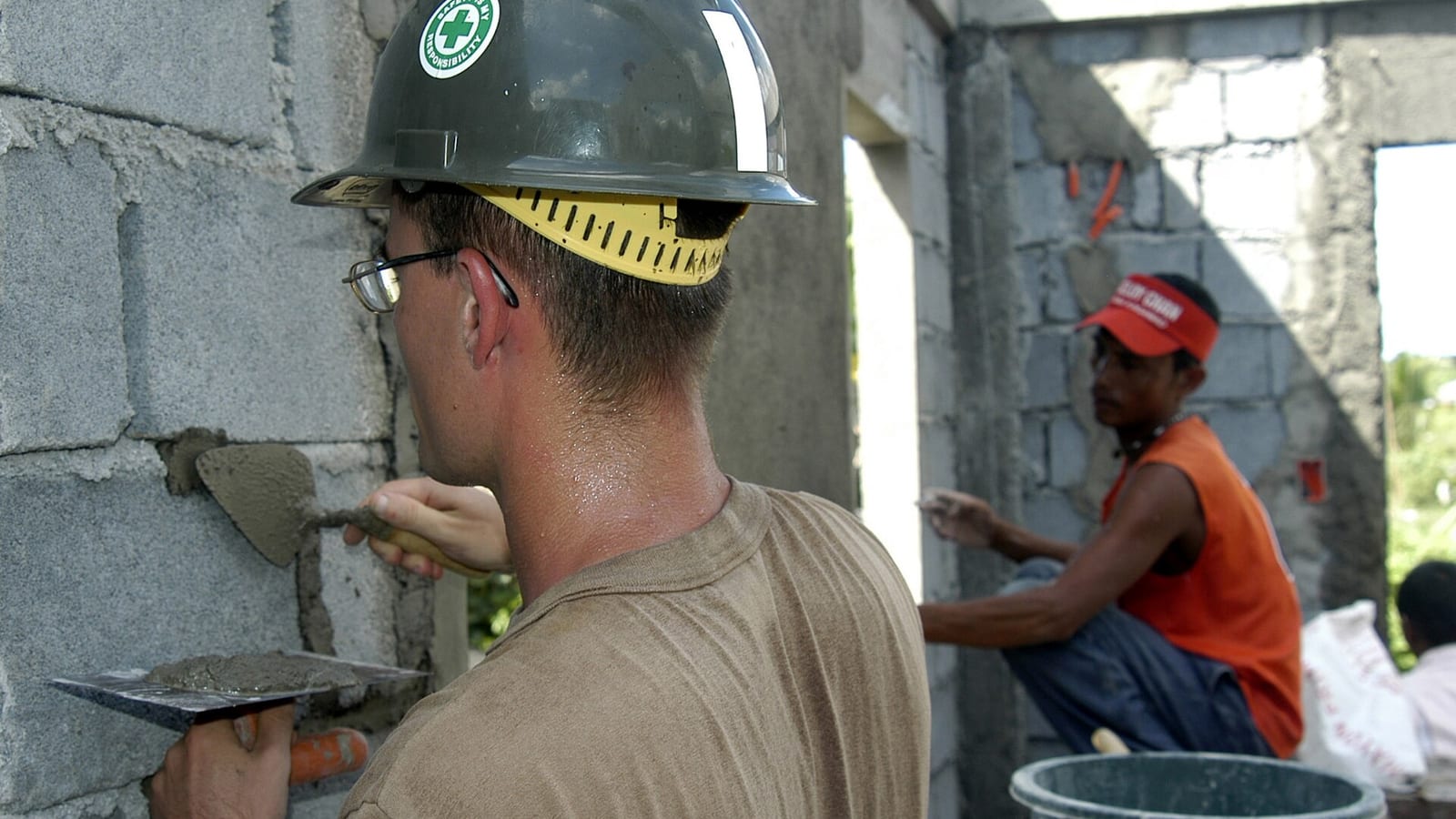
Building a house back home is the dream that keeps a lot of OFWs going, and the project that burns more of them than almost any other. You are wiring money across an ocean to people you can't supervise, for work you'll never see in person, on a timeline nobody local has much reason to keep. The result is a predictable pattern: the budget creeps, the photos stop coming, and the "almost done" house is still missing a roof a year later.
It does not have to go that way. With the right contractor, the right contract, and a payment structure that ties money to verified work, you can build remotely and keep control. This guide covers what it really costs, how OFWs get defrauded, and the safeguards that actually protect you.
What it really costs per square metre
Construction cost is quoted per square metre of floor area, and the finish level drives it. 2026 industry ranges:
| Finish level | Cost per sqm |
|---|---|
| Basic / economical | ~₱15,000 to ₱35,000 (about $240 to $560 / €207 to €482) |
| Mid-range / standard | ~₱35,000 to ₱45,000 (about $560 to $720 / €482 to €620) |
| High-end / luxury | ~₱40,000 to ₱65,000 (about $640 to $1,040 / €551 to €895)+ |
A 100 sqm mid-range home, then, runs roughly ₱3.5M to ₱4.5M (about $56,000 to $72,000 / €48,200 to €62,000) to build, before the lot.
One warning that trips up first-time builders: the PSA "average cost per square metre" figure (~₱11,000 to ₱12,000 (about $176 to $192 / €152 to €165)) that appears in news reports is a declared value on building permits, used for fees and statistics. It is not what it costs to build a finished house, it badly understates reality. Budget from the industry ranges above, and always get itemised quotes from several licensed contractors.
The permits you cannot skip
Two government permits bookend a legal build:
- A Building Permit from the local Building Official is mandatory before any construction (under PD 1096, the National Building Code). It requires proof of lot ownership, architectural and structural plans signed by a licensed architect and civil engineer, electrical and plumbing plans, and a fire-safety evaluation. The official must act within 30 days.
- An Occupancy Permit (Certificate of Occupancy) is required before the house can be legally lived in, issued after final building, electrical, plumbing and Bureau of Fire Protection inspections.
A "contractor" who wants to start without a building permit is a red flag, not a time-saver.
How OFWs get defrauded
The scams follow a script:
- Fake or unlicensed "contractors" and "engineers" who collect money, then under-build or never build.
- Padded costs: inflated material quantities and over-quoted prices.
- The drip of "additional payments": endless requests for more money to cover "delays" while the house stays unfinished.
- Abandonment after the early, easy payments are banked.
- Fake or inflated receipts to hide skimming.
- Relatives or attorneys-in-fact diverting funds meant for the build.
These are not rare. Documented cases include OFWs and foreigners losing around US$100,000 to fake firms. The common thread is always the same, money released ahead of verified work, to people accountable to no one.
The safeguards that work
Hire a PCAB-licensed contractor. No firm may legally do contracting without a Philippine Contractors Accreditation Board (PCAB) license. Verify it on the PCAB/CIAP portal before you sign anything. An unlicensed "contractor" is both a red flag and a hole in your legal recourse.
Put everything in a written contract: scope, plans, specifications, a clear fixed price, and milestones. A fixed-price (lump-sum) contract puts the risk of cost overruns on the contractor and gives you cost certainty, which kills the "additional payment" shakedown. A written contract also carries a 10-year window to sue (versus 6 for an oral one) and is your primary evidence.
Tie payments to verified progress, never to the calendar or trust. Use staged / milestone payments: release funds only after a defined stage is finished and independently verified, and withhold retention (10% per progress billing is the construction-industry norm, with no further retention after 50% completion). Staged payments cap your exposure, if the contractor walks, you have only paid for completed work, not the whole house.
Appoint a trusted representative through a Consularized SPA. A Special Power of Attorney, executed at the Philippine Embassy/Consulate (consularized, or apostilled depending on the country), lets someone you trust sign documents, file the permit applications, and liaise with offices on your behalf. A standard SPA does not authorise selling the property. Where you can, separate the roles, the contractor, the relative holding the SPA, and whoever inspects progress should not all be the same person, so no one controls both the money and the verification. For more, see our SPA guide for OFWs.
Document obsessively. Keep every official receipt and bank-transfer proof, and require dated, geotagged photos and video at each milestone, ideally from an independent construction manager or inspector who verifies progress before you release the next payment.
If it goes wrong
You have options, though prevention beats all of them. A small-claims case (no lawyer needed) covers amounts up to ₱1,000,000 (about $16,000 / €13,800) and resolves in weeks. Larger disputes go to a civil suit, and outright fraud can be estafa under the Revised Penal Code, but note that mere delay or poor workmanship is not automatically estafa; you must prove deceit or misappropriation, which is hard. That is exactly why the licensing check, the fixed-price contract, the staged payments, and the independent verification matter so much: they are far more effective than any after-the-fact remedy.
A typical build runs 6 to 12 months (permits alone can take 1 to 3). Plan for it, fund it stage by stage, and verify every peso of work before you release the next, and the house that goes up while you are abroad will be the one you actually paid for. This is general information, not legal or construction advice; engage a licensed architect/engineer, a PCAB-licensed contractor, and a lawyer for your project.
Dollar and euro figures are approximate conversions at ₱62.5 per US dollar and ₱72.6 per euro (ECB reference rates, 2026-09-08).
Frequently asked questions
How much does it cost to build a house in the Philippines in 2026?
Industry estimates by finish level: basic/economical about ₱15,000 (about $240 / €207)-₱35,000 (about $560 / €482) per square metre, mid-range about ₱35,000 (about $560 / €482)-₱45,000 (about $720 / €620), and high-end/luxury about ₱40,000 (about $640 / €551)-₱65,000 (about $1,040 / €895)+. A 100 sqm mid-range home runs roughly ₱3.5M (about $56,000 / €48,200)-₱4.5M (about $72,000 / €62,000) to build, before the lot. Note the PSA 'average cost per sqm' figure (~₱11,000 (about $176 / €152)-₱12,000 (about $192 / €165)) is a permit valuation, not the real cost to build a finished house.
How do OFWs get scammed when building a house?
Common patterns: fake or unlicensed contractors who collect money then under-build or abandon the project; padded material costs; endless 'additional payment' requests for delays; fake or inflated receipts to hide skimming; and relatives or attorneys-in-fact diverting funds. The common thread is money released ahead of verified work, to people accountable to no one, some OFWs have lost around US$100,000 to fake firms.
How can an OFW safely build a house from abroad?
Hire a PCAB-licensed contractor (verify the license first), sign a written fixed-price contract with defined scope, plans, specs and milestones, and tie payments to verified progress, release funds only after each stage is completed and independently inspected, withholding 10% retention. Appoint a trusted representative through a Consularized SPA, separate the money and verification roles, and require dated, geotagged photos at every milestone.
What permits do you need to build a house in the Philippines?
A Building Permit from the local Building Official is mandatory before any construction (under PD 1096), requiring proof of lot ownership, signed architectural, structural, electrical and plumbing plans, and a fire-safety evaluation; the official must act within 30 days. An Occupancy Permit is required before the house can be legally lived in, issued after final building, electrical, plumbing and fire inspections.
Ang pagpapatayo ng bahay sa Pilipinas ang pangarap na nagpapatuloy sa maraming OFW, at ito rin ang proyektong nakakapaso sa kanila nang mas madalas kaysa sa halos lahat ng iba. Nagpapadala ka ng pera sa kabilang dagat sa mga taong hindi mo kayang bantayan, para sa trabahong hinding-hindi mo makikita nang personal, sa timeline na walang gaanong dahilan ang sinumang nasa Pilipinas para sundin. Ang resulta ay predictable na pattern: unti-unting lumolobo ang budget, tumitigil ang pagdating ng mga litrato, at ang bahay na "malapit nang matapos" ay wala pa ring bubong pagkalipas ng isang taon.
Hindi kailangang ganoon ang mangyari. Sa tamang contractor, tamang kontrata, at payment structure na nagtatali ng pera sa na-verify na trabaho, kaya mong magpatayo remotely at manatili sa kontrol. Sinasaklaw ng gabay na ito kung magkano talaga ang gastos, paano nadadaya ang mga OFW, at ang mga safeguard na talagang nagpoprotekta sa iyo.
Magkano talaga kada square metre
Ang construction cost ay qinu-quote per square metre ng floor area, at ang finish level ang nagpapataas o nagpapababa nito. Mga industry range sa 2026:
| Finish level | Cost per sqm |
|---|---|
| Basic / economical | ~₱15,000 to ₱35,000 (mga $240 hanggang $560 / €207 hanggang €482) |
| Mid-range / standard | ~₱35,000 to ₱45,000 (mga $560 hanggang $720 / €482 hanggang €620) |
| High-end / luxury | ~₱40,000 to ₱65,000 (mga $640 hanggang $1,040 / €551 hanggang €895)+ |
Kaya ang 100 sqm na mid-range na bahay ay aabot sa humigit-kumulang ₱3.5M to ₱4.5M (mga $56,000 hanggang $72,000 / €48,200 hanggang €62,000) na ipatayo, hindi pa kasama ang lote.
Isang babala na madalas magpatid sa mga first-time builder: ang PSA "average cost per square metre" figure (~₱11,000 to ₱12,000 (mga $176 hanggang $192 / €152 hanggang €165)) na lumalabas sa mga balita ay declared value sa mga building permit, ginagamit para sa fees at statistics. Ito ay hindi ang aktuwal na gastos ng pagpapatayo ng tapos na bahay, sobrang baba nito kumpara sa realidad. Mag-budget mula sa mga industry range sa itaas, at laging kumuha ng itemised quote mula sa ilang licensed contractor.
Ang mga permit na hindi mo puwedeng laktawan
Dalawang government permit ang bumabalot sa legal na build:
- Ang Building Permit mula sa local Building Official ay mandatory bago ang anumang construction (sa ilalim ng PD 1096, ang National Building Code). Kailangan nito ng proof of lot ownership, architectural at structural plans na pirmado ng licensed architect at civil engineer, electrical at plumbing plans, at fire-safety evaluation. Ang official ay dapat kumilos sa loob ng 30 days.
- Ang Occupancy Permit (Certificate of Occupancy) ay kailangan bago legal na matirhan ang bahay, inilalabas pagkatapos ng final building, electrical, plumbing at Bureau of Fire Protection inspections.
Ang "contractor" na gustong magsimula nang walang building permit ay red flag, hindi time-saver.
Paano nadadaya ang mga OFW
Sumusunod sa script ang mga scam:
- Peke o unlicensed na "contractor" at "engineer" na naniningil ng pera, tapos kulang ang itinatayo o hindi talaga nagtatayo.
- Padded costs: pinalobong dami ng materyales at over-quoted na presyo.
- Ang tuluy-tuloy na "additional payments": walang katapusang hingi ng dagdag na pera para sa "delays" habang hindi pa rin tapos ang bahay.
- Abandonment pagkatapos maibulsa ang mga maaga at madaling bayad.
- Peke o pinalaking resibo para itago ang skimming.
- Mga kamag-anak o attorney-in-fact na naglilihis ng pondo na nakalaan sa build.
Hindi bihira ang mga ito. Kasama sa mga documented case ang mga OFW at foreigner na nawalan ng humigit-kumulang US$100,000 sa mga pekeng firm. Iisa lagi ang common thread, perang pinakawalan bago ang na-verify na trabaho, sa mga taong walang pananagutan kaninuman.
Ang mga safeguard na gumagana
Kumuha ng PCAB-licensed contractor. Walang firm na legal na puwedeng mag-contracting nang walang Philippine Contractors Accreditation Board (PCAB) license. I-verify ito sa PCAB/CIAP portal bago ka pumirma ng kahit ano. Ang unlicensed na "contractor" ay parehong red flag at butas sa legal recourse mo.
Ilagay ang lahat sa nakasulat na kontrata: scope, plans, specifications, malinaw na fixed price, at mga milestone. Ang fixed-price (lump-sum) contract ay naglalagay ng risk ng cost overruns sa contractor at nagbibigay sa iyo ng cost certainty, na pumapatay sa "additional payment" na panghihingi. Ang nakasulat na kontrata ay may dala ring 10-year window para magsampa ng kaso (kumpara sa 6 para sa oral) at ito ang pangunahing ebidensya mo.
Itali ang mga bayad sa na-verify na progress, hindi kailanman sa kalendaryo o sa tiwala. Gumamit ng staged / milestone payments: mag-release ng pondo pagkatapos lang matapos ang defined stage at ma-verify ito nang independent, at mag-withhold ng retention (10% kada progress billing ang norm sa construction industry, na walang karagdagang retention pagkalampas ng 50% completion). Nili-limit ng staged payments ang exposure mo, kung tumakas ang contractor, ang binayaran mo lang ay ang natapos na trabaho, hindi ang buong bahay.
Magtalaga ng pinagkakatiwalaang representative sa pamamagitan ng Consularized SPA. Ang Special Power of Attorney, na isinagawa sa Philippine Embassy/Consulate (consularized, o apostilled depende sa bansa), ay nagpapahintulot sa taong pinagkakatiwalaan mo na pumirma ng mga dokumento, mag-file ng mga permit application, at makipag-ugnayan sa mga opisina para sa iyo. Ang standard SPA ay hindi nagbibigay ng awtoridad na ibenta ang property. Hangga't maaari, paghiwalayin ang mga role, ang contractor, ang kamag-anak na may hawak ng SPA, at ang sinumang nag-iinspect ng progress ay hindi dapat iisang tao lahat, para walang isang taong kumokontrol sa parehong pera at verification. Para sa dagdag, tingnan ang aming SPA guide para sa mga OFW.
Mag-document nang obsessive. Itago ang bawat official receipt at proof ng bank transfer, at mag-require ng dated, geotagged na litrato at video sa bawat milestone, ideally mula sa independent na construction manager o inspector na nagve-verify ng progress bago mo i-release ang susunod na bayad.
Kung magkamali ang takbo
May mga opsyon ka, kahit na ang prevention ang tumatalo sa lahat ng ito. Ang small-claims case (hindi kailangan ng abogado) ay sumasaklaw sa halagang hanggang ₱1,000,000 (mga $16,000 / €13,800) at nareresolba sa loob ng ilang linggo. Ang mas malalaking dispute ay napupunta sa civil suit, at ang tahasang panloloko ay puwedeng maging estafa sa ilalim ng Revised Penal Code, pero tandaan na ang delay lang o mahinang workmanship ay hindi automatic na estafa; kailangan mong patunayan ang deceit o misappropriation, na mahirap. Iyan mismo ang dahilan kung bakit napakahalaga ng licensing check, ng fixed-price contract, ng staged payments, at ng independent verification: mas epektibo ang mga ito kaysa sa anumang remedyo pagkatapos ng pinsala.
Ang tipikal na build ay tumatagal ng 6 to 12 months (ang mga permit lang ay puwedeng umabot ng 1 to 3). Pagplanuhan mo ito, pondohan stage by stage, at i-verify ang bawat pisong trabaho bago mo i-release ang susunod, at ang bahay na itinatayo habang nasa abroad ka ang magiging bahay na talagang binayaran mo. General information ito, hindi legal o construction advice; kumuha ng licensed architect/engineer, PCAB-licensed contractor, at abogado para sa proyekto mo.
Tinatayang conversion lang ang mga halaga sa dollar at euro, sa ₱62.5 kada US dollar at ₱72.6 kada euro (ECB reference rates, 2026-09-08).
Mga madalas itanong
Magkano ang magpatayo ng bahay sa Pilipinas sa 2026?
Industry estimates ayon sa finish level: basic/economical mga ₱15,000 (mga $240 / €207)-₱35,000 (mga $560 / €482) kada square metre, mid-range mga ₱35,000 (mga $560 / €482)-₱45,000 (mga $720 / €620), at high-end/luxury mga ₱40,000 (mga $640 / €551)-₱65,000 (mga $1,040 / €895)+. Ang 100 sqm na mid-range na bahay ay aabot ng humigit-kumulang ₱3.5M (mga $56,000 / €48,200)-₱4.5M (mga $72,000 / €62,000) na ipatayo, hindi pa kasama ang lote. Tandaan na ang PSA 'average cost per sqm' figure (~₱11,000 (mga $176 / €152)-₱12,000 (mga $192 / €165)) ay permit valuation lang, hindi ang totoong gastos para sa tapos na bahay.
Paano nascam ang mga OFW kapag nagpapatayo ng bahay?
Mga karaniwang pattern: peke o unlicensed na contractors na nangongolekta ng pera tapos kulang ang itinatayo o inaabandona ang project; pinapalobo na presyo ng materyales; walang katapusang hingi ng 'additional payment' dahil sa delay; peke o inflated na resibo para itago ang pagnanakaw; at mga kamag-anak o attorney-in-fact na nililihis ang pondo. Ang common thread ay perang ni-release bago pa ma-verify ang trabaho, sa mga taong walang pananagutan, may mga OFW na nawalan ng mga US$100,000 sa pekeng kumpanya.
Paano ligtas na makakapagpatayo ng bahay ang isang OFW mula abroad?
Kumuha ng PCAB-licensed contractor (i-verify muna ang license), pumirma ng nakasulat na fixed-price contract na may malinaw na scope, plans, specs at milestones, at itali ang bayad sa na-verify na progreso, mag-release lang ng pondo pagkatapos makumpleto at ma-inspect nang independyente ang bawat stage, at magtabi ng 10% retention. Magtalaga ng pinagkakatiwalaang representative sa pamamagitan ng Consularized SPA, paghiwalayin ang humahawak ng pera at ang nagve-verify, at hingin ang dated, geotagged na photos sa bawat milestone.
Anong mga permit ang kailangan para magpatayo ng bahay sa Pilipinas?
Ang Building Permit mula sa local Building Official ay mandatory bago ang anumang construction (sa ilalim ng PD 1096), kailangan ng patunay ng pagmamay-ari ng lote, pirmadong architectural, structural, electrical at plumbing plans, at fire-safety evaluation; dapat umaksyon ang opisyal sa loob ng 30 days. Kailangan din ng Occupancy Permit bago legal na matirhan ang bahay, na ibinibigay pagkatapos ng final building, electrical, plumbing at fire inspections.
Ang pagpatukod og balay sa Pilipinas mao ang damgo nga nagpadayon sa daghang OFW, ug mao usab ang proyekto nga makapaso nila nga mas kanunay kaysa halos tanang uban. Nagpadala ka og kwarta tabok sa dagat ngadto sa mga tawo nga dili nimo mabantayan, para sa trabaho nga dili gyud nimo makita nga personal, sa timeline nga walay igong rason ang bisan kinsa didto nga sundon. Ang resulta usa ka predictable nga pattern: hinay-hinay nga mo-lobo ang budget, mohunong ang pag-abot sa mga litrato, ug ang balay nga "hapit na mahuman" wala gihapoy atop human sa usa ka tuig.
Dili kinahanglan nga ingon ana ang mahitabo. Sa sakto nga contractor, sakto nga kontrata, ug payment structure nga naghigot sa kwarta sa na-verify nga trabaho, mahimo kang magpatukod remotely ug magpabilin sa kontrol. Gisakop niini nga giya kung pila gyud ang gasto, giunsa pagpangilad sa mga OFW, ug ang mga safeguard nga tinuod nga moprotekta nimo.
Pila gyud matag square metre
Ang construction cost gina-quote per square metre sa floor area, ug ang finish level ang modikta niini. Mga industry range sa 2026:
| Finish level | Cost per sqm |
|---|---|
| Basic / economical | ~₱15,000 to ₱35,000 (mga $240 hangtod $560 / €207 hangtod €482) |
| Mid-range / standard | ~₱35,000 to ₱45,000 (mga $560 hangtod $720 / €482 hangtod €620) |
| High-end / luxury | ~₱40,000 to ₱65,000 (mga $640 hangtod $1,040 / €551 hangtod €895)+ |
Busa ang 100 sqm nga mid-range nga balay moabot og mga ₱3.5M to ₱4.5M (mga $56,000 hangtod $72,000 / €48,200 hangtod €62,000) nga ipatukod, wala pay labot ang lote.
Usa ka pasidaan nga kanunay makapandol sa mga first-time builder: ang PSA "average cost per square metre" figure (~₱11,000 to ₱12,000 (mga $176 hangtod $192 / €152 hangtod €165)) nga mogawas sa mga balita usa ka declared value sa mga building permit, gigamit para sa fees ug statistics. Kini dili mao ang gasto sa pagpatukod og human nga balay, layo ra kaayo kini sa realidad. Pag-budget gikan sa mga industry range sa ibabaw, ug kanunay pagkuha og itemised quote gikan sa pipila ka licensed contractor.
Ang mga permit nga dili nimo malaktawan
Duha ka government permit ang naglibot sa legal nga build:
- Ang Building Permit gikan sa local Building Official mandatory sa dili pa ang bisan unsang construction (ubos sa PD 1096, ang National Building Code). Nagkinahanglan kini og proof of lot ownership, architectural ug structural plans nga pirmado sa licensed architect ug civil engineer, electrical ug plumbing plans, ug fire-safety evaluation. Ang official kinahanglan molihok sulod sa 30 days.
- Ang Occupancy Permit (Certificate of Occupancy) gikinahanglan sa dili pa legal nga mapuy-an ang balay, ipagawas human sa final building, electrical, plumbing ug Bureau of Fire Protection inspections.
Ang "contractor" nga gustong mosugod nga walay building permit usa ka red flag, dili time-saver.
Giunsa pagpangilad sa mga OFW
Nagsunod sa script ang mga scam:
- Peke o unlicensed nga "contractor" ug "engineer" nga mangolekta og kwarta, dayon kulangon ang pagtukod o dili gyud motukod.
- Padded costs: gipalobo nga gidaghanon sa materyales ug over-quoted nga presyo.
- Ang sunod-sunod nga "additional payments": walay kataposang hangyo og dugang kwarta para sa "delays" samtang wala gihapon mahuman ang balay.
- Abandonment human ma-bangko ang mga sayo ug sayon nga bayad.
- Peke o gipadako nga mga resibo aron itago ang skimming.
- Mga paryente o attorney-in-fact nga maglihis sa pondo nga gilaan para sa build.
Dili kini talagsaon. Apil sa mga documented case ang mga OFW ug foreigner nga nawad-an og mga US$100,000 sa mga peke nga firm. Usa ra kanunay ang common thread, kwarta nga gibuhian una pa ang na-verify nga trabaho, ngadto sa mga tawo nga walay tulubagon kang bisan kinsa.
Ang mga safeguard nga mo-work
Pagkuha og PCAB-licensed contractor. Walay firm nga legal nga maka-contracting nga walay Philippine Contractors Accreditation Board (PCAB) license. I-verify kini sa PCAB/CIAP portal sa dili ka pa mopirma og bisan unsa. Ang unlicensed nga "contractor" parehong red flag ug lungag sa imong legal recourse.
Ibutang ang tanan sa sinulat nga kontrata: scope, plans, specifications, klaro nga fixed price, ug mga milestone. Ang fixed-price (lump-sum) contract magbutang sa risk sa cost overruns ngadto sa contractor ug mohatag nimo og cost certainty, nga mopatay sa "additional payment" nga pangayo. Ang sinulat nga kontrata adunay dala usab nga 10-year window para mokiha (kumpara sa 6 para sa oral) ug mao kini ang imong panguna nga ebidensya.
Ihigot ang mga bayad sa na-verify nga progress, dili gyud sa kalendaryo o sa pagsalig. Gamita ang staged / milestone payments: buhii ang pondo human lang mahuman ang defined stage ug ma-verify kini nga independent, ug pag-withhold og retention (10% matag progress billing ang norm sa construction industry, nga walay dugang retention human sa 50% completion). Gina-limit sa staged payments ang imong exposure, kung molayas ang contractor, ang imong nabayran mao ra ang nahuman nga trabaho, dili ang tibuok balay.
Pagtudlo og kasaligan nga representative pinaagi sa Consularized SPA. Ang Special Power of Attorney, nga gihimo sa Philippine Embassy/Consulate (consularized, o apostilled depende sa nasod), motugot sa tawo nga imong gisaligan nga mopirma og mga dokumento, mo-file sa mga permit application, ug makig-alayon sa mga opisina alang nimo. Ang standard SPA dili mohatag og awtoridad nga ibaligya ang property. Kutob sa mahimo, bulaga ang mga role, ang contractor, ang paryente nga naggunit sa SPA, ug ang bisan kinsa nga mo-inspect sa progress dili angay nga usa ra ka tawo tanan, aron walay usa nga mokontrol sa kwarta ug sa verification nga dungan. Para sa dugang, tan-awa ang among SPA guide para sa mga OFW.
Pag-document nga obsessive. Tipigi ang matag official receipt ug proof sa bank transfer, ug pag-require og dated, geotagged nga mga litrato ug video sa matag milestone, ideally gikan sa independent nga construction manager o inspector nga mo-verify sa progress sa dili pa nimo buhian ang sunod nga bayad.
Kung masayop ang dagan
Aduna kay mga opsyon, bisan tuod ang prevention ang mopildi nilang tanan. Ang small-claims case (dili kinahanglan og abogado) mosakop sa kantidad hangtod ₱1,000,000 (mga $16,000 / €13,800) ug maresolba sulod sa pipila ka semana. Ang mas dagko nga dispute moadto sa civil suit, ug ang dayag nga pagpangilad mahimong estafa ubos sa Revised Penal Code, apan timan-i nga ang delay ra o hinay nga workmanship dili automatic nga estafa; kinahanglan nimong pamatud-an ang deceit o misappropriation, nga lisod. Mao gyud kana ang rason nganong importante kaayo ang licensing check, ang fixed-price contract, ang staged payments, ug ang independent verification: mas epektibo kini kaysa bisan unsang remedyo human na ang kadaot.
Ang tipikal nga build modagan og 6 to 12 months (ang mga permit ra mahimong moabot og 1 to 3). Planoha kini, pondohi stage by stage, ug i-verify ang matag piso nga trabaho sa dili pa nimo buhian ang sunod, ug ang balay nga matukod samtang naa ka sa abroad mao gyud ang balay nga imong gibayran. General information kini, dili legal o construction advice; pagkuha og licensed architect/engineer, PCAB-licensed contractor, ug abogado para sa imong proyekto.
Banabana lang ang mga conversion sa dollar ug euro, sa ₱62.5 matag US dollar ug ₱72.6 matag euro (ECB reference rates, 2026-09-08).
Mga kasagarang pangutana
Pila ang magpatukod og balay sa Pilipinas sa 2026?
Industry estimates sumala sa finish level: basic/economical mga ₱15,000 (mga $240 / €207)-₱35,000 (mga $560 / €482) kada square metre, mid-range mga ₱35,000 (mga $560 / €482)-₱45,000 (mga $720 / €620), ug high-end/luxury mga ₱40,000 (mga $640 / €551)-₱65,000 (mga $1,040 / €895)+. Ang 100 sqm nga mid-range nga balay mokabat og mga ₱3.5M (mga $56,000 / €48,200)-₱4.5M (mga $72,000 / €62,000) nga ipatukod, wala pay labot ang lote. Timan-i nga ang PSA 'average cost per sqm' figure (~₱11,000 (mga $176 / €152)-₱12,000 (mga $192 / €165)) usa ka permit valuation lang, dili ang tinuod nga gasto sa usa ka humana nga balay.
Giunsa pagpangilad ang mga OFW kung magpatukod og balay?
Kasagarang pattern: peke o unlicensed nga contractors nga mangolekta og kwarta unya kulang ang gitukod o biyaan ang project; gipaburot nga presyo sa materyales; walay kataposan nga pangayo og 'additional payment' tungod sa delay; peke o inflated nga resibo aron tagoan ang pagpangawat; ug mga paryente o attorney-in-fact nga maglain sa pondo. Ang common thread mao ang kwarta nga gipagawas una pa ma-verify ang trabaho, ngadto sa mga tawo nga walay tulubagon, naay mga OFW nga nawad-an og mga US$100,000 sa peke nga kompanya.
Unsaon sa usa ka OFW nga luwas makapatukod og balay gikan sa abroad?
Pagkuha og PCAB-licensed contractor (i-verify una ang license), pirma og sinulat nga fixed-price contract nga adunay klaro nga scope, plans, specs ug milestones, ug ihigot ang bayad sa na-verify nga progreso, i-release lang ang pondo human makompleto ug ma-inspect nga independente ang matag stage, ug maghawid og 10% retention. Pagbutang og kasaligan nga representative pinaagi sa Consularized SPA, ibulag ang tighawid sa kwarta ug ang tig-verify, ug pangayoa ang dated, geotagged nga mga litrato sa matag milestone.
Unsa nga mga permit ang kinahanglan aron magpatukod og balay sa Pilipinas?
Ang Building Permit gikan sa local Building Official mandatory una pa ang bisan unsang construction (ubos sa PD 1096), nagkinahanglan og pruweba sa pagpanag-iya sa lote, pirmado nga architectural, structural, electrical ug plumbing plans, ug fire-safety evaluation; ang opisyal kinahanglan molihok sulod sa 30 days. Kinahanglan pud ang Occupancy Permit una pa legal nga mapuy-an ang balay, nga ihatag human sa final building, electrical, plumbing ug fire inspections.
Browse properties on BalayHub
See all listings →

Read next
Buying Property in the Philippines from Abroad: OFW Guide
A practical guide for OFWs buying property in the Philippines from abroad: how to finance with Pag-IBIG, appoint an SPA, verify titles remotely, pay safely, and dodge common scams.
Paying a Philippine Mortgage From Abroad: OFW Guide to Fees
How OFWs quietly lose money paying a home loan from overseas, and how to stop it. Paying a Pag-IBIG or bank amortization from abroad, why the exchange-rate spread (not the fee) is the real cost, late-payment penalties, and managing currency risk on a peso loan.
Can Foreigners Buy Property in the Philippines? 2026 Rules
Foreigners can own a condo outright but generally cannot own land. The full rules: the 40% condominium cap, long-term land leases, the corporation route, buying through a Filipino spouse, inheritance, the special rights of former Filipinos and dual citizens, and the Anti-Dummy Law you must not cross.