
Jun 8, 2026 · by BalayHub Admin · 8 min read
Price Per Square Meter in the Philippines (2026 City Guide)
Price per square meter in the Philippines for 2026: from about ₱60,000 in the provinces to nearly ₱400,000 in prime Metro Manila, city by city.
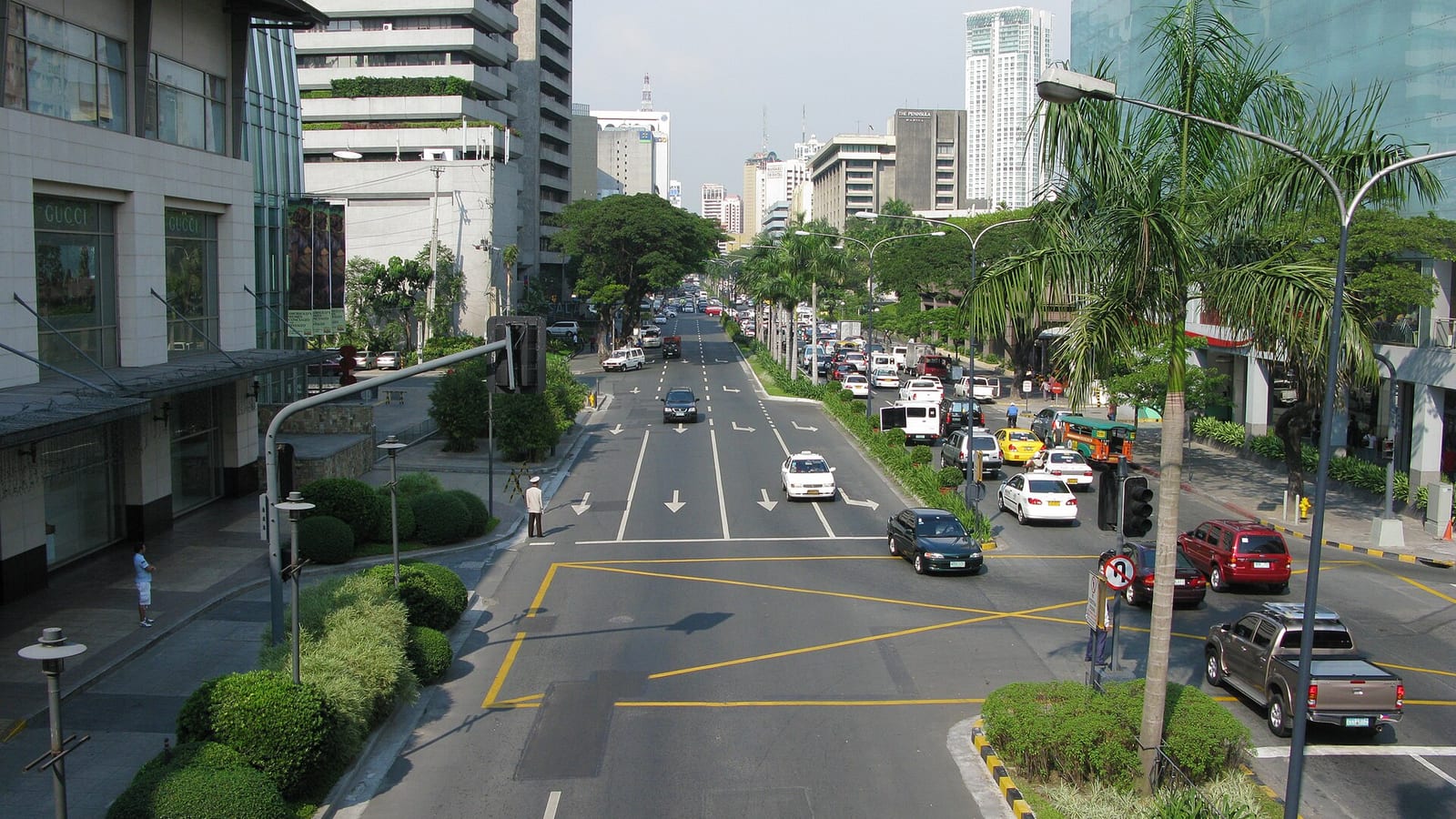
How much does property cost per square metre in the Philippines? It's one of the most useful questions a buyer can ask, and one of the most misleading to answer with a single number. The honest reply is that it depends enormously on the city, the district and the type of property: a prime Makati condo can cost five times as much per square metre as a unit in a provincial city. This guide gives you the real ranges, the national picture, our own city-by-city data, and prime-district benchmarks, and shows you how to use price per square metre to buy well.
Three different "price per square metre", don't mix them up
Three numbers get muddled in searches, and they mean very different things:
- Market (selling) price per square metre: what a finished home sells for, divided by its floor area. This is what most buyers mean, and what this article and our tool track. It runs from roughly ₱60,000 (about $960 / €826) in affordable provincial markets to ₱380,000 (about $6,080 / €5,230) in prime Metro Manila.
- Construction cost per square metre: what it costs to build a home. Government building-permit data (PSA) put the average new residential build at around ₱15,562 (about $249 / €214) per square metre in 2025. That's a completely different figure from the selling price.
- Cost of living: monthly spending, not a property price at all.
If you're searching "cost per square metre to build a house," you want the construction figure. If you're comparing homes to buy, you want the market figure covered below.
The national picture
There is no single official "price per square metre" for the whole country, the central bank (BSP) publishes a median per-unit price instead. As of the third quarter of 2025, the national median price of a home sold was about ₱3.46 million (about $55,400 / €47,700) (₱3.47M (about $55,500 / €47,800) for condos, ₱3.29M (about $52,600 / €45,300) for houses). In Metro Manila the median was ₱5 million (about $80,000 / €68,900); outside the capital, about ₱3.38 million (about $54,100 / €46,600); in Metro Cebu, roughly ₱3.6 million (about $57,600 / €49,600).
Just as important for a buyer: the market has cooled. BSP's residential property price index rose only 1.6% year-on-year in late 2025, effectively flat, or a slight decline of about 0.2% once inflation is stripped out, while Metro Manila works through a large condo oversupply (the consultancy Colliers estimated on the order of eight years of unsold inventory). That makes 2026 a comparatively favourable, negotiable market for buyers.
Price per square metre by city, our data
Here is where a per-square-metre view earns its keep. The table below shows the median asking price per square metre across active BalayHub listings, by city, as of June 2026. We use the median (the middle value) so a single mispriced listing can't distort the figure.
| City | Median sale price / sqm | Median rent / sqm per month |
|---|---|---|
| Makati | ₱198,000 (about $3,170 / €2,730) | ₱950 (about $15 / €13) |
| Taguig (BGC) | ₱198,000 (about $3,170 / €2,730) | ₱970 (about $16 / €13) |
| Pasig (Ortigas) | ₱167,000 (about $2,670 / €2,300) | ₱600 (about $9.6 / €8.3) |
| Cebu City | ₱103,000 (about $1,650 / €1,420) | ₱700 (about $11 / €9.6) |
| Parañaque | ₱100,000 (about $1,600 / €1,380) | ₱410 (about $6.6 / €5.6) |
| Quezon City | ₱100,000 (about $1,600 / €1,380) | ₱600 (about $9.6 / €8.3) |
| Baguio | ₱68,000 (about $1,090 / €937) | , |
| Lapu-Lapu | ₱55,000 (about $880 / €758) | ₱690 (about $11 / €9.5) |
Across all our listings the national median works out to roughly ₱72,000 (about $1,150 / €992) per square metre for sale and about ₱740 (about $12 / €10) per square metre per month for rent, but as the table shows, the city-level spread is enormous. For the always-current figures across every city, see our live price per square metre by city tool.
Prime districts versus the provinces
The gap widens further at the building level. Listing data from the major portals put prime Metro Manila condos, Makati CBD, Bonifacio Global City, Rockwell, in the ₱275,000 to 380,000 (about $4,400 to $6,080 / €3,790 to €5,230) per square metre band, with ultra-luxury towers higher still. If Makati itself fits your budget, you can see what is actually on the market on our Makati condo listings page and judge each unit on its price per square metre. Ortigas sits around ₱120,000 to 216,000 (about $1,920 to $3,460 / €1,650 to €2,980), Cebu's IT Park and Business Park near ₱160,000 (about $2,560 / €2,200), and provincial cities such as Davao, Iloilo and the Clark area roughly ₱60,000 to 120,000 (about $960 to $1,920 / €826 to €1,650). Ortigas falls inside Pasig, so if that band fits your budget you can browse what is actually selling on our Pasig condo listings page (confirm any figure with a licensed professional).
A caveat worth keeping in mind: those are asking prices from listings, which tend to run ahead of what deals actually close at, especially in a soft market. The practical lesson is simple: never compare two homes on total price alone. A ₱6 (about $0.10 / €0.08)-million unit can be a bargain or a rip-off depending on where it is and how big it is. Farmland is quoted per hectare rather than per square meter; our guide to agricultural land prices per hectare covers that market and the rules that come with it.
Sale, rent and rental yield
Per-square-metre thinking works for renters and investors too. Metro Manila condo rents average roughly ₱1,000 to 1,050 (about $16 to $17 / €14 to €14) per square metre per month, which on prevailing prices works out to gross rental yields of about 5 to 7% in the better districts. Divide a city's annual rent per square metre (the monthly figure times twelve) by its sale price per square metre and you get a quick gross-yield estimate to compare one market against another. Our rent or buy comparison turns these rents and prices into a break even horizon by unit type.
How to use price per square metre when buying
- Compare like with like. Reduce every shortlisted home to its price per square metre before judging value.
- Spot the outliers. A unit priced far above the local median per square metre needs a clear reason, a prime floor, an unblockable view, a renovation, or it is simply overpriced.
- Negotiate with data. In a cooling, oversupplied market, knowing the local median is leverage at the table.
- Mind the area basis. Condos are measured by floor area; lots and house-and-lots are often quoted by lot area, which reads lower per square metre, don't compare the two directly.
The bottom line
There is no one "average price per square metre" in the Philippines. There is a range, from around ₱60,000 (about $960 / €826) in the provinces to nearly ₱400,000 (about $6,400 / €5,510) in prime Metro Manila, on a market that has cooled into buyers' favour for 2026. Use the per-square-metre lens to cut through headline prices, check the current figure for any city with our price per square metre tool, and browse properties for sale and for rent once you know what fair value looks like. Buying from overseas? Pair this with our affordability calculator to turn a dollar or euro budget into a realistic peso figure. When you sell, the same price per square meter sets the 6% capital gains tax, computed on the higher of the price and the zonal value, as our capital gains tax guide explains.
Price per square meter, city by city (2026)
The national average hides a huge spread. Here is roughly where the major condo markets sit on median sale price per square meter, drawn from our live listings.
| City / district | Sale price per sqm |
|---|---|
| BGC / Taguig | around ₱200,000 to ₱210,000 (about $3,200 to $3,360 / €2,750 to €2,890) |
| Makati | around ₱200,000 (about $3,200 / €2,750) |
| Pasig / Ortigas | around ₱165,000 to ₱170,000 (about $2,640 to $2,720 / €2,270 to €2,340) |
| City of Manila | around ₱130,000 (about $2,080 / €1,790) |
| Cebu City | around ₱113,000 (about $1,810 / €1,560) |
| Quezon City | around ₱100,000 (about $1,600 / €1,380) |
| Davao | around ₱90,000 (about $1,440 / €1,240) |
For the always-current figures, with rent per square meter alongside, use the price per square meter tool, and read the city deep-dives for Manila, Makati, Quezon City and Cebu.
Taguig has its own breakdown in our guide to the condo price per square meter in Taguig and BGC. Keep in mind that every figure here is an asking price; the values the government uses to tax a property are different numbers, explained in zonal value vs market value vs assessed value.
Check a real price
To see how a specific unit compares with its city, run it through our price per square meter tool, then browse the current properties for sale to see what those numbers look like in practice.
Dollar and euro figures are approximate conversions at ₱62.5 per US dollar and ₱72.6 per euro (ECB reference rates, 2026-09-08).
Frequently asked questions
What is the average price per square metre of property in the Philippines?
There is no single official figure, it ranges from about ₱60,000 (about $960 / €826) per square metre in affordable provincial markets to ₱275,000 (about $4,400 / €3,790)-380,000 in prime Metro Manila districts such as Makati CBD and BGC. Across active BalayHub listings the median is roughly ₱72,000 (about $1,150 / €992) per square metre (June 2026). Use our per-city tool for the current figures.
Is it cheaper to build or to buy a house in the Philippines?
Building and buying measure different things. The average residential construction cost is around ₱15,562 (about $249 / €214) per square metre (PSA, 2025), while finished homes sell for far more per square metre because the price also covers land, development, margin and location.
Which Philippine city has the cheapest property per square metre?
Among active markets, provincial cities and the outer parts of Metro Manila are the cheapest per square metre, while Makati and Taguig (BGC) are the most expensive. Check the live price-per-square-metre tool for the current ranking.
Are Philippine property prices rising or falling in 2026?
They have cooled sharply. The BSP residential property price index rose just 1.6% year-on-year in late 2025 and dipped slightly in real terms, while a Metro Manila condo oversupply has given buyers more room to negotiate.
How do I calculate price per square metre?
Divide the selling price by the floor area, or by the lot area for land and house-and-lot. A ₱5,000,000 (about $80,000 / €68,900) condo of 50 square metres works out to ₱100,000 (about $1,600 / €1,380) per square metre.
Magkano ba ang property kada square meter sa Pilipinas? Isa ito sa pinaka-kapaki-pakinabang na tanong ng isang buyer, at isa rin sa pinaka-nakakalinlang kung sasagutin ng iisang numero lang. Ang tapat na sagot: depende nang husto sa siyudad, sa district at sa uri ng property. Ang prime na condo sa Makati ay pwedeng limang beses na mas mahal kada square meter kaysa sa unit sa isang provincial city. Ibibigay sa iyo ng gabay na ito ang mga totoong range, ang national picture, ang sarili naming city-by-city data, at ang mga benchmark sa prime districts, at ipapakita kung paano gamitin ang price per square meter para makabili nang tama.
Tatlong magkakaibang "price per square meter," huwag mong paghaluin
May tatlong numerong nagkakalituhan sa mga search, at magkakaiba talaga ang ibig sabihin ng mga ito:
- Market (selling) price kada square meter: kung magkano ang bentahan ng isang tapos nang bahay, hinati sa floor area nito. Ito ang ibig sabihin ng karamihan ng buyer, at ito ang tine-track ng artikulong ito at ng aming tool. Tumatakbo ito mula humigit-kumulang ₱60,000 (mga $960 / €826) sa mga affordable na provincial market hanggang ₱380,000 (mga $6,080 / €5,230) sa prime Metro Manila.
- Construction cost kada square meter: kung magkano ang gastos para itayo ang isang bahay. Ayon sa government building-permit data (PSA), ang average na bagong residential build ay nasa humigit-kumulang ₱15,562 (mga $249 / €214) kada square meter noong 2025. Ibang-ibang numero iyan sa selling price.
- Cost of living: buwanang gastusin, hindi presyo ng property.
Kung ang hinahanap mo ay "cost per square meter to build a house," ang kailangan mo ay ang construction figure. Kung nagkukumpara ka ng mga bahay na bibilhin, ang kailangan mo ay ang market figure na tinalakay sa ibaba.
Ang national picture
Walang iisang opisyal na "price per square meter" para sa buong bansa. Ang central bank (BSP) ay naglalabas ng median na presyo kada unit sa halip. Sa ikatlong quarter ng 2025, ang national median na presyo ng bahay na naibenta ay humigit-kumulang ₱3.46 million (mga $55,400 / €47,700) (₱3.47M (mga $55,500 / €47,800) para sa condos, ₱3.29M (mga $52,600 / €45,300) para sa houses). Sa Metro Manila, ang median ay ₱5 million (mga $80,000 / €68,900); sa labas ng kabisera, mga ₱3.38 million (mga $54,100 / €46,600); sa Metro Cebu, mga ₱3.6 million (mga $57,600 / €49,600).
Kasing halaga nito para sa isang buyer: lumamig na ang market. Ang residential property price index ng BSP ay tumaas lang ng 1.6% year-on-year noong huling bahagi ng 2025, halos flat na, o bahagyang bumaba pa ng mga 0.2% kapag tinanggal ang inflation, habang dinadaanan ng Metro Manila ang malaking condo oversupply (tinantya ng consultancy na Colliers na nasa antas ng walong taong hindi pa nabebentang inventory). Dahil doon, ang 2026 ay medyo paborable at negotiable na market para sa mga buyer.
Price per square meter kada siyudad, ang aming data
Dito nagiging kapaki-pakinabang ang pagtingin kada square meter. Ipinapakita ng table sa ibaba ang median na asking price kada square meter sa mga aktibong listing ng BalayHub, kada siyudad, sa Hunyo 2026. Ginagamit namin ang median (ang panggitnang halaga) para hindi masisira ng isang maling presyong listing ang numero.
| Siyudad | Median na presyo ng bentahan / sqm | Median na renta / sqm kada buwan |
|---|---|---|
| Makati | ₱198,000 (mga $3,170 / €2,730) | ₱950 (mga $15 / €13) |
| Taguig (BGC) | ₱198,000 (mga $3,170 / €2,730) | ₱970 (mga $16 / €13) |
| Pasig (Ortigas) | ₱167,000 (mga $2,670 / €2,300) | ₱600 (mga $9.6 / €8.3) |
| Cebu City | ₱103,000 (mga $1,650 / €1,420) | ₱700 (mga $11 / €9.6) |
| Parañaque | ₱100,000 (mga $1,600 / €1,380) | ₱410 (mga $6.6 / €5.6) |
| Quezon City | ₱100,000 (mga $1,600 / €1,380) | ₱600 (mga $9.6 / €8.3) |
| Baguio | ₱68,000 (mga $1,090 / €937) | , |
| Lapu-Lapu | ₱55,000 (mga $880 / €758) | ₱690 (mga $11 / €9.5) |
Sa lahat ng aming listing, ang national median ay lumalabas na humigit-kumulang ₱72,000 (mga $1,150 / €992) kada square meter para sa bentahan at mga ₱740 (mga $12 / €10) kada square meter kada buwan para sa renta, pero tulad ng ipinapakita ng table, napakalaki ng agwat kada siyudad. Para sa laging updated na numero sa bawat siyudad, tingnan ang aming live na price per square meter by city tool.
Prime districts laban sa mga probinsya
Lalong lumalaki ang agwat sa antas ng building. Ang listing data mula sa mga malalaking portal ay naglalagay sa prime na condos ng Metro Manila, Makati CBD, Bonifacio Global City, Rockwell, sa banda ng ₱275,000 to 380,000 (mga $4,400 hanggang $6,080 / €3,790 hanggang €5,230) kada square meter, at mas mataas pa ang mga ultra-luxury tower. Kung kaya ng budget mo ang Makati mismo, makikita mo kung ano talaga ang nasa market sa aming Makati condo listings page at husgahan ang bawat unit ayon sa price per square meter nito. Ang Ortigas ay nasa mga ₱120,000 to 216,000 (mga $1,920 hanggang $3,460 / €1,650 hanggang €2,980), ang IT Park at Business Park ng Cebu ay malapit sa ₱160,000 (mga $2,560 / €2,200), at ang mga provincial city gaya ng Davao, Iloilo at Clark area ay nasa humigit-kumulang ₱60,000 to 120,000 (mga $960 hanggang $1,920 / €826 hanggang €1,650). Ang Ortigas ay nasa loob ng Pasig, kaya kung kasya ang band na iyan sa budget mo, matitingnan mo kung ano talaga ang nabebenta sa aming Pasig condo listings page (kumpirmahin ang anumang numero sa isang licensed professional).
Isang paalala na dapat tandaan: ang mga iyan ay asking prices mula sa mga listing, na kadalasang mas mataas kaysa sa presyong aktwal na napagkakasunduan sa deal, lalo na sa mahinang market. Simple lang ang praktikal na aral: huwag kailanman ikumpara ang dalawang bahay sa total price lang. Ang isang ₱6 (mga $0.10 / €0.08)-million na unit ay pwedeng bargain o lugi ka, depende kung nasaan ito at gaano kalaki. Ang farmland ay pinepresyo kada ektarya sa halip na kada square meter; sakop ng aming gabay sa presyo ng agricultural land kada ektarya ang market na iyon at ang mga patakarang kaakibat nito.
Bentahan, renta at rental yield
Ang pag-iisip kada square meter ay gumagana rin para sa mga renter at investor. Ang renta ng condo sa Metro Manila ay nasa average na humigit-kumulang ₱1,000 to 1,050 (mga $16 hanggang $17 / €14 hanggang €14) kada square meter kada buwan, na sa mga umiiral na presyo ay lumalabas na gross rental yield na mga 5 to 7% sa mas magagandang district. Hatiin mo ang annual rent kada square meter ng isang siyudad (ang buwanang numero times twelve) sa sale price kada square meter nito at makakakuha ka ng mabilisang gross-yield estimate para ikumpara ang isang market sa iba. Ginagawa ng aming paghahambing ng rent or buy ang mga upa at presyong ito na break even horizon ayon sa uri ng unit.
Paano gamitin ang price per square meter kapag bibili
- Ikumpara ang magkatulad sa magkatulad. I-reduce ang bawat na-shortlist na bahay sa price per square meter nito bago husgahan ang value.
- Hanapin ang mga outlier. Ang unit na ang presyo ay malayo sa itaas ng local median kada square meter ay kailangang may malinaw na dahilan, prime na floor, view na hindi maha-harangan, renovation, o kung hindi, overpriced lang talaga ito.
- Makipagtawaran gamit ang data. Sa lumalamig at oversupplied na market, ang pag-alam sa local median ay leverage mo sa negosasyon.
- Ingatan ang basehan ng area. Ang condos ay sinusukat ayon sa floor area; ang mga lote at house-and-lot ay madalas naka-quote sa lot area, na mukhang mas mababa kada square meter. Huwag ikumpara ang dalawa nang direkta.
Ang buod
Walang iisang "average price per square meter" sa Pilipinas. May range, mula sa humigit-kumulang ₱60,000 (mga $960 / €826) sa mga probinsya hanggang halos ₱400,000 (mga $6,400 / €5,510) sa prime Metro Manila, sa isang market na lumamig na pabor sa mga buyer para sa 2026. Gamitin ang lente kada square meter para makita ang totoo sa likod ng mga headline price, alamin ang kasalukuyang numero para sa anumang siyudad gamit ang aming price per square meter tool, at mag-browse ng mga property na for sale at for rent kapag alam mo na kung ano ang mukha ng fair value. Bibili mula abroad? Isabay ito sa aming affordability calculator para gawing makatotohanang halaga sa piso ang budget mong dolyar o euro. Kapag nagbenta ka, ang parehong presyo kada square meter ang nagtatakda ng 6% capital gains tax, na kinukuwenta sa mas mataas sa presyo at zonal value, gaya ng ipinapaliwanag ng aming gabay sa capital gains tax.
Price per square meter, siyudad kada siyudad (2026)
Tinatago ng national average ang napakalaking agwat. Heto ang humigit-kumulang na kinatatayuan ng mga malalaking condo market sa median na sale price kada square meter, hango sa aming mga live listing.
| Siyudad / district | Sale price kada sqm |
|---|---|
| BGC / Taguig | mga ₱200,000 to ₱210,000 (mga $3,200 hanggang $3,360 / €2,750 hanggang €2,890) |
| Makati | mga ₱200,000 (mga $3,200 / €2,750) |
| Pasig / Ortigas | mga ₱165,000 to ₱170,000 (mga $2,640 hanggang $2,720 / €2,270 hanggang €2,340) |
| City of Manila | mga ₱130,000 (mga $2,080 / €1,790) |
| Cebu City | mga ₱113,000 (mga $1,810 / €1,560) |
| Quezon City | mga ₱100,000 (mga $1,600 / €1,380) |
| Davao | mga ₱90,000 (mga $1,440 / €1,240) |
Para sa laging updated na numero, kasama ang rent per square meter, gamitin ang price per square meter tool, at basahin ang mga city deep-dive para sa Manila, Makati, Quezon City at Cebu.
May sariling breakdown ang Taguig sa aming gabay sa condo price per square meter sa Taguig at BGC. Tandaan na bawat figure dito ay asking price; ibang mga numero ang mga value na ginagamit ng gobyerno sa pagbubuwis ng property, na ipinapaliwanag sa zonal value vs market value vs assessed value.
Suriin ang isang totoong presyo
Para makita kung paano naghahambing ang isang partikular na unit sa siyudad nito, patakbuhin ito sa aming price per square meter tool, pagkatapos ay mag-browse ng mga kasalukuyang property na for sale para makita kung ano ang itsura ng mga numerong iyon sa aktwal.
Tinatayang conversion lang ang mga halaga sa dollar at euro, sa ₱62.5 kada US dollar at ₱72.6 kada euro (ECB reference rates, 2026-09-08).
Mga madalas itanong
Magkano ang average na presyo per square meter ng property sa Pilipinas?
Walang iisang opisyal na figure, umaabot ito mula mga ₱60,000 (mga $960 / €826) per square meter sa mga affordable na provincial market hanggang ₱275,000 (mga $4,400 / €3,790)-380,000 sa mga prime district ng Metro Manila tulad ng Makati CBD at BGC. Sa mga active na BalayHub listing, nasa mga ₱72,000 (mga $1,150 / €992) per square meter ang median (June 2026). Gamitin ang per-city tool namin para sa mga current na figure.
Mas mura bang magpatayo o bumili ng bahay sa Pilipinas?
Magkaibang bagay ang sinusukat ng pagpapatayo at pagbili. Ang average na residential construction cost ay nasa mga ₱15,562 (mga $249 / €214) per square meter (PSA, 2025), pero mas mataas ang bentahan ng mga tapos nang bahay per square meter dahil kasama na sa presyo ang lupa, development, margin at location.
Aling city sa Pilipinas ang may pinakamurang property per square meter?
Sa mga active na market, ang mga provincial city at ang mga laylayan ng Metro Manila ang pinakamura per square meter, habang ang Makati at Taguig (BGC) ang pinakamahal. Tingnan ang live price-per-square-metre tool para sa current ranking.
Tumataas ba o bumababa ang presyo ng property sa Pilipinas ngayong 2026?
Lumamig sila nang husto. Tumaas lang ng 1.6% year-on-year ang BSP residential property price index noong late 2025 at bahagya pang bumaba in real terms, habang ang condo oversupply sa Metro Manila ay nagbigay sa mga buyer ng mas maluwag na puwang para tumawad.
Paano ko iko-compute ang presyo per square meter?
I-divide ang selling price sa floor area, o sa lot area kung lupa o house-and-lot. Ang ₱5,000,000 (mga $80,000 / €68,900) na condo na 50 square meters ay lalabas na ₱100,000 (mga $1,600 / €1,380) per square meter.
Tagpila man ang property matag square meter sa Pilipinas? Usa kini sa pinaka-mapuslanon nga pangutana sa usa ka buyer, ug usa usab sa pinaka-makapahisalaag kung tubagon sa usa ra ka numero. Ang tinuod nga tubag: nagdepende kaayo sa siyudad, sa district ug sa klase sa property. Ang prime nga condo sa Makati mahimong lima ka pilo nga mas mahal matag square meter kaysa sa unit sa usa ka provincial city. Kini nga giya maghatag kanimo sa mga tinuod nga range, sa national picture, sa among kaugalingong city-by-city data, ug sa mga benchmark sa prime districts, ug magpakita kung unsaon paggamit ang price per square meter aron makapalit nga husto.
Tulo ka lahi nga "price per square meter," ayaw isagol
Adunay tulo ka numero nga magkalibog sa mga search, ug lahi kaayo ang buot ipasabot niini:
- Market (selling) price matag square meter: kung tagpila ang halin sa usa ka human na nga balay, gibahin sa floor area niini. Mao kini ang buot ipasabot sa kadaghanan sa mga buyer, ug mao kini ang gi-track niining artikuloha ug sa among tool. Modagan kini gikan sa mga ₱60,000 (mga $960 / €826) sa mga affordable nga provincial market hangtod sa ₱380,000 (mga $6,080 / €5,230) sa prime Metro Manila.
- Construction cost matag square meter: kung tagpila ang gasto aron tukuron ang usa ka balay. Sumala sa government building-permit data (PSA), ang average nga bag-ong residential build naa sa mga ₱15,562 (mga $249 / €214) matag square meter niadtong 2025. Lahi kaayo kana nga numero sa selling price.
- Cost of living: binulan nga galastuhan, dili presyo sa property.
Kung ang imong gipangita mao ang "cost per square meter to build a house," ang kinahanglan nimo mao ang construction figure. Kung nagtandi ka og mga balay nga paliton, ang kinahanglan nimo mao ang market figure nga gihisgotan sa ubos.
Ang national picture
Walay usa ka opisyal nga "price per square meter" para sa tibuok nasod. Ang central bank (BSP) nagpagawas hinuon og median nga presyo matag unit. Sa ikatulong quarter sa 2025, ang national median nga presyo sa balay nga nahalin mikabat og mga ₱3.46 million (mga $55,400 / €47,700) (₱3.47M (mga $55,500 / €47,800) para sa condos, ₱3.29M (mga $52,600 / €45,300) para sa houses). Sa Metro Manila, ang median ₱5 million (mga $80,000 / €68,900); gawas sa kapital, mga ₱3.38 million (mga $54,100 / €46,600); sa Metro Cebu, mga ₱3.6 million (mga $57,600 / €49,600).
Sama ka importante para sa usa ka buyer: mibugnaw na ang market. Ang residential property price index sa BSP misaka lang og 1.6% year-on-year sa ulahing bahin sa 2025, halos flat na, o gamay pa gani nga pagkunhod og mga 0.2% kung kuhaon ang inflation, samtang ginaagwanta sa Metro Manila ang dako nga condo oversupply (gibanabana sa consultancy nga Colliers nga naa sa ang-ang sa walo ka tuig nga wala pa mahalin nga inventory). Tungod niana, ang 2026 medyo paborable ug negotiable nga market para sa mga buyer.
Price per square meter matag siyudad, ang among data
Dinhi mapuslanon gyud ang pagtan-aw matag square meter. Ang table sa ubos nagpakita sa median nga asking price matag square meter sa mga aktibong listing sa BalayHub, matag siyudad, sa Hunyo 2026. Gigamit namo ang median (ang tunga-tunga nga bili) aron dili madaot sa usa ka sayop og presyo nga listing ang numero.
| Siyudad | Median nga presyo sa halin / sqm | Median nga abang / sqm matag bulan |
|---|---|---|
| Makati | ₱198,000 (mga $3,170 / €2,730) | ₱950 (mga $15 / €13) |
| Taguig (BGC) | ₱198,000 (mga $3,170 / €2,730) | ₱970 (mga $16 / €13) |
| Pasig (Ortigas) | ₱167,000 (mga $2,670 / €2,300) | ₱600 (mga $9.6 / €8.3) |
| Cebu City | ₱103,000 (mga $1,650 / €1,420) | ₱700 (mga $11 / €9.6) |
| Parañaque | ₱100,000 (mga $1,600 / €1,380) | ₱410 (mga $6.6 / €5.6) |
| Quezon City | ₱100,000 (mga $1,600 / €1,380) | ₱600 (mga $9.6 / €8.3) |
| Baguio | ₱68,000 (mga $1,090 / €937) | , |
| Lapu-Lapu | ₱55,000 (mga $880 / €758) | ₱690 (mga $11 / €9.5) |
Sa tanan namong listing, ang national median mokabat og mga ₱72,000 (mga $1,150 / €992) matag square meter para sa halin ug mga ₱740 (mga $12 / €10) matag square meter matag bulan para sa abang, apan sama sa gipakita sa table, dako kaayo ang gintang matag siyudad. Para sa kanunay updated nga mga numero sa matag siyudad, tan-awa ang among live nga price per square meter by city tool.
Prime districts batok sa mga probinsya
Mas modako pa ang gintang sa ang-ang sa building. Ang listing data gikan sa mga dagkong portal nagbutang sa prime nga condos sa Metro Manila, Makati CBD, Bonifacio Global City, Rockwell, sa banda nga ₱275,000 to 380,000 (mga $4,400 hangtod $6,080 / €3,790 hangtod €5,230) matag square meter, ug mas taas pa ang mga ultra-luxury tower. Kung kaya sa imong budget ang Makati mismo, makita nimo kung unsa gyud ang naa sa market sa among Makati condo listings page ug hukmi ang matag unit sumala sa price per square meter niini. Ang Ortigas naa sa mga ₱120,000 to 216,000 (mga $1,920 hangtod $3,460 / €1,650 hangtod €2,980), ang IT Park ug Business Park sa Cebu duol sa ₱160,000 (mga $2,560 / €2,200), ug ang mga provincial city sama sa Davao, Iloilo ug Clark area naa sa mga ₱60,000 to 120,000 (mga $960 hangtod $1,920 / €826 hangtod €1,650). Ang Ortigas sakop sa Pasig, mao nga kung mohaom kana nga band sa imong budget, ma-browse nimo kung unsa gyud ang nahalin sa among Pasig condo listings page (kumpirmaha ang bisan unsang numero sa usa ka licensed professional).
Usa ka pahinumdom nga angay hinumdoman: kana nga mga numero asking prices gikan sa mga listing, nga kasagaran mas taas kaysa sa presyo nga aktwal nga masirado ang deal, ilabi na sa huyang nga market. Yano ra ang praktikal nga leksyon: ayaw gyud itandi ang duha ka balay sa total price lang. Ang usa ka ₱6 (mga $0.10 / €0.08)-million nga unit mahimong bargain o pildi ka, depende kung asa kini ug unsa kadako. Ang farmland gi-quote kada ektarya imbes kada square meter; ang among giya sa mga presyo sa agricultural land kada ektarya nagsakop niana nga merkado ug sa mga lagda nga kauban niini.
Halin, abang ug rental yield
Ang panghunahuna matag square meter magamit usab sa mga renter ug investor. Ang abang sa condo sa Metro Manila naa sa average nga mga ₱1,000 to 1,050 (mga $16 hangtod $17 / €14 hangtod €14) matag square meter matag bulan, nga sa kasamtangang mga presyo mokabat og gross rental yield nga mga 5 to 7% sa mas maayong mga district. Bahina ang tinuig nga abang matag square meter sa usa ka siyudad (ang binulan nga numero times twelve) sa sale price matag square meter niini ug makakuha ka og paspas nga gross-yield estimate aron itandi ang usa ka market sa uban. Ang among pagtandi sa pag-rent o pagpalit naghimo niining mga rent ug presyo nga break even horizon sumala sa matang sa unit.
Unsaon paggamit ang price per square meter kung mopalit
- Itandi ang managsama sa managsama. I-reduce ang matag na-shortlist nga balay sa price per square meter niini una hukman ang value.
- Pangitaa ang mga outlier. Ang unit nga ang presyo layo sa ibabaw sa local median matag square meter kinahanglan adunay klaro nga rason, prime nga floor, view nga dili maali, renovation, o kung dili, overpriced lang gyud kini.
- Pakigsabot gamit ang data. Sa nagbugnaw ug oversupplied nga market, ang pagkahibalo sa local median maoy imong leverage sa lamesa.
- Bantayi ang basehan sa area. Ang condos gisukod sumala sa floor area; ang mga lote ug house-and-lot sagad gi-quote sa lot area, nga morag mas ubos matag square meter. Ayaw itandi ang duha nga direkta.
Ang kinatibuk-an
Walay usa ka "average price per square meter" sa Pilipinas. Adunay range, gikan sa mga ₱60,000 (mga $960 / €826) sa mga probinsya hangtod sa halos ₱400,000 (mga $6,400 / €5,510) sa prime Metro Manila, sa usa ka market nga mibugnaw pabor sa mga buyer para sa 2026. Gamita ang lente matag square meter aron makita ang tinuod luyo sa mga headline price, susiha ang kasamtangang numero para sa bisan unsang siyudad gamit ang among price per square meter tool, ug pag-browse og mga property nga for sale ug for rent kung nahibalo ka na kung unsa ang hitsura sa fair value. Mopalit gikan sa abroad? Ipares kini sa among affordability calculator aron himoon nga realistiko nga kantidad sa piso ang imong budget nga dolyar o euro. Kon mobaligya ka, ang sama nga presyo kada square meter ang nagtakda sa 6% capital gains tax, nga gikwenta sa mas taas tali sa presyo ug sa zonal value, sumala sa gipasabot sa among giya sa capital gains tax.
Price per square meter, siyudad matag siyudad (2026)
Gitago sa national average ang dako kaayong gintang. Ania kung asa mga nahimutang ang mga dagkong condo market sa median nga sale price matag square meter, gikuha gikan sa among mga live listing.
| Siyudad / district | Sale price matag sqm |
|---|---|
| BGC / Taguig | mga ₱200,000 to ₱210,000 (mga $3,200 hangtod $3,360 / €2,750 hangtod €2,890) |
| Makati | mga ₱200,000 (mga $3,200 / €2,750) |
| Pasig / Ortigas | mga ₱165,000 to ₱170,000 (mga $2,640 hangtod $2,720 / €2,270 hangtod €2,340) |
| City of Manila | mga ₱130,000 (mga $2,080 / €1,790) |
| Cebu City | mga ₱113,000 (mga $1,810 / €1,560) |
| Quezon City | mga ₱100,000 (mga $1,600 / €1,380) |
| Davao | mga ₱90,000 (mga $1,440 / €1,240) |
Para sa kanunay updated nga mga numero, uban ang rent per square meter, gamita ang price per square meter tool, ug basaha ang mga city deep-dive para sa Manila, Makati, Quezon City ug Cebu.
Ang Taguig adunay kaugalingong breakdown sa among giya sa presyo sa condo kada square meter sa Taguig ug BGC. Hinumdomi nga ang matag numero dinhi asking price; ang mga value nga gigamit sa gobyerno aron buhisan ang usa ka property lahi nga mga numero, nga gipasabot sa zonal value vs market value vs assessed value.
Susiha ang usa ka tinuod nga presyo
Aron makita kung unsa ang pagtandi sa usa ka piho nga unit sa siyudad niini, ipadagan kini sa among price per square meter tool, unya pag-browse sa mga kasamtangang property nga for sale aron makita kung unsa ang hitsura sa maong mga numero sa aktwal.
Banabana lang ang mga conversion sa dollar ug euro, sa ₱62.5 matag US dollar ug ₱72.6 matag euro (ECB reference rates, 2026-09-08).
Mga kasagarang pangutana
Pila ang average nga presyo per square meter sa property sa Pilipinas?
Walay usa ka opisyal nga figure, gikan kini sa mga ₱60,000 (mga $960 / €826) per square meter sa mga barato nga provincial market hangtod ₱275,000 (mga $4,400 / €3,790)-380,000 sa mga prime district sa Metro Manila sama sa Makati CBD ug BGC. Sa mga active nga BalayHub listing, mga ₱72,000 (mga $1,150 / €992) per square meter ang median (June 2026). Gamita ang among per-city tool para sa mga current nga figure.
Mas barato ba magpatukod o mopalit og balay sa Pilipinas?
Lahi ang gisukod sa pagtukod ug sa pagpalit. Ang average nga residential construction cost mga ₱15,562 (mga $249 / €214) per square meter (PSA, 2025), pero mas mahal ibaligya ang mga human na nga balay per square meter kay apil na sa presyo ang yuta, development, margin ug location.
Asa nga siyudad sa Pilipinas ang adunay pinakabarato nga property per square meter?
Sa mga active nga market, ang mga provincial city ug ang mga kilid nga bahin sa Metro Manila ang pinakabarato per square meter, samtang ang Makati ug Taguig (BGC) ang pinakamahal. Tan-awa ang live price-per-square-metre tool para sa current ranking.
Nagsaka ba o nagkanaog ang presyo sa property sa Pilipinas karong 2026?
Nibugnaw na kaayo. Nisaka lang og 1.6% year-on-year ang BSP residential property price index sa late 2025 ug gamay pa gani nga ninaog in real terms, samtang ang condo oversupply sa Metro Manila naghatag sa mga buyer og mas dako nga higayon nga makahangyo sa presyo.
Unsaon nako pag-compute ang presyo per square meter?
I-divide ang selling price sa floor area, o sa lot area kung yuta o house-and-lot. Ang ₱5,000,000 (mga $80,000 / €68,900) nga condo nga 50 square meters mogawas nga ₱100,000 (mga $1,600 / €1,380) per square meter.
Browse properties on BalayHub
See all listings →
Read next
Mortgage Redemption Insurance Philippines: What You Pay
Mortgage redemption insurance Philippines borrowers call MRI, and the fire policy on a Pag-IBIG or bank housing loan: what each covers and who is paid.
Agricultural Land Price per Hectare in the Philippines
Agricultural land price per hectare in the Philippines: ₱1M in Palawan, ₱1.8M to ₱3.5M for Nueva Ecija rice land, ₱18M+ near Manila, and the 5 ha rule.
How to Pay Amilyar Online: City Portals and Deadlines (2026)
How to pay amilyar online: what city portals ask for, Quezon City step by step, Cebu and Makati, discounts up to 20% and the 2% monthly penalty.