
Sep 30, 2026 · by BalayHub Admin · 7 min read
Zonal Value vs Market Value vs Assessed Value: Philippines
Zonal value vs market value vs assessed value: which one sets the 6% capital gains tax, which one sets amilyar, and what RA 12001 changes in 2026.
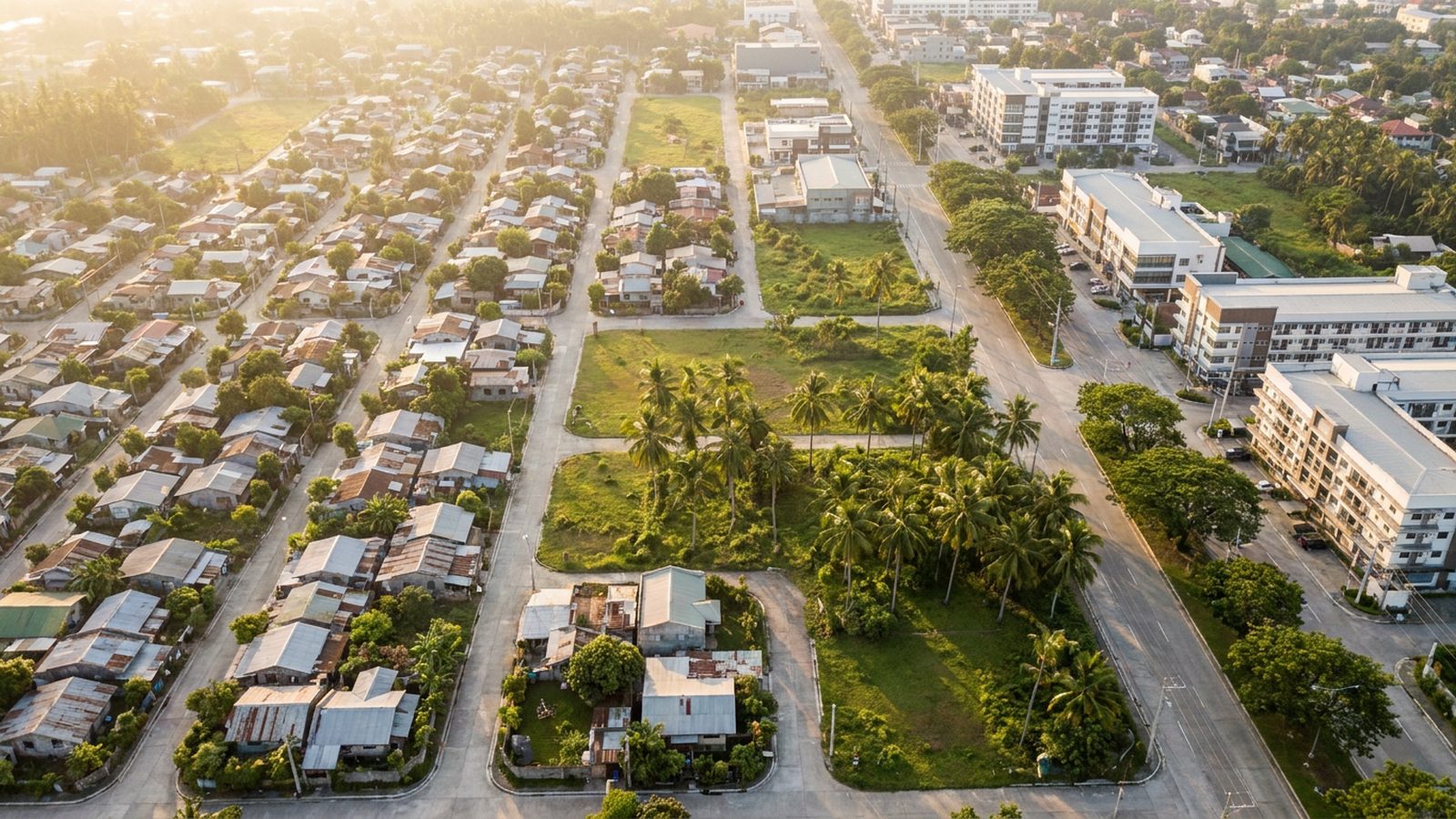
Zonal value vs market value is the comparison that decides how much tax a property sale costs in the Philippines, and most owners meet it for the first time at the BIR counter, when the examiner ignores the price in the deed and computes the tax on a higher number. There is a third figure as well, the assessed value, which sets the yearly amilyar and is far lower than either. This guide explains who sets each value, which tax uses which, how to look yours up, and where the 2024 law meant to merge them stands today.
Three values and who sets each
The zonal value is the Bureau of Internal Revenue's price per square meter for a street, barangay or condominium project. It is fixed by the BIR, approved by the Secretary of Finance, and organized by Revenue District Office.
The market value on the tax declaration comes from the city or provincial assessor, who keeps a schedule of market values for every class of land and building in the locality. It is the figure printed on your tax declaration, and in many towns it has not been revised for years; a September 2026 report on the valuation reform noted that some local governments still use schedules from 1991 or earlier.
The assessed value is that assessor's market value multiplied by an assessment level, the percentage the local government applies to each class of property. Residential property is commonly assessed at about 20%, commercial and industrial property much higher. The assessed value is the base for real property tax and nothing else, and because it is only a fraction of the assessor's figure it is normally the smallest of the three. Our amilyar guide walks through that computation line by line.
None of the three is the price a buyer will pay. That fourth number, the real market price, is the one you negotiate, and it can sit above or below the official figures.
Which tax uses which value
On a sale between individuals, capital gains tax is 6% of the gross selling price or the fair market value, whichever is higher, and the fair market value is itself the higher of the BIR zonal value and the assessor's market value. In practice the examiner lines up three figures, the price in the deed, the zonal value and the value on the tax declaration, and taxes the largest. Documentary stamp tax, at 1.5%, follows the same base. Where a street or barangay has no zonal value at all, the tax declaration value stands in for it.
The local transfer tax, 0.5% to 0.75% depending on the city or province, is charged by the local treasurer on the same kind of comparison. Estate tax and donor's tax rely on the official values too, since an inheritance or a donation has no selling price to compare.
Real property tax is the exception. It ignores the zonal value and the selling price entirely and runs on the assessed value: 2% in a city or a Metro Manila municipality, 1% in a province, plus 1% for the Special Education Fund. The full list of rates, and who customarily pays each, is in our guide to property taxes in the Philippines.
One lot, three numbers, three tax bills
Take a 100 square meter residential lot in a city, sold for ₱3,000,000 (about $47,800 / €42,100). Suppose the zonal value of the street is ₱35,000 (about $558 / €492) per square meter, which puts the lot at ₱3,500,000 (about $55,800 / €49,200), and the tax declaration carries a market value of ₱1,200,000 (about $19,100 / €16,900).
The BIR taxes the highest figure, the zonal ₱3,500,000 (about $55,800 / €49,200). Capital gains tax is 6% of that, ₱210,000 (about $3,350 / €2,950), not the ₱180,000 (about $2,870 / €2,530) the seller expected from the deed price. Documentary stamp tax is 1.5% of the same base, ₱52,500 (about $837 / €737). The assessed value, at a 20% assessment level on ₱1,200,000 (about $19,100 / €16,900), is ₱240,000 (about $3,830 / €3,370), and the yearly real property tax at 3% is ₱7,200 (about $115 / €101).
The figures are invented for the arithmetic, but the pattern is real: a seller who prices below zonal value still pays tax on the zonal value, and an owner whose tax declaration is decades old pays very little amilyar on a property worth many times the declared figure.
How to find each value for your property
The assessor's market value and the assessed value are both on the tax declaration, the same document our guide on tax declaration vs land title explains. Ask the city or municipal assessor for a certified copy of the current one.
The zonal value is published by the BIR per Revenue District Office, and the district office that covers the property will confirm the figure that applies to a specific street, classification and date of sale. Get it confirmed before you sign, since the figure depends on the exact location and on the classification the BIR applies to it.
For the real market price there is no government table. Our price per square meter tool shows median asking prices by city from our listing price sample, the land price guide breaks lots down by province, and the property valuation tool gives a range for a specific home.
What RA 12001 changes, and where it stands
Republic Act 12001, the Real Property Valuation and Assessment Reform Act, was signed on June 13, 2024 and took effect on July 5, 2024. It replaces the two official schedules with one. Local assessors prepare a single Schedule of Market Values under national valuation standards, the Bureau of Local Government Finance reviews it, and the Secretary of Finance certifies it. Once a locality's schedule is approved, the BIR must compute its taxes on that schedule or the actual selling price, whichever is higher, and the local government uses the same schedule for real property tax. Schedules are to be updated every three years.
The law gave assessors two years, to July 2026, to produce the new schedules and kept the existing BIR zonal values in force until each one is replaced. It also softened the landing: in the first year a new schedule applies, the increase in real property tax is capped at 6%, and a two year amnesty on penalties and interest for unpaid real property tax ran until July 2026.
The rollout has since slowed. In early August 2026 the President asked Congress to suspend the law's implementation temporarily, citing the cost to businesses and the need for a gradual transition, and on September 22 the infrastructure group of the Private Sector Advisory Council asked for a four year delay, which would move implementation to 2031, with tax increases capped at 6% a year for the first three years. At the time of writing, in late September 2026, the President's request is still before Congress. A regional director of the Bureau of Local Government Finance summed up the official position at a Central Visayas housing summit in September: "Market value is not equal to tax due", since the tax still depends on the assessment level and rate each local government sets.
In practical terms, until your city's new schedule is certified, the old rules apply: zonal value for the BIR, the assessor's schedule for amilyar. When the new schedule arrives, expect both figures to move toward real prices, and expect the tax base on a sale to rise where zonal values were stale.
What to do before you sign
Check the zonal value before you agree on a price, not after. If it is above your price, the taxes will follow the zonal value, and the split of those taxes between buyer and seller is worth settling in writing; our seller's guide to costs and process shows the customary split. Do not understate the price in the deed to save tax: the BIR taxes the higher figure anyway, and an understated deed weakens the buyer's position in any later dispute. And if you are buying, compare the asking price with what similar homes list for, using our guide on what a property is worth, because no government value tells you that.
This article is general information, not tax advice. Zonal values, assessment levels and rates differ by locality and change over time; confirm the figures for your property with the BIR district office and the local assessor before you commit.
Dollar and euro figures are approximate conversions at ₱62.7 per US dollar and ₱71.2 per euro (ECB reference rates, 2026-09-30).
Frequently asked questions
What is the difference between zonal value, market value and assessed value?
Zonal value is the price per square meter the BIR assigns to a street or area, used for taxes on a transfer. The market value on the tax declaration is set by the city or provincial assessor from a local schedule of values. Assessed value is that assessor's market value multiplied by an assessment level, commonly about 20% for residential property, and it is the base for yearly real property tax. None of the three is the price a buyer actually pays.
Is capital gains tax based on the zonal value or the selling price?
On whichever is higher. Capital gains tax is 6% of the gross selling price or the fair market value, and the fair market value is the higher of the BIR zonal value and the assessor's market value on the tax declaration. If a lot sells for ₱3,000,000 (about $47,800 / €42,100) but its zonal value is ₱3,500,000 (about $55,800 / €49,200), the tax is 6% of ₱3,500,000 (about $55,800 / €49,200), or ₱210,000 (about $3,350 / €2,950). Documentary stamp tax at 1.5% uses the same base.
How do I find the zonal value of my property?
Zonal values are published by the BIR per Revenue District Office and expressed in pesos per square meter for each street, barangay or condominium project. The district office covering the property can confirm the figure that applies on the date of sale. Check it before agreeing on a price. Where no zonal value exists for the location, the market value on the tax declaration is used instead.
Why is the assessed value so much lower than the market value?
Because it is only a fraction of it by design. The assessor's market value is multiplied by an assessment level, commonly about 20% for residential property, to get the assessed value, and real property tax is charged on that smaller figure. On top of that, many local schedules of market values are old, some dating back decades, so the starting number is already far below current prices.
Has RA 12001 already replaced BIR zonal values?
Not yet. Republic Act 12001, in effect since July 5, 2024, calls for a single Schedule of Market Values prepared by local assessors and certified by the Secretary of Finance, which the BIR and local governments would both use. Existing zonal values stay in force until each locality's new schedule is approved. In August 2026 the President asked Congress to suspend implementation temporarily, and the proposal was still pending in late September 2026.
Ang zonal value vs market value ang paghahambing na nagpapasya kung magkano ang buwis sa isang bentahan ng property sa Pilipinas, at karamihan ng may-ari ay unang nakakaharap nito sa counter ng BIR, kapag binalewala ng examiner ang presyong nakasulat sa deed at kinuwenta ang buwis sa mas mataas na numero. May ikatlo pang figure, ang assessed value, na nagtatakda ng taunang amilyar at malayong mas mababa kaysa sa alinman sa dalawa. Ipinapaliwanag ng gabay na ito kung sino ang nagtatakda ng bawat value, aling buwis ang gumagamit ng alin, paano hanapin ang sa iyo, at kung nasaan na ngayon ang batas ng 2024 na layong pag-isahin ang mga ito.
Tatlong value at kung sino ang nagtatakda ng bawat isa
Ang zonal value ay ang presyo per square meter ng Bureau of Internal Revenue para sa isang kalye, barangay o condominium project. Itinatakda ito ng BIR, inaaprubahan ng Secretary of Finance, at nakaayos ayon sa Revenue District Office.
Ang market value sa tax declaration ay galing sa city o provincial assessor, na may hawak na schedule of market values para sa bawat klase ng lupa at gusali sa lokalidad. Ito ang figure na nakalimbag sa iyong tax declaration, at sa maraming bayan ay ilang taon na itong hindi nare-revise; binanggit ng isang ulat noong September 2026 tungkol sa valuation reform na may mga local government na gumagamit pa rin ng mga schedule mula 1991 o mas maaga pa.
Ang assessed value ay ang market value ng assessor na iyon na minultiplika sa assessment level, ang porsyentong inilalapat ng local government sa bawat klase ng property. Ang residential property ay karaniwang ina-assess sa mga 20%, at mas mataas nang malaki ang commercial at industrial property. Ang assessed value ang batayan ng real property tax at wala nang iba, at dahil bahagi lang ito ng figure ng assessor, karaniwang ito ang pinakamaliit sa tatlo. Dinadaanan ng aming amilyar guide ang kuwentang iyon linya por linya.
Wala sa tatlo ang presyong babayaran ng buyer. Ang ikaapat na numerong iyon, ang tunay na market price, ang pinag-uusapan sa negosasyon, at puwede itong mas mataas o mas mababa kaysa sa mga opisyal na figure.
Aling buwis ang gumagamit ng aling value
Sa bentahan sa pagitan ng mga indibidwal, ang capital gains tax ay 6% ng gross selling price o ng fair market value, alinman ang mas mataas, at ang fair market value mismo ay ang mas mataas sa pagitan ng BIR zonal value at ng market value ng assessor. Sa praktika, pinagtatabi ng examiner ang tatlong figure, ang presyo sa deed, ang zonal value at ang value sa tax declaration, at binubuwisan ang pinakamalaki. Ang documentary stamp tax, sa 1.5%, ay sumusunod sa parehong base. Kapag walang zonal value ang isang kalye o barangay, ang value sa tax declaration ang pumapalit dito.
Ang local transfer tax, 0.5% hanggang 0.75% depende sa lungsod o probinsya, ay sinisingil ng local treasurer batay sa parehong uri ng paghahambing. Umaasa rin sa mga opisyal na value ang estate tax at donor's tax, dahil walang selling price na maihahambing sa isang mana o donasyon.
Ang real property tax ang eksepsiyon. Hindi nito pinapansin ang zonal value at ang selling price, at tumatakbo ito sa assessed value: 2% sa isang lungsod o munisipalidad ng Metro Manila, 1% sa probinsya, dagdag ang 1% para sa Special Education Fund. Ang buong listahan ng mga rate, at kung sino ang nakaugaliang nagbabayad ng bawat isa, ay nasa aming gabay sa mga buwis sa property sa Pilipinas.
Isang lote, tatlong numero, tatlong tax bill
Kunin bilang halimbawa ang isang 100 square meter na residential lot sa isang lungsod, na naibenta sa ₱3,000,000 (mga $47,800 / €42,100). Ipagpalagay na ang zonal value ng kalye ay ₱35,000 (mga $558 / €492) per square meter, kaya ₱3,500,000 (mga $55,800 / €49,200) ang lote, at ang tax declaration ay may market value na ₱1,200,000 (mga $19,100 / €16,900).
Binubuwisan ng BIR ang pinakamataas na figure, ang zonal na ₱3,500,000 (mga $55,800 / €49,200). Ang capital gains tax ay 6% niyon, ₱210,000 (mga $3,350 / €2,950), hindi ang ₱180,000 (mga $2,870 / €2,530) na inaasahan ng seller mula sa presyo sa deed. Ang documentary stamp tax ay 1.5% ng parehong base, ₱52,500 (mga $837 / €737). Ang assessed value, sa 20% na assessment level sa ₱1,200,000 (mga $19,100 / €16,900), ay ₱240,000 (mga $3,830 / €3,370), at ang taunang real property tax sa 3% ay ₱7,200 (mga $115 / €101).
Gawa-gawa lang ang mga figure para sa kuwenta, pero totoo ang pattern: ang seller na nagpresyo nang mas mababa sa zonal value ay magbabayad pa rin ng buwis sa zonal value, at ang may-aring ilang dekada na ang tax declaration ay napakaliit ang binabayarang amilyar sa property na maraming beses na mas mataas ang halaga kaysa sa nakadeklarang figure.
Paano hanapin ang bawat value ng iyong property
Ang market value ng assessor at ang assessed value ay parehong nasa tax declaration, ang parehong dokumentong ipinapaliwanag ng aming gabay sa tax declaration vs land title. Humingi sa city o municipal assessor ng certified copy ng kasalukuyang tax declaration.
Inilalathala ng BIR ang zonal value kada Revenue District Office, at ang district office na sumasaklaw sa property ang magkukumpirma ng figure na umiiral sa isang partikular na kalye, classification at petsa ng bentahan. Ipakumpirma ito bago ka pumirma, dahil nakadepende ang figure sa eksaktong lokasyon at sa classification na inilalapat dito ng BIR.
Para sa tunay na market price, walang table ng gobyerno. Ipinapakita ng aming price per square meter tool ang median asking price kada lungsod mula sa aming listing price sample, hinahati ng land price guide ang mga lote kada probinsya, at nagbibigay ang property valuation tool ng range para sa isang partikular na bahay.
Ano ang binabago ng RA 12001, at nasaan na ito
Ang Republic Act 12001, ang Real Property Valuation and Assessment Reform Act, ay nilagdaan noong June 13, 2024 at nagkabisa noong July 5, 2024. Pinapalitan nito ng iisa ang dalawang opisyal na schedule. Ang mga local assessor ang maghahanda ng iisang Schedule of Market Values sa ilalim ng national valuation standards, rerepasuhin ito ng Bureau of Local Government Finance, at sesertipikahan ng Secretary of Finance. Kapag naaprubahan na ang schedule ng isang lokalidad, kailangang kuwentahin ng BIR ang mga buwis nito sa schedule na iyon o sa aktuwal na selling price, alinman ang mas mataas, at gagamitin ng local government ang parehong schedule para sa real property tax. Dapat i-update ang mga schedule kada tatlong taon.
Binigyan ng batas ang mga assessor ng dalawang taon, hanggang July 2026, para magawa ang mga bagong schedule at pinanatiling may bisa ang mga kasalukuyang BIR zonal value hanggang mapalitan ang bawat isa. Pinalambot din nito ang paglapag: sa unang taon ng pag-iral ng bagong schedule, may cap na 6% ang pagtaas ng real property tax, at tumakbo hanggang July 2026 ang dalawang taong amnesty sa mga penalty at interes ng hindi nabayarang real property tax.
Bumagal na mula noon ang rollout. Noong unang bahagi ng August 2026, hiniling ng Pangulo sa Kongreso na pansamantalang suspindihin ang pagpapatupad ng batas, dahil sa gastos sa mga negosyo at sa pangangailangan ng unti-unting transisyon, at noong September 22 ay humiling ang infrastructure group ng Private Sector Advisory Council ng apat na taong pagpapaliban, na maglilipat ng pagpapatupad sa 2031, na may cap na 6% kada taon sa pagtaas ng buwis sa unang tatlong taon. Sa oras ng pagsulat, sa huling bahagi ng September 2026, nasa Kongreso pa rin ang kahilingan ng Pangulo. Ibinuod ng isang regional director ng Bureau of Local Government Finance ang opisyal na posisyon sa isang housing summit sa Central Visayas noong September: "Market value is not equal to tax due", dahil nakadepende pa rin ang buwis sa assessment level at rate na itinatakda ng bawat local government.
Sa praktikal na usapan, hangga't hindi pa sertipikado ang bagong schedule ng inyong lungsod, ang mga lumang patakaran ang umiiral: zonal value para sa BIR, ang schedule ng assessor para sa amilyar. Pagdating ng bagong schedule, asahang lalapit ang dalawang figure sa tunay na presyo, at asahang tataas ang tax base sa bentahan sa mga lugar na luma na ang zonal value.
Ano ang dapat gawin bago ka pumirma
Tingnan ang zonal value bago kayo magkasundo sa presyo, hindi pagkatapos. Kung mas mataas ito sa presyo mo, susunod ang mga buwis sa zonal value, at mainam na isulat ang hatian ng mga buwis na iyon sa pagitan ng buyer at seller; ipinapakita ng aming seller's guide sa gastos at proseso ang nakaugaliang hatian. Huwag ibaba ang presyo sa deed para makatipid sa buwis: ang mas mataas na figure pa rin ang bubuwisan ng BIR, at pinahihina ng deed na may pinababang presyo ang posisyon ng buyer sa anumang alitan sa hinaharap. At kung ikaw ang bibili, ihambing ang asking price sa presyo ng mga katulad na bahay na naka-list, gamit ang aming gabay sa kung magkano ang halaga ng isang property, dahil walang government value na magsasabi niyon sa iyo.
Ang artikulong ito ay pangkalahatang impormasyon, hindi tax advice. Nagkakaiba ang zonal value, assessment level at rate kada lokalidad at nagbabago sa paglipas ng panahon; kumpirmahin ang mga figure para sa iyong property sa BIR district office at sa local assessor bago ka mag-commit.
Tinatayang conversion lang ang mga halaga sa dollar at euro, sa ₱62.7 kada US dollar at ₱71.2 kada euro (ECB reference rates, 2026-09-30).
Mga madalas itanong
Ano ang pagkakaiba ng zonal value, market value at assessed value?
Ang zonal value ay ang presyo per square meter na itinatakda ng BIR sa isang kalye o lugar, na ginagamit para sa mga buwis sa paglilipat ng property. Ang market value sa tax declaration ay itinatakda ng city o provincial assessor mula sa lokal na schedule of values. Ang assessed value ay ang market value ng assessor na iyon na minultiplika sa assessment level, karaniwang mga 20% para sa residential property, at ito ang batayan ng taunang real property tax. Wala sa tatlo ang presyong talagang binabayaran ng buyer.
Nakabatay ba ang capital gains tax sa zonal value o sa selling price?
Sa alinmang mas mataas. Ang capital gains tax ay 6% ng gross selling price o ng fair market value, at ang fair market value ay ang mas mataas sa pagitan ng BIR zonal value at ng market value ng assessor sa tax declaration. Kung naibenta ang isang lote sa ₱3,000,000 (mga $47,800 / €42,100) pero ₱3,500,000 (mga $55,800 / €49,200) ang zonal value nito, ang buwis ay 6% ng ₱3,500,000 (mga $55,800 / €49,200), o ₱210,000 (mga $3,350 / €2,950). Ang documentary stamp tax sa 1.5% ay gumagamit ng parehong base.
Paano ko malalaman ang zonal value ng aking property?
Inilalathala ng BIR ang mga zonal value kada Revenue District Office at nakasaad ang mga ito sa piso per square meter para sa bawat kalye, barangay o condominium project. Makukumpirma ng district office na sumasaklaw sa property ang figure na umiiral sa petsa ng bentahan. Tingnan ito bago makipagkasundo sa presyo. Kapag walang zonal value para sa lokasyon, ang market value sa tax declaration ang ginagamit.
Bakit mas mababa nang malaki ang assessed value kaysa sa market value?
Dahil sadyang bahagi lang ito niyon. Ang market value ng assessor ay minumultiplika sa assessment level, karaniwang mga 20% para sa residential property, para makuha ang assessed value, at sa mas maliit na figure na iyon sinisingil ang real property tax. Bukod pa riyan, luma na ang maraming lokal na schedule of market values, ang ilan ay ilang dekada na, kaya ang panimulang numero ay malayo nang mas mababa sa kasalukuyang mga presyo.
Napalitan na ba ng RA 12001 ang mga BIR zonal value?
Hindi pa. Ang Republic Act 12001, na may bisa mula July 5, 2024, ay nag-uutos ng iisang Schedule of Market Values na ihahanda ng mga local assessor at sesertipikahan ng Secretary of Finance, na parehong gagamitin ng BIR at ng mga local government. Mananatiling may bisa ang mga kasalukuyang zonal value hanggang maaprubahan ang bagong schedule ng bawat lokalidad. Noong August 2026 hiniling ng Pangulo sa Kongreso na pansamantalang suspindihin ang pagpapatupad, at nakabinbin pa rin ang panukala noong huling bahagi ng September 2026.
Ang zonal value vs market value mao ang pagtandi nga modesider kung pila ang buhis sa pagbaligya og property sa Pilipinas, ug kadaghanan sa mga tag-iya makasugat niini sa unang higayon didto na sa counter sa BIR, kung ang examiner dili motagad sa presyo nga nakasulat sa deed ug mokwenta sa buhis base sa mas taas nga numero. Aduna pay ikatulong numero, ang assessed value, nga maoy nagtakda sa tinuig nga amilyar ug mas ubos kaayo kaysa sa duha. Kini nga giya nagpasabot kung kinsa ang nagtakda sa matag value, unsang buhis ang naggamit sa unsang value, unsaon pagpangita sa imoha, ug asa na karon ang balaod sa 2024 nga gituyo aron hiusahon kini sila.
Tulo ka value ug kung kinsa ang nagtakda sa matag usa
Ang zonal value mao ang presyo kada square meter nga gihatag sa Bureau of Internal Revenue sa usa ka dalan, barangay o condominium project. Gitakda kini sa BIR, giaprobahan sa Secretary of Finance, ug gihan-ay sumala sa Revenue District Office.
Ang market value sa tax declaration naggikan sa city o provincial assessor, nga nagkupot og schedule of market values para sa matag klase sa yuta ug building sa lokalidad. Mao kini ang numero nga naka-print sa imong tax declaration, ug sa daghang lungsod wala kini ma-revise sulod sa daghang katuigan; usa ka report sa Setyembre 2026 bahin sa valuation reform nag-ingon nga ang ubang local government naggamit gihapon og mga schedule gikan sa 1991 o mas sayo pa.
Ang assessed value mao ang market value sa maong assessor nga gi-multiply sa assessment level, ang porsyento nga gi-apply sa local government sa matag klase sa property. Ang residential property kasagarang gi-assess sa mga 20%, ang commercial ug industrial property mas taas pa kaayo. Ang assessed value mao ang basehan sa real property tax ug wala nay lain, ug tungod kay bahin ra kini sa numero sa assessor, kasagaran kini ang pinakagamay sa tulo. Ang among giya sa amilyar nag-agi sa maong kwenta linya por linya.
Walay usa sa tulo ang presyo nga bayran sa buyer. Kanang ikaupat nga numero, ang tinuod nga presyo sa merkado, mao ang imong i-negotiate, ug mahimo kining mas taas o mas ubos kaysa sa mga opisyal nga numero.
Unsang buhis ang naggamit sa unsang value
Sa baligya tali sa mga indibidwal, ang capital gains tax 6% sa gross selling price o sa fair market value, kung asa ang mas taas, ug ang fair market value mismo mao ang mas taas tali sa BIR zonal value ug sa market value sa assessor. Sa praktika, ang examiner maglinya og tulo ka numero, ang presyo sa deed, ang zonal value ug ang value sa tax declaration, ug buhisan ang pinakadako. Ang documentary stamp tax, sa 1.5%, nagsunod sa samang basehan. Kung ang usa ka dalan o barangay wala gyuy zonal value, ang value sa tax declaration maoy mopuli niini.
Ang local transfer tax, 0.5% hangtod 0.75% depende sa siyudad o probinsya, gisingil sa local treasurer base sa samang klase sa pagtandi. Ang estate tax ug donor's tax nagsalig usab sa mga opisyal nga value, kay ang kabilin o donasyon walay selling price nga ikatandi.
Ang real property tax mao ang eksepsyon. Wala gyud kini magtagad sa zonal value ug sa selling price ug nagdagan sa assessed value: 2% sa siyudad o sa munisipyo sa Metro Manila, 1% sa probinsya, dugang 1% para sa Special Education Fund. Ang kompletong lista sa mga rate, ug kung kinsa ang naandang mobayad sa matag usa, anaa sa among giya sa mga buhis sa property sa Pilipinas.
Usa ka lote, tulo ka numero, tulo ka bayranan sa buhis
Pananglitan, usa ka 100 square meter nga residential lot sa siyudad, gibaligya sa ₱3,000,000 (mga $47,800 / €42,100). Ingnon ta nga ang zonal value sa dalan ₱35,000 (mga $558 / €492) kada square meter, nga nagbutang sa lote sa ₱3,500,000 (mga $55,800 / €49,200), ug ang tax declaration adunay market value nga ₱1,200,000 (mga $19,100 / €16,900).
Buhisan sa BIR ang pinakataas nga numero, ang zonal nga ₱3,500,000 (mga $55,800 / €49,200). Ang capital gains tax 6% niana, ₱210,000 (mga $3,350 / €2,950), dili ang ₱180,000 (mga $2,870 / €2,530) nga gidahom sa seller gikan sa presyo sa deed. Ang documentary stamp tax 1.5% sa samang basehan, ₱52,500 (mga $837 / €737). Ang assessed value, sa 20% nga assessment level sa ₱1,200,000 (mga $19,100 / €16,900), mao ang ₱240,000 (mga $3,830 / €3,370), ug ang tinuig nga real property tax sa 3% mao ang ₱7,200 (mga $115 / €101).
Ang mga numero hinimo-himo ra para sa kwenta, pero tinuod ang pattern: ang seller nga mopresyo ubos sa zonal value mobayad gihapon og buhis base sa zonal value, ug ang tag-iya nga ang tax declaration pipila na ka dekada ang kadugayon mobayad og gamay kaayo nga amilyar sa property nga ang bili daghang pilo sa gideklarar nga numero.
Unsaon pagpangita sa matag value para sa imong property
Ang market value sa assessor ug ang assessed value anaa sa tax declaration, ang samang dokumento nga gipasabot sa among giya sa tax declaration vs land title. Pangayo sa city o municipal assessor og certified copy sa kasamtangan.
Ang zonal value gimantala sa BIR kada Revenue District Office, ug ang district office nga nagsakop sa property maoy mokumpirma sa numero nga magamit sa usa ka piho nga dalan, classification ug petsa sa baligya. Ipakumpirma kini sa dili ka pa mopirma, kay ang numero nagdepende sa eksaktong lokasyon ug sa classification nga gi-apply sa BIR niini.
Para sa tinuod nga presyo sa merkado, walay table sa gobyerno. Ang among price per square meter tool nagpakita sa median asking price kada siyudad gikan sa among listing price sample, ang giya sa presyo sa yuta nagbahin sa mga lote kada probinsya, ug ang property valuation tool naghatag og range para sa usa ka piho nga balay.
Unsa ang giusab sa RA 12001, ug asa na kini karon
Ang Republic Act 12001, ang Real Property Valuation and Assessment Reform Act, gipirmahan niadtong Hunyo 13, 2024 ug nahimong epektibo niadtong Hulyo 5, 2024. Gipulihan niini ang duha ka opisyal nga schedule og usa ra. Ang mga local assessor mag-andam og usa ka Schedule of Market Values ubos sa national valuation standards, ang Bureau of Local Government Finance maoy mo-review niini, ug ang Secretary of Finance maoy mo-certify. Kung maaprobahan na ang schedule sa usa ka lokalidad, kinahanglan kwentahon sa BIR ang mga buhis niini base sa maong schedule o sa aktuwal nga selling price, kung asa ang mas taas, ug ang local government mogamit sa samang schedule para sa real property tax. Ang mga schedule kinahanglan i-update matag tulo ka tuig.
Ang balaod naghatag sa mga assessor og duha ka tuig, hangtod Hulyo 2026, aron mahimo ang mga bag-ong schedule ug nagpabilin nga epektibo ang mga kasamtangang BIR zonal value hangtod nga mapulihan ang matag usa. Gipahumok usab niini ang pagbalhin: sa unang tuig nga magamit ang bag-ong schedule, ang pagsaka sa real property tax limitado sa 6%, ug ang duha ka tuig nga amnesty sa mga penalty ug interest para sa wala mabayri nga real property tax midagan hangtod Hulyo 2026.
Sukad niadto, mihinay ang rollout. Sa sayong bahin sa Agosto 2026, gihangyo sa Presidente ang Kongreso nga temporaryong suspendihon ang pagpatuman sa balaod, tungod sa gasto niini sa mga negosyo ug sa panginahanglan og hinay-hinay nga transisyon, ug niadtong Setyembre 22 ang infrastructure group sa Private Sector Advisory Council mihangyo og upat ka tuig nga paglangan, nga mobalhin sa pagpatuman ngadto sa 2031, ug ang pagsaka sa buhis limitado sa 6% matag tuig sa unang tulo ka tuig. Sa panahon sa pagsulat niini, sa ulahing bahin sa Setyembre 2026, ang hangyo sa Presidente anaa pa sa Kongreso. Usa ka regional director sa Bureau of Local Government Finance ang mi-summarize sa opisyal nga posisyon sa usa ka housing summit sa Central Visayas niadtong Setyembre: "Market value is not equal to tax due", kay ang buhis nagdepende gihapon sa assessment level ug sa rate nga gitakda sa matag local government.
Sa praktikal nga pagkasulti, hangtod nga ma-certify ang bag-ong schedule sa imong siyudad, ang daang mga lagda maoy magamit: zonal value para sa BIR, ang schedule sa assessor para sa amilyar. Kung moabot na ang bag-ong schedule, dahoma nga ang duha ka numero moduol sa tinuod nga mga presyo, ug dahoma nga mosaka ang tax base sa baligya sa mga lugar diin karaan na ang mga zonal value.
Unsa ang buhaton sa dili ka pa mopirma
Susiha ang zonal value sa dili ka pa mouyon sa presyo, dili pagkahuman. Kung mas taas kini sa imong presyo, ang mga buhis mosunod sa zonal value, ug ang pagbahin sa maong mga buhis tali sa buyer ug seller angay nga husayon sa sinulat; ang among giya sa seller bahin sa mga gasto ug proseso nagpakita sa naandang pagbahin. Ayaw ipaubos ang presyo sa deed aron makadaginot sa buhis: buhisan gihapon sa BIR ang mas taas nga numero, ug ang deed nga gipaubos ang presyo makapaluya sa posisyon sa buyer sa bisan unsang panagbangi sa umaabot. Ug kung ikaw ang mopalit, itandi ang asking price sa presyo sa listing sa susamang mga balay, gamit ang among giya sa kung pila ang bili sa usa ka property, kay walay value sa gobyerno nga makasulti nimo niana.
Kini nga artikulo kinatibuk-ang impormasyon, dili tax advice. Ang mga zonal value, assessment level ug rate managlahi kada lokalidad ug mausab sa paglabay sa panahon; ikumpirma ang mga numero para sa imong property sa BIR district office ug sa local assessor sa dili ka pa mo-commit.
Banabana lang ang mga conversion sa dollar ug euro, sa ₱62.7 matag US dollar ug ₱71.2 matag euro (ECB reference rates, 2026-09-30).
Mga kasagarang pangutana
Unsa ang kalainan sa zonal value, market value ug assessed value?
Ang zonal value mao ang presyo kada square meter nga gihatag sa BIR sa usa ka dalan o lugar, nga gigamit para sa mga buhis sa pagbalhin sa property. Ang market value sa tax declaration gitakda sa city o provincial assessor gikan sa lokal nga schedule of values. Ang assessed value mao ang market value sa maong assessor nga gi-multiply sa assessment level, kasagaran mga 20% para sa residential property, ug mao kini ang basehan sa tinuig nga real property tax. Walay usa sa tulo ang presyo nga bayran gyud sa buyer.
Ang capital gains tax ba nakabase sa zonal value o sa selling price?
Sa kung asa ang mas taas. Ang capital gains tax 6% sa gross selling price o sa fair market value, ug ang fair market value mao ang mas taas tali sa BIR zonal value ug sa market value sa assessor nga anaa sa tax declaration. Kung ang lote mabaligya sa ₱3,000,000 (mga $47,800 / €42,100) pero ang zonal value niini ₱3,500,000 (mga $55,800 / €49,200), ang buhis 6% sa ₱3,500,000 (mga $55,800 / €49,200), o ₱210,000 (mga $3,350 / €2,950). Ang documentary stamp tax sa 1.5% naggamit sa samang basehan.
Unsaon nako pagpangita sa zonal value sa akong property?
Ang mga zonal value gimantala sa BIR kada Revenue District Office ug gipahayag sa pesos kada square meter para sa matag dalan, barangay o condominium project. Ang district office nga nagsakop sa property makakumpirma sa numero nga magamit sa petsa sa baligya. Susiha kini sa dili ka pa mouyon sa presyo. Kung walay zonal value para sa lokasyon, ang market value sa tax declaration maoy gamiton.
Ngano nga mas ubos kaayo ang assessed value kaysa sa market value?
Kay tinuyo nga bahin ra kini niini. Ang market value sa assessor i-multiply sa assessment level, kasagaran mga 20% para sa residential property, aron makuha ang assessed value, ug ang real property tax gisingil base sa maong mas gamay nga numero. Dugang pa niana, daghang lokal nga schedule of market values ang karaan na, ang uban pipila na ka dekada, mao nga ang sinugdanang numero ubos na kaayo sa kasamtangang mga presyo.
Gipulihan na ba sa RA 12001 ang mga BIR zonal value?
Wala pa. Ang Republic Act 12001, nga epektibo sukad Hulyo 5, 2024, nagmando og usa ka Schedule of Market Values nga andamon sa mga local assessor ug i-certify sa Secretary of Finance, nga gamiton sa BIR ug sa mga local government. Ang mga kasamtangang zonal value magpabiling epektibo hangtod nga maaprobahan ang bag-ong schedule sa matag lokalidad. Niadtong Agosto 2026 gihangyo sa Presidente ang Kongreso nga temporaryong suspendihon ang pagpatuman, ug ang sugyot pending pa sa ulahing bahin sa Setyembre 2026.
Browse properties on BalayHub
See all listings →

Read next
Condo Insurance Philippines: Owners, Landlords and Renters
Condo insurance Philippines guide: what the master policy leaves to you, contents and liability cover, earthquake from 0.10% a year, landlords and tenants.
Pag-IBIG Housing Loan Pasalo: How to Sell Your House (2026)
Pag-IBIG housing loan pasalo, seller's side: three legal exits, why informal pasalo leaves you liable, the 6% capital gains tax and the steps in order.
Home Insurance in the Philippines: Fire, Flood, Earthquake
Home insurance in the Philippines: what fire cover excludes, typhoon and flood from 0.05% a year, earthquake from 0.10%, the 2% deductible, condo cover.