
Oct 5, 2026 · by BalayHub Admin · 6 min read
Capital Gains Tax on Property Sale Philippines: 6% Guide
Capital gains tax on property sale in the Philippines: 6% of price or zonal value, the 30 day deadline, and the principal residence exemption with escrow.
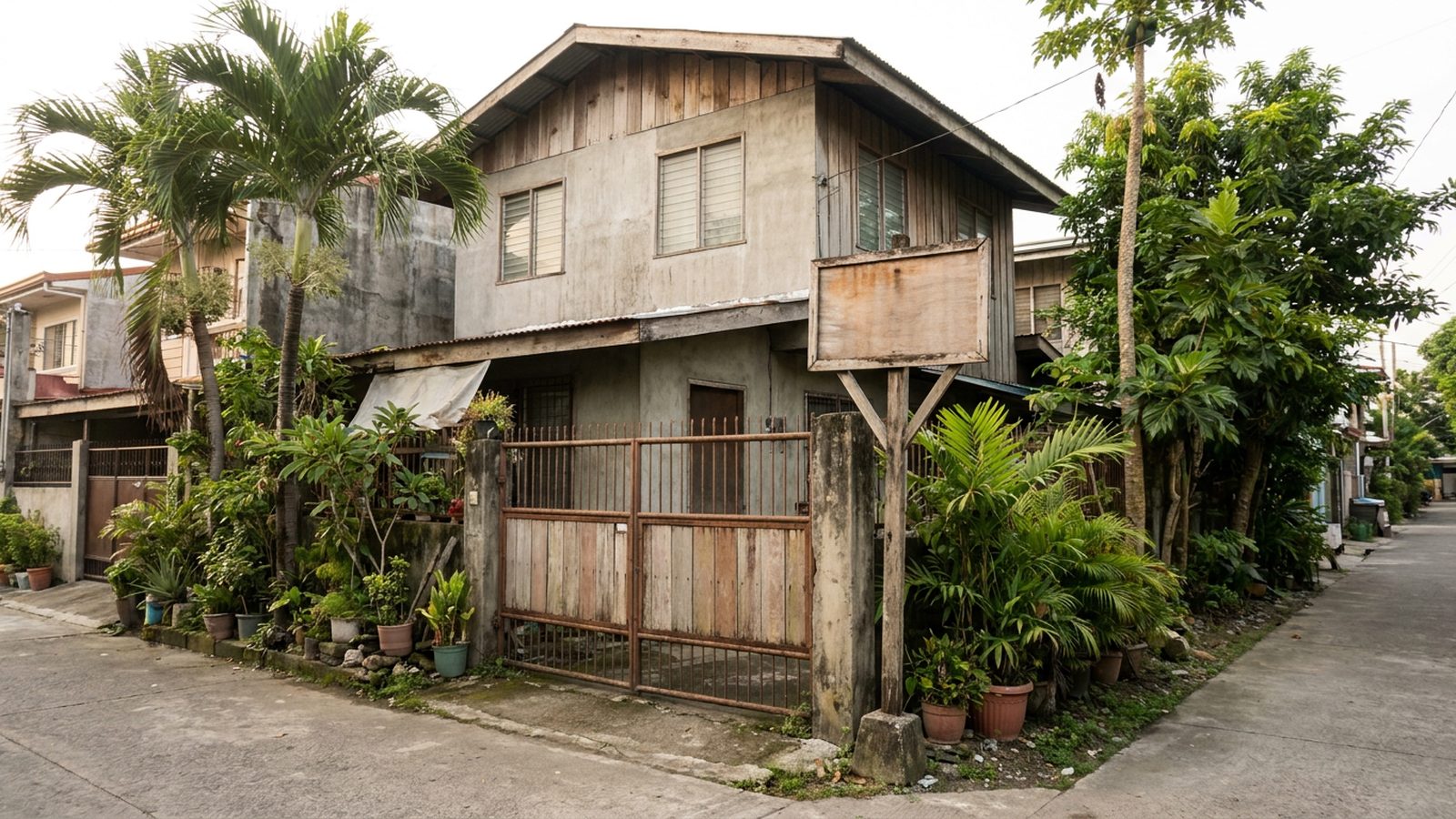
Capital gains tax on property sale in the Philippines is 6%, and it is charged whether or not the seller made any gain. The law presumes a gain on every sale of land, a house or a condominium unit held as a personal asset, and taxes the whole price, or the government's own valuation if that is higher. It is usually the largest single cost of selling a home, it has a 30 day deadline, and it comes with one exemption worth knowing before you sign anything: the sale of a principal residence. This guide covers the base, the deadline, the exemption and its paperwork, with the arithmetic.
What the 6% is charged on
Section 24(D)(1) of the Tax Code imposes a final tax of 6% on the gross selling price or the current fair market value, whichever is higher, on the sale, exchange or other disposition of real property in the Philippines classified as a capital asset. Conditional sales and pacto de retro sales are included. The fair market value is itself the higher of two official figures: the BIR zonal value and the market value in the schedule of the provincial or city assessor. Our guide to zonal value vs market value vs assessed value explains where each one comes from.
So the examiner compares three numbers and taxes the largest. Sell a lot for ₱4,000,000 (about $63,800 / €57,000) where the zonal value works out to ₱4,500,000 (about $71,800 / €64,100), and the tax is 6% of ₱4,500,000 (about $71,800 / €64,100), which is ₱270,000 (about $4,310 / €3,850), not the ₱240,000 (about $3,830 / €3,420) the deed suggests. Sell at a loss and the tax is the same: what you paid for the property years ago does not enter the computation.
A capital asset, in practice, is property you hold personally and do not use in a business. Property sold by a developer or by someone in the real estate business is an ordinary asset and follows different rules, income tax and possibly VAT, which is why this guide speaks to individual owners. A transfer by inheritance or donation is not a sale: it falls under estate tax or donor's tax, as our comparison of donation, sale and inheritance sets out.
The 30 day deadline, and who pays
The seller files the Capital Gains Tax Return, BIR Form 1706, and pays within 30 days from the date of the sale. The return goes to the BIR office that covers the property's location, with the notarized deed and the supporting documents. Miss the deadline and a surcharge and interest are added, and nothing else in the transfer can move: the BIR's certificate authorizing registration, which the Registry of Deeds needs before it will issue a title to the buyer, is released only after the taxes are paid. The sequence is laid out in our guide on how to transfer a land title.
By custom the seller pays capital gains tax and the buyer pays documentary stamp tax at 1.5%, the local transfer tax and registration. Custom is not law, and sellers often quote a price "net of taxes" that shifts the 6% to the buyer, so settle the split in the contract. The full list of who usually pays what is in our guide to closing costs.
The principal residence exemption
Section 24(D)(2) exempts a natural person who sells a principal residence and fully uses the proceeds to buy or build a new principal residence within 18 calendar months from the sale. The details are in Revenue Regulations 13-99, issued on July 26, 1999, as amended by Revenue Regulations 14-2000, and they are stricter than the one line summary sellers usually hear.
The principal residence is the dwelling house, with the land it stands on, where the owner actually lives and intends to return. The address on the seller's latest income tax return is treated as the proof of residence, with a barangay certification as backup. Where a home is co-owned, only the co-owners who actually live in it can claim the exemption, each for their share.
The seller still files Form 1706 within 30 days, together with a sworn declaration of the intention to use the proceeds for a new principal residence. The 6% is not simply waived at that point. It is deposited in an interest bearing escrow account with an authorized agent bank, and it is released to the seller only when the revenue district office certifies that the proceeds were used as declared. Within 30 days after the 18 months, the seller submits the proof: the deed for the new home, or the building permit and the architect's or engineer's certification for a house under construction.
Two limits apply. The exemption can be used only once every ten years. And the historical cost of the old home carries over as the cost basis of the new one.
When only part of the money is reinvested
If the seller spends less than the full proceeds on the new residence, the unused portion is taxed. The regulations give the formula: the unutilized amount divided by the gross selling price, multiplied by the tax base, multiplied by 6%.
Take a house sold for ₱5,000,000 (about $79,800 / €71,200), a price above its official values. The seller buys a smaller home for ₱4,000,000 (about $63,800 / €57,000). The unused ₱1,000,000 (about $16,000 / €14,200) is one fifth of the price, so one fifth of the tax is due: ₱5,000,000 (about $79,800 / €71,200) times 6% is ₱300,000 (about $4,790 / €4,270), and one fifth of that is ₱60,000 (about $957 / €854). The rest of the escrow comes back. If the seller buys nothing within 18 months, the whole ₱300,000 (about $4,790 / €4,270) is due, with a surcharge and interest on top.
Before you set the price
Check the zonal value and the tax declaration first, since either can raise the base above your price. Our property valuation tool gives a market range to compare against. Decide who pays the 6% and write it into the deed. Never understate the price in the deed: the tax follows the higher official value anyway, and the buyer is left with a document that misstates what was paid. If the home is your principal residence and you plan to buy another, prepare the sworn declaration and the escrow before the sale, not after, because the 30 days start on the date of the sale.
The 6% is the largest part of what selling costs, which our seller's guide to costs and process puts at 9% to 11% of the price once a broker's commission is included, so price accordingly. When you are ready, you can list the property directly.
This article is general information, not tax advice. Rates and procedures are those in the Tax Code and the cited regulations as we read them in October 2026; confirm your case with the BIR district office or a tax professional before you sell.
Dollar and euro figures are approximate conversions at ₱62.7 per US dollar and ₱70.2 per euro (ECB reference rates, 2026-10-05).
Frequently asked questions
How much is capital gains tax on the sale of property in the Philippines?
It is a final tax of 6% on the gross selling price or the fair market value, whichever is higher, and the fair market value is the higher of the BIR zonal value and the assessor's market value. On a lot sold for ₱4,000,000 (about $63,800 / €57,000) with a zonal value of ₱4,500,000 (about $71,800 / €64,100), the tax is 6% of ₱4,500,000 (about $71,800 / €64,100), or ₱270,000 (about $4,310 / €3,850). It applies to property held as a capital asset, meaning not used in business.
Do I pay capital gains tax if I sell my property at a loss?
Yes. Despite its name, the tax is not computed on profit. The law presumes a gain on every sale of real property classified as a capital asset and charges 6% on the selling price or the official value, whichever is higher. What you originally paid for the property, and what you spent improving it, are not deducted.
When is capital gains tax due and who pays it?
The seller files BIR Form 1706 and pays within 30 days from the date of the sale. By custom the seller pays capital gains tax and the buyer pays documentary stamp tax, transfer tax and registration, but the parties can agree otherwise in the contract. The BIR will not release the certificate needed to transfer the title until the tax is paid.
How does the principal residence exemption from capital gains tax work?
A person who sells a principal residence is exempt if the full proceeds are used to buy or build a new principal residence within 18 calendar months. The seller files Form 1706 with a sworn declaration within 30 days, deposits the 6% in escrow with an authorized agent bank, and gets it back once the BIR certifies the proceeds were used as declared. It can be used once every ten years, and any unused part of the proceeds is taxed in proportion.
Ang capital gains tax sa bentahan ng property sa Pilipinas ay 6%, at sinisingil ito kumita man o hindi ang seller. Ipinapalagay ng batas na may gain sa bawat bentahan ng lupa, bahay o condominium unit na hawak bilang personal na asset, at binubuwisan nito ang buong presyo, o ang sariling valuation ng gobyerno kung mas mataas iyon. Kadalasan, ito ang pinakamalaking nag-iisang gastos sa pagbebenta ng bahay, may 30 araw itong deadline, at may kasama itong isang exemption na dapat malaman bago pumirma ng kahit ano: ang bentahan ng principal residence. Sinasaklaw ng gabay na ito ang base, ang deadline, ang exemption at ang mga papeles nito, kasama ang arithmetic.
Saan ipinapataw ang 6%
Ang Section 24(D)(1) ng Tax Code ay nagpapataw ng final tax na 6% sa gross selling price o sa kasalukuyang fair market value, alinman ang mas mataas, sa bentahan, palitan o iba pang disposisyon ng real property sa Pilipinas na classified bilang capital asset. Kasama rito ang mga conditional sale at pacto de retro sale. Ang fair market value mismo ay ang mas mataas sa dalawang opisyal na figure: ang BIR zonal value at ang market value sa schedule ng provincial o city assessor. Ipinapaliwanag ng aming gabay sa zonal value vs market value vs assessed value kung saan nanggagaling ang bawat isa.
Kaya tatlong numero ang ikinukumpara ng examiner at ang pinakamalaki ang binubuwisan. Kapag nagbenta ka ng lote sa halagang ₱4,000,000 (mga $63,800 / €57,000) kung saan ang zonal value ay lumalabas na ₱4,500,000 (mga $71,800 / €64,100), ang buwis ay 6% ng ₱4,500,000 (mga $71,800 / €64,100), na ₱270,000 (mga $4,310 / €3,850), hindi ang ₱240,000 (mga $3,830 / €3,420) na ipinahihiwatig ng deed. Kapag nagbenta ka nang palugi, pareho pa rin ang buwis: hindi pumapasok sa computation ang ibinayad mo sa property ilang taon na ang nakalipas.
Ang capital asset, sa praktika, ay property na personal mong hawak at hindi mo ginagamit sa negosyo. Ang property na ibinebenta ng developer o ng taong nasa real estate business ay ordinary asset at sumusunod sa ibang patakaran, income tax at posibleng VAT, kaya ang gabay na ito ay para sa mga indibidwal na may-ari. Ang paglilipat sa pamamagitan ng mana o donasyon ay hindi bentahan: sakop ito ng estate tax o donor's tax, gaya ng inilalatag ng aming paghahambing ng donation, sale at inheritance.
Ang 30 araw na deadline, at kung sino ang nagbabayad
Ang seller ang nagfa-file ng Capital Gains Tax Return, BIR Form 1706, at nagbabayad sa loob ng 30 araw mula sa petsa ng bentahan. Ipinapasa ang return sa opisina ng BIR na sumasakop sa lokasyon ng property, kasama ang notaryadong deed at ang mga pansuportang dokumento. Kapag lumampas sa deadline, may idinadagdag na surcharge at interest, at walang ibang bahagi ng transfer ang makakausad: ang certificate authorizing registration ng BIR, na kailangan ng Registry of Deeds bago ito mag-isyu ng titulo sa buyer, ay inilalabas lang pagkatapos mabayaran ang mga buwis. Nakalatag ang pagkakasunod sa aming gabay sa kung paano mag-transfer ng land title.
Ayon sa nakagawian, ang seller ang nagbabayad ng capital gains tax at ang buyer ang nagbabayad ng documentary stamp tax na 1.5%, ng lokal na transfer tax at ng registration. Ang nakagawian ay hindi batas, at madalas mag-quote ang mga seller ng presyong "net of taxes" na naglilipat ng 6% sa buyer, kaya linawin ang hatian sa kontrata. Ang buong listahan ng kung sino ang karaniwang nagbabayad ng alin ay nasa aming gabay sa closing costs.
Ang principal residence exemption
Ine-exempt ng Section 24(D)(2) ang natural person na nagbenta ng principal residence at buong ginamit ang proceeds para bumili o magpatayo ng bagong principal residence sa loob ng 18 calendar months mula sa bentahan. Ang mga detalye ay nasa Revenue Regulations 13-99, na inisyu noong July 26, 1999, na inamyendahan ng Revenue Regulations 14-2000, at mas mahigpit ang mga ito kaysa sa isang linyang buod na karaniwang naririnig ng mga seller.
Ang principal residence ay ang dwelling house, kasama ang lupang kinatatayuan nito, kung saan talagang nakatira ang may-ari at kung saan niya balak bumalik. Ang address sa pinakahuling income tax return ng seller ang itinuturing na patunay ng paninirahan, at ang barangay certification ang backup. Kapag co-owned ang bahay, ang mga co-owner lang na talagang nakatira roon ang puwedeng mag-claim ng exemption, bawat isa para sa kanyang share.
Nagfa-file pa rin ang seller ng Form 1706 sa loob ng 30 araw, kasama ang sworn declaration ng intensyong gamitin ang proceeds para sa bagong principal residence. Hindi basta na lang inaalis ang 6% sa puntong iyon. Idinedeposito ito sa isang interest bearing na escrow account sa isang authorized agent bank, at ibinabalik lang ito sa seller kapag na-certify ng revenue district office na ginamit ang proceeds ayon sa idineklara. Sa loob ng 30 araw pagkatapos ng 18 buwan, isinusumite ng seller ang patunay: ang deed ng bagong bahay, o ang building permit at ang certification ng architect o engineer para sa bahay na ginagawa pa.
Dalawang limitasyon ang umiiral. Isang beses lang magagamit ang exemption kada sampung taon. At ang historical cost ng lumang bahay ang dinadala bilang cost basis ng bago.
Kapag bahagi lang ng pera ang nai-reinvest
Kapag mas mababa sa buong proceeds ang ginastos ng seller sa bagong residence, binubuwisan ang hindi nagamit na bahagi. Ibinibigay ng regulations ang formula: ang hindi nagamit na halaga na hinati sa gross selling price, minultiply sa tax base, minultiply sa 6%.
Kunin ang isang bahay na naibenta sa ₱5,000,000 (mga $79,800 / €71,200), presyong mas mataas sa mga opisyal na value nito. Bumili ang seller ng mas maliit na bahay sa halagang ₱4,000,000 (mga $63,800 / €57,000). Ang hindi nagamit na ₱1,000,000 (mga $16,000 / €14,200) ay ikalimang bahagi ng presyo, kaya ikalimang bahagi ng buwis ang babayaran: ang ₱5,000,000 (mga $79,800 / €71,200) times 6% ay ₱300,000 (mga $4,790 / €4,270), at ang ikalimang bahagi niyon ay ₱60,000 (mga $957 / €854). Ibinabalik ang natitira sa escrow. Kapag walang nabili ang seller sa loob ng 18 buwan, babayaran ang buong ₱300,000 (mga $4,790 / €4,270), na may dagdag pang surcharge at interest.
Bago mo itakda ang presyo
I-check muna ang zonal value at ang tax declaration, dahil alinman sa dalawa ay puwedeng magpataas ng base nang lampas sa presyo mo. Nagbibigay ang aming property valuation tool ng market range na mapagkukumparahan. Pagpasyahan kung sino ang magbabayad ng 6% at isulat ito sa deed. Huwag kailanman ibaba ang presyong nakasaad sa deed: susundan pa rin ng buwis ang mas mataas na opisyal na value, at maiiwan sa buyer ang dokumentong mali ang nakasaad na ibinayad. Kung ang bahay ay ang iyong principal residence at balak mong bumili ng iba, ihanda ang sworn declaration at ang escrow bago ang bentahan, hindi pagkatapos, dahil nagsisimula ang 30 araw sa petsa ng bentahan.
Ang 6% ang pinakamalaking bahagi ng gastos sa pagbebenta, na ayon sa aming seller's guide sa gastos at proseso ay 9% hanggang 11% ng presyo kapag isinama na ang komisyon ng broker, kaya magpresyo nang naaayon. Kapag handa ka na, puwede mong i-list ang property nang direkta.
Ang artikulong ito ay pangkalahatang impormasyon, hindi tax advice. Ang mga rate at proseso ay ang mga nasa Tax Code at sa mga binanggit na regulations ayon sa pagkabasa namin ngayong October 2026; kumpirmahin ang iyong kaso sa BIR district office o sa isang tax professional bago ka magbenta.
Tinatayang conversion lang ang mga halaga sa dollar at euro, sa ₱62.7 kada US dollar at ₱70.2 kada euro (ECB reference rates, 2026-10-05).
Mga madalas itanong
Magkano ang capital gains tax sa bentahan ng property sa Pilipinas?
Ito ay final tax na 6% sa gross selling price o sa fair market value, alinman ang mas mataas, at ang fair market value ay ang mas mataas sa BIR zonal value at sa market value ng assessor. Sa loteng naibenta sa ₱4,000,000 (mga $63,800 / €57,000) na may zonal value na ₱4,500,000 (mga $71,800 / €64,100), ang buwis ay 6% ng ₱4,500,000 (mga $71,800 / €64,100), o ₱270,000 (mga $4,310 / €3,850). Ipinapataw ito sa property na hawak bilang capital asset, ibig sabihin ay hindi ginagamit sa negosyo.
Magbabayad ba ako ng capital gains tax kung palugi kong ibinenta ang property ko?
Oo. Sa kabila ng pangalan nito, hindi kinukuwenta ang buwis sa tubo. Ipinapalagay ng batas na may gain sa bawat bentahan ng real property na classified bilang capital asset at naniningil ito ng 6% sa selling price o sa opisyal na value, alinman ang mas mataas. Hindi ibinabawas ang orihinal mong ibinayad sa property, at ang ginastos mo sa pagpapaganda nito.
Kailan dapat bayaran ang capital gains tax at sino ang nagbabayad nito?
Ang seller ang nagfa-file ng BIR Form 1706 at nagbabayad sa loob ng 30 araw mula sa petsa ng bentahan. Ayon sa nakagawian, ang seller ang nagbabayad ng capital gains tax at ang buyer ang nagbabayad ng documentary stamp tax, transfer tax at registration, pero puwedeng magkasundo ang mga partido ng iba sa kontrata. Hindi ilalabas ng BIR ang certificate na kailangan para mailipat ang titulo hangga't hindi bayad ang buwis.
Paano gumagana ang principal residence exemption sa capital gains tax?
Exempt ang taong nagbenta ng principal residence kung ang buong proceeds ay ginamit para bumili o magpatayo ng bagong principal residence sa loob ng 18 calendar months. Nagfa-file ang seller ng Form 1706 na may sworn declaration sa loob ng 30 araw, idinedeposito ang 6% sa escrow sa isang authorized agent bank, at nababawi ito kapag na-certify ng BIR na ginamit ang proceeds ayon sa idineklara. Isang beses lang ito magagamit kada sampung taon, at ang anumang hindi nagamit na bahagi ng proceeds ay binubuwisan nang proporsyonal.
Ang capital gains tax sa pagbaligya og property sa Pilipinas kay 6%, ug singilon kini nakaganansya man o wala ang seller. Ang balaod nag-isip nga adunay ganansya sa matag baligya sa yuta, balay o condominium unit nga gihuptan isip personal nga asset, ug buhisan niini ang tibuok presyo, o ang kaugalingong valuation sa gobyerno kung mas taas kana. Kasagaran kini ang pinakadako nga usa ka gasto sa pagbaligya og balay, aduna kini 30 ka adlaw nga deadline, ug aduna kini usa ka exemption nga angay mahibaloan sa dili ka pa mopirma og bisan unsa: ang pagbaligya sa principal residence. Kini nga giya naghisgot sa base, sa deadline, sa exemption ug sa mga papeles niini, uban ang kuwenta.
Kung asa ipatong ang 6%
Ang Section 24(D)(1) sa Tax Code nagpahamtang og final tax nga 6% sa gross selling price o sa kasamtangang fair market value, kung asa ang mas taas, sa pagbaligya, pag-exchange o uban pang disposition sa real property sa Pilipinas nga giklasipikar isip capital asset. Apil niini ang mga conditional sale ug ang mga pacto de retro sale. Ang fair market value mismo mao ang mas taas sa duha ka opisyal nga numero: ang BIR zonal value ug ang market value sa schedule sa provincial o city assessor. Ang among giya sa zonal value vs market value vs assessed value nagpasabot kung diin gikan ang matag usa.
Busa ang examiner motandi og tulo ka numero ug buhisan ang pinakadako. Kung ibaligya ang lote sa ₱4,000,000 (mga $63,800 / €57,000) diin ang zonal value mogawas nga ₱4,500,000 (mga $71,800 / €64,100), ang buhis kay 6% sa ₱4,500,000 (mga $71,800 / €64,100), nga ₱270,000 (mga $4,310 / €3,850), dili ang ₱240,000 (mga $3,830 / €3,420) nga gipakita sa deed. Kung ibaligya nga alkanse, mao ra gihapon ang buhis: ang imong gibayad para sa property katuigan na ang milabay dili mosulod sa computation.
Ang capital asset, sa praktika, mao ang property nga personal nimong gihuptan ug wala nimo gamita sa negosyo. Ang property nga gibaligya sa developer o sa tawo nga anaa sa negosyo sa real estate usa ka ordinary asset ug mosunod og lahi nga mga lagda, income tax ug posible VAT, mao nga kini nga giya para sa mga indibidwal nga tag-iya. Ang transfer pinaagi sa panunod o donasyon dili baligya: nahisakop kini sa estate tax o donor's tax, sama sa gipatin-aw sa among pagtandi sa donation, sale ug inheritance.
Ang 30 ka adlaw nga deadline, ug kung kinsa ang mobayad
Ang seller mo-file sa Capital Gains Tax Return, BIR Form 1706, ug mobayad sulod sa 30 ka adlaw gikan sa petsa sa baligya. Ang return i-file sa opisina sa BIR nga nagsakop sa lokasyon sa property, uban ang notaryadong deed ug ang mga supporting document. Kung malapas ang deadline, dugangan kini og surcharge ug interest, ug walay laing makalihok sa transfer: ang certificate authorizing registration sa BIR, nga gikinahanglan sa Registry of Deeds sa dili pa kini mo-isyu og titulo ngadto sa buyer, i-release lang human mabayran ang mga buhis. Ang pagkasunod-sunod gipatin-aw sa among giya sa unsaon pag-transfer sa land title.
Sa naandan, ang seller ang mobayad sa capital gains tax ug ang buyer ang mobayad sa documentary stamp tax nga 1.5%, sa lokal nga transfer tax ug sa registration. Ang naandan dili balaod, ug ang mga seller kasagarang mo-quote og presyo nga "net of taxes" nga mobalhin sa 6% ngadto sa buyer, mao nga klaroha ang bahin-bahin sa kontrata. Ang kompletong lista kung kinsa ang kasagarang mobayad sa unsa anaa sa among giya sa closing costs.
Ang principal residence exemption
Ang Section 24(D)(2) nag-exempt sa natural person nga mobaligya og principal residence ug mogamit sa tibuok halin aron mopalit o magtukod og bag-ong principal residence sulod sa 18 ka calendar month gikan sa baligya. Ang mga detalye anaa sa Revenue Regulations 13-99, nga gi-isyu niadtong July 26, 1999, nga giamendahan sa Revenue Regulations 14-2000, ug mas estrikto kini kaysa sa usa ka linya nga summary nga kasagarang madungog sa mga seller.
Ang principal residence mao ang balay nga puy-anan, uban ang yuta nga gibarogan niini, diin ang tag-iya tinuod nga nagpuyo ug adunay tuyo nga mobalik. Ang address sa pinakaulahing income tax return sa seller isipon nga pamatuod sa pinuy-anan, ug ang barangay certification maoy backup. Kung ang balay co-owned, ang mga co-owner lang nga tinuod nga nagpuyo niini ang maka-claim sa exemption, ang matag usa para sa iyang bahin.
Ang seller mo-file gihapon sa Form 1706 sulod sa 30 ka adlaw, uban ang sworn declaration sa tuyo nga gamiton ang halin para sa bag-ong principal residence. Ang 6% dili basta lang kanselahon nianang higayona. Ideposito kini sa usa ka escrow account nga adunay interest sa usa ka authorized agent bank, ug i-release lang kini ngadto sa seller kung ang revenue district office mo-certify nga ang halin gigamit sumala sa gideklarar. Sulod sa 30 ka adlaw human sa 18 ka bulan, ang seller mosumite sa pamatuod: ang deed sa bag-ong balay, o ang building permit ug ang certification sa arkitekto o engineer para sa balay nga gitukod pa.
Duha ka limitasyon ang magamit. Ang exemption magamit lang kausa matag napulo ka tuig. Ug ang historical cost sa daang balay madala isip cost basis sa bag-o.
Kung bahin lang sa kuwarta ang gi-reinvest
Kung ang seller mogasto og ubos sa tibuok halin para sa bag-ong residence, ang bahin nga wala magamit buhisan. Ang mga regulasyon naghatag sa pormula: ang kantidad nga wala magamit bahinon sa gross selling price, i-multiply sa tax base, i-multiply sa 6%.
Pananglitan usa ka balay nga gibaligya sa ₱5,000,000 (mga $79,800 / €71,200), usa ka presyo nga labaw sa mga opisyal nga value niini. Ang seller mopalit og mas gamay nga balay sa ₱4,000,000 (mga $63,800 / €57,000). Ang wala magamit nga ₱1,000,000 (mga $16,000 / €14,200) mao ang ikalima nga bahin sa presyo, busa ikalima nga bahin sa buhis ang bayran: ang ₱5,000,000 (mga $79,800 / €71,200) i-multiply sa 6% kay ₱300,000 (mga $4,790 / €4,270), ug ang ikalima nga bahin niana kay ₱60,000 (mga $957 / €854). Ang nahibilin sa escrow ibalik. Kung ang seller walay mapalit sulod sa 18 ka bulan, ang tibuok ₱300,000 (mga $4,790 / €4,270) ang bayran, uban ang surcharge ug interest nga idugang pa.
Sa dili ka pa motakda sa presyo
Susiha una ang zonal value ug ang tax declaration, kay bisan asa niini makapataas sa base labaw sa imong presyo. Ang among property valuation tool naghatag og market range nga imong ikatandi. Desisyoni kung kinsa ang mobayad sa 6% ug isulat kini sa deed. Ayaw gyud ipaubos ang presyo sa deed: ang buhis mosunod gihapon sa mas taas nga opisyal nga value, ug ang buyer mabilin nga adunay dokumento nga sayop ang gisulti kung pila ang gibayad. Kung ang balay mao ang imong principal residence ug nagplano ka nga mopalit og lain, andama ang sworn declaration ug ang escrow sa dili pa ang baligya, dili human niini, kay ang 30 ka adlaw magsugod sa petsa sa baligya.
Ang 6% mao ang pinakadako nga bahin sa gasto sa pagbaligya, nga sa among giya sa seller bahin sa mga gasto ug proseso gibutang sa 9% hangtod 11% sa presyo kung iapil na ang komisyon sa broker, busa ipresyo sumala niana. Kung andam ka na, mahimo nimong i-lista ang property direkta.
Kini nga artikulo kinatibuk-ang impormasyon, dili tax advice. Ang mga rate ug proseso mao kadtong anaa sa Tax Code ug sa mga gikutlo nga regulasyon sumala sa among pagbasa niadtong October 2026; kumpirmaha ang imong kaso sa BIR district office o sa usa ka tax professional sa dili ka pa mobaligya.
Banabana lang ang mga conversion sa dollar ug euro, sa ₱62.7 matag US dollar ug ₱70.2 matag euro (ECB reference rates, 2026-10-05).
Mga kasagarang pangutana
Pila ang capital gains tax sa pagbaligya og property sa Pilipinas?
Usa kini ka final tax nga 6% sa gross selling price o sa fair market value, kung asa ang mas taas, ug ang fair market value mao ang mas taas sa BIR zonal value ug sa market value sa assessor. Sa lote nga gibaligya sa ₱4,000,000 (mga $63,800 / €57,000) nga adunay zonal value nga ₱4,500,000 (mga $71,800 / €64,100), ang buhis kay 6% sa ₱4,500,000 (mga $71,800 / €64,100), o ₱270,000 (mga $4,310 / €3,850). Magamit kini sa property nga gihuptan isip capital asset, nga nagpasabot nga wala gamita sa negosyo.
Mobayad ba ko og capital gains tax kung alkanse ang akong pagbaligya sa property?
Oo. Bisan pa sa ngalan niini, ang buhis wala ikuwenta base sa ganansya. Ang balaod nag-isip nga adunay ganansya sa matag baligya sa real property nga giklasipikar isip capital asset ug mosingil og 6% sa selling price o sa opisyal nga value, kung asa ang mas taas. Ang orihinal nimong gibayad para sa property, ug ang imong gigasto sa pagpaayo niini, dili ikuhaan.
Kanus-a bayran ang capital gains tax ug kinsa ang mobayad niini?
Ang seller mo-file sa BIR Form 1706 ug mobayad sulod sa 30 ka adlaw gikan sa petsa sa baligya. Sa naandan, ang seller ang mobayad sa capital gains tax ug ang buyer ang mobayad sa documentary stamp tax, transfer tax ug registration, pero ang mga partido makasabot og lahi sa kontrata. Ang BIR dili mo-release sa certificate nga gikinahanglan aron ma-transfer ang titulo hangtod mabayran ang buhis.
Giunsa paglihok sa principal residence exemption gikan sa capital gains tax?
Ang tawo nga mobaligya og principal residence exempted kung ang tibuok halin gamiton aron mopalit o magtukod og bag-ong principal residence sulod sa 18 ka calendar month. Ang seller mo-file sa Form 1706 uban ang sworn declaration sulod sa 30 ka adlaw, modeposito sa 6% sa escrow sa usa ka authorized agent bank, ug makuha kini balik kung ang BIR mo-certify nga ang halin gigamit sumala sa gideklarar. Magamit kini kausa matag napulo ka tuig, ug ang bisan unsang bahin sa halin nga wala magamit buhisan sumala sa proporsyon.
Browse properties on BalayHub
See all listings →

Read next
Missed Pag-IBIG Housing Loan Payments: Penalties, Options
Missed Pag-IBIG housing loan payments cost 1/20 of 1% a day and become a default at three months. Penalties, restructuring, foreclosure, selling options.
Pre-Selling Condo Payment Terms: Spot DP, Lump Sum, Balloon
Pre-selling condo payment terms explained on one ₱5M unit: spot cash, spot DP, stretched DP, lump sums, deferred cash and the balance due at turnover.
Zonal Value vs Market Value vs Assessed Value: Philippines
Zonal value vs market value vs assessed value: which one sets the 6% capital gains tax, which one sets amilyar, and what RA 12001 changes in 2026.