
Jul 6, 2026 · by BalayHub Admin · 4 min read
How Much Is My House Worth? Valuing a Home in the Philippines
How to value a condo, house or lot realistically in 2026: the price per square meter method, the adjustments that move value, the three numbers every seller should know, and pricing to sell in a buyer's market.
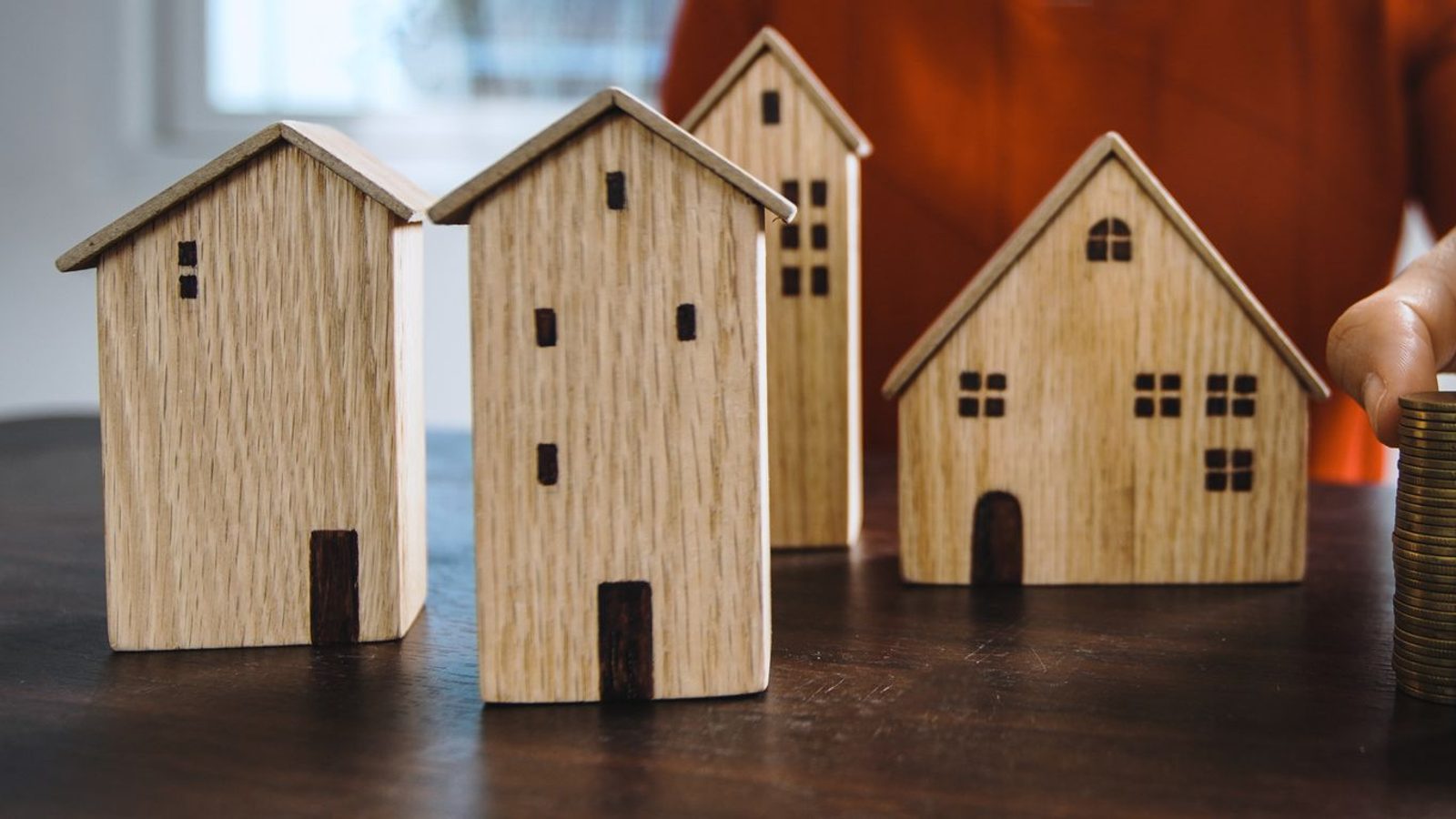
How much is my property worth? Valuing a home in the Philippines (2026)
Every owner eventually asks it, and most get their answer from the least reliable source available: the neighbor's asking price. Asking prices are wishes. What your property is worth is what the market actually pays for places like it, and in the Philippines you can get surprisingly close to that number in an afternoon, without paying anyone, if you know which three methods professionals lean on and where the data lives.
If you want a number in a minute, the property valuation tool applies the current median price per square meter of your city to your floor or lot area and returns a sale and rent estimate; the sections below explain what that figure hides and how to adjust it for your street, your floor and the condition of the house.
Here is how to value a condo, house or lot realistically, whether you are selling, refinancing, or just curious.
Start with the price per square meter
The workhorse of Philippine valuation is the price per square meter of comparable properties. The logic is simple: find what similar units in your area are listed and sold for, divide by their floor area, and apply that rate to yours. The catch is choosing genuinely comparable properties: same city and district, same property type, similar age and condition, and for condos ideally the same building or its neighbors.
You can do this by hand from listings, or let the data do it: our price per square meter tool computes live medians by city and property type from current listings, and our instant valuation tool applies the comparable logic to your specific inputs and gives you a range in seconds. For orientation, current medians run around ₱224,000 (about $3,580 / €3,090) per sqm for condos in Taguig, ₱200,000 (about $3,200 / €2,750) in Makati, ₱173,000 (about $2,770 / €2,380) in Pasig, ₱152,000 (about $2,430 / €2,090) in Cebu City and ₱136,000 (about $2,180 / €1,870) in Lapu-Lapu, with the full city table in our 2026 market outlook.
Then adjust for what the average hides
Two units with identical floor areas in the same barangay can differ by a third in value. The adjustments that matter:
- The building and its age. A maintained tower with healthy dues and a working elevator holds value; a tired one discounts everything in it. For condos, check how your building's units are actually priced in the building directory.
- Floor, view and orientation. Higher floors and open views carry a premium; a unit facing the neighboring wall carries the opposite.
- Condition and improvements. A renovated kitchen returns some of its cost; an eccentric one can subtract. Neutral, well-maintained interiors price best.
- Title and papers. A clean, transferable title is part of the price. Missing paperwork, unpaid dues or an unsettled estate all show up as discounts buyers demand, which is why the fix-it work in our title transfer guide often pays for itself before a sale.
- The market's mood. In 2026 the wider market favors buyers, with record unsold inventory in Metro Manila's mid segment, so realistic pricing matters more than in a hot year: the gap between asking and closing prices is wide, and overpriced listings age publicly.
The three numbers every seller should know
Professionals triangulate: the comparable-based value you just computed, the zonal value the BIR publishes for tax purposes (usually below market, but it anchors the taxes on your eventual sale), and for insured or mortgaged homes the appraised value a bank assigns. When you need a formal number, for estate settlement, a dispute or a bank, a licensed appraiser produces a defensible report for a modest fee. For deciding an asking price, the comparable method plus honest adjustments is normally enough.
Pricing to sell, not to sit
If the goal is a sale, price against the market you are in, not the one you remember. List within reach of the comparable evidence, leave a normal negotiation margin, and watch the response: strong viewings with no offers usually means five to ten percent high, silence usually means more. Buyers today check the same per square meter data you do, and a listing that opens realistic sells faster and often nets more than one that opens proud and drops publicly for months.
When you are ready, run your property through the valuation tool, sanity-check the result against your building or street, and list it for free on BalayHub where buyers are already comparing. This is general guidance, not an appraisal; for transactions where the number carries legal weight, engage a licensed appraiser.
Dollar and euro figures are approximate conversions at ₱62.5 per US dollar and ₱72.6 per euro (ECB reference rates, 2026-09-08).
Frequently asked questions
How do I find out how much my property is worth?
Use the comparable method: find what similar properties in your area list and sell for, divide by floor area to get the price per square meter, and apply that rate to yours with adjustments for floor, view, condition and the building. Our price per square meter tool computes live city medians and the instant valuation tool applies the logic to your inputs in seconds.
What is the average price per square meter in the Philippines?
From live listings, condo medians currently run around ₱224,000 (about $3,580 / €3,090) per sqm in Taguig, ₱200,000 (about $3,200 / €2,750) in Makati, ₱173,000 (about $2,770 / €2,380) in Pasig, ₱152,000 (about $2,430 / €2,090) in Cebu City and ₱136,000 (about $2,180 / €1,870) in Lapu-Lapu, with provincial markets lower. Rates vary sharply by district and building, so benchmark against genuinely comparable properties.
What is the difference between market value, zonal value and appraised value?
Market value is what comparable sales support; zonal value is the BIR's published figure for tax purposes, usually below market but decisive for the taxes on a sale; appraised value is what a bank's or licensed appraiser's formal report assigns. For setting an asking price, the comparable method normally suffices; for legal weight, engage a licensed appraiser.
How should I price my property to sell in 2026?
Realistically. The market currently favors buyers, with record unsold inventory in Metro Manila's mid segment, so list within reach of the comparable evidence, keep a normal negotiation margin, and read the response: viewings without offers usually means about five to ten percent high, silence means more.
Magkano ba talaga ang property ko? Pag-value ng bahay sa Pilipinas (2026)
Bawat may-ari, darating din sa tanong na ito, at karamihan kumukuha ng sagot mula sa pinaka-hindi maaasahang source na meron: ang asking price ng kapitbahay. Ang asking price ay hiling lang. Ang totoong halaga ng property mo ay kung magkano talaga ang binabayaran ng market para sa mga katulad nito, at dito sa Pilipinas, pwede kang lumapit nang husto sa numerong iyan sa loob lang ng isang hapon, walang babayaran, basta alam mo kung aling tatlong methods ang inaasahan ng mga propesyonal at kung saan nakatago ang data.
Kung gusto mo ng numero sa loob ng isang minuto, ang property valuation tool ay nag-a-apply ng kasalukuyang median na presyo per square meter ng iyong lungsod sa iyong floor o lot area at nagbibigay ng tantiya sa presyo ng bentahan at upa; ipinapaliwanag ng mga sumusunod na seksyon kung ano ang itinatago ng numerong iyon at paano ito i-adjust para sa iyong kalye, iyong palapag at sa kondisyon ng bahay.
Ito ang paraan para ma-value nang makatotohanan ang condo, bahay o lote mo, magbebenta ka man, magre-refinance, o curious ka lang.
Simulan sa price per square meter
Ang workhorse ng valuation sa Pilipinas ay ang price per square meter ng mga comparable properties. Simple lang ang logic: hanapin kung magkano ang listing at bentahan ng mga katulad na unit sa area mo, hatiin sa floor area nila, tapos i-apply ang rate na iyon sa property mo. Ang catch ay ang pagpili ng tunay na comparable: parehong city at district, parehong property type, magkatulad ang edad at kondisyon, at para sa condo, ideally parehong building o mga katabi nito.
Pwede mong gawin ito nang manu-mano mula sa mga listing, o hayaan ang data ang gumawa: ang aming price per square meter tool ay nagko-compute ng live medians ayon sa city at property type mula sa mga kasalukuyang listing, at ang aming instant valuation tool ang nag-a-apply ng comparable logic sa mga specific na input mo at nagbibigay ng range sa loob ng ilang segundo. Para sa orientation, ang kasalukuyang medians ay umaabot sa mga ₱224,000 (mga $3,580 / €3,090) per sqm para sa condo sa Taguig, ₱200,000 (mga $3,200 / €2,750) sa Makati, ₱173,000 (mga $2,770 / €2,380) sa Pasig, ₱152,000 (mga $2,430 / €2,090) sa Cebu City at ₱136,000 (mga $2,180 / €1,870) sa Lapu-Lapu, at makikita ang kumpletong city table sa aming 2026 market outlook.
Tapos i-adjust para sa mga tinatago ng average
Dalawang unit na magkapareho ang floor area sa iisang barangay, pwedeng magkaiba ng isang-katlo ang value. Ito ang mga adjustment na may bigat:
- Ang building at ang edad nito. Ang maayos na tower na may malusog na dues at gumaganang elevator, humahawak ng value; ang pagod na building, nagpapababa ng presyo ng lahat ng nasa loob nito. Para sa condo, tingnan kung paano talaga napepresyuhan ang mga unit sa building mo sa building directory.
- Floor, view at orientation. Mas mataas na floor at open view, may premium; ang unit na nakaharap sa pader ng katabing building, kabaligtaran.
- Kondisyon at improvements. Ang na-renovate na kitchen, nakakabawi ng bahagi ng gastos; ang sobrang kakaiba, pwede pang magbawas. Ang neutral at well-maintained na interior ang pinakamagandang presyuhan.
- Titulo at papeles. Ang malinis at transferable na titulo ay bahagi ng presyo. Ang kulang na papeles, hindi bayad na dues o hindi pa naayos na estate, lahat iyan lumalabas bilang discount na hihingin ng buyer, kaya ang pag-aayos na nasa aming title transfer guide ay madalas nagbabayad ng sarili nito bago pa ang bentahan.
- Ang mood ng market. Sa 2026, pabor sa buyers ang mas malawak na market, may record na unsold inventory sa mid segment ng Metro Manila, kaya mas mahalaga ang makatotohanang pricing kaysa sa isang mainit na taon: malawak ang agwat ng asking at closing prices, at ang overpriced na listing ay tumatanda sa harap ng publiko.
Ang tatlong numero na dapat alam ng bawat seller
Nagta-triangulate ang mga propesyonal: ang comparable-based value na kaka-compute mo lang, ang zonal value na inilalathala ng BIR para sa tax purposes (kadalasan mas mababa sa market, pero ito ang nag-a-anchor sa taxes ng eventual na bentahan mo), at para sa mga naka-insure o naka-mortgage na bahay, ang appraised value na itinatakda ng bangko. Kapag kailangan mo ng pormal na numero, para sa estate settlement, sa isang dispute o sa bangko, may licensed appraiser na gagawa ng defensible report para sa katamtamang bayad. Para sa pagdedesisyon ng asking price, sapat na kadalasan ang comparable method plus tapat na adjustments.
Presyo para mabenta, hindi para tumunganga
Kung bentahan ang goal, ipresyo laban sa market na kinaroroonan mo ngayon, hindi sa naaalala mo. Mag-list sa abot ng comparable evidence, mag-iwan ng normal na negotiation margin, at bantayan ang response: maraming viewing pero walang offer, kadalasan ibig sabihin five to ten percent na mataas; katahimikan, kadalasan ibig sabihin mas malala pa. Ang mga buyer ngayon, chine-check din ang parehong per square meter data na tinitingnan mo, at ang listing na nagsisimula nang makatotohanan ay mas mabilis mabenta at madalas mas malaki pa ang na-net kaysa sa listing na nagsimulang mayabang tapos public na bumababa nang ilang buwan.
Kapag handa ka na, patakbuhin ang property mo sa valuation tool, i-sanity-check ang resulta laban sa building o kalye mo, at i-list ito nang libre sa BalayHub kung saan naghahambing na ang mga buyer. General guidance ito, hindi appraisal; para sa mga transaksyon kung saan may legal na bigat ang numero, kumuha ng licensed appraiser.
Tinatayang conversion lang ang mga halaga sa dollar at euro, sa ₱62.5 kada US dollar at ₱72.6 kada euro (ECB reference rates, 2026-09-08).
Mga madalas itanong
Paano ko malalaman kung magkano ang halaga ng property ko?
Gamitin ang comparable method: hanapin kung magkano ang listing at bentahan ng mga katulad na property sa area mo, hatiin sa floor area para makuha ang price per square meter, at i-apply ang rate na iyon sa property mo na may adjustments para sa floor, view, kondisyon at building. Ang price per square meter tool namin ay nagko-compute ng live city medians at ang instant valuation tool naman ang nag-a-apply ng logic sa inputs mo sa loob ng ilang segundo.
Ano ang average price per square meter sa Pilipinas?
Mula sa live listings, ang condo medians ngayon ay nasa mga ₱224,000 (mga $3,580 / €3,090) per sqm sa Taguig, ₱200,000 (mga $3,200 / €2,750) sa Makati, ₱173,000 (mga $2,770 / €2,380) sa Pasig, ₱152,000 (mga $2,430 / €2,090) sa Cebu City at ₱136,000 (mga $2,180 / €1,870) sa Lapu-Lapu, at mas mababa sa mga provincial market. Malaki ang tapatan ng rates depende sa district at building, kaya mag-benchmark sa mga property na talagang comparable.
Ano ang pagkakaiba ng market value, zonal value at appraised value?
Ang market value ay ang sinusuportahan ng comparable sales; ang zonal value ay ang published figure ng BIR para sa tax purposes, kadalasang mas mababa sa market pero siyang magpapasya sa taxes ng isang sale; ang appraised value ay ang itinatakda ng formal report ng bank o licensed appraiser. Para sa pagtatakda ng asking price, sapat na kadalasan ang comparable method; para sa legal na timbang, kumuha ng licensed appraiser.
Paano ko dapat presyuhan ang property ko para mabenta sa 2026?
Realistic. Pabor sa buyers ang market ngayon, may record na unsold inventory sa mid segment ng Metro Manila, kaya mag-list sa saklaw ng comparable evidence, mag-iwan ng normal na negotiation margin, at basahin ang response: kung may viewings pero walang offers, ibig sabihin mga five to ten percent kang mataas; kung tahimik, mas mataas pa.
Pila man gyud ang bili sa akong property? Pag-value sa balay sa Pilipinas (2026)
Matag tag-iya, moabot ra gyud sa pangutana nga ni, ug kasagaran mokuha sa tubag gikan sa pinaka-dili kasaligan nga source nga naa: ang asking price sa silingan. Ang asking price kay pangandoy ra. Ang tinuod nga bili sa imong property kay kung pila gyud ang gibayad sa market para sa mga susama niini, ug dinhi sa Pilipinas, mahimo kang moduol pag-ayo anang numeroha sulod lang sa usa ka hapon, walay bayranan, basta kahibalo ka kung asa nga tulo ka methods ang gisaligan sa mga propesyonal ug asa makita ang data.
Kung gusto nimo og numero sulod sa usa ka minuto, ang property valuation tool nag-apply sa kasamtangang median nga presyo per square meter sa imong siyudad ngadto sa imong floor o lot area ug nagbalik og estimate sa sale ug rent; ang mga seksyon sa ubos nagpasabot kung unsa ang gitago niana nga numero ug unsaon kini pag-adjust para sa imong dalan, sa imong floor ug sa kondisyon sa balay.
Mao ni ang paagi para ma-value nga realistic ang imong condo, balay o lote, mamaligya ka man, mag-refinance, o curious ra ka.
Sugdi sa price per square meter
Ang workhorse sa valuation sa Pilipinas kay ang price per square meter sa mga comparable properties. Simple ra ang logic: pangitaa kung pila ang listing ug baligya sa mga susamang unit sa imong area, bahina sa ilang floor area, unya i-apply ang maong rate sa imoha. Ang catch kay ang pagpili og tinuod nga comparable: parehong city ug district, parehong property type, susama ang edad ug kondisyon, ug para sa condo, ideally parehong building o ang mga silingan niini.
Mahimo nimo ni buhaton nga mano-mano gikan sa mga listing, o pasagdi ang data ang mobuhat: ang among price per square meter tool mag-compute og live medians matag city ug property type gikan sa mga current listing, ug ang among instant valuation tool mag-apply sa comparable logic sa imong specific nga mga input ug mohatag og range sulod sa pipila ka segundo. Para sa orientation, ang current medians mokabat og mga ₱224,000 (mga $3,580 / €3,090) per sqm para sa condo sa Taguig, ₱200,000 (mga $3,200 / €2,750) sa Makati, ₱173,000 (mga $2,770 / €2,380) sa Pasig, ₱152,000 (mga $2,430 / €2,090) sa Cebu City ug ₱136,000 (mga $2,180 / €1,870) sa Lapu-Lapu, ug makita ang kompleto nga city table sa among 2026 market outlook.
Unya i-adjust para sa mga gitago sa average
Duha ka unit nga pareho og floor area sa samang barangay, mahimong maglahi og un-tersiya ang value. Mao ni ang mga adjustment nga naay bug-at:
- Ang building ug ang edad niini. Ang maayong pagka-maintain nga tower nga naay himsog nga dues ug nagtrabaho nga elevator, maghupot og value; ang gikapoy nga building, maka-discount sa tanan nga naa sa sulod niini. Para sa condo, tan-awa kung giunsa gyud pagpresyo ang mga unit sa imong building sa building directory.
- Floor, view ug orientation. Mas taas nga floor ug open view, naay premium; ang unit nga nag-atubang sa bungbong sa silingan nga building, baliktad.
- Kondisyon ug improvements. Ang na-renovate nga kitchen makabawi og bahin sa gasto; ang sobrang lahi, mahimo pang mobawas. Ang neutral ug well-maintained nga interior ang pinakamaayong presyohan.
- Titulo ug mga papeles. Ang limpyo ug transferable nga titulo kay bahin sa presyo. Ang kulang nga papeles, wala mabayri nga dues o wala pa ma-areglo nga estate, tanan na mogawas isip discount nga pangayoon sa buyer, mao nga ang pag-ayo nga naa sa among title transfer guide kasagaran mobayad sa iyang kaugalingon una pa ang baligya.
- Ang mood sa market. Sa 2026, pabor sa buyers ang mas lapad nga market, naay record nga unsold inventory sa mid segment sa Metro Manila, mao nga mas importante ang realistic nga pricing kaysa sa init nga tuig: lapad ang gintang sa asking ug closing prices, ug ang overpriced nga listing motigulang atubangan sa publiko.
Ang tulo ka numero nga angay mahibaw-an sa matag seller
Mag-triangulate ang mga propesyonal: ang comparable-based value nga bag-o pa nimong gi-compute, ang zonal value nga gipagawas sa BIR para sa tax purposes (kasagaran ubos sa market, pero mao ni ang mag-anchor sa taxes sa imong umaabot nga baligya), ug para sa mga naka-insure o naka-mortgage nga balay, ang appraised value nga gitakda sa bangko. Kung kinahanglan ka og pormal nga numero, para sa estate settlement, sa usa ka dispute o sa bangko, naay licensed appraiser nga mohimo og defensible nga report para sa kasarangan nga bayad. Para sa pagdesisyon sa asking price, igo na kasagaran ang comparable method plus matinud-anon nga adjustments.
Presyo aron mahalin, dili aron maglingkod
Kung baligya ang tumong, ipresyo batok sa market nga imong gibarugan karon, dili sa imong nahinumduman. Pag-list sulod sa maabot sa comparable evidence, pagbilin og normal nga negotiation margin, ug bantayi ang response: daghang viewing pero walay offer, kasagaran pasabot five to ten percent ang kataas; kahilom, kasagaran pasabot mas grabe pa. Ang mga buyer karon nag-check sa samang per square meter data nga imong gitan-aw, ug ang listing nga magsugod nga realistic mas paspas mahalin ug kasagaran mas dako pa ang ma-net kaysa listing nga magsugod nga garboso unya public nga mo-drop sulod sa pipila ka bulan.
Kung andam na ka, ipadagan ang imong property sa valuation tool, i-sanity-check ang resulta batok sa imong building o dalan, ug i-list kini nga libre sa BalayHub diin nagkumpara na ang mga buyer. General guidance ni, dili appraisal; para sa mga transaksyon diin naay legal nga bug-at ang numero, pagkuha og licensed appraiser.
Banabana lang ang mga conversion sa dollar ug euro, sa ₱62.5 matag US dollar ug ₱72.6 matag euro (ECB reference rates, 2026-09-08).
Mga kasagarang pangutana
Unsaon nako pagkahibalo kung tagpila ang bili sa akong property?
Gamita ang comparable method: pangitaa kung tagpila ang lista ug halin sa mga susamang property sa imong lugar, bahina sa floor area para makuha ang price per square meter, ug i-apply kana nga rate sa imoha nga naay adjustments para sa floor, view, kondisyon ug sa building. Ang among price per square meter tool nagkwenta ug live city medians ug ang instant valuation tool mo-apply sa logic sa imong inputs sulod sa pipila ka segundo.
Unsa ang average price per square meter sa Pilipinas?
Gikan sa live listings, ang condo medians karon anaa sa mga ₱224,000 (mga $3,580 / €3,090) per sqm sa Taguig, ₱200,000 (mga $3,200 / €2,750) sa Makati, ₱173,000 (mga $2,770 / €2,380) sa Pasig, ₱152,000 (mga $2,430 / €2,090) sa Cebu City ug ₱136,000 (mga $2,180 / €1,870) sa Lapu-Lapu, ug mas ubos sa mga provincial market. Dako kaayo ang kalainan sa rates depende sa district ug building, mao nga mag-benchmark sa mga property nga tinuod nga comparable.
Unsa ang kalainan sa market value, zonal value ug appraised value?
Ang market value mao ang gisuportahan sa comparable sales; ang zonal value mao ang published figure sa BIR para sa tax purposes, kasagaran mas ubos sa market pero maoy magbuot sa taxes sa usa ka sale; ang appraised value mao ang gibutang sa formal report sa bank o licensed appraiser. Para sa pagbutang ug asking price, igo na kasagaran ang comparable method; para sa legal nga gibug-aton, pagkuha ug licensed appraiser.
Unsaon nako pagpresyo sa akong property para mahalin sa 2026?
Realistic. Ang market karon pabor sa mga buyer, naay record nga unsold inventory sa mid segment sa Metro Manila, mao nga i-lista sulod sa maabot sa comparable evidence, pagbilin ug normal nga negotiation margin, ug basaha ang response: kung naay viewings pero walay offers, kasagaran mga five to ten percent ka nga taas; kung hilom ra, mas taas pa.
Browse properties on BalayHub
See all listings →
Read next
Lost Land Title in the Philippines: How to Replace It
A lost land title is replaced by court petition under Section 109 of PD 1529: steps, documents, 6 to 12 months and ₱50,000 to ₱200,000 in estimated costs.
Real Estate Broker Commission & PRC License Check (2026)
Real estate broker commission in the Philippines: 3% to 5% by custom, who pays, when it is earned, and how to verify a PRC license before you sign.
Condo Investment for Foreigners in the Philippines: the Math
Condo investment for foreigners in the Philippines: gross yields from 4.3% in Pasig to 11.9% in Davao, the 25% tax on non resident rent, and the 40% cap.