
May 2, 2026 · by BalayHub Admin · 5 min read
Understanding Philippine Property Taxes: A Complete Guide
Property taxes in the Philippines can be confusing. Here is what you actually need to pay, when you need to pay it, and how to avoid common mistakes.
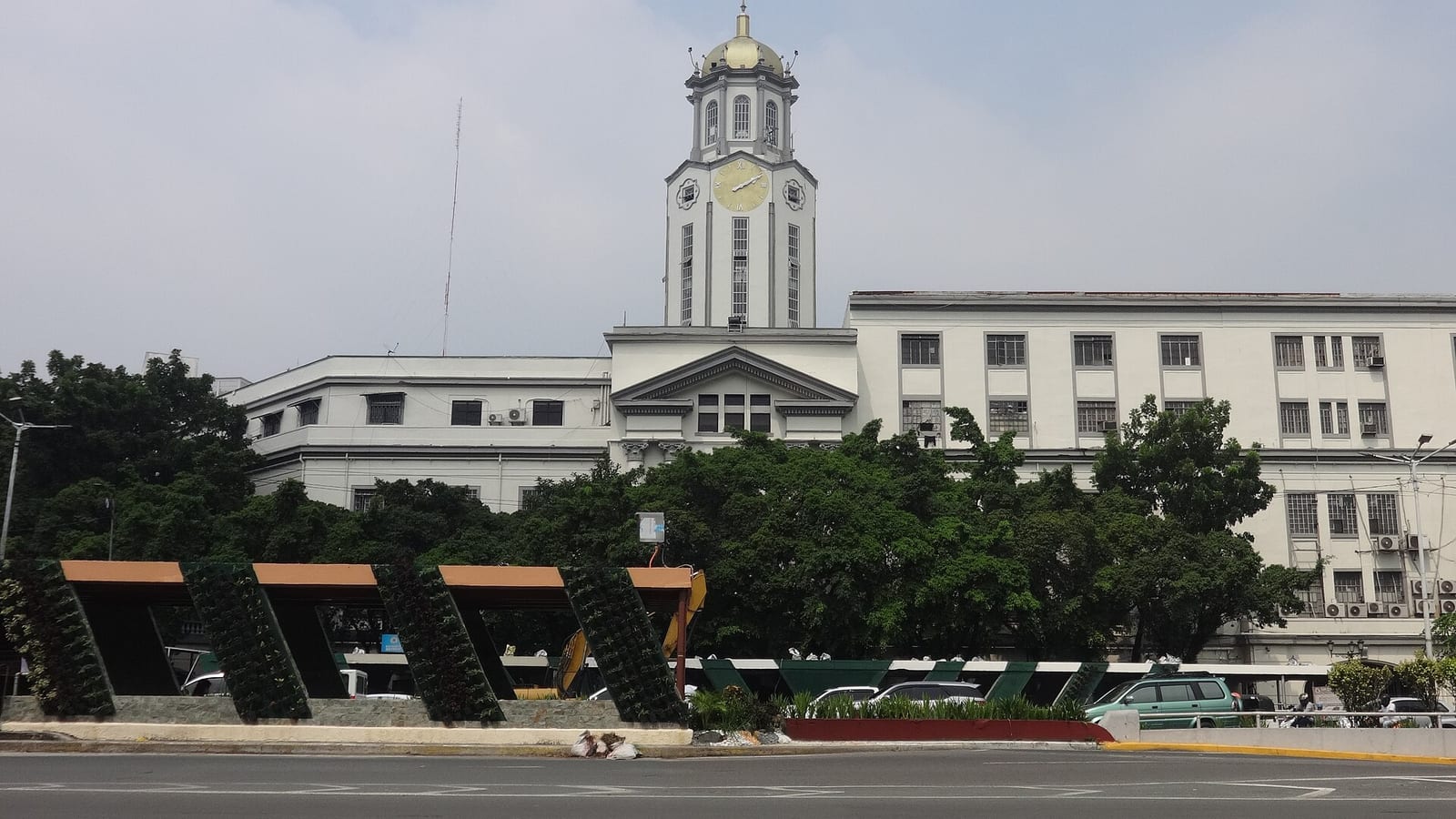
Buying property in the Philippines involves more taxes and fees than most people expect. I have seen deals fall apart because the buyer budgeted for the purchase price and nothing else, then got blindsided by transfer taxes, documentary stamps, and registration fees that added up to six figures. Let me walk you through the whole picture so that does not happen to you.
The real property tax (RPT)
This is the annual tax you pay to your local government unit for owning property. Think of it as the Philippine equivalent of property tax in other countries.
The rate depends on where the property is located. In Metro Manila and other highly urbanized cities, the basic rate is 2 percent of the assessed value. In provinces and municipalities, it is 1 percent. On top of the basic rate, there is usually a Special Education Fund (SEF) levy of 1 percent, so the effective rate in Metro Manila is around 3 percent of assessed value.
Now here is the important thing: assessed value is not the same as market value. The assessed value is calculated by the local assessor's office using a schedule of fair market values and an assessment level that varies by property type. In practice, the assessed value is usually 20 to 50 percent of what you would actually sell the property for. So a condo worth 5 million on the market might have an assessed value of 1.5 million, and your annual RPT would be around 45,000 pesos (about $720 / €620). Not nothing, but manageable.
Pay your RPT on time, before January 31 each year, or quarterly. Most LGUs offer a discount of 10 to 20 percent for early payment. If you are late, there is a 2-percent-per-month penalty, and it compounds. Properties with years of unpaid taxes can be auctioned off by the government. It happens more often than you would think.
Capital gains tax
When you sell a property, the seller is responsible for the capital gains tax, which is 6 percent of the selling price or the zonal value, whichever is higher. The BIR publishes zonal values for every area, and they can be significantly different from actual market prices. Always check the zonal value before you agree on a selling price, if the zonal value is higher than your agreed price, you will be taxed on the zonal value.
One common confusion: despite the name, capital gains tax in the Philippines is not a tax on your profit. It is a flat 6 percent on the gross selling price or zonal value. You do not get to deduct what you originally paid for the property. This catches a lot of sellers off guard.
Documentary stamp tax (DST)
The buyer typically pays the documentary stamp tax, which is 1.5 percent of the selling price or zonal value, whichever is higher. This is paid to the BIR when you file the documents for the transfer of the title.
Transfer tax
Separate from the DST, there is a local transfer tax paid to the city or municipality. The rate varies but is usually 0.5 to 0.75 percent of the selling price or zonal value.
Registration fees
After paying the taxes, you need to register the transfer at the Registry of Deeds. The registration fee is based on a sliding scale, roughly 0.25 to 0.5 percent of the property value. You will also pay annotation fees and other miscellaneous charges that typically add up to a few thousand pesos.
Notarial fees
The Deed of Absolute Sale needs to be notarized. Notarial fees are theoretically regulated at 1 to 2 percent of the property value, but in practice many notaries charge a flat fee ranging from 10,000 to 50,000 pesos (about $160 to $800 / €138 to €689) depending on the transaction size.
VAT and income tax considerations
If the seller is a developer or a corporation in the business of selling real estate, VAT of 12 percent applies to the sale instead of the 6 percent capital gains tax. For individual sellers, if the property is classified as ordinary asset, it is subject to regular income tax instead. The distinction between capital asset and ordinary asset is one of those areas where you really should consult a tax professional.
Adding it all up
For a straightforward sale between two individuals at, say, 5 million pesos (about $80,000 / €68,900), the total taxes and fees break down roughly like this:
Capital gains tax paid by seller, 300,000 pesos (about $4,800 / €4,130). Documentary stamp tax paid by buyer, 75,000 pesos (about $1,200 / €1,030). Transfer tax, 25,000 to 37,500 pesos (about $400 to $600 / €344 to €517). Registration fees, around 15,000 pesos (about $240 / €207). Notarial fee, 15,000 to 25,000 pesos (about $240 to $400 / €207 to €344).
That is anywhere from 430,000 to 450,000 pesos (about $6,880 to $7,200 / €5,920 to €6,200) in transaction costs on a 5-million-peso property. Nearly 9 percent on top of the purchase price. This is why you need to budget for more than just the sticker price.
Tips for keeping costs down
Pay RPT early for the discount. Negotiate with the seller about who shoulders which taxes, it is common to split some of them. Use the BIR's online services where available to avoid fixers. And for the love of your bank account, verify the zonal value before signing anything. If the BIR's zonal value is outdated and higher than the actual market price, you may end up overpaying on taxes. Sometimes it is worth requesting a reassessment, though that process can be slow.
Dollar and euro figures are approximate conversions at ₱62.5 per US dollar and ₱72.6 per euro (ECB reference rates, 2026-09-08).
Frequently asked questions
What taxes and fees do I pay when buying property in the Philippines?
The seller pays capital gains tax of 6 percent, while the buyer typically pays documentary stamp tax of 1.5 percent, local transfer tax of 0.5 to 0.75 percent, registration fees of roughly 0.25 to 0.5 percent, and notarial fees. On a 5 million peso sale between individuals, total taxes and fees run about 430,000 to 450,000 pesos (about $6,880 to $7,200 / €5,920 to €6,200), nearly 9 percent on top of the purchase price. Budget for far more than the sticker price.
How much is the annual real property tax in the Philippines?
The basic rate is 2 percent of assessed value in Metro Manila and other highly urbanized cities, and 1 percent in provinces, plus a Special Education Fund levy of 1 percent, so the effective Metro Manila rate is around 3 percent. Assessed value is only 20 to 50 percent of market value, so a condo worth 5 million on the market might owe around 45,000 pesos (about $720 / €620) a year. Pay before January 31 or quarterly.
Is Philippine capital gains tax based on my actual profit?
No, despite the name it is a flat 6 percent on the gross selling price or the BIR zonal value, whichever is higher, with no deduction for what you originally paid. This catches many sellers off guard. Always check the zonal value before agreeing on a price, because if it exceeds your agreed price you will be taxed on the zonal value instead.
What happens if I pay real property tax early or late?
Most local government units give a 10 to 20 percent discount for early payment. Late payment triggers a 2 percent per month penalty that compounds, and properties with years of unpaid taxes can be auctioned off by the government, which happens more often than you would think. Set up a reliable annual payment system.
Ang pagbili ng property sa Pilipinas ay may mas maraming taxes at fees kaysa sa inaasahan ng karamihan. May mga nakita na akong deal na nabuwag dahil ang buyer ay nag-budget lang para sa purchase price at wala nang iba, tapos nagulat na lang sa transfer taxes, documentary stamps, at registration fees na umabot sa six figures. Hayaan mong ipaliwanag ko sa iyo ang buong picture para hindi iyan mangyari sa iyo.
Ang real property tax (RPT)
Ito ang taunang tax na binabayaran mo sa iyong local government unit dahil may-ari ka ng property. Ito ang tinatawag nating amilyar, ang katumbas sa Pilipinas ng property tax sa ibang bansa.
Ang rate ay depende kung saan matatagpuan ang property. Sa Metro Manila at iba pang highly urbanized cities, ang basic rate ay 2 percent ng assessed value. Sa mga probinsya at munisipyo, 1 percent ito. Sa ibabaw ng basic rate, kadalasan may Special Education Fund (SEF) levy na 1 percent, kaya ang effective rate sa Metro Manila ay mga 3 percent ng assessed value.
Ngayon, narito ang mahalagang bagay: ang assessed value ay hindi pareho ng market value. Ang assessed value ay kinakalkula ng local assessor's office gamit ang schedule of fair market values at ang assessment level na nag-iiba depende sa uri ng property. Sa praktika, ang assessed value ay kadalasang 20 hanggang 50 percent ng aktwal na mabebenta mo sa property. Kaya ang condo na worth 5 million sa market ay puwedeng may assessed value na 1.5 million, at ang taunang RPT mo ay nasa paligid ng 45,000 pesos (mga $720 / €620). Hindi maliit, pero kaya naman.
Bayaran ang RPT mo on time, bago ang January 31 kada taon, o quarterly. Karamihan ng mga LGU ay nag-aalok ng discount na 10 hanggang 20 percent para sa early payment. Kapag late ka, may penalty na 2 percent kada buwan, at nagko-compound ito. Ang mga property na may ilang taon nang hindi bayad na taxes ay puwedeng i-auction ng gobyerno. Mas madalas itong nangyayari kaysa sa iniisip mo.
Capital gains tax
Kapag nagbenta ka ng property, ang seller ang responsable sa capital gains tax, na 6 percent ng selling price o ng zonal value, kung alin ang mas mataas. Ang BIR ay naglalathala ng zonal values para sa bawat lugar, at puwedeng malaki ang pagkakaiba ng mga ito sa aktwal na market prices. Palaging i-check ang zonal value bago kayo magkasundo sa selling price, kung mas mataas ang zonal value kaysa sa napagkasunduang presyo ninyo, sa zonal value ka bubuwisan.
Isang karaniwang pagkalito: sa kabila ng pangalan nito, ang capital gains tax sa Pilipinas ay hindi tax sa profit mo. Ito ay flat na 6 percent sa gross selling price o zonal value. Hindi mo puwedeng ibawas ang orihinal mong ibinayad para sa property. Marami itong nabibiglang sellers.
Documentary stamp tax (DST)
Ang buyer ang karaniwang nagbabayad ng documentary stamp tax, na 1.5 percent ng selling price o zonal value, kung alin ang mas mataas. Binabayaran ito sa BIR kapag nag-file ka ng mga dokumento para sa transfer ng title.
Transfer tax
Hiwalay sa DST, may local transfer tax na binabayaran sa city o munisipyo. Nag-iiba ang rate pero kadalasan ito ay 0.5 hanggang 0.75 percent ng selling price o zonal value.
Registration fees
Pagkatapos bayaran ang mga taxes, kailangan mong i-register ang transfer sa Registry of Deeds. Ang registration fee ay base sa sliding scale, humigit-kumulang 0.25 hanggang 0.5 percent ng property value. Magbabayad ka rin ng annotation fees at iba pang miscellaneous charges na karaniwang umaabot sa ilang libong pesos.
Notarial fees
Ang Deed of Absolute Sale ay kailangang i-notarize. Ang notarial fees ay teoretikal na regulated sa 1 hanggang 2 percent ng property value, pero sa praktika maraming notaryo ang naniningil ng flat fee na mula 10,000 hanggang 50,000 pesos (mga $160 hanggang $800 / €138 hanggang €689) depende sa laki ng transaksyon.
VAT at income tax considerations
Kung ang seller ay developer o korporasyon na nasa negosyo ng pagbebenta ng real estate, VAT na 12 percent ang naaangkop sa benta sa halip na ang 6 percent na capital gains tax. Para sa mga individual seller, kung ang property ay classified bilang ordinary asset, ito ay sasailalim sa regular income tax sa halip. Ang pagkakaiba ng capital asset at ordinary asset ay isa sa mga bagay na talagang dapat mong ikonsulta sa isang tax professional.
Pagsusumahin natin lahat
Para sa simpleng benta sa pagitan ng dalawang indibidwal sa, halimbawa, 5 million pesos (mga $80,000 / €68,900), ang kabuuang taxes at fees ay humigit-kumulang ganito ang hatian:
Capital gains tax na babayaran ng seller, 300,000 pesos (mga $4,800 / €4,130). Documentary stamp tax na babayaran ng buyer, 75,000 pesos (mga $1,200 / €1,030). Transfer tax, 25,000 hanggang 37,500 pesos (mga $400 hanggang $600 / €344 hanggang €517). Registration fees, mga 15,000 pesos (mga $240 / €207). Notarial fee, 15,000 hanggang 25,000 pesos (mga $240 hanggang $400 / €207 hanggang €344).
Iyan ay nasa 430,000 hanggang 450,000 pesos (mga $6,880 hanggang $7,200 / €5,920 hanggang €6,200) na transaction costs sa property na 5 million pesos (mga $80,000 / €68,900). Halos 9 percent sa ibabaw ng purchase price. Kaya nga kailangan mong mag-budget nang higit pa sa sticker price lang.
Mga tip para mapababa ang gastos
Bayaran nang maaga ang RPT para sa discount. Makipag-negotiate sa seller kung sino ang sasagot sa aling taxes, karaniwan na hinahati ang ilan sa mga ito. Gamitin ang online services ng BIR kung saan available para maiwasan ang mga fixer. At alang-alang sa bank account mo, i-verify ang zonal value bago pumirma ng kahit ano. Kung ang zonal value ng BIR ay luma na at mas mataas kaysa sa aktwal na market price, baka sobra ang mabayaran mong taxes. Minsan sulit na humiling ng reassessment, kahit na puwedeng mabagal ang prosesong iyon.
Tinatayang conversion lang ang mga halaga sa dollar at euro, sa ₱62.5 kada US dollar at ₱72.6 kada euro (ECB reference rates, 2026-09-08).
Mga madalas itanong
Anong taxes at fees ang babayaran ko kapag bumili ng property sa Pilipinas?
Ang seller ang nagbabayad ng capital gains tax na 6 percent, habang ang buyer ang karaniwang nagbabayad ng documentary stamp tax na 1.5 percent, local transfer tax na 0.5 hanggang 0.75 percent, registration fees na mga 0.25 hanggang 0.5 percent, at notarial fees. Sa 5 million peso na sale sa pagitan ng mga indibidwal, ang total taxes and fees ay aabot sa mga 430,000 hanggang 450,000 pesos (mga $6,880 hanggang $7,200 / €5,920 hanggang €6,200), halos 9 percent na dagdag sa purchase price. Mag-budget nang mas malaki kaysa sa sticker price.
Magkano ang annual real property tax sa Pilipinas?
Ang basic rate ay 2 percent ng assessed value sa Metro Manila at ibang highly urbanized cities, at 1 percent sa mga probinsya, plus Special Education Fund levy na 1 percent, kaya ang effective Metro Manila rate ay nasa mga 3 percent. Ang assessed value ay 20 hanggang 50 percent lang ng market value, kaya ang condo na worth 5 million sa market ay pwedeng may babayarang mga 45,000 pesos (mga $720 / €620) kada taon. Magbayad before January 31 o quarterly.
Naka-base ba ang Philippine capital gains tax sa aktwal kong profit?
Hindi, kahit iyon ang pangalan, flat 6 percent ito sa gross selling price o sa BIR zonal value, whichever is higher, na walang deduction para sa orihinal mong binayaran. Marami itong nabibiglang mga seller. Laging i-check ang zonal value bago pumayag sa presyo, kasi kapag mas mataas ito sa napagkasunduang presyo, sa zonal value ka ita-tax.
Ano ang mangyayari kapag maaga o late akong nagbayad ng real property tax?
Karamihan sa mga local government unit ay nagbibigay ng 10 hanggang 20 percent discount para sa early payment. Ang late payment ay may 2 percent per month na penalty na nagko-compound, at ang mga property na taon-taon nang hindi nababayaran ang amilyar ay pwedeng i-auction ng gobyerno, na mas madalas mangyari kaysa sa inaakala mo. Mag-set up ng maaasahang annual payment system.
Ang pagpalit og property sa Pilipinas adunay mas daghang taxes ug fees kaysa sa gidahom sa kadaghanan. Aduna na koy nakita nga mga deal nga nabungkag kay ang buyer nag-budget lang para sa purchase price ug wala nay lain, unya nakalitan na lang sa transfer taxes, documentary stamps, ug registration fees nga niabot og six figures. Pasagdi nga ipasabot nako nimo ang tibuok picture aron dili kana mahitabo nimo.
Ang real property tax (RPT)
Kini ang tinuig nga tax nga imong bayran sa imong local government unit tungod kay nanag-iya ka og property. Kini ang gitawag natong amilyar, ang katumbas sa Pilipinas sa property tax sa ubang nasod.
Ang rate depende kung asa nahimutang ang property. Sa Metro Manila ug sa ubang highly urbanized cities, ang basic rate kay 2 percent sa assessed value. Sa mga probinsya ug munisipyo, 1 percent kini. Dugang sa basic rate, kasagaran adunay Special Education Fund (SEF) levy nga 1 percent, busa ang effective rate sa Metro Manila kay mga 3 percent sa assessed value.
Karon, ania ang importante nga butang: ang assessed value dili parehas sa market value. Ang assessed value gi-compute sa local assessor's office gamit ang schedule of fair market values ug ang assessment level nga magkalahi depende sa klase sa property. Sa praktika, ang assessed value kasagaran 20 hangtod 50 percent sa aktwal nga ikabaligya nimo sa property. Busa ang condo nga worth 5 million sa market mahimong adunay assessed value nga 1.5 million, ug ang imong tinuig nga RPT naa sa palibot sa 45,000 pesos (mga $720 / €620). Dili gamay, pero makaya ra.
Bayri ang imong RPT on time, sa dili pa ang January 31 matag tuig, o quarterly. Kadaghanan sa mga LGU mohatag og discount nga 10 hangtod 20 percent para sa early payment. Kung ma-late ka, adunay penalty nga 2 percent matag bulan, ug mag-compound kini. Ang mga property nga adunay pila na ka tuig nga wala mabayri nga taxes mahimong i-auction sa gobyerno. Mas kanunay kining mahitabo kaysa sa imong gihunahuna.
Capital gains tax
Kung mobaligya ka og property, ang seller ang responsable sa capital gains tax, nga 6 percent sa selling price o sa zonal value, kung asa ang mas taas. Ang BIR nagpagawas og zonal values para sa matag lugar, ug mahimong dako ang kalainan niini sa aktwal nga market prices. Kanunay susiha ang zonal value una mo magkasabot sa selling price, kung mas taas ang zonal value kaysa sa inyong gikasabotan nga presyo, sa zonal value ka buhisan.
Usa ka komon nga kalibog: bisan pa sa ngalan niini, ang capital gains tax sa Pilipinas dili tax sa imong profit. Kini flat nga 6 percent sa gross selling price o zonal value. Dili nimo mahimong ibawas ang orihinal nimong gibayad para sa property. Daghan kining makalitan nga mga seller.
Documentary stamp tax (DST)
Ang buyer ang kasagarang mobayad sa documentary stamp tax, nga 1.5 percent sa selling price o zonal value, kung asa ang mas taas. Bayran kini sa BIR kung mo-file ka sa mga dokumento para sa transfer sa title.
Transfer tax
Bulag sa DST, adunay local transfer tax nga bayran sa city o munisipyo. Magkalahi ang rate pero kasagaran kini 0.5 hangtod 0.75 percent sa selling price o zonal value.
Registration fees
Human mabayri ang mga taxes, kinahanglan nimong i-register ang transfer sa Registry of Deeds. Ang registration fee gibase sa sliding scale, mga 0.25 hangtod 0.5 percent sa property value. Mobayad sab ka og annotation fees ug uban pang miscellaneous charges nga kasagaran moabot og pila ka libo ka pesos.
Notarial fees
Ang Deed of Absolute Sale kinahanglan i-notarize. Ang notarial fees kay teoretikal nga regulated sa 1 hangtod 2 percent sa property value, pero sa praktika daghang notaryo ang maningil og flat fee nga gikan sa 10,000 hangtod 50,000 pesos (mga $160 hangtod $800 / €138 hangtod €689) depende sa gidak-on sa transaksyon.
VAT ug income tax considerations
Kung ang seller usa ka developer o korporasyon nga anaa sa negosyo sa pagbaligya og real estate, VAT nga 12 percent ang mapadapat sa baligya imbes sa 6 percent nga capital gains tax. Para sa mga individual seller, kung ang property gi-classify nga ordinary asset, mapailalom kini sa regular income tax hinuon. Ang kalainan sa capital asset ug ordinary asset usa sa mga butang nga angay gyud nimong ikonsulta sa usa ka tax professional.
Sumahon nato tanan
Para sa simple nga baligya tali sa duha ka indibidwal sa, pananglitan, 5 million pesos (mga $80,000 / €68,900), ang kinatibuk-ang taxes ug fees mao kini ang banabana nga bahinbahin:
Capital gains tax nga bayran sa seller, 300,000 pesos (mga $4,800 / €4,130). Documentary stamp tax nga bayran sa buyer, 75,000 pesos (mga $1,200 / €1,030). Transfer tax, 25,000 hangtod 37,500 pesos (mga $400 hangtod $600 / €344 hangtod €517). Registration fees, mga 15,000 pesos (mga $240 / €207). Notarial fee, 15,000 hangtod 25,000 pesos (mga $240 hangtod $400 / €207 hangtod €344).
Kana kay naa sa 430,000 hangtod 450,000 pesos (mga $6,880 hangtod $7,200 / €5,920 hangtod €6,200) nga transaction costs sa property nga 5 million pesos (mga $80,000 / €68,900). Halos 9 percent dugang sa purchase price. Mao nga kinahanglan kang mag-budget og labaw pa sa sticker price lang.
Mga tip aron mapaubos ang gastos
Bayri og sayo ang RPT para sa discount. Makig-negotiate sa seller kung kinsa ang mopas-an sa asa nga taxes, komon nga bahinon ang pipila niini. Gamita ang online services sa BIR kung asa available aron malikayan ang mga fixer. Ug alang-alang sa imong bank account, i-verify ang zonal value una mopirma og bisan unsa. Kung ang zonal value sa BIR karaan na ug mas taas kaysa sa aktwal nga market price, basin sobra ang imong mabayran nga taxes. Usahay sulit ang paghangyo og reassessment, bisan pa nga mahimong hinay kana nga proseso.
Banabana lang ang mga conversion sa dollar ug euro, sa ₱62.5 matag US dollar ug ₱72.6 matag euro (ECB reference rates, 2026-09-08).
Mga kasagarang pangutana
Unsang taxes ug fees ang akong bayran kung mopalit og property sa Pilipinas?
Ang seller mobayad sa capital gains tax nga 6 percent, samtang ang buyer kasagaran mobayad sa documentary stamp tax nga 1.5 percent, local transfer tax nga 0.5 hangtod 0.75 percent, registration fees nga mga 0.25 hangtod 0.5 percent, ug notarial fees. Sa 5 million peso nga sale tali sa mga indibidwal, ang total taxes and fees moabot og mga 430,000 hangtod 450,000 pesos (mga $6,880 hangtod $7,200 / €5,920 hangtod €6,200), halos 9 percent nga dugang sa purchase price. Pag-budget og mas dako kaysa sa sticker price.
Pila ang annual real property tax sa Pilipinas?
Ang basic rate mao ang 2 percent sa assessed value sa Metro Manila ug ubang highly urbanized cities, ug 1 percent sa mga probinsya, plus Special Education Fund levy nga 1 percent, mao nga ang effective Metro Manila rate anaa sa mga 3 percent. Ang assessed value 20 hangtod 50 percent ra sa market value, mao nga ang condo nga worth 5 million sa market mahimong mobayad og mga 45,000 pesos (mga $720 / €620) matag tuig. Bayad before January 31 o quarterly.
Gibase ba ang Philippine capital gains tax sa akong aktwal nga ganansya?
Dili, bisan mao na ang ngalan, flat 6 percent kini sa gross selling price o sa BIR zonal value, whichever is higher, nga walay deduction para sa imong orihinal nga gibayad. Daghang seller ang makalitan niini. Kanunay i-check ang zonal value una mosugot sa presyo, kay kung mas taas kini sa gikasabutang presyo, sa zonal value ka i-tax.
Unsa may mahitabo kung sayo o late ko mobayad sa real property tax?
Kadaghanan sa mga local government unit mohatag og 10 hangtod 20 percent discount para sa early payment. Ang late payment naay 2 percent per month nga penalty nga mag-compound, ug ang mga property nga daghang tuig nga wala mabayri ang amilyar mahimong i-auction sa gobyerno, nga mas kanunay mahitabo kaysa sa imong gihunahuna. Pag-set up og kasaligan nga annual payment system.
Browse properties on BalayHub
See all listings →
Read next
Pag-IBIG Housing Loan Pasalo: How to Sell Your House (2026)
Pag-IBIG housing loan pasalo, seller's side: three legal exits, why informal pasalo leaves you liable, the 6% capital gains tax and the steps in order.
The Maceda Law: Your Rights When You Stop Paying a Pre-Selling Property
After two years of installments the law entitles a defaulting buyer to a grace period and a refund of at least 50 percent of everything paid. How the Maceda Law works, the pasalo alternative, and the traps.
Are Condotels a Good Investment in the Philippines? (2026)
How the condotel model really works: the rental pool, the free nights, where it earns (Boracay, Mactan, Palawan), where it disappoints, and the questions that separate a sound buy from a brochure.