
Jul 19, 2026 · by BalayHub Admin · 7 min read
Land Price Per Square Meter in the Philippines (2026)
Land price per square meter in the Philippines: a median of about ₱7,350, Metro Manila near ₱105,000, Nueva Ecija farmland under ₱200, by province.
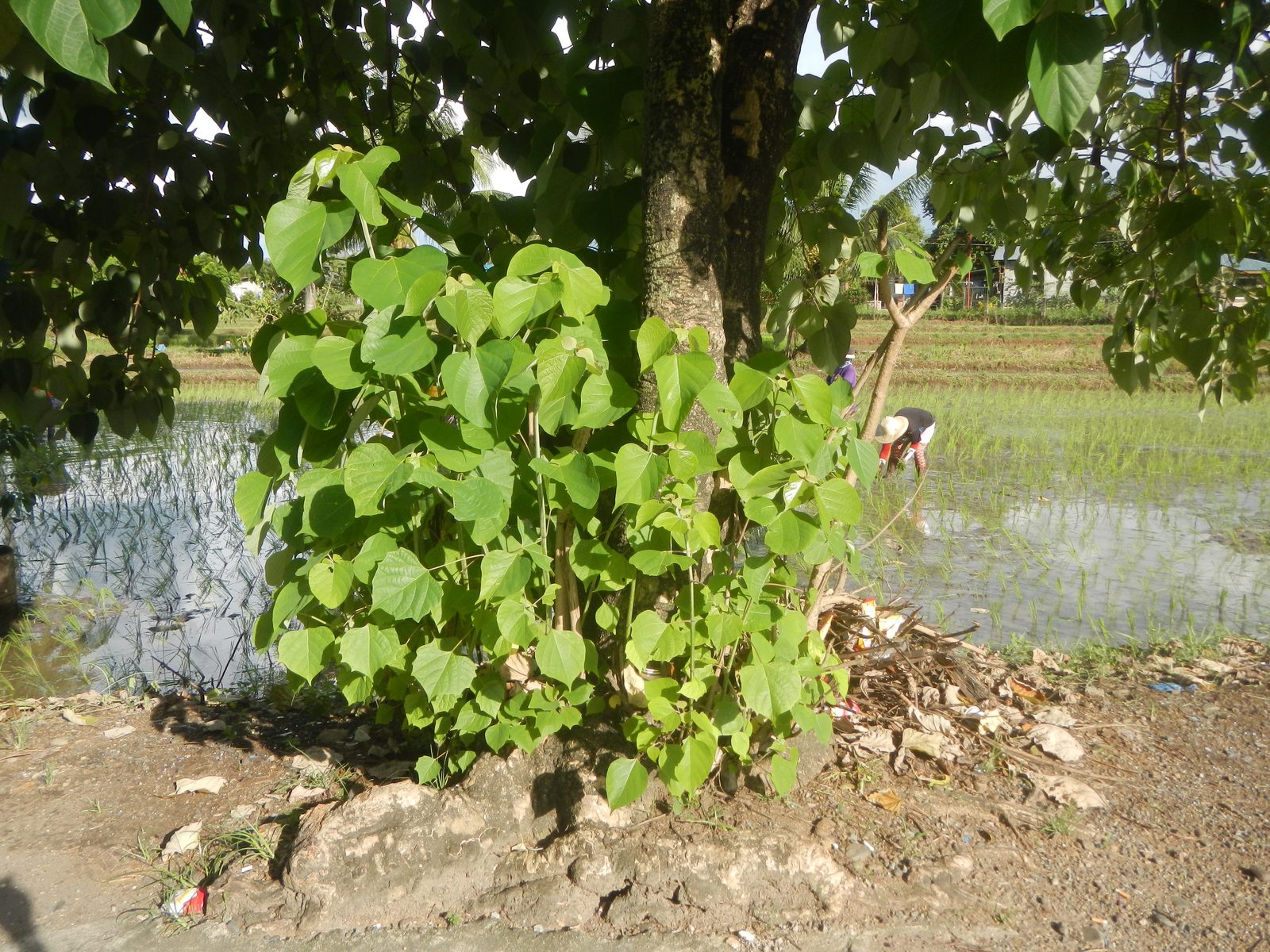
Land in the Philippines asks a median of about ₱7,350 (about $117 / €101) per square meter across the lots listed on BalayHub, with Metro Manila lots around ₱105,000 (about $1,670 / €1,450), Cavite about ₱15,500 (about $247 / €213), Cebu about ₱5,500 (about $87 / €76) and Nueva Ecija farmland under ₱200 (about $3.2 / €2.8). That is the short answer to how much land costs per square meter. The useful answer is the figure for your province, which follows.
Ask what land costs in the Philippines and you will get answers ranging from two hundred pesos to two hundred thousand, all of them true somewhere. No property type has a wider price spread than raw land, which is exactly why a national average is nearly useless and a breakdown is not.
So here is the breakdown, from live lot listings on BalayHub as of July 2026, with the sample sizes shown so you know how much weight to put on each number.
Land price per square meter in the Philippines: the national median
Across 68 residential and agricultural lots currently listed for sale with complete data, the median asking price is about ₱7,350 (about $118 / €101) per square meter. Treat that as a curiosity more than a benchmark. The same dataset contains farmland in Nueva Ecija asking under ₱200 (about $3.2 / €2.8) per square meter and titled Metro Manila lots asking over ₱100,000 (about $1,600 / €1,380). What a lot costs is a location question first, a paperwork question second, and only then a size question.
One warning before the table: these are asking prices. Land negotiates harder than condos, particularly on large parcels that have sat unsold, so the closed price is often meaningfully below what you see listed.
Land price per square meter by province
| Province or region | Median asking per sqm | Listings in sample |
|---|---|---|
| Metro Manila | ₱105,000 (about $1,680 / €1,450) | 7 |
| Benguet (Baguio area) | ₱20,000 (about $320 / €275) | 7 |
| Cavite | ₱15,500 (about $248 / €213) | 4 |
| Bulacan | ₱12,000 (about $192 / €165) | 4 |
| Cebu | ₱5,500 (about $88 / €76) | 8 |
| Bohol | ₱2,626 (about $42 / €36) | 8 |
| Quezon Province | ₱2,500 (about $40 / €34) | 9 |
| Nueva Ecija (farmland) | ₱180 (about $2.9 / €2.5) | 3 |
Samples are small, land inventory always is, but the shape of the market comes through clearly. Metro Manila land trades at a different order of magnitude from everything else. The ring provinces where the metro spills over, Cavite and Bulacan, hold five figures. Island provinces with tourism pull, Cebu and Bohol, sit in the low thousands, and pure agricultural land in the rice belt goes for hundreds.
What 300, 500 and 1,000 square meters of land cost
The question behind many of the searches that reach this page is not the rate but the total: how much is 1,000 square meters of land in the Philippines. Multiply the medians above by the lot size and the answer depends almost entirely on where the lot sits. At the national median of about ₱7,350 (about $116 / €103) per square meter, 1,000 square meters is about ₱7,350,000 (about $116,000 / €103,000); in Metro Manila the same area is about ₱105,000,000 (about $1.66 million / €1.48 million), and on Nueva Ecija farmland about ₱180,000 (about $2,840 / €2,530). A hectare is 10,000 square meters, so that farmland is about ₱1,800,000 (about $28,400 / €25,300) per hectare, the unit in which agricultural land is actually quoted.
| Lot size | Nueva Ecija farmland (₱180 (about $2.8 / €2.5) per sqm) | Quezon Province (₱2,500 (about $39 / €35) per sqm) | National median (₱7,350 (about $116 / €103) per sqm) | Cavite (₱15,500 (about $245 / €218) per sqm) | Metro Manila (₱105,000 (about $1,660 / €1,480) per sqm) |
|---|---|---|---|---|---|
| 300 sqm | ₱54,000 (about $853 / €759) | ₱750,000 (about $11,800 / €10,500) | ₱2,205,000 (about $34,800 / €31,000) | ₱4,650,000 (about $73,400 / €65,400) | ₱31,500,000 (about $498,000 / €443,000) |
| 500 sqm | ₱90,000 (about $1,420 / €1,270) | ₱1,250,000 (about $19,700 / €17,600) | ₱3,675,000 (about $58,000 / €51,700) | ₱7,750,000 (about $122,000 / €109,000) | ₱52,500,000 (about $829,000 / €738,000) |
| 1,000 sqm | ₱180,000 (about $2,840 / €2,530) | ₱2,500,000 (about $39,500 / €35,200) | ₱7,350,000 (about $116,000 / €103,000) | ₱15,500,000 (about $245,000 / €218,000) | ₱105,000,000 (about $1.66 million / €1.48 million) |
| 2,000 sqm | ₱360,000 (about $5,690 / €5,060) | ₱5,000,000 (about $79,000 / €70,300) | ₱14,700,000 (about $232,000 / €207,000) | ₱31,000,000 (about $490,000 / €436,000) | ₱210,000,000 (about $3.32 million / €2.95 million) |
These are the medians applied mechanically. A 2,000 square meter lot rarely sells at the same rate per square meter as a 300 square meter lot in the same town, because fewer buyers can use it, so expect the larger parcels to negotiate below the table and the small titled lots near a road to hold above it.
Why two lots a road apart can differ five-fold
Land pricing has its own logic, and it rewards buyers who understand what actually moves the number:
The title situation. A lot with a clean Transfer Certificate of Title commands real money. A lot sold "by tax declaration only" trades at a deep discount for a reason: you are buying a claim, not a registered ownership. The difference is covered in our land buying guide, and if you take away one thing from this article, make it that the discount is usually not worth the risk.
Road access and frontage. A titled interior lot reached through a neighbor's goodwill is worth far less than the same lot with its own frontage. Landlocked parcels without a documented right of way are the classic bargain that is not one.
Zoning and land classification. Residential subdivision land, agricultural land and commercially zoned frontage are three different markets that happen to share the word "lot". Agricultural land can be cheap partly because converting it to residential use is a slow bureaucratic process, and in some cases not possible at all.
Utilities at the line. Power and water at the road can save you hundreds of thousands versus extending them, and that saving is priced in.
Comparing land against built property
Our price per square meter guide tracks what condos cost per sqm city by city, and the contrast is useful: in the same metro where condo space asks six figures per square meter of floor area, land still asks five, and in the provinces the gap widens dramatically. That is the arithmetic behind every "buy land, build later" plan, and it works, provided the build itself is costed honestly. We covered what construction really costs in the building from abroad guide, and how to pay for it in our guide to funding a construction from overseas.
Foreign readers, one structural note: land ownership is constitutionally reserved for Filipinos, so if that is your situation, start with the foreign ownership rules before falling in love with a hillside.
Asking prices are one thing and official values another: the BIR taxes a land sale on the zonal value when it is higher than the price in the deed, as our guide to zonal value vs market value vs assessed value explains.
Interior lots with no road frontage are priced lower for a reason; our guide to the right of way in the Philippines explains what legal access costs and how to check it.
Farm land has its own scale and its own law: our guide to the agricultural land price per hectare sets out what rice land and farm lots list for and the five hectare ceiling that decides whether a sale can be registered.
Using these numbers
Price a specific lot the way an appraiser would: find what comparable lots in the same barangay ask per square meter, adjust for title, access and shape, then run the figure through our price per square meter tool against the local band. If the asking price sits far above the provincial median in the table, the seller should be able to tell you exactly why. Sometimes there is a good answer. Often there is not.
Current inventory is here: lots for sale across the Philippines. These are live listing medians with small samples, not appraisals; verify against a licensed appraiser before transacting on anything substantial.
Dollar and euro figures are approximate conversions at ₱62.5 per US dollar and ₱72.6 per euro (ECB reference rates, 2026-09-08).
Frequently asked questions
How much is land per square meter in the Philippines?
The median across current lot listings on BalayHub is about ₱7,350 (about $118 / €101) per square meter as of July 2026, but the spread is enormous: Metro Manila lots ask a median of ₱105,000 (about $1,680 / €1,450) per sqm, Cavite around ₱15,500 (about $248 / €213), Cebu around ₱5,500 (about $88 / €76), Bohol and Quezon Province under ₱3,000 (about $48 / €41), and pure farmland in Nueva Ecija under ₱200 (about $3.2 / €2.8). Location, title status and road access set the price more than size does.
Why is some land in the Philippines so cheap?
Usually one of three reasons: it is agricultural land that cannot easily be converted to residential use, it is sold by tax declaration only rather than a registered Torrens title, or it lacks road access and utilities. Each of those discounts is real, and each transfers a risk or a cost to the buyer. A cheap lot with a clean title, its own frontage and utilities at the line is rare.
Is buying land and building cheaper than buying a house?
Often yes on paper, since provincial land asks a few thousand pesos per square meter while built floor area costs far more. The catch is costing the build honestly: construction, permits, utility connection and a contingency. Compare lot plus realistic build cost against the local median for finished houses before deciding, sometimes buying finished wins.
Can foreigners buy land in the Philippines?
No, land ownership is constitutionally reserved for Filipino citizens and corporations that are at least 60 percent Filipino-owned, with narrow exceptions such as hereditary succession. Foreigners can own condominium units instead, or hold long-term leases on land.
Nasa median na humigit-kumulang ₱7,350 (mga $117 / €101) per square meter ang asking price ng lupa sa Pilipinas sa lahat ng lot na nakalista sa BalayHub, na ang mga lot sa Metro Manila ay nasa mga ₱105,000 (mga $1,670 / €1,450), Cavite mga ₱15,500 (mga $247 / €213), Cebu mga ₱5,500 (mga $87 / €76) at farmland sa Nueva Ecija ay wala pang ₱200 (mga $3.2 / €2.8). Iyon ang maikling sagot sa kung magkano ang lupa kada square meter. Ang kapaki-pakinabang na sagot ay ang figure para sa probinsya mo, na kasunod.
Itanong mo kung magkano ang lupa sa Pilipinas at makakakuha ka ng sagot mula dalawang daang piso hanggang dalawang daang libo, at totoo lahat 'yun sa kani-kanyang lugar. Walang ibang property type na mas malawak ang price spread kaysa sa raw land, kaya naman halos walang silbi ang national average, pero ang breakdown, may silbi.
Kaya heto ang breakdown, mula sa mga live lot listing sa BalayHub as of July 2026, kasama ang sample sizes para alam mo kung gaano kabigat ang dapat mong ibigay sa bawat numero.
Presyo ng lupa kada square meter sa Pilipinas: ang national median
Sa 68 residential at agricultural lots na naka-lista for sale ngayon na may kumpletong data, ang median asking price ay nasa ₱7,350 (mga $118 / €101) kada sqm. Ituring mo 'yan na trivia lang, hindi benchmark. Sa parehong dataset may farmland sa Nueva Ecija na wala pang ₱200 (mga $3.2 / €2.8) kada sqm ang asking, at may mga titled lot sa Metro Manila na lampas ₱100,000 (mga $1,600 / €1,380). Ang presyo ng isang lote, una sa lahat, tanong ng lokasyon, pangalawa tanong ng papeles, at saka pa lang tanong ng laki.
Isang babala bago ang table: asking prices ang mga ito. Mas matindi ang tawaran sa lupa kaysa sa condo, lalo na sa malalaking parcel na matagal nang hindi nabebenta, kaya madalas malayo pababa ang closed price sa nakikita mong naka-lista.
Presyo ng lupa kada square meter bawat probinsya
| Probinsya o rehiyon | Median asking kada sqm | Listings sa sample |
|---|---|---|
| Metro Manila | ₱105,000 (mga $1,680 / €1,450) | 7 |
| Benguet (Baguio area) | ₱20,000 (mga $320 / €275) | 7 |
| Cavite | ₱15,500 (mga $248 / €213) | 4 |
| Bulacan | ₱12,000 (mga $192 / €165) | 4 |
| Cebu | ₱5,500 (mga $88 / €76) | 8 |
| Bohol | ₱2,626 (mga $42 / €36) | 8 |
| Quezon Province | ₱2,500 (mga $40 / €34) | 9 |
| Nueva Ecija (farmland) | ₱180 (mga $2.9 / €2.5) | 3 |
Maliit ang mga sample, ganyan talaga lagi ang land inventory, pero malinaw pa rin lumalabas ang hugis ng market. Ibang order of magnitude ang presyo ng lupa sa Metro Manila kumpara sa lahat ng iba. Ang mga ring province na inaabot ng spillover ng metro, Cavite at Bulacan, nasa five figures. Ang mga island province na may hatak sa turismo, Cebu at Bohol, nasa low thousands, at ang purong agricultural land sa rice belt, daan-daan lang.
Magkano ang 300, 500 at 1,000 square meters ng lupa
Ang tanong sa likod ng marami sa mga search na umaabot sa pahinang ito ay hindi ang rate kundi ang kabuuan: magkano ang 1,000 square meters ng lupa sa Pilipinas. I-multiply ang mga median sa itaas sa sukat ng lote at ang sagot ay halos ganap na nakadepende sa kung saan nakatayo ang lote. Sa national median na humigit-kumulang ₱7,350 (mga $116 / €103) kada square meter, ang 1,000 square meters ay humigit-kumulang ₱7,350,000 (mga $116,000 / €103,000); sa Metro Manila ang parehong sukat ay humigit-kumulang ₱105,000,000 (mga $1.66 million / €1.48 million), at sa farmland sa Nueva Ecija humigit-kumulang ₱180,000 (mga $2,840 / €2,530). Ang isang ektarya ay 10,000 square meters, kaya ang farmland na iyon ay humigit-kumulang ₱1,800,000 (mga $28,400 / €25,300) kada ektarya, ang unit kung saan aktwal na pinepresyo ang agricultural land.
| Sukat ng lote | Farmland sa Nueva Ecija (₱180 (mga $2.8 / €2.5) kada sqm) | Quezon Province (₱2,500 (mga $39 / €35) kada sqm) | National median (₱7,350 (mga $116 / €103) kada sqm) | Cavite (₱15,500 (mga $245 / €218) kada sqm) | Metro Manila (₱105,000 (mga $1,660 / €1,480) kada sqm) |
|---|---|---|---|---|---|
| 300 sqm | ₱54,000 (mga $853 / €759) | ₱750,000 (mga $11,800 / €10,500) | ₱2,205,000 (mga $34,800 / €31,000) | ₱4,650,000 (mga $73,400 / €65,400) | ₱31,500,000 (mga $498,000 / €443,000) |
| 500 sqm | ₱90,000 (mga $1,420 / €1,270) | ₱1,250,000 (mga $19,700 / €17,600) | ₱3,675,000 (mga $58,000 / €51,700) | ₱7,750,000 (mga $122,000 / €109,000) | ₱52,500,000 (mga $829,000 / €738,000) |
| 1,000 sqm | ₱180,000 (mga $2,840 / €2,530) | ₱2,500,000 (mga $39,500 / €35,200) | ₱7,350,000 (mga $116,000 / €103,000) | ₱15,500,000 (mga $245,000 / €218,000) | ₱105,000,000 (mga $1.66 million / €1.48 million) |
| 2,000 sqm | ₱360,000 (mga $5,690 / €5,060) | ₱5,000,000 (mga $79,000 / €70,300) | ₱14,700,000 (mga $232,000 / €207,000) | ₱31,000,000 (mga $490,000 / €436,000) | ₱210,000,000 (mga $3.32 million / €2.95 million) |
Ito ang mga median na inilapat nang mekanikal. Bihirang mabenta ang 2,000 square meter na lote sa parehong rate kada square meter gaya ng 300 square meter na lote sa parehong bayan, dahil mas kaunti ang buyer na makakagamit nito, kaya asahang ang mas malalaking parcel ay mapag-uusapan nang mas mababa sa table at ang maliliit na titled na lote malapit sa kalsada ay mananatiling mas mataas dito.
Bakit pwedeng limang beses ang agwat ng dalawang loteng magkalapit lang ng kalsada
May sariling lohika ang presyuhan ng lupa, at pabor ito sa mga buyer na alam kung ano talaga ang nagpapagalaw ng numero:
Ang title situation. Ang lote na may malinis na Transfer Certificate of Title, may tunay na halaga. Ang lote na binebenta "by tax declaration only", malaki ang tapyas sa presyo, at may dahilan 'yun: claim ang binibili mo, hindi rehistradong pagmamay-ari. Nasa aming gabay sa pagbili ng lupa ang buong paliwanag, at kung isang bagay lang ang tatandaan mo sa artikulong ito, ito na 'yun: kadalasan hindi sulit ang discount sa dala nitong risk.
Road access at frontage. Ang titled interior lot na madadaanan lang dahil sa kabaitan ng kapitbahay, mas mababa ang halaga kaysa sa parehong lote na may sariling frontage. Ang mga landlocked parcel na walang dokumentadong right of way ang klasikong "bargain" na hindi naman talaga bargain.
Zoning at land classification. Ang residential subdivision land, agricultural land, at commercially zoned frontage ay tatlong magkakaibang market na nagkataon lang na parehong tinatawag na "lote". Pwedeng mura ang agricultural land partly dahil mabagal na burukratikong proseso ang pag-convert nito sa residential use, at sa ilang kaso hindi talaga pwede.
Utilities sa linya. Ang kuryente at tubig na nasa kalsada na mismo, makakatipid sa 'yo ng daan-daang libo kumpara sa pagpapahatid pa nito, at kasama na 'yun sa presyo.
Paghahambing ng lupa sa built na property
Sinusubaybayan ng aming gabay sa presyo kada square meter kung magkano ang condo kada sqm sa bawat lungsod, at may silbi ang kontrast: sa parehong metro kung saan six figures kada square meter ng floor area ang asking sa condo space, five figures pa rin ang lupa, at sa probinsya lalong lumalapad ang agwat. 'Yan ang aritmetika sa likod ng bawat planong "bumili ng lupa, magpatayo mamaya", at gumagana ito, basta't tapat ang pagkwenta sa mismong build. Tinalakay namin kung magkano talaga ang construction sa gabay sa pagpapatayo mula abroad, at kung paano ito babayaran sa aming gabay sa pagpopondo ng construction mula overseas.
Para sa mga foreign reader, isang structural note: nakalaan sa Konstitusyon ang pagmamay-ari ng lupa para sa mga Pilipino lang, kaya kung ganyan ang sitwasyon mo, magsimula ka sa foreign ownership rules bago ka pa ma-in love sa isang hillside.
Iba ang asking price at iba ang mga opisyal na value: binubuwisan ng BIR ang bentahan ng lupa sa zonal value kapag mas mataas ito sa presyo sa deed, gaya ng ipinapaliwanag ng aming gabay sa zonal value vs market value vs assessed value.
May dahilan kung bakit mas mababa ang presyo ng mga interior lot na walang road frontage; ipinapaliwanag ng aming gabay sa right of way sa Pilipinas kung magkano ang legal na access at kung paano ito i-check.
May sariling sukat at sariling batas ang farm land: inilalatag ng aming gabay sa agricultural land price kada hectare kung magkano ang listing ng rice land at mga farm lot at ang limitasyong limang hectare na nagpapasya kung maire-rehistro ang benta.
Paggamit ng mga numerong ito
Presyuhan mo ang isang partikular na lote gaya ng gagawin ng appraiser: hanapin kung magkano kada sqm ang asking ng mga comparable lot sa parehong barangay, i-adjust para sa title, access at hugis, tapos patakbuhin ang figure sa aming price per square meter tool laban sa local band. Kung malayo sa taas ng provincial median sa table ang asking price, dapat masabi sa 'yo ng seller kung bakit eksakto. Minsan may magandang sagot. Madalas wala.
Nandito ang kasalukuyang inventory: mga lote for sale sa buong Pilipinas. Live listing medians ito na maliliit ang sample, hindi appraisals; magpa-verify ka sa licensed appraiser bago mag-transact sa kahit anong malaki.
Tinatayang conversion lang ang mga halaga sa dollar at euro, sa ₱62.5 kada US dollar at ₱72.6 kada euro (ECB reference rates, 2026-09-08).
Mga madalas itanong
Magkano ang lupa kada square meter sa Pilipinas?
Ang median sa mga current lot listing sa BalayHub ay mga ₱7,350 (mga $118 / €101) kada square meter as of July 2026, pero napakalaki ng agwat: ang mga lote sa Metro Manila ay may median asking na ₱105,000 (mga $1,680 / €1,450) kada sqm, Cavite mga ₱15,500 (mga $248 / €213), Cebu mga ₱5,500 (mga $88 / €76), Bohol at Quezon Province wala pang ₱3,000 (mga $48 / €41), at ang purong farmland sa Nueva Ecija wala pang ₱200 (mga $3.2 / €2.8). Ang lokasyon, title status at road access ang mas nagtatakda ng presyo kaysa sa laki.
Bakit ang mura ng ibang lupa sa Pilipinas?
Kadalasan isa sa tatlong dahilan: agricultural land ito na hindi madaling ma-convert sa residential use, binebenta ito sa tax declaration lang imbes na rehistradong Torrens title, o walang road access at utilities. Totoo ang bawat isa sa mga discount na iyon, at bawat isa ay naglilipat ng risk o gastos sa buyer. Bihira ang murang lote na may malinis na title, sariling frontage at utilities sa linya.
Mas mura ba ang bumili ng lupa at magpatayo kaysa bumili ng bahay?
Madalas oo sa papel, dahil ang provincial land ay ilang libong piso lang kada square meter habang mas mahal nang malayo ang built floor area. Ang catch ay ang tapat na pag-costing ng build: construction, permits, utility connection at contingency. I-compare ang lote plus makatotohanang build cost laban sa local median ng mga tapos na bahay bago magdesisyon, minsan panalo pa rin ang bumili ng tapos na.
Pwede bang bumili ng lupa ang foreigner sa Pilipinas?
Hindi, ang pagmamay-ari ng lupa ay nakalaan sa Constitution para sa Filipino citizens at mga korporasyon na at least 60 percent Filipino-owned, na may makikitid na exceptions tulad ng hereditary succession. Pwedeng magmay-ari ang foreigners ng condominium units, o kumuha ng long-term lease sa lupa.
Ang yuta sa Pilipinas naay median nga mga ₱7,350 (mga $117 / €101) kada sqm sa tanang lote nga naka-list sa BalayHub, nga ang mga lote sa Metro Manila mga ₱105,000 (mga $1,670 / €1,450), Cavite mga ₱15,500 (mga $247 / €213), Cebu mga ₱5,500 (mga $87 / €76) ug ang farmland sa Nueva Ecija ubos sa ₱200 (mga $3.2 / €2.8). Mao kana ang mubo nga tubag kung pila ang presyo sa yuta kada sqm. Ang mapuslanong tubag mao ang numero para sa imong probinsya, nga mosunod.
Pangutan-a kung tagpila ang yuta sa Pilipinas ug makadawat ka og mga tubag gikan sa duha ka gatos ka pesos hangtod duha ka gatos ka libo, ug tinuod silang tanan sa tagsa-tagsa nila ka lugar. Walay laing property type nga mas lapad ang price spread kaysa raw land, maong halos walay pulos ang national average, apan ang breakdown, naa gyuy pulos.
Mao nga ania ang breakdown, gikan sa mga live lot listing sa BalayHub as of July 2026, uban ang sample sizes aron mahibalo ka kung unsa ka bug-at ang angay nimong ihatag sa matag numero.
Presyo sa yuta kada square meter sa Pilipinas: ang national median
Sa 68 ka residential ug agricultural lots nga naka-lista karon for sale nga kompleto ang data, ang median asking price mokabat og mga ₱7,350 (mga $118 / €101) kada square meter. Isipa lang na nga kuryusidad, dili benchmark. Sa mao ra nga dataset naay farmland sa Nueva Ecija nga ubos pa sa ₱200 (mga $3.2 / €2.8) kada square meter ang asking, ug naay mga titled lot sa Metro Manila nga sobra sa ₱100,000 (mga $1,600 / €1,380). Ang presyo sa usa ka lote, una sa tanan, pangutana sa lokasyon, ikaduha pangutana sa papeles, ug human pa ana pangutana sa gidak-on.
Usa ka pahimangno una ang table: asking prices kini. Mas grabe ang hangyoay sa yuta kaysa condo, ilabi na sa dagkong parcel nga dugay nang wala mahalin, maong sagad layo paubos ang closed price sa makita nimong naka-lista.
Presyo sa yuta kada square meter matag probinsya
| Probinsya o rehiyon | Median asking kada sqm | Mga listing sa sample |
|---|---|---|
| Metro Manila | ₱105,000 (mga $1,680 / €1,450) | 7 |
| Benguet (Baguio area) | ₱20,000 (mga $320 / €275) | 7 |
| Cavite | ₱15,500 (mga $248 / €213) | 4 |
| Bulacan | ₱12,000 (mga $192 / €165) | 4 |
| Cebu | ₱5,500 (mga $88 / €76) | 8 |
| Bohol | ₱2,626 (mga $42 / €36) | 8 |
| Quezon Province | ₱2,500 (mga $40 / €34) | 9 |
| Nueva Ecija (farmland) | ₱180 (mga $2.9 / €2.5) | 3 |
Gagmay ang mga sample, mao gyud na kanunay ang land inventory, apan klaro gihapon mogawas ang porma sa merkado. Lahi ra gyud nga order of magnitude ang presyo sa yuta sa Metro Manila kumpara sa tanan. Ang mga ring province nga maabot sa spillover sa metro, ang Cavite ug Bulacan, naa sa five figures. Ang mga island province nga naay hatak sa turismo, ang Cebu ug Bohol, naa sa low thousands, ug ang puro agricultural land sa rice belt, ginatos ra ka pesos.
Pila ang gasto sa 300, 500 ug 1,000 square meters nga yuta
Ang pangutana luyo sa daghang mga search nga moabot niini nga pahina dili ang rate kondili ang total: pila ang 1,000 square meters nga yuta sa Pilipinas. I-multiply ang mga median sa ibabaw sa gidak-on sa lote ug ang tubag nagdepende halos sa tanan kon asa nahimutang ang lote. Sa nasudnong median nga mga ₱7,350 (mga $116 / €103) kada square meter, ang 1,000 square meters mga ₱7,350,000 (mga $116,000 / €103,000); sa Metro Manila ang sama nga area mga ₱105,000,000 (mga $1.66 million / €1.48 million), ug sa farmland sa Nueva Ecija mga ₱180,000 (mga $2,840 / €2,530). Ang usa ka ektarya 10,000 square meters, busa kana nga farmland mga ₱1,800,000 (mga $28,400 / €25,300) kada ektarya, ang unit diin tinuod nga gi-quote ang agricultural land.
| Gidak-on sa lote | Nueva Ecija farmland (₱180 (mga $2.8 / €2.5) kada sqm) | Quezon Province (₱2,500 (mga $39 / €35) kada sqm) | Nasudnong median (₱7,350 (mga $116 / €103) kada sqm) | Cavite (₱15,500 (mga $245 / €218) kada sqm) | Metro Manila (₱105,000 (mga $1,660 / €1,480) kada sqm) |
|---|---|---|---|---|---|
| 300 sqm | ₱54,000 (mga $853 / €759) | ₱750,000 (mga $11,800 / €10,500) | ₱2,205,000 (mga $34,800 / €31,000) | ₱4,650,000 (mga $73,400 / €65,400) | ₱31,500,000 (mga $498,000 / €443,000) |
| 500 sqm | ₱90,000 (mga $1,420 / €1,270) | ₱1,250,000 (mga $19,700 / €17,600) | ₱3,675,000 (mga $58,000 / €51,700) | ₱7,750,000 (mga $122,000 / €109,000) | ₱52,500,000 (mga $829,000 / €738,000) |
| 1,000 sqm | ₱180,000 (mga $2,840 / €2,530) | ₱2,500,000 (mga $39,500 / €35,200) | ₱7,350,000 (mga $116,000 / €103,000) | ₱15,500,000 (mga $245,000 / €218,000) | ₱105,000,000 (mga $1.66 million / €1.48 million) |
| 2,000 sqm | ₱360,000 (mga $5,690 / €5,060) | ₱5,000,000 (mga $79,000 / €70,300) | ₱14,700,000 (mga $232,000 / €207,000) | ₱31,000,000 (mga $490,000 / €436,000) | ₱210,000,000 (mga $3.32 million / €2.95 million) |
Kini ang mga median nga gi-apply sa mekanikal nga paagi. Ang 2,000 square meter nga lote panagsa ra mabaligya sa sama nga rate kada square meter sama sa 300 square meter nga lote sa sama nga lungsod, kay mas gamay ang mga pumapalit nga makagamit niini, busa paabota nga ang mas dagko nga mga parcel ma-negotiate ubos sa table ug ang gagmay nga titled nga mga lote duol sa dalan magpabilin ibabaw niini.
Ngano nga ang duha ka lote nga usa ra ka dalan ang gilay-on mahimong lima ka pilo ang kalainan
Ang presyo sa yuta adunay kaugalingong lohika, ug pabor kini sa mga buyer nga kahibalo kung unsa gyud ang nagpalihok sa numero:
Ang title situation. Ang lote nga limpyo ang Transfer Certificate of Title, naay tinuod nga bili. Ang lote nga gibaligya "by tax declaration only", dako ang tapyas sa presyo, ug naay rason: claim ra ang imong gipalit, dili rehistradong pagpanag-iya. Ang kalainan gihisgotan sa among giya sa pagpalit og yuta, ug kung usa ra ka butang ang imong madala gikan niining artikuloha, kini na: sagad dili sulit ang diskwento sa risgo nga dala niini.
Road access ug frontage. Ang titled interior lot nga maagian ra tungod sa kaayo sa silingan, mas ubos og bili kaysa sa mao ra nga lote nga naay kaugalingong frontage. Ang mga landlocked parcel nga walay dokumentadong right of way mao ang klasikong "barato" nga dili diay barato.
Zoning ug land classification. Ang residential subdivision land, agricultural land, ug commercially zoned frontage tulo ka managlahing merkado nga nagkataon lang nga parehong gitawag og "lote". Mahimong barato ang agricultural land tungod usab kay hinay nga burukratikong proseso ang pag-convert niini ngadto sa residential use, ug sa ubang kaso dili gyud mahimo.
Utilities sa linya. Ang kuryente ug tubig nga naa na mismo sa dalan makadaginot nimo og ginatos ka libo kumpara sa pagpaabot pa niini, ug apil na kana sa presyo.
Pagtandi sa yuta batok sa built nga property
Ang among giya sa presyo kada square meter nagsubay kung tagpila ang condo kada sqm sa matag siyudad, ug mapuslanon ang kontraste: sa mao ra nga metro diin six figures kada square meter sa floor area ang asking sa condo space, five figures gihapon ang yuta, ug sa probinsya mas molapad pa gyud ang gintang. Mao kana ang aritmetika luyo sa matag planong "palit og yuta, magtukod unya", ug molihok kini, basta tinuoray ang pagkwenta sa mismong pagtukod. Gihisgotan namo kung pila gyud ang gasto sa construction sa giya sa pagtukod gikan sa abroad, ug kung unsaon kini pagbayad sa among giya sa pagpondo sa construction gikan sa overseas.
Para sa mga foreign reader, usa ka structural note: gireserba sa Konstitusyon ang pagpanag-iya sa yuta alang lang sa mga Pilipino, mao nga kung mao na ang imong sitwasyon, sugdi sa foreign ownership rules sa dili ka pa maibog sa usa ka hillside.
Lahi ang asking price ug lahi usab ang mga opisyal nga value: buhisan sa BIR ang baligya sa yuta base sa zonal value kung mas taas kini sa presyo sa deed, sama sa gipasabot sa among giya sa zonal value vs market value vs assessed value.
Ang mga interior lot nga walay atubangan sa dalan mas barato ang presyo tungod sa usa ka rason; ang among giya sa right of way sa Pilipinas nagpasabot kung pila ang gasto sa legal nga access ug kung unsaon kini pagsusi.
Ang farm land adunay kaugalingong sukdanan ug kaugalingong balaod: ang among giya sa presyo sa agricultural land kada hectare naglatid kung pila ang gilista nga presyo sa basakan ug mga farm lot ug sa limite nga lima ka hectare nga modesisyon kung marehistro ba ang baligya.
Paggamit niining mga numeroha
Presyohi ang usa ka piho nga lote sama sa buhaton sa appraiser: pangitaa kung tagpila kada square meter ang asking sa mga comparable lot sa mao ra nga barangay, i-adjust alang sa title, access ug porma, dayon ipaagi ang numero sa among price per square meter tool batok sa local band. Kung layo sa ibabaw sa provincial median sa table ang asking price, kinahanglan masulti sa seller kung ngano gyud. Usahay naay maayong tubag. Kasagaran wala.
Ania ang kasamtangang inventory: mga lote nga gibaligya sa tibuok Pilipinas. Live listing medians kini nga gagmay ang sample, dili appraisals; ipa-verify sa licensed appraiser una ka mo-transact sa bisan unsang dako.
Banabana lang ang mga conversion sa dollar ug euro, sa ₱62.5 matag US dollar ug ₱72.6 matag euro (ECB reference rates, 2026-09-08).
Mga kasagarang pangutana
Pila ang yuta kada square meter sa Pilipinas?
Ang median sa mga current lot listing sa BalayHub mga ₱7,350 (mga $118 / €101) kada square meter as of July 2026, pero dako kaayo ang gintang: ang mga lote sa Metro Manila adunay median asking nga ₱105,000 (mga $1,680 / €1,450) kada sqm, Cavite mga ₱15,500 (mga $248 / €213), Cebu mga ₱5,500 (mga $88 / €76), Bohol ug Quezon Province ubos sa ₱3,000 (mga $48 / €41), ug ang puro farmland sa Nueva Ecija ubos sa ₱200 (mga $3.2 / €2.8). Ang lokasyon, title status ug road access maoy mas magbuot sa presyo kaysa sa gidak-on.
Ngano man ka barato ang ubang yuta sa Pilipinas?
Kasagaran usa sa tulo ka rason: agricultural land kini nga dili sayon ma-convert sa residential use, gibaligya kini pinaagi sa tax declaration lang imbes sa rehistrado nga Torrens title, o walay road access ug utilities. Tinuod ang matag usa niana nga discount, ug ang matag usa mobalhin og risk o gasto ngadto sa buyer. Talagsa ra ang barato nga lote nga adunay limpyo nga title, kaugalingong frontage ug utilities sa linya.
Mas barato ba ang mopalit og yuta ug magpatukod kaysa mopalit og balay?
Kasagaran oo sa papel, kay ang provincial land pipila ka libo ka pesos lang kada square meter samtang mas mahal kaayo ang built floor area. Ang catch mao ang matinud-anon nga pag-costing sa build: construction, permits, utility connection ug contingency. Itandi ang lote plus realistic nga build cost batok sa local median sa mga humana nga balay una modesisyon, usahay modaog gihapon ang pagpalit og humana.
Makapalit ba og yuta ang foreigner sa Pilipinas?
Dili, ang pagpanag-iya og yuta gireserba sa Constitution para sa Filipino citizens ug mga korporasyon nga at least 60 percent Filipino-owned, nga adunay pig-ot nga exceptions sama sa hereditary succession. Ang foreigners makapanag-iya og condominium units, o mokuha og long-term lease sa yuta.
Browse properties on BalayHub
See all listings →
Read next
Ayala Land Lots in Nuvali, Lipa, Cresendo: What to Compare
Ayala Land lots return in Nuvali, Lipa and Cresendo as inventory falls to 15 months and capex rises to ₱60B: how to price an estate lot against raw land.
Pag-IBIG Housing Loan P10 Million Cap: What It Changes
Pag-IBIG formalized its P10 million loan ceiling with promo rates of 4.5% and 5.75% until December 31, 2026: what the cap reaches and the monthly numbers.
Habagat Flooding House Damage 2026: A Buyer's Read
OCD counts 8.8 million people affected, 3,300 houses damaged and 330 Pampanga villages flooded: what the map means for buyers in Cavite, Rizal, Pampanga.