
Jun 11, 2026 · by BalayHub Admin · 8 min read
Closing Costs in the Philippines 2026: Who Pays What
Closing costs in the Philippines in 2026: capital gains tax, documentary stamp tax, transfer tax and fees, who pays each, and a ₱5,000,000 example.
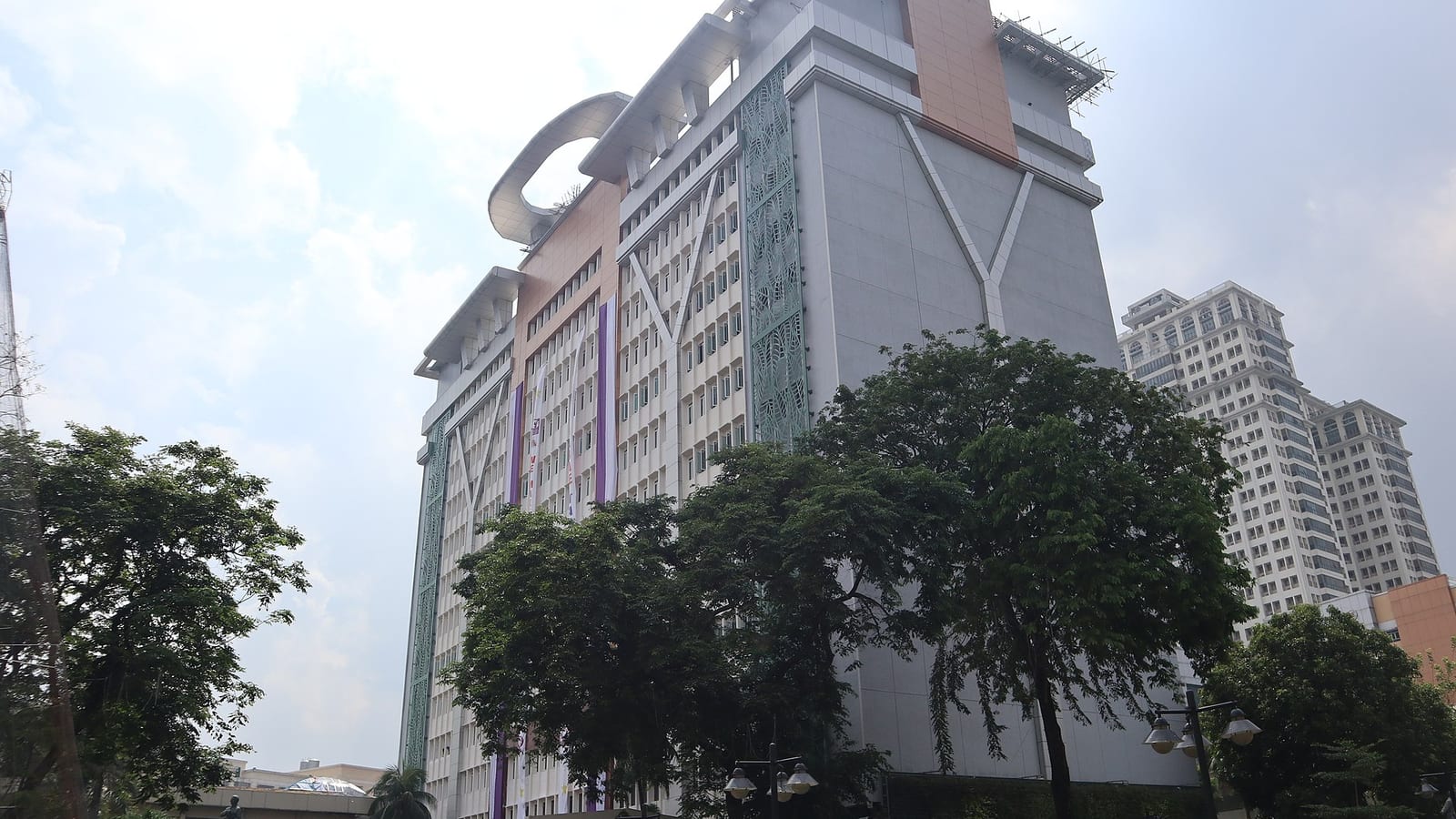
Buyers pay about 3% of the price in closing costs and sellers about 10%, most of it the 6% capital gains tax. The price on the listing is never the price you pay. By the time a Philippine property changes hands, taxes, registration, and professional fees have added a layer on top, and a separate, larger layer onto what the seller nets. Buyers who budget only for the down payment and the loan get an unpleasant surprise at closing; sellers who forget the capital gains tax watch a chunk of their proceeds vanish.
This guide lays out every closing cost on a Philippine home purchase, the current rates, who customarily pays each, and a full worked example on a ₱5,000,000 (about $80,000 / €68,900) condo so you can see the real numbers. Treat the customary split as the market default, not a legal rule, almost all of it is negotiable and the deed of sale is what actually decides.
The one rule behind every tax: highest of three values
Before any percentage, know how the base is set. The transfer taxes, capital gains tax, documentary stamp tax, transfer tax, registration, are not calculated on the contract price alone. They are computed on the highest of three figures:
- the actual selling price in the deed,
- the BIR zonal value for that location, and
- the local assessor's fair market value.
So even if you negotiate a low headline price, the tax floor is whatever the BIR and the LGU say the property is worth. You can check zonal values before you compute anything, and sanity-check the price itself against the price per square metre by city tool.
Who customarily pays what
There is a market convention, and there is the contract. By custom the split looks like this, but every line is negotiable, and on some items even the law is ambiguous about who is the default payer:
| Cost | Rate (2026) | Customary payer |
|---|---|---|
| Capital Gains Tax | 6% (final tax) | Seller |
| Broker's commission | 3% to 5% | Seller |
| Documentary Stamp Tax | 1.5% | Buyer |
| Transfer Tax (LGU) | 0.5% to 0.75% | Buyer |
| Registration fee | ~0.25% to 1% (sliding scale) | Buyer |
| Notarial fee | ~0.5% to 2% (negotiated) | Buyer |
| Real Property Tax (amilyar) | prorated | Split at closing |
The seller carries the two biggest items, capital gains tax and the broker's commission, so the seller's total runs much higher than the buyer's. If you are the one selling, our seller's guide walks the whole process from that side. As a rough guide, the buyer pays about 2.5% to 4% of the price and the seller about 9% to 11% (6% CGT plus a 3% to 5% commission), for an all-in transaction cost of roughly 12% to 15% across both sides.
The seller's side
Capital Gains Tax, 6%. On a resale (a property held as a capital asset), the seller pays a 6% final tax on the highest of the three values. It is called a capital gains tax but it is charged on the gross value, not the profit. It is due within 30 days of notarization. The seller is the statutory taxpayer, though buyers often insist on withholding it from the proceeds and paying the BIR directly, because the eCAR, the BIR clearance that proves the transfer taxes are paid, cannot be issued until it is settled, and without the eCAR the Registry of Deeds will not transfer the title.
Broker's commission, 3% to 5%. Customarily the seller's cost, typically 3% to 5% of the price (up to 5% for raw or agricultural land), plus 12% VAT if the broker is VAT-registered. Not fixed by law; set by agreement.
Unpaid amilyar. Any Real Property Tax in arrears up to the transfer date is the seller's to clear.
The buyer's side
Documentary Stamp Tax, 1.5%. On the higher of price or fair market value, due by the 5th day of the month after notarization. By market custom the buyer pays it, although both parties are legally liable and some law firms read the tax code's default as the seller's, so pin it down in the contract.
Transfer Tax, 0.5% to 0.75%. A local government tax: up to 0.5% in provinces, up to 0.75% in cities and Metro Manila, on the higher of price or FMV. Usually the buyer's, typically due within about 60 days of the deed.
Registration fee. Paid to the Registry of Deeds to register the new title, on the Land Registration Authority's sliding scale, roughly 0.25% to 1% of value depending on the bracket. On a multi-million-peso property it lands in the low tens of thousands.
Notarial fee. Custom cites 1% to 2% of the price, but it is routinely negotiated down to around 0.5% to 1%, and many deals settle far lower. Worth haggling.
Processing and miscellaneous. Condo or developer transfer / IT fees, title-processing service charges, and the cost of certified documents. Budget a buffer.
VAT: the cost that can dwarf the transfer taxes
There is one threshold that changes the entire picture on a new unit bought from a developer. The sale of a residential dwelling priced at or below ₱3,600,000 (about $57,600 / €49,600) is VAT-exempt (the ceiling was raised from ₱3.199M (about $51,200 / €44,100) effective 1 January 2024). Above that threshold, a developer sale carries 12% VAT, which is far larger than all the transfer taxes combined.
There is also a structural difference between buying resale and buying new:
- Resale (capital asset): the 6% capital gains tax applies (the seller's). No VAT.
- Developer / new (ordinary asset): no capital gains tax, but a creditable withholding tax of 1.5% / 3% / 5% (by price band) plus 12% VAT if the unit is over the ₱3.6M (about $57,600 / €49,600) exemption.
So a ₱6,000,000 (about $96,000 / €82,600) brand-new condo can carry roughly ₱720,000 (about $11,500 / €9,920) in VAT on top of the price, a line item that simply does not exist on a resale of the same unit. Always ask whether a quoted price is VAT-inclusive.
A worked example: a ₱5,000,000 resale condo
Assume a resale condo (capital asset) with a ₱5,000,000 (about $80,000 / €68,900) selling price that is also the highest of the three values. Here is how the costs fall:
| Item | Who pays | Amount |
|---|---|---|
| Documentary Stamp Tax (1.5%) | Buyer | ₱75,000 (about $1,200 / €1,030) |
| Transfer Tax (0.5%) | Buyer | ₱25,000 (about $400 / €344) |
| Registration fee (LRA scale) | Buyer | ~₱27,000 (about $432 / €372) |
| Notarial fee | Buyer | ~₱12,500 (about $200 / €172) |
| Buyer subtotal | ~₱139,500 (about $2,230 / €1,920) (~2.8%) | |
| Capital Gains Tax (6%) | Seller | ₱300,000 (about $4,800 / €4,130) |
| Broker's commission (3% to 5%) | Seller | ₱150,000 to ₱250,000 (about $2,400 to $4,000 / €2,070 to €3,440) |
| Seller subtotal | ~₱450,000 to ₱550,000 (about $7,200 to $8,800 / €6,200 to €7,580) |
The buyer walks in expecting to add roughly ₱140,000 to ₱150,000 (about $2,240 to $2,400 / €1,930 to €2,070) (about 3%) to the purchase price. The seller quietly loses ₱450,000 to ₱550,000 (about $7,200 to $8,800 / €6,200 to €7,580) off the top. Knowing this before you negotiate lets you price it in, a buyer can ask the seller to absorb the DST, a seller can build the commission into the asking price.
Deadlines that cost money if you miss them
Late filing triggers surcharges, interest, and penalties, so calendar these from the notarization date:
- Capital Gains Tax: within 30 days (BIR).
- Documentary Stamp Tax: by the 5th day of the following month (BIR).
- Transfer Tax: typically within 60 days (LGU, confirm the exact deadline locally).
Miss a BIR deadline and you face a 25% surcharge plus interest; a late transfer tax triggers separate penalties set by the LGU. Either way it is an avoidable, pure-loss cost.
Budget for the total, not the sticker
The honest way to shop is to add your side of the closing costs to every price you consider, and, if you are the seller, to subtract yours before you celebrate the headline number. For a clearer split of the taxes themselves, see our guide to Philippine property taxes; to gauge whether the price is fair before you even reach closing, run it through the instant property valuation and the price per square metre tools. This is general information, not tax or legal advice, confirm the current rates with the BIR and your LGU, and have a licensed broker or lawyer handle the actual filing.
Dollar and euro figures are approximate conversions at ₱62.5 per US dollar and ₱72.6 per euro (ECB reference rates, 2026-09-08).
Frequently asked questions
How much are closing costs when buying property in the Philippines?
For the buyer, closing costs typically run about 2.5%-4% of the price, mainly documentary stamp tax (1.5%), transfer tax (0.5%-0.75%), the Registry of Deeds registration fee (~0.25%-1%), and notarial fees. On a ₱5,000,000 (about $80,000 / €68,900) resale condo that is roughly ₱140,000 (about $2,240 / €1,930)-₱150,000 (about $2,400 / €2,070). The seller separately pays the larger items: 6% capital gains tax and a 3%-5% broker's commission, so the all-in transaction cost across both sides is about 8%-12.5%.
Who pays the capital gains tax and documentary stamp tax in the Philippines?
By custom the seller pays the 6% capital gains tax (it is a final tax on the seller) and the buyer pays the 1.5% documentary stamp tax. But both are negotiable and both parties can be legally liable for the DST, the deed of sale is what actually decides. Many buyers withhold the CGT from the proceeds and remit it themselves to make sure the BIR clearance (eCAR) is issued and the title can transfer.
What taxes are computed on when you buy property?
Capital gains tax, documentary stamp tax, transfer tax and registration are all computed on the HIGHEST of three values: the actual selling price, the BIR zonal value for the location, and the local assessor's fair market value, never just the contract price. So a low negotiated price does not lower the tax base below the BIR/LGU valuation.
Do you pay VAT when buying a condo in the Philippines?
On a resale (capital asset) there is no VAT, the 6% capital gains tax applies instead. On a NEW unit from a developer, the sale of a residential dwelling priced at or below ₱3,600,000 (about $57,600 / €49,600) is VAT-exempt, but above that threshold it carries 12% VAT, a cost far larger than all the transfer taxes combined. Always ask whether a developer's quoted price is VAT-inclusive.
What are the deadlines for paying property transfer taxes?
From the notarization date: capital gains tax within 30 days, documentary stamp tax by the 5th day of the following month, and transfer tax typically within about 60 days (confirm with your LGU). Missing them triggers a 25% surcharge plus interest, so calendar them immediately after signing.
Nagbabayad ang mga buyer ng mga 3% ng presyo bilang closing costs at ang mga seller ng mga 10%, na karamihan ay ang 6% capital gains tax. Ang presyo sa listing ay hindi kailanman ang presyong babayaran mo. Pagdating ng panahong lumipat ang isang property sa Pilipinas sa ibang kamay, may naidagdag nang patong ang mga buwis, registration, at professional fees, at may hiwalay at mas malaking patong na binabawas sa makukuha ng seller. Ang mga buyer na nag-budget lang para sa down payment at sa loan ay masosorpresa nang hindi maganda sa closing; ang mga seller na nakalimot sa capital gains tax ay mapapanood na lang na maglaho ang malaking bahagi ng kanilang proceeds.
Inilalatag ng guide na ito ang bawat closing cost sa pagbili ng bahay sa Pilipinas, ang kasalukuyang rates, kung sino ang nakagawiang nagbabayad sa bawat isa, at isang buong worked example sa ₱5,000,000 (mga $80,000 / €68,900) na condo para makita mo ang totoong mga numero. Ituring ang nakagawiang hatian bilang market default, hindi legal na patakaran, halos lahat nito ay negotiable at ang deed of sale ang talagang magdedesisyon.
Ang iisang patakaran sa likod ng bawat buwis: pinakamataas sa tatlong value
Bago ang anumang porsyento, alamin kung paano itinatakda ang base. Ang mga transfer tax, capital gains tax, documentary stamp tax, transfer tax, registration, ay hindi kinukwenta sa contract price lamang. Kinukwenta ang mga ito sa pinakamataas sa tatlong figure:
- ang aktwal na selling price sa deed,
- ang BIR zonal value para sa lokasyong iyon, at
- ang fair market value ng local assessor.
Kaya kahit makipag-negotiate ka ng mababang headline price, ang tax floor ay kung magkano ang sabi ng BIR at ng LGU na halaga ng property. Pwede mong i-check ang zonal values bago ka mag-compute ng kahit ano, at i-sanity-check ang presyo mismo gamit ang price per square metre by city na tool.
Sino ang nakagawiang nagbabayad ng ano
May market convention, at may kontrata. Ayon sa kaugalian, ganito ang hitsura ng hatian, pero negotiable ang bawat linya, at sa ilang item, kahit ang batas ay malabo kung sino ang default na nagbabayad:
| Gastos | Rate (2026) | Nakagawiang nagbabayad |
|---|---|---|
| Capital Gains Tax | 6% (final tax) | Seller |
| Broker's commission | 3% to 5% | Seller |
| Documentary Stamp Tax | 1.5% | Buyer |
| Transfer Tax (LGU) | 0.5% to 0.75% | Buyer |
| Registration fee | ~0.25% to 1% (sliding scale) | Buyer |
| Notarial fee | ~0.5% to 2% (napagkakasunduan) | Buyer |
| Real Property Tax (amilyar) | prorated | Hatian sa closing |
Pasan ng seller ang dalawang pinakamalaking item, ang capital gains tax at ang broker's commission, kaya mas mataas nang malaki ang kabuuang gastos ng seller kaysa sa buyer. Bilang rough guide, ang buyer ay nagbabayad ng mga 2.5% to 4% ng presyo at ang seller ng mga 9% to 11% (6% CGT plus 3% to 5% na commission), para sa all-in na transaction cost na humigit-kumulang 12% to 15% sa magkabilang panig.
Sa panig ng seller
Capital Gains Tax, 6%. Sa resale (property na hawak bilang capital asset), ang seller ay nagbabayad ng 6% final tax sa pinakamataas sa tatlong value. Tinatawag itong capital gains tax pero sinisingil ito sa gross value, hindi sa kita. Due ito sa loob ng 30 days mula sa notarization. Ang seller ang statutory taxpayer, pero madalas ipilit ng mga buyer na i-withhold ito mula sa proceeds at bayaran nang direkta sa BIR, dahil ang eCAR, ang BIR clearance na nagpapatunay na bayad na ang mga transfer tax, ay hindi maiisyu hangga't hindi ito nababayaran, at kung walang eCAR ay hindi ililipat ng Registry of Deeds ang titulo.
Broker's commission, 3% to 5%. Nakagawiang gastos ng seller, karaniwang 3% to 5% ng presyo (hanggang 5% para sa raw o agricultural land), plus 12% VAT kung VAT-registered ang broker. Hindi fixed sa batas; nakabatay sa napagkasunduan.
Hindi pa bayad na amilyar. Anumang Real Property Tax na atrasado hanggang sa petsa ng paglipat ay sa seller ang paglilinis.
Sa panig ng buyer
Documentary Stamp Tax, 1.5%. Sa mas mataas sa presyo o fair market value, due pagsapit ng ika-5 araw ng buwan pagkatapos ng notarization. Ayon sa market custom, ang buyer ang nagbabayad nito, bagama't parehong may legal na pananagutan ang dalawang panig at may mga law firm na nagbabasa sa default ng tax code bilang sa seller, kaya linawin ito sa kontrata.
Transfer Tax, 0.5% to 0.75%. Buwis ng local government: hanggang 0.5% sa mga probinsya, hanggang 0.75% sa mga lungsod at Metro Manila, sa mas mataas sa presyo o FMV. Karaniwang sa buyer, at kadalasang due sa loob ng mga 60 days mula sa deed.
Registration fee. Binabayaran sa Registry of Deeds para i-register ang bagong titulo, ayon sa sliding scale ng Land Registration Authority, humigit-kumulang 0.25% to 1% ng value depende sa bracket. Sa multi-million-peso na property, lalapag ito sa low tens of thousands.
Notarial fee. Ayon sa kaugalian, 1% to 2% ng presyo, pero regular itong naitatawad pababa sa mga 0.5% to 1%, at maraming deal ang nagsasara nang mas mababa pa. Sulit itong tawaran.
Processing at miscellaneous. Mga transfer / IT fees ng condo o developer, mga service charge sa title processing, at ang gastos sa mga certified na dokumento. Mag-budget ng buffer.
VAT: ang gastos na kayang lampasan ang mga transfer tax
May isang threshold na nagbabago sa buong picture sa bagong unit na binili mula sa developer. Ang pagbebenta ng residential dwelling na nakapresyo ng ₱3,600,000 (mga $57,600 / €49,600) pababa ay VAT-exempt (itinaas ang ceiling mula ₱3.199M (mga $51,200 / €44,100) effective 1 January 2024). Lampas sa threshold na iyon, ang developer sale ay may 12% VAT, na mas malaki pa kaysa sa lahat ng transfer tax na pinagsama-sama.
May structural difference din sa pagitan ng pagbili ng resale at pagbili ng bago:
- Resale (capital asset): ang 6% capital gains tax ang applicable (sa seller). Walang VAT.
- Developer / bago (ordinary asset): walang capital gains tax, pero may creditable withholding tax na 1.5% / 3% / 5% (ayon sa price band) plus 12% VAT kung lampas ang unit sa ₱3.6M (mga $57,600 / €49,600) na exemption.
Kaya ang ₱6,000,000 (mga $96,000 / €82,600) na brand-new na condo ay pwedeng may humigit-kumulang ₱720,000 (mga $11,500 / €9,920) na VAT sa ibabaw ng presyo, isang line item na simpleng wala sa resale ng parehong unit. Laging itanong kung VAT-inclusive ang quoted na presyo.
Isang worked example: ₱5,000,000 na resale condo
Ipagpalagay na resale condo (capital asset) na may ₱5,000,000 (mga $80,000 / €68,900) na selling price na siya ring pinakamataas sa tatlong value. Ganito babagsak ang mga gastos:
| Item | Sino ang nagbabayad | Halaga |
|---|---|---|
| Documentary Stamp Tax (1.5%) | Buyer | ₱75,000 (mga $1,200 / €1,030) |
| Transfer Tax (0.5%) | Buyer | ₱25,000 (mga $400 / €344) |
| Registration fee (LRA scale) | Buyer | ~₱27,000 (mga $432 / €372) |
| Notarial fee | Buyer | ~₱12,500 (mga $200 / €172) |
| Subtotal ng buyer | ~₱139,500 (mga $2,230 / €1,920) (~2.8%) | |
| Capital Gains Tax (6%) | Seller | ₱300,000 (mga $4,800 / €4,130) |
| Broker's commission (3% to 5%) | Seller | ₱150,000 to ₱250,000 (mga $2,400 hanggang $4,000 / €2,070 hanggang €3,440) |
| Subtotal ng seller | ~₱450,000 to ₱550,000 (mga $7,200 hanggang $8,800 / €6,200 hanggang €7,580) |
Ang buyer ay papasok na umaasang magdadagdag ng humigit-kumulang ₱140,000 to ₱150,000 (mga $2,240 hanggang $2,400 / €1,930 hanggang €2,070) (mga 3%) sa purchase price. Ang seller naman ay tahimik na mawawalan ng ₱450,000 to ₱550,000 (mga $7,200 hanggang $8,800 / €6,200 hanggang €7,580) mula sa kabuuan. Ang pagkaalam nito bago ka makipag-negotiate ang magbibigay-daan para ma-price in mo ito, pwedeng hilingin ng buyer na sagutin ng seller ang DST, pwedeng isingit ng seller ang commission sa asking price.
Mga deadline na magpapagastos kapag napalampas mo
Ang late filing ay may kasamang surcharges, interest, at penalties, kaya i-calendar ang mga ito mula sa petsa ng notarization:
- Capital Gains Tax: sa loob ng 30 days (BIR).
- Documentary Stamp Tax: pagsapit ng ika-5 araw ng susunod na buwan (BIR).
- Transfer Tax: karaniwang sa loob ng 60 days (LGU, kumpirmahin ang eksaktong deadline sa inyong lugar).
Palampasin mo ang isang BIR deadline at haharap ka sa 25% surcharge plus interest; ang late na transfer tax ay may hiwalay na penalties na itinatakda ng LGU. Sa alinmang paraan, isa itong maiiwasang, purong-lugi na gastos.
Mag-budget para sa kabuuan, hindi sa sticker
Ang tapat na paraan ng pamimili ay idagdag ang iyong bahagi ng closing costs sa bawat presyong tinitingnan mo, at, kung ikaw ang seller, ibawas ang sa iyo bago ka mag-celebrate sa headline number. Para sa mas malinaw na hatian ng mga buwis mismo, tingnan ang aming guide sa Philippine property taxes; para masukat kung patas ang presyo bago ka pa umabot sa closing, padaanin ito sa instant property valuation at sa price per square metre na mga tool. General information ito, hindi tax o legal advice, kumpirmahin ang kasalukuyang rates sa BIR at sa inyong LGU, at ipa-handle sa licensed broker o abogado ang aktwal na filing.
Tinatayang conversion lang ang mga halaga sa dollar at euro, sa ₱62.5 kada US dollar at ₱72.6 kada euro (ECB reference rates, 2026-09-08).
Mga madalas itanong
Magkano ang closing costs kapag bumibili ng property sa Pilipinas?
Para sa buyer, ang closing costs ay typically mga 2.5%-4% ng presyo, pangunahin ang documentary stamp tax (1.5%), transfer tax (0.5%-0.75%), ang Registry of Deeds registration fee (~0.25%-1%), at notarial fees. Sa ₱5,000,000 (mga $80,000 / €68,900) resale condo, roughly ₱140,000 (mga $2,240 / €1,930)-₱150,000 (mga $2,400 / €2,070) iyan. Ang seller ang hiwalay na nagbabayad ng mas malalaking items: 6% capital gains tax at 3%-5% broker's commission, kaya ang all-in transaction cost sa magkabilang side ay mga 8%-12.5%.
Sino ang nagbabayad ng capital gains tax at documentary stamp tax sa Pilipinas?
By custom, ang seller ang nagbabayad ng 6% capital gains tax (final tax ito sa seller) at ang buyer ang nagbabayad ng 1.5% documentary stamp tax. Pero parehong negotiable at parehong pwedeng maging legally liable ang dalawang parties sa DST, ang deed of sale ang talagang nagdedesisyon. Maraming buyers ang nagwi-withhold ng CGT mula sa proceeds at sila mismo ang nagre-remit para masigurong mai-issue ang BIR clearance (eCAR) at maka-transfer ang title.
Saan kinokompyut ang taxes kapag bumili ka ng property?
Ang capital gains tax, documentary stamp tax, transfer tax at registration ay lahat kinokompyut sa PINAKAMATAAS sa tatlong values: ang actual selling price, ang BIR zonal value para sa location, at ang fair market value ng local assessor, hindi lang basta contract price. Kaya ang mababang napagkasunduang presyo ay hindi nagpapababa ng tax base below sa BIR/LGU valuation.
Nagbabayad ba ng VAT kapag bumibili ng condo sa Pilipinas?
Sa resale (capital asset), walang VAT, ang 6% capital gains tax ang nag-a-apply instead. Sa BAGONG unit mula sa developer, ang sale ng residential dwelling na priced at or below ₱3,600,000 (mga $57,600 / €49,600) ay VAT-exempt, pero above sa threshold na iyan may 12% VAT ito, cost na mas malaki nang malayo kaysa sa lahat ng transfer taxes pagsama-samahin. Laging itanong kung VAT-inclusive ang quoted price ng developer.
Ano ang mga deadline sa pagbabayad ng property transfer taxes?
Mula sa notarization date: capital gains tax within 30 days, documentary stamp tax by the 5th day of the following month, at transfer tax typically within mga 60 days (i-confirm sa LGU mo). Ang pag-miss sa mga ito ay may 25% surcharge plus interest, kaya i-calendar agad pagkatapos mag-sign.
Ang mga buyer mobayad og mga 3% sa presyo isip closing costs ug ang mga seller mga 10%, kadaghanan niini ang 6% nga capital gains tax. Ang presyo sa listing dili gyud mao ang presyo nga imong bayran. Sa panahon nga mabalhin ang usa ka property sa Pilipinas ngadto sa laing kamot, ang mga buhis, registration, ug professional fees nakadugang na og patong sa ibabaw, ug adunay lahi ug mas dako nga patong nga makuha sa madawat sa seller. Ang mga buyer nga nag-budget ra para sa down payment ug sa loan makurat og dili maayo sa closing; ang mga seller nga nakalimot sa capital gains tax magtan-aw na lang nga mawala ang dako nga bahin sa ilang proceeds.
Kini nga guide naglatag sa matag closing cost sa pagpalit og balay sa Pilipinas, sa kasamtangang rates, kung kinsa ang naandan nga mobayad sa matag usa, ug usa ka kompleto nga worked example sa ₱5,000,000 (mga $80,000 / €68,900) nga condo aron makita nimo ang tinuod nga mga numero. Isipa ang naandan nga bahinay isip market default, dili legal nga lagda, halos tanan niini negotiable ug ang deed of sale mao ang tinuod nga modesisyon.
Ang usa ka lagda luyo sa matag buhis: pinakataas sa tulo ka value
Sa dili pa ang bisan unsang porsyento, hibaloi kung giunsa pagtakda ang base. Ang mga transfer tax, capital gains tax, documentary stamp tax, transfer tax, registration, dili kwentahon sa contract price lamang. Gikwenta kini sa pinakataas sa tulo ka figure:
- ang aktwal nga selling price sa deed,
- ang BIR zonal value para nianang lokasyona, ug
- ang fair market value sa local assessor.
Busa bisan pa og maka-negotiate ka og ubos nga headline price, ang tax floor mao gihapon kung pila ang giingon sa BIR ug sa LGU nga bili sa property. Mahimo nimong susihon ang zonal values sa dili ka pa mag-compute og bisan unsa, ug i-sanity-check ang presyo mismo gamit ang price per square metre by city nga tool.
Kinsa ang naandan nga mobayad sa unsa
Adunay market convention, ug adunay kontrata. Sumala sa naandan, ingon niini ang bahinay, apan negotiable ang matag linya, ug sa pipila ka item, bisan ang balaod dili klaro kung kinsa ang default nga mobayad:
| Gasto | Rate (2026) | Naandan nga mobayad |
|---|---|---|
| Capital Gains Tax | 6% (final tax) | Seller |
| Broker's commission | 3% to 5% | Seller |
| Documentary Stamp Tax | 1.5% | Buyer |
| Transfer Tax (LGU) | 0.5% to 0.75% | Buyer |
| Registration fee | ~0.25% to 1% (sliding scale) | Buyer |
| Notarial fee | ~0.5% to 2% (pinaagi sa sabot) | Buyer |
| Real Property Tax (amilyar) | prorated | Bahinon sa closing |
Ang seller ang nagpas-an sa duha ka pinakadako nga item, ang capital gains tax ug ang broker's commission, mao nga mas taas og dako ang total sa seller kaysa sa buyer. Isip banabana, ang buyer mobayad og mga 2.5% to 4% sa presyo ug ang seller og mga 9% to 11% (6% CGT plus 3% to 5% nga commission), para sa all-in nga transaction cost nga mga 12% to 15% sa duha ka bahin.
Ang bahin sa seller
Capital Gains Tax, 6%. Sa resale (property nga gihuptan isip capital asset), ang seller mobayad og 6% final tax sa pinakataas sa tulo ka value. Gitawag kini og capital gains tax apan gisingil kini sa gross value, dili sa ginansya. Due kini sulod sa 30 days gikan sa notarization. Ang seller ang statutory taxpayer, apan sagad mopugos ang mga buyer nga i-withhold kini gikan sa proceeds ug bayran og direkta sa BIR, kay ang eCAR, ang BIR clearance nga nagpamatuod nga bayad na ang mga transfer tax, dili ma-isyu hangtod dili kini mahusay, ug kung walay eCAR dili ibalhin sa Registry of Deeds ang titulo.
Broker's commission, 3% to 5%. Naandan nga gasto sa seller, kasagaran 3% to 5% sa presyo (hangtod 5% para sa raw o agricultural land), plus 12% VAT kung VAT-registered ang broker. Wala gi-fix sa balaod; pinaagi sa sabot.
Wala pa mabayri nga amilyar. Bisan unsang Real Property Tax nga atrasado hangtod sa petsa sa pagbalhin, sa seller ang paghusay.
Ang bahin sa buyer
Documentary Stamp Tax, 1.5%. Sa mas taas sa presyo o fair market value, due sa ika-5 nga adlaw sa bulan human sa notarization. Sumala sa market custom, ang buyer ang mobayad niini, bisan tuod ang duha ka partido adunay legal nga tulubagon ug adunay mga law firm nga nagbasa sa default sa tax code nga iya sa seller, mao nga klaroha kini sa kontrata.
Transfer Tax, 0.5% to 0.75%. Buhis sa local government: hangtod 0.5% sa mga probinsya, hangtod 0.75% sa mga siyudad ug Metro Manila, sa mas taas sa presyo o FMV. Kasagaran sa buyer, ug kasagaran due sulod sa mga 60 days gikan sa deed.
Registration fee. Gibayad sa Registry of Deeds aron ma-register ang bag-ong titulo, subay sa sliding scale sa Land Registration Authority, mga 0.25% to 1% sa value depende sa bracket. Sa multi-million-peso nga property, motugpa kini sa low tens of thousands.
Notarial fee. Ang naandan nag-ingon og 1% to 2% sa presyo, apan kanunay kining ma-negotiate paubos ngadto sa mga 0.5% to 1%, ug daghang deal ang mahusay og mas ubos pa. Angay kining hangyoon.
Processing ug miscellaneous. Mga transfer / IT fees sa condo o developer, mga service charge sa title processing, ug ang gasto sa mga certified nga dokumento. Pag-budget og buffer.
VAT: ang gasto nga makalabaw sa mga transfer tax
Adunay usa ka threshold nga makausab sa tibuok hulagway sa bag-ong unit nga gipalit gikan sa developer. Ang pagbaligya og residential dwelling nga presyo og ₱3,600,000 (mga $57,600 / €49,600) paubos kay VAT-exempt (gipataas ang ceiling gikan sa ₱3.199M (mga $51,200 / €44,100) effective 1 January 2024). Labaw nianang threshold, ang developer sale adunay 12% VAT, nga mas dako pa kaysa tanang transfer tax nga gitingob.
Aduna say structural nga kalainan tali sa pagpalit og resale ug pagpalit og bag-o:
- Resale (capital asset): ang 6% capital gains tax ang mo-apply (sa seller). Walay VAT.
- Developer / bag-o (ordinary asset): walay capital gains tax, apan adunay creditable withholding tax nga 1.5% / 3% / 5% (sumala sa price band) plus 12% VAT kung molapas ang unit sa ₱3.6M (mga $57,600 / €49,600) nga exemption.
Busa ang ₱6,000,000 (mga $96,000 / €82,600) nga brand-new nga condo mahimong adunay mga ₱720,000 (mga $11,500 / €9,920) nga VAT sa ibabaw sa presyo, usa ka line item nga wala gyud sa resale sa parehas nga unit. Kanunay pangutan-a kung VAT-inclusive ba ang gi-quote nga presyo.
Usa ka worked example: ₱5,000,000 nga resale condo
Isipa nga resale condo (capital asset) nga adunay ₱5,000,000 (mga $80,000 / €68,900) nga selling price nga mao usab ang pinakataas sa tulo ka value. Ingon niini mahulog ang mga gasto:
| Item | Kinsa ang mobayad | Kantidad |
|---|---|---|
| Documentary Stamp Tax (1.5%) | Buyer | ₱75,000 (mga $1,200 / €1,030) |
| Transfer Tax (0.5%) | Buyer | ₱25,000 (mga $400 / €344) |
| Registration fee (LRA scale) | Buyer | ~₱27,000 (mga $432 / €372) |
| Notarial fee | Buyer | ~₱12,500 (mga $200 / €172) |
| Subtotal sa buyer | ~₱139,500 (mga $2,230 / €1,920) (~2.8%) | |
| Capital Gains Tax (6%) | Seller | ₱300,000 (mga $4,800 / €4,130) |
| Broker's commission (3% to 5%) | Seller | ₱150,000 to ₱250,000 (mga $2,400 hangtod $4,000 / €2,070 hangtod €3,440) |
| Subtotal sa seller | ~₱450,000 to ₱550,000 (mga $7,200 hangtod $8,800 / €6,200 hangtod €7,580) |
Ang buyer mosulod nga nagdahom nga modugang og mga ₱140,000 to ₱150,000 (mga $2,240 hangtod $2,400 / €1,930 hangtod €2,070) (mga 3%) sa purchase price. Ang seller hilom nga mawad-an og ₱450,000 to ₱550,000 (mga $7,200 hangtod $8,800 / €6,200 hangtod €7,580) gikan sa kinatibuk-an. Ang pagkahibalo niini una ka makig-negotiate magtugot nimo nga i-price in kini, ang buyer mahimong mohangyo nga ang seller ang mopas-an sa DST, ang seller mahimong isulod ang commission sa asking price.
Mga deadline nga magpagasto nimo kung masipyat ka
Ang late filing modala og mga surcharge, interest, ug penalties, mao nga i-calendar kini gikan sa petsa sa notarization:
- Capital Gains Tax: sulod sa 30 days (BIR).
- Documentary Stamp Tax: sa ika-5 nga adlaw sa sunod nga bulan (BIR).
- Transfer Tax: kasagaran sulod sa 60 days (LGU, kumpirmaha ang eksaktong deadline sa inyong lugar).
Masipyat ka sa usa ka BIR deadline ug atubangon nimo ang 25% surcharge plus interest; ang late nga transfer tax adunay lahi nga penalties nga gitakda sa LGU. Bisan asa niini, kini usa ka malikayan ug puro lang kalugi nga gasto.
Pag-budget para sa total, dili sa sticker
Ang matinud-anon nga paagi sa pagpamalit mao ang pagdugang sa imong bahin sa closing costs sa matag presyo nga imong gitan-aw, ug, kung ikaw ang seller, ang pagkuha sa imoha una ka mag-celebrate sa headline number. Para sa mas klaro nga bahinay sa mga buhis mismo, tan-awa ang among guide sa Philippine property taxes; aron masukod kung patas ba ang presyo sa dili ka pa moabot sa closing, ipaagi kini sa instant property valuation ug sa price per square metre nga mga tool. Kini general information, dili tax o legal advice, kumpirmaha ang kasamtangang rates sa BIR ug sa inyong LGU, ug ipabuhat sa licensed broker o abogado ang aktwal nga filing.
Banabana lang ang mga conversion sa dollar ug euro, sa ₱62.5 matag US dollar ug ₱72.6 matag euro (ECB reference rates, 2026-09-08).
Mga kasagarang pangutana
Tagpila ang closing costs kung mopalit og property sa Pilipinas?
Para sa buyer, ang closing costs kasagaran mokabat og mga 2.5%-4% sa presyo, pangunahin ang documentary stamp tax (1.5%), transfer tax (0.5%-0.75%), ang Registry of Deeds registration fee (~0.25%-1%), ug notarial fees. Sa ₱5,000,000 (mga $80,000 / €68,900) resale condo, mga ₱140,000 (mga $2,240 / €1,930)-₱150,000 (mga $2,400 / €2,070) kana. Ang seller lahi nga mobayad sa mas dagko nga items: 6% capital gains tax ug 3%-5% broker's commission, mao nga ang all-in transaction cost sa duha ka side mokabat og mga 8%-12.5%.
Kinsa ang mobayad sa capital gains tax ug documentary stamp tax sa Pilipinas?
By custom, ang seller ang mobayad sa 6% capital gains tax (final tax kini sa seller) ug ang buyer ang mobayad sa 1.5% documentary stamp tax. Pero parehong negotiable ug parehong pwedeng legally liable ang duha ka parties sa DST, ang deed of sale ang tinuod nga modesisyon. Daghang buyers ang mo-withhold sa CGT gikan sa proceeds ug sila mismo ang mo-remit para masiguro nga ma-issue ang BIR clearance (eCAR) ug maka-transfer ang title.
Asa gikwenta ang taxes kung mopalit ka og property?
Ang capital gains tax, documentary stamp tax, transfer tax ug registration tanan gikwenta sa PINAKATAAS sa tulo ka values: ang actual selling price, ang BIR zonal value para sa location, ug ang fair market value sa local assessor, dili lang basta contract price. Mao nga ang ubos nga napagkasabotan nga presyo dili makapaubos sa tax base ilalom sa BIR/LGU valuation.
Mobayad ba og VAT kung mopalit og condo sa Pilipinas?
Sa resale (capital asset), walay VAT, ang 6% capital gains tax ang mo-apply instead. Sa BAG-O nga unit gikan sa developer, ang sale sa residential dwelling nga priced at or below ₱3,600,000 (mga $57,600 / €49,600) kay VAT-exempt, pero labaw ana nga threshold naay 12% VAT, cost nga mas dako pa kaayo kaysa tanang transfer taxes kung tiponon. Kanunay pangutan-a kung VAT-inclusive ba ang quoted price sa developer.
Unsa ang mga deadline sa pagbayad sa property transfer taxes?
Gikan sa notarization date: capital gains tax within 30 days, documentary stamp tax by the 5th day of the following month, ug transfer tax kasagaran within mga 60 days (i-confirm sa imong LGU). Ang pag-miss niini naay 25% surcharge plus interest, mao nga i-calendar dayon human mopirma.
Browse properties on BalayHub
See all listings →
Read next
Mortgage Redemption Insurance Philippines: What You Pay
Mortgage redemption insurance Philippines borrowers call MRI, and the fire policy on a Pag-IBIG or bank housing loan: what each covers and who is paid.
Agricultural Land Price per Hectare in the Philippines
Agricultural land price per hectare in the Philippines: ₱1M in Palawan, ₱1.8M to ₱3.5M for Nueva Ecija rice land, ₱18M+ near Manila, and the 5 ha rule.
How to Pay Amilyar Online: City Portals and Deadlines (2026)
How to pay amilyar online: what city portals ask for, Quezon City step by step, Cebu and Makati, discounts up to 20% and the 2% monthly penalty.