
Nov 18, 2026 · by BalayHub Admin · 7 min read
Unpaid Condo Dues Philippines: Penalties, Liens, Cut-offs
Unpaid condo dues earn interest, become a lien on your CCT and can end in foreclosure or a water cut-off. What RA 4726 and the Supreme Court allow.
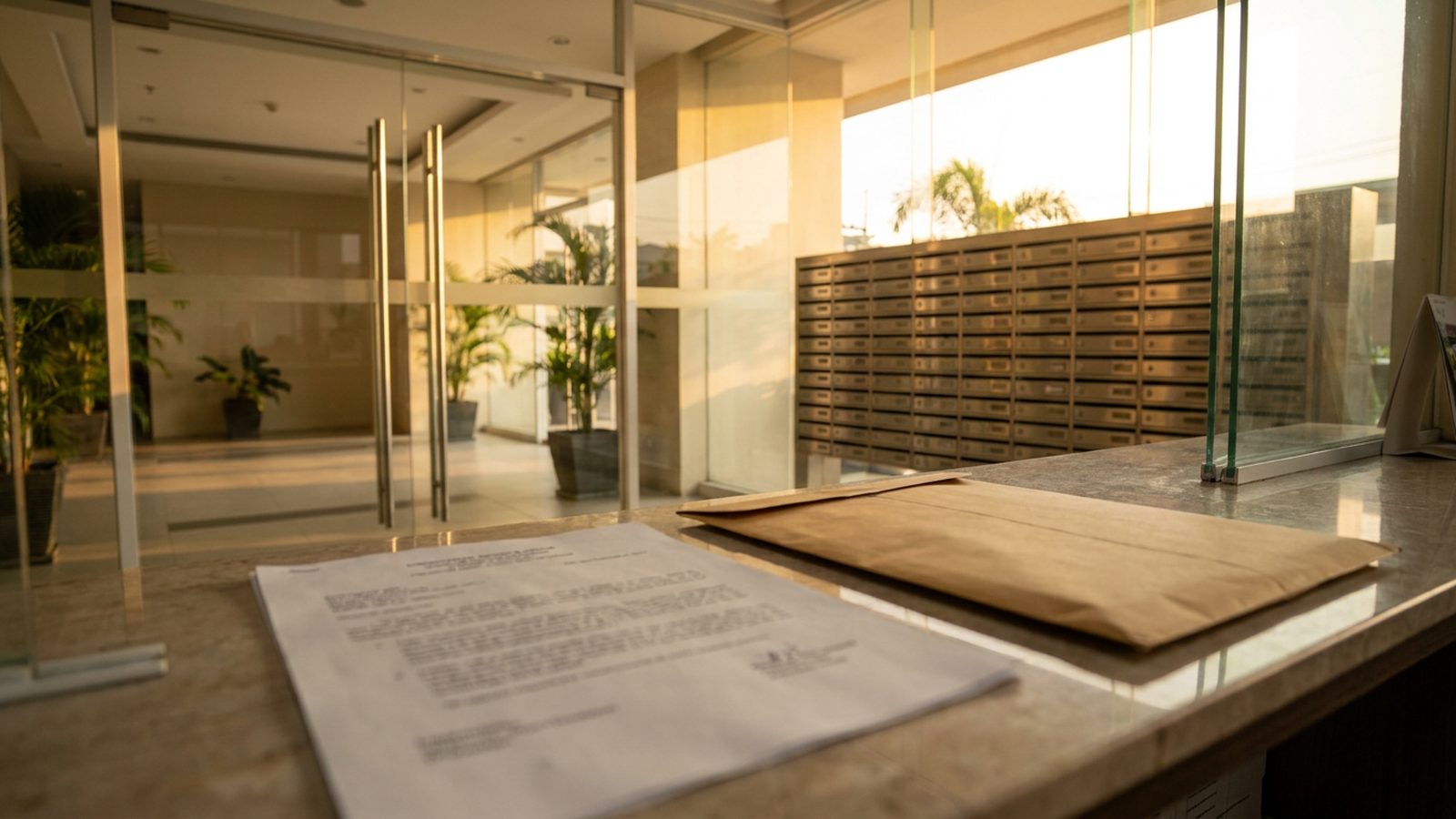
Unpaid condo dues do not stay a private matter between you and the building administrator for long. The monthly fee you skip starts earning interest under the house rules, becomes a registered lien on your Condominium Certificate of Title once the corporation files a notice of assessment, and can end with the unit sold at a foreclosure auction or with the lights and water switched off. All three outcomes are backed by the Condominium Act and by Supreme Court decisions that most unit owners have never read.
This guide covers condominiums under Republic Act 4726. Subdivisions and villages follow a different law, explained in our guide to homeowners association dues under RA 9904.
The first months: interest and penalties set by the house rules
Dues are an obligation of whoever owns the unit when the assessment is made. The interest rate and the late penalty are not in the law. They sit in the declaration of restrictions (the master deed) and in the house rules every buyer accepts at turnover, and under Section 9 of RA 4726 those restrictions are a lien on each unit that binds every later owner.
The numbers can be steep. In Twin Towers Condominium Corporation v. Court of Appeals (G.R. No. 123552, February 27, 2003) a Makati building charged 24% interest and an 8% penalty per year on overdue assessments. The Court of Appeals had called the rates grossly excessive, but the Supreme Court found them reasonable for the location and confirmed that the board of directors is the body authorized to set them. Your own house rules state the rate that applies to you, usually per month on the running balance.
A worked example with the figures from our guide to condo association dues: a 41-square-meter unit, the median condo for sale in our listings, at ₱90 (about $1.4 / €1.3) per square meter pays ₱3,690 (about $58 / €53) a month. Twelve skipped months are ₱44,280 (about $695 / €633) before penalties. If the rules charge 2% a month on the growing balance, the same year costs about ₱50,000 (about $785 / €715), plus collection costs and, if a lawyer is engaged, attorney's fees.
The lien on your title
Section 20 of the Condominium Act gives the corporation its strongest tool. Once dues are unpaid, the management body can register a notice of assessment with the Register of Deeds of the city where the project stands, stating the amount, the charges, the unit and the registered owner's name. From the moment it is registered, the unpaid dues are a lien on the unit that ranks above every lien registered after it, with two exceptions: real property tax, and any lien the master deed itself subordinated.
The annotation shows up on the back of your CCT, next to any bank mortgage; our guide to land title annotations explains how to read those entries. Anyone who pulls a certified true copy sees it, and no sale closes until the corporation registers a release on full payment. If you plan to sell or rent out your condo, a dues arrear is the first thing a serious counterparty asks you to clear. Buyers of a second-hand unit should treat this lien as their problem too, which is why our guide to buying a resale condo puts the dues clearance before the deed.
Can the corporation foreclose on the unit?
Section 20 says the lien may be enforced like a judicial or extrajudicial foreclosure of a real estate mortgage, and that the corporation may bid at the sale. The Supreme Court has drawn a line around that sentence.
In First Marbella Condominium Association v. Gatmaytan (2008) and again in LPL Greenhills Condominium Corporation v. Brouwer (G.R. No. 248743, September 7, 2022), the Court held that an annotated notice of assessment does not by itself authorize an extrajudicial foreclosure. The corporation needs a special power to sell, naming it attorney-in-fact of the owner, written into the master deed or the by-laws. A clause that merely allows collection through "the remedies provided by the Condominium Act" is not enough. Without that authority the corporation can only sue for collection or go through a judicial foreclosure before a court, which takes years rather than months.
Two protections survive even a valid foreclosure. The owner keeps the same right of redemption as a mortgagor, so the unit can be recovered by paying the sale price plus costs within the redemption period. And in Chateau de Baie Condominium Corporation v. Spouses Moreno (2011) the Court ruled that completing the auction does not stop the owner from questioning the amount of the dues: a foreclosure is only as valid as the assessment behind it, and Twin Towers requires the corporation to prove how it computed the sum it claims. Ask for the statement of account and the basis in the master deed before you pay a peso of penalties.
Amenities, utilities and the cut-off question
Barring a delinquent owner from the pool, the gym and the function rooms is lawful. Twin Towers upheld a house rule that suspended use of common facilities until assessments were paid, calling the ban a sanction for a default that came first. The Court also rejected the owner's attempt to deduct the value of the services he did not receive: a breach of your own obligation cannot be the source of a discount.
Utilities are the harder case, and the law has moved toward the buildings. In BNL Management Corporation v. Uy (G.R. No. 210297, April 3, 2019) the owner of six units at a Malate tower stopped paying in 1996 over complaints about maintenance and security, and by 1999 owed about ₱181,000 (about $2,840 / €2,590). After three written notices the board cut the lights, then the water. The Supreme Court held the disconnection lawful because the house rules, adopted under the master deed and Section 9 of RA 4726, expressly empowered the association to limit or cut services to delinquent owners, because the notices had been given, and because the owner was the one first in default. The owner's damages claim was dismissed in full.
The lesson is that the answer sits in your own building's documents. Where the master deed or house rules authorize a cut-off and notices were served, courts have sided with the corporation. Where they are silent, a disconnection over dues alone is open to challenge, and tenants in the unit have a separate claim against the owner who let the arrears build.
Where a dues dispute is decided
A fight between a unit owner and the condominium corporation over dues is an intra-corporate dispute. Chateau de Baie confirmed that it belongs to the Regional Trial Court, not to the housing regulator, even when the developer still controls the corporation. The Human Settlements Adjudication Commission created by RA 11201 lists intra-association disputes of homeowners associations in its jurisdiction, not condominium corporations.
For the corporation, the cheaper way to collect a modest arrear is an ordinary collection suit, for small amounts through the small claims procedure, which needs no lawyer. A judgment there can be executed against your bank account or salary, not only against the unit.
If you are already behind
Ask the administration office for a written statement of account with the interest and penalty clauses it relies on, and compare them with the master deed and house rules you received at turnover. Pay the undisputed dues even while you contest a maintenance problem: BNL lost because withholding payment made the owner the first party in default, and an offer to deposit the money in escrow did not cure it. Ask the board for an installment plan; most corporations prefer a schedule to a foreclosure that takes years.
If you are buying a resale unit, ask for the corporation's dues clearance before the deed is signed and have the seller settle any arrear from the price, because the lien follows the unit exactly as unpaid amilyar does. Budget the dues before you commit: our income needed for a condo guide counts them next to the amortization, and the logic of a missed Pag-IBIG payment applies here too. A skipped month is cheap to fix in month one and very expensive in month twelve. Compare dues per square meter across towers in the condo listings before you choose a building.
This article is general information on Philippine law as of November 2026 and not legal advice. Your master deed, by-laws and house rules control the specific remedies in your building.
Dollar and euro figures are approximate conversions at ₱63.7 per US dollar and ₱70.0 per euro (ECB reference rates, 2026-11-17).
Frequently asked questions
What happens if I do not pay my condo dues in the Philippines?
Interest and penalties accrue at the rate written in your building's master deed and house rules, the corporation can register a notice of assessment that becomes a lien on your Condominium Certificate of Title, it can bar you from the amenities, and if the house rules allow it and notices were served, courts have upheld cutting electricity and water. In the worst case the unit is foreclosed and sold at auction, with a right of redemption.
Can a condo corporation cut off water and electricity for unpaid dues?
It depends on your building's documents. In BNL Management v. Uy (2019) the Supreme Court held a cut-off lawful because the house rules adopted under the master deed expressly allowed limiting or cutting services to delinquent owners, three notices had been served, and the owner was the first in default. Where the master deed and house rules are silent, a disconnection over dues alone is open to challenge.
Can the condominium corporation foreclose my unit for unpaid dues?
Only with a special power to sell written into the master deed or by-laws. Section 20 of RA 4726 makes unpaid assessments a registered lien enforceable like a mortgage, but the Supreme Court held in First Marbella (2008) and LPL Greenhills v. Brouwer (2022) that the annotated lien alone does not authorize an extrajudicial foreclosure. Without that clause the corporation must sue for collection or foreclose judicially, and you keep a right of redemption.
How much interest can a condo charge on late dues?
The law sets no ceiling, so the rate comes from the master deed and house rules approved by the board. In Twin Towers v. Court of Appeals (2003) the Supreme Court found 24% interest plus an 8% penalty per year reasonable for a Makati building and said the board is authorized to fix those charges. You can still demand the statement of account and the written basis, because the corporation must prove how the amount was computed.
Do unpaid dues transfer to the buyer of a condo unit?
The debt is personal to the owner at the time of assessment, but once a notice of assessment is registered the lien attaches to the unit and ranks above later liens except real property tax. A buyer who ignores it inherits an encumbrance that blocks the transfer until it is released. Ask the corporation for a dues clearance before signing and deduct any arrear from the price paid to the seller.
Hindi nagtatagal bilang pribadong usapin sa pagitan mo at ng building administrator ang hindi nabayarang condo dues. Ang buwanang bayarin na nilaktawan mo ay nagsisimulang magpatong ng interes sa ilalim ng house rules, nagiging rehistradong lien sa iyong Condominium Certificate of Title kapag naghain ang korporasyon ng notice of assessment, at maaaring magtapos sa pagbebenta ng unit sa isang foreclosure auction o sa pagputol ng ilaw at tubig. Ang tatlong resultang ito ay may basehan sa Condominium Act at sa mga desisyon ng Supreme Court na hindi pa nababasa ng karamihan sa mga may-ari ng unit.
Sakop ng gabay na ito ang mga condominium sa ilalim ng Republic Act 4726. Ibang batas ang sinusunod ng mga subdivision at village, na ipinaliwanag sa aming gabay sa homeowners association dues sa ilalim ng RA 9904.
Ang mga unang buwan: interes at penalty na itinakda ng house rules
Ang dues ay obligasyon ng sinumang may-ari ng unit sa panahong ginawa ang assessment. Wala sa batas ang interest rate at ang late penalty. Nakasaad ang mga ito sa declaration of restrictions (ang master deed) at sa house rules na tinatanggap ng bawat mamimili sa turnover, at sa ilalim ng Section 9 ng RA 4726, ang mga restriksiyong iyon ay lien sa bawat unit na umiiral sa bawat susunod na may-ari.
Maaaring mataas ang mga numero. Sa Twin Towers Condominium Corporation v. Court of Appeals (G.R. No. 123552, February 27, 2003), isang gusali sa Makati ang naningil ng 24% interes at 8% penalty kada taon sa mga overdue na assessment. Tinawag ng Court of Appeals na labis-labis ang mga rate, ngunit nakita ng Supreme Court na makatwiran ang mga ito para sa lokasyon at kinumpirma na ang board of directors ang katawang may awtoridad na magtakda ng mga ito. Nakasaad sa sarili mong house rules ang rate na umiiral sa iyo, kadalasang kada buwan sa running balance.
Isang halimbawa gamit ang mga numero mula sa aming gabay sa condo association dues: ang isang 41-square-meter na unit, ang median na condo na ibinebenta sa aming mga listing, sa ₱90 (mga $1.4 / €1.3) kada square meter ay nagbabayad ng ₱3,690 (mga $58 / €53) kada buwan. Ang labindalawang nilaktawang buwan ay ₱44,280 (mga $695 / €633) bago ang mga penalty. Kung 2% kada buwan ang sinisingil ng mga rules sa lumalaking balanse, aabot sa humigit-kumulang ₱50,000 (mga $785 / €715) ang gastos sa parehong taon, dagdag pa ang collection costs at, kung kukuha ng abogado, ang attorney's fees.
Ang lien sa iyong titulo
Ibinibigay ng Section 20 ng Condominium Act sa korporasyon ang pinakamalakas nitong kasangkapan. Kapag hindi nabayaran ang dues, maaaring irehistro ng management body ang isang notice of assessment sa Register of Deeds ng lungsod kung saan nakatayo ang proyekto, na nagsasaad ng halaga, ng mga singil, ng unit at ng pangalan ng rehistradong may-ari. Mula sa sandaling mairehistro ito, ang hindi nabayarang dues ay lien sa unit na nakatataas sa bawat lien na irerehistro pagkatapos nito, maliban sa dalawa: ang real property tax, at anumang lien na isinailalim mismo ng master deed.
Lumilitaw ang annotation sa likod ng iyong CCT, katabi ng anumang bank mortgage; ipinaliliwanag ng aming gabay sa mga annotation sa land title kung paano basahin ang mga entry na iyon. Makikita ito ng sinumang kukuha ng certified true copy, at walang bentahang matatapos hanggang hindi nairehistro ng korporasyon ang release matapos ang buong bayad. Kung plano mong ibenta o paupahan ang iyong condo, ang atraso sa dues ang unang bagay na hihilingin sa iyong ayusin ng isang seryosong katransaksyon. Dapat ituring din ng mga bumibili ng second-hand na unit ang lien na ito bilang kanilang problema, kaya inuuna ng aming gabay sa pagbili ng resale condo ang dues clearance bago ang deed.
Maaari bang i-foreclose ng korporasyon ang unit?
Sinasabi ng Section 20 na maaaring ipatupad ang lien tulad ng judicial o extrajudicial foreclosure ng isang real estate mortgage, at maaaring mag-bid ang korporasyon sa bentahan. Naglagay ang Supreme Court ng hangganan sa pangungusap na iyon.
Sa First Marbella Condominium Association v. Gatmaytan (2008) at muli sa LPL Greenhills Condominium Corporation v. Brouwer (G.R. No. 248743, September 7, 2022), ipinasiya ng Korte na ang isang annotated na notice of assessment ay hindi sa sarili nito nagbibigay ng awtoridad para sa extrajudicial foreclosure. Kailangan ng korporasyon ng special power to sell, na nagtatalaga nito bilang attorney-in-fact ng may-ari, na nakasulat sa master deed o sa by-laws. Hindi sapat ang isang clause na nagpapahintulot lamang ng pangongolekta sa pamamagitan ng "the remedies provided by the Condominium Act". Kung wala ang awtoridad na iyon, maaari lamang magsampa ng kaso ang korporasyon para sa pangongolekta o dumaan sa judicial foreclosure sa harap ng hukuman, na tumatagal ng mga taon sa halip na mga buwan.
Dalawang proteksiyon ang nananatili kahit sa isang balidong foreclosure. Pinapanatili ng may-ari ang parehong right of redemption tulad ng isang mortgagor, kaya maaaring mabawi ang unit sa pamamagitan ng pagbabayad ng presyo ng bentahan dagdag ang mga gastos sa loob ng redemption period. At sa Chateau de Baie Condominium Corporation v. Spouses Moreno (2011), ipinasiya ng Korte na ang pagkumpleto ng auction ay hindi humahadlang sa may-ari na kuwestiyunin ang halaga ng dues: ang isang foreclosure ay balido lamang kung balido ang assessment sa likod nito, at hinihingi ng Twin Towers na patunayan ng korporasyon kung paano nito kinuwenta ang halagang inaangkin nito. Hingin ang statement of account at ang basehan sa master deed bago ka magbayad ng kahit isang piso ng penalty.
Mga amenity, utility at ang usapin ng cut-off
Legal ang pagbabawal sa isang delinquent na may-ari sa pool, gym at function rooms. Pinagtibay ng Twin Towers ang isang house rule na nagsuspinde sa paggamit ng common facilities hanggang mabayaran ang mga assessment, at tinawag ang pagbabawal na parusa para sa isang default na naunang naganap. Tinanggihan din ng Korte ang pagtatangka ng may-ari na ibawas ang halaga ng mga serbisyong hindi niya natanggap: ang paglabag sa sarili mong obligasyon ay hindi maaaring maging pinagmulan ng diskuwento.
Mas mahirap na kaso ang mga utility, at kumiling ang batas pabor sa mga gusali. Sa BNL Management Corporation v. Uy (G.R. No. 210297, April 3, 2019), huminto sa pagbabayad noong 1996 ang may-ari ng anim na unit sa isang tower sa Malate dahil sa mga reklamo tungkol sa maintenance at seguridad, at pagsapit ng 1999 may utang na humigit-kumulang ₱181,000 (mga $2,840 / €2,590). Matapos ang tatlong nakasulat na abiso, pinutol ng board ang ilaw, pagkatapos ang tubig. Ipinasiya ng Supreme Court na legal ang disconnection dahil ang house rules, na pinagtibay sa ilalim ng master deed at Section 9 ng RA 4726, ay hayagang nagbigay ng kapangyarihan sa asosasyon na limitahan o putulin ang mga serbisyo sa mga delinquent na may-ari, dahil naibigay na ang mga abiso, at dahil ang may-ari ang unang nag-default. Buong ibinasura ang damages claim ng may-ari.
Ang aral ay nakasalalay ang sagot sa mga dokumento ng sarili mong gusali. Kung saan pinahihintulutan ng master deed o house rules ang cut-off at naihatid ang mga abiso, pumanig ang mga hukuman sa korporasyon. Kung saan tahimik ang mga ito, ang isang disconnection dahil lamang sa dues ay maaaring kuwestiyunin, at may hiwalay na claim ang mga tenant sa unit laban sa may-ari na nagpabaya sa paglaki ng atraso.
Saan dinidesisyunan ang isang alitan sa dues
Ang alitan sa pagitan ng may-ari ng unit at ng condominium corporation tungkol sa dues ay isang intra-corporate dispute. Kinumpirma ng Chateau de Baie na nasasakupan ito ng Regional Trial Court, hindi ng housing regulator, kahit na kontrolado pa ng developer ang korporasyon. Ang Human Settlements Adjudication Commission na nilikha ng RA 11201 ay naglilista ng mga intra-association dispute ng mga homeowners association sa hurisdiksyon nito, hindi ng mga condominium corporation.
Para sa korporasyon, ang mas murang paraan para kolektahin ang katamtamang atraso ay isang ordinaryong collection suit, at para sa maliliit na halaga sa pamamagitan ng small claims procedure, na hindi nangangailangan ng abogado. Ang hatol doon ay maaaring ipatupad laban sa iyong bank account o suweldo, hindi lamang laban sa unit.
Kung atrasado ka na
Hingin sa administration office ang nakasulat na statement of account kasama ang mga clause sa interes at penalty na pinagbabatayan nito, at ikumpara ang mga ito sa master deed at house rules na natanggap mo sa turnover. Bayaran ang hindi pinagtatalunang dues kahit habang kinukuwestiyon mo ang isang problema sa maintenance: natalo ang BNL dahil ang pagpigil sa pagbabayad ang gumawa sa may-ari na unang partido na nag-default, at hindi ito nalunasan ng alok na ideposito ang pera sa escrow. Hilingin sa board ang isang installment plan; mas gusto ng karamihan sa mga korporasyon ang isang iskedyul kaysa sa foreclosure na tumatagal ng mga taon.
Kung bumibili ka ng resale na unit, hingin ang dues clearance ng korporasyon bago lagdaan ang deed at ipabayad sa nagbebenta ang anumang atraso mula sa presyo, dahil sumusunod ang lien sa unit tulad ng ginagawa ng hindi nabayarang amilyar. I-budget ang dues bago ka mangako: binibilang ito ng aming gabay sa kitang kailangan para sa isang condo katabi ng amortization, at ang lohika ng isang nalaktawang bayad sa Pag-IBIG ay umiiral din dito. Mura ang pag-aayos ng isang nilaktawang buwan sa unang buwan at napakamahal sa ikalabindalawang buwan. Ikumpara ang dues kada square meter sa iba't ibang tower sa mga condo listing bago ka pumili ng gusali.
Ang artikulong ito ay pangkalahatang impormasyon tungkol sa batas ng Pilipinas noong November 2026 at hindi legal na payo. Ang iyong master deed, by-laws at house rules ang nagtatakda ng mga partikular na remedyo sa iyong gusali.
Tinatayang conversion lang ang mga halaga sa dollar at euro, sa ₱63.7 kada US dollar at ₱70.0 kada euro (ECB reference rates, 2026-11-17).
Mga madalas itanong
Ano ang mangyayari kung hindi ko babayaran ang aking condo dues sa Pilipinas?
Napapatong ang interes at mga penalty sa rate na nakasulat sa master deed at house rules ng iyong gusali, maaaring magrehistro ang korporasyon ng notice of assessment na nagiging lien sa iyong Condominium Certificate of Title, maaari ka nitong pagbawalan sa mga amenity, at kung pinahihintulutan ito ng house rules at naihatid ang mga abiso, pinagtibay ng mga hukuman ang pagputol ng kuryente at tubig. Sa pinakamasamang kaso, ipo-foreclose ang unit at ibebenta sa auction, na may right of redemption.
Maaari bang putulin ng condo corporation ang tubig at kuryente dahil sa hindi nabayarang dues?
Depende ito sa mga dokumento ng iyong gusali. Sa BNL Management v. Uy (2019), ipinasiya ng Supreme Court na legal ang cut-off dahil hayagang pinahintulutan ng house rules na pinagtibay sa ilalim ng master deed ang paglilimita o pagputol ng mga serbisyo sa mga delinquent na may-ari, naihatid na ang tatlong abiso, at ang may-ari ang unang nag-default. Kung saan tahimik ang master deed at house rules, ang disconnection dahil lamang sa dues ay maaaring kuwestiyunin.
Maaari bang i-foreclose ng condominium corporation ang aking unit dahil sa hindi nabayarang dues?
Tanging kung may special power to sell na nakasulat sa master deed o by-laws. Ginagawa ng Section 20 ng RA 4726 ang hindi nabayarang assessment na isang rehistradong lien na maipapatupad tulad ng mortgage, ngunit ipinasiya ng Supreme Court sa First Marbella (2008) at LPL Greenhills v. Brouwer (2022) na ang annotated na lien lamang ay hindi nagbibigay ng awtoridad para sa extrajudicial foreclosure. Kung wala ang clause na iyon, kailangang magsampa ng kaso ang korporasyon para sa pangongolekta o mag-foreclose sa pamamagitan ng hukuman, at nananatili sa iyo ang right of redemption.
Gaano kalaking interes ang maaaring singilin ng condo sa late na dues?
Walang itinakdang ceiling ang batas, kaya nagmumula ang rate sa master deed at house rules na inaprubahan ng board. Sa Twin Towers v. Court of Appeals (2003), nakita ng Supreme Court na makatwiran ang 24% interes dagdag ang 8% penalty kada taon para sa isang gusali sa Makati at sinabi na may awtoridad ang board na magtakda ng mga singil na iyon. Maaari mo pa ring hingin ang statement of account at ang nakasulat na basehan, dahil kailangang patunayan ng korporasyon kung paano kinuwenta ang halaga.
Naililipat ba sa mamimili ng condo unit ang hindi nabayarang dues?
Personal sa may-ari sa panahon ng assessment ang utang, ngunit kapag nairehistro na ang notice of assessment, kumakapit ang lien sa unit at nakatataas ito sa mga susunod na lien maliban sa real property tax. Ang mamimiling babalewala dito ay magmamana ng encumbrance na humahadlang sa paglipat hanggang hindi ito nare-release. Hingin sa korporasyon ang dues clearance bago lumagda at ibawas ang anumang atraso sa presyong babayaran sa nagbebenta.
Ang wala mabayri nga condo dues dili magpabilin nga pribadong butang tali kanimo ug sa building administrator sa dugay nga panahon. Ang binulan nga bayad nga imong gilaktawan magsugod og pataas og interes ubos sa house rules, mahimong rehistradong lien sa imong Condominium Certificate of Title inig ka-file sa korporasyon og notice of assessment, ug mahimong matapos sa pagbaligya sa unit sa usa ka foreclosure auction o sa pagputol sa suga ug tubig. Kining tulo ka resulta gipaluyohan sa Condominium Act ug sa mga desisyon sa Korte Suprema nga wala pa gayud mabasa sa kadaghanang unit owner.
Kini nga giya naglangkob sa mga condominium ubos sa Republic Act 4726. Ang mga subdivision ug village nagsunod sa lahi nga balaod, nga gipasabot sa among giya bahin sa homeowners association dues ubos sa RA 9904.
Ang unang mga bulan: interes ug penalty nga gitakda sa house rules
Ang dues usa ka obligasyon ni bisan kinsa nga nanag-iya sa unit sa panahon nga gihimo ang assessment. Ang interest rate ug ang late penalty wala sa balaod. Naa kini sa declaration of restrictions (ang master deed) ug sa house rules nga gidawat sa matag pumapalit sa turnover, ug ubos sa Section 9 sa RA 4726 kining mga restriction usa ka lien sa matag unit nga mogapos sa matag sunod nga tag-iya.
Mahimong taas kaayo ang mga numero. Sa Twin Towers Condominium Corporation v. Court of Appeals (G.R. No. 123552, February 27, 2003) usa ka building sa Makati naningil og 24% nga interes ug 8% nga penalty kada tuig sa mga overdue assessment. Gitawag sa Court of Appeals ang mga rate nga sobra ka taas, apan nakita sa Korte Suprema nga makatarunganon kini alang sa lokasyon ug gikumpirma nga ang board of directors mao ang lawas nga awtorisado sa pagtakda niini. Ang imong kaugalingong house rules nagsulti sa rate nga magamit kanimo, kasagaran kada bulan sa nagdagan nga balanse.
Usa ka pananglitan nga gikwenta gamit ang mga numero gikan sa among giya sa condo association dues: usa ka 41-square-meter nga unit, ang median condo nga gibaligya sa among mga listing, sa ₱90 (mga $1.4 / €1.3) kada square meter magbayad og ₱3,690 (mga $58 / €53) kada bulan. Dose ka bulan nga gilaktawan mokabat og ₱44,280 (mga $695 / €633) sa wala pa ang mga penalty. Kon ang mga rule maningil og 2% kada bulan sa nagtubo nga balanse, ang samang tuig mogasto og mga ₱50,000 (mga $785 / €715), dugang pa ang collection costs ug, kon adunay abogado nga gikuha, ang attorney's fees.
Ang lien sa imong title
Ang Section 20 sa Condominium Act naghatag sa korporasyon sa iyang labing kusgan nga himan. Inig ka wala mabayri ang dues, ang management body makarehistro og notice of assessment sa Register of Deeds sa siyudad diin nahimutang ang proyekto, nga nagsulti sa kantidad, sa mga charge, sa unit ug sa ngalan sa rehistradong tag-iya. Gikan sa gutlo nga narehistro kini, ang wala mabayri nga dues usa ka lien sa unit nga mas taas ang ranggo kay sa matag lien nga narehistro human niini, gawas sa duha: ang real property tax, ug bisan unsang lien nga gipaubos sa master deed mismo.
Ang annotation makita sa likod sa imong CCT, tapad sa bisan unsang bank mortgage; ang among giya sa mga annotation sa land title nagpasabot unsaon pagbasa niadtong mga entry. Si bisan kinsa nga mokuha og certified true copy makakita niini, ug walay baligya nga mahuman hangtod ang korporasyon makarehistro og release human sa hingpit nga pagbayad. Kon nagplano ka nga ibaligya o ipaabang ang imong condo, ang arrear sa dues mao ang unang butang nga ipaklaro kanimo sa usa ka seryosong kaatbang sa transaksyon. Ang mga mamalit sa second-hand nga unit angay nga isipon kini nga lien isip ilang problema usab, mao nga ang among giya bahin sa pagpalit og resale condo nagbutang sa dues clearance una sa deed.
Mahimo bang i-foreclose sa korporasyon ang unit?
Ang Section 20 nag-ingon nga ang lien mahimong ipatuman sama sa judicial o extrajudicial foreclosure sa usa ka real estate mortgage, ug nga ang korporasyon mahimong mo-bid sa pagbaligya. Ang Korte Suprema nagbutang og linya palibot niana nga pahayag.
Sa First Marbella Condominium Association v. Gatmaytan (2008) ug pag-usab sa LPL Greenhills Condominium Corporation v. Brouwer (G.R. No. 248743, September 7, 2022), gihukman sa Korte nga ang usa ka annotated nga notice of assessment dili mismo mag-awtorisa sa usa ka extrajudicial foreclosure. Kinahanglan sa korporasyon ang usa ka special power to sell, nga nagngalan niini nga attorney-in-fact sa tag-iya, nga gisulat sa master deed o sa by-laws. Ang usa ka clause nga nagtugot lang sa pagkolekta pinaagi sa "mga remedyo nga gihatag sa Condominium Act" dili igo. Kon wala kana nga awtoridad ang korporasyon makakiha lang alang sa pagkolekta o moagi sa judicial foreclosure atubangan sa korte, nga mokabat og mga tuig imbes nga mga bulan.
Duha ka proteksyon ang magpabilin bisan sa usa ka balido nga foreclosure. Ang tag-iya magpabilin sa samang right of redemption sama sa usa ka mortgagor, busa ang unit mahimong mabawi pinaagi sa pagbayad sa presyo sa pagbaligya dugang ang mga gasto sulod sa redemption period. Ug sa Chateau de Baie Condominium Corporation v. Spouses Moreno (2011) gihukman sa Korte nga ang pagkahuman sa auction dili makapugong sa tag-iya sa pagkuwestiyon sa kantidad sa dues: ang usa ka foreclosure balido lang kutob sa assessment nga naa sa luyo niini, ug ang Twin Towers nagkinahanglan nga pamatud-an sa korporasyon unsaon niini pagkwenta ang kantidad nga giangkon niini. Pangayoa ang statement of account ug ang basehan sa master deed sa dili ka pa mobayad og usa ka piso sa mga penalty.
Mga amenity, utilities ug ang pangutana sa cut-off
Ang pagdili sa usa ka delinquent nga tag-iya gikan sa pool, gym ug function rooms uyon sa balaod. Gipaluyohan sa Twin Towers ang usa ka house rule nga nagsuspenso sa paggamit sa common facilities hangtod mabayran ang mga assessment, nga nagtawag sa pagdili nga usa ka sanction alang sa usa ka default nga nauna. Gisalikway usab sa Korte ang pagsulay sa tag-iya nga ibawas ang bili sa mga serbisyo nga wala niya madawat: ang paglapas sa imong kaugalingong obligasyon dili mahimong tinubdan sa diskwento.
Ang utilities mao ang mas lisod nga kaso, ug ang balaod milihok padulong sa mga building. Sa BNL Management Corporation v. Uy (G.R. No. 210297, April 3, 2019) ang tag-iya sa unom ka unit sa usa ka tower sa Malate mihunong sa pagbayad sa 1996 tungod sa mga reklamo bahin sa maintenance ug security, ug sa 1999 nakautang na og mga ₱181,000 (mga $2,840 / €2,590). Human sa tulo ka sinulat nga notice giputol sa board ang suga, dayon ang tubig. Gihukman sa Korte Suprema nga uyon sa balaod ang disconnection tungod kay ang house rules, nga gisagop ubos sa master deed ug sa Section 9 sa RA 4726, tin-aw nga naghatag og gahum sa asosasyon sa paglimit o pagputol sa mga serbisyo sa mga delinquent nga tag-iya, tungod kay nahatag na ang mga notice, ug tungod kay ang tag-iya mao ang unang nag-default. Ang damages claim sa tag-iya gisalikway sa hingpit.
Ang leksyon mao nga ang tubag anaa sa mga dokumento sa imong kaugalingong building. Kon ang master deed o house rules nag-awtorisa sa cut-off ug na-serve ang mga notice, ang mga korte midapig sa korporasyon. Kon hilom kini, ang usa ka disconnection tungod lang sa dues bukas sa paghagit, ug ang mga tenant sa unit adunay lahi nga claim batok sa tag-iya nga nagpasagad sa pagtubo sa mga arrear.
Diin hukman ang usa ka panaglalis bahin sa dues
Ang away tali sa usa ka unit owner ug sa condominium corporation bahin sa dues usa ka intra-corporate dispute. Gikumpirma sa Chateau de Baie nga iya kini sa Regional Trial Court, dili sa housing regulator, bisan kon ang developer nagkontrolar pa sa korporasyon. Ang Human Settlements Adjudication Commission nga gimugna sa RA 11201 naglista sa intra-association disputes sa mga homeowners association sa iyang hurisdiksyon, dili sa mga condominium corporation.
Alang sa korporasyon, ang mas barato nga paagi sa pagkolekta sa usa ka gamay nga arrear mao ang ordinaryong collection suit, alang sa gagmay nga kantidad pinaagi sa small claims procedure, nga dili magkinahanglan og abogado. Ang usa ka judgment didto mahimong ipatuman batok sa imong bank account o sweldo, dili lang batok sa unit.
Kon naulahi ka na sa pagbayad
Pangayoa sa administration office ang usa ka sinulat nga statement of account uban ang mga clause sa interes ug penalty nga gisaligan niini, ug itandi kini sa master deed ug house rules nga imong nadawat sa turnover. Bayri ang mga dues nga walay gilalisan bisan samtang gikuwestiyon nimo ang usa ka problema sa maintenance: napildi ang BNL tungod kay ang pagpugong sa bayad nakapahimo sa tag-iya nga unang partido nga nag-default, ug ang usa ka offer nga ideposito ang kwarta sa escrow wala makaayo niini. Pangayoa sa board ang usa ka installment plan; kadaghanan sa mga korporasyon mas gusto og schedule kay sa usa ka foreclosure nga mokabat og mga tuig.
Kon mopalit ka og resale unit, pangayoa ang dues clearance sa korporasyon sa dili pa pirmahan ang deed ug pahimoa ang seller nga bayran ang bisan unsang arrear gikan sa presyo, tungod kay ang lien mosunod sa unit sama gayud sa wala mabayri nga amilyar. I-budget ang dues sa dili ka pa mokomitir: ang among giya sa kita nga gikinahanglan alang sa usa ka condo nag-ihap niini tapad sa amortization, ug ang lohika sa usa ka nalaktawan nga bayad sa Pag-IBIG magamit usab dinhi. Ang usa ka nalaktawan nga bulan barato ayohon sa unang bulan ug mahal kaayo sa ika-dose nga bulan. Itandi ang dues kada square meter sa mga tower sa mga listing sa condo sa dili ka pa mopili og building.
Kini nga artikulo kinatibuk-ang impormasyon bahin sa balaod sa Pilipinas sumala sa kahimtang niini sa November 2026 ug dili legal advice. Ang imong master deed, by-laws ug house rules mao ang magkontrolar sa espesipikong mga remedyo sa imong building.
Banabana lang ang mga conversion sa dollar ug euro, sa ₱63.7 matag US dollar ug ₱70.0 matag euro (ECB reference rates, 2026-11-17).
Mga kasagarang pangutana
Unsay mahitabo kon dili ko mobayad sa akong condo dues sa Pilipinas?
Ang interes ug mga penalty motubo sa rate nga gisulat sa master deed ug house rules sa imong building, ang korporasyon makarehistro og notice of assessment nga mahimong lien sa imong Condominium Certificate of Title, mahimo ka niining didilan sa mga amenity, ug kon gitugotan sa house rules ug na-serve ang mga notice, gipaluyohan sa mga korte ang pagputol sa kuryente ug tubig. Sa labing grabe nga kaso ang unit i-foreclose ug ibaligya sa auction, nga adunay right of redemption.
Mahimo bang putlon sa condo corporation ang tubig ug kuryente tungod sa wala mabayri nga dues?
Depende sa mga dokumento sa imong building. Sa BNL Management v. Uy (2019) gihukman sa Korte Suprema nga uyon sa balaod ang usa ka cut-off tungod kay ang house rules nga gisagop ubos sa master deed tin-aw nga nagtugot sa paglimit o pagputol sa mga serbisyo sa mga delinquent nga tag-iya, tulo ka notice ang na-serve, ug ang tag-iya mao ang unang nag-default. Kon hilom ang master deed ug house rules, ang usa ka disconnection tungod lang sa dues bukas sa paghagit.
Mahimo bang i-foreclose sa condominium corporation ang akong unit tungod sa wala mabayri nga dues?
Kon aduna lang special power to sell nga gisulat sa master deed o by-laws. Ang Section 20 sa RA 4726 naghimo sa wala mabayri nga mga assessment nga usa ka rehistradong lien nga mapatuman sama sa usa ka mortgage, apan gihukman sa Korte Suprema sa First Marbella (2008) ug LPL Greenhills v. Brouwer (2022) nga ang annotated nga lien lang dili mag-awtorisa sa extrajudicial foreclosure. Kon wala kana nga clause ang korporasyon kinahanglang mokiha alang sa pagkolekta o mo-foreclose nga judicial, ug magpabilin ang imong right of redemption.
Pila ang interes nga mahimong paningilon sa condo sa naulahi nga dues?
Walay kisame nga gitakda sa balaod, busa ang rate gikan sa master deed ug house rules nga gi-aprubahan sa board. Sa Twin Towers v. Court of Appeals (2003) nakita sa Korte Suprema nga makatarunganon ang 24% nga interes dugang ang 8% nga penalty kada tuig alang sa usa ka building sa Makati ug miingon nga ang board awtorisado sa pagtakda niadtong mga charge. Mahimo nimong pangayoon gihapon ang statement of account ug ang sinulat nga basehan, tungod kay kinahanglang pamatud-an sa korporasyon unsaon pagkwenta ang kantidad.
Mobalhin ba ang wala mabayri nga dues ngadto sa pumapalit sa condo unit?
Ang utang personal sa tag-iya sa panahon sa assessment, apan inig ka rehistro sa notice of assessment ang lien mosangit sa unit ug mas taas ang ranggo kay sa mga ulahing lien gawas sa real property tax. Ang usa ka pumapalit nga magbaliwala niini makapanunod og encumbrance nga mobabag sa transfer hangtod ma-release kini. Pangayoa sa korporasyon ang dues clearance sa dili pa mopirma ug ibawas ang bisan unsang arrear gikan sa presyo nga ibayad sa seller.
Browse properties on BalayHub
See all listings →
Read next
Housing Loan for Self-Employed Borrowers Without a Payslip
Housing loan for self-employed Filipinos: documents BPI, Metrobank, EastWest and PSBank publish, the ₱40,000 income floor, the 35% rule, Pag-IBIG's route.
Bank Housing Loan Requirements Philippines: Why Banks Say No
Bank housing loan requirements in the Philippines: documents, the ₱40,000 income floor, 80% loan-to-value, fees, and the reasons banks refuse applications.
Unpaid Amilyar: Penalties, Tax Sale and the Redemption Year
Unpaid amilyar penalties run at 2% a month for up to 36 months, then the city can levy and auction the property: timeline, redemption year and the fixes.