
Sep 10, 2026 · by BalayHub Admin · 6 min read
Verify DHSUD License to Sell Before You Pay: 2026 Guide
How to verify a DHSUD License to Sell in ten minutes: PD 957 Sections 4, 5 and 39, the tower by tower check, the documents to demand, and the red flags.
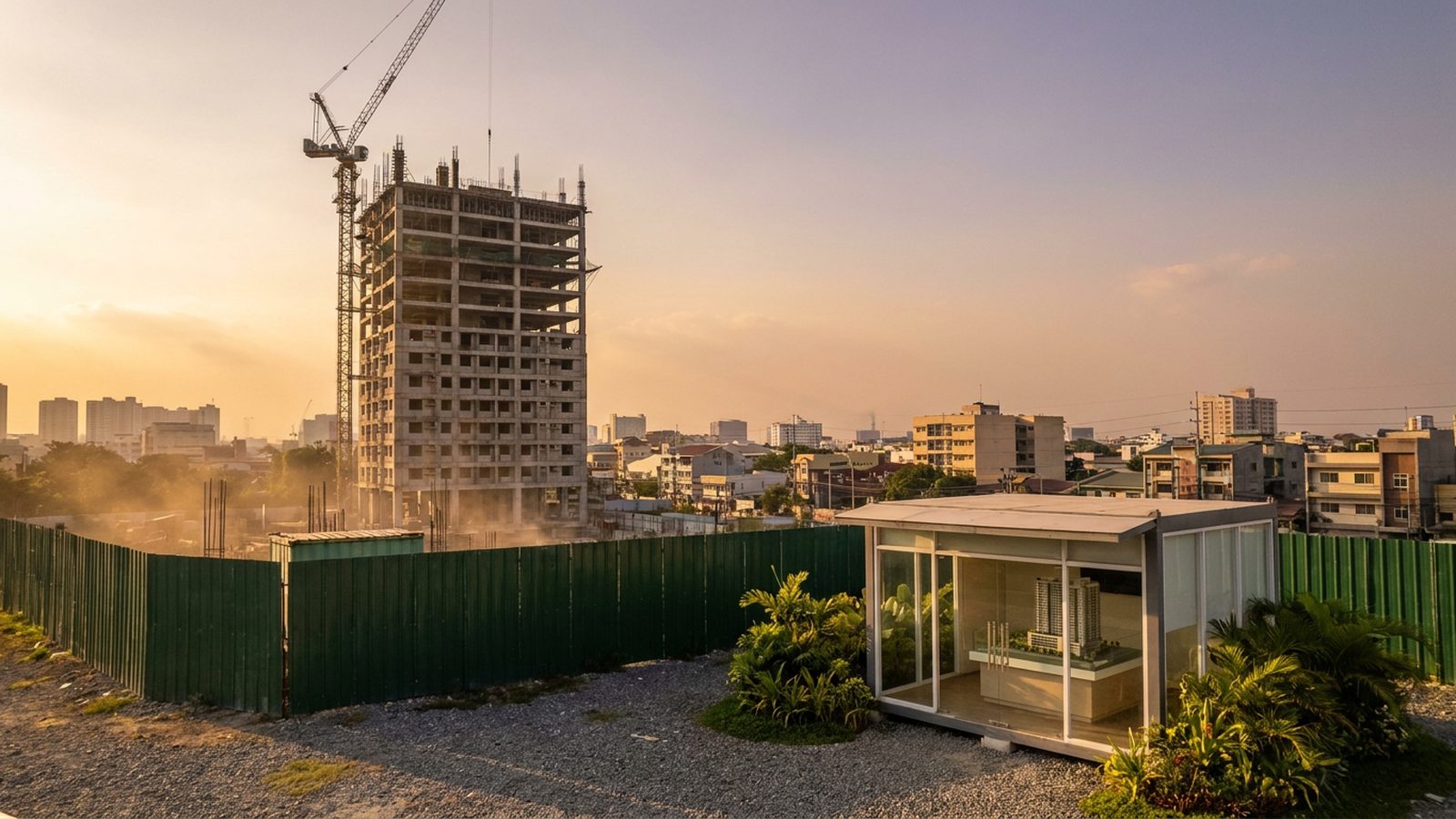
Every pre selling condo and every subdivision lot in the Philippines can only be sold once the developer holds a License to Sell for that specific project, and the surest way to lose a reservation fee is to skip the check. To verify DHSUD license to sell status takes about ten minutes and costs nothing, and it tells you whether the tower you are reserving in exists on paper, whether the company collecting your money is the one licensed to sell it, and whether the project has a registration you can complain against later. Here is the procedure, the documents to ask for, and the red flags that mean walk away.
Why the license matters more than the brochure
The rule comes from Presidential Decree 957, the Subdivision and Condominium Buyers' Protective Decree. Section 4 requires the owner of a project to register it and obtain a Certificate of Registration; Section 5 then states that even a registered owner or dealer is not authorized to sell any subdivision lot or condominium unit unless he has first obtained a License to Sell. Section 11 adds that no dealer, broker or salesman may sell lots or units without registering with the housing authority. The full text is on Lawphil; the authority today is the Department of Human Settlements and Urban Development, DHSUD.
The license is what turns a marketing pitch into a regulated sale. It is issued per project, and in practice per phase or per tower, after DHSUD has reviewed the land title, the development permit, the plans and the developer's capacity. It comes with obligations that protect you: Section 20 requires the developer to complete the facilities and improvements within one year of the license, Section 23 says your installments cannot be forfeited if you stop paying because the developer failed to develop, and Section 25 requires delivery of the title on full payment. None of those rights attach to a project sold without a license. Section 39 makes selling without one a criminal matter, with fines and imprisonment of up to ten years.
The ten minute check, step by step
Start by collecting the exact facts from the seller: the project name as registered, the tower or phase, the address, and the developer's full corporate name as it appears on the reservation form and the payment instructions. Marketing names and corporate names differ more often than you would expect, and the license is issued to the corporation.
Then open the DHSUD list of projects with License to Sell and look up the project. Match three things: the project name and location, the developer's corporate name, and the scope of the license, meaning which tower or phase it covers. A license for Tower 1 does not cover Tower 2 of the same project, and a license for Phase 1 of a subdivision does not cover the lots in Phase 3 that the agent is offering at a launch discount. If the list shows the license as expired, suspended or revoked, or does not show the project at all, stop.
Next, ask the developer for copies of the Certificate of Registration and the License to Sell for your tower, and compare the numbers with what DHSUD shows. A legitimate sales office produces these on request without drama. Refusal, or a promise to send them "after the reservation", is the answer.
Finally, match the money to the license. Payments should go to the licensed corporation, by official receipt in its name, or to a collection arrangement the developer discloses in writing. A reservation fee routed to a personal account, to a marketing outfit or to a company with a different name than the licensee is the single most common pattern in the complaints we read.
The rest of the file, if the price is large
For a purchase in the millions, the license check is the first layer, not the last. Ask the Registry of Deeds for a certified copy of the mother title of the land and check it for mortgages and other annotations; our guide on verifying a land title shows how. Confirm the developer's corporate registration with the SEC, which also tells you who is authorized to sign. Ask the city for the development permit and, for a ready for occupancy unit, the certificate of occupancy. And check that the agent selling to you is a licensed real estate practitioner with written authority from the developer for that project, because the commission structure in pre selling attracts freelancers with a business card and nothing else.
Read the contract with the same care. The reservation agreement and the Contract to Sell should name the licensed corporation, describe the unit by tower, floor and unit number, and state the turnover date; our explainer on the Contract to Sell versus the Deed of Absolute Sale walks through what each document commits you to, and the Maceda Law guide covers what you get back if you stop paying later.
Red flags that mean walk away
The seller cannot produce a License to Sell for the specific tower or phase. The project is "pre launch" and reservations are being taken "before the license comes out", which is exactly the sale PD 957 prohibits. The license exists but names a different developer than the one on your reservation form. The payment instructions point anywhere other than the licensed corporation. The agent pressures you to reserve today because the "license price" ends tomorrow. Any one of these is enough; two together are a scam in progress.
Pre selling itself is not the problem. Most of the towers in our building directory and most of the condos for sale on the site were sold pre selling under a valid license, and the discount for buying early is real; the point is that the discount only exists inside the licensed project. Our guide to the first visit to a pre selling condo covers the questions to ask on site, and the round up of new condo developments launching in 2026 shows how much choice there is, which is one more reason never to buy the one project that cannot show its papers.
If you already paid and something is wrong
If the license was missing or the developer is not delivering, you have a regulator to go to. DHSUD handles buyer complaints against developers, and its adjudication rules now include a 30 day resolution track that we described in our piece on filing a DHSUD complaint against a developer. Gather the reservation agreement, every receipt, the marketing materials and the messages with the agent, and file early; the decree's non forfeiture rule in Section 23 is on your side when the development stalls, but only if the project was registered in the first place.
This article is general information, not legal advice. Check the current DHSUD list and requirements directly, and consult a lawyer before signing a contract for a pre selling unit.
Frequently asked questions
How do I check if a developer has a License to Sell?
Open the DHSUD list of projects with License to Sell, search the project by name or developer, and match three things with the seller's paperwork: the project name and location, the developer's exact corporate name, and the tower or phase the license covers. Then ask the sales office for copies of the Certificate of Registration and the License to Sell and compare the numbers. It takes about ten minutes.
Is it legal to reserve a pre selling unit before the License to Sell is issued?
No. Section 5 of PD 957 prohibits selling any subdivision lot or condominium unit, and that includes taking reservations and installments, unless the developer has first obtained a License to Sell for that project. A launch that collects money before the license comes out is exactly the sale the decree forbids, and Section 39 makes it punishable by fines and up to ten years of imprisonment.
Does one License to Sell cover the whole project?
Usually not. Licenses are issued per project and in practice per phase or per tower, because DHSUD reviews each one's plans, permits and title. A valid license for Tower 1 says nothing about Tower 2, and a license for Phase 1 of a subdivision does not cover lots in a later phase. Always match the license to the specific tower, floor and unit on your reservation form.
What if I already paid a developer that had no License to Sell?
Gather the reservation agreement, receipts, marketing materials and your messages with the agent, and file a complaint with DHSUD, which adjudicates buyer complaints against developers and now has a 30 day resolution track for some cases. Section 23 of PD 957 protects your installments when a developer fails to develop, but the protection is far stronger when the project was registered and licensed, so act early.
What are the red flags of an unlicensed sale?
The seller cannot produce a license for your specific tower or phase; reservations are taken before the license is issued; the license names a different developer from the one on your form; payments are routed to a personal account or a marketing company instead of the licensed corporation; and pressure to reserve today. Any one of these is reason enough to stop.
Bawat pre selling condo at bawat subdivision lot sa Pilipinas ay maaari lamang ibenta kapag may hawak nang License to Sell ang developer para sa partikular na proyektong iyon, at ang pinakasiguradong paraan para mawala ang reservation fee mo ay ang laktawan ang pagsusuring ito. Ang pag-verify ng DHSUD License to Sell ay tumatagal lang ng mga sampung minuto at walang bayad, at sasabihin nito sa iyo kung umiiral ba sa papel ang tower na nire-reserve mo, kung ang kumpanyang kumukolekta ng pera mo ay ang siya ring lisensyadong magbenta nito, at kung may rehistro ang proyekto na puwede mong ireklamo sa hinaharap. Narito ang proseso, ang mga dokumentong dapat hingin, at ang mga red flag na nangangahulugang umalis ka na.
Bakit mas mahalaga ang lisensya kaysa sa brochure
Nagmumula ang patakaran sa Presidential Decree 957, ang Subdivision and Condominium Buyers' Protective Decree. Ayon sa Section 4, kailangang irehistro ng may-ari ng proyekto ang proyekto at kumuha ng Certificate of Registration; sinasabi naman ng Section 5 na kahit rehistradong may-ari o dealer ay hindi awtorisadong magbenta ng anumang subdivision lot o condominium unit hangga't hindi pa siya nakakakuha ng License to Sell. Dagdag pa ng Section 11, walang dealer, broker o salesman ang maaaring magbenta ng lote o unit nang hindi nakarehistro sa housing authority. Nasa Lawphil ang buong teksto; ang ahensyang namamahala ngayon ay ang Department of Human Settlements and Urban Development, DHSUD.
Ang lisensya ang nagpapabago sa isang marketing pitch tungo sa isang regulated na bentahan. Inilalabas ito bawat proyekto, at sa praktika bawat phase o bawat tower, matapos suriin ng DHSUD ang land title, ang development permit, ang mga plano at ang kakayahan ng developer. May kasama itong mga obligasyong nagpoprotekta sa iyo: ayon sa Section 20, kailangang tapusin ng developer ang mga pasilidad at improvement sa loob ng isang taon mula sa lisensya, sinasabi ng Section 23 na hindi maaaring i-forfeit ang mga installment mo kung tumigil ka sa pagbabayad dahil hindi nag-develop ang developer, at ayon sa Section 25, kailangang i-deliver ang titulo kapag nabayaran nang buo. Wala sa mga karapatang iyon ang nakakabit sa proyektong ibinenta nang walang lisensya. Ginagawang kasong kriminal ng Section 39 ang pagbebenta nang walang lisensya, na may multa at pagkakakulong ng hanggang sampung taon.
Ang sampung minutong pagsusuri, hakbang hakbang
Simulan sa pagkolekta ng eksaktong detalye mula sa nagbebenta: ang pangalan ng proyekto ayon sa rehistro, ang tower o phase, ang address, at ang buong corporate name ng developer ayon sa nakasulat sa reservation form at sa payment instructions. Mas madalas kaysa inaasahan mo na magkaiba ang marketing name at ang corporate name, at sa korporasyon inilalabas ang lisensya.
Pagkatapos, buksan ang listahan ng DHSUD ng mga proyektong may License to Sell at hanapin ang proyekto. Itugma ang tatlong bagay: ang pangalan at lokasyon ng proyekto, ang corporate name ng developer, at ang saklaw ng lisensya, ibig sabihin kung aling tower o phase ang sakop nito. Ang lisensya para sa Tower 1 ay hindi sumasakop sa Tower 2 ng parehong proyekto, at ang lisensya para sa Phase 1 ng subdivision ay hindi sumasakop sa mga lote sa Phase 3 na inaalok ng agent na may launch discount. Kung ipinapakita ng listahan na expired, suspended o revoked ang lisensya, o hindi man lang lumalabas ang proyekto, huminto ka na.
Sunod, hingin sa developer ang kopya ng Certificate of Registration at ng License to Sell para sa tower mo, at ikumpara ang mga numero sa ipinapakita ng DHSUD. Ang lehitimong sales office ay naglalabas ng mga ito kapag hiningi, walang drama. Ang pagtanggi, o ang pangakong ipapadala "pagkatapos ng reservation", ay sagot na.
Panghuli, itugma ang pera sa lisensya. Dapat mapunta ang mga bayad sa lisensyadong korporasyon, na may official receipt sa pangalan nito, o sa collection arrangement na isiniwalat ng developer nang nakasulat. Ang reservation fee na ipinapadala sa personal account, sa isang marketing outfit o sa kumpanyang iba ang pangalan sa licensee ang pinakakaraniwang pattern sa mga reklamong nababasa namin.
Ang natitirang bahagi ng file, kung malaki ang presyo
Para sa biling umaabot sa milyon, ang license check ang unang layer, hindi ang huli. Humingi sa Registry of Deeds ng certified copy ng mother title ng lupa at suriin ito para sa mortgage at iba pang annotation; ipinapakita kung paano sa aming gabay sa pag-verify ng land title. Kumpirmahin ang corporate registration ng developer sa SEC, na magsasabi rin kung sino ang awtorisadong pumirma. Hingin sa city hall ang development permit at, para sa ready for occupancy unit, ang certificate of occupancy. At tiyaking ang agent na nagbebenta sa iyo ay lisensyadong real estate practitioner na may nakasulat na awtoridad mula sa developer para sa proyektong iyon, dahil ang commission structure sa pre selling ay umaakit ng mga freelancer na may business card at wala nang iba.
Basahin ang kontrata nang may parehong ingat. Dapat nakapangalan sa lisensyadong korporasyon ang reservation agreement at ang Contract to Sell, inilalarawan ang unit ayon sa tower, floor at unit number, at nakasaad ang turnover date; ipinapaliwanag ng aming explainer sa Contract to Sell versus Deed of Absolute Sale kung saan ka ikinokomit ng bawat dokumento, at sinasaklaw ng gabay sa Maceda Law kung ano ang maibabalik sa iyo kung tumigil ka sa pagbabayad sa hinaharap.
Mga red flag na nangangahulugang umalis ka na
Hindi makapagpakita ang nagbebenta ng License to Sell para sa partikular na tower o phase. "Pre launch" ang proyekto at tumatanggap ng reservation "bago lumabas ang lisensya", na siyang eksaktong bentahang ipinagbabawal ng PD 957. May lisensya pero ibang developer ang nakapangalan kaysa sa nasa reservation form mo. Tumuturo ang payment instructions sa kahit saan maliban sa lisensyadong korporasyon. Pinipilit ka ng agent na mag-reserve ngayon dahil matatapos na bukas ang "license price". Sapat na ang isa sa mga ito; ang dalawang magkasama ay scam na nangyayari na.
Hindi ang pre selling mismo ang problema. Karamihan sa mga tower sa aming building directory at karamihan sa mga condo for sale sa site ay ibinenta nang pre selling sa ilalim ng valid na lisensya, at totoo ang discount sa maagang pagbili; ang punto ay umiiral lang ang discount sa loob ng lisensyadong proyekto. Sinasaklaw ng aming gabay sa unang pagbisita sa pre selling condo ang mga tanong na dapat itanong sa site, at ipinapakita ng round up ng mga bagong condo development na ilulunsad sa 2026 kung gaano karami ang pagpipilian, na isa pang dahilan para hindi kailanman bilhin ang nag-iisang proyektong hindi makapagpakita ng papeles nito.
Kung nakabayad ka na at may mali
Kung wala ang lisensya o hindi nagde-deliver ang developer, may regulator kang mapupuntahan. Hinahawakan ng DHSUD ang mga reklamo ng buyer laban sa mga developer, at kasama na ngayon sa adjudication rules nito ang 30 day resolution track na inilarawan namin sa aming artikulo tungkol sa paghahain ng reklamo sa DHSUD laban sa developer. Ipunin ang reservation agreement, bawat resibo, ang mga marketing material at ang mga mensahe sa agent, at maghain nang maaga; nasa panig mo ang non forfeiture rule ng dekreto sa Section 23 kapag tumigil ang development, pero kung nakarehistro lang ang proyekto sa simula pa.
Pangkalahatang impormasyon ang artikulong ito, hindi legal advice. Suriin nang direkta ang kasalukuyang listahan at requirements ng DHSUD, at kumonsulta sa abogado bago pumirma ng kontrata para sa pre selling unit.
Mga madalas itanong
Paano ko malalaman kung may License to Sell ang developer?
Buksan ang listahan ng DHSUD ng mga proyektong may License to Sell, hanapin ang proyekto ayon sa pangalan o developer, at itugma ang tatlong bagay sa papeles ng nagbebenta: ang pangalan at lokasyon ng proyekto, ang eksaktong corporate name ng developer, at ang tower o phase na sakop ng lisensya. Pagkatapos, hingin sa sales office ang kopya ng Certificate of Registration at ng License to Sell at ikumpara ang mga numero. Mga sampung minuto lang ang kailangan.
Legal ba ang mag-reserve ng pre selling unit bago mailabas ang License to Sell?
Hindi. Ipinagbabawal ng Section 5 ng PD 957 ang pagbebenta ng anumang subdivision lot o condominium unit, kasama na ang pagtanggap ng reservation at installment, hangga't hindi pa nakakakuha ang developer ng License to Sell para sa proyektong iyon. Ang launch na kumukolekta ng pera bago lumabas ang lisensya ay ang eksaktong bentahang ipinagbabawal ng dekreto, at nilalagyan ito ng Section 39 ng parusang multa at pagkakakulong ng hanggang sampung taon.
Sakop ba ng isang License to Sell ang buong proyekto?
Kadalasan hindi. Inilalabas ang lisensya bawat proyekto at sa praktika bawat phase o bawat tower, dahil sinusuri ng DHSUD ang mga plano, permit at titulo ng bawat isa. Ang valid na lisensya para sa Tower 1 ay walang sinasabi tungkol sa Tower 2, at ang lisensya para sa Phase 1 ng subdivision ay hindi sumasakop sa mga lote sa susunod na phase. Palaging itugma ang lisensya sa partikular na tower, floor at unit na nasa reservation form mo.
Paano kung nakabayad na ako sa developer na walang License to Sell?
Ipunin ang reservation agreement, mga resibo, marketing material at ang mga mensahe mo sa agent, at maghain ng reklamo sa DHSUD, na siyang dumidinig sa mga reklamo ng buyer laban sa developer at may 30 day resolution track na ngayon para sa ilang kaso. Pinoprotektahan ng Section 23 ng PD 957 ang mga installment mo kapag hindi nag-develop ang developer, pero mas malakas ang proteksyon kapag nakarehistro at lisensyado ang proyekto, kaya kumilos nang maaga.
Ano ang mga red flag ng bentahang walang lisensya?
Hindi makapagpakita ang nagbebenta ng lisensya para sa partikular na tower o phase mo; tumatanggap ng reservation bago mailabas ang lisensya; ibang developer ang nakapangalan sa lisensya kaysa sa nasa form mo; ipinapadala ang bayad sa personal account o sa marketing company sa halip na sa lisensyadong korporasyon; at pinipilit kang mag-reserve ngayon din. Sapat na ang isa sa mga ito para huminto ka.
Ang matag pre selling condo ug matag subdivision lot sa Pilipinas mahimo lang ibaligya kon ang developer adunay License to Sell para sa maong project, ug ang pinakasiguradong paagi nga mawala ang imong reservation fee mao ang paglaktaw niini nga check. Ang pag-verify sa DHSUD License to Sell status mokabat lang og mga ten minutes ug walay bayad, ug masulti niini kon ang tower nga imong gi-reserve naa ba gyud sa papel, kon ang kompanya nga nangolekta sa imong kwarta mao ba ang lisensyado nga mobaligya niini, ug kon ang project adunay registration nga mahimo nimong reklamohan unya. Ania ang proseso, ang mga dokumento nga pangayoon, ug ang mga red flag nga nagpasabot nga biyaan na lang.
Ngano nga mas importante ang license kaysa brochure
Ang balaod gikan sa Presidential Decree 957, ang Subdivision and Condominium Buyers' Protective Decree. Ang Section 4 nagkinahanglan nga ang tag-iya sa project mo-register niini ug makakuha og Certificate of Registration; ang Section 5 dayon nag-ingon nga bisan ang registered nga owner o dealer dili awtorisado nga mobaligya og bisan unsang subdivision lot o condominium unit gawas kon nakakuha na siya og License to Sell. Ang Section 11 nagdugang nga walay dealer, broker o salesman nga mahimong mobaligya og lot o unit kon wala pa nag-register sa housing authority. Ang tibuok teksto naa sa Lawphil; ang authority karon mao ang Department of Human Settlements and Urban Development, DHSUD.
Ang license mao ang naghimo sa marketing pitch nga usa ka regulated nga baligya. Gi-isyu kini matag project, ug sa praktis matag phase o matag tower, human ma-review sa DHSUD ang land title, ang development permit, ang mga plano ug ang kapasidad sa developer. Naa kini kauban nga mga obligasyon nga nanalipod nimo: ang Section 20 nagkinahanglan nga makompleto sa developer ang mga facility ug improvement sulod sa one year gikan sa license, ang Section 23 nag-ingon nga dili ma-forfeit ang imong mga installment kon mohunong ka sa pagbayad tungod kay napakyas ang developer sa pag-develop, ug ang Section 25 nagkinahanglan nga i-deliver ang title inig full payment. Walay usa niining mga katungod nga naa sa project nga gibaligya nga walay license. Ang Section 39 naghimo sa pagbaligya nga walay license nga krimen, nga adunay multa ug pagkabilanggo hangtod sa ten years.
Ang ten minute nga check, step by step
Sugdi sa pagkolekta sa eksaktong detalye gikan sa seller: ang project name nga naka-register, ang tower o phase, ang address, ug ang tibuok corporate name sa developer sumala sa nakasulat sa reservation form ug sa payment instructions. Ang marketing name ug ang corporate name kanunay magkalahi, mas kanunay kaysa imong gidahom, ug ang license gi-isyu sa korporasyon.
Dayon ablihi ang DHSUD list of projects with License to Sell ug pangitaa ang project. I-match ang tulo ka butang: ang project name ug location, ang corporate name sa developer, ug ang sakop sa license, buot pasabot kon unsang tower o phase ang gi-cover niini. Ang license para sa Tower 1 wala mo-cover sa Tower 2 sa samang project, ug ang license para sa Phase 1 sa usa ka subdivision wala mo-cover sa mga lot sa Phase 3 nga gi-offer sa agent sa launch discount. Kon ang lista nagpakita nga ang license expired, suspended o revoked, o wala gyud makita ang project, hunong na.
Sunod, pangayoa sa developer ang kopya sa Certificate of Registration ug sa License to Sell para sa imong tower, ug itandi ang mga numero sa gipakita sa DHSUD. Ang lehitimong sales office mohatag niini inig pangayo nimo nga walay drama. Ang pagdumili, o ang saad nga ipadala kini "human sa reservation", mao na ang tubag.
Sa kataposan, i-match ang kwarta sa license. Ang bayad kinahanglan moadto sa lisensyadong korporasyon, pinaagi sa official receipt sa ngalan niini, o sa collection arrangement nga gi-disclose sa developer sa sinulat. Ang reservation fee nga gipadala sa personal nga account, sa marketing outfit o sa kompanya nga lahi og ngalan sa licensee mao ang pinakakomon nga pattern sa mga reklamo nga among nabasa.
Ang uban pang file, kon dako ang presyo
Para sa pagpalit nga milyones ang kantidad, ang license check mao ang unang layer, dili ang kataposan. Pangayoa sa Registry of Deeds ang certified copy sa mother title sa yuta ug susiha kini kon adunay mortgage ug uban pang annotation; ang among giya sa pag-verify sa land title nagpakita kon unsaon. Kumpirmaha ang corporate registration sa developer sa SEC, nga mosulti usab kon kinsa ang awtorisado nga mopirma. Pangayoa sa siyudad ang development permit ug, para sa ready for occupancy nga unit, ang certificate of occupancy. Ug susiha nga ang agent nga nagbaligya nimo usa ka lisensyadong real estate practitioner nga adunay sinulat nga awtoridad gikan sa developer para sa maong project, kay ang commission structure sa pre selling makadani og mga freelancer nga adunay business card ug wala nay lain.
Basaha ang kontrata sa samang pag-amping. Ang reservation agreement ug ang Contract to Sell kinahanglan magpangalan sa lisensyadong korporasyon, mag-describe sa unit pinaagi sa tower, floor ug unit number, ug magsulti sa turnover date; ang among explainer sa Contract to Sell versus Deed of Absolute Sale nagpasabot kon unsa ang gipasalig nimo sa matag dokumento, ug ang giya sa Maceda Law naghisgot kon unsa ang imong makuha balik kon mohunong ka sa pagbayad unya.
Mga red flag nga nagpasabot nga biyaan na lang
Dili makapakita ang seller og License to Sell para sa espesipikong tower o phase. Ang project "pre launch" ug nagdawat na og reservation "sa dili pa mogawas ang license", nga mao gyud ang baligya nga gidili sa PD 957. Naa ang license apan lahi ang developer nga nakasulat kaysa naa sa imong reservation form. Ang payment instructions nagtudlo sa bisan asa gawas sa lisensyadong korporasyon. Gipugos ka sa agent nga mo-reserve karon kay matapos na ugma ang "license price". Bisan usa lang niini igo na; kon duha ang magkauban, scam na kana nga nagpadayon.
Dili ang pre selling mismo ang problema. Kadaghanan sa mga tower sa among building directory ug kadaghanan sa mga condo for sale sa site gibaligya sa pre selling ubos sa balido nga license, ug tinuod ang discount sa pagpalit og sayo; ang punto mao nga ang discount naa lang sulod sa lisensyadong project. Ang among giya sa unang pagbisita sa pre selling condo naghisgot sa mga pangutana nga ipangutana sa site, ug ang lista sa mga bag-ong condo development nga mo-launch sa 2026 nagpakita kon unsa kadaghan ang mapilian, nga usa pa ka rason nga dili gyud paliton ang usa ka project nga dili makapakita sa mga papeles niini.
Kon nakabayad ka na ug adunay sayop
Kon wala ang license o wala mo-deliver ang developer, adunay regulator nga imong maadtoan. Ang DHSUD ang nagdumala sa mga reklamo sa buyer batok sa mga developer, ug ang adjudication rules niini adunay na karon 30 day resolution track nga among gihulagway sa among artikulo sa pag-file og DHSUD complaint batok sa developer. Tigoma ang reservation agreement, ang matag resibo, ang mga marketing material ug ang mga mensahe sa agent, ug pag-file og sayo; ang non forfeiture rule sa decree sa Section 23 dapig nimo kon mohunong ang development, apan kon na-register lang ang project sa sinugdanan.
Kini nga artikulo kinatibuk-ang impormasyon, dili legal advice. Susiha direkta ang kasamtangang DHSUD list ug mga requirement, ug pagkonsulta sa abogado sa dili pa mopirma og kontrata para sa pre selling unit.
Mga kasagarang pangutana
Unsaon nako pag-check kon ang developer adunay License to Sell?
Ablihi ang DHSUD list of projects with License to Sell, pangitaa ang project pinaagi sa ngalan o developer, ug i-match ang tulo ka butang sa papeles sa seller: ang project name ug location, ang eksaktong corporate name sa developer, ug ang tower o phase nga gi-cover sa license. Dayon pangayoa sa sales office ang kopya sa Certificate of Registration ug sa License to Sell ug itandi ang mga numero. Mokabat lang kini og mga ten minutes.
Legal ba nga mo-reserve og pre selling unit sa dili pa ma-isyu ang License to Sell?
Dili. Ang Section 5 sa PD 957 nagdili sa pagbaligya og bisan unsang subdivision lot o condominium unit, ug apil na ang pagdawat og reservation ug installment, gawas kon nakakuha na ang developer og License to Sell para sa maong project. Ang launch nga nangolekta og kwarta sa dili pa mogawas ang license mao gyud ang baligya nga gidili sa decree, ug ang Section 39 naghimo niini nga silotan og multa ug pagkabilanggo hangtod sa ten years.
Ang usa ka License to Sell mo-cover ba sa tibuok project?
Kasagaran dili. Ang mga license gi-isyu matag project ug sa praktis matag phase o matag tower, kay gi-review sa DHSUD ang mga plano, permit ug title sa matag usa. Ang balido nga license para sa Tower 1 walay gisulti bahin sa Tower 2, ug ang license para sa Phase 1 sa usa ka subdivision wala mo-cover sa mga lot sa sunod nga phase. Kanunay i-match ang license sa espesipikong tower, floor ug unit nga naa sa imong reservation form.
Unsa man kon nakabayad na ko sa developer nga walay License to Sell?
Tigoma ang reservation agreement, mga resibo, mga marketing material ug ang imong mga mensahe sa agent, ug pag-file og reklamo sa DHSUD, nga mao ang naghukom sa mga reklamo sa buyer batok sa mga developer ug adunay na karon 30 day resolution track para sa pipila ka kaso. Ang Section 23 sa PD 957 nanalipod sa imong mga installment kon napakyas ang developer sa pag-develop, apan mas lig-on ang proteksyon kon na-register ug lisensyado ang project, busa paglihok og sayo.
Unsa ang mga red flag sa unlicensed nga baligya?
Dili makapakita ang seller og license para sa imong espesipikong tower o phase; nagdawat og reservation sa dili pa ma-isyu ang license; lahi ang developer nga nakasulat sa license kaysa naa sa imong form; ang bayad gipadala sa personal nga account o sa marketing company imbes sa lisensyadong korporasyon; ug ang pagpugos nga mo-reserve karon dayon. Bisan usa lang niini igo na nga rason aron mohunong.
Browse properties on BalayHub
See all listings →
Read next
High-Rise vs Mid-Rise Condo in the Philippines: Which to Buy
High rise vs mid rise condo in the Philippines: the 15 meter Fire Code line, why dues climb with height, quake and flood behavior, and who each suits.
Rent Increase Philippines 2026: the 1% Cap and Your Rights
Rent increase Philippines 2026: the 1% cap on units at ₱10,000 or less, what the contract governs above that, deposit limits, ejectment and penalties.
House Construction Cost per Square Meter Philippines 2026
House construction cost per square meter in the Philippines 2026: ₱28,000 basic to ₱75,000 high end, what the rate excludes, and a full 100 sqm budget.