
Sep 3, 2026 · by BalayHub Admin · 4 min read
DHSUD Complaint Against Developer: The New 30-Day Rule
DHSUD ordered every pending homebuyer complaint against developers and HOA dispute resolved within 30 days: what it covers, how to file, what to bring.
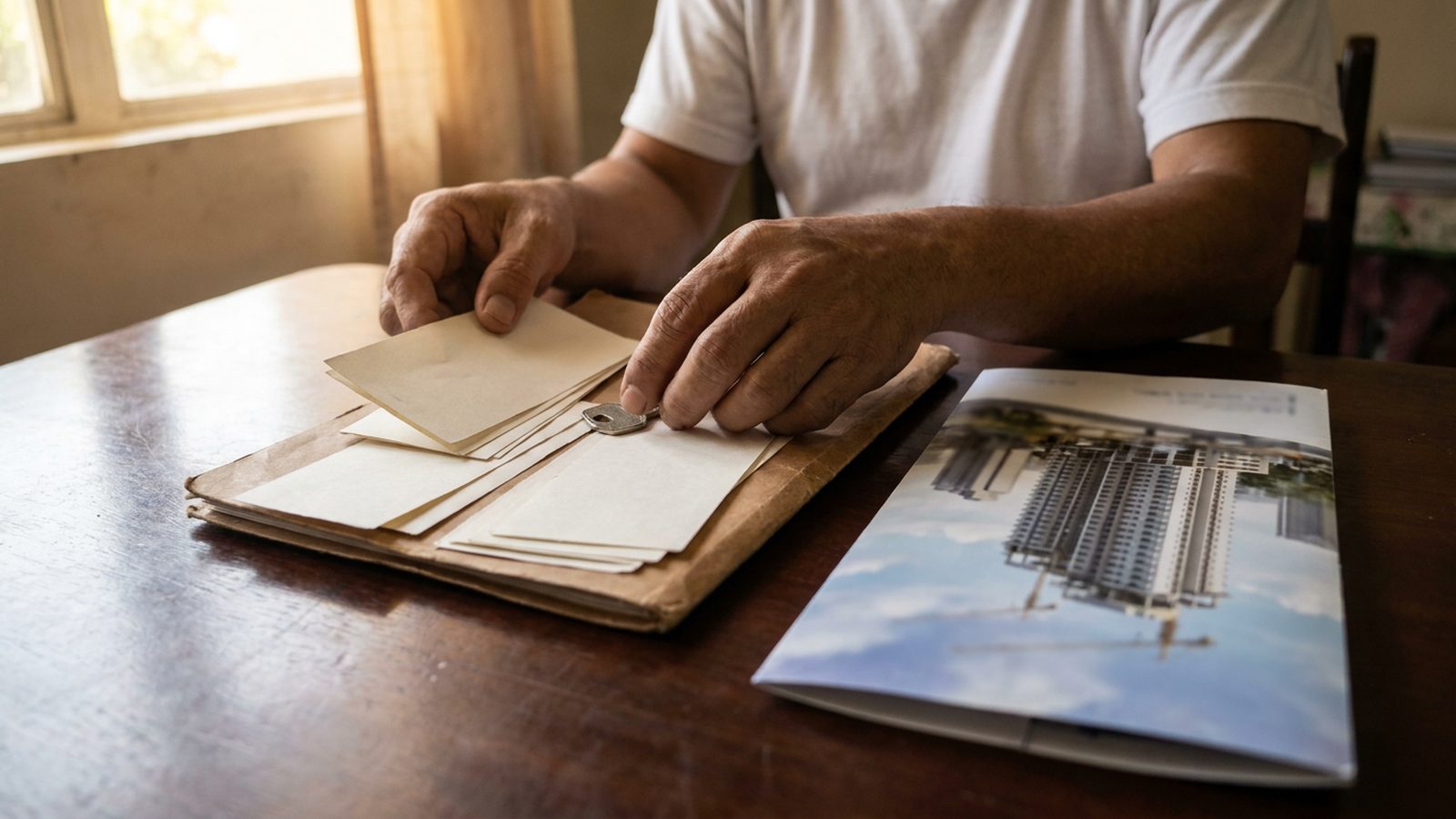
If you have a DHSUD complaint against developer delays, unrefunded payments or a title that never arrived, the clock just started running in your favor. On September 2, Department of Human Settlements and Urban Development Secretary Jose Ramon Aliling ordered all regional offices and the central Homeowners Associations and Community Development Bureau to resolve every pending complaint from homebuyers against developers, and every homeowners' association dispute, within 30 days, as reported by the Daily Tribune and the Manila Times.
The order comes with teeth: regional directors must submit an inventory of every pending case together with the reason it has not been resolved, and three regions are flagged as priorities, Calabarzon, Metro Manila and Central Luzon, which between them hold most of the country's pre-selling condo and subdivision activity.
What the 30-day order actually covers
Two kinds of disputes, and buyers should know which door is theirs. The first is the classic homebuyer complaint against a developer: a turnover date that keeps sliding, a refund under the Maceda Law that never arrives, defects the developer will not fix, or a title the buyer paid for in full but has not received. The second is the homeowners' association side: contested dues, election disputes, common areas the developer has not turned over to the residents.
The secretary's quoted instruction was blunt: concerns and complaints brought to the department should not be allowed to drag on, and must be addressed promptly, fairly and in accordance with the law. The credibility behind it is the department's Zero Backlog Program, which the reports say cleared more than 3,000 actionable regulatory items, some dating back to 2021, within two months, with all regional offices reporting zero overdue applications since June under a standing rule that applications receive action within 15 days.
How to file a complaint against a developer
The path runs through the DHSUD regional office covering the project, not the developer's head office. Bring the paper trail: your contract to sell or deed, official receipts for every payment, the developer's brochure and promised turnover date, the written demand you already sent, and photos of any defects. The department's first tool is conciliation, and the reports describe mass conciliation efforts across regions as the mechanism behind the 30-day target; a settlement signed there is enforceable, and many developers settle the moment a regional office schedules the meeting.
Write the demand letter before you file, and keep it factual. Our condo turnover checklist helps document defects in the form an office can act on, and the pre-selling first visit guide lists the promises worth capturing in writing at the start so the dispute is easier to prove at the end. For association disputes, the condo dues guide explains which charges are legitimate and which are worth contesting.
What changes for buyers still choosing a developer
The bigger signal is regulatory posture. A department that publishes a 30-day clock and demands reasons for every stalled case is a department developers will watch, and that tilts the balance toward buyers at signing time. It is a good moment to insist on the clauses that make later complaints unnecessary: a firm turnover date with a stated remedy for delay, the refund schedule spelled out, and defect-liability terms on paper. The contract templates tool includes a contract to sell you can compare against what a developer hands you, and the hidden costs guide covers the fees that most often end up in dispute.
If you are stuck right now
Do not wait for the developer to move. File at the regional office this month, cite the September 2 directive in your letter, and ask for the conciliation date. If you bought on installment and the issue is payment or cancellation, read your Maceda rights first; if it is a small money claim outside DHSUD's remit, the small claims route handles amounts up to one million pesos without a lawyer. And if the project has soured beyond repair, the market for the unit you do own is open: browse comparable condos for sale to see what it is worth today.
General information drawn from published reports, not legal advice. Procedures and offices can change; confirm the current filing steps with the DHSUD regional office for your project's location.
Frequently asked questions
What did DHSUD order on September 2, 2026?
Secretary Jose Ramon Aliling directed all DHSUD regional offices and the central Homeowners Associations and Community Development Bureau to resolve every pending complaint filed by homebuyers against developers, and every homeowners' association dispute, within 30 days. Regional directors must also submit an inventory of pending cases with the reasons each remains unresolved, with Calabarzon, Metro Manila and Central Luzon as priority regions.
How do I file a complaint against a developer in the Philippines?
File at the DHSUD regional office that covers the project's location, bringing your contract to sell or deed, official receipts for all payments, the developer's brochure and promised turnover date, the written demand you sent, and photos of defects. The office's first step is conciliation, where a signed settlement is enforceable; unresolved cases move to formal adjudication.
What kinds of complaints does the 30-day order cover?
Homebuyer complaints against developers, such as delayed turnover, refunds owed under the Maceda Law, unrepaired defects and undelivered titles, and homeowners' association disputes over dues, elections or common areas the developer has not turned over. Ordinary money claims between private parties outside DHSUD's remit still go through the courts or small claims.
Will the order really speed up my case?
The department has a track record behind it: reports say its Zero Backlog Program cleared more than 3,000 regulatory items, some from 2021, within two months, and all regional offices have reported zero overdue applications since June under a 15-day action rule. Cite the September 2 directive in your filing and ask for the conciliation date; a documented case is the kind that closes fastest.
Kung may DHSUD complaint ka laban sa developer dahil sa delayed na turnover, hindi na-refund na bayad, o titulo na hindi pa dumarating, kakasimula pa lang tumakbo ng orasan pabor sa iyo. Noong September 2, inutusan ni Department of Human Settlements and Urban Development Secretary Jose Ramon Aliling ang lahat ng regional office at ang central Homeowners Associations and Community Development Bureau na resolbahin ang bawat pending na reklamo ng homebuyer laban sa developer, at bawat homeowners' association dispute, sa loob ng 30 days, ayon sa ulat ng Daily Tribune at ng Manila Times.
May ngipin ang utos na ito: kailangang magsumite ang mga regional director ng inventory ng bawat pending na kaso kasama ang dahilan kung bakit hindi pa ito naresolba, at tatlong rehiyon ang tinukoy bilang priority, ang Calabarzon, Metro Manila at Central Luzon, na siyang may hawak ng karamihan ng pre-selling condo at subdivision activity sa buong bansa.
Ano talaga ang sakop ng 30-day order
Dalawang uri ng dispute, at dapat alam ng buyer kung aling pinto ang para sa kanya. Ang una ay ang klasikong reklamo ng homebuyer laban sa developer: turnover date na laging umuusad, refund sa ilalim ng Maceda Law na hindi dumarating, mga depekto na ayaw ayusin ng developer, o titulo na fully paid na ng buyer pero hindi pa niya natatanggap. Ang pangalawa ay ang panig ng homeowners' association: pinagtatalunang dues, gulo sa eleksyon, common areas na hindi pa naiti-turnover ng developer sa mga residente.
Diretso ang sinabi ng secretary: ang mga concern at reklamo na dinala sa department ay hindi dapat hayaang tumagal, at dapat aksyunan nang mabilis, patas at ayon sa batas. Ang credibility sa likod nito ay ang Zero Backlog Program ng department, na ayon sa mga ulat ay nakapag-clear ng mahigit 3,000 actionable regulatory items, ang ilan ay mula pa noong 2021, sa loob ng two months, at lahat ng regional office ay nag-report ng zero overdue applications simula June sa ilalim ng standing rule na dapat aksyunan ang mga application sa loob ng 15 days.
Paano mag-file ng reklamo laban sa developer
Ang daan ay sa DHSUD regional office na sakop ang project, hindi sa head office ng developer. Dalhin ang paper trail: ang iyong contract to sell o deed, official receipts ng bawat bayad, brochure ng developer at ang ipinangakong turnover date, ang written demand na naipadala mo na, at mga larawan ng anumang depekto. Ang unang tool ng department ay conciliation, at inilalarawan ng mga ulat ang mass conciliation efforts sa iba't ibang rehiyon bilang mekanismo sa likod ng 30-day target; ang settlement na pinirmahan doon ay enforceable, at maraming developer ang nakikipag-settle sa sandaling mag-schedule ng meeting ang regional office.
Isulat muna ang demand letter bago mag-file, at panatilihin itong factual. Ang aming condo turnover checklist ay tumutulong i-dokumento ang mga depekto sa paraang maaaring aksyunan ng opisina, at ang pre-selling first visit guide ay naglilista ng mga pangakong dapat ipasulat sa simula para mas madaling patunayan ang dispute sa huli. Para sa association disputes, ipinapaliwanag ng condo dues guide kung aling mga singil ang lehitimo at alin ang dapat kuwestyunin.
Ano ang nagbabago para sa mga buyer na pumipili pa lang ng developer
Ang mas malaking signal ay ang regulatory posture. Ang isang department na naglalabas ng 30-day clock at humihingi ng dahilan sa bawat naipit na kaso ay department na babantayan ng mga developer, at iyon ang nagtutulak ng balanse pabor sa buyer sa oras ng pirmahan. Magandang panahon ito para igiit ang mga clause na nagpapawalang-kailangan ng reklamo sa dakong huli: firm na turnover date na may nakasaad na remedy kung ma-delay, refund schedule na malinaw na nakasulat, at defect-liability terms na nasa papel. Ang contract templates tool ay may kasamang contract to sell na maaari mong ikumpara sa ibibigay sa iyo ng developer, at ang hidden costs guide ay sumasaklaw sa mga fee na kadalasang nauuwi sa dispute.
Kung naipit ka na ngayon mismo
Huwag hintayin na kumilos ang developer. Mag-file sa regional office ngayong buwan, banggitin ang September 2 directive sa iyong sulat, at hingin ang conciliation date. Kung installment ang pagbili mo at ang isyu ay bayad o cancellation, basahin muna ang iyong Maceda rights; kung ito ay maliit na money claim na labas sa remit ng DHSUD, ang small claims route ay sumasaklaw sa halagang hanggang one million pesos nang walang abogado. At kung hindi na maisasalba ang project, bukas ang market para sa unit na pag-aari mo na: tingnan ang mga katulad na condos for sale para malaman kung magkano ang halaga nito ngayon.
Pangkalahatang impormasyon na hango sa mga nailathalang ulat, hindi legal advice. Maaaring magbago ang mga proseso at opisina; kumpirmahin ang kasalukuyang filing steps sa DHSUD regional office na sakop ang lokasyon ng iyong project.
Mga madalas itanong
Ano ang inutos ng DHSUD noong September 2, 2026?
Inutusan ni Secretary Jose Ramon Aliling ang lahat ng DHSUD regional office at ang central Homeowners Associations and Community Development Bureau na resolbahin ang bawat pending na reklamo na isinampa ng homebuyer laban sa developer, at bawat homeowners' association dispute, sa loob ng 30 days. Kailangan ding magsumite ang mga regional director ng inventory ng mga pending na kaso kasama ang dahilan kung bakit hindi pa naresolba ang bawat isa, na may Calabarzon, Metro Manila at Central Luzon bilang priority regions.
Paano ako mag-file ng reklamo laban sa developer sa Pilipinas?
Mag-file sa DHSUD regional office na sakop ang lokasyon ng project, dala ang iyong contract to sell o deed, official receipts ng lahat ng bayad, brochure ng developer at ang ipinangakong turnover date, ang written demand na ipinadala mo, at mga larawan ng mga depekto. Ang unang hakbang ng opisina ay conciliation, kung saan enforceable ang pinirmahang settlement; ang mga hindi naresolbang kaso ay tumutuloy sa formal adjudication.
Anong mga uri ng reklamo ang sakop ng 30-day order?
Mga reklamo ng homebuyer laban sa developer, gaya ng delayed na turnover, refund na dapat ibalik sa ilalim ng Maceda Law, mga depekto na hindi naayos at mga titulo na hindi naibigay, at mga homeowners' association dispute tungkol sa dues, eleksyon o common areas na hindi pa naiti-turnover ng developer. Ang ordinaryong money claims sa pagitan ng mga pribadong partido na labas sa remit ng DHSUD ay dumadaan pa rin sa korte o small claims.
Talaga bang mapapabilis ng order ang kaso ko?
May track record ang department sa likod nito: ayon sa mga ulat, nakapag-clear ang Zero Backlog Program nito ng mahigit 3,000 regulatory items, ang ilan ay mula pa noong 2021, sa loob ng two months, at lahat ng regional office ay nag-report ng zero overdue applications simula June sa ilalim ng 15-day action rule. Banggitin ang September 2 directive sa iyong filing at hingin ang conciliation date; ang kasong may kumpletong dokumento ang uri na pinakamabilis na nagsasara.
Kung naa kay DHSUD complaint batok sa developer tungod sa delayed nga turnover, bayad nga wala ma-refund, o titulo nga wala pa gyud moabot, bag-o pa lang nagsugod ang orasan nga pabor kanimo. Niadtong September 2, gimandoan ni Department of Human Settlements and Urban Development Secretary Jose Ramon Aliling ang tanang regional office ug ang central Homeowners Associations and Community Development Bureau nga resolbahon ang matag pending nga reklamo sa homebuyer batok sa developer, ug matag homeowners' association dispute, sulod sa 30 days, sumala sa taho sa Daily Tribune ug sa Manila Times.
Naay ngipon kini nga mando: kinahanglan mosumiter ang mga regional director og inventory sa matag pending nga kaso uban ang rason ngano wala pa kini maresolba, ug tulo ka rehiyon ang gitakda nga priority, ang Calabarzon, Metro Manila ug Central Luzon, nga maoy naghupot sa kadaghanan sa pre-selling condo ug subdivision activity sa tibuok nasod.
Unsa gyud ang sakop sa 30-day order
Duha ka klase sa dispute, ug angay mahibaloan sa buyer kung asa nga pultahan ang iyaha. Ang una mao ang klasikong reklamo sa homebuyer batok sa developer: turnover date nga kanunay mausab, refund ubos sa Maceda Law nga wala moabot, mga depekto nga dili ayohon sa developer, o titulo nga fully paid na sa buyer apan wala pa niya madawat. Ang ikaduha mao ang bahin sa homeowners' association: gilalisan nga dues, gubot sa eleksyon, common areas nga wala pa ma-turnover sa developer ngadto sa mga residente.
Diretso ang gisulti sa secretary: ang mga concern ug reklamo nga gidala sa department dili angay pasagdan nga magdugay, ug kinahanglan aksyonan dayon, patas ug sumala sa balaod. Ang credibility luyo niini mao ang Zero Backlog Program sa department, nga sumala sa mga taho naka-clear og kapin sa 3,000 ka actionable regulatory items, ang uban gikan pa sa 2021, sulod sa two months, ug ang tanang regional office nag-report og zero overdue applications sukad sa June ubos sa standing rule nga ang mga application kinahanglan aksyonan sulod sa 15 days.
Unsaon pag-file og reklamo batok sa developer
Ang dalan moagi sa DHSUD regional office nga nagsakop sa project, dili sa head office sa developer. Dad-a ang paper trail: ang imong contract to sell o deed, official receipts sa matag bayad, brochure sa developer ug ang gisaad nga turnover date, ang written demand nga gipadala na nimo, ug mga hulagway sa bisan unsang depekto. Ang unang tool sa department mao ang conciliation, ug gihulagway sa mga taho ang mass conciliation efforts sa nagkalainlaing rehiyon isip mekanismo luyo sa 30-day target; ang settlement nga gipirmahan didto enforceable, ug daghang developer ang makig-settle dayon inig schedule sa regional office sa meeting.
Isulat una ang demand letter usa mo mag-file, ug himoa kining factual. Ang among condo turnover checklist makatabang sa pag-dokumento sa mga depekto sa paagi nga ma-aksyonan sa opisina, ug ang pre-selling first visit guide naglista sa mga saad nga angay ipasulat sa sinugdanan aron mas sayon pamatud-an ang dispute sa katapusan. Para sa association disputes, gipasabot sa condo dues guide kung asa nga mga bayranan ang lehitimo ug asa ang angay lalison.
Unsa ang mausab para sa mga buyer nga nagpili pa lang og developer
Ang mas dakong signal mao ang regulatory posture. Ang usa ka department nga nagpagawas og 30-day clock ug nangayo og rason sa matag naipit nga kaso mao ang department nga bantayan sa mga developer, ug kana ang moduso sa balanse pabor sa buyer sa panahon sa pirmahay. Maayo kini nga higayon aron ipugos ang mga clause nga dili na magkinahanglan og reklamo sa ulahi: firm nga turnover date nga naay gitakda nga remedy kung ma-delay, refund schedule nga klaro nga nakasulat, ug defect-liability terms nga naa sa papel. Ang contract templates tool naglakip og contract to sell nga mahimo nimong ikumpara sa ihatag kanimo sa developer, ug ang hidden costs guide nagsakop sa mga fee nga kasagaran mahimong dispute.
Kung naipit ka karon mismo
Ayaw paghulat nga molihok ang developer. Mag-file sa regional office karong bulana, hisgoti ang September 2 directive sa imong sulat, ug pangayoa ang conciliation date. Kung installment ang imong pagpalit ug ang isyu bayad o cancellation, basaha una ang imong Maceda rights; kung gamay nga money claim kini nga gawas sa remit sa DHSUD, ang small claims route nagsakop sa kantidad hangtod one million pesos nga walay abogado. Ug kung dili na maluwas ang project, abli ang market para sa unit nga imo nang gipanag-iya: tan-awa ang mga susamang condos for sale aron mahibaloan kung pila ang bili niini karon.
Kinatibuk-ang impormasyon nga gikuha gikan sa mga gipatik nga taho, dili legal advice. Mahimong mausab ang mga proseso ug opisina; kumpirmaha ang kasamtangang filing steps sa DHSUD regional office nga nagsakop sa lokasyon sa imong project.
Mga kasagarang pangutana
Unsa ang gimando sa DHSUD niadtong September 2, 2026?
Gimandoan ni Secretary Jose Ramon Aliling ang tanang DHSUD regional office ug ang central Homeowners Associations and Community Development Bureau nga resolbahon ang matag pending nga reklamo nga gipasaka sa homebuyer batok sa developer, ug matag homeowners' association dispute, sulod sa 30 days. Kinahanglan usab mosumiter ang mga regional director og inventory sa mga pending nga kaso uban ang rason ngano wala pa maresolba ang matag usa, nga ang Calabarzon, Metro Manila ug Central Luzon mao ang priority regions.
Unsaon nako pag-file og reklamo batok sa developer sa Pilipinas?
Mag-file sa DHSUD regional office nga nagsakop sa lokasyon sa project, dala ang imong contract to sell o deed, official receipts sa tanang bayad, brochure sa developer ug ang gisaad nga turnover date, ang written demand nga gipadala nimo, ug mga hulagway sa mga depekto. Ang unang lakang sa opisina mao ang conciliation, diin enforceable ang gipirmahang settlement; ang mga kaso nga wala maresolba mopadayon sa formal adjudication.
Unsa nga mga klase sa reklamo ang sakop sa 30-day order?
Mga reklamo sa homebuyer batok sa developer, sama sa delayed nga turnover, refund nga angay ibalik ubos sa Maceda Law, mga depekto nga wala maayo ug mga titulo nga wala mahatag, ug mga homeowners' association dispute bahin sa dues, eleksyon o common areas nga wala pa ma-turnover sa developer. Ang ordinaryong money claims tali sa mga pribadong partido nga gawas sa remit sa DHSUD moagi gihapon sa korte o small claims.
Mapaspasan ba gyud sa order ang akong kaso?
Naay track record ang department luyo niini: sumala sa mga taho, naka-clear ang Zero Backlog Program niini og kapin sa 3,000 ka regulatory items, ang uban gikan pa sa 2021, sulod sa two months, ug ang tanang regional office nag-report og zero overdue applications sukad sa June ubos sa 15-day action rule. Hisgoti ang September 2 directive sa imong filing ug pangayoa ang conciliation date; ang kaso nga kompleto og dokumento mao ang klase nga pinakapaspas masira.
Browse properties on BalayHub
See all listings →
Read next
Rent or Buy in Metro Manila 2026: The Break-even Math
Rent or buy in Metro Manila: a one bedroom rents for ₱25,000 and sells for ₱7.7M. The monthly cost of owning, the break even growth rate and the horizon.
Land Title Annotations Philippines: What Each Entry Means
Land title annotations Philippines buyers must read: mortgage, lis pendens, adverse claim, levy, easement and the Rule 74 entry, and how to clear each one.
RFO Condo vs Pre-Selling in the Philippines: Which to Buy
RFO condo vs pre-selling: cash needed now or stretched over 24 to 48 months, construction risk, rent from month one, and the finished buildings by city.