
Sep 12, 2026 · by BalayHub Admin · 6 min read
Rent Increase Philippines 2026: the 1% Cap and Your Rights
Rent increase Philippines 2026: the 1% cap on units at ₱10,000 or less, what the contract governs above that, deposit limits, ejectment and penalties.
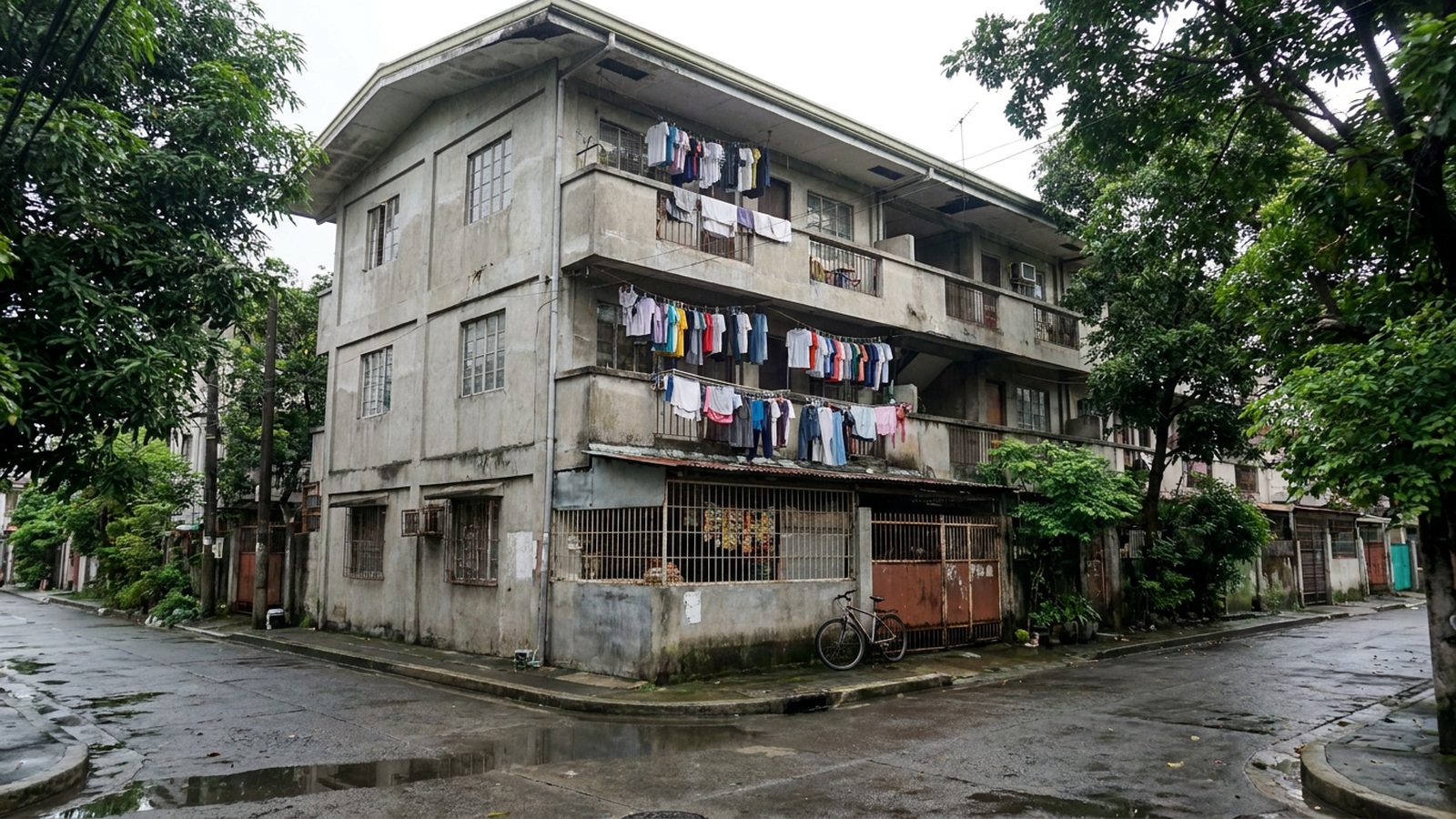
Rent increase Philippines 2026, in one sentence: it is legal in most cases, for the cheapest units it is capped by law at 1%, and for everyone else it is governed by the contract you signed rather than by the landlord's mood. Both sides get this wrong. Tenants assume any increase can be refused, landlords assume a new year means a new price, and the argument usually ends at the barangay hall. Here is what the Rent Control Act actually says, what the housing board decided for 2025 and 2026, and what to do on either side of the lease.
The 1% cap: who it covers in 2026
The National Human Settlements Board, the policy body under the Department of Human Settlements and Urban Development, extended rent control through 2026 with Resolution 2024-01, issued in December 2024. For residential units renting at ₱10,000 (about $159 / €138) a month or less, the allowable increase was 2.3% for 2025 and drops to 1% for 2026, for as long as the same tenant stays in the unit. On a ₱10,000 (about $159 / €138) rent, that is a maximum increase of ₱100 (about $1.6 / €1.4) in 2026. The DHSUD resolution.pdf) is the operative text, and the 2026 figure was reported by the Inquirer when the board announced it.
Two conditions matter. The cap applies to the same tenant continuing or renewing a lease, so it protects people who stay put. And it applies to the unit's rent level, not to the building: a ₱9,000 (about $143 / €124) bedspace in a Makati apartment is covered, a ₱25,000 (about $399 / €345) condo in Cavite is not.
What the law says for everyone else
The framework is Republic Act 9653, the Rent Control Act of 2009. Its original coverage was units renting for up to ₱10,000 (about $159 / €138) in Metro Manila and highly urbanized cities and up to ₱5,000 (about $80 / €69) elsewhere, with a 7% annual ceiling, and Section 6 lets the housing board extend the regulation and adjust the ceiling, which is exactly what the 2024 resolution did.
If your rent is above the covered level, the Act's cap does not apply and the lease contract governs. In practice that means three things. During a fixed term lease the rent cannot change unless the contract says it can. At renewal the landlord can propose any new figure, and the tenant can accept, negotiate or leave. And a landlord who wants a tenant out to reset the rent still has to follow the ejectment rules, which do not include "I want more money" as a ground.
Some of the Act's protections apply regardless of the rent level and are the ones most often ignored. Section 7 limits what a landlord can collect upfront: no more than one month advance rent and no more than two months deposit, and the deposit has to sit in a bank account in the landlord's name, with the interest returned to the tenant at the end. Our guide to security deposits and tenant rights covers the refund fight in detail.
When the landlord can and cannot end the lease
Section 9 of the Act lists the grounds for judicial ejectment, and they are the same whether the rent is ₱6,000 (about $96 / €83) or ₱60,000 (about $956 / €829): subleasing or taking in boarders without written consent, arrears of three months, the owner's legitimate need to use the unit after three months' written notice, repairs ordered by the authorities, and expiry of the lease. A tenant who pays on time and has not sublet cannot be evicted mid term because the landlord found someone willing to pay more. The full procedure, from demand letter to court, is in our guide on eviction rules and tenant rights.
The reverse also holds. A tenant who wants to leave before the end of a fixed term is bound by the pre termination clause, which is why we keep saying to read it before signing; the consequences are in our piece on ending a lease early.
Penalties, and where to complain
Violating the Act, including charging a covered tenant more than the allowed increase or collecting more than the permitted deposit, carries a fine of ₱25,000 to ₱50,000 (about $399 to $797 / €345 to €691), imprisonment of one month and one day to six months, or both. Enforcement in practice starts at the barangay, whose conciliation is a required first step for disputes between residents of the same city, and continues with DHSUD for housing matters and the courts for ejectment. Keep the lease, the receipts and every message about the increase; the case is won or lost on paper.
What to do if you are the tenant
Check three things before you respond to a notice. Is the rent ₱10,000 (about $159 / €138) or below, and were you already the tenant in 2025? Then the 2026 increase cannot exceed 1%, and a written reply citing NHSB Resolution 2024-01 usually ends the conversation. Is the rent higher? Then look at the contract: a mid term increase is not enforceable unless the lease allows it, and a renewal offer is a negotiation, where the landlord's real alternative is a vacancy of one to three months and a new tenant to screen. Either way, answer in writing, keep paying the current rent on time so you never hand the landlord the arrears ground, and compare the proposed rent with what similar units ask on the rental listings and in our Metro Manila renting guide.
What to do if you are the landlord
If the unit rents at ₱10,000 (about $159 / €138) or below and the tenant is staying, the increase is 1% and nothing more, so do not issue a notice that says otherwise; it is evidence against you. If the unit is above the threshold, raise the rent at renewal, in writing, with at least a month's notice and a figure the market supports, because a good tenant who pays on time is worth more than a few hundred pesos a month. A vacated unit can be re let at whatever the market bears, and that is the legitimate moment to reset. Put the deposit in the bank as the law requires, hand over official receipts, and use a written lease with a clear increase clause; our lease agreement template has one, and the landlord's guide to renting out a condo covers the rest of the year.
This article is general information, not legal advice. The rent control coverage and ceiling are set by NHSB resolution and can change; check the current issuance on the DHSUD site and consult a lawyer or the barangay for your specific dispute.
Dollar and euro figures are approximate conversions at ₱62.7 per US dollar and ₱72.4 per euro (ECB reference rates, 2026-09-16).
Frequently asked questions
How much can a landlord increase rent in the Philippines in 2026?
For residential units renting at ₱10,000 (about $159 / €138) a month or less, occupied by the same tenant, the maximum increase in 2026 is 1% under NHSB Resolution 2024-01, down from 2.3% in 2025. Above ₱10,000 (about $159 / €138) there is no statutory cap: the lease contract governs, so a mid term increase needs a clause that allows it, and at renewal the new rent is a negotiation.
Can my landlord raise the rent in the middle of my lease?
Only if the contract says so. A fixed term lease locks the rent for the term unless it contains an escalation clause, and for covered units at ₱10,000 (about $159 / €138) or below the increase is limited to 1% in any case. A notice that simply announces a higher rent from next month is a proposal you can decline in writing, while continuing to pay the current rent on time.
How much deposit and advance can a landlord ask for?
Section 7 of the Rent Control Act limits it to one month advance rent and two months deposit, and the deposit must be kept in a bank account in the landlord's name, with interest returned to the tenant at the end of the lease. Asking for three months deposit, or keeping the deposit in cash, violates the Act, whatever the rent level.
Can a landlord evict a tenant to rent the unit at a higher price?
No. The grounds for ejectment under Section 9 are subleasing without consent, three months of arrears, the owner's legitimate need to use the unit after three months' written notice, repairs ordered by the authorities, and expiry of the lease. Wanting a higher rent is not a ground. The landlord can only reset the rent once the unit is genuinely vacated.
What is the penalty for violating the Rent Control Act?
A fine of ₱25,000 to ₱50,000 (about $399 to $797 / €345 to €691), imprisonment of one month and one day up to six months, or both, under Section 13 of RA 9653. Disputes normally start with barangay conciliation, then go to DHSUD for housing matters or to court for ejectment. Keep the lease, official receipts and every written notice, because the case turns on the documents.
Rent increase sa Pilipinas 2026, sa isang pangungusap: legal ito sa karamihan ng kaso, para sa pinakamurang unit ay limitado ito ng batas sa 1%, at para sa lahat ng iba pa ay ang kontratang pinirmahan mo ang nagtatakda, hindi ang mood ng landlord. Mali ang pagkakaintindi ng magkabilang panig. Iniisip ng mga tenant na puwedeng tanggihan ang anumang dagdag, iniisip ng mga landlord na bagong taon ay bagong presyo, at kadalasang nauuwi ang away sa barangay hall. Narito ang talagang sinasabi ng Rent Control Act, ang ipinasya ng housing board para sa 2025 at 2026, at ang dapat gawin sa magkabilang panig ng lease.
Ang 1% cap: sino ang sakop nito sa 2026
Pinalawig ng National Human Settlements Board, ang policy body sa ilalim ng Department of Human Settlements and Urban Development, ang rent control hanggang 2026 sa pamamagitan ng Resolution 2024-01, na inilabas noong December 2024. Para sa mga residential unit na inuupahan sa ₱10,000 (mga $159 / €138) kada buwan o mas mababa, ang pinapayagang dagdag ay 2.3% para sa 2025 at bumababa sa 1% para sa 2026, hangga't nananatili sa unit ang parehong tenant. Sa upang ₱10,000 (mga $159 / €138), ang maximum na dagdag ay ₱100 (mga $1.6 / €1.4) sa 2026. Ang DHSUD resolution.pdf) ang umiiral na teksto, at iniulat ng Inquirer ang figure para sa 2026 nang ianunsyo ito ng board.
Dalawang kondisyon ang mahalaga. Ang cap ay para sa parehong tenant na nagpapatuloy o nagre-renew ng lease, kaya pinoprotektahan nito ang mga hindi lumilipat. At nakabatay ito sa antas ng upa ng unit, hindi sa building: sakop ang ₱9,000 (mga $143 / €124) na bedspace sa isang apartment sa Makati, hindi sakop ang ₱25,000 (mga $399 / €345) na condo sa Cavite.
Ano ang sinasabi ng batas para sa lahat ng iba pa
Ang framework ay ang Republic Act 9653, ang Rent Control Act of 2009. Ang orihinal na saklaw nito ay mga unit na inuupahan hanggang ₱10,000 (mga $159 / €138) sa Metro Manila at sa mga highly urbanized city at hanggang ₱5,000 (mga $80 / €69) sa ibang lugar, na may 7% na taunang ceiling, at pinapayagan ng Section 6 ang housing board na palawigin ang regulasyon at i-adjust ang ceiling, na siya mismong ginawa ng 2024 resolution.
Kung mas mataas ang upa mo sa sakop na antas, hindi umiiral ang cap ng Act at ang lease contract ang nagtatakda. Sa praktika, tatlong bagay ang ibig sabihin nito. Sa loob ng fixed term lease, hindi puwedeng magbago ang upa maliban kung sinasabi ng kontrata na puwede. Sa renewal, puwedeng magmungkahi ang landlord ng anumang bagong figure, at puwedeng tumanggap, makipagtawaran o umalis ang tenant. At ang landlord na gustong paalisin ang tenant para i-reset ang upa ay kailangan pa ring sumunod sa mga patakaran ng ejectment, na hindi kasama ang "gusto ko ng mas malaking pera" bilang dahilan.
Ang ilang proteksyon ng Act ay umiiral anuman ang antas ng upa, at ito ang mga kadalasang binabalewala. Nililimitahan ng Section 7 ang puwedeng kolektahin ng landlord sa simula: hindi hihigit sa isang buwang advance at hindi hihigit sa dalawang buwang deposit, at ang deposit ay dapat nakalagay sa bank account sa pangalan ng landlord, at ang interes ay ibabalik sa tenant sa pagtatapos. Detalyadong tinatalakay ng aming gabay sa security deposit at mga karapatan ng tenant ang laban sa refund.
Kailan puwede at hindi puwedeng tapusin ng landlord ang lease
Nakalista sa Section 9 ng Act ang mga dahilan para sa judicial ejectment, at pareho ang mga ito kahit ₱6,000 (mga $96 / €83) o ₱60,000 (mga $956 / €829) ang upa: pag-sublease o pagtanggap ng boarder nang walang nakasulat na pahintulot, tatlong buwang atraso, lehitimong pangangailangan ng may-ari na gamitin ang unit pagkatapos ng tatlong buwang nakasulat na abiso, mga pagkukumpuni na iniutos ng mga awtoridad, at pagtatapos ng lease. Ang tenant na nagbabayad sa oras at hindi nag-sublease ay hindi puwedeng paalisin sa kalagitnaan ng term dahil lang may nakita ang landlord na handang magbayad nang mas malaki. Ang buong proseso, mula demand letter hanggang korte, ay nasa aming gabay sa mga patakaran sa eviction at karapatan ng tenant.
Totoo rin ang kabaligtaran. Ang tenant na gustong umalis bago matapos ang fixed term ay nakatali sa pre termination clause, kaya paulit-ulit naming sinasabing basahin ito bago pumirma; ang mga kahihinatnan ay nasa aming artikulo tungkol sa maagang pagtatapos ng lease.
Mga parusa, at saan magrereklamo
Ang paglabag sa Act, kasama ang pagsingil sa sakop na tenant nang higit sa pinapayagang dagdag o pagkolekta ng higit sa pinapayagang deposit, ay may multang ₱25,000 hanggang ₱50,000 (mga $399 hanggang $797 / €345 hanggang €691), pagkakakulong na isang buwan at isang araw hanggang anim na buwan, o pareho. Sa praktika, nagsisimula ang enforcement sa barangay, na ang conciliation ay kinakailangang unang hakbang para sa mga alitan ng mga residente ng parehong lungsod, at nagpapatuloy sa DHSUD para sa mga usaping pabahay at sa korte para sa ejectment. Itago ang lease, ang mga resibo at bawat mensahe tungkol sa dagdag; sa papel nananalo o natatalo ang kaso.
Ano ang gagawin kung ikaw ang tenant
Suriin ang tatlong bagay bago ka sumagot sa abiso. ₱10,000 (mga $159 / €138) o mas mababa ba ang upa, at tenant ka na ba noong 2025? Kung gayon, hindi puwedeng lumampas sa 1% ang dagdag sa 2026, at ang nakasulat na sagot na binabanggit ang NHSB Resolution 2024-01 ay kadalasang tumatapos sa usapan. Mas mataas ba ang upa? Kung gayon, tingnan ang kontrata: ang dagdag sa kalagitnaan ng term ay hindi maipapatupad maliban kung pinapayagan ito ng lease, at ang alok sa renewal ay negosasyon, kung saan ang totoong alternatibo ng landlord ay vacancy na isa hanggang tatlong buwan at bagong tenant na kailangang i-screen. Sa alinmang kaso, sumagot nang nakasulat, patuloy na magbayad ng kasalukuyang upa sa oras para hindi mo maibigay sa landlord ang dahilang atraso, at ihambing ang iminumungkahing upa sa hinihingi ng mga katulad na unit sa mga rental listing at sa aming gabay sa pag-upa sa Metro Manila.
Ano ang gagawin kung ikaw ang landlord
Kung ang unit ay inuupahan sa ₱10,000 (mga $159 / €138) o mas mababa at nananatili ang tenant, 1% ang dagdag at wala nang iba, kaya huwag maglabas ng abiso na iba ang sinasabi; ebidensya ito laban sa iyo. Kung nasa itaas ng threshold ang unit, itaas ang upa sa renewal, nang nakasulat, na may abisong hindi bababa sa isang buwan at figure na sinusuportahan ng merkado, dahil ang mabuting tenant na nagbabayad sa oras ay mas mahalaga kaysa ilang daang piso kada buwan. Ang unit na nabakante ay puwedeng ipaupa muli sa anumang kayang bayaran ng merkado, at iyon ang lehitimong sandali para mag-reset. Ilagay ang deposit sa bangko gaya ng hinihingi ng batas, magbigay ng official receipt, at gumamit ng nakasulat na lease na may malinaw na increase clause; may ganito ang aming lease agreement template, at sakop ng gabay ng landlord sa pagpapaupa ng condo ang natitirang bahagi ng taon.
Ang artikulong ito ay pangkalahatang impormasyon, hindi legal advice. Ang saklaw at ceiling ng rent control ay itinatakda ng NHSB resolution at maaaring magbago; tingnan ang kasalukuyang issuance sa site ng DHSUD at kumonsulta sa abogado o sa barangay para sa iyong partikular na alitan.
Tinatayang conversion lang ang mga halaga sa dollar at euro, sa ₱62.7 kada US dollar at ₱72.4 kada euro (ECB reference rates, 2026-09-16).
Mga madalas itanong
Magkano ang puwedeng itaas ng landlord sa upa sa Pilipinas sa 2026?
Para sa mga residential unit na inuupahan sa ₱10,000 (mga $159 / €138) kada buwan o mas mababa, na inookupa ng parehong tenant, ang maximum na dagdag sa 2026 ay 1% sa ilalim ng NHSB Resolution 2024-01, mula sa 2.3% noong 2025. Sa itaas ng ₱10,000 (mga $159 / €138) ay walang cap na itinatakda ng batas: ang lease contract ang nagtatakda, kaya ang dagdag sa kalagitnaan ng term ay nangangailangan ng clause na nagpapahintulot dito, at sa renewal ay negosasyon ang bagong upa.
Puwede bang itaas ng landlord ko ang upa sa kalagitnaan ng lease ko?
Kung sinasabi lang ng kontrata. Ang fixed term lease ay nagla-lock ng upa sa buong term maliban kung may escalation clause ito, at para sa mga sakop na unit na ₱10,000 (mga $159 / €138) o mas mababa, limitado sa 1% ang dagdag sa anumang kaso. Ang abiso na basta nag-aanunsyo ng mas mataas na upa simula sa susunod na buwan ay mungkahi na puwede mong tanggihan nang nakasulat, habang patuloy kang nagbabayad ng kasalukuyang upa sa oras.
Magkano ang deposit at advance na puwedeng hingin ng landlord?
Nililimitahan ito ng Section 7 ng Rent Control Act sa isang buwang advance at dalawang buwang deposit, at ang deposit ay dapat itago sa bank account sa pangalan ng landlord, at ibabalik ang interes sa tenant sa pagtatapos ng lease. Ang paghingi ng tatlong buwang deposit, o ang pagtatago ng deposit bilang cash, ay paglabag sa Act, anuman ang antas ng upa.
Puwede bang paalisin ng landlord ang tenant para ipaupa ang unit sa mas mataas na presyo?
Hindi. Ang mga dahilan para sa ejectment sa ilalim ng Section 9 ay pag-sublease nang walang pahintulot, tatlong buwang atraso, lehitimong pangangailangan ng may-ari na gamitin ang unit pagkatapos ng tatlong buwang nakasulat na abiso, mga pagkukumpuni na iniutos ng mga awtoridad, at pagtatapos ng lease. Hindi dahilan ang paghahangad ng mas mataas na upa. Puwede lang i-reset ng landlord ang upa kapag tunay nang nabakante ang unit.
Ano ang parusa sa paglabag sa Rent Control Act?
Multang ₱25,000 hanggang ₱50,000 (mga $399 hanggang $797 / €345 hanggang €691), pagkakakulong na isang buwan at isang araw hanggang anim na buwan, o pareho, sa ilalim ng Section 13 ng RA 9653. Karaniwang nagsisimula ang mga alitan sa barangay conciliation, pagkatapos ay sa DHSUD para sa mga usaping pabahay o sa korte para sa ejectment. Itago ang lease, ang mga official receipt at bawat nakasulat na abiso, dahil sa mga dokumento umiikot ang kaso.
Rent increase Philippines 2026, sa usa ka sentence: legal kini sa kadaghanan sa mga kaso, para sa pinakabarato nga mga unit gi-cap kini sa balaod sa 1%, ug para sa tanan nga uban gidumala kini sa kontrata nga imong gipirmahan, dili sa mood sa landlord. Sayop ang duha ka kilid niini. Ang mga tenant naghunahuna nga mahimong ibalibad ang bisan unsang increase, ang mga landlord naghunahuna nga ang bag-ong tuig nagpasabot og bag-ong presyo, ug ang lalis sagad matapos sa barangay hall. Ania ang tinuod nga gisulti sa Rent Control Act, ang gidesisyonan sa housing board para sa 2025 ug 2026, ug kung unsa ang buhaton sa bisan asang kilid sa lease.
Ang 1% cap: kinsa ang sakop niini sa 2026
Ang National Human Settlements Board, ang policy body ubos sa Department of Human Settlements and Urban Development, nagpalugway sa rent control hangtod 2026 pinaagi sa Resolution 2024-01, nga gipagawas niadtong December 2024. Para sa mga residential unit nga giabangan sa ₱10,000 (mga $159 / €138) matag bulan o ubos pa, ang gitugot nga increase mao ang 2.3% para sa 2025 ug moubos sa 1% para sa 2026, samtang ang parehas nga tenant nagpabilin sa unit. Sa ₱10,000 (mga $159 / €138) nga abang, ang maximum nga increase sa 2026 mao ang ₱100 (mga $1.6 / €1.4). Ang DHSUD resolution.pdf) mao ang operative text, ug ang numero para sa 2026 gi-report sa Inquirer sa dihang gipahibalo kini sa board.
Duha ka kondisyon ang importante. Ang cap ma-apply sa parehas nga tenant nga nagpadayon o nag-renew sa lease, mao nga gipanalipdan niini ang mga tawo nga nagpabilin. Ug ma-apply kini sa lebel sa abang sa unit, dili sa building: ang ₱9,000 (mga $143 / €124) nga bedspace sa usa ka apartment sa Makati sakop, ang ₱25,000 (mga $399 / €345) nga condo sa Cavite dili.
Unsa ang gisulti sa balaod para sa tanan nga uban
Ang framework mao ang Republic Act 9653, ang Rent Control Act of 2009. Ang orihinal nga coverage niini mao ang mga unit nga giabangan hangtod ₱10,000 (mga $159 / €138) sa Metro Manila ug sa mga highly urbanized city ug hangtod ₱5,000 (mga $80 / €69) sa ubang lugar, nga adunay 7% nga tinuig nga ceiling, ug ang Section 6 nagtugot sa housing board nga palugwayan ang regulasyon ug i-adjust ang ceiling, nga mao gyud ang gibuhat sa 2024 nga resolusyon.
Kung ang imong abang labaw sa sakop nga lebel, dili ma-apply ang cap sa Act ug ang lease contract ang magdumala. Sa praktika, tulo ka butang ang buot ipasabot niini. Sa panahon sa fixed term lease, dili mausab ang abang gawas kung gitugot sa kontrata. Sa renewal, mahimong mosugyot ang landlord og bisan unsang bag-ong numero, ug ang tenant mahimong modawat, makignegosasyon o mobiya. Ug ang landlord nga gusto papahawaon ang tenant aron i-reset ang abang kinahanglan gihapon mosunod sa mga lagda sa ejectment, nga wala maglakip sa "gusto ko og dugang kwarta" isip ground.
Ang pipila sa mga proteksyon sa Act ma-apply bisan unsa pa ang lebel sa abang, ug kini ang kasagarang gibaliwala. Ang Section 7 naglimite kung unsa ang makolekta sa landlord nga abante: dili molabaw sa usa ka bulan nga advance rent ug dili molabaw sa duha ka bulan nga deposit, ug ang deposit kinahanglan ibutang sa bank account nga naa sa ngalan sa landlord, ug ang interes ibalik sa tenant sa katapusan. Ang among guide bahin sa security deposit ug mga katungod sa tenant naghisgot sa detalye sa away bahin sa refund.
Kanus-a mahimo ug dili mahimo sa landlord nga tapuson ang lease
Ang Section 9 sa Act naglista sa mga ground para sa judicial ejectment, ug parehas ra kini bisan ₱6,000 (mga $96 / €83) o ₱60,000 (mga $956 / €829) ang abang: pag-sublease o pagdawat og mga boarder nga walay written consent, arrears nga tulo ka bulan, ang lehitimong panginahanglan sa tag-iya nga gamiton ang unit human sa tulo ka bulan nga written notice, mga repair nga gimando sa mga awtoridad, ug ang pag-expire sa lease. Ang tenant nga nagbayad sa tukmang panahon ug wala mag-sublease dili mapapahawa sa tunga sa term tungod lang kay nakakita ang landlord og tawo nga andam mobayad og mas dako. Ang tibuok proseso, gikan sa demand letter hangtod sa korte, naa sa among guide bahin sa mga lagda sa eviction ug mga katungod sa tenant.
Tinuod usab ang kabaliktaran. Ang tenant nga gusto mobiya sa dili pa matapos ang fixed term nahigot sa pre termination clause, mao nga kanunay namong ginasulti nga basaha kini sa dili pa mopirma; ang mga sangputanan naa sa among artikulo bahin sa pagtapos sa lease nga sayo.
Mga penalty, ug asa moreklamo
Ang paglapas sa Act, lakip ang pagpaningil sa sakop nga tenant og labaw sa gitugot nga increase o pagkolekta og labaw sa gitugot nga deposit, adunay multa nga ₱25,000 hangtod ₱50,000 (mga $399 hangtod $797 / €345 hangtod €691), pagkabilanggo nga usa ka bulan ug usa ka adlaw hangtod unom ka bulan, o pareho. Ang enforcement sa praktika magsugod sa barangay, kansang conciliation usa ka gikinahanglan nga unang lakang para sa mga lalis tali sa mga residente sa parehas nga siyudad, ug magpadayon sa DHSUD para sa mga isyu sa housing ug sa mga korte para sa ejectment. Tipigi ang lease, ang mga resibo ug ang matag mensahe bahin sa increase; ang kaso madaog o mapildi sa papel.
Unsa ang buhaton kung ikaw ang tenant
Susiha ang tulo ka butang sa dili ka pa motubag sa notice. Ang abang ba ₱10,000 (mga $159 / €138) o ubos pa, ug ikaw na ba ang tenant sa 2025? Kung mao, dili molabaw sa 1% ang increase sa 2026, ug ang usa ka written reply nga nagtumong sa NHSB Resolution 2024-01 sagad motapos sa estorya. Mas taas ba ang abang? Tan-awa ang kontrata: ang mid term increase dili ma-enforce gawas kung gitugot sa lease, ug ang renewal offer usa ka negosasyon, diin ang tinuod nga alternatibo sa landlord mao ang vacancy nga usa hangtod tulo ka bulan ug bag-ong tenant nga i-screen. Bisan asa niini, tubag sa sinulat, padayon sa pagbayad sa kasamtangang abang sa tukmang panahon aron dili nimo mahatag sa landlord ang arrears nga ground, ug itandi ang gisugyot nga abang sa gipangayo sa susamang mga unit sa rental listings ug sa among Metro Manila renting guide.
Unsa ang buhaton kung ikaw ang landlord
Kung ang unit giabangan sa ₱10,000 (mga $159 / €138) o ubos pa ug magpabilin ang tenant, ang increase 1% ug wala nay lain, mao nga ayaw pagpagawas og notice nga lahi ang gisulti; ebidensya kini batok kanimo. Kung ang unit labaw sa threshold, ipataas ang abang sa renewal, sa sinulat, nga adunay labing menos usa ka bulan nga notice ug numero nga gisuportahan sa merkado, kay ang maayong tenant nga nagbayad sa tukmang panahon mas bililhon kaysa pipila ka gatos ka pesos matag bulan. Ang gibiyaan nga unit mahimong ipaabang pag-usab sa bisan unsang presyo nga madala sa merkado, ug mao kana ang lehitimong higayon sa pag-reset. Ibutang ang deposit sa bangko sumala sa gikinahanglan sa balaod, hatagi og official receipt, ug gamita ang written lease nga adunay klaro nga increase clause; ang among lease agreement template adunay usa, ug ang guide sa landlord sa pagpaabang og condo naghisgot sa nahabilin nga bahin sa tuig.
Kini nga artikulo kinatibuk-ang impormasyon, dili legal advice. Ang coverage ug ceiling sa rent control gitakda sa NHSB resolution ug mahimong mausab; susiha ang kasamtangang issuance sa DHSUD site ug konsultaha ang abogado o ang barangay para sa imong espesipikong lalis.
Banabana lang ang mga conversion sa dollar ug euro, sa ₱62.7 matag US dollar ug ₱72.4 matag euro (ECB reference rates, 2026-09-16).
Mga kasagarang pangutana
Pila ang mahimong idugang sa landlord sa abang sa Pilipinas sa 2026?
Para sa mga residential unit nga giabangan sa ₱10,000 (mga $159 / €138) matag bulan o ubos pa, nga gipuy-an sa parehas nga tenant, ang maximum nga increase sa 2026 mao ang 1% ubos sa NHSB Resolution 2024-01, gikan sa 2.3% sa 2025. Labaw sa ₱10,000 (mga $159 / €138) walay statutory cap: ang lease contract ang magdumala, mao nga ang mid term increase nagkinahanglan og clause nga nagtugot niini, ug sa renewal ang bag-ong abang usa ka negosasyon.
Mahimo bang ipataas sa akong landlord ang abang sa tunga sa akong lease?
Kung gisulti lang sa kontrata. Ang fixed term lease nag-lock sa abang sulod sa term gawas kung adunay escalation clause, ug para sa mga sakop nga unit nga ₱10,000 (mga $159 / €138) o ubos pa, limitado gihapon sa 1% ang increase. Ang notice nga nagpahibalo lang og mas taas nga abang sugod sunod bulan usa ka sugyot nga mahimo nimong ibalibad sa sinulat, samtang nagpadayon ka sa pagbayad sa kasamtangang abang sa tukmang panahon.
Pila ka deposit ug advance ang mahimong pangayoon sa landlord?
Ang Section 7 sa Rent Control Act naglimite niini sa usa ka bulan nga advance rent ug duha ka bulan nga deposit, ug ang deposit kinahanglan itipig sa bank account nga naa sa ngalan sa landlord, nga ang interes ibalik sa tenant sa katapusan sa lease. Ang pagpangayo og tulo ka bulan nga deposit, o ang pagtipig sa deposit sa cash, paglapas sa Act, bisan unsa pa ang lebel sa abang.
Mahimo bang papahawaon sa landlord ang tenant aron ipaabang ang unit sa mas taas nga presyo?
Dili. Ang mga ground para sa ejectment ubos sa Section 9 mao ang pag-sublease nga walay consent, tulo ka bulan nga arrears, ang lehitimong panginahanglan sa tag-iya nga gamiton ang unit human sa tulo ka bulan nga written notice, mga repair nga gimando sa mga awtoridad, ug ang pag-expire sa lease. Ang pagpangita og mas taas nga abang dili ground. Ma-reset lang sa landlord ang abang kung tinuod nga gibiyaan na ang unit.
Unsa ang penalty sa paglapas sa Rent Control Act?
Multa nga ₱25,000 hangtod ₱50,000 (mga $399 hangtod $797 / €345 hangtod €691), pagkabilanggo nga usa ka bulan ug usa ka adlaw hangtod unom ka bulan, o pareho, ubos sa Section 13 sa RA 9653. Ang mga lalis kasagarang magsugod sa barangay conciliation, unya moadto sa DHSUD para sa mga isyu sa housing o sa korte para sa ejectment. Tipigi ang lease, ang mga official receipt ug ang matag written notice, kay ang kaso nagdepende sa mga dokumento.
Looking for a place?
See all listings →Read next
High-Rise vs Mid-Rise Condo in the Philippines: Which to Buy
High rise vs mid rise condo in the Philippines: the 15 meter Fire Code line, why dues climb with height, quake and flood behavior, and who each suits.
Verify DHSUD License to Sell Before You Pay: 2026 Guide
How to verify a DHSUD License to Sell in ten minutes: PD 957 Sections 4, 5 and 39, the tower by tower check, the documents to demand, and the red flags.
House Construction Cost per Square Meter Philippines 2026
House construction cost per square meter in the Philippines 2026: ₱28,000 basic to ₱75,000 high end, what the rate excludes, and a full 100 sqm budget.