
May 21, 2026 · by BalayHub Admin · 5 min read
Pre-selling Condo Showroom: What to Check Before You Sign
Pre-selling condo showroom visit: what the board price leaves out, what the reservation fee commits you to, the turnover balance and the license to sell.

A pre-selling condo showroom is designed to be signed in. The model unit is finished and lit, the price on the board is the lowest number the developer can print, and the reservation form is short. None of that is dishonest, but all of it is arranged so that the decision happens before the arithmetic does. This guide lists what to check in the showroom, what the board leaves out, what the reservation form actually commits you to, and which questions to put in writing before any money changes hands.
The price on the board is the contract price
The figure on the tarpaulin is the contract price of the unit. It does not include the documentary stamp tax of 1.5%, the local transfer tax of 0.5% to 0.75%, the registration fees, the notarial fee often quoted near 1%, the developer's own processing or miscellaneous charges, a parking slot if one is sold separately, the move-in fees and utility deposits at turnover, and the association dues that start the month the unit is accepted. Our guide to the hidden costs of buying a condo lists each of them, and our guide to condo association dues shows that at ₱60 to ₱150 (about $0.96 to $2.4 / €0.85 to €2.1) per square meter a month, a 30 square meter studio pays ₱1,800 to ₱4,500 (about $29 to $72 / €26 to €64) every month for as long as you own it.
Ask for a computation sheet that shows the total cost to turnover with every line itemized, including whether 12% VAT is already in the price, and keep it. A developer who will not put the full number in writing is asking you to do the math later.
The reservation form is a contract
The reservation fee typically runs ₱20,000 to ₱50,000 (about $319 to $797 / €285 to €712), and more on premium units, and it is generally not refundable. Most developers credit it to the down payment; some treat it as a separate charge. Confirm which, in writing, before paying, and read the clause on what happens to the fee if you withdraw. The point of the fee is to take the unit off the market while the contract to sell is prepared, which is why the form is short and the pressure to sign it on the spot is high.
The protection to remember is the Maceda Law, whose refund of at least half of what was paid applies to a buyer who stops once installments have been paid for at least two years; before two years it gives only a grace period. Our guide to the Maceda Law explains the refund and the traps around it. A reservation fee sits before all of that.
The model unit and the unit you are buying
The showroom unit is one layout, finished to a standard the brochure sets. The unit on offer may be a different type, a different floor and a different orientation. Ask for the floor plan of the specific unit, with measurements, and compare it with the model you are standing in: a "Type B" showroom and a "Type C" unit on the price list are not the same product. Measure the rooms yourself and compare them with the plan. Ask which finishes in the showroom are standard and which are upgrades, and ask the same about appliances and fixtures.
Then look out of the window the unit will have, not the one the showroom has: the floor, the direction and what will be built next door decide the light, the noise and the view for the life of the unit.
The payment scheme and the loan at the end
Pre-selling is sold on the stretched down payment: typically 10% to 30% of the price spread without interest over the construction period, commonly 24 to 48 months, with the balance due at turnover. The schemes differ in discount, in monthly amount and in the lump sums hidden along the way; our guide to pre-selling condo payment terms runs five of them on the same unit.
The balance at turnover is the step that sinks purchases. It is paid in cash or with a bank, Pag-IBIG or in house loan applied for years after the reservation, on the income and credit record you have then. Check today what monthly payment the balance implies, using our Pag-IBIG loan calculator, and ask the developer in writing what happens if the loan is refused at turnover. If the honest answer is in house financing at its usual rate, price that in.
Turnover dates and the license to sell
Turnover dates slip, and the contract to sell sets how much they may slip before any remedy applies; read that clause and plan for the later end of it, including the rent you will pay elsewhere meanwhile. A buyer who needs a home by a fixed date is better served by a finished unit, as our comparison of RFO condo vs pre-selling sets out.
Before the reservation, not after, confirm that the project holds a license to sell from the housing regulator for the specific building and phase. The number is public and the check takes minutes, as explained in our guide on how to verify a DHSUD license to sell. A project selling on a "temporary" license or none at all is a project to walk away from, whatever the discount.
What to take home instead of a signature
Take the itemized computation sheet, the floor plan of the specific unit, the payment scheme in writing with its discount, the turnover date and grace clause, the license to sell number and the house rules on short stays if renting is the plan. Then compare the unit with the finished towers nearby on our condo listings, where the price per square meter of units that already exist is the fairest test of a launch price. The unit will still be there next week; a reservation fee paid in a hurry often is not.
This article is general information, not financial or legal advice. Fees, schemes and contract terms are set by each developer; rely on the written computation sheet and the contract to sell, and have the contract read by a lawyer before signing.
Last updated 14 October 2026.
Dollar and euro figures are approximate conversions at ₱62.8 per US dollar and ₱70.2 per euro (ECB reference rates, 2026-10-13).
Frequently asked questions
What fees are added on top of a pre-selling condo's advertised price?
The board price is the contract price. On top of it come the documentary stamp tax of 1.5%, the local transfer tax of 0.5% to 0.75%, the registration fees, the notarial fee often quoted near 1%, the developer's processing or miscellaneous charges, a separate parking slot if any, the move-in fees and utility deposits at turnover, and the association dues from acceptance onward. Ask for an itemized computation sheet to turnover.
Is the showroom model unit the same as the real unit?
Not necessarily. The showroom shows one layout, finished to a standard the brochure sets, and the unit on offer may be a different type, floor and orientation with different finishes. Ask for the floor plan of the specific unit with measurements, measure the model's rooms yourself and compare them, and ask which showroom finishes and appliances are standard and which are paid upgrades.
Can I get my pre-selling reservation fee back if I change my mind?
Usually not. The reservation fee, typically ₱20,000 to ₱50,000 (about $319 to $797 / €285 to €712), is generally non refundable and is normally credited to the down payment if the purchase proceeds. The Maceda Law refund of at least half of the payments applies only after installments have been paid for at least two years; before that the law gives a grace period, not a refund. Read the withdrawal clause on the reservation form before paying.
What happens if my loan is refused when the pre-selling balance falls due?
The balance at turnover is paid in cash or with a bank, Pag-IBIG or in house loan applied for years after the reservation, on the income and credit record you have then. If the loan is refused, the alternatives are the developer's in house financing at its usual rate, a cash payment, or default with whatever the contract to sell and the Maceda Law provide. Ask the developer in writing before reserving what happens in that case.
How do I check that a pre-selling project is legal to sell?
Confirm that the project holds a license to sell from the housing regulator, DHSUD, for the specific building and phase before paying anything. The license number is public and the check takes minutes through the regulator's listings or a request to the developer. A project selling on a temporary license or none at all should be left alone whatever discount is offered.
Ang showroom ng pre-selling condo ay idinisenyo para pumirma ka. Tapos na at maliwanag ang model unit, ang presyo sa board ay ang pinakamababang numerong maaaring i-print ng developer, at maikli ang reservation form. Walang hindi tapat sa mga iyon, pero lahat ng iyon ay inayos para mangyari ang desisyon bago ang aritmetika. Inililista ng gabay na ito kung ano ang susuriin sa showroom, kung ano ang hindi isinasama ng board, kung ano talaga ang pinapangako mo sa reservation form, at aling mga tanong ang dapat isulat bago magpalitan ng pera.
Ang presyo sa board ay ang contract price
Ang numero sa tarpaulin ay ang contract price ng unit. Hindi kasama rito ang documentary stamp tax na 1.5%, ang local transfer tax na 0.5% hanggang 0.75%, ang registration fees, ang notarial fee na madalas sinisipi sa malapit sa 1%, ang sariling processing o miscellaneous charges ng developer, ang parking slot kung hiwalay itong ibinebenta, ang move-in fees at utility deposits sa turnover, at ang association dues na nagsisimula sa buwang tinanggap ang unit. Ang aming gabay sa mga nakatagong gastos sa pagbili ng condo ay naglilista ng bawat isa sa mga ito, at ipinapakita ng aming gabay sa condo association dues na sa ₱60 hanggang ₱150 (mga $0.96 hanggang $2.4 / €0.85 hanggang €2.1) bawat square meter kada buwan, ang isang 30 square meter na studio ay nagbabayad ng ₱1,800 hanggang ₱4,500 (mga $29 hanggang $72 / €26 hanggang €64) bawat buwan hangga't pag-aari mo ito.
Humingi ng computation sheet na nagpapakita ng kabuuang gastos hanggang turnover na nakalista ang bawat linya, kasama kung kasama na ang 12% VAT sa presyo, at itago ito. Ang developer na hindi isusulat ang buong numero ay hinihiling sa iyong gawin ang pagkwenta sa dakong huli.
Ang reservation form ay isang kontrata
Ang reservation fee ay karaniwang ₱20,000 hanggang ₱50,000 (mga $319 hanggang $797 / €285 hanggang €712), at mas mataas sa mga premium unit, at sa pangkalahatan ay hindi ito refundable. Karamihan sa mga developer ay ikinekredito ito sa down payment; ang ilan ay itinuturing itong hiwalay na singil. Kumpirmahin kung alin, nang nakasulat, bago magbayad, at basahin ang clause kung ano ang mangyayari sa fee kapag umatras ka. Ang layunin ng fee ay alisin ang unit sa market habang inihahanda ang contract to sell, kaya maikli ang form at mataas ang pressure na pirmahan ito sa lugar mismo.
Ang proteksyong dapat tandaan ay ang Maceda Law, na ang refund na hindi bababa sa kalahati ng naibayad ay umiiral para sa bumibiling tumigil kapag nakapagbayad na ng installment sa loob ng hindi bababa sa dalawang taon; bago ang dalawang taon ay grace period lamang ang ibinibigay nito. Ipinapaliwanag ng aming gabay sa Maceda Law ang refund at ang mga patibong sa paligid nito. Ang reservation fee ay nauuna sa lahat ng iyon.
Ang model unit at ang unit na binibili mo
Ang showroom unit ay isang layout, tapos sa pamantayang itinakda ng brochure. Ang unit na inaalok ay maaaring ibang type, ibang palapag at ibang orientation. Hingin ang floor plan ng partikular na unit, na may mga sukat, at ihambing ito sa model na kinatatayuan mo: ang isang "Type B" na showroom at isang "Type C" na unit sa price list ay hindi parehong produkto. Sukatin mo mismo ang mga kwarto at ihambing ang mga ito sa plano. Itanong kung aling mga finish sa showroom ang standard at alin ang mga upgrade, at itanong din ang pareho tungkol sa mga appliance at fixture.
Pagkatapos ay tumingin sa bintanang magkakaroon ang unit, hindi sa bintana ng showroom: ang palapag, ang direksyon at kung ano ang itatayo sa tabi ang magpapasya sa liwanag, sa ingay at sa tanawin habang buhay ang unit.
Ang payment scheme at ang loan sa dulo
Ang pre-selling ay ibinebenta sa pamamagitan ng pinahabang down payment: karaniwang 10% hanggang 30% ng presyo na hinati nang walang interes sa panahon ng konstruksyon, kadalasang 24 hanggang 48 buwan, at ang balanse ay dapat bayaran sa turnover. Magkakaiba ang mga scheme sa diskwento, sa buwanang halaga at sa mga lump sum na nakatago sa daan; ang aming gabay sa mga payment term ng pre-selling condo ay nagpapatakbo ng lima sa mga ito sa parehong unit.
Ang balanse sa turnover ang hakbang na lumulubog sa mga pagbili. Binabayaran ito nang cash o sa pamamagitan ng bank, Pag-IBIG o in house loan na inaaplayan ilang taon pagkatapos ng reservation, batay sa kita at credit record na mayroon ka noon. Suriin ngayon kung anong buwanang bayad ang ipinapahiwatig ng balanse, gamit ang aming Pag-IBIG loan calculator, at itanong sa developer nang nakasulat kung ano ang mangyayari kapag tinanggihan ang loan sa turnover. Kung ang tapat na sagot ay in house financing sa karaniwang rate nito, isama iyon sa pagkwenta.
Mga turnover date at ang license to sell
Naaantala ang mga turnover date, at ang contract to sell ang nagtatakda kung gaano kalayo ang maaaring antala bago umiral ang anumang remedyo; basahin ang clause na iyon at magplano para sa mas huling dulo nito, kasama ang upang babayaran mo sa ibang lugar pansamantala. Ang bumibiling nangangailangan ng tahanan sa takdang petsa ay mas mabuting bumili ng tapos nang unit, gaya ng inilalatag ng aming paghahambing ng RFO condo vs pre-selling.
Bago ang reservation, hindi pagkatapos, kumpirmahin na may hawak ang proyekto ng license to sell mula sa housing regulator para sa partikular na gusali at phase. Pampubliko ang numero at ilang minuto lamang ang pagsusuri, gaya ng ipinapaliwanag sa aming gabay kung paano i-verify ang DHSUD license to sell. Ang proyektong nagbebenta sa "temporary" na lisensya o walang lisensya ay proyektong dapat iwanan, anuman ang diskwento.
Ang dapat iuwi sa halip na pirma
Iuwi ang itemized na computation sheet, ang floor plan ng partikular na unit, ang payment scheme nang nakasulat kasama ang diskwento nito, ang turnover date at grace clause, ang numero ng license to sell at ang house rules sa mga maikling pananatili kung pagpapaupa ang plano. Pagkatapos ay ihambing ang unit sa mga tapos nang tower sa malapit sa aming mga condo listing, kung saan ang presyo bawat square meter ng mga unit na umiiral na ang pinakapatas na pagsubok sa presyo ng launch. Nandoon pa rin ang unit sa susunod na linggo; ang reservation fee na binayaran nang nagmamadali ay madalas wala na.
Ang artikulong ito ay pangkalahatang impormasyon, hindi payong pinansyal o legal. Ang mga fee, scheme at termino ng kontrata ay itinatakda ng bawat developer; umasa sa nakasulat na computation sheet at sa contract to sell, at ipabasa ang kontrata sa isang abogado bago pumirma.
Huling na-update noong 14 Oktubre 2026.
Tinatayang conversion lang ang mga halaga sa dollar at euro, sa ₱62.8 kada US dollar at ₱70.2 kada euro (ECB reference rates, 2026-10-13).
Mga madalas itanong
Anong mga bayarin ang idinadagdag sa ina-advertise na presyo ng pre-selling condo?
Ang presyo sa board ay ang contract price. Dagdag dito ang documentary stamp tax na 1.5%, ang local transfer tax na 0.5% hanggang 0.75%, ang registration fees, ang notarial fee na madalas sinisipi sa malapit sa 1%, ang processing o miscellaneous charges ng developer, ang hiwalay na parking slot kung mayroon, ang move-in fees at utility deposits sa turnover, at ang association dues mula sa pagtanggap pasulong. Humingi ng itemized na computation sheet hanggang turnover.
Pareho ba ang model unit sa showroom at ang tunay na unit?
Hindi palagi. Ipinapakita ng showroom ang isang layout, tapos sa pamantayang itinakda ng brochure, at ang unit na inaalok ay maaaring ibang type, palapag at orientation na may ibang mga finish. Hingin ang floor plan ng partikular na unit na may mga sukat, sukatin mo mismo ang mga kwarto ng model at ihambing ang mga ito, at itanong kung aling mga finish at appliance sa showroom ang standard at alin ang bayad na upgrade.
Maibabalik ko ba ang aking pre-selling reservation fee kung magbago ang isip ko?
Kadalasan hindi. Ang reservation fee, karaniwang ₱20,000 hanggang ₱50,000 (mga $319 hanggang $797 / €285 hanggang €712), ay sa pangkalahatan non refundable at karaniwang ikinekredito sa down payment kapag natuloy ang pagbili. Ang refund ng Maceda Law na hindi bababa sa kalahati ng mga naibayad ay umiiral lamang pagkatapos makapagbayad ng installment sa loob ng hindi bababa sa dalawang taon; bago iyon, grace period ang ibinibigay ng batas, hindi refund. Basahin ang withdrawal clause sa reservation form bago magbayad.
Ano ang mangyayari kung tanggihan ang aking loan kapag dapat nang bayaran ang balanse ng pre-selling?
Ang balanse sa turnover ay binabayaran nang cash o sa pamamagitan ng bank, Pag-IBIG o in house loan na inaaplayan ilang taon pagkatapos ng reservation, batay sa kita at credit record na mayroon ka noon. Kung tinanggihan ang loan, ang mga alternatibo ay ang in house financing ng developer sa karaniwang rate nito, bayad na cash, o default kasama ang anumang itinatadhana ng contract to sell at ng Maceda Law. Itanong sa developer nang nakasulat bago mag-reserve kung ano ang mangyayari sa ganoong kaso.
Paano ko susuriin na legal na ibinebenta ang isang pre-selling project?
Kumpirmahin na may hawak ang proyekto ng license to sell mula sa housing regulator, ang DHSUD, para sa partikular na gusali at phase bago magbayad ng kahit ano. Pampubliko ang license number at ilang minuto lamang ang pagsusuri sa pamamagitan ng mga listahan ng regulator o paghiling sa developer. Ang proyektong nagbebenta sa temporary na lisensya o walang lisensya ay dapat iwanan anuman ang diskwentong inaalok.
Ang showroom sa pre-selling condo gidisenyo aron pirmahan didto mismo. Ang model unit human na ug maayo ang suga, ang presyo sa board mao ang labing ubos nga numero nga ma-print sa developer, ug mubo ang reservation form. Walay dili matinud-anon niini, apan ang tanan gihan-ay aron mahitabo ang desisyon una pa ang pagkwenta. Kini nga giya naglista kon unsa ang susihon sa showroom, unsa ang wala iapil sa board, unsa gayod ang gipasalig nimo sa reservation form, ug unsa nga mga pangutana ang angay isulat una pa ang bisan unsang kwarta.
Ang presyo sa board mao ang contract price
Ang numero sa tarpaulin mao ang contract price sa unit. Wala kini maglakip sa documentary stamp tax nga 1.5%, sa local transfer tax nga 0.5% hangtod 0.75%, sa registration fees, sa notarial fee nga kasagaran gi-quote duol sa 1%, sa kaugalingong processing o miscellaneous charges sa developer, sa parking slot kon lahi ang pagbaligya niini, sa move-in fees ug utility deposits sa turnover, ug sa association dues nga magsugod sa bulan nga dawaton ang unit. Ang among giya sa mga tinago nga gasto sa pagpalit og condo naglista sa matag usa niini, ug ang among giya sa condo association dues nagpakita nga sa ₱60 hangtod ₱150 (mga $0.96 hangtod $2.4 / €0.85 hangtod €2.1) kada square meter kada bulan, ang 30 square meter nga studio mobayad og ₱1,800 hangtod ₱4,500 (mga $29 hangtod $72 / €26 hangtod €64) kada bulan hangtod nga imo kini.
Pangayo og computation sheet nga nagpakita sa kinatibuk-ang gasto hangtod sa turnover nga ang matag linya naka-itemize, lakip kon ang 12% VAT naapil na ba sa presyo, ug tipigi kini. Ang developer nga dili mosulat sa tibuok numero nagpakwenta kanimo sa ulahi.
Ang reservation form usa ka kontrata
Ang reservation fee kasagaran ₱20,000 hangtod ₱50,000 (mga $319 hangtod $797 / €285 hangtod €712), ug mas taas sa mga premium unit, ug sa kinatibuk-an dili kini ma-refund. Kadaghanan sa mga developer mo-credit niini sa down payment; ang uban moisip niini nga lahi nga bayranan. Kumpirmaha kon asa niini, sa sinulat, una mobayad, ug basaha ang clause kon unsa ang mahitabo sa fee kon mo-withdraw ka. Ang katuyoan sa fee mao ang pagkuha sa unit gikan sa merkado samtang giandam ang contract to sell, mao nga mubo ang form ug kusog ang pagpugos nga pirmahan kini didto mismo.
Ang panalipod nga angay hinumdoman mao ang Maceda Law, kansang refund nga labing menos katunga sa nabayran magamit sa pumapalit nga mohunong kon nakabayad na og installments sulod sa labing menos duha ka tuig; una pa ang duha ka tuig grace period lang ang ihatag niini. Ang among giya sa Maceda Law nagpatin-aw sa refund ug sa mga lit-ag palibot niini. Ang reservation fee anaa una pa niining tanan.
Ang model unit ug ang unit nga imong paliton
Ang showroom unit usa ka layout, nahuman sumala sa standard nga gitakda sa brochure. Ang unit nga gitanyag mahimong lahi nga type, lahi nga floor ug lahi nga orientation. Pangayoa ang floor plan sa espesipikong unit, nga adunay mga sukod, ug itandi kini sa model nga imong gibarogan: ang "Type B" nga showroom ug ang "Type C" nga unit sa price list dili parehas nga produkto. Sukda mismo ang mga kwarto ug itandi kini sa plano. Pangutana kon unsa nga mga finish sa showroom ang standard ug unsa ang mga upgrade, ug pangutana sa sama bahin sa mga appliance ug fixture.
Dayon tan-awa ang gawas sa bintana nga maanaa sa unit, dili ang naa sa showroom: ang floor, ang direksyon ug ang itukod sa tapad maoy modesisyon sa suga, sa saba ug sa tanawon sa tibuok kinabuhi sa unit.
Ang payment scheme ug ang loan sa katapusan
Ang pre-selling gibaligya pinaagi sa gipalugway nga down payment: kasagaran 10% hangtod 30% sa presyo nga gibahin nga walay interes sa panahon sa konstruksyon, kasagaran 24 hangtod 48 ka bulan, ug ang balance bayran sa turnover. Lainlain ang mga scheme sa discount, sa binulan nga kantidad ug sa mga lump sum nga natago sa dalan; ang among giya sa mga payment term sa pre-selling condo nagpadagan og lima niini sa samang unit.
Ang balance sa turnover mao ang lakang nga makapalunod sa mga pagpalit. Bayran kini sa cash o pinaagi sa bank, Pag-IBIG o in house loan nga i-apply pila ka tuig human sa reservation, base sa income ug credit record nga naa nimo nianang panahona. Susiha karon kon pila ang binulan nga bayad nga gipasabot sa balance, gamit ang among Pag-IBIG loan calculator, ug pangutan-a ang developer sa sinulat kon unsa ang mahitabo kon mabalibaran ang loan sa turnover. Kon ang matinud-anong tubag mao ang in house financing sa naandang rate niini, iapil kana sa kwenta.
Mga petsa sa turnover ug ang license to sell
Malangan ang mga petsa sa turnover, ug ang contract to sell nagtakda kon unsa ka dugay kini mahimong malangan una pa magamit ang bisan unsang remedyo; basaha kana nga clause ug magplano para sa pinakaulahi nga bahin niini, lakip ang abang nga imong bayran sa laing lugar samtang naghulat. Ang pumapalit nga nagkinahanglan og balay sa tinong petsa mas maayong mopili og nahuman nga unit, sumala sa gipakita sa among pagtandi sa RFO condo vs pre-selling.
Una pa ang reservation, dili human, kumpirmaha nga ang proyekto adunay license to sell gikan sa housing regulator para sa espesipikong building ug phase. Publiko ang number ug pila lang ka minuto ang pagsusi, sumala sa gipatin-aw sa among giya kon unsaon pag-verify sa DHSUD license to sell. Ang proyekto nga namaligya gamit ang "temporary" nga lisensya o wala gayod mao ang proyekto nga angay biyaan, bisan unsa pa ang discount.
Unsa ang dad-on pauli imbes nga pirma
Dad-a ang itemized nga computation sheet, ang floor plan sa espesipikong unit, ang payment scheme sa sinulat uban ang discount niini, ang petsa sa turnover ug ang grace clause, ang license to sell number ug ang house rules bahin sa short stays kon pag-abang ang plano. Dayon itandi ang unit sa mga nahuman nga tower sa duol sa among mga condo listing, diin ang presyo kada square meter sa mga unit nga naglungtad na mao ang labing patas nga pagsulay sa launch price. Naa pa gihapon ang unit sa sunod semana; ang reservation fee nga gibayad nga nagdali kasagaran wala na.
Kini nga artikulo kinatibuk-ang impormasyon lang, dili pinansyal o legal nga tambag. Ang mga fee, scheme ug mga termino sa kontrata gitakda sa matag developer; salig sa sinulat nga computation sheet ug sa contract to sell, ug ipabasa ang kontrata sa abogado una mopirma.
Kataposang gi-update niadtong 14 Oktubre 2026.
Banabana lang ang mga conversion sa dollar ug euro, sa ₱62.8 matag US dollar ug ₱70.2 matag euro (ECB reference rates, 2026-10-13).
Mga kasagarang pangutana
Unsa nga mga fee ang idugang sa gi-advertise nga presyo sa pre-selling condo?
Ang presyo sa board mao ang contract price. Dugang niini ang documentary stamp tax nga 1.5%, ang local transfer tax nga 0.5% hangtod 0.75%, ang registration fees, ang notarial fee nga kasagaran gi-quote duol sa 1%, ang processing o miscellaneous charges sa developer, ang lahi nga parking slot kon aduna, ang move-in fees ug utility deposits sa turnover, ug ang association dues gikan sa pagdawat padayon. Pangayo og itemized nga computation sheet hangtod sa turnover.
Parehas ba ang model unit sa showroom sa tinuod nga unit?
Dili kanunay. Ang showroom nagpakita og usa ka layout, nahuman sumala sa standard nga gitakda sa brochure, ug ang unit nga gitanyag mahimong lahi nga type, floor ug orientation nga lahi ang mga finish. Pangayoa ang floor plan sa espesipikong unit nga adunay mga sukod, sukda mismo ang mga kwarto sa model ug itandi kini, ug pangutana kon unsa nga mga finish ug appliance sa showroom ang standard ug unsa ang bayad nga mga upgrade.
Mabawi ba nako ang akong pre-selling reservation fee kon mausab ang akong hunahuna?
Kasagaran dili. Ang reservation fee, kasagaran ₱20,000 hangtod ₱50,000 (mga $319 hangtod $797 / €285 hangtod €712), sa kinatibuk-an non refundable ug kasagaran i-credit sa down payment kon magpadayon ang pagpalit. Ang refund sa Maceda Law nga labing menos katunga sa mga bayad magamit lang human makabayad og installments sulod sa labing menos duha ka tuig; una pa niana grace period ang ihatag sa balaod, dili refund. Basaha ang withdrawal clause sa reservation form una mobayad.
Unsa ang mahitabo kon mabalibaran ang akong loan kon moabot na ang bayranan sa pre-selling balance?
Ang balance sa turnover bayran sa cash o pinaagi sa bank, Pag-IBIG o in house loan nga i-apply pila ka tuig human sa reservation, base sa income ug credit record nga naa nimo nianang panahona. Kon mabalibaran ang loan, ang mga alternatibo mao ang in house financing sa developer sa naandang rate niini, bayad sa cash, o default uban sa bisan unsang gitakda sa contract to sell ug sa Maceda Law. Pangutan-a ang developer sa sinulat una mo-reserve kon unsa ang mahitabo nianang kasoha.
Unsaon nako pagsusi nga legal ibaligya ang pre-selling project?
Kumpirmaha nga ang proyekto adunay license to sell gikan sa housing regulator, ang DHSUD, para sa espesipikong building ug phase una pa mobayad og bisan unsa. Publiko ang license number ug pila lang ka minuto ang pagsusi pinaagi sa mga listing sa regulator o pinaagi sa paghangyo sa developer. Ang proyekto nga namaligya gamit ang temporary nga lisensya o wala gayod angay biyaan bisan unsa pa ang discount nga gitanyag.
Browse properties on BalayHub
See all listings →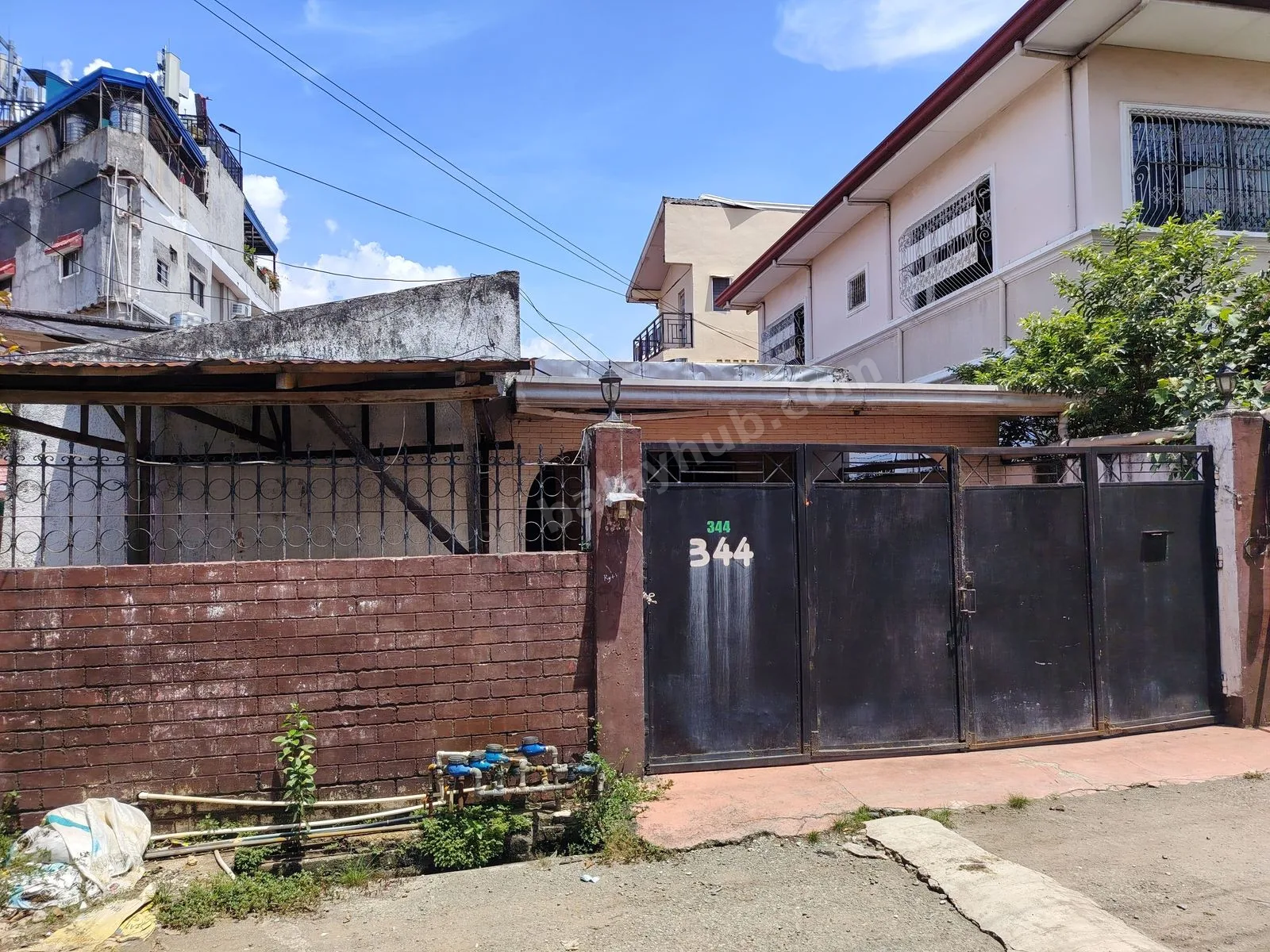
₱15,000,000
DIRECT SELLER | ₱15M House & Lot | San Antonio Village, V. RAMA Cebu City | 198 sqm | 4BR
Cebu
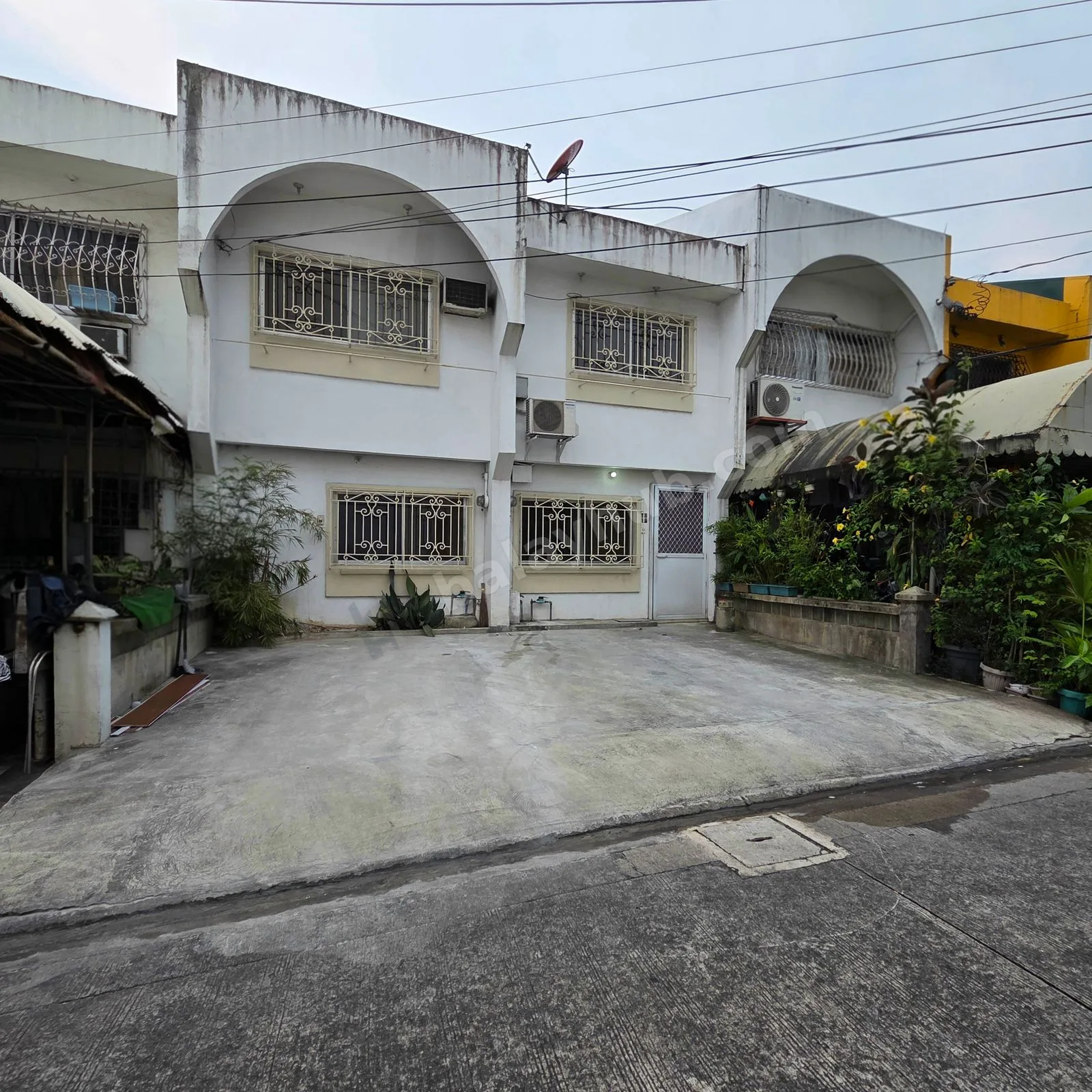
₱16,000,000
Mandaluyong Townhouse For Sale - 3 Bedroom, 3 Bath, 2 Parking, 90 sqm Lot, 24/7 Guard, Not Flooded
Mandaluyong
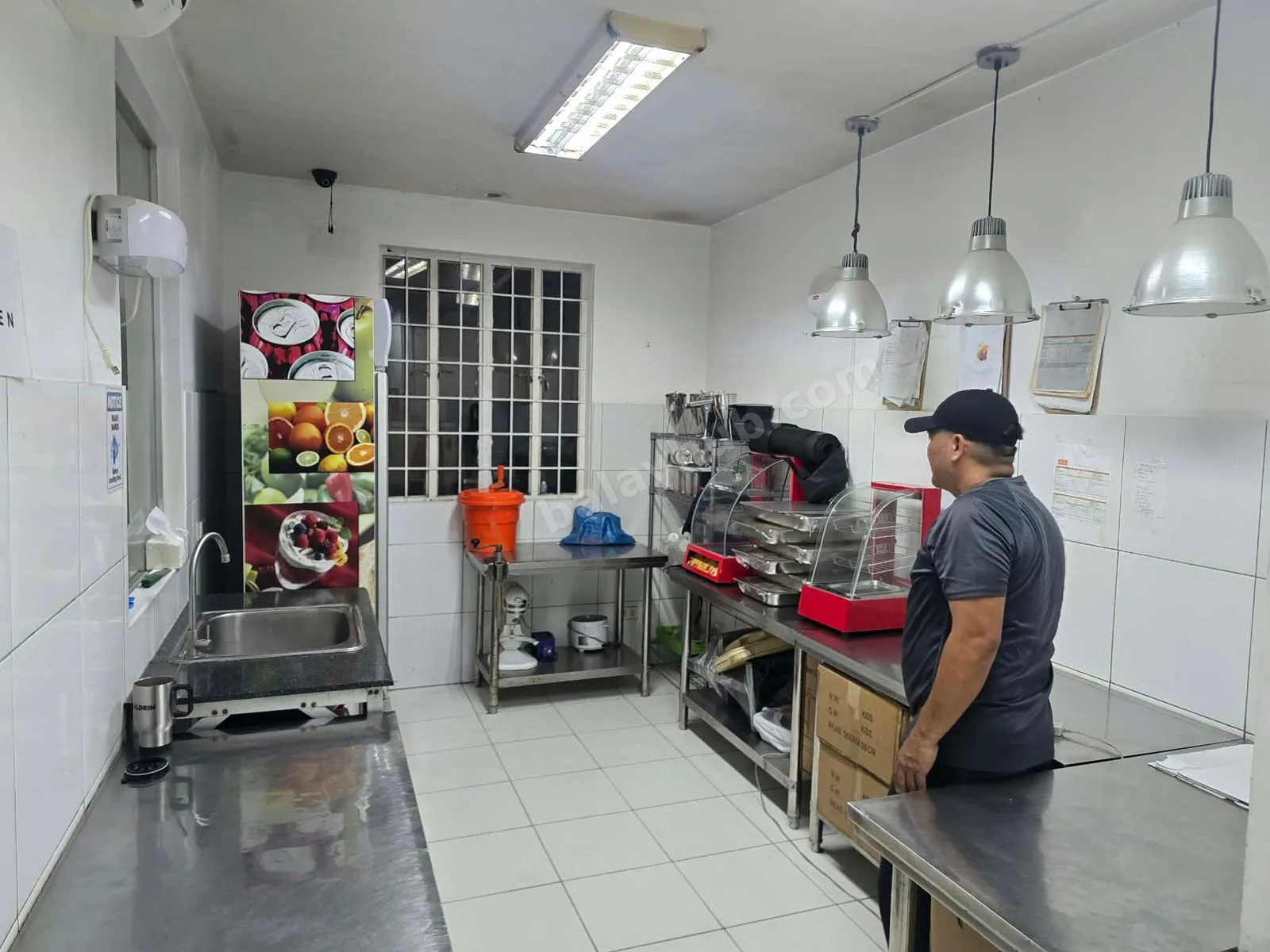
₱13,500,000
270 SQM Commercial Property for Sale or Rent – Ideal for Commissary, Catering & Business Operations
Muntinlupa
Read next
How to Read a Land Title in the Philippines, Field by Field
How to read a land title in the Philippines: the TCT number and transfer line, the owner block, the technical description, the encumbrances, how to verify.
Buying a Resale Condo in the Philippines: Due Diligence List
Buying a resale condo in the Philippines: the CCT check, the dues clearance and Section 18 certificate, the 40% foreign cap, who pays the 6% and the 1.5%.
Building Permit Cost Philippines: Steps, Who Signs (2026)
Building permit cost in the Philippines: ₱6.00 per sqm for a house, the clearances before it, who signs the plans, the 15-day rule, and the Fire Code tax.