
Jun 25, 2026 · by BalayHub Admin · 12 min read
Cost of Living in the Philippines 2026: Budget by City
What does it really cost to live in the Philippines in 2026? A detailed monthly budget, rent, food, utilities, transport, healthcare, with city ranges from Manila to Dumaguete.

How much does it cost to live in the Philippines? A 2026 monthly budget guide
There is no single number, and anyone who gives you one is selling something. What it costs to live in the Philippines depends on two things above all: which city you pick, and the life you want to live in it. A frugal single person in a provincial town can be comfortable on ₱25,000 (about $400 / €344) a month. A family renting a three-bedroom in a prime Makati tower can spend ten times that and still feel the pinch.
This guide breaks the question into the parts that actually move your budget, gives realistic 2026 ranges for each, and shows how the same lifestyle costs wildly different amounts depending on where you plant it. Treat every figure here as a range to plan around, not a quote. Prices shift by neighborhood, season and your own habits, so confirm the specifics before you commit.
Why people do the math in the first place
For a lot of people the appeal is simple: your money buys a kind of life here that costs a fortune elsewhere. Warm weather all year, a low cost of everyday living, and the sea rarely more than a bus ride away.
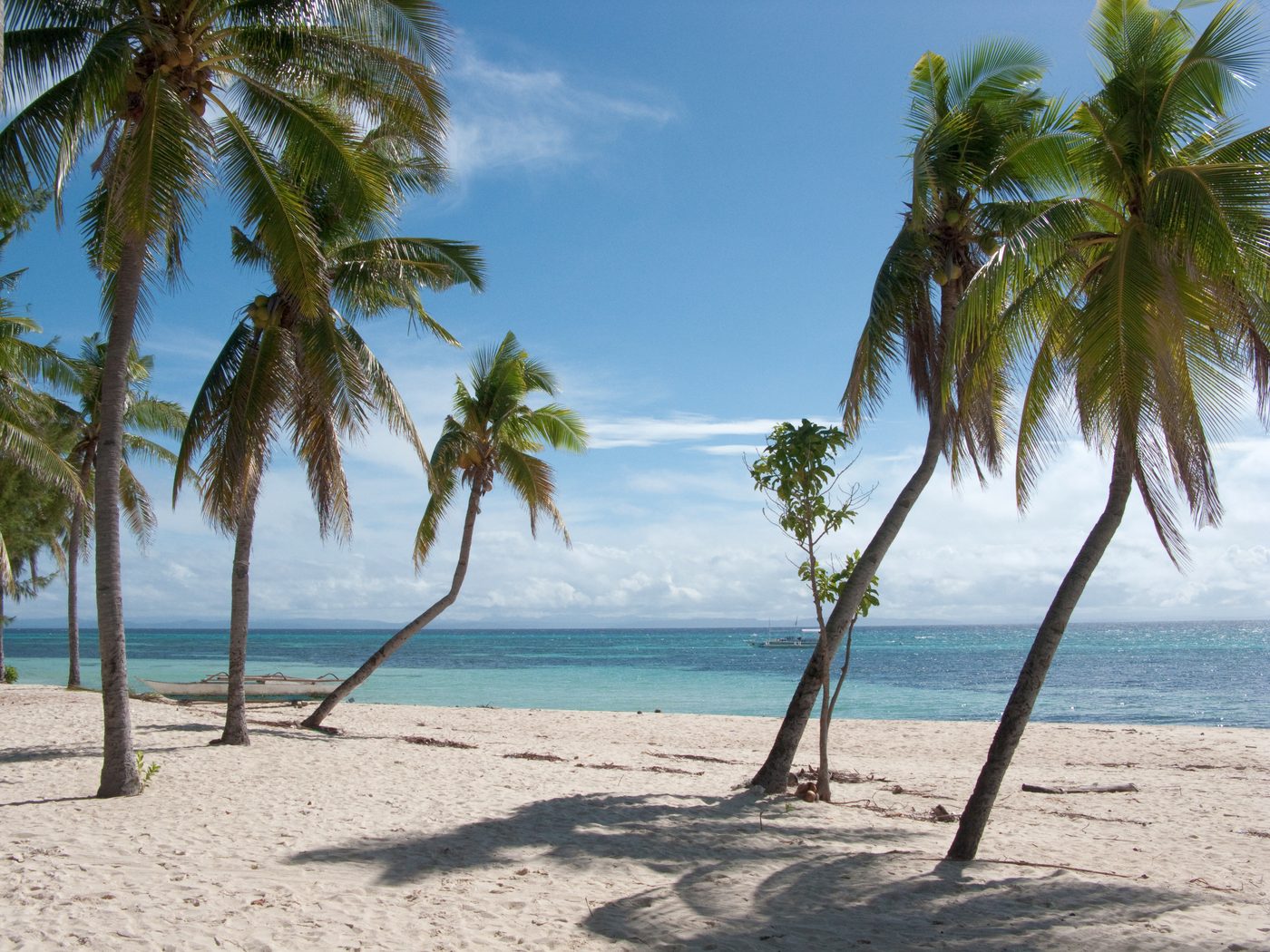
That is the pull. The push, once you arrive, is that a city budget and a province budget are two different animals. So let us build the budget from the ground up.
The five things that decide your monthly budget
Almost everything you spend falls into five buckets. Get these right and the rest is rounding.
- Rent, the single biggest line for most people, and the one that swings hardest by location.
- Food, cheap if you cook and shop wet markets, expensive if you live on mall restaurants and imported goods.
- Utilities, electricity is the surprise, because air-conditioning is the national budget-killer.
- Transport, almost free if you ride jeepneys, a real cost if you Grab everywhere or own a car.
- Healthcare, low for routine care, but worth insuring against the big bills.
Rent: where your location bill lands
Rent is where the city you choose hits your wallet hardest. A bare studio in a provincial town can go for ₱6,000 to ₱10,000 (about $96 to $160 / €83 to €138) a month. The same studio in Cebu or Quezon City runs ₱12,000 to ₱20,000 (about $192 to $320 / €165 to €275), and in the prime stretches of Makati or BGC a one-bedroom comfortably clears ₱30,000 to ₱45,000 (about $480 to $720 / €413 to €620).
The honest way to price a specific area is to look at the rate per square meter rather than the headline rent. Our price per square meter tool shows the live median sale and rent figures city by city, so you can see exactly where a place sits before you visit. When you are ready for actual units, browse what is available to rent and filter by city.
A few rules of thumb that save money: unfurnished costs less than furnished but front-loads a brutal first month of appliance buying; expect to need two months deposit plus one month advance in cash just to move in; and in a condo, always ask whether the monthly association dues are on you or the landlord, because they can add a few thousand pesos you did not budget for.
Food: the gap between the market and the mall
Food is the bucket you control most. Shop a wet market and cook at home and a single person can eat well on ₱6,000 to ₱9,000 (about $96 to $144 / €83 to €124) a month. Eat most meals out and that climbs fast: a meal at a local carinderia runs ₱60 to ₱120 (about $0.96 to $1.9 / €0.83 to €1.7), a mall fast-food combo ₱150 to ₱250 (about $2.4 to $4 / €2.1 to €3.4), and a sit-down restaurant dinner for two ₱800 to ₱1,800 (about $13 to $29 / €11 to €25) before drinks.
Imported and branded goods carry a real premium, so a diet built around local rice, vegetables, fish and chicken is far cheaper than one built around cheese, beef and anything that came in a container. Coffee-shop habits add up quietly too: a daily ₱160 (about $2.6 / €2.2) latte is nearly ₱5,000 (about $80 / €69) a month on its own.
Utilities: aircon is the budget-killer
Electricity is the line that shocks newcomers, and the culprit is almost always air-conditioning. A modest unit with light aircon use might see a ₱2,000 to ₱4,000 (about $32 to $64 / €28 to €55) monthly Meralco bill; run the aircon hard in a poorly insulated condo and ₱6,000 to ₱9,000 (about $96 to $144 / €83 to €124) is easy. Water is cheap by comparison, usually ₱300 to ₱800 (about $4.8 to $13 / €4.1 to €11). Home fiber internet runs ₱1,500 to ₱2,500 (about $24 to $40 / €21 to €34) for a solid plan, which matters a great deal if you work online.
Transport: from nearly free to a real expense
This is the bucket with the widest spread. Live near where you work and ride public transport and your monthly transport bill can be under ₱2,000 (about $32 / €28): a jeepney ride still starts around ₱13 (about $0.21 / €0.18), a tricycle hop ₱20 to ₱50 (about $0.32 to $0.80 / €0.28 to €0.69), and the MRT and LRT in Metro Manila cost a few pesos per trip. Lean on Grab for everything and you will spend ₱8,000 to ₱15,000 (about $128 to $240 / €110 to €207) a month. Owning a car adds fuel, parking, insurance and the slow grind of traffic on top.
The practical lesson runs straight back to rent: paying a little more to live near your work or a train line often costs less than the cheaper-but-far unit once you add the fares and the hours.
Healthcare: cheap routine care, insure the rest
Day-to-day medical costs are low. A GP consultation runs ₱500 to ₱1,000 (about $8 to $16 / €6.9 to €14), and generic medicines are inexpensive. The big bills are hospital stays, and that is what insurance is for. Most employed Filipinos have PhilHealth plus, often, a company HMO; if you are self-employed or an expat, a private HMO or international health plan of ₱2,000 to ₱6,000 (about $32 to $96 / €28 to €83) a month buys real peace of mind. Budget for the routine, insure against the catastrophic.
A monthly budget, three ways
Stack those buckets together and you get three honest profiles. These assume a single person or couple in a mid-sized city; Metro Manila prime districts run higher, the provinces lower.
| Bucket | Frugal local | Comfortable | Expat / premium |
|---|---|---|---|
| Rent | ₱8,000 to ₱13,000 (about $128 to $208 / €110 to €179) | ₱18,000 to ₱28,000 (about $288 to $448 / €248 to €386) | ₱35,000 to ₱60,000 (about $560 to $960 / €482 to €826)+ |
| Food | ₱7,000 to ₱10,000 (about $112 to $160 / €96 to €138) | ₱14,000 to ₱22,000 (about $224 to $352 / €193 to €303) | ₱25,000 to ₱40,000 (about $400 to $640 / €344 to €551) |
| Utilities + internet | ₱3,000 to ₱5,000 (about $48 to $80 / €41 to €69) | ₱5,000 to ₱8,000 (about $80 to $128 / €69 to €110) | ₱9,000 to ₱14,000 (about $144 to $224 / €124 to €193) |
| Transport | ₱1,500 to ₱3,000 (about $24 to $48 / €21 to €41) | ₱5,000 to ₱9,000 (about $80 to $144 / €69 to €124) | ₱12,000 to ₱20,000 (about $192 to $320 / €165 to €275) |
| Healthcare / insurance | ₱500 to ₱2,000 (about $8 to $32 / €6.9 to €28) | ₱2,500 to ₱5,000 (about $40 to $80 / €34 to €69) | ₱6,000 to ₱12,000 (about $96 to $192 / €83 to €165) |
| Rough monthly total | ₱20,000 to ₱33,000 (about $320 to $528 / €275 to €455) | ₱45,000 to ₱72,000 (about $720 to $1,150 / €620 to €992) | ₱90,000 to ₱145,000 (about $1,440 to $2,320 / €1,240 to €2,000)+ |
The frugal column is real life for many locals and budget-minded retirees. The comfortable column is a typical young-professional or small-family target. The premium column is the expat-in-a-prime-tower life. Most people land somewhere between the first two and adjust the dials that matter most to them.
Where you live changes everything
Pick the city before you fine-tune the budget, because location resets every number above. Here is how the main markets compare.
Metro Manila: the most expensive, and the most everything
The capital region is where rent, food and traffic all peak, and also where the jobs, schools and hospitals cluster. Within it the spread is huge.
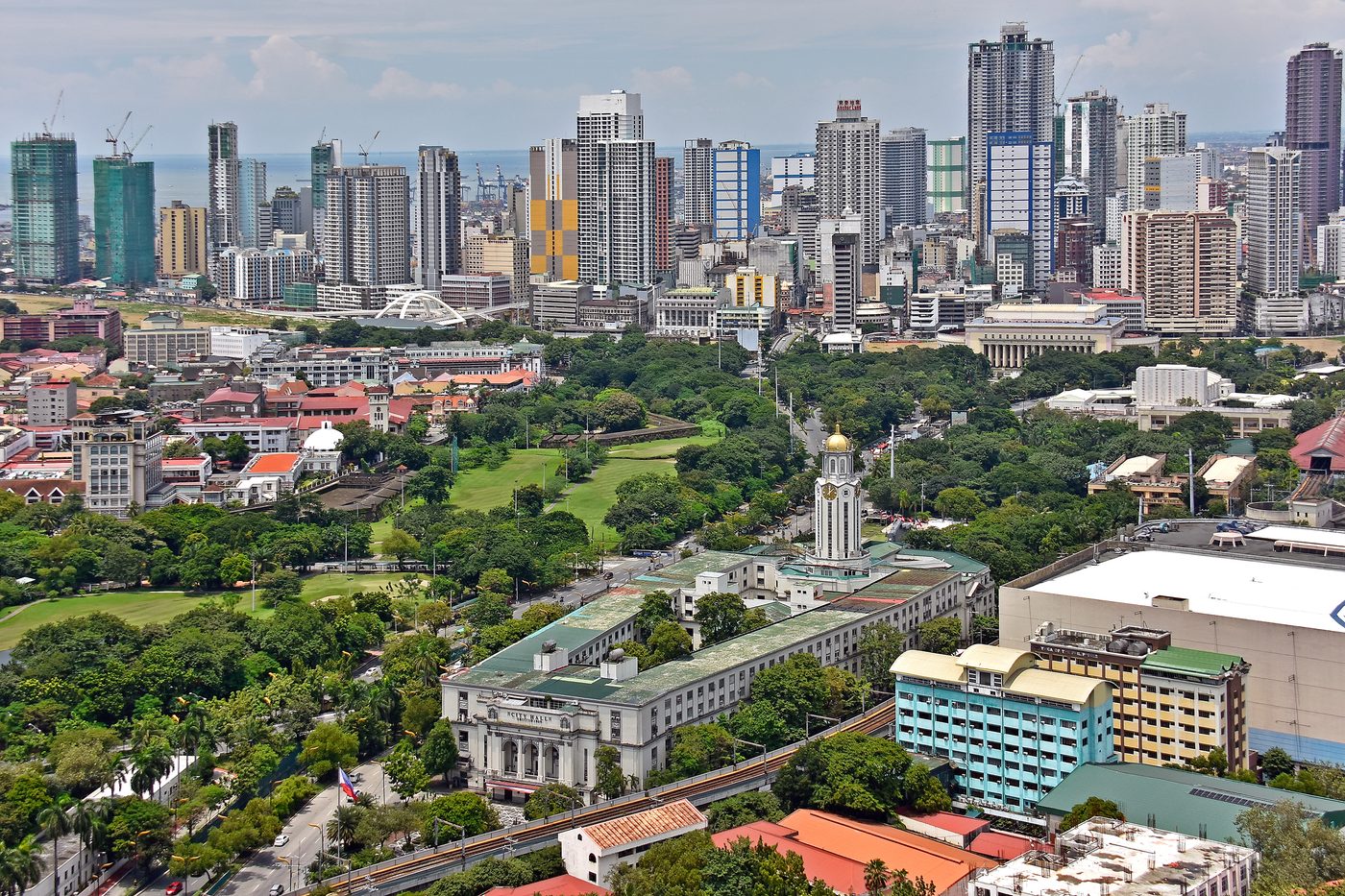
The City of Manila itself, around the university belt and Ermita, is one of the cheaper Metro entry points and popular with students. Makati is the premium end, where a CBD address and the dining that comes with it command the country's top prices. Pasig, built around Ortigas, is the value middle: more space per peso than Makati while staying inside a business district. If the capital is your target, our Metro Manila condo guide breaks the districts down further.
Cebu City: the second city, a notch cheaper
Cebu City gives you a real urban economy, an international airport and a thriving IT-BPO scene, with rent and daily costs that generally sit below Metro Manila. The bonus is the sea: the beaches of Mactan are a short drive away, which is why it draws so many remote workers and expats.
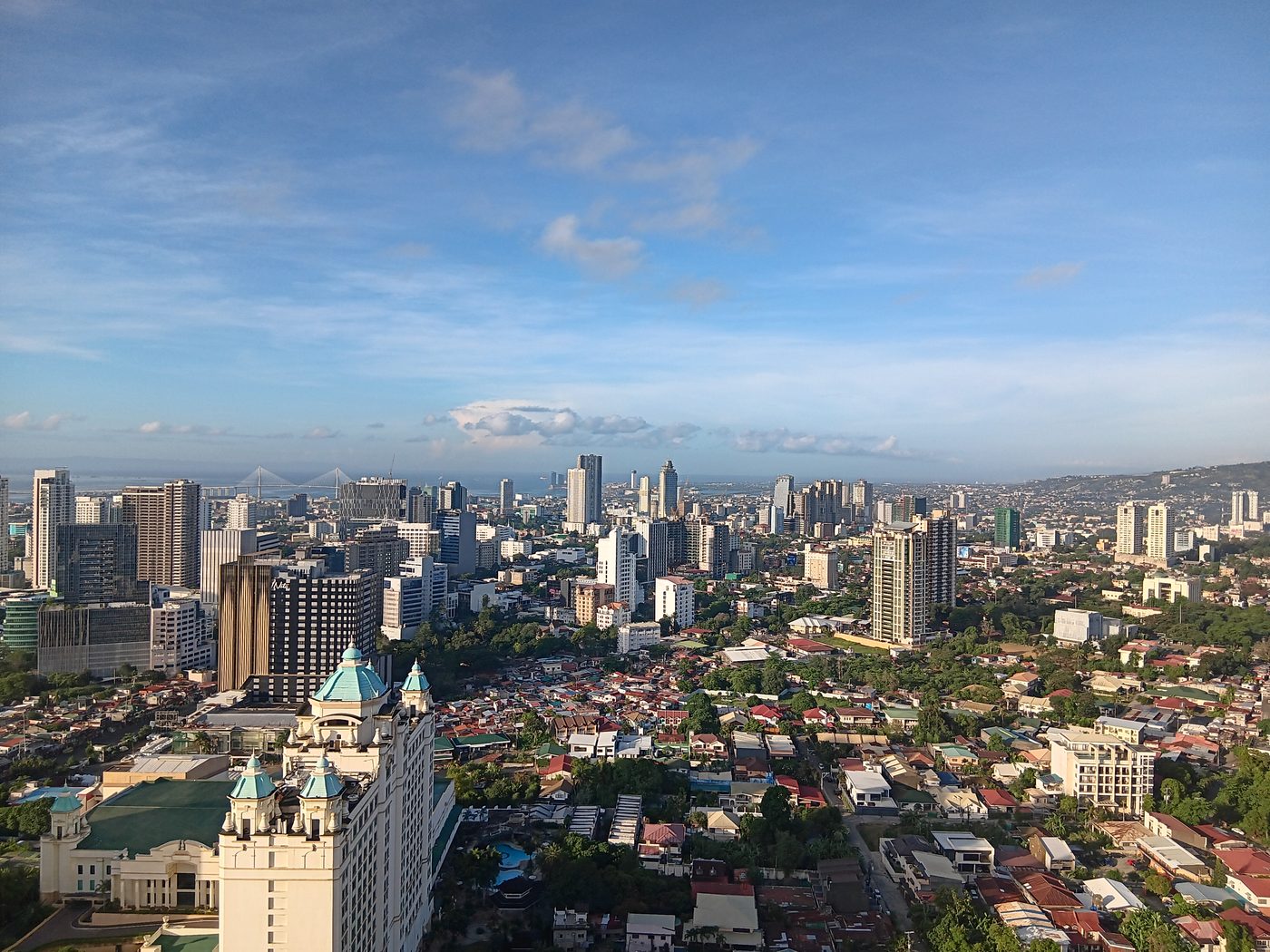
Factor in the occasional island weekend as a real line in a Cebu budget, because you will take them.
Davao and the value of Mindanao
Davao City is the standout for people who want a big-city setup at a noticeably lower cost. It is orderly, green and known for being easy to live in, with cheap food and transport and a calmer pace than Manila.
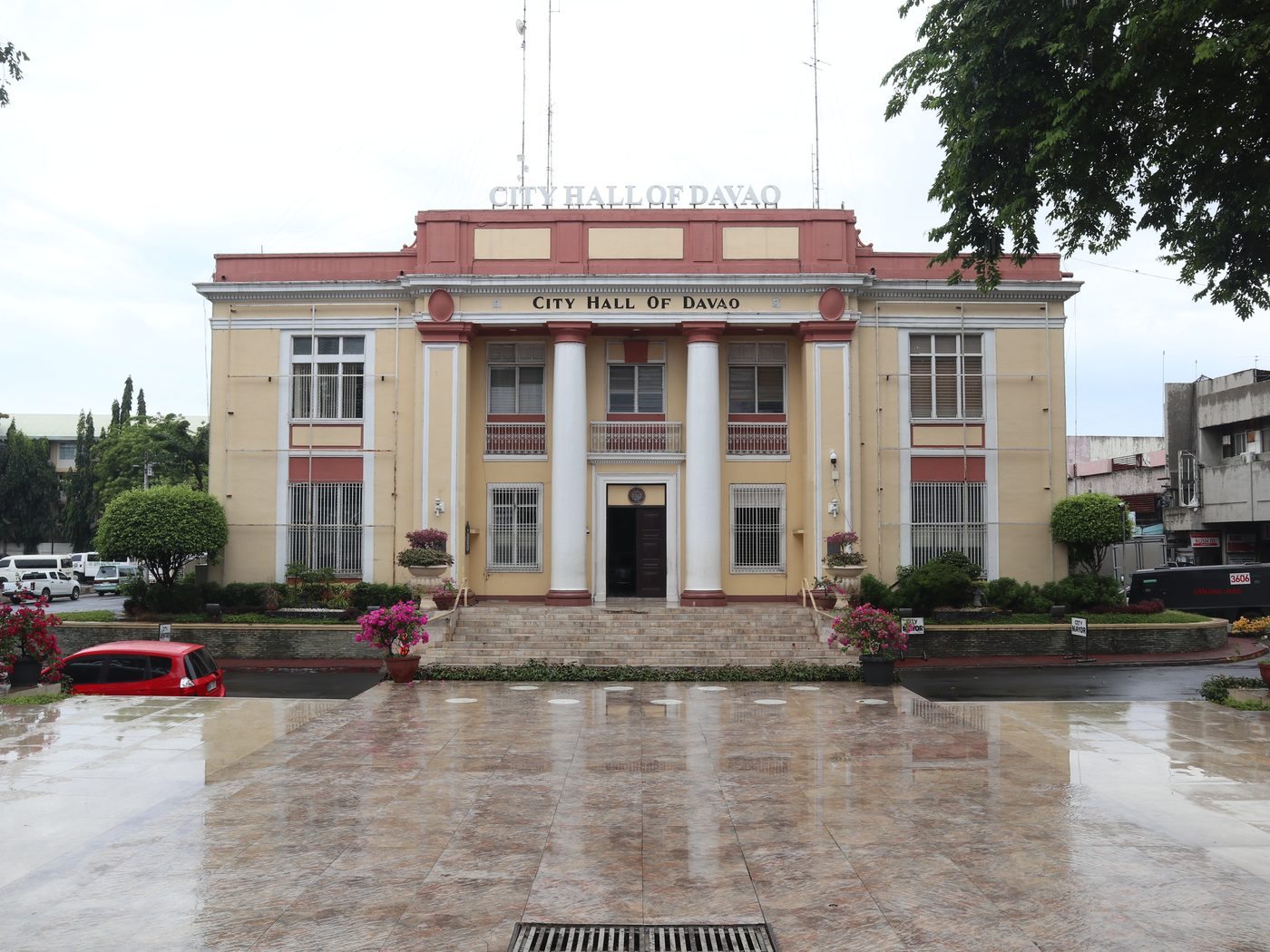
It is a favorite of relocators and retirees who want their pension or salary to stretch further without giving up urban comforts. If that is your situation, our guide to the best places to retire in the Philippines compares the cities built around exactly that math.
Dumaguete and the small-town discount
For the lowest costs of all, smaller cities like Dumaguete are hard to beat. The "City of Gentle People" is walkable, university-flavored and a long-time retiree and expat favorite, with the gentlest rents on this list. You trade some convenience and job options for a budget that goes a long way. For the full city ranking of the cheapest place to live in the Philippines, weighed on cost of living rather than property price, see our dedicated guide.
To put any two of these side by side on hard numbers, the price per square meter tool lets you compare their rent and sale medians directly, and our Manila, Cebu and Davao cost comparison digs into the trade-offs.
The costs people forget to budget
Beyond the monthly buckets, plan for these:
- Move-in cash. Two months deposit plus one month advance means roughly three months of rent up front, before utility deposits.
- Condo association dues. A recurring per-square-meter charge, every month, whether you use the pool or not.
- One-off setup. Appliances, furniture and a few weeks of overlap if you are furnishing a bare unit.
- Visa and paperwork for foreigners, which varies by visa type and is worth pricing before you move.
- A buffer. Aim to keep two to three months of expenses in reserve, because the medical or travel surprise always comes.
For OFWs and remote earners
If your income arrives in dollars, euros or dirhams, the math tilts sharply in your favor: a comfortable local life costs a fraction of what the same standard runs back home. The thing to watch is the exchange rate and the transfer fees, which quietly eat a slice of every remittance. Our remittance affordability tool helps you see how far a monthly send actually goes against local prices, and if you are thinking of buying rather than renting, the Pag-IBIG loan calculator shows the real monthly figure.
So, what is the real number?
For a single person or couple living simply outside the prime Metro Manila districts, a budget of roughly ₱25,000 to ₱40,000 (about $400 to $640 / €344 to €551) a month covers a genuinely comfortable life in 2026. Want the capital, a car, frequent dining out and an expat standard, and you are looking at ₱90,000 (about $1,440 / €1,240) and up. Everyone else lands in between, and the dial you control most is the city you choose and how close you live to the life you actually lead.
Start with the location, price the rent honestly against the per-square-meter figures, then browse real rentals or homes for sale and build the rest of the budget around it.
Go deeper: cost of living, city by city
Costs swing hard by location, so we broke the six biggest markets out into their own detailed guides:
- Cost of living in Manila, the budget Metro entry, student-friendly.
- Cost of living in Makati, the premium CBD at the top of the scale.
- Cost of living in Pasig, the value middle around Ortigas.
- Cost of living in Cebu City, the second city, a notch cheaper with the beach nearby.
- Cost of living in Davao, big-city comforts at a lower cost.
- Cost of living in Dumaguete, the cheapest of the six and a retiree favorite.
Photo credits
All images via Wikimedia Commons, resized for this page:
- Cover, Boracay White Beach: photo by Angelo Juan Ramos, CC BY 2.0.
- Bounty Beach, Malapascua: photo by Vyacheslav Argenberg, CC BY 4.0.
- Manila skyline: photo by Richmond Chi, CC BY-SA 4.0.
- Cebu City skyline: photo by DisRaptor18, CC0.
- Davao City Hall: photo by Patrickroque01, CC BY-SA 4.0.
Dollar and euro figures are approximate conversions at ₱62.5 per US dollar and ₱72.6 per euro (ECB reference rates, 2026-09-08).
Frequently asked questions
How much does it cost to live in the Philippines per month?
For a single person or couple living simply outside the prime Metro Manila districts, roughly ₱25,000 to ₱40,000 (about $400 to $640 / €344 to €551) a month covers a comfortable life in 2026. A capital-city, car-owning, dine-out expat standard runs ₱90,000 (about $1,440 / €1,240) and up. Your city and how close you live to work move the number most.
What is the biggest monthly expense?
Rent, by a wide margin, and it swings hardest by location. Food is next, cheap if you cook and shop wet markets, expensive on mall restaurants and imported goods. The surprise line is electricity, because air-conditioning is the national budget-killer.
Is it cheaper to live in the provinces than in Manila?
Yes, significantly. Metro Manila has the highest rents and daily costs. Cebu City sits a notch below, Davao lower still, and small cities like Dumaguete are the cheapest of all. You trade some job options and convenience for a budget that stretches much further.
How much should I budget for rent?
A bare provincial studio can run ₱6,000 to ₱10,000 (about $96 to $160 / €83 to €138), a Cebu or Quezon City studio ₱12,000 to ₱20,000 (about $192 to $320 / €165 to €275), and a prime Makati or BGC one-bedroom ₱30,000 to ₱45,000 (about $480 to $720 / €413 to €620) or more. Price a specific area by its rate per square meter using our price-per-sqm tool before you visit, and remember you usually need about three months of rent in cash to move in.
Magkano ang gastos sa pamumuhay sa Pilipinas? Isang 2026 monthly budget guide
Walang iisang numero, at kung may nagbibigay sa iyo ng iisang numero, may binebenta iyon. Ang gastos sa pamumuhay sa Pilipinas ay nakasalalay sa dalawang bagay higit sa lahat: kung aling lungsod ang pipiliin mo, at kung anong buhay ang gusto mong itayo doon. Ang matipid na single sa isang probinsyang bayan ay puwedeng maging komportable sa ₱25,000 (mga $400 / €344) kada buwan. Ang pamilyang umuupa ng three-bedroom sa isang prime na Makati tower ay puwedeng gumastos ng sampung beses noon at ramdam pa rin ang hapdi.
Hinahati ng guide na ito ang tanong sa mga bahaging talagang gumagalaw sa budget mo, nagbibigay ng makatotohanang 2026 ranges para sa bawat isa, at ipinapakita kung paano ang parehong lifestyle ay nagkakahalaga ng sobrang magkaibang halaga depende sa kung saan mo itatanim. Ituring ang bawat figure dito bilang range na paplanuhan, hindi quote. Gumagalaw ang presyo ayon sa neighborhood, season, at sa sarili mong mga gawi, kaya kumpirmahin ang mga detalye bago ka mag-commit.
Bakit nagko-compute ang mga tao sa una pa lang
Para sa maraming tao, simple ang appeal: ang pera mo ay nakakabili ng klase ng buhay dito na nagkakahalaga ng malaking kayamanan sa ibang lugar. Mainit na panahon buong taon, mababang gastos sa pang-araw-araw na pamumuhay, at ang dagat ay bihirang lumampas sa isang biyahe ng bus ang layo.
Iyan ang hila. Ang tulak naman, kapag nakarating ka na, ay ang katotohanang magkaibang hayop ang budget sa lungsod at budget sa probinsya. Kaya buuin natin ang budget mula sa simula.
Ang limang bagay na nagpapasya sa monthly budget mo
Halos lahat ng ginagastos mo ay pumapasok sa limang bucket. Ayusin mo ang mga ito at ang natitira ay barya na lang.
- Upa, ang pinakamalaking linya para sa karamihan, at ang pinaka-gumagalaw depende sa lokasyon.
- Pagkain, mura kung nagluluto ka at namamalengke, mahal kung nabubuhay ka sa mall restaurants at imported goods.
- Utilities, ang kuryente ang sorpresa, dahil ang air-conditioning ang pambansang budget-killer.
- Transport, halos libre kung sumasakay ka ng jeep, tunay na gastos kung Grab ka nang Grab o may sariling kotse.
- Healthcare, mababa para sa routine care, pero sulit i-insure laban sa malalaking bills.
Upa: kung saan bumabagsak ang bayarin ng lokasyon mo
Ang upa ang lugar kung saan pinakamalakas tumama sa bulsa mo ang lungsod na pipiliin mo. Ang hubad na studio sa isang probinsyang bayan ay puwedeng ₱6,000 hanggang ₱10,000 (mga $96 hanggang $160 / €83 hanggang €138) kada buwan. Ang parehong studio sa Cebu o Quezon City ay ₱12,000 hanggang ₱20,000 (mga $192 hanggang $320 / €165 hanggang €275), at sa mga prime na bahagi ng Makati o BGC, ang one-bedroom ay komportableng lumalampas sa ₱30,000 hanggang ₱45,000 (mga $480 hanggang $720 / €413 hanggang €620).
Ang tapat na paraan para presyuhan ang isang partikular na lugar ay tingnan ang rate kada square meter imbes na ang headline rent. Ipinapakita ng aming price per square meter tool ang live na median sale at rent figures lungsod por lungsod, para makita mo nang eksakto kung saan nakaupo ang isang lugar bago ka pa bumisita. Kapag handa ka na sa mga aktwal na unit, i-browse kung ano ang available na maupahan at mag-filter ayon sa lungsod.
Ilang rules of thumb na nakakatipid: mas mura ang unfurnished kaysa furnished pero papasanin mo ang mabigat na unang buwan ng pagbili ng appliances; asahan mong kailangan mo ng dalawang buwang deposit at isang buwang advance na cash para lang makalipat; at sa condo, laging itanong kung ang monthly association dues ay sa iyo o sa landlord, dahil puwede itong magdagdag ng ilang libong piso na hindi mo na-budget.
Pagkain: ang agwat sa pagitan ng palengke at ng mall
Ang pagkain ang bucket na pinaka-kontrolado mo. Mamalengke ka at magluto sa bahay at ang isang single ay kayang kumain nang maayos sa ₱6,000 hanggang ₱9,000 (mga $96 hanggang $144 / €83 hanggang €124) kada buwan. Kumain ka ng karamihan ng meals sa labas at mabilis itong aakyat: ang kainan sa lokal na carinderia ay ₱60 hanggang ₱120 (mga $0.96 hanggang $1.9 / €0.83 hanggang €1.7), ang mall fast-food combo ay ₱150 hanggang ₱250 (mga $2.4 hanggang $4 / €2.1 hanggang €3.4), at ang sit-down restaurant dinner para sa dalawa ay ₱800 hanggang ₱1,800 (mga $13 hanggang $29 / €11 hanggang €25) bago pa ang inumin.
Ang imported at branded goods ay may tunay na premium, kaya ang diet na nakabatay sa lokal na bigas, gulay, isda at manok ay mas mura nang malayo kaysa sa nakabatay sa keso, karne ng baka at kahit anong dumating sa container. Tahimik ding nagdadagdag ang mga coffee-shop habit: ang araw-araw na ₱160 (mga $2.6 / €2.2) na latte ay halos ₱5,000 (mga $80 / €69) kada buwan nang mag-isa.
Utilities: ang aircon ang budget-killer
Ang kuryente ang linyang gumugulat sa mga bagong dating, at ang salarin ay halos laging ang air-conditioning. Ang katamtamang unit na magaan ang paggamit ng aircon ay puwedeng may ₱2,000 hanggang ₱4,000 (mga $32 hanggang $64 / €28 hanggang €55) na buwanang Meralco bill; patakbuhin nang husto ang aircon sa isang condo na mahina ang insulation at madaling maabot ang ₱6,000 hanggang ₱9,000 (mga $96 hanggang $144 / €83 hanggang €124). Mura ang tubig kung ikukumpara, karaniwang ₱300 hanggang ₱800 (mga $4.8 hanggang $13 / €4.1 hanggang €11). Ang home fiber internet ay ₱1,500 hanggang ₱2,500 (mga $24 hanggang $40 / €21 hanggang €34) para sa solidong plan, na napakahalaga kung online ka nagtatrabaho.
Transport: mula halos libre hanggang tunay na gastusin
Ito ang bucket na may pinakamalawak na spread. Tumira ka malapit sa trabaho mo at sumakay ng public transport at ang buwanang transport bill mo ay puwedeng mas mababa sa ₱2,000 (mga $32 / €28): ang jeep ay nagsisimula pa rin sa mga ₱13 (mga $0.21 / €0.18), ang isang sakay ng tricycle ay ₱20 hanggang ₱50 (mga $0.32 hanggang $0.80 / €0.28 hanggang €0.69), at ang MRT at LRT sa Metro Manila ay ilang piso lang kada biyahe. Sumandal ka sa Grab para sa lahat at gagastos ka ng ₱8,000 hanggang ₱15,000 (mga $128 hanggang $240 / €110 hanggang €207) kada buwan. Ang pagkakaroon ng kotse ay nagdadagdag ng gasolina, parking, insurance at ang mabagal na dusa ng trapiko sa ibabaw pa.
Ang praktikal na aral ay bumabalik diretso sa upa: ang pagbabayad ng kaunting dagdag para tumira malapit sa trabaho mo o sa isang train line ay madalas mas mura kaysa sa mas-mura-pero-malayong unit kapag idinagdag mo na ang pamasahe at ang mga oras.
Healthcare: murang routine care, i-insure ang iba pa
Mababa ang pang-araw-araw na gastos medikal. Ang konsulta sa GP ay ₱500 hanggang ₱1,000 (mga $8 hanggang $16 / €6.9 hanggang €14), at mura ang mga generic na gamot. Ang malalaking bills ay ang mga hospital stay, at para diyan ang insurance. Karamihan ng mga empleyadong Pilipino ay may PhilHealth at, madalas, company HMO; kung self-employed ka o expat, ang private HMO o international health plan na ₱2,000 hanggang ₱6,000 (mga $32 hanggang $96 / €28 hanggang €83) kada buwan ay bumibili ng tunay na kapanatagan ng loob. Mag-budget para sa routine, mag-insure laban sa sakuna.
Isang monthly budget, tatlong paraan
Pagsama-samahin ang mga bucket na iyon at makakakuha ka ng tatlong tapat na profile. Ipinagpapalagay ng mga ito na single ka o mag-asawa sa isang mid-sized na lungsod; mas mataas sa mga prime district ng Metro Manila, mas mababa sa probinsya.
| Bucket | Matipid na lokal | Komportable | Expat / premium |
|---|---|---|---|
| Upa | ₱8,000 hanggang ₱13,000 (mga $128 hanggang $208 / €110 hanggang €179) | ₱18,000 hanggang ₱28,000 (mga $288 hanggang $448 / €248 hanggang €386) | ₱35,000 hanggang ₱60,000 (mga $560 hanggang $960 / €482 hanggang €826)+ |
| Pagkain | ₱7,000 hanggang ₱10,000 (mga $112 hanggang $160 / €96 hanggang €138) | ₱14,000 hanggang ₱22,000 (mga $224 hanggang $352 / €193 hanggang €303) | ₱25,000 hanggang ₱40,000 (mga $400 hanggang $640 / €344 hanggang €551) |
| Utilities + internet | ₱3,000 hanggang ₱5,000 (mga $48 hanggang $80 / €41 hanggang €69) | ₱5,000 hanggang ₱8,000 (mga $80 hanggang $128 / €69 hanggang €110) | ₱9,000 hanggang ₱14,000 (mga $144 hanggang $224 / €124 hanggang €193) |
| Transport | ₱1,500 hanggang ₱3,000 (mga $24 hanggang $48 / €21 hanggang €41) | ₱5,000 hanggang ₱9,000 (mga $80 hanggang $144 / €69 hanggang €124) | ₱12,000 hanggang ₱20,000 (mga $192 hanggang $320 / €165 hanggang €275) |
| Healthcare / insurance | ₱500 hanggang ₱2,000 (mga $8 hanggang $32 / €6.9 hanggang €28) | ₱2,500 hanggang ₱5,000 (mga $40 hanggang $80 / €34 hanggang €69) | ₱6,000 hanggang ₱12,000 (mga $96 hanggang $192 / €83 hanggang €165) |
| Tantiyang buwanang total | ₱20,000 hanggang ₱33,000 (mga $320 hanggang $528 / €275 hanggang €455) | ₱45,000 hanggang ₱72,000 (mga $720 hanggang $1,150 / €620 hanggang €992) | ₱90,000 hanggang ₱145,000 (mga $1,440 hanggang $2,320 / €1,240 hanggang €2,000)+ |
Ang matipid na column ay totoong buhay para sa maraming lokal at mga retiree na maingat sa budget. Ang komportableng column ay tipikal na target ng young professional o maliit na pamilya. Ang premium column ay ang buhay expat-sa-prime-tower. Karamihan ng tao ay bumabagsak sa pagitan ng unang dalawa at ina-adjust ang mga dial na pinakamahalaga sa kanila.
Binabago ng tirahan mo ang lahat
Piliin muna ang lungsod bago mo i-fine-tune ang budget, dahil nire-reset ng lokasyon ang bawat numero sa itaas. Ganito magkumpara ang mga pangunahing market.
Metro Manila: ang pinakamahal, at ang pinaka-lahat
Ang capital region ang lugar kung saan rurok ang upa, pagkain at trapiko, at doon din nagkukumpulan ang mga trabaho, eskwelahan at ospital. Sa loob nito, napakalaki ng spread.
Ang City of Manila mismo, sa paligid ng university belt at Ermita, ay isa sa mas murang entry point sa Metro at sikat sa mga estudyante. Ang Makati ang premium end, kung saan ang CBD address at ang dining na kasama nito ay nag-uutos ng pinakamataas na presyo sa bansa. Ang Pasig, nakapaligid sa Ortigas, ang value middle: mas maraming espasyo kada piso kaysa Makati habang nananatili sa loob ng isang business district. Kung ang kabisera ang target mo, mas hinihimay pa ng aming Metro Manila condo guide ang mga distrito.
Cebu City: ang second city, isang antas na mas mura
Ang Cebu City ay nagbibigay sa iyo ng tunay na urban economy, international airport at umuusbong na IT-BPO scene, na may upa at pang-araw-araw na gastos na kadalasang nasa ibaba ng Metro Manila. Ang bonus ay ang dagat: ang mga beach ng Mactan ay maikling biyahe lang ang layo, kaya napakarami nitong nahihilang remote workers at expats.
Isama ang paminsan-minsang island weekend bilang tunay na linya sa isang Cebu budget, dahil sisiguradong gagawin mo iyon.
Davao at ang value ng Mindanao
Ang Davao City ang standout para sa mga taong gusto ng big-city setup sa kapansin-pansing mas mababang gastos. Maayos ito, luntian at kilala sa pagiging madaling tirahan, na may murang pagkain at transport at mas kalmadong takbo kaysa Manila.
Paborito ito ng mga lumilipat at mga retiree na gustong umabot pa nang mas malayo ang pension o sweldo nila nang hindi isinusuko ang mga ginhawa ng lungsod.
Dumaguete at ang small-town discount
Para sa pinakamababang gastos sa lahat, mahirap talunin ang mas maliliit na lungsod gaya ng Dumaguete. Ang "City of Gentle People" ay walkable, may lasang unibersidad at matagal nang paborito ng mga retiree at expat, na may pinakamahinahong upa sa listahang ito. Isusuko mo ang kaunting convenience at job options kapalit ng budget na umaabot nang napakalayo.
Para pagtabihin ang kahit alinmang dalawa sa mga ito sa matitigas na numero, hinahayaan ka ng price per square meter tool na ikumpara nang direkta ang kanilang rent at sale medians, at hinuhukay ng aming Manila, Cebu at Davao cost comparison ang mga trade-off.
Ang mga gastos na nakakalimutang i-budget ng mga tao
Lampas sa mga buwanang bucket, magplano para sa mga ito:
- Move-in cash. Ang dalawang buwang deposit at isang buwang advance ay nangangahulugan ng humigit-kumulang tatlong buwang upa nang paunang bayad, bago pa ang mga utility deposit.
- Condo association dues. Isang paulit-ulit na singil kada square meter, buwan-buwan, gamitin mo man ang pool o hindi.
- One-off setup. Appliances, muwebles at ilang linggo ng overlap kung nagfu-furnish ka ng bare unit.
- Visa at papeles para sa mga dayuhan, na nag-iiba depende sa visa type at sulit presyuhan bago ka lumipat.
- Isang buffer. Layunin mong may nakareserbang dalawa hanggang tatlong buwang gastusin, dahil laging dumarating ang sorpresang medikal o pambiyahe.
Para sa mga OFW at remote earners
Kung ang kita mo ay dumarating sa dolyar, euro o dirham, ang math ay malakas na tumatagilid pabor sa iyo: ang komportableng lokal na buhay ay nagkakahalaga ng maliit na bahagi lang ng parehong pamantayan sa pinanggalingan mo. Ang dapat bantayan ay ang exchange rate at ang transfer fees, na tahimik na kumakain ng hiwa sa bawat remittance. Tinutulungan ka ng aming remittance affordability tool na makita kung hanggang saan talaga umaabot ang buwanang padala laban sa mga lokal na presyo, at kung nag-iisip kang bumili imbes na umupa, ipinapakita ng Pag-IBIG loan calculator ang tunay na buwanang figure.
Kaya, ano ba ang tunay na numero?
Para sa isang single o mag-asawang simple ang pamumuhay sa labas ng mga prime district ng Metro Manila, ang budget na humigit-kumulang ₱25,000 hanggang ₱40,000 (mga $400 hanggang $640 / €344 hanggang €551) kada buwan ay sumasakop sa tunay na komportableng buhay sa 2026. Gusto mo ang kabisera, kotse, madalas na kain sa labas at expat standard, at tinitingnan mo ang ₱90,000 (mga $1,440 / €1,240) pataas. Lahat ng iba pa ay bumabagsak sa pagitan, at ang dial na pinaka-kontrolado mo ay ang lungsod na pipiliin mo at kung gaano ka kalapit tumira sa buhay na talagang binubuhay mo.
Magsimula sa lokasyon, presyuhan nang tapat ang upa laban sa per-square-meter figures, tapos mag-browse ng totoong rentals o homes for sale at itayo ang natitirang budget sa paligid nito.
Mas malalim pa: cost of living, lungsod por lungsod
Malakas gumalaw ang gastos depende sa lokasyon, kaya hinati namin ang anim na pinakamalaking market sa kani-kanilang detalyadong guide:
- Cost of living sa Manila, ang budget na entry sa Metro, student-friendly.
- Cost of living sa Makati, ang premium CBD sa tuktok ng scale.
- Cost of living sa Pasig, ang value middle sa paligid ng Ortigas.
- Cost of living sa Cebu City, ang second city, isang antas na mas mura at malapit ang beach.
- Cost of living sa Davao, mga ginhawa ng malaking lungsod sa mas mababang gastos.
- Cost of living sa Dumaguete, ang pinakamura sa anim at paborito ng mga retiree.
Photo credits
Lahat ng larawan ay via Wikimedia Commons, ni-resize para sa pahinang ito:
- Cover, Boracay White Beach: photo ni Angelo Juan Ramos, CC BY 2.0.
- Bounty Beach, Malapascua: photo ni Vyacheslav Argenberg, CC BY 4.0.
- Manila skyline: photo ni Richmond Chi, CC BY-SA 4.0.
- Cebu City skyline: photo ni DisRaptor18, CC0.
- Davao City Hall: photo ni Patrickroque01, CC BY-SA 4.0.
Tinatayang conversion lang ang mga halaga sa dollar at euro, sa ₱62.5 kada US dollar at ₱72.6 kada euro (ECB reference rates, 2026-09-08).
Mga madalas itanong
Magkano ang gastos sa pamumuhay sa Pilipinas kada buwan?
Para sa single o couple na simpleng namumuhay sa labas ng prime Metro Manila districts, mga ₱25,000 hanggang ₱40,000 (mga $400 hanggang $640 / €344 hanggang €551) kada buwan ang sapat para sa komportableng buhay sa 2026. Ang capital-city, may kotse, laging dine-out na expat standard ay ₱90,000 (mga $1,440 / €1,240) pataas. Ang city mo at kung gaano ka kalapit sa trabaho ang pinakanagpapagalaw sa numero.
Ano ang pinakamalaking monthly expense?
Renta, malayo ang lamang, at ito rin ang pinakanag-iiba depende sa lokasyon. Pagkain ang susunod, mura kung nagluluto ka at namimili sa wet market, mahal kung mall restaurants at imported goods. Ang sorpresang linya ay kuryente, dahil ang aircon ang national budget-killer.
Mas mura ba tumira sa probinsya kaysa sa Manila?
Oo, malaki ang tipid. Metro Manila ang may pinakamataas na renta at daily costs. Isang notch sa baba ang Cebu City, mas mababa pa ang Davao, at ang maliliit na city tulad ng Dumaguete ang pinakamura sa lahat. Ang kapalit ay konting job options at convenience, pero mas malayo ang aabutin ng budget mo.
Magkano dapat ang budget ko sa renta?
Ang simpleng provincial studio ay ₱6,000 hanggang ₱10,000 (mga $96 hanggang $160 / €83 hanggang €138), ang studio sa Cebu o Quezon City ay ₱12,000 hanggang ₱20,000 (mga $192 hanggang $320 / €165 hanggang €275), at ang prime Makati o BGC one-bedroom ay ₱30,000 hanggang ₱45,000 (mga $480 hanggang $720 / €413 hanggang €620) o higit pa. I-price ang specific area gamit ang rate per square meter nito sa price-per-sqm tool namin bago ka bumisita, at tandaan na kadalasan kailangan mo ng mga three months of rent na cash para makapag-move in.
Pila ang gasto sa pagpuyo sa Pilipinas? Usa ka 2026 monthly budget guide
Walay usa ka numero, ug kung adunay mohatag nimo og usa ka numero, adunay siyay ginabaligya. Ang gasto sa pagpuyo sa Pilipinas nagdepende sa duha ka butang labaw sa tanan: unsang siyudara ang imong pilion, ug unsang kinabuhia ang gusto nimong ipuyo didto. Ang daginot nga single sa usa ka lungsod sa probinsya mahimong komportable sa ₱25,000 (mga $400 / €344) kada bulan. Ang pamilyang nag-abang og three-bedroom sa usa ka prime nga Makati tower mahimong mogasto og napulo ka pilo niana ug mabati gihapon ang kagot.
Kini nga guide mobahin sa pangutana ngadto sa mga parte nga tinuod nga molihok sa imong budget, mohatag og realistiko nga 2026 ranges para sa matag usa, ug mopakita kung giunsa ang samang lifestyle mahimong magkalahi kaayo og kantidad depende kung asa nimo kini itanom. Isipa ang matag figure dinhi nga range nga planohan, dili quote. Ang presyo mausab depende sa neighborhood, season ug sa imong kaugalingong batasan, mao nga kumpirmaha ang mga detalye una ka mo-commit.
Ngano nga mag-compute man ang mga tawo sa una pa lang
Para sa daghang tawo, simple ra ang appeal: ang imong kwarta makapalit og klase sa kinabuhi dinhi nga bug-at kaayo og presyo sa ubang lugar. Init nga panahon tibuok tuig, ubos nga gasto sa adlaw-adlaw nga pagpuyo, ug ang dagat panagsa ra molapas sa usa ka biyahe sa bus ang kalay-on.
Mao kana ang bira. Ang tulod, inig-abot na nimo, mao nga ang budget sa siyudad ug ang budget sa probinsya duha ka magkalahing hayop. Busa tukoron nato ang budget gikan sa sinugdanan.
Ang lima ka butang nga modesisyon sa imong monthly budget
Halos tanan nimong gasto mahulog sa lima ka bucket. Saktoa kini ug ang nahibilin sinsilyo na lang.
- Abang, ang pinakadako nga linya para sa kadaghanan, ug ang pinakakusog molihok depende sa lokasyon.
- Pagkaon, barato kung magluto ka ug mamalit sa merkado, mahal kung magpuyo ka sa mall restaurants ug imported goods.
- Utilities, ang kuryente mao ang sorpresa, kay ang air-conditioning mao ang nasudnong budget-killer.
- Transport, halos libre kung mosakay ka og jeep, tinuod nga gasto kung mag-Grab ka bisan asa o adunay kay sakyanan.
- Healthcare, ubos para sa routine care, pero angay i-insure batok sa dagko nga bills.
Abang: asa mahulog ang bayronon sa imong lokasyon
Ang abang mao ang lugar diin ang siyudad nga imong gipili pinakakusog moigo sa imong bulsa. Ang hubo nga studio sa usa ka lungsod sa probinsya mahimong ₱6,000 hangtod ₱10,000 (mga $96 hangtod $160 / €83 hangtod €138) kada bulan. Ang samang studio sa Cebu o Quezon City moabot og ₱12,000 hangtod ₱20,000 (mga $192 hangtod $320 / €165 hangtod €275), ug sa mga prime nga bahin sa Makati o BGC, ang one-bedroom komportable nga molapas sa ₱30,000 hangtod ₱45,000 (mga $480 hangtod $720 / €413 hangtod €620).
Ang matinud-anon nga paagi sa pag-presyo sa usa ka partikular nga lugar mao ang pagtan-aw sa rate kada square meter imbes sa headline rent. Ang among price per square meter tool mopakita sa live nga median sale ug rent figures siyudad por siyudad, para makita nimo og eksakto kung asa naglingkod ang usa ka lugar una ka pa mobisita. Kung andam na ka sa aktwal nga mga unit, i-browse kung unsa ang available nga maabangan ug i-filter matag siyudad.
Pipila ka rules of thumb nga makadaginot: mas barato ang unfurnished kaysa furnished pero bug-at ang unang bulan sa pagpalit og appliances; dahoma nga kinahanglan ka og duha ka bulan nga deposit ug usa ka bulan nga advance nga cash para lang makabalhin; ug sa condo, kanunay pangutan-a kung ang monthly association dues sa imo ba o sa landlord, kay makadugang kini og pipila ka libo ka pesos nga wala nimo gi-budget.
Pagkaon: ang gintang tali sa merkado ug sa mall
Ang pagkaon mao ang bucket nga pinaka-kontrolado nimo. Pamalit sa merkado ug pagluto sa balay ug ang usa ka single makakaon og maayo sa ₱6,000 hangtod ₱9,000 (mga $96 hangtod $144 / €83 hangtod €124) kada bulan. Kaon sa gawas sa kadaghanan sa mga meals ug paspas kining mosaka: ang kaon sa lokal nga carinderia ₱60 hangtod ₱120 (mga $0.96 hangtod $1.9 / €0.83 hangtod €1.7), ang mall fast-food combo ₱150 hangtod ₱250 (mga $2.4 hangtod $4 / €2.1 hangtod €3.4), ug ang sit-down restaurant dinner para sa duha ₱800 hangtod ₱1,800 (mga $13 hangtod $29 / €11 hangtod €25) wala pa ang ilimnon.
Ang imported ug branded goods adunay tinuod nga premium, mao nga ang diet nga gitukod sa lokal nga bugas, utanon, isda ug manok mas barato og layo kaysa sa gitukod sa keso, karne sa baka ug bisan unsa nga miabot sa container. Ang mga batasan sa coffee shop hilom usab nga modugang: ang adlaw-adlaw nga ₱160 (mga $2.6 / €2.2) nga latte halos ₱5,000 (mga $80 / €69) kada bulan nga siya ra.
Utilities: ang aircon mao ang budget-killer
Ang kuryente mao ang linya nga makakurat sa mga bag-ohan, ug ang sad-an halos kanunay ang air-conditioning. Ang kasarangan nga unit nga gaan ang paggamit sa aircon mahimong adunay ₱2,000 hangtod ₱4,000 (mga $32 hangtod $64 / €28 hangtod €55) nga binulan nga Meralco bill; padagana og kusog ang aircon sa usa ka condo nga huyang ang insulation ug sayon ra ang ₱6,000 hangtod ₱9,000 (mga $96 hangtod $144 / €83 hangtod €124). Barato ang tubig kung itandi, kasagaran ₱300 hangtod ₱800 (mga $4.8 hangtod $13 / €4.1 hangtod €11). Ang home fiber internet ₱1,500 hangtod ₱2,500 (mga $24 hangtod $40 / €21 hangtod €34) para sa lig-on nga plan, nga importante kaayo kung online ka nagtrabaho.
Transport: gikan sa halos libre ngadto sa tinuod nga gasto
Kini ang bucket nga adunay pinakalapad nga spread. Puyo duol sa imong trabahoan ug sakay og public transport ug ang imong binulan nga transport bill mahimong ubos sa ₱2,000 (mga $32 / €28): ang sakay sa jeep magsugod gihapon sa mga ₱13 (mga $0.21 / €0.18), ang usa ka lukso sa tricycle ₱20 hangtod ₱50 (mga $0.32 hangtod $0.80 / €0.28 hangtod €0.69), ug ang MRT ug LRT sa Metro Manila pipila ra ka pesos kada biyahe. Salig sa Grab para sa tanan ug mogasto ka og ₱8,000 hangtod ₱15,000 (mga $128 hangtod $240 / €110 hangtod €207) kada bulan. Ang pagbaton og sakyanan modugang og gasolina, parking, insurance ug ang hinay nga paantos sa trapiko sa ibabaw pa.
Ang praktikal nga leksyon mobalik og diretso sa abang: ang pagbayad og gamay nga dugang para mopuyo duol sa imong trabahoan o sa usa ka train line kasagaran mas barato kaysa sa mas-barato-pero-layo nga unit inig-dugang na nimo sa plete ug sa mga oras.
Healthcare: barato nga routine care, i-insure ang uban
Ubos ang adlaw-adlaw nga gastong medikal. Ang konsulta sa GP ₱500 hangtod ₱1,000 (mga $8 hangtod $16 / €6.9 hangtod €14), ug barato ang mga generic nga tambal. Ang dagko nga bills mao ang mga pag-admit sa ospital, ug para ana ang insurance. Kadaghanan sa mga empleyado nga Pilipino adunay PhilHealth ug, kasagaran, company HMO; kung self-employed ka o expat, ang private HMO o international health plan nga ₱2,000 hangtod ₱6,000 (mga $32 hangtod $96 / €28 hangtod €83) kada bulan mopalit og tinuod nga kalinaw sa hunahuna. Pag-budget para sa routine, pag-insure batok sa katalagman.
Usa ka monthly budget, tulo ka paagi
Tapoka ang maong mga bucket ug makakuha ka og tulo ka matinud-anon nga profile. Kini nagdahom nga single ka o magtiayon sa usa ka mid-sized nga siyudad; mas taas sa mga prime district sa Metro Manila, mas ubos sa probinsya.
| Bucket | Daginot nga lokal | Komportable | Expat / premium |
|---|---|---|---|
| Abang | ₱8,000 hangtod ₱13,000 (mga $128 hangtod $208 / €110 hangtod €179) | ₱18,000 hangtod ₱28,000 (mga $288 hangtod $448 / €248 hangtod €386) | ₱35,000 hangtod ₱60,000 (mga $560 hangtod $960 / €482 hangtod €826)+ |
| Pagkaon | ₱7,000 hangtod ₱10,000 (mga $112 hangtod $160 / €96 hangtod €138) | ₱14,000 hangtod ₱22,000 (mga $224 hangtod $352 / €193 hangtod €303) | ₱25,000 hangtod ₱40,000 (mga $400 hangtod $640 / €344 hangtod €551) |
| Utilities + internet | ₱3,000 hangtod ₱5,000 (mga $48 hangtod $80 / €41 hangtod €69) | ₱5,000 hangtod ₱8,000 (mga $80 hangtod $128 / €69 hangtod €110) | ₱9,000 hangtod ₱14,000 (mga $144 hangtod $224 / €124 hangtod €193) |
| Transport | ₱1,500 hangtod ₱3,000 (mga $24 hangtod $48 / €21 hangtod €41) | ₱5,000 hangtod ₱9,000 (mga $80 hangtod $144 / €69 hangtod €124) | ₱12,000 hangtod ₱20,000 (mga $192 hangtod $320 / €165 hangtod €275) |
| Healthcare / insurance | ₱500 hangtod ₱2,000 (mga $8 hangtod $32 / €6.9 hangtod €28) | ₱2,500 hangtod ₱5,000 (mga $40 hangtod $80 / €34 hangtod €69) | ₱6,000 hangtod ₱12,000 (mga $96 hangtod $192 / €83 hangtod €165) |
| Banabana nga total kada bulan | ₱20,000 hangtod ₱33,000 (mga $320 hangtod $528 / €275 hangtod €455) | ₱45,000 hangtod ₱72,000 (mga $720 hangtod $1,150 / €620 hangtod €992) | ₱90,000 hangtod ₱145,000 (mga $1,440 hangtod $2,320 / €1,240 hangtod €2,000)+ |
Ang daginot nga column tinuod nga kinabuhi para sa daghang lokal ug mga retiree nga mabinantayon sa budget. Ang komportable nga column mao ang tipikal nga target sa young professional o gamay nga pamilya. Ang premium column mao ang kinabuhi nga expat-sa-prime-tower. Kadaghanan sa mga tawo mahulog sa taliwala sa unang duha ug mo-adjust sa mga dial nga pinakaimportante nila.
Ang imong gipuy-an mousab sa tanan
Pilia una ang siyudad una nimo i-fine-tune ang budget, kay ang lokasyon mo-reset sa matag numero sa ibabaw. Ania kung giunsa pagtandi ang mga nag-unang market.
Metro Manila: ang pinakamahal, ug ang pinaka-tanan
Ang capital region mao ang lugar diin ang abang, pagkaon ug trapiko tanan mosaka sa kinatumyan, ug diin usab nagpundok ang mga trabaho, eskwelahan ug ospital. Sulod niini, dako kaayo ang spread.
Ang City of Manila mismo, palibot sa university belt ug Ermita, usa sa mas barato nga entry point sa Metro ug sikat sa mga estudyante. Ang Makati mao ang premium end, diin ang CBD address ug ang dining nga kauban niini nagmando sa pinakataas nga presyo sa nasod. Ang Pasig, gitukod palibot sa Ortigas, mao ang value middle: mas daghang luna kada peso kaysa Makati samtang nagpabilin sulod sa usa ka business district. Kung ang kaulohan ang imong target, ang among Metro Manila condo guide mas detalyado nga mobahin sa mga distrito.
Cebu City: ang second city, usa ka ang-ang nga mas barato
Ang Cebu City mohatag nimo og tinuod nga urban economy, international airport ug nagalambo nga IT-BPO scene, nga ang abang ug adlaw-adlaw nga gasto kasagaran anaa sa ubos sa Metro Manila. Ang bonus mao ang dagat: ang mga baybayon sa Mactan mubo ra nga drive ang kalay-on, mao nga daghan kaayo kining madani nga remote workers ug expats.
Iapil ang panagsa nga island weekend isip tinuod nga linya sa usa ka Cebu budget, kay sigurado nga himoon nimo kana.
Davao ug ang value sa Mindanao
Ang Davao City mao ang standout para sa mga tawong gusto og big-city setup sa mamatikdan nga mas ubos nga gasto. Hapsay kini, lunhaw ug nailhan nga sayon puy-an, nga adunay barato nga pagkaon ug transport ug mas kalma nga dagan kaysa Manila.
Paborito kini sa mga namalhin ug mga retiree nga gusto nga ang ilang pension o sweldo moabot og mas layo nga dili isakripisyo ang mga kaharuhay sa siyudad.
Dumaguete ug ang small-town discount
Para sa pinakaubos nga gasto sa tanan, lisod pildihon ang mas gagmay nga siyudad sama sa Dumaguete. Ang "City of Gentle People" walkable, adunay lami sa unibersidad ug dugay nang paborito sa mga retiree ug expat, nga adunay pinakahinay nga abang niining listahana. Isakripisyo nimo ang gamay nga convenience ug job options baylo sa budget nga moabot og layo kaayo.
Para itapad ang bisan asang duha niini sa gahi nga mga numero, ang price per square meter tool motugot nimo nga itandi og diretso ang ilang rent ug sale medians, ug ang among Manila, Cebu ug Davao cost comparison mokutkot sa mga trade-off.
Ang mga gasto nga makalimtan sa mga tawo nga i-budget
Lapas sa mga binulan nga bucket, pagplano para niini:
- Move-in cash. Ang duha ka bulan nga deposit ug usa ka bulan nga advance nagpasabot og mga tulo ka bulan nga abang nga unahon og bayad, wala pa ang mga utility deposit.
- Condo association dues. Usa ka balik-balik nga singil kada square meter, matag bulan, mogamit ka man sa pool o dili.
- One-off setup. Appliances, muwebles ug pipila ka semana nga overlap kung nag-furnish ka og bare unit.
- Visa ug papeles para sa mga langyaw, nga magkalahi depende sa visa type ug angay presyohan una ka mobalhin.
- Usa ka buffer. Tinguhaa nga adunay reserba nga duha hangtod tulo ka bulan nga gastohonon, kay ang sorpresa nga medikal o pambiyahe kanunay nga moabot.
Para sa mga OFW ug remote earners
Kung ang imong kita moabot sa dolyar, euro o dirham, ang math kusog nga motakilid pabor kanimo: ang komportable nga lokal nga kinabuhi mokantidad og gamay ra nga bahin sa samang sukdanan sa imong gigikanan. Ang angay bantayan mao ang exchange rate ug ang transfer fees, nga hilom nga mokaon og hiwa sa matag remittance. Ang among remittance affordability tool motabang nimo nga makita kung hangtod asa gyud moabot ang binulan nga padala batok sa mga lokal nga presyo, ug kung naghunahuna ka nga mopalit imbes nga mo-abang, ang Pag-IBIG loan calculator mopakita sa tinuod nga binulan nga figure.
Busa, unsa man gyud ang tinuod nga numero?
Para sa usa ka single o magtiayon nga simple ang pagpuyo gawas sa mga prime district sa Metro Manila, ang budget nga mga ₱25,000 hangtod ₱40,000 (mga $400 hangtod $640 / €344 hangtod €551) kada bulan molangkob sa tinuod nga komportable nga kinabuhi sa 2026. Gusto nimo ang kaulohan, sakyanan, kanunay nga kaon sa gawas ug expat standard, ug nagtan-aw ka og ₱90,000 (mga $1,440 / €1,240) pataas. Ang tanang uban mahulog sa taliwala, ug ang dial nga pinaka-kontrolado nimo mao ang siyudad nga imong pilion ug kung unsa ka duol ka mopuyo sa kinabuhi nga tinuod nimong ginapuyo.
Sugdi sa lokasyon, presyoha og tinud-anay ang abang batok sa per-square-meter figures, unya i-browse ang tinuod nga rentals o homes for sale ug tukora ang nahibilin nga budget palibot niini.
Palawom pa: cost of living, siyudad por siyudad
Kusog molihok ang gasto depende sa lokasyon, mao nga among gibahin ang unom ka pinakadako nga market ngadto sa ilang kaugalingong detalyado nga guides:
- Cost of living sa Manila, ang budget nga entry sa Metro, student-friendly.
- Cost of living sa Makati, ang premium CBD sa kinatumyan sa scale.
- Cost of living sa Pasig, ang value middle palibot sa Ortigas.
- Cost of living sa Cebu City, ang second city, usa ka ang-ang nga mas barato ug duol ang beach.
- Cost of living sa Davao, mga kaharuhay sa dakong siyudad sa mas ubos nga gasto.
- Cost of living sa Dumaguete, ang pinakabarato sa unom ug paborito sa mga retiree.
Photo credits
Ang tanang hulagway via Wikimedia Commons, gi-resize para niining panida:
- Cover, Boracay White Beach: photo ni Angelo Juan Ramos, CC BY 2.0.
- Bounty Beach, Malapascua: photo ni Vyacheslav Argenberg, CC BY 4.0.
- Manila skyline: photo ni Richmond Chi, CC BY-SA 4.0.
- Cebu City skyline: photo ni DisRaptor18, CC0.
- Davao City Hall: photo ni Patrickroque01, CC BY-SA 4.0.
Banabana lang ang mga conversion sa dollar ug euro, sa ₱62.5 matag US dollar ug ₱72.6 matag euro (ECB reference rates, 2026-09-08).
Mga kasagarang pangutana
Pila ang gasto sa pagpuyo sa Pilipinas kada bulan?
Para sa single o couple nga simple ra magpuyo gawas sa prime Metro Manila districts, mga ₱25,000 hangtod ₱40,000 (mga $400 hangtod $640 / €344 hangtod €551) kada bulan ang igo na para sa komportable nga kinabuhi sa 2026. Ang capital-city, naay sakyanan, pirmi mag-dine-out nga expat standard kay ₱90,000 (mga $1,440 / €1,240) pataas. Ang imong siyudad ug kung unsa ka kaduol sa trabaho maoy pinakadako og epekto sa numero.
Unsa ang pinakadako nga monthly expense?
Abang, layo ra kaayo ang lamang, ug kini sad ang pinakamagkalahi depende sa lokasyon. Pagkaon ang sunod, barato kung magluto ka ug mamalit sa merkado, mahal kung mall restaurants ug imported goods. Ang makapakuratan nga linya kay kuryente, kay ang aircon maoy national budget-killer.
Mas barato ba magpuyo sa probinsya kaysa sa Manila?
Oo, dako gyud ang matipid. Metro Manila ang naay pinakataas nga abang ug adlaw-adlaw nga gasto. Usa ka ang-ang sa ubos ang Cebu City, mas ubos pa ang Davao, ug ang gagmay nga siyudad sama sa Dumaguete ang pinakabarato sa tanan. Ang bayad kay gamay nga job options ug kasayon, pero mas layo ang maabot sa imong budget.
Pila dapat ang akong budget sa abang?
Ang simple nga provincial studio kay ₱6,000 hangtod ₱10,000 (mga $96 hangtod $160 / €83 hangtod €138), ang studio sa Cebu o Quezon City kay ₱12,000 hangtod ₱20,000 (mga $192 hangtod $320 / €165 hangtod €275), ug ang prime Makati o BGC one-bedroom kay ₱30,000 hangtod ₱45,000 (mga $480 hangtod $720 / €413 hangtod €620) o labaw pa. I-price ang specific nga area gamit ang rate per square meter niini sa among price-per-sqm tool una ka mobisita, ug hinumdomi nga kasagaran kinahanglan ka og mga three months of rent nga cash para maka-move in.
Browse properties on BalayHub
See all listings →

Read next
Commercial Space for Rent Quezon City: Rates by Area (2026)
Commercial space for rent in Quezon City: food stalls from ₱5,500, Cubao ₱800 per sqm, Scout area ₱1,500, Banawe ₱375 to ₱773, and the mall alternative.
Makati vs BGC Condo Investment: Prices, Rents, Yields (2026)
Makati vs BGC condo investment: ₱194,772 against ₱198,063 per sqm, rents by unit type, yields of 5.8% and 6.0%, tenants, vacancy and the foreign cap.
Beachfront Condos in Mactan: Prices, Buildings and Rents
Beachfront condos in Mactan: studios ₱1.95M to ₱4.6M, one bedrooms ₱5.9M to ₱8.5M, rents ₱14,000 to ₱52,000, 22 resort buildings and a 10.8% index yield.