
Jun 2, 2026 · by BalayHub Admin · 7 min read
Cost of Living in Makati 2026: Budget Guide
What it really costs to live in Makati in 2026, the most expensive city in the Philippines alongside BGC. Rent, food, aircon, transport and healthcare broken down by lifestyle, with monthly budget tables and the local cost quirks expats miss.
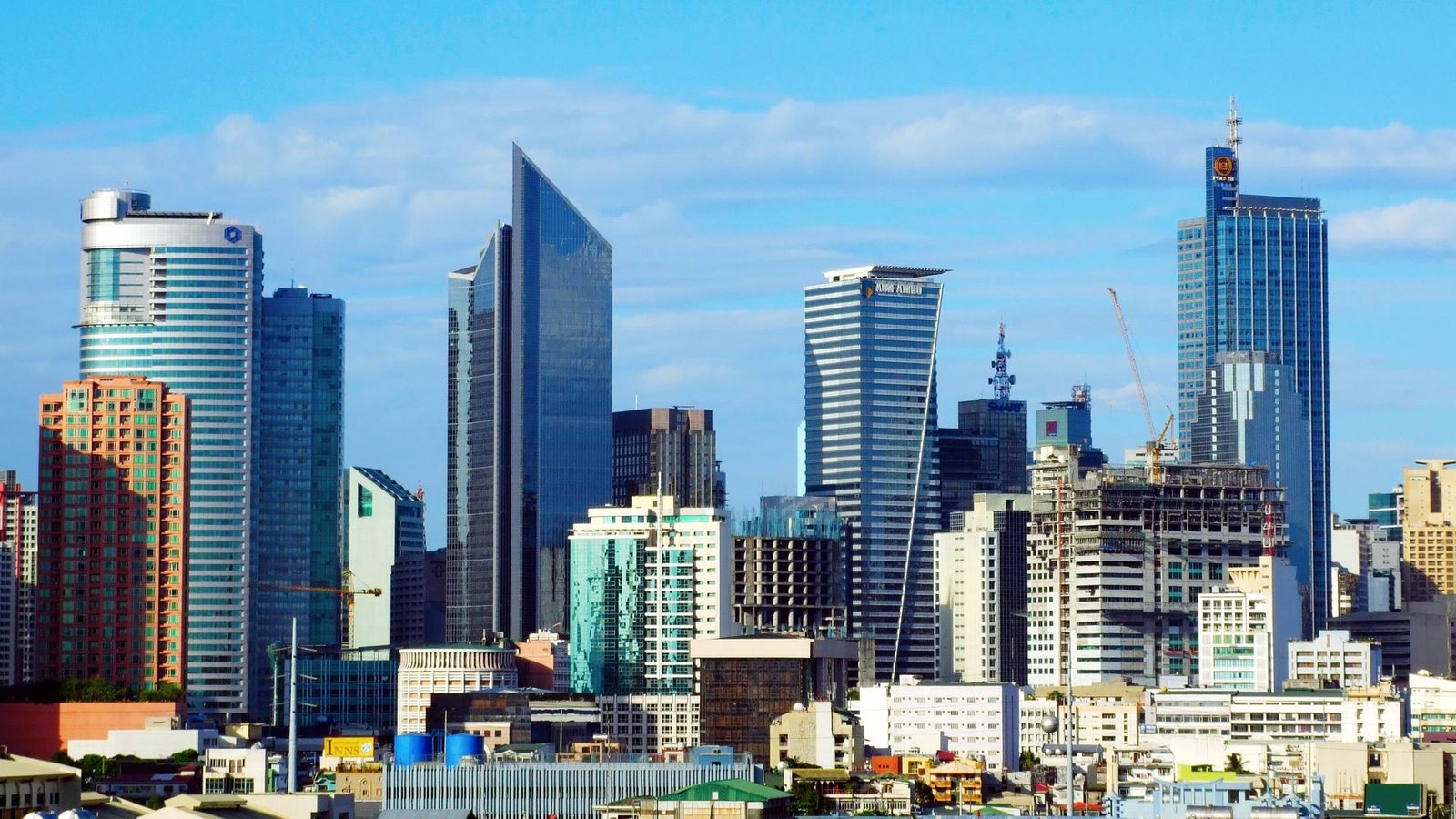
How much does it cost to live in Makati? (2026)
Makati is where the money lives. If you run a business, sit in a regional office, or fly in and out for work, this is the address that tends to win. It is also, alongside BGC, the single most expensive place to live in the Philippines. People pay for it because almost everything they need sits inside a few walkable blocks: the office, the gym, the grocery, the dinner, the bar. That convenience is the whole product, and it is priced accordingly.
So this guide is honest about the tier. Makati is not where you come to stretch a budget. It is where you come to buy back your time and your commute. If that trade makes sense for you, the numbers below will feel reasonable. If it does not, a neighbouring city will do most of the same job for a lot less.
For the bigger picture across the country, the national cost-of-living guide is the place to start. This piece zooms in on the Makati CBD and the streets around it.
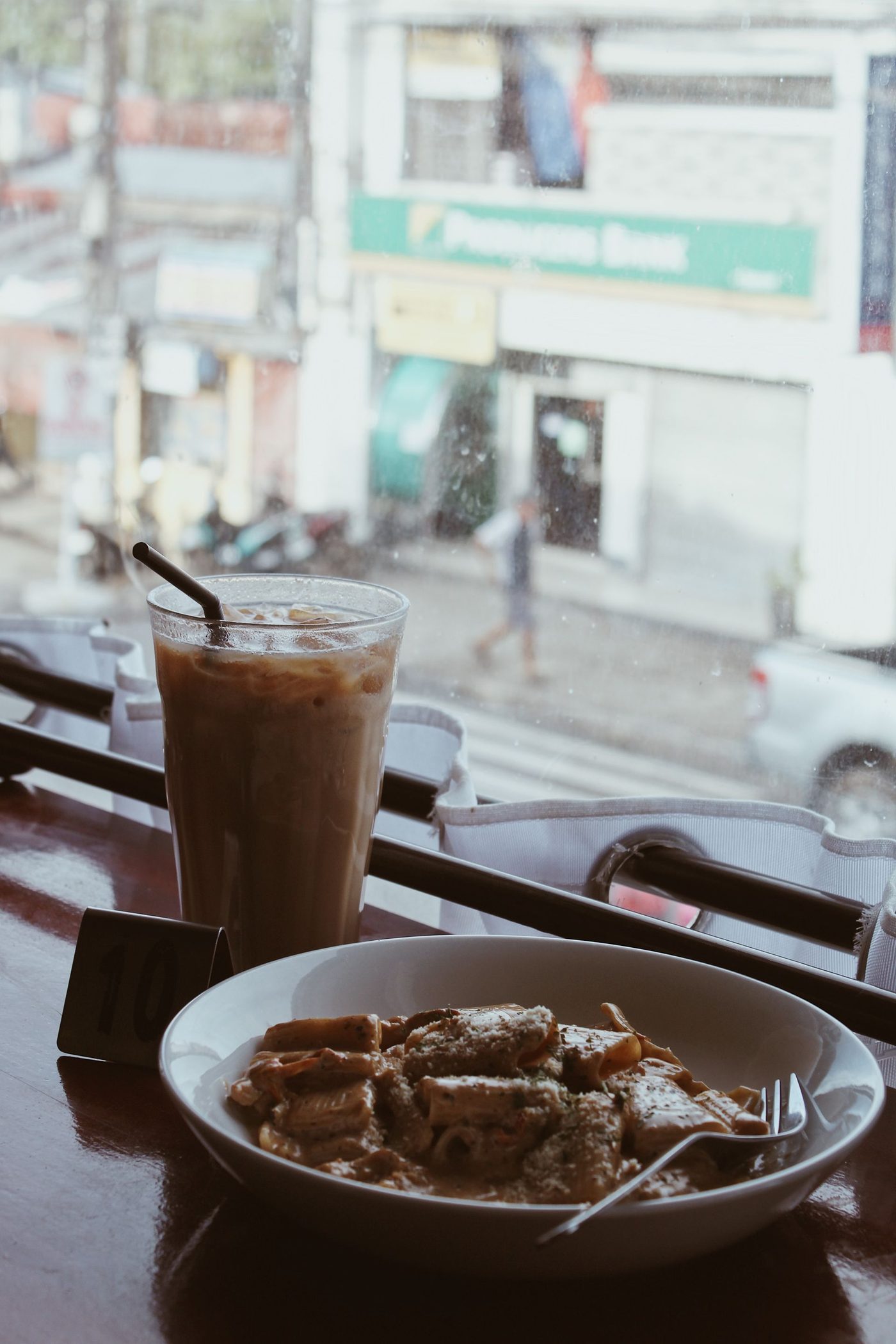
The five things you actually pay for
Rent. This is the line that moves everything else. Makati posts the highest condo rents in the country, with the median sitting somewhere around ₱900 to ₱950 (about $14 to $15 / €12 to €13) per square metre per month based on a solid sample of active listings. A compact one-bedroom of 35 sqm near the core lands you in the mid ₱30,000 (about $480 / €413)s a month at that rate. Stretch to a proper two-bedroom and you are well into six figures. Older buildings off the main avenues run cheaper, and the further you drift from Ayala and Paseo the more the rate softens. Buying tells the same story: median sale prices sit near ₱200,000 (about $3,200 / €2,750) per square metre, the top of the national table. You can sanity-check any unit against the market with the price-per-sqm tool before you sign anything. Browse what is currently live on the Makati condo listings page or the broader rentals section.
Food. Here is where Makati quietly drains a wallet. Cook at home and shop at the wet market or a regular grocery and your food bill barely differs from anywhere else in Metro Manila. But almost nobody who lives in Makati does only that. The pull of Salcedo and Legazpi Village, of Greenbelt and the weekend Salcedo market, is the dining premium. A casual sit-down lunch that costs ₱200 (about $3.2 / €2.8) elsewhere quietly becomes ₱500 (about $8 / €6.9) here, and a nice dinner for two with drinks can clear several thousand without trying. The carinderias and food courts still exist and still feed you well for under ₱150 (about $2.4 / €2.1) a plate. The gap between the two worlds is enormous, and how often you cross it decides your monthly total more than rent ever will.
Utilities, and yes that means aircon. Electricity is the swing factor. Run the air conditioning hard in a glass-walled condo through the hot months and a single unit's Meralco bill can jump a few thousand pesos over a mild month. Water and a fibre internet line are steadier and modest by comparison. Newer towers fold some services into the association dues, which we will come back to, so read what the rent actually covers before you assume.
Transport. This one is the pleasant surprise. If you live and work inside the CBD, transport can cost you almost nothing. People genuinely walk to the office, walk to lunch, walk home. The free Makati shuttle loops the business district, and Grab fills the gaps when it rains. This is the one budget line where Makati can beat cheaper cities outright, because they make you commute and Makati does not. The savings only hold if you actually live near where you work. Live in Makati and work in Ortigas or BGC and you hand the advantage straight back.
Healthcare. The big private hospitals and clinics are close and excellent, which is part of the appeal for older expats and families. Routine consultations and meds are reasonable; serious care without insurance is not. Most people in this tier carry private cover, and budgeting a monthly premium is the sensible move.
> Reality check: every peso figure below comes from active listings and current market rates. They are ranges, not quotes. Verify before you commit.
Monthly budget by lifestyle
These three profiles assume you live in Makati. Rent dominates, so the spread is wide.
| Monthly cost (PHP) | Lean professional | Comfortable expat | Executive |
|---|---|---|---|
| Rent | 28,000 to 38,000 | 55,000 to 80,000 | 120,000+ |
| Food and dining | 15,000 to 22,000 | 30,000 to 45,000 | 60,000+ |
| Utilities + aircon | 4,000 to 7,000 | 8,000 to 13,000 | 15,000+ |
| Transport | 1,000 to 4,000 | 5,000 to 10,000 | 15,000+ |
| Healthcare / insurance | 3,000 to 6,000 | 8,000 to 15,000 | 20,000+ |
| Rough monthly total | 51,000 to 77,000 | 106,000 to 163,000 | 230,000+ |
The lean column is a real condo near the edge of the district, cooking most nights, eating out as a treat. The comfortable column is the typical relocated expat: a decent two-bedroom, regular Greenbelt dinners, a private insurance plan. The executive column has no real ceiling, because at that point you are buying the best of everything Makati sells.
Who thrives here, and who won't
Makati rewards a specific person. If your job is in or near the CBD, if you value walking over commuting, and if the dining and nightlife scene is a feature rather than a temptation you cannot control, you will love it and you will probably feel it is worth the money. High earners, regional executives, and expats on a housing allowance fit the city like a glove.
It punishes everyone else. If you are trying to save aggressively, if you work outside the district, or if you would happily trade a five-minute walk to dinner for a thousand square feet more space, Makati will feel like paying premium rent for a lifestyle you are not using. Plenty of people are better served one city over. Pasig gives you space and value, and the city of Manila gives you history and lower rents, both at a real discount to this.
Two Makati cost quirks worth flagging
Association dues. In the premium towers this is not a rounding error. Dues are charged per square metre and the nicer the building, the higher the rate, so a large unit in a flagship tower can add a meaningful sum on top of rent every month for the pool, the gym, the lobby, and the security. Always ask whether the quoted rent includes dues or sits on top of them. The answer changes your real cost more than most people expect.
The dining premium is a choice, until it isn't. Living surrounded by Salcedo and Legazpi's restaurants means the easy option is always the expensive one. There is no judgement in it, but be clear-eyed: a person who eats out four nights a week in Makati spends on food what a person in a cheaper city spends on rent. Budget for the habit you will actually have, not the disciplined one you imagine.
The honest bottom line
Makati is expensive on purpose, and for the right person the price buys something real: time, walkability, and a lifestyle clustered into a few blocks you never have to leave. For the wrong person it is just a high bill. Know which one you are before you sign a year-long lease.
Ready to see what your money buys here? Start with the Makati city guide, browse current condo listings, and run any unit through the price-per-sqm tool so you walk in knowing the number.
If the budget points to buying rather than renting, the best condos in Makati guide sets out what each district's towers ask.
Dollar and euro figures are approximate conversions at ₱62.5 per US dollar and ₱72.6 per euro (ECB reference rates, 2026-09-08).
Frequently asked questions
How much does it cost to live in Makati per month in 2026?
A lean professional living near the edge of the CBD and cooking most nights runs roughly PHP 51,000 to 77,000 (about $816 to $1,230 / €702 to €1,060) a month. A comfortable expat with a two-bedroom and regular dining out lands around PHP 106,000 to 163,000 (about $1,700 to $2,610 / €1,460 to €2,250), while executive living starts at PHP 230,000 (about $3,680 / €3,170) and up. Rent is the line that moves everything else. These are ranges from active listings, so verify before you commit.
Why is Makati so expensive compared to other cities?
Makati posts the highest condo rents in the country, with a median around PHP 900 to 950 (about $14 to $15 / €12 to €13) per square metre per month and sale prices near PHP 200,000 (about $3,200 / €2,750) per square metre, the top of the national table. You are paying for a walkable CBD where the office, gym, grocery and dinner all sit within a few blocks. The dining premium around Salcedo, Legazpi and Greenbelt adds to it.
Can you save money on transport in Makati?
Yes, if you live and work inside the CBD. People genuinely walk to the office, lunch and home, and the free Makati shuttle loops the district, so transport can cost almost nothing. The catch is that the saving only holds if your workplace is in or near Makati. Live here and commute to BGC or Ortigas and you hand the advantage straight back.
What hidden costs should I check before renting in Makati?
Two big ones. Premium condo association dues are charged per square metre and can add a meaningful sum on top of rent each month, so always ask whether the quoted rent includes them. And electricity, mainly air conditioning, can swing a few thousand pesos higher through the hot months in a glass-walled condo. Check what the rent actually covers before you sign.
Magkano ang gastos sa pamumuhay sa Makati? (2026)
Ang Makati ang tirahan ng pera. Kung may negosyo ka, nakaupo ka sa isang regional office, o palipad-lipad ka para sa trabaho, ito ang address na kadalasang panalo. Pero ito rin, kasabay ng BGC, ang pinakamahal na lugar na matitirhan sa buong Pilipinas. Binabayaran ito ng mga tao dahil halos lahat ng kailangan nila ay nasa loob lang ng ilang blocks na kayang lakarin: ang opisina, ang gym, ang grocery, ang dinner, ang bar. Ang convenience na iyon ang mismong produkto, at naka-presyo ito nang naaayon.
Kaya prangka ang guide na ito tungkol sa tier. Hindi ka pumupunta sa Makati para pagkasyahin ang budget. Pumupunta ka rito para bilhin pabalik ang oras mo at ang commute mo. Kung makatuwiran para sa iyo ang trade na iyon, magiging reasonable ang mga numero sa ibaba. Kung hindi, may kalapit na lungsod na gagawa ng halos parehong trabaho sa mas mababang halaga.
Para sa mas malawak na larawan sa buong bansa, ang national cost-of-living guide ang tamang panimulan. Ang artikulong ito ay naka-zoom sa Makati CBD at sa mga kalye sa paligid nito.
Ang limang bagay na talagang binabayaran mo
Rent. Ito ang linya na gumagalaw sa lahat ng iba pa. Ang Makati ang may pinakamataas na condo rent sa buong bansa, na ang median ay umiikot sa mga ₱900 to ₱950 (mga $14 hanggang $15 / €12 hanggang €13) per square metre kada buwan base sa isang solidong sample ng mga active listing. Sa rate na iyan, ang isang compact na one-bedroom na 35 sqm malapit sa core ay papatak sa mid ₱30,000 (mga $480 / €413)s kada buwan. Kung aabot ka sa isang tunay na two-bedroom, siguradong nasa six figures ka na. Mas mura ang mga lumang building na malayo sa main avenues, at habang lumalayo ka sa Ayala at Paseo, lalong lumalambot ang rate. Ganoon din ang kuwento sa pagbili: ang median sale price ay nasa bandang ₱200,000 (mga $3,200 / €2,750) per square metre, ang tuktok ng national table. Puwede mong i-sanity check ang kahit anong unit laban sa market gamit ang price-per-sqm tool bago ka pumirma ng kahit ano. I-browse ang mga kasalukuyang naka-live sa Makati condo listings page o sa mas malawak na rentals section.
Pagkain. Dito tahimik na nauubos ang wallet sa Makati. Magluto ka sa bahay at mamili sa wet market o sa ordinaryong grocery, at halos walang pinagkaiba ang food bill mo sa kahit saan sa Metro Manila. Pero halos walang nakatira sa Makati na ganoon lang ang ginagawa. Ang hatak ng Salcedo at Legazpi Village, ng Greenbelt at ng weekend Salcedo market, iyan ang dining premium. Ang casual sit-down lunch na ₱200 (mga $3.2 / €2.8) sa ibang lugar ay tahimik na nagiging ₱500 (mga $8 / €6.9) dito, at ang isang masarap na dinner para sa dalawa na may drinks ay kayang lumampas ng ilang libo nang hindi mo namamalayan. Nandiyan pa rin ang mga carinderia at food court at busog ka pa rin sa under ₱150 (mga $2.4 / €2.1) kada plato. Napakalaki ng agwat ng dalawang mundo, at kung gaano ka kadalas tumatawid diyan ang magpapasya sa monthly total mo, higit pa sa rent.
Utilities, at oo kasama na diyan ang aircon. Ang kuryente ang swing factor. Patakbuhin mo nang todo ang air conditioning sa isang glass-walled condo sa mga buwan ng tag-init, at ang Meralco bill ng isang unit ay kayang tumalon nang ilang libong piso kumpara sa isang malamig na buwan. Mas steady at katamtaman lang ang tubig at ang fibre internet line. Sa mga mas bagong tower, may mga serbisyong nakapasok na sa association dues, na babalikan natin, kaya basahin muna kung ano talaga ang sakop ng rent bago ka mag-assume.
Transport. Ito ang magandang sorpresa. Kung nakatira at nagtatrabaho ka sa loob ng CBD, halos wala kang magagastos sa transport. Talagang naglalakad ang mga tao papuntang opisina, papuntang lunch, pauwi. Umiikot sa business district ang libreng Makati shuttle, at si Grab ang tagapuno ng kulang kapag umuulan. Ito ang nag-iisang budget line kung saan kayang talunin ng Makati ang mga mas murang lungsod nang tahasan, dahil pinapa-commute ka nila at ang Makati ay hindi. Pero hahawak lang ang savings kung talagang malapit ka sa pinagtatrabahuhan mo. Tumira ka sa Makati tapos magtrabaho sa Ortigas o BGC, at ibinalik mo agad ang advantage.
Healthcare. Malapit at mahuhusay ang mga malalaking pribadong ospital at clinic, na bahagi ng appeal para sa mga mas matandang expat at mga pamilya. Reasonable ang mga routine consultation at gamot; ang seryosong pangangalaga nang walang insurance ay hindi. Karamihan ng tao sa tier na ito ay may private cover, at ang pag-budget ng monthly premium ang matinong hakbang.
> Reality check: bawat peso figure sa ibaba ay galing sa mga active listing at kasalukuyang market rates. Mga range ang mga ito, hindi quotes. I-verify bago ka mag-commit.
Monthly budget ayon sa lifestyle
Ang tatlong profile na ito ay nag-a-assume na nakatira ka sa Makati. Ang rent ang nangingibabaw, kaya malawak ang spread.
| Monthly cost (PHP) | Lean professional | Comfortable expat | Executive |
|---|---|---|---|
| Rent | 28,000 to 38,000 | 55,000 to 80,000 | 120,000+ |
| Food and dining | 15,000 to 22,000 | 30,000 to 45,000 | 60,000+ |
| Utilities + aircon | 4,000 to 7,000 | 8,000 to 13,000 | 15,000+ |
| Transport | 1,000 to 4,000 | 5,000 to 10,000 | 15,000+ |
| Healthcare / insurance | 3,000 to 6,000 | 8,000 to 15,000 | 20,000+ |
| Rough monthly total | 51,000 to 77,000 | 106,000 to 163,000 | 230,000+ |
Ang lean column ay isang totoong condo malapit sa gilid ng district, nagluluto halos gabi-gabi, at kumakain sa labas bilang treat lang. Ang comfortable column ang tipikal na relocated expat: disenteng two-bedroom, regular na Greenbelt dinner, private insurance plan. Ang executive column ay walang tunay na ceiling, dahil sa puntong iyon binibili mo na ang best of everything na tinitinda ng Makati.
Sino ang aangat dito, at sino ang hindi
May partikular na taong ginagantimpalaan ang Makati. Kung ang trabaho mo ay nasa loob o malapit sa CBD, kung mas pinahahalagahan mo ang paglalakad kaysa pag-commute, at kung ang dining at nightlife scene ay feature para sa iyo sa halip na tuksong hindi mo kayang kontrolin, mamahalin mo ito at malamang pakiramdam mo ay sulit ang pera. Ang mga high earner, regional executive, at mga expat na may housing allowance ay bagay na bagay sa lungsod na ito.
Pinaparusahan nito ang lahat ng iba pa. Kung sinusubukan mong mag-ipon nang agresibo, kung nagtatrabaho ka sa labas ng district, o kung masaya kang ipagpalit ang five-minute walk papuntang dinner para sa isang libong square feet na dagdag na espasyo, mararamdaman mong para kang nagbabayad ng premium rent para sa isang lifestyle na hindi mo naman ginagamit. Maraming tao ang mas mapaglilingkuran ng katabing lungsod. Ang Pasig ay nagbibigay sa iyo ng espasyo at value, at ang lungsod ng Manila ay nagbibigay ng kasaysayan at mas mababang rent, parehong may tunay na discount kumpara dito.
Dalawang cost quirk ng Makati na dapat banggitin
Association dues. Sa mga premium tower, hindi ito maliit na bagay. Sinisingil ang dues per square metre, at habang mas maganda ang building, mas mataas ang rate, kaya ang isang malaking unit sa isang flagship tower ay kayang magdagdag ng malaking halaga sa ibabaw ng rent buwan-buwan para sa pool, sa gym, sa lobby, at sa security. Laging itanong kung kasama na ang dues sa quoted rent o nakapatong pa ito. Ang sagot ay nagbabago sa tunay mong gastos nang higit pa sa inaasahan ng karamihan.
Ang dining premium ay pagpili, hanggang hindi na. Ang pamumuhay na napapaligiran ng mga restaurant ng Salcedo at Legazpi ay nangangahulugang ang madaling opsyon ay laging ang mahal. Walang paghusga dito, pero maging malinaw ang mata: ang taong kumakain sa labas apat na gabi kada linggo sa Makati ay gumagastos sa pagkain nang katumbas ng ginagastos sa rent ng isang tao sa mas murang lungsod. Mag-budget para sa ugali na talagang magkakaroon ka, hindi sa disiplinadong bersyon na iniimagine mo.
Ang prangkang bottom line
Sinadyang mahal ang Makati, at para sa tamang tao, ang presyo ay bumibili ng totoong bagay: oras, walkability, at isang lifestyle na naka-cluster sa ilang blocks na hindi mo na kailangang lisanin. Para sa maling tao, mataas na bill lang ito. Alamin kung alin ka sa dalawa bago ka pumirma ng isang taong lease.
Ready ka na bang makita kung ano ang kayang bilhin ng pera mo dito? Magsimula sa Makati city guide, i-browse ang kasalukuyang condo listings, at ipasok ang kahit anong unit sa price-per-sqm tool para pumasok kang alam na ang numero.
Kung ang budget ay tumuturo sa pagbili sa halip na pag-upa, inilalatag ng gabay sa pinakamagandang condo sa Makati kung magkano ang hinihingi ng mga tower sa bawat distrito.
Tinatayang conversion lang ang mga halaga sa dollar at euro, sa ₱62.5 kada US dollar at ₱72.6 kada euro (ECB reference rates, 2026-09-08).
Mga madalas itanong
Magkano ang gastos sa pamumuhay sa Makati kada buwan sa 2026?
Ang tipid na professional na nakatira malapit sa gilid ng CBD at halos laging nagluluto ay gagastos ng humigit-kumulang PHP 51,000 to 77,000 (mga $816 hanggang $1,230 / €702 hanggang €1,060) kada buwan. Ang komportableng expat na may two-bedroom at regular na dining out ay papatak sa mga PHP 106,000 to 163,000 (mga $1,700 hanggang $2,610 / €1,460 hanggang €2,250), habang ang executive living ay nagsisimula sa PHP 230,000 (mga $3,680 / €3,170) pataas. Ang rent ang linyang nagpapagalaw sa lahat ng iba pa. Galing ang mga range na ito sa active listings, kaya i-verify muna bago mag-commit.
Bakit ang mahal ng Makati kumpara sa ibang lungsod?
Makati ang may pinakamataas na condo rents sa bansa, na may median na mga PHP 900 to 950 (mga $14 hanggang $15 / €12 hanggang €13) kada square metre kada buwan at sale prices na malapit sa PHP 200,000 (mga $3,200 / €2,750) kada square metre, ang tuktok ng national table. Binabayaran mo ang walkable na CBD kung saan ang office, gym, grocery at dinner ay nasa loob lang ng ilang blocks. Dagdag pa rito ang dining premium sa paligid ng Salcedo, Legazpi at Greenbelt.
Makakatipid ba sa transport sa Makati?
Oo, kung nakatira at nagtatrabaho ka sa loob ng CBD. Talagang naglalakad ang mga tao papuntang office, lunch at pauwi, at may libreng Makati shuttle na umiikot sa district, kaya pwedeng halos wala kang gastos sa transport. Ang catch, tumatama lang ang tipid kung nasa Makati o malapit dito ang trabaho mo. Kapag dito ka nakatira pero sa BGC o Ortigas ka nagko-commute, ibinabalik mo agad ang advantage.
Anong hidden costs ang dapat kong tingnan bago umupa sa Makati?
Dalawa ang malaki. Ang association dues ng premium condos ay sinisingil kada square metre at pwedeng makadagdag ng malaki sa renta kada buwan, kaya laging itanong kung kasama na ito sa quoted rent. At ang kuryente, pangunahin ang aircon, ay pwedeng tumaas ng ilang libong piso sa mga buwan ng init sa glass-walled na condo. Alamin kung ano talaga ang saklaw ng renta bago pumirma.
Pila ang gasto sa pagpuyo sa Makati? (2026)
Ang Makati mao ang puloy-anan sa kwarta. Kung naa kay negosyo, naglingkod ka sa usa ka regional office, o sige kag lupad-lupad para sa trabaho, kini ang address nga kasagaran modaog. Apan kini usab, uban sa BGC, ang pinakamahal nga lugar nga kapuy-an sa tibuok Pilipinas. Ginabayran kini sa mga tawo kay halos tanan nilang gikinahanglan naa ra sulod sa pipila ka blocks nga malakaw ra: ang opisina, ang gym, ang grocery, ang dinner, ang bar. Kanang convenience mao mismo ang produkto, ug gipresyohan kini nga angay.
Mao nga prangka kini nga guide bahin sa tier. Ang Makati dili mao ang lugar nga adtoon nimo para pahaluagon ang budget. Moadto ka dinhi para paliton og balik ang imong oras ug ang imong commute. Kung makatarunganon kana nga trade para nimo, mabati nimo nga reasonable ang mga numero sa ubos. Kung dili, adunay silingan nga siyudad nga mohimo sa halos parehong trabaho sa mas barato kaayo.
Para sa mas dako nga hulagway sa tibuok nasod, ang national cost-of-living guide mao ang maayong sugdanan. Kini nga artikulo naka-zoom sa Makati CBD ug sa mga dalan libot niini.
Ang lima ka butang nga imo gyung ginabayran
Rent. Kini ang linya nga mopalihok sa tanan. Ang Makati ang adunay pinakataas nga condo rent sa tibuok nasod, ug ang median naa sa mga ₱900 to ₱950 (mga $14 hangtod $15 / €12 hangtod €13) per square metre kada bulan base sa usa ka solidong sample sa mga active listing. Sa maong rate, ang usa ka compact nga one-bedroom nga 35 sqm duol sa core mopatak sa mid ₱30,000 (mga $480 / €413)s kada bulan. Kung mokuha ka og tinuod nga two-bedroom, sigurado nga naa na ka sa six figures. Mas barato ang mga karaan nga building nga layo sa main avenues, ug kung molayo ka gikan sa Ayala ug Paseo, mas mohumok ang rate. Parehas ra ang istorya sa pagpalit: ang median sale price naa sa mga ₱200,000 (mga $3,200 / €2,750) per square metre, ang kinatas-an sa national table. Pwede nimo i-sanity check ang bisan unsang unit batok sa market gamit ang price-per-sqm tool sa dili pa ka mopirma og bisan unsa. I-browse ang mga naka-live karon sa Makati condo listings page o sa mas lapad nga rentals section.
Pagkaon. Dinhi hilom nga mahurot ang wallet sa Makati. Magluto ka sa balay ug mamalit sa wet market o sa ordinaryong grocery, ug halos walay kalainan ang imong food bill sa bisan asa sa Metro Manila. Apan halos walay nagpuyo sa Makati nga kana ra ang ginabuhat. Ang danyag sa Salcedo ug Legazpi Village, sa Greenbelt ug sa weekend Salcedo market, mao kana ang dining premium. Ang casual sit-down lunch nga ₱200 (mga $3.2 / €2.8) sa ubang lugar hilom nga mahimong ₱500 (mga $8 / €6.9) dinhi, ug ang nindot nga dinner para sa duha nga adunay drinks kayang molapas og pila ka libo nga wala nimo mabantayi. Naa gihapon ang mga carinderia ug food court ug mabusog gihapon ka sa ubos sa ₱150 (mga $2.4 / €2.1) kada plato. Dako kaayo ang gintang sa duha ka kalibutan, ug kung unsa ka ka kanunay motabok didto ang modesisyon sa imong monthly total, labaw pa sa rent.
Utilities, ug oo apil na ana ang aircon. Ang kuryente ang swing factor. Padagana og kusog ang air conditioning sa usa ka glass-walled condo panahon sa init nga mga bulan, ug ang Meralco bill sa usa ka unit kayang molukso og pila ka libo ka pesos kumpara sa usa ka bugnaw nga bulan. Mas steady ug kasarangan ra ang tubig ug ang fibre internet line. Sa mga mas bag-ong tower, adunay mga serbisyo nga apil na sa association dues, nga atong balikan, mao nga basaha usa kung unsa gyud ang sakop sa rent sa dili pa ka mag-assume.
Transport. Kini ang nindot nga sorpresa. Kung nagpuyo ug nagtrabaho ka sulod sa CBD, halos wala kay magasto sa transport. Tinuod nga naglakaw ang mga tawo padulong sa opisina, padulong sa lunch, pauli. Naglibot sa business district ang libreng Makati shuttle, ug si Grab ang mopuno sa kulang kung mag-ulan. Kini ang bugtong budget line diin kayang pildihon sa Makati ang mga mas baratong siyudad nga direkta, kay sila mopugos nimo og commute ug ang Makati dili. Apan mohawid ra ang savings kung duol gyud ka sa imong gitrabahoan. Puyo ka sa Makati unya trabaho sa Ortigas o BGC, ug gibalik dayon nimo ang advantage.
Healthcare. Duol ug maayo kaayo ang mga dagkong pribadong ospital ug clinic, nga kabahin sa appeal para sa mga mas edaran nga expat ug mga pamilya. Reasonable ang mga routine consultation ug tambal; ang seryosong pag-atiman nga walay insurance dili. Kadaghanan sa mga tawo niini nga tier adunay private cover, ug ang pag-budget og monthly premium mao ang maalamon nga lakang.
> Reality check: matag peso figure sa ubos gikan sa mga active listing ug sa kasamtangang market rates. Mga range kini, dili quotes. I-verify sa dili pa ka mo-commit.
Monthly budget sumala sa lifestyle
Kining tulo ka profile nag-assume nga nagpuyo ka sa Makati. Ang rent ang nagdominar, mao nga lapad ang spread.
| Monthly cost (PHP) | Lean professional | Comfortable expat | Executive |
|---|---|---|---|
| Rent | 28,000 to 38,000 | 55,000 to 80,000 | 120,000+ |
| Food and dining | 15,000 to 22,000 | 30,000 to 45,000 | 60,000+ |
| Utilities + aircon | 4,000 to 7,000 | 8,000 to 13,000 | 15,000+ |
| Transport | 1,000 to 4,000 | 5,000 to 10,000 | 15,000+ |
| Healthcare / insurance | 3,000 to 6,000 | 8,000 to 15,000 | 20,000+ |
| Rough monthly total | 51,000 to 77,000 | 106,000 to 163,000 | 230,000+ |
Ang lean column usa ka tinuod nga condo duol sa daplin sa district, magluto halos kada gabii, ug mokaon sa gawas isip treat ra. Ang comfortable column mao ang tipikal nga relocated expat: desenteng two-bedroom, regular nga Greenbelt dinner, private insurance plan. Ang executive column walay tinuod nga ceiling, kay sa maong punto gipalit na nimo ang best of everything nga ginabaligya sa Makati.
Kinsa ang molambo dinhi, ug kinsa ang dili
Adunay espesipikong tawo nga ginagantihan ang Makati. Kung ang imong trabaho naa sulod o duol sa CBD, kung mas gipabilhan nimo ang paglakaw kaysa pag-commute, ug kung ang dining ug nightlife scene usa ka feature para nimo imbes nga tentasyon nga dili nimo makontrol, ganahan gyud ka dinhi ug lagmit bation nimo nga sulit ang kwarta. Ang mga high earner, regional executive, ug mga expat nga adunay housing allowance haom kaayo niini nga siyudad.
Ginasilotan niini ang tanang uban. Kung naningkamot kang magtigom og kusog, kung nagtrabaho ka gawas sa district, o kung malipay kang ibaylo ang five-minute walk padulong sa dinner para sa usa ka libo ka square feet nga dugang espasyo, bation nimo nga daw nagbayad ka og premium rent para sa lifestyle nga wala nimo ginagamit. Daghang tawo ang mas maalagaran sa silingang siyudad. Ang Pasig mohatag nimo og espasyo ug value, ug ang siyudad sa Manila mohatag og kasaysayan ug mas ubos nga rent, parehong adunay tinuod nga discount kumpara dinhi.
Duha ka cost quirk sa Makati nga angay hisgotan
Association dues. Sa mga premium tower, dili kini gamay nga butang. Ginasukot ang dues per square metre, ug kung mas nindot ang building, mas taas ang rate, mao nga ang usa ka dako nga unit sa usa ka flagship tower kayang modugang og dako nga kantidad ibabaw sa rent matag bulan para sa pool, sa gym, sa lobby, ug sa security. Kanunay pangutan-a kung apil na ba ang dues sa quoted rent o dugang pa kini. Ang tubag mousab sa imong tinuod nga gasto labaw pa sa gidahom sa kadaghanan.
Ang dining premium usa ka pagpili, hangtod dili na. Ang pagpuyo nga gilibotan sa mga restaurant sa Salcedo ug Legazpi nagpasabot nga ang sayon nga opsyon kanunay mao ang mahal. Walay paghukom niini, apan klaruha ang imong mata: ang tawo nga mokaon sa gawas upat ka gabii kada semana sa Makati mogasto sa pagkaon og katumbas sa ginagasto sa rent sa usa ka tawo sa mas baratong siyudad. Pag-budget para sa batasan nga imo gyung maangkon, dili sa disiplinadong bersyon nga imong ginahanduraw.
Ang prangkang bottom line
Tinuyo nga mahal ang Makati, ug para sa hustong tawo, ang presyo mopalit og tinuod nga butang: oras, walkability, ug usa ka lifestyle nga naka-cluster sa pipila ka blocks nga dili na nimo kinahanglang biyaan. Para sa sayop nga tawo, taas ra kini nga bill. Hibaloi kung asa ka sa duha sa dili pa ka mopirma og usa ka tuig nga lease.
Andam na bang makita kung unsa ang mapalit sa imong kwarta dinhi? Sugdi sa Makati city guide, i-browse ang kasamtangang condo listings, ug ipasulod ang bisan unsang unit sa price-per-sqm tool aron mosulod kang nahibalo na sa numero.
Kung ang budget nagtudlo sa pagpalit imbes nga mag-abang, ang giya sa labing maayong mga condo sa Makati nagpasabot kung pila ang gipangayo sa mga tower sa matag district.
Banabana lang ang mga conversion sa dollar ug euro, sa ₱62.5 matag US dollar ug ₱72.6 matag euro (ECB reference rates, 2026-09-08).
Mga kasagarang pangutana
Pila ang gasto sa pagpuyo sa Makati kada bulan sa 2026?
Ang daginot nga professional nga nagpuyo duol sa daplin sa CBD ug kasagaran magluto mogasto og mga PHP 51,000 to 77,000 (mga $816 hangtod $1,230 / €702 hangtod €1,060) kada bulan. Ang komportable nga expat nga adunay two-bedroom ug regular nga dining out moabot sa mga PHP 106,000 to 163,000 (mga $1,700 hangtod $2,610 / €1,460 hangtod €2,250), samtang ang executive living magsugod sa PHP 230,000 (mga $3,680 / €3,170) pataas. Ang abang mao ang linya nga maglihok sa tanan. Kini nga mga range gikan sa active listings, mao nga i-verify una ka mo-commit.
Ngano man ka mahal ang Makati kompara sa ubang siyudad?
Ang Makati adunay pinakataas nga condo rents sa nasod, nga adunay median nga mga PHP 900 to 950 (mga $14 hangtod $15 / €12 hangtod €13) kada square metre kada bulan ug sale prices nga duol sa PHP 200,000 (mga $3,200 / €2,750) kada square metre, ang kinatas-an sa national table. Gibayran nimo ang walkable nga CBD diin ang office, gym, grocery ug dinner anaa ra sulod sa pipila ka blocks. Dugang pa niini ang dining premium palibot sa Salcedo, Legazpi ug Greenbelt.
Makadaginot ba sa transport sa Makati?
Oo, kung nagpuyo ug nagtrabaho ka sulod sa CBD. Tinuod nga maglakaw ang mga tawo padulong sa office, lunch ug pauli, ug adunay libre nga Makati shuttle nga maglibot sa district, mao nga hapit wala kay gasto sa transport. Ang catch, motumar lang ang daginot kung ang imong trabaho anaa sa Makati o duol niini. Kung dinhi ka magpuyo pero mo-commute ka sa BGC o Ortigas, ibalik dayon nimo ang bentaha.
Unsa nga hidden costs ang akong susihon una moabang sa Makati?
Duha ang dagko. Ang association dues sa premium condos singlon kada square metre ug makadugang og dako sa abang kada bulan, mao nga kanunay pangutan-a kung apil na kini sa quoted rent. Ug ang kuryente, ilabi na ang aircon, mahimong mosaka og pipila ka libo ka pesos sa init nga mga bulan sa glass-walled nga condo. Susiha kung unsa gyud ang sakop sa abang una ka mopirma.
Homes you can buy right now
See all listings →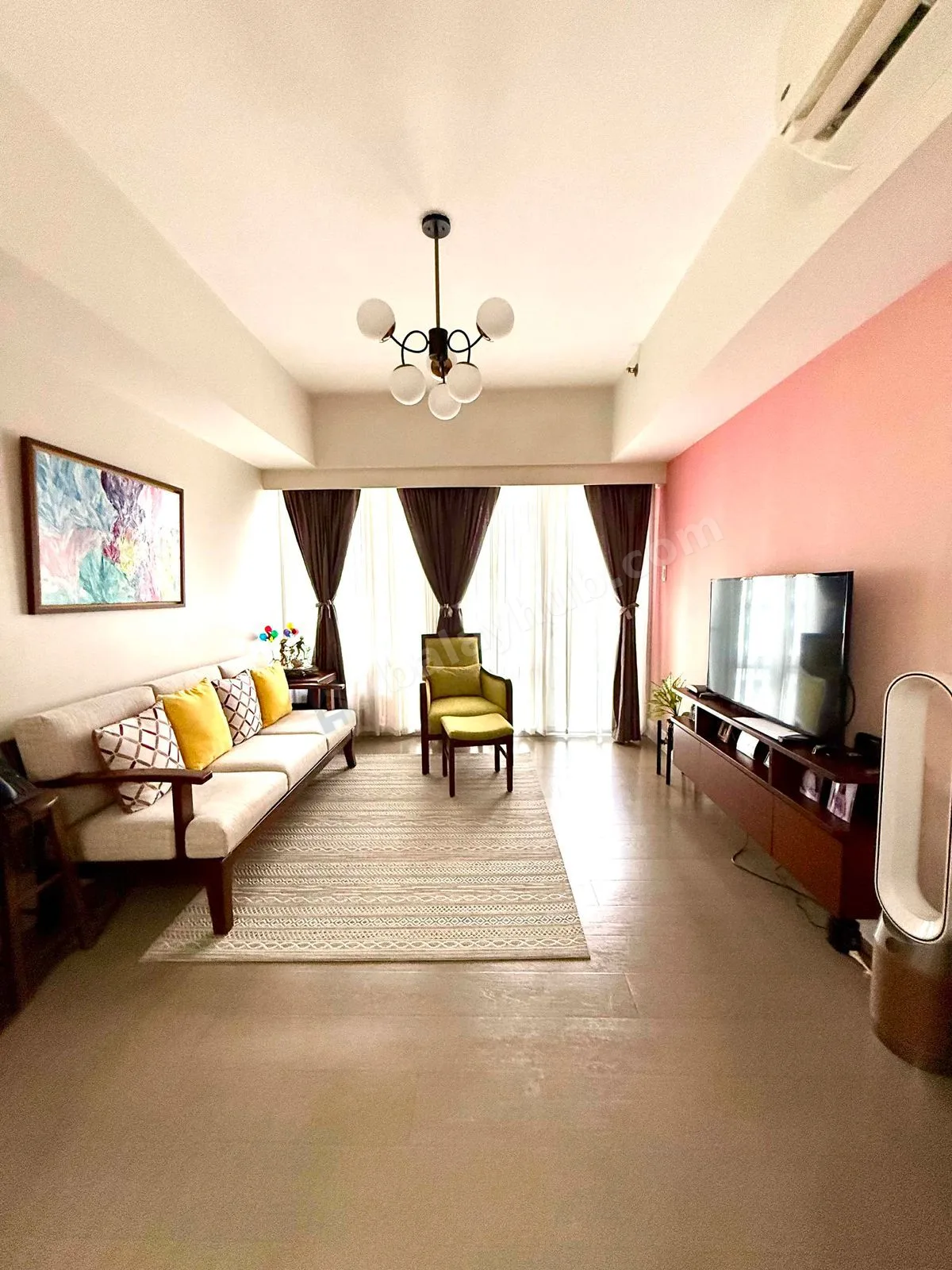

Read next
Commercial Space for Rent Quezon City: Rates by Area (2026)
Commercial space for rent in Quezon City: food stalls from ₱5,500, Cubao ₱800 per sqm, Scout area ₱1,500, Banawe ₱375 to ₱773, and the mall alternative.
Makati vs BGC Condo Investment: Prices, Rents, Yields (2026)
Makati vs BGC condo investment: ₱194,772 against ₱198,063 per sqm, rents by unit type, yields of 5.8% and 6.0%, tenants, vacancy and the foreign cap.
Beachfront Condos in Mactan: Prices, Buildings and Rents
Beachfront condos in Mactan: studios ₱1.95M to ₱4.6M, one bedrooms ₱5.9M to ₱8.5M, rents ₱14,000 to ₱52,000, 22 resort buildings and a 10.8% index yield.