
May 29, 2026 · by BalayHub Admin · 7 min read
Cost of Living in Manila 2026: Budget City Guide
The city of Manila is the cheapest door into Metro Manila for students, fresh grads, and young professionals. See 2026 rent, food, aircon, and transport costs, plus realistic monthly budgets for the U-Belt, Ermita, Malate, and Sampaloc.
How much does it cost to live in Manila? (2026)
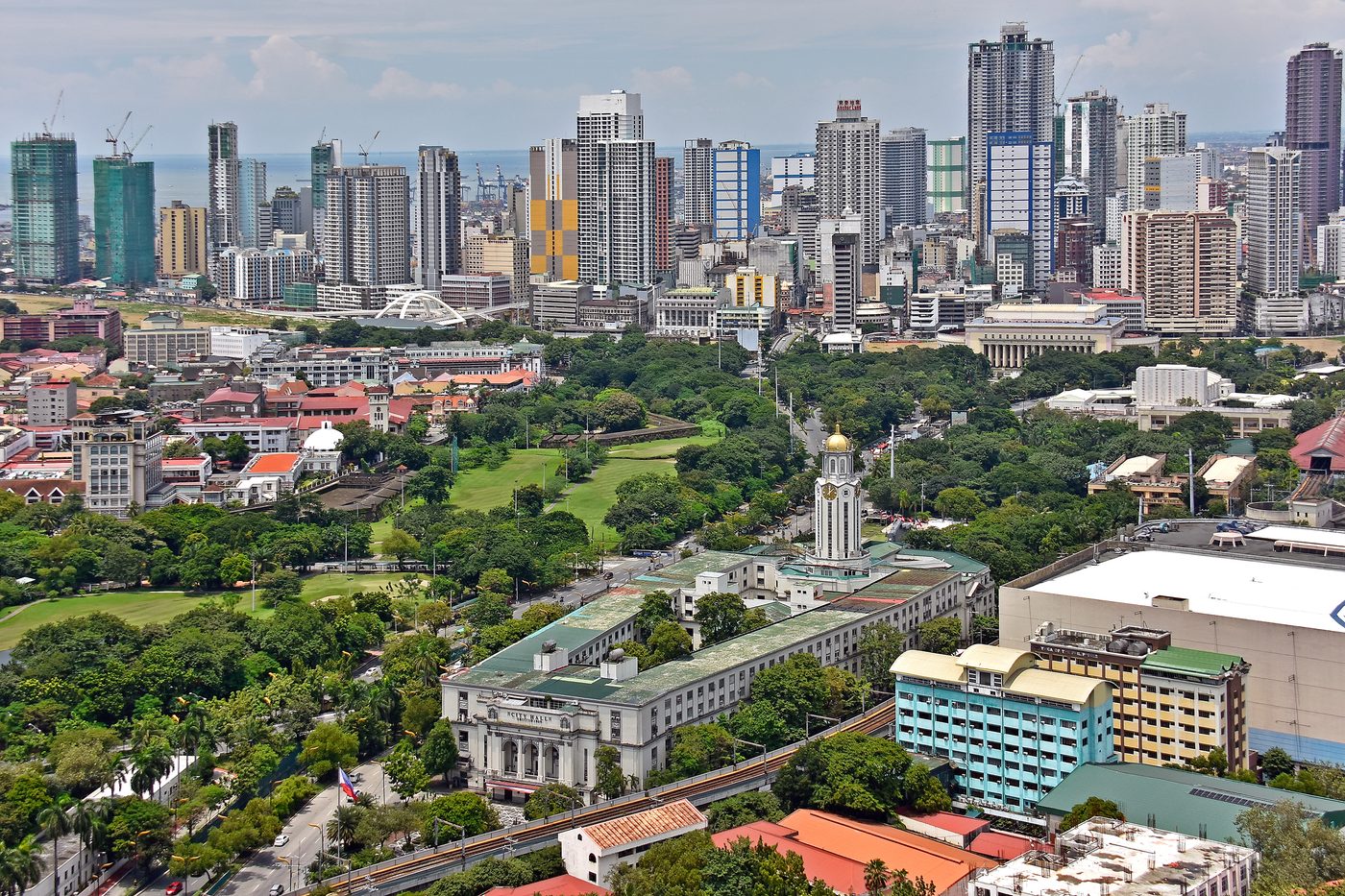
Manila, the actual city and not the whole metro, is one of the cheapest doors into Metro Manila. If you are a student, a fresh grad, or a young professional counting every peso, this is where your money stretches furthest without leaving the capital. Rents here sit well below Makati or BGC. The trade-off is older buildings, denser streets, and a bit more chaos, but for a lot of people that is a fair swap.
Most newcomers here land in the University Belt, Ermita, Malate, or Sampaloc. Bedspaces, dorms, and small condos near UST, FEU, and UE keep the floor on housing costs low. You can walk to class, eat at a carinderia for the price of a coffee elsewhere, and ride the LRT for loose change. For a budget-first life inside the city limits, Manila is hard to beat.
One number to set expectations: median condo rent runs around ₱790 (about $13 / €11) per sqm based on active listings, though the sample is thin so treat it as a rough anchor, not gospel. All figures below come from active listings and everyday prices. They move, so verify before you commit.
Rent
Rent is where Manila earns its budget reputation. The University Belt and Sampaloc run a real bedspace and dorm economy, so a shared bedspace can cost very little per month, and a small solo room is still modest. Studio and one-bedroom condos near the LRT lines are the next step up.
- Bedspace or shared dorm room: a low monthly figure, often the cheapest formal housing in the metro
- Small studio or 1BR condo (Ermita, Malate, Sampaloc): a moderate band, comfortably under Makati pricing
- Older walk-up apartments: cheaper still, but condition varies a lot
Here is the catch with the cheap stock: many buildings are old. Lower rent often means dated wiring, weak water pressure, or noisy neighbours. Always view in person, check the water and the aircon, and ask about brownouts. Run a unit's asking price through the price-per-sqm tool so you know if it is actually a deal or just an old building with a hopeful landlord.
Food
Food is genuinely cheap if you eat the way locals do. Carinderias serve rice-and-ulam meals for very little, and the U-Belt is wall-to-wall with cheap eats built for student budgets. Street food, fishball, kwek-kwek, and bbq fill the gaps between classes for pocket change.
- A carinderia meal: a small single-digit-to-low band per plate
- Cooking at home: a modest weekly grocery run from a wet market beats any mall supermarket
- Cafe and fast food: a step up, fine as a treat, brutal as a habit
If you cook even a few times a week and lean on carinderias the rest, your monthly food spend stays low. The wet markets in Quiapo and around Sampaloc are your friend here.
Utilities (including aircon)
Manila is hot and humid, and aircon is the single biggest swing in your bill. Meralco electricity is the line item that bites. A bedspacer with a fan and shared metered power pays little. A studio dweller running aircon overnight pays a lot more.
- Electricity: low if you use a fan, much higher with daily aircon
- Water: small, often bundled into rent in shared setups
- Internet: a fixed fibre plan is reasonable split across roommates; mobile data alone is cheaper but flakier
Older buildings can mean older wiring and less efficient aircon units, so a cheap rent can quietly cost you on power. Ask the previous tenant what they actually paid.
Transport
This is where the city itself saves you money. Manila is dense and walkable in patches, and the LRT-1 and LRT-2 plus jeepneys make car-free life realistic. Jeepney and LRT rides cost very little each, so a monthly commute budget stays tiny compared with anywhere that forces you into Grab.
- LRT-1 / LRT-2 single ride: a few pesos, more for longer trips
- Jeepney: among the cheapest rides in the country
- Grab or taxi: reserve for late nights and rain, it adds up fast
The downside is congestion. Streets are crowded, jeepneys get packed, and walking can be sweaty and slow. But if you live near campus or near a station, you may barely spend on transport at all.
Healthcare
Budget healthcare exists here. Public clinics, barangay health centres, and university health services cover the basics cheaply, and Manila has plenty of pharmacies and walk-in clinics. PhilHealth and a cheap HMO, often through school or a first job, soften the bigger costs.
- Routine consults and generics: low out of pocket
- Private clinic visit: a moderate one-off
- HMO: many young workers get this as a job perk, which is the smart play
Keep a small buffer anyway. Even cheap healthcare turns expensive the day you actually need it.
Sample monthly budgets
These are realistic ranges for Manila's affordable tier, built for the student and fresh-grad crowd. Figures come from active listings and everyday prices, so verify before you commit.
| Profile | Housing | Food | Utilities | Transport | Health + misc | Rough monthly total |
|---|---|---|---|---|---|---|
| Student / bedspacer | ₱3,500 (about $56 / €48)-6,000 | ₱4,000 (about $64 / €55)-6,000 | ₱1,000 (about $16 / €14)-2,000 | ₱500 (about $8 / €6.9)-1,200 | ₱1,000 (about $16 / €14)-2,000 | ₱10,000 (about $160 / €138)-17,000 |
| Fresh grad, solo studio | ₱9,000 (about $144 / €124)-14,000 | ₱6,000 (about $96 / €83)-9,000 | ₱2,500 (about $40 / €34)-4,500 | ₱1,200 (about $19 / €17)-2,500 | ₱2,000 (about $32 / €28)-3,500 | ₱20,000 (about $320 / €275)-33,000 |
| Young pro, comfortable 1BR | ₱14,000 (about $224 / €193)-20,000 | ₱8,000 (about $128 / €110)-12,000 | ₱4,000 (about $64 / €55)-6,500 | ₱2,000 (about $32 / €28)-3,500 | ₱3,000 (about $48 / €41)-5,000 | ₱31,000 (about $496 / €427)-47,000 |
The student column assumes a shared bedspace, lots of carinderia meals, a fan instead of aircon, and a daily LRT-and-jeepney commute. The top row only happens if you run aircon and eat out a lot. Most people land somewhere in the middle.
Who thrives here, who won't
Manila rewards a specific kind of person. If you are studying in the U-Belt, starting your first job, or simply want the lowest sane cost of living inside the metro, this city delivers. You trade polish for price and you come out ahead.
You thrive here if you are happy on foot and on the LRT, you eat local, and an old building with character does not bother you. The student near campus who never needs a Grab is living the dream version of this budget.
You will struggle if you need quiet, modern, amenity-heavy living, or if congestion and noise wear you down fast. If you want manicured towers and a gym in the lobby, you are really looking at Makati or a Pasig lifestyle, and your budget will need to follow.
Manila-specific cost quirks
A few things catch newcomers off guard.
- Old buildings, hidden costs. The cheapest units are often the oldest. Lower rent can hide higher power bills and repair headaches, so inspect before you sign.
- The bedspace economy is real and informal. Many of the best deals near UST and FEU never hit big listing sites. Ask around, check campus boards, and visit in person.
- Aircon is the budget wildcard. Two identical units can have wildly different electric bills depending on how much aircon runs.
- Walkability is uneven. One block is a breeze, the next is gridlock. Living near a station or campus changes your whole transport math.
- Street food keeps food costs absurdly low. Lean into carinderias and wet markets and your single biggest controllable cost basically disappears.
The bottom line
For students, fresh grads, and young professionals on a budget, the city of Manila is the value entry point into Metro Manila. Cheap rent, cheap food, cheap transport, with the catch that you check the building before you commit.
Ready to look? Browse Manila listings, narrow to Manila condos, or scan everything currently up for rent. For the bigger picture across the country, read the national cost-of-living guide, and always run a unit through the price-per-sqm tool before you sign anything.
Photo credit
Cover photo: Richmond Chi, CC BY-SA 4.0, via Wikimedia Commons (resized).
Dollar and euro figures are approximate conversions at ₱62.5 per US dollar and ₱72.6 per euro (ECB reference rates, 2026-09-08).
Frequently asked questions
How much do you need per month to live in the city of Manila in 2026?
A student on a bedspace can get by on roughly ₱10,000 (about $160 / €138)-17,000 a month, a fresh grad in a solo studio on about ₱20,000 (about $320 / €275)-33,000, and a young pro in a comfortable 1BR on around ₱31,000 (about $496 / €427)-47,000. These come from active listings and everyday prices, so verify before you commit.
Why is the city of Manila cheaper than Makati or BGC?
Manila has older buildings, a dense student bedspace and dorm economy around UST, FEU, and UE, very cheap carinderia food, and low-cost LRT and jeepney transport. Lower rent often means older stock, so always inspect a unit before signing.
What is the average condo rent in Manila?
Median condo rent runs around ₱790 (about $13 / €11) per sqm based on active listings, though the sample is thin so treat it as a rough anchor. Run any specific unit through the price-per-sqm tool to check whether it is a genuine deal.
Is the city of Manila good for students and fresh grads?
Yes. The University Belt, Ermita, Malate, and Sampaloc offer cheap bedspaces, walkable access to campus, carinderia meals, and cheap LRT and jeepney rides. It suits anyone happy with older buildings and a denser, busier environment in exchange for the lowest cost in the metro.
Magkano ang gastos sa pamumuhay sa Manila? (2026)
Ang Manila, ang mismong lungsod at hindi ang buong metro, ay isa sa pinakamurang pinto papasok sa Metro Manila. Kung estudyante ka, fresh grad, o batang propesyonal na binibilang ang bawat piso, dito pinakahahaba ang abot ng pera mo nang hindi lumalabas ng kabisera. Ang mga rent dito ay malayo sa ilalim ng Makati o BGC. Ang trade-off ay mas lumang mga building, mas siksik na mga kalye, at medyo mas magulo, pero para sa maraming tao, patas na palitan iyon.
Karamihan ng mga bagong salta dito ay bumabagsak sa University Belt, Ermita, Malate, o Sampaloc. Ang mga bedspace, dorm, at maliliit na condo malapit sa UST, FEU, at UE ang nagpapanatiling mababa ng floor ng housing costs. Kaya mong maglakad papuntang klase, kumain sa carinderia sa presyo ng isang kape sa ibang lugar, at sumakay ng LRT gamit ang barya. Para sa isang budget-first na buhay sa loob ng city limits, mahirap talunin ang Manila.
Isang numero para mag-set ng expectations: ang median condo rent ay umiikot sa mga ₱790 (mga $13 / €11) per sqm base sa mga active listing, pero manipis ang sample kaya ituring itong rough anchor, hindi ebanghelyo. Lahat ng figure sa ibaba ay galing sa mga active listing at pang-araw-araw na presyo. Gumagalaw ang mga ito, kaya i-verify bago ka mag-commit.
Rent
Ang rent ang dahilan kung bakit may budget reputation ang Manila. May tunay na bedspace at dorm economy ang University Belt at Sampaloc, kaya ang shared bedspace ay puwedeng napakaliit ng buwanang gastos, at ang maliit na solo room ay katamtaman pa rin. Ang mga studio at one-bedroom condo malapit sa mga LRT line ang susunod na hakbang pataas.
- Bedspace o shared dorm room: mababang buwanang halaga, kadalasang ang pinakamurang pormal na housing sa metro
- Maliit na studio o 1BR condo (Ermita, Malate, Sampaloc): katamtamang band, kumportableng nasa ilalim ng presyo ng Makati
- Mas lumang walk-up apartments: mas mura pa, pero malaki ang pagkakaiba-iba ng kondisyon
Ito ang catch sa murang stock: marami sa mga building ay luma na. Ang mas mababang rent ay madalas nangangahulugan ng lumang wiring, mahinang water pressure, o maiingay na kapitbahay. Laging mag-view nang personal, i-check ang tubig at ang aircon, at magtanong tungkol sa brownout. Ipasok ang asking price ng unit sa price-per-sqm tool para malaman mo kung deal ba talaga ito o lumang building lang na may umaasang landlord.
Pagkain
Talagang mura ang pagkain kung kakain ka tulad ng mga lokal. Ang mga carinderia ay naghahain ng rice-and-ulam meals sa napakaliit na halaga, at ang U-Belt ay punong-puno ng cheap eats na ginawa para sa student budgets. Ang street food, fishball, kwek-kwek, at bbq ang pumupuno sa pagitan ng mga klase sa halagang barya lang.
- Isang carinderia meal: maliit na single-digit-to-low na band kada plato
- Pagluluto sa bahay: ang katamtamang lingguhang grocery run sa wet market ay tinatalo ang kahit anong mall supermarket
- Cafe at fast food: isang step up, okay bilang treat, brutal bilang ugali
Kung magluluto ka kahit ilang beses sa isang linggo at sasandal ka sa carinderia sa iba pa, mananatiling mababa ang monthly food spend mo. Ang mga wet market sa Quiapo at sa paligid ng Sampaloc ang kaibigan mo dito.
Utilities (kasama ang aircon)
Mainit at humid ang Manila, at ang aircon ang pinakamalaking swing sa bill mo. Ang kuryente ng Meralco ang line item na kumakagat. Ang bedspacer na gumagamit ng electric fan at shared metered power ay maliit ang bayad. Ang studio dweller na nagpapatakbo ng aircon magdamag ay mas malaki nang husto ang babayaran.
- Kuryente: mababa kung fan ang gamit mo, mas mataas nang husto kung araw-araw ang aircon
- Tubig: maliit, madalas nakapasok na sa rent sa mga shared setup
- Internet: reasonable ang fixed fibre plan kung hati-hati sa mga roommate; mas mura ang mobile data lang pero mas paputol-putol
Ang mga lumang building ay puwedeng mangahulugan ng mas lumang wiring at hindi gaanong efficient na aircon unit, kaya ang murang rent ay tahimik na nakakagastos sa kuryente. Tanungin ang dating tenant kung magkano talaga ang binayaran nila.
Transport
Dito ka tinitipid ng mismong lungsod. Ang Manila ay siksik at may mga bahaging walkable, at ang LRT-1 at LRT-2 kasama ang mga jeepney ay ginagawang realistic ang buhay na walang kotse. Napakaliit ng bayad kada sakay sa jeepney at LRT, kaya ang monthly commute budget ay nananatiling maliit kumpara sa kahit saang lugar na pinipilit kang mag-Grab.
- LRT-1 / LRT-2 single ride: ilang piso lang, mas mahal sa mas mahabang biyahe
- Jeepney: isa sa pinakamurang sakay sa buong bansa
- Grab o taxi: ireserba para sa late nights at ulan, mabilis itong lumobo
Ang downside ay congestion. Masikip ang mga kalye, siksikan sa jeepney, at ang paglalakad ay puwedeng mapawis at mabagal. Pero kung malapit ka sa campus o malapit sa istasyon, halos wala ka nang gagastusin sa transport.
Healthcare
May budget healthcare dito. Ang mga public clinic, barangay health center, at university health services ang sumasagot sa basics nang mura, at maraming botika at walk-in clinic ang Manila. Ang PhilHealth at murang HMO, madalas sa pamamagitan ng school o ng unang trabaho, ang nagpapagaan sa mas malalaking gastos.
- Routine consults at generics: mababa ang out of pocket
- Private clinic visit: katamtamang one-off
- HMO: maraming batang manggagawa ang nakakakuha nito bilang job perk, na siyang matalinong laro
Maglaan pa rin ng maliit na buffer. Kahit ang murang healthcare ay nagiging mahal sa araw na kailanganin mo talaga ito.
Sample na monthly budgets
Ito ay mga realistic na range para sa affordable tier ng Manila, ginawa para sa mga estudyante at fresh grad. Ang mga figure ay galing sa mga active listing at pang-araw-araw na presyo, kaya i-verify bago ka mag-commit.
| Profile | Housing | Food | Utilities | Transport | Health + misc | Rough monthly total |
|---|---|---|---|---|---|---|
| Student / bedspacer | ₱3,500 (mga $56 / €48)-6,000 | ₱4,000 (mga $64 / €55)-6,000 | ₱1,000 (mga $16 / €14)-2,000 | ₱500 (mga $8 / €6.9)-1,200 | ₱1,000 (mga $16 / €14)-2,000 | ₱10,000 (mga $160 / €138)-17,000 |
| Fresh grad, solo studio | ₱9,000 (mga $144 / €124)-14,000 | ₱6,000 (mga $96 / €83)-9,000 | ₱2,500 (mga $40 / €34)-4,500 | ₱1,200 (mga $19 / €17)-2,500 | ₱2,000 (mga $32 / €28)-3,500 | ₱20,000 (mga $320 / €275)-33,000 |
| Young pro, comfortable 1BR | ₱14,000 (mga $224 / €193)-20,000 | ₱8,000 (mga $128 / €110)-12,000 | ₱4,000 (mga $64 / €55)-6,500 | ₱2,000 (mga $32 / €28)-3,500 | ₱3,000 (mga $48 / €41)-5,000 | ₱31,000 (mga $496 / €427)-47,000 |
Ang student column ay nag-a-assume ng shared bedspace, maraming carinderia meals, electric fan sa halip na aircon, at araw-araw na LRT-at-jeepney na commute. Ang pinakamataas na hilera ay mangyayari lang kung nagpapatakbo ka ng aircon at madalas kumain sa labas. Karamihan ng tao ay bumabagsak sa gitna.
Sino ang aangat dito, sino ang hindi
May partikular na klase ng taong ginagantimpalaan ang Manila. Kung nag-aaral ka sa U-Belt, nagsisimula sa unang trabaho mo, o gusto mo lang ang pinakamababang makatuwirang cost of living sa loob ng metro, dine-deliver ito ng lungsod na ito. Ipinagpapalit mo ang polish para sa presyo, at lamang ka pa rin.
Aangat ka dito kung masaya kang naglalakad at nakasakay sa LRT, kumakain ka ng lokal, at hindi ka naiistorbo ng lumang building na may character. Ang estudyanteng malapit sa campus na hindi kailanman nangangailangan ng Grab ang nabubuhay sa dream version ng budget na ito.
Mahihirapan ka kung kailangan mo ng tahimik, moderno, at amenity-heavy na pamumuhay, o kung mabilis kang mapagod sa congestion at ingay. Kung gusto mo ng mga manicured tower at gym sa lobby, ang tinitingnan mo talaga ay isang Makati o Pasig na lifestyle, at kakailanganing sumunod ng budget mo.
Mga cost quirk na partikular sa Manila
Ilang bagay ang nakakagulat sa mga bagong salta.
- Lumang building, tagong gastos. Ang pinakamurang unit ay madalas ang pinakaluma. Ang mas mababang rent ay puwedeng magtago ng mas mataas na kuryente at sakit ng ulo sa repair, kaya mag-inspect bago pumirma.
- Ang bedspace economy ay totoo at informal. Marami sa pinakamagagandang deal malapit sa UST at FEU ay hindi kailanman umaabot sa malalaking listing site. Magtanong-tanong, tingnan ang mga campus board, at bumisita nang personal.
- Ang aircon ang budget wildcard. Dalawang magkaparehong unit ay puwedeng magkaroon ng sobrang layong electric bill depende sa kung gaano katagal tumatakbo ang aircon.
- Hindi pantay ang walkability. Ang isang block ay madali, ang kasunod ay gridlock. Ang pagtira malapit sa istasyon o campus ay nagbabago sa buong transport math mo.
- Pinapanatiling absurdong mababa ng street food ang food costs. Sumandal sa mga carinderia at wet market, at ang pinakamalaki mong controllable na gastos ay halos mawawala.
Ang bottom line
Para sa mga estudyante, fresh grad, at batang propesyonal na may budget, ang lungsod ng Manila ang value entry point papasok sa Metro Manila. Murang rent, murang pagkain, murang transport, na may catch na i-check mo muna ang building bago ka mag-commit.
Ready ka na bang tumingin? I-browse ang Manila listings, paliitin sa Manila condos, o i-scan ang lahat ng kasalukuyang nakalista sa rent. Para sa mas malawak na larawan sa buong bansa, basahin ang national cost-of-living guide, at laging ipasok ang unit sa price-per-sqm tool bago ka pumirma ng kahit ano.
Photo credit
Cover photo: Richmond Chi, CC BY-SA 4.0, via Wikimedia Commons (resized).
Tinatayang conversion lang ang mga halaga sa dollar at euro, sa ₱62.5 kada US dollar at ₱72.6 kada euro (ECB reference rates, 2026-09-08).
Mga madalas itanong
Magkano ang kailangan mo kada buwan para tumira sa city of Manila sa 2026?
Ang estudyante sa bedspace ay kakayanin ang humigit-kumulang ₱10,000 (mga $160 / €138)-17,000 kada buwan, ang fresh grad sa solo studio mga ₱20,000 (mga $320 / €275)-33,000, at ang young pro sa komportableng 1BR mga ₱31,000 (mga $496 / €427)-47,000. Galing ito sa active listings at everyday prices, kaya i-verify muna bago ka mag-commit.
Bakit mas mura ang city of Manila kaysa Makati o BGC?
May mas lumang buildings ang Manila, siksik na student bedspace at dorm economy sa paligid ng UST, FEU, at UE, napakamurang carinderia food, at low-cost na LRT at jeepney transport. Ang mas mababang renta ay madalas ibig sabihin mas lumang building, kaya laging i-inspect ang unit bago pumirma.
Magkano ang average condo rent sa Manila?
Ang median condo rent ay umiikot sa ₱790 (mga $13 / €11) per sqm based sa active listings, pero manipis ang sample kaya ituring itong rough anchor lang. I-run ang kahit anong specific na unit sa price-per-sqm tool para ma-check kung genuine deal talaga.
Okay ba ang city of Manila para sa students at fresh grads?
Oo. Ang University Belt, Ermita, Malate, at Sampaloc ay may murang bedspaces, walkable papuntang campus, carinderia meals, at murang LRT at jeepney rides. Bagay ito sa kahit sinong okay lang sa mas lumang buildings at mas siksik, mas busy na environment kapalit ng pinakamababang cost sa metro.
Pila ang gasto sa pagpuyo sa Manila? (2026)
Ang Manila, ang mismong siyudad ug dili ang tibuok metro, usa sa pinakabarato nga pultahan padulong sa Metro Manila. Kung estudyante ka, fresh grad, o batan-ong propesyonal nga nag-ihap sa matag piso, dinhi pinakalayo ang abot sa imong kwarta nga dili mobiya sa kaulohan. Ang mga rent dinhi layo sa ubos sa Makati o BGC. Ang trade-off mao ang mas karaan nga mga building, mas siksik nga mga dalan, ug medyo mas gubot, apan para sa daghang tawo, patas ra kana nga baylo.
Kadaghanan sa mga bag-ong abot dinhi motugpa sa University Belt, Ermita, Malate, o Sampaloc. Ang mga bedspace, dorm, ug gagmayng condo duol sa UST, FEU, ug UE ang nagpabiling ubos sa floor sa housing costs. Makalakaw ka padulong sa klase, mokaon sa carinderia sa presyo sa usa ka kape sa ubang lugar, ug mosakay sa LRT gamit ang sinsilyo. Para sa usa ka budget-first nga kinabuhi sulod sa city limits, lisod pildihon ang Manila.
Usa ka numero aron mag-set og expectations: ang median condo rent naa sa mga ₱790 (mga $13 / €11) per sqm base sa mga active listing, apan nipis ang sample mao nga isipa kini nga rough anchor, dili ebanghelyo. Tanang figure sa ubos gikan sa mga active listing ug sa mga presyo sa adlaw-adlaw. Molihok kini, mao nga i-verify sa dili pa ka mo-commit.
Rent
Ang rent mao ang hinungdan nganong adunay budget reputation ang Manila. Adunay tinuod nga bedspace ug dorm economy ang University Belt ug Sampaloc, mao nga ang shared bedspace pwedeng gamay ra kaayo ang bayad matag bulan, ug ang gamayng solo room kasarangan ra gihapon. Ang mga studio ug one-bedroom condo duol sa mga LRT line mao ang sunod nga ang-ang pataas.
- Bedspace o shared dorm room: ubos nga binulang kantidad, kasagaran ang pinakabarato nga pormal nga housing sa metro
- Gamayng studio o 1BR condo (Ermita, Malate, Sampaloc): kasarangang band, komportableng ubos sa presyo sa Makati
- Mas karaan nga walk-up apartments: mas barato pa, apan lahi-lahi kaayo ang kondisyon
Ania ang catch sa baratong stock: daghan sa mga building karaan na. Ang mas ubos nga rent kasagaran magpasabot og karaan nga wiring, huyang nga water pressure, o saba nga mga silingan. Kanunay mag-view og personal, susiha ang tubig ug ang aircon, ug pangutana bahin sa brownout. Ipasulod ang asking price sa unit sa price-per-sqm tool aron mahibaloan nimo kung deal ba gyud kini o karaan ra nga building nga adunay malaumon nga landlord.
Pagkaon
Tinuod nga barato ang pagkaon kung mokaon ka sama sa mga lokal. Ang mga carinderia nagsilbi og rice-and-ulam meals sa gamay ra kaayo, ug ang U-Belt puno kaayo sa cheap eats nga gihimo para sa student budgets. Ang street food, fishball, kwek-kwek, ug bbq ang mopuno sa taliwala sa mga klase sa sinsilyo ra.
- Usa ka carinderia meal: gamay nga single-digit-to-low nga band kada plato
- Pagluto sa balay: ang kasarangang sinemana nga grocery run sa wet market mopildi sa bisan unsang mall supermarket
- Cafe ug fast food: usa ka ang-ang pataas, okay isip treat, brutal isip batasan
Kung magluto ka bisan pipila ka beses sa usa ka semana ug mosandig sa carinderia sa uban, magpabilin nga ubos ang imong monthly food spend. Ang mga wet market sa Quiapo ug palibot sa Sampaloc mao ang imong higala dinhi.
Utilities (apil ang aircon)
Init ug humid ang Manila, ug ang aircon ang pinakadako nga swing sa imong bill. Ang kuryente sa Meralco ang line item nga mopaak. Ang bedspacer nga naggamit og electric fan ug shared metered power gamay ra ang bayad. Ang studio dweller nga nagpadagan og aircon tibuok gabii mas dako kaayo ang bayronon.
- Kuryente: ubos kung fan ang gamit nimo, mas taas kaayo kung adlaw-adlaw ang aircon
- Tubig: gamay, kasagaran apil na sa rent sa mga shared setup
- Internet: reasonable ang fixed fibre plan kung bahinon sa mga roommate; mas barato ang mobile data ra apan mas putol-putol
Ang mga karaan nga building pwedeng magpasabot og mas karaan nga wiring ug dili kaayo efficient nga aircon unit, mao nga ang baratong rent hilom nga makapagasto nimo sa kuryente. Pangutan-a ang kanhing tenant kung pila gyud ang ilang gibayad.
Transport
Dinhi ka ginatipid sa mismong siyudad. Siksik ang Manila ug adunay mga bahin nga walkable, ug ang LRT-1 ug LRT-2 dugang sa mga jeepney ang mohimo nga realistic ang kinabuhi nga walay sakyanan. Gamay ra kaayo ang plete matag sakay sa jeepney ug LRT, mao nga ang monthly commute budget magpabilin nga gamay kumpara sa bisan asang lugar nga mopugos nimo og Grab.
- LRT-1 / LRT-2 single ride: pila ka pesos ra, mas mahal sa mas layong biyahe
- Jeepney: usa sa pinakabarato nga sakay sa tibuok nasod
- Grab o taxi: ireserba para sa late nights ug ulan, dali ra kining modako
Ang downside mao ang congestion. Siksik ang mga dalan, punog tawo ang mga jeepney, ug ang paglakaw pwedeng singuton ug hinay. Apan kung nagpuyo ka duol sa campus o duol sa estasyon, halos wala na kay magasto sa transport.
Healthcare
Adunay budget healthcare dinhi. Ang mga public clinic, barangay health center, ug university health services ang mosagubang sa basics nga barato, ug daghan og botika ug walk-in clinic ang Manila. Ang PhilHealth ug baratong HMO, kasagaran pinaagi sa eskwelahan o sa unang trabaho, ang mopagaan sa mas dagkong gasto.
- Routine consults ug generics: ubos ang out of pocket
- Private clinic visit: kasarangang one-off
- HMO: daghang batan-ong trabahante ang makakuha niini isip job perk, nga mao ang maalamon nga dula
Pagbutang gihapon og gamay nga buffer. Bisan ang baratong healthcare mahimong mahal sa adlaw nga imo gyud kining kinahanglanon.
Sample nga monthly budgets
Kini mga realistic nga range para sa affordable tier sa Manila, gihimo para sa mga estudyante ug fresh grad. Ang mga figure gikan sa mga active listing ug sa mga presyo sa adlaw-adlaw, mao nga i-verify sa dili pa ka mo-commit.
| Profile | Housing | Food | Utilities | Transport | Health + misc | Rough monthly total |
|---|---|---|---|---|---|---|
| Student / bedspacer | ₱3,500 (mga $56 / €48)-6,000 | ₱4,000 (mga $64 / €55)-6,000 | ₱1,000 (mga $16 / €14)-2,000 | ₱500 (mga $8 / €6.9)-1,200 | ₱1,000 (mga $16 / €14)-2,000 | ₱10,000 (mga $160 / €138)-17,000 |
| Fresh grad, solo studio | ₱9,000 (mga $144 / €124)-14,000 | ₱6,000 (mga $96 / €83)-9,000 | ₱2,500 (mga $40 / €34)-4,500 | ₱1,200 (mga $19 / €17)-2,500 | ₱2,000 (mga $32 / €28)-3,500 | ₱20,000 (mga $320 / €275)-33,000 |
| Young pro, comfortable 1BR | ₱14,000 (mga $224 / €193)-20,000 | ₱8,000 (mga $128 / €110)-12,000 | ₱4,000 (mga $64 / €55)-6,500 | ₱2,000 (mga $32 / €28)-3,500 | ₱3,000 (mga $48 / €41)-5,000 | ₱31,000 (mga $496 / €427)-47,000 |
Ang student column nag-assume og shared bedspace, daghang carinderia meals, electric fan imbes nga aircon, ug adlaw-adlaw nga LRT-ug-jeepney nga commute. Ang kinatas-ang laray mahitabo ra kung magpadagan ka og aircon ug kanunay mokaon sa gawas. Kadaghanan sa mga tawo motugpa sa tunga-tunga.
Kinsa ang molambo dinhi, kinsa ang dili
Adunay espesipikong klase sa tawo nga ginagantihan ang Manila. Kung nagtuon ka sa U-Belt, nagsugod sa imong unang trabaho, o gusto lang nimo ang pinakaubos nga makatarunganong cost of living sulod sa metro, ihatod kini niini nga siyudad. Imong gibaylo ang polish para sa presyo, ug lamang ka gihapon.
Molambo ka dinhi kung malipay kang maglakaw ug mosakay sa LRT, mokaon ka og lokal, ug dili ka masamok sa karaan nga building nga adunay character. Ang estudyanteng duol sa campus nga wala gayoy panginahanglan og Grab mao ang nagpuyo sa dream version niini nga budget.
Maglisod ka kung nagkinahanglan ka og hilom, moderno, ug amenity-heavy nga pagpuyo, o kung dali kang kapuyon sa congestion ug saba. Kung gusto nimo og mga manicured tower ug gym sa lobby, ang imong ginatan-aw gyud usa ka Makati o Pasig nga lifestyle, ug kinahanglang mosunod ang imong budget.
Mga cost quirk nga espesipiko sa Manila
Pipila ka butang ang makapakuratan sa mga bag-ong abot.
- Karaan nga building, tinago nga gasto. Ang pinakabarato nga mga unit kasagaran ang pinakakaraan. Ang mas ubos nga rent pwedeng magtago og mas taas nga kuryente ug labad sa ulo sa repair, mao nga mag-inspect sa dili pa mopirma.
- Ang bedspace economy tinuod ug informal. Daghan sa pinakamaayong deal duol sa UST ug FEU wala gayod moabot sa dagkong listing site. Pangutana-pangutana, tan-awa ang mga campus board, ug bisitaha og personal.
- Ang aircon mao ang budget wildcard. Duha ka parehong unit pwedeng adunay lahi kaayo nga electric bill depende kung unsa ka dugay modagan ang aircon.
- Dili patas ang walkability. Ang usa ka block sayon ra, ang sunod gridlock. Ang pagpuyo duol sa estasyon o campus mousab sa tibuok nimong transport math.
- Ang street food nagpabilin nga absurdo ka ubos ang food costs. Sandig sa mga carinderia ug wet market, ug ang imong pinakadako nga controllable nga gasto halos mawala.
Ang bottom line
Para sa mga estudyante, fresh grad, ug batan-ong propesyonal nga adunay budget, ang siyudad sa Manila mao ang value entry point padulong sa Metro Manila. Baratong rent, baratong pagkaon, baratong transport, nga adunay catch nga susihon usa nimo ang building sa dili pa ka mo-commit.
Andam na bang motan-aw? I-browse ang Manila listings, pagamya ngadto sa Manila condos, o i-scan ang tanang nakalista karon sa rent. Para sa mas dako nga hulagway sa tibuok nasod, basaha ang national cost-of-living guide, ug kanunay ipasulod ang unit sa price-per-sqm tool sa dili pa ka mopirma og bisan unsa.
Photo credit
Cover photo: Richmond Chi, CC BY-SA 4.0, via Wikimedia Commons (resized).
Banabana lang ang mga conversion sa dollar ug euro, sa ₱62.5 matag US dollar ug ₱72.6 matag euro (ECB reference rates, 2026-09-08).
Mga kasagarang pangutana
Pila ang kinahanglan nimo kada bulan aron mopuyo sa city of Manila karong 2026?
Ang estudyante sa bedspace makasugakod og mga ₱10,000 (mga $160 / €138)-17,000 kada bulan, ang fresh grad sa solo studio mga ₱20,000 (mga $320 / €275)-33,000, ug ang young pro sa komportable nga 1BR mga ₱31,000 (mga $496 / €427)-47,000. Gikan kini sa active listings ug everyday prices, mao nga i-verify una ka mo-commit.
Ngano mas barato ang city of Manila kaysa Makati o BGC?
Ang Manila adunay mas karaan nga mga building, siksik nga student bedspace ug dorm economy palibot sa UST, FEU, ug UE, barato kaayo nga carinderia food, ug low-cost nga LRT ug jeepney transport. Ang mas ubos nga abang sagad nagpasabot og mas karaan nga building, mao nga inspeksyunon kanunay ang unit una mopirma.
Pila ang average condo rent sa Manila?
Ang median condo rent anaa sa mga ₱790 (mga $13 / €11) per sqm base sa active listings, apan nipis ang sample mao nga isipa kini nga rough anchor lang. I-run ang bisan unsang specific nga unit sa price-per-sqm tool aron masuta kung tinuod ba gyud nga deal.
Maayo ba ang city of Manila para sa students ug fresh grads?
Oo. Ang University Belt, Ermita, Malate, ug Sampaloc adunay barato nga bedspaces, malakaw paingon sa campus, carinderia meals, ug barato nga LRT ug jeepney. Angay kini sa bisan kinsa nga okay ra sa mas karaan nga mga building ug mas siksik, mas saba nga palibot baylo sa pinakaubos nga gasto sa metro.
Looking for a place?
See all listings →Read next
Commercial Space for Rent Quezon City: Rates by Area (2026)
Commercial space for rent in Quezon City: food stalls from ₱5,500, Cubao ₱800 per sqm, Scout area ₱1,500, Banawe ₱375 to ₱773, and the mall alternative.
Makati vs BGC Condo Investment: Prices, Rents, Yields (2026)
Makati vs BGC condo investment: ₱194,772 against ₱198,063 per sqm, rents by unit type, yields of 5.8% and 6.0%, tenants, vacancy and the foreign cap.
Beachfront Condos in Mactan: Prices, Buildings and Rents
Beachfront condos in Mactan: studios ₱1.95M to ₱4.6M, one bedrooms ₱5.9M to ₱8.5M, rents ₱14,000 to ₱52,000, 22 resort buildings and a 10.8% index yield.