
Jun 11, 2026 · by BalayHub Admin · 5 min read
Where to Buy a Condo in Metro Manila 2026: Areas Compared
Where you buy changes both your lifestyle and your returns. Makati, BGC, Ortigas and Quezon City compared on price per square metre, rental yield and who each suits, set against a 2026 buyer's market of ~78,000 unsold units and softening prices.
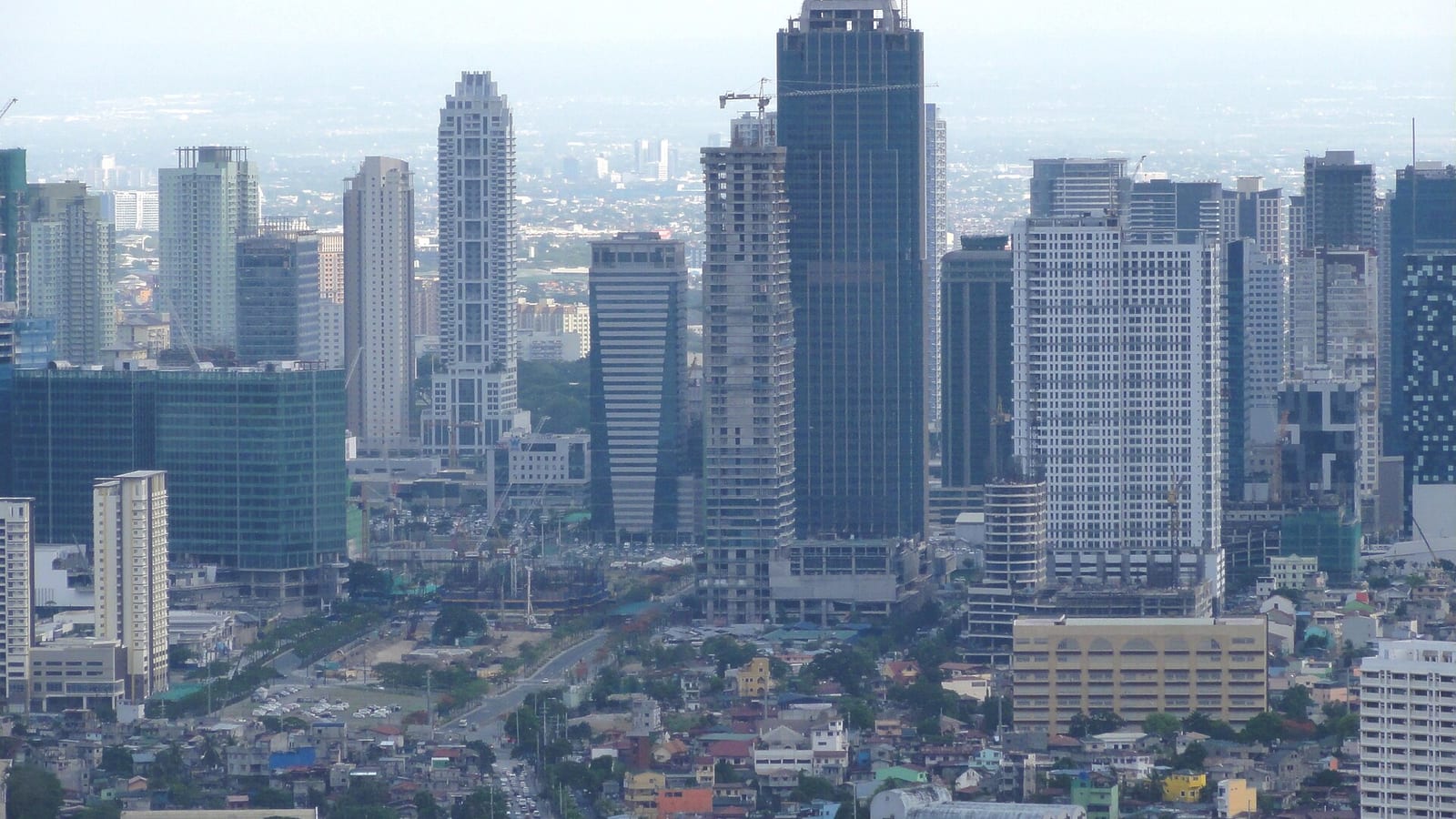
Asking "where should I buy a condo in Metro Manila?" without saying why you're buying is like asking which car is best, it depends entirely on what you need it to do. An end-user chasing prestige and walkability wants something very different from an investor chasing rental yield. And in 2026, with the metro firmly a buyer's market, where you buy changes not just your lifestyle but your returns.
This guide compares the four big condo districts, Makati CBD, BGC, Ortigas and Quezon City, on price, yield, and who each one actually suits.
The 2026 market backdrop: a buyer's market
One number frames every district below: supply. Metro Manila is sitting on roughly 78,000 unsold condo units, with an absorption time of about 6.8 years (much improved from a 13.4-year peak in mid-2025) and a vacancy rate near 24.7%, projected to edge toward 25.6% by end-2026. Developers are competing with price cuts, freebies and flexible payment terms.
A broad crash looks unlikely, but selective softening is real, especially in the oversupplied Bay Area, and the demand rebound is being led by mid-market and affordable units, not luxury. The upshot for a buyer: you have negotiating leverage, particularly on ready-for-occupancy stock in oversupplied submarkets.
The four districts compared
| District | Price per sqm (2026) | Gross yield | Best for |
|---|---|---|---|
| Makati CBD | ~₱160k (about $2,560 / €2,200)-₱280k (about $4,480 / €3,860) (Rockwell ₱280k (about $4,480 / €3,860)-₱380k (about $6,080 / €5,230)) | ~4.5% to 6% | Prestige end-users, expats |
| BGC (Taguig) | ~₱160k (about $2,560 / €2,200)-₱270k (about $4,320 / €3,720) | ~5.5% to 7% | Investors + modern-lifestyle end-users |
| Ortigas | ~₱90k (about $1,440 / €1,240)-₱200k (about $3,200 / €2,750) | ~6% to 7.8% | Value buyers, commuters |
| Quezon City | ~₱100k (about $1,600 / €1,380)-₱180k (about $2,880 / €2,480) | ~5% to 7% | Families, first-timers, budget investors |
A note on yields: these are gross. After association dues (~₱60 to ₱120 (about $0.96 to $1.9 / €0.83 to €1.7)/sqm/month), real property tax, vacancy and management (~8 to 10%), net yields run about 1.5 to 2 points lower everywhere.
Makati CBD, prestige, low yield
Makati remains the metro's most prestigious and liquid address: mature, walkable, with deep Ayala, Rockwell and Alveo stock and the easiest resale market. It suits end-users and expats who value prestige and location above all. If that's you, you can browse condos for sale in Makati and compare the Ayala and Rockwell stock directly.
The catch is returns. Prices rose faster than rents, so Makati carries the metro's weakest yields, some prime one-bedroom net yields sit around 2.4% to 2.8%. Add the highest entry prices and high association dues, and Makati is a lifestyle and capital-preservation play, not a yield play.
BGC (Taguig), the balanced choice
Bonifacio Global City is master-planned, walkable, and heavy with expat and corporate tenants, which gives it strong, reliable rental demand and absorption. It suits investors wanting rental income plus appreciation, and end-users who want a modern, ordered district.
Gross yields (~5.5% to 7%) beat Makati's, and the planned BGC subway supports the long-term case. The costs are a high entry price, continued new supply, and the C5/EDSA traffic that bookends the area at peak hours.
Ortigas, the value-and-transport play
Straddling Pasig and Mandaluyong, Ortigas Center is the metro's best-connected hub, several MRT-3 stations (Ortigas, Shaw), LRT-2 nearby, EDSA and C5, and major malls like SM Megamall and Shangri-La. Prices are well below Makati and BGC (~₱90k (about $1,440 / €1,240)-₱200k (about $3,200 / €2,750)/sqm) while yields are among the strongest (~6% to 7.8% gross, ~4.5% to 4.8% net).
It suits value-conscious commuters and balanced end-user/investor buyers. A big share of Ortigas Center actually sits on the Pasig side, but the western edge spills into Mandaluyong, so if you want that EDSA-and-Shaw connectivity at a slightly lower entry point, compare condos for sale in Mandaluyong too., so if that mix appeals to you, see condos for sale in Pasig or read our where to buy in Pasig guide. The trade-offs are density, traffic, and more moderate appreciation than the prime districts.
Quezon City, affordable and demand-rich
Quezon City is the largest and most affordable CBD-alternative, anchored by universities (UP, Ateneo), government, hospitals and media that drive steady rental demand, with solid transport (MRT-3, LRT-2, EDSA, Commonwealth, C5). It suits families, first-time buyers, students and budget investors, with decent net yields (~4% to 5.9%).
The watch-outs: QC carries one of NCR's highest unsold inventories (~19,500 units), longer commutes to Makati and BGC, and slower appreciation than the prime districts, though that same oversupply is where your 2026 negotiating leverage is strongest. If that pitch lands, you can browse condos for sale in Quezon City and compare the ready-for-occupancy listings yourself..
Three narrower guides go deeper than this overview: Makati vs BGC for condo investment, the Las Piñas and Parañaque south corridor, and the 2-bedroom condo in Mandaluyong.
So where should you buy?
- Prestige and lifestyle, end-user: Makati or BGC.
- Rental yield plus appreciation: BGC or Ortigas.
- Affordability plus yield: Ortigas or Quezon City.
- Maximum negotiating leverage right now: oversupplied, ready-for-occupancy submarkets.
Whatever you choose, don't take a broker's yield claim at face value, many marketing sites overstate them. Check the actual asking prices against the price per square metre by city tool, run a quick property valuation, and read our guide to the best locations for rental income. When you're ready, browse condos for sale on BalayHub. This is factual market research, not investment advice, verify current figures with a licensed professional before transacting.
Dollar and euro figures are approximate conversions at ₱62.5 per US dollar and ₱72.6 per euro (ECB reference rates, 2026-09-08).
Frequently asked questions
Where is the best place to buy a condo in Metro Manila in 2026?
It depends on your goal. For prestige and walkability, Makati CBD or BGC; for the best balance of rental yield and appreciation, BGC or Ortigas; for affordability plus solid yield, Ortigas or Quezon City. Makati has the lowest yields (prices outran rents), while Ortigas and QC offer the highest gross yields (~6-7.8%) at lower entry prices.
How much does a condo cost per square metre in Metro Manila?
Approximate 2026 ranges: Makati CBD ₱160,000 (about $2,560 / €2,200)-₱280,000 (about $4,480 / €3,860)/sqm (Rockwell ₱280,000 (about $4,480 / €3,860)-₱380,000 (about $6,080 / €5,230)); BGC ₱160,000 (about $2,560 / €2,200)-₱270,000 (about $4,320 / €3,720); Ortigas ₱90,000 (about $1,440 / €1,240)-₱200,000 (about $3,200 / €2,750); and Quezon City ₱100,000 (about $1,600 / €1,380)-₱180,000 (about $2,880 / €2,480). Prime Makati and BGC stock commands the highest prices, while Ortigas and QC are the value plays.
What rental yield can you expect from a Metro Manila condo?
Gross yields run roughly 4.5-6% in Makati, 5.5-7% in BGC, 6-7.8% in Ortigas, and 5-7% in Quezon City. But these are gross, after association dues, real property tax, vacancy and management, net yields typically run about 1.5-2 points lower. Be skeptical of marketing sites quoting double-digit yields.
Is 2026 a good time to buy a condo in Metro Manila?
It is broadly a buyer's market: roughly 78,000 unsold units, about 6.8 years to absorb (improved from a 13.4-year peak), and vacancy near 24.7%. Developers are offering price cuts, freebies and flexible terms. A broad crash looks unlikely, but selective softening is real, your negotiating leverage is strongest on ready-for-occupancy units in oversupplied submarkets.
Ang pagtatanong ng "saan ako dapat bumili ng condo sa Metro Manila?" nang hindi sinasabi kung bakit ka bumibili ay parang pagtatanong kung aling kotse ang pinakamaganda, nakadepende ito nang buo sa kung ano ang kailangan mong gawin nito. Ang end-user na habol ang prestige at walkability ay ibang-iba ang gusto kumpara sa investor na habol ang rental yield. At ngayong 2026, kung kailan buyer's market na talaga ang metro, ang lugar kung saan ka bibili ay hindi lang lifestyle mo ang babaguhin kundi pati ang returns mo.
Ikinukumpara ng guide na ito ang apat na malalaking condo district, ang Makati CBD, BGC, Ortigas at Quezon City, sa presyo, yield, at kung kanino talaga bagay ang bawat isa.
Ang market backdrop ng 2026: buyer's market
Isang numero ang nagpapaliwanag sa bawat distrito sa ibaba: supply. Nakaupo ang Metro Manila sa humigit-kumulang 78,000 na hindi pa nabebentang condo unit, na may absorption time na mga 6.8 taon (malaking improvement mula sa 13.4-taong peak noong kalagitnaan ng 2025) at vacancy rate na malapit sa 24.7%, na inaasahang aakyat papuntang 25.6% pagsapit ng katapusan ng 2026. Naglalabanan ang mga developer gamit ang price cuts, freebies at flexible na payment terms.
Mukhang malabo ang malawakang crash, pero totoo ang selective softening, lalo na sa oversupplied na Bay Area, at ang demand rebound ay pinangungunahan ng mid-market at affordable na mga unit, hindi ng luxury. Ang ibig sabihin para sa buyer: may negotiating leverage ka, lalo na sa ready-for-occupancy stock sa mga oversupplied na submarket.
Ang apat na distrito, pinaghambing
| Distrito | Presyo kada sqm (2026) | Gross yield | Pinakabagay sa |
|---|---|---|---|
| Makati CBD | ~₱160k hanggang ₱280k (mga $2,560 hanggang $4,480 / €2,200 hanggang €3,860) (Rockwell ₱280k hanggang ₱380k (mga $4,480 hanggang $6,080 / €3,860 hanggang €5,230)) | ~4.5% hanggang 6% | Prestige end-users, mga expat |
| BGC (Taguig) | ~₱160k hanggang ₱270k (mga $2,560 hanggang $4,320 / €2,200 hanggang €3,720) | ~5.5% hanggang 7% | Mga investor + modern-lifestyle end-users |
| Ortigas | ~₱90k hanggang ₱200k (mga $1,440 hanggang $3,200 / €1,240 hanggang €2,750) | ~6% hanggang 7.8% | Value buyers, mga commuter |
| Quezon City | ~₱100k hanggang ₱180k (mga $1,600 hanggang $2,880 / €1,380 hanggang €2,480) | ~5% hanggang 7% | Mga pamilya, first-timers, budget investors |
Isang paalala tungkol sa yields: gross ang mga ito. Pagkatapos ng association dues (~₱60 hanggang ₱120 (mga $0.96 hanggang $1.9 / €0.83 hanggang €1.7)/sqm/buwan), real property tax, vacancy at management (~8 hanggang 10%), ang net yields ay mas mababa nang mga 1.5 hanggang 2 puntos kahit saan.
Makati CBD, prestige, mababang yield
Nananatili ang Makati bilang pinaka-prestihiyoso at pinaka-liquid na address ng metro: mature, walkable, may malalim na Ayala, Rockwell at Alveo stock, at ito ang pinakamadaling resale market. Bagay ito sa mga end-user at expat na inuuna ang prestige at location higit sa lahat. Kung ikaw iyan, puwede mong i-browse ang mga condo for sale sa Makati at direktang ikumpara ang Ayala at Rockwell stock.
Ang problema ay ang returns. Mas mabilis tumaas ang presyo kaysa sa renta, kaya dala ng Makati ang pinakamahinang yields sa metro, may mga prime one-bedroom na ang net yield ay nasa bandang 2.4% hanggang 2.8% lang. Idagdag ang pinakamataas na entry prices at mataas na association dues, at ang Makati ay lifestyle at capital-preservation play, hindi yield play.
BGC (Taguig), ang balanseng pagpipilian
Ang Bonifacio Global City ay master-planned, walkable, at punong-puno ng expat at corporate tenants, kaya malakas at maaasahan ang rental demand at absorption nito. Bagay ito sa mga investor na gusto ng rental income at appreciation, at sa mga end-user na gusto ng moderno at maayos na distrito.
Mas mataas ang gross yields (~5.5% hanggang 7%) kaysa sa Makati, at sinusuportahan ng planadong BGC subway ang long-term case. Ang mga gastos naman ay ang mataas na entry price, ang tuloy-tuloy na bagong supply, at ang trapiko sa C5/EDSA na pumapaligid sa lugar tuwing peak hours.
Ortigas, ang value-and-transport play
Nakasakay sa Pasig at Mandaluyong, ang Ortigas Center ang pinaka-konektadong hub ng metro, may ilang estasyon ng MRT-3 (Ortigas, Shaw), malapit ang LRT-2, may EDSA at C5, at may malalaking mall tulad ng SM Megamall at Shangri-La. Ang mga presyo ay mas mababa nang malaki kaysa sa Makati at BGC (~₱90k hanggang ₱200k (mga $1,440 hanggang $3,200 / €1,240 hanggang €2,750)/sqm) habang ang yields ay kabilang sa pinakamalalakas (~6% hanggang 7.8% gross, ~4.5% hanggang 4.8% net).
Bagay ito sa mga value-conscious na commuter at sa mga balanseng end-user/investor na buyer. Malaking bahagi ng Ortigas Center ang talagang nasa panig ng Pasig, pero ang kanlurang gilid nito ay umaabot sa Mandaluyong, kaya kung gusto mo ng EDSA-and-Shaw na konektibidad sa bahagyang mas mababang entry point, ikumpara rin ang mga condo for sale sa Mandaluyong. Kaya kung kaakit-akit sa'yo ang halong iyon, tingnan ang mga condo for sale sa Pasig o basahin ang aming guide kung saan bibili sa Pasig. Ang trade-offs ay ang density, ang trapiko, at ang mas katamtamang appreciation kumpara sa mga prime district.
Quezon City, abot-kaya at maraming demand
Ang Quezon City ang pinakamalaki at pinaka-abot-kayang alternatibo sa CBD, ina-anchor ng mga unibersidad (UP, Ateneo), gobyerno, ospital at media na nagbibigay ng steady na rental demand, at may solidong transportasyon (MRT-3, LRT-2, EDSA, Commonwealth, C5). Bagay ito sa mga pamilya, first-time buyer, estudyante at budget investor, na may disenteng net yields (~4% hanggang 5.9%).
Ang mga dapat bantayan: dala ng QC ang isa sa pinakamataas na unsold inventories ng NCR (~19,500 units), mas mahabang biyahe papuntang Makati at BGC, at mas mabagal na appreciation kaysa sa mga prime district, pero ang oversupply ring iyon ang pinagmumulan ng pinakamalakas mong negotiating leverage ngayong 2026. Kung tumama sa'yo ang pitch na iyan, puwede mong i-browse ang mga condo for sale sa Quezon City at ikaw mismo ang magkumpara ng mga ready-for-occupancy na listing.
Tatlong mas makitid na gabay ang mas malalim kaysa sa overview na ito: Makati vs BGC para sa condo investment, ang south corridor ng Las Piñas at Parañaque, at ang 2-bedroom condo sa Mandaluyong.
Kaya saan ka dapat bumili?
- Prestige at lifestyle, end-user: Makati o BGC.
- Rental yield at appreciation: BGC o Ortigas.
- Affordability at yield: Ortigas o Quezon City.
- Maximum na negotiating leverage ngayon mismo: mga oversupplied at ready-for-occupancy na submarket.
Anuman ang piliin mo, huwag basta paniwalaan ang yield claim ng broker, maraming marketing site ang naglalagay ng sobra-sobra. I-check ang mga aktwal na asking price gamit ang price per square metre by city tool, magpatakbo ng mabilisang property valuation, at basahin ang aming guide sa pinakamahuhusay na lokasyon para sa rental income. Kapag handa ka na, i-browse ang mga condo for sale sa BalayHub. Factual market research ito, hindi investment advice, i-verify ang mga kasalukuyang numero sa isang licensed professional bago mag-transact.
Tinatayang conversion lang ang mga halaga sa dollar at euro, sa ₱62.5 kada US dollar at ₱72.6 kada euro (ECB reference rates, 2026-09-08).
Mga madalas itanong
Saan ang pinakamagandang bilhan ng condo sa Metro Manila sa 2026?
Depende sa goal mo. Para sa prestige at walkability, Makati CBD o BGC; para sa pinakamagandang balanse ng rental yield at appreciation, BGC o Ortigas; para sa affordability plus solid yield, Ortigas o Quezon City. Ang Makati ang may pinakamababang yields (nauunahan ng presyo ang rents), habang ang Ortigas at QC ang may pinakamataas na gross yields (~6-7.8%) sa mas mababang entry prices.
Magkano ang condo kada square metre sa Metro Manila?
Approximate na 2026 ranges: Makati CBD ₱160,000 (mga $2,560 / €2,200)-₱280,000 (mga $4,480 / €3,860)/sqm (Rockwell ₱280,000 (mga $4,480 / €3,860)-₱380,000 (mga $6,080 / €5,230)); BGC ₱160,000 (mga $2,560 / €2,200)-₱270,000 (mga $4,320 / €3,720); Ortigas ₱90,000 (mga $1,440 / €1,240)-₱200,000 (mga $3,200 / €2,750); at Quezon City ₱100,000 (mga $1,600 / €1,380)-₱180,000 (mga $2,880 / €2,480). Ang prime Makati at BGC stock ang may pinakamataas na presyo, habang ang Ortigas at QC ang value plays.
Anong rental yield ang aasahan sa Metro Manila condo?
Ang gross yields ay humigit-kumulang 4.5-6% sa Makati, 5.5-7% sa BGC, 6-7.8% sa Ortigas, at 5-7% sa Quezon City. Pero gross ito, pagkabawas ng association dues, real property tax, vacancy at management, ang net yields ay karaniwang mas mababa ng mga 1.5-2 points. Mag-ingat sa mga marketing site na nagsasabi ng double-digit yields.
Magandang panahon ba ang 2026 para bumili ng condo sa Metro Manila?
Sa pangkalahatan, buyer's market ito: humigit-kumulang 78,000 unsold units, mga 6.8 years para ma-absorb (bumuti mula sa 13.4-year peak), at vacancy na malapit sa 24.7%. Nag-aalok ang developers ng price cuts, freebies at flexible terms. Malabong magkaroon ng malawakang crash, pero totoo ang selective softening, pinakamalakas ang negotiating leverage mo sa ready-for-occupancy units sa mga oversupplied na submarket.
Ang pagpangutana ug "asa ko angay mopalit ug condo sa Metro Manila?" nga wala magsulti kung nganong mopalit ka, sama ra sa pagpangutana kung unsang sakyanan ang pinakamaayo, nagdepende gyud kini kung unsa ang imong gikinahanglan nga buhaton niini. Ang end-user nga nangita ug prestige ug walkability lahi kaayo ug gusto kaysa investor nga nangita ug rental yield. Ug karong 2026, nga ang metro klaro nang buyer's market, ang lugar kung asa ka mopalit dili lang ang imong lifestyle ang usbon kondili apil ang imong returns.
Gikumpara niini nga guide ang upat ka dagkong condo district, ang Makati CBD, BGC, Ortigas ug Quezon City, sa presyo, yield, ug kung kang kinsa gyud angay ang matag usa.
Ang market backdrop sa 2026: buyer's market
Usa ka numero ang naglatid sa matag distrito sa ubos: supply. Ang Metro Manila naglingkod sa mga 78,000 ka wala pa mabaligya nga condo unit, nga adunay absorption time nga mga 6.8 ka tuig (dako nga improvement gikan sa 13.4 ka tuig nga peak sa tunga-tunga sa 2025) ug vacancy rate nga duol sa 24.7%, nga gibanabana nga mosaka padulong sa 25.6% sa kataposan sa 2026. Nag-indigay ang mga developer gamit ang price cuts, freebies ug flexible nga payment terms.
Morag layo ang lapad nga crash, apan tinuod ang selective softening, ilabina sa oversupplied nga Bay Area, ug ang demand rebound gipangunahan sa mid-market ug affordable nga mga unit, dili sa luxury. Ang buot ipasabot alang sa buyer: aduna kay negotiating leverage, ilabina sa ready-for-occupancy nga stock sa mga oversupplied nga submarket.
Ang upat ka distrito, gikumpara
| Distrito | Presyo matag sqm (2026) | Gross yield | Pinakaangay sa |
|---|---|---|---|
| Makati CBD | ~₱160k hangtod ₱280k (mga $2,560 hangtod $4,480 / €2,200 hangtod €3,860) (Rockwell ₱280k hangtod ₱380k (mga $4,480 hangtod $6,080 / €3,860 hangtod €5,230)) | ~4.5% hangtod 6% | Prestige end-users, mga expat |
| BGC (Taguig) | ~₱160k hangtod ₱270k (mga $2,560 hangtod $4,320 / €2,200 hangtod €3,720) | ~5.5% hangtod 7% | Mga investor + modern-lifestyle end-users |
| Ortigas | ~₱90k hangtod ₱200k (mga $1,440 hangtod $3,200 / €1,240 hangtod €2,750) | ~6% hangtod 7.8% | Value buyers, mga commuter |
| Quezon City | ~₱100k hangtod ₱180k (mga $1,600 hangtod $2,880 / €1,380 hangtod €2,480) | ~5% hangtod 7% | Mga pamilya, first-timers, budget investors |
Usa ka pahinumdom bahin sa yields: gross kini. Human sa association dues (~₱60 hangtod ₱120 (mga $0.96 hangtod $1.9 / €0.83 hangtod €1.7)/sqm/bulan), real property tax, vacancy ug management (~8 hangtod 10%), ang net yields mas ubos ug mga 1.5 hangtod 2 puntos bisan asa.
Makati CBD, prestige, ubos nga yield
Nagpabilin ang Makati isip pinaka-prestihiyoso ug pinaka-liquid nga address sa metro: mature, walkable, adunay lawom nga Ayala, Rockwell ug Alveo stock, ug mao ang pinakasayon nga resale market. Angay kini sa mga end-user ug expat nga nag-una sa prestige ug location labaw sa tanan. Kung ikaw kana, mahimo nimong i-browse ang mga condo for sale sa Makati ug direktang ikumpara ang Ayala ug Rockwell stock.
Ang problema mao ang returns. Mas paspas misaka ang presyo kaysa mga abang, maong ang Makati nagdala sa pinakahuyang nga yields sa metro, adunay mga prime one-bedroom nga ang net yield anaa ra sa mga 2.4% hangtod 2.8%. Idugang ang pinakataas nga entry prices ug taas nga association dues, ug ang Makati usa ka lifestyle ug capital-preservation nga play, dili yield play.
BGC (Taguig), ang balanseng kapilian
Ang Bonifacio Global City master-planned, walkable, ug puno sa expat ug corporate tenants, maong kusog ug kasaligan ang rental demand ug absorption niini. Angay kini sa mga investor nga gusto ug rental income dugang appreciation, ug sa mga end-user nga gusto ug moderno ug hapsay nga distrito.
Ang gross yields (~5.5% hangtod 7%) molabaw sa Makati, ug ang giplanong BGC subway nagsuporta sa long-term nga kaso. Ang mga gasto mao ang taas nga entry price, ang padayon nga bag-ong supply, ug ang trapiko sa C5/EDSA nga naglibot sa lugar panahon sa peak hours.
Ortigas, ang value-and-transport play
Nagsakay sa Pasig ug Mandaluyong, ang Ortigas Center mao ang pinaka-konektado nga hub sa metro, adunay pipila ka estasyon sa MRT-3 (Ortigas, Shaw), duol ang LRT-2, adunay EDSA ug C5, ug dagkong mall sama sa SM Megamall ug Shangri-La. Ang mga presyo layo nga mas ubos kaysa Makati ug BGC (~₱90k hangtod ₱200k (mga $1,440 hangtod $3,200 / €1,240 hangtod €2,750)/sqm) samtang ang yields lakip sa pinakakusog (~6% hangtod 7.8% gross, ~4.5% hangtod 4.8% net).
Angay kini sa mga value-conscious nga commuter ug sa balanseng end-user/investor nga mga buyer. Dako nga bahin sa Ortigas Center ang tinuod nga anaa sa Pasig nga bahin, apan ang kasadpang ngilit niini mosulod sa Mandaluyong, busa kung gusto nimo ang EDSA-and-Shaw nga konektibidad sa medyo mas ubos nga entry point, ikumpara usab ang mga condo for sale sa Mandaluyong. Busa kung makadani nimo kana nga kombinasyon, tan-awa ang mga condo for sale sa Pasig o basaha ang among guide kung asa mopalit sa Pasig. Ang mga trade-off mao ang kadasok, ang trapiko, ug ang mas kasarangang appreciation kaysa mga prime district.
Quezon City, abot-kaya ug daghan ug demand
Ang Quezon City mao ang pinakadako ug pinaka-abot-kayang alternatibo sa CBD, gi-anchor sa mga unibersidad (UP, Ateneo), gobyerno, mga ospital ug media nga naghatag ug steady nga rental demand, ug adunay lig-on nga transportasyon (MRT-3, LRT-2, EDSA, Commonwealth, C5). Angay kini sa mga pamilya, first-time buyer, estudyante ug budget investor, nga adunay desenteng net yields (~4% hangtod 5.9%).
Ang mga bantayonon: ang QC nagdala sa usa sa pinakataas nga unsold inventories sa NCR (~19,500 units), mas taas nga biyahe padulong sa Makati ug BGC, ug mas hinay nga appreciation kaysa mga prime district, apan kana usab nga oversupply mao ang tinubdan sa imong pinakakusog nga negotiating leverage karong 2026. Kung midapat nimo kana nga pitch, mahimo nimong i-browse ang mga condo for sale sa Quezon City ug ikaw mismo ang mokumpara sa mga ready-for-occupancy nga listing.
Tulo ka mas pig-ot nga giya ang mas lawom kaysa niining overview: Makati vs BGC para sa condo investment, ang south corridor sa Las Piñas ug Parañaque, ug ang 2-bedroom condo sa Mandaluyong.
Busa asa ka angay mopalit?
- Prestige ug lifestyle, end-user: Makati o BGC.
- Rental yield dugang appreciation: BGC o Ortigas.
- Affordability dugang yield: Ortigas o Quezon City.
- Maximum nga negotiating leverage karon mismo: mga oversupplied ug ready-for-occupancy nga submarket.
Bisan unsa ang imong pilion, ayaw dayon tuohi ang yield claim sa broker, daghang marketing site ang nagpasobra niini. I-check ang mga aktwal nga asking price gamit ang price per square metre by city tool, pagpadagan ug paspas nga property valuation, ug basaha ang among guide sa pinakamaayong mga lokasyon alang sa rental income. Kung andam ka na, i-browse ang mga condo for sale sa BalayHub. Factual market research kini, dili investment advice, i-verify ang mga kasamtangang numero sa usa ka licensed professional una ka mo-transact.
Banabana lang ang mga conversion sa dollar ug euro, sa ₱62.5 matag US dollar ug ₱72.6 matag euro (ECB reference rates, 2026-09-08).
Mga kasagarang pangutana
Asa ang pinakamaayong paliton og condo sa Metro Manila sa 2026?
Depende sa imong tumong. Para sa prestige ug walkability, Makati CBD o BGC; para sa pinakamaayong balanse sa rental yield ug appreciation, BGC o Ortigas; para sa affordability plus solid yield, Ortigas o Quezon City. Ang Makati adunay pinakaubos nga yields (naunhan sa presyo ang rents), samtang ang Ortigas ug QC adunay pinakataas nga gross yields (~6-7.8%) sa mas ubos nga entry prices.
Pila ang condo kada square metre sa Metro Manila?
Approximate nga 2026 ranges: Makati CBD ₱160,000 (mga $2,560 / €2,200)-₱280,000 (mga $4,480 / €3,860)/sqm (Rockwell ₱280,000 (mga $4,480 / €3,860)-₱380,000 (mga $6,080 / €5,230)); BGC ₱160,000 (mga $2,560 / €2,200)-₱270,000 (mga $4,320 / €3,720); Ortigas ₱90,000 (mga $1,440 / €1,240)-₱200,000 (mga $3,200 / €2,750); ug Quezon City ₱100,000 (mga $1,600 / €1,380)-₱180,000 (mga $2,880 / €2,480). Ang prime Makati ug BGC stock maoy pinakamahal, samtang ang Ortigas ug QC mao ang value plays.
Unsa nga rental yield ang madahom sa Metro Manila condo?
Ang gross yields mga 4.5-6% sa Makati, 5.5-7% sa BGC, 6-7.8% sa Ortigas, ug 5-7% sa Quezon City. Pero gross kini, human sa association dues, real property tax, vacancy ug management, ang net yields kasagaran mas ubos og mga 1.5-2 points. Pagbantay sa mga marketing site nga mosulti og double-digit yields.
Maayo bang panahon ang 2026 aron mopalit og condo sa Metro Manila?
Sa kinatibuk-an, buyer's market kini: mga 78,000 unsold units, mga 6.8 years aron ma-absorb (niarang gikan sa 13.4-year peak), ug vacancy nga duol sa 24.7%. Ang developers nagtanyag og price cuts, freebies ug flexible terms. Lisod mahitabo ang dako nga crash, pero tinuod ang selective softening, pinakalig-on ang imong negotiating leverage sa ready-for-occupancy units sa mga oversupplied nga submarket.
Browse properties on BalayHub
See all listings →
Read next
Commercial Space for Rent Quezon City: Rates by Area (2026)
Commercial space for rent in Quezon City: food stalls from ₱5,500, Cubao ₱800 per sqm, Scout area ₱1,500, Banawe ₱375 to ₱773, and the mall alternative.
Makati vs BGC Condo Investment: Prices, Rents, Yields (2026)
Makati vs BGC condo investment: ₱194,772 against ₱198,063 per sqm, rents by unit type, yields of 5.8% and 6.0%, tenants, vacancy and the foreign cap.
Beachfront Condos in Mactan: Prices, Buildings and Rents
Beachfront condos in Mactan: studios ₱1.95M to ₱4.6M, one bedrooms ₱5.9M to ₱8.5M, rents ₱14,000 to ₱52,000, 22 resort buildings and a 10.8% index yield.