
Jun 7, 2026 · by BalayHub Admin · 7 min read
Cost of Living in Pasig 2026: The Value CBD
What does it really cost to live in Pasig in 2026? Median condo rent runs around ₱550-650 per sqm, far below Makati's ₱940, making Pasig the value play among Metro CBDs. We break down housing, food, transport, utilities and lifestyle, plus monthly budgets for solo pros, couples and families near Ortigas and Kapitolyo.
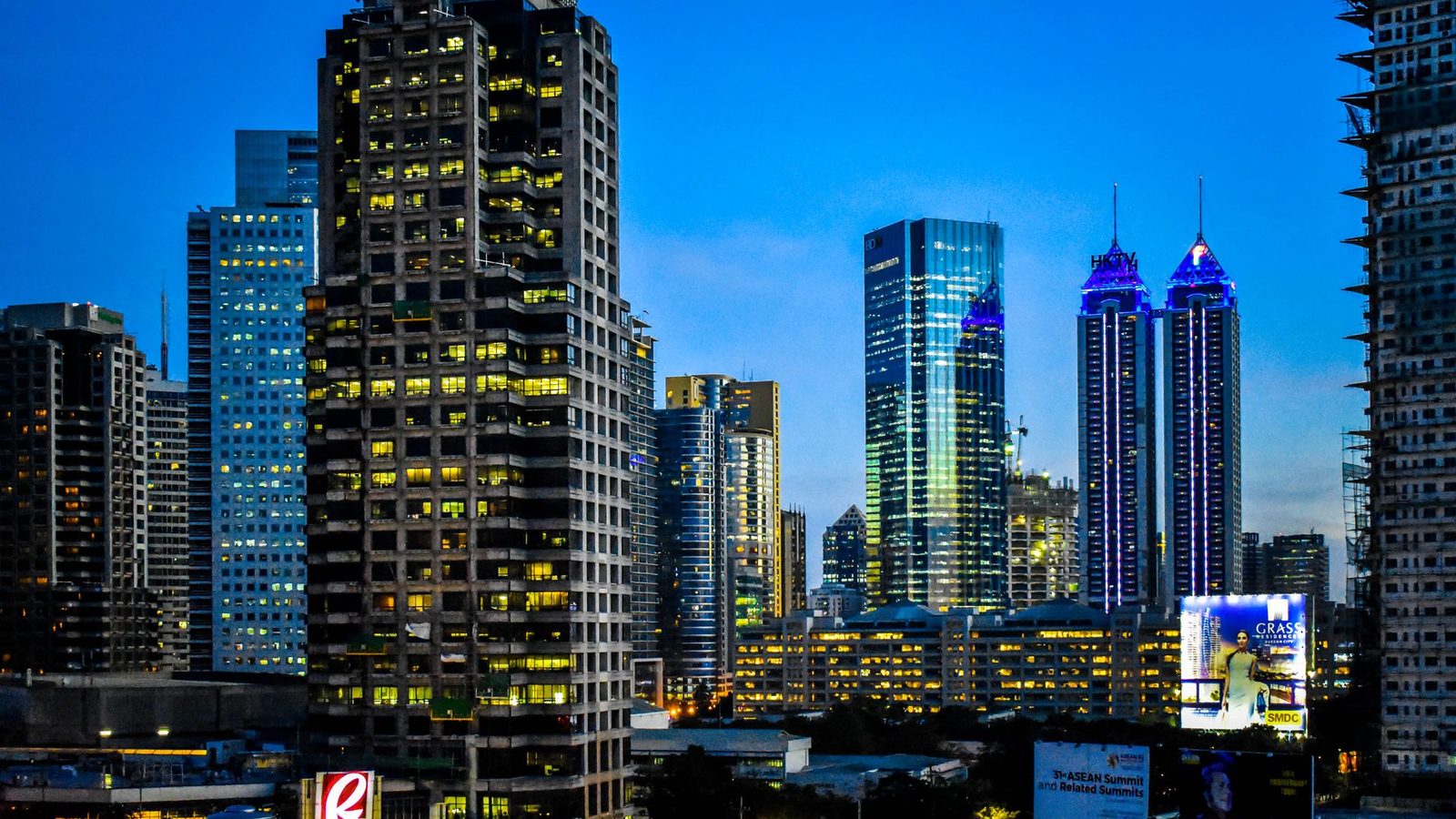
How much does it cost to live in Pasig? (2026)
Pasig is the Metro Manila address for people who run the numbers. If you work in Ortigas Center, want a real second bedroom, and refuse to hand half your salary to a Makati landlord, this is the city that makes the math work. The headline tells the whole story: median condo rent in Pasig sits around ₱550 to ₱650 (about $8.8 to $10 / €7.6 to €9) per sqm, well under Makati's ₱940 (about $15 / €13) or so. Sale prices are high, sure, but renters get to skip that and pocket the gap.
This guide is for families and mid-level professionals who care about value over postcode bragging rights. Pasig is the mid tier among the Metro CBDs, and that is a feature, not a compromise. You get Ortigas jobs, the Kapitolyo cafe scene, C5 and MRT-3 to get around, and more floor space for every peso you spend. For the regional picture, start with our Philippines monthly budget guide, then come back here for the Pasig specifics.
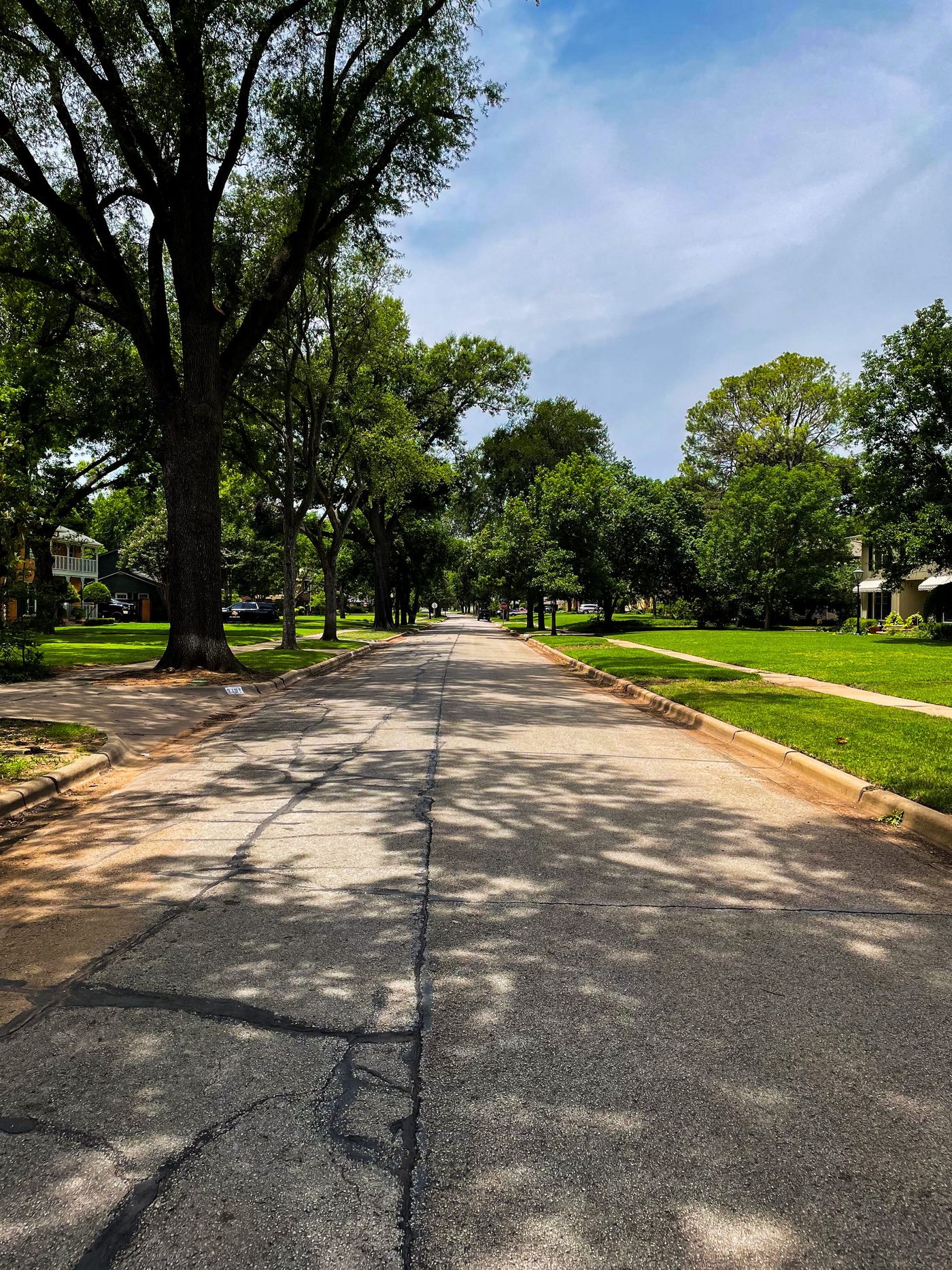
The five cost buckets, Pasig style
Housing. This is where Pasig earns its reputation. A studio or one-bedroom near Ortigas or Capitol Commons rents in a lower band than the equivalent unit in Makati or BGC, and you often get a bigger floor plate for the same money. Families gravitate to the mid-rise stock in Kapitolyo, San Antonio, and around Estancia, where two-bedroom units and small townhouses give you space without the high-rise premium. Older walk-up apartments stretch the budget even further. Browse current Pasig listings or filter straight to Pasig condos to see the spread, and use price per sqm to check whether a unit is actually a deal or just dressed up like one.
Food. Kapitolyo is the secret weapon. The neighborhood is packed with independent cafes, ramen spots, and family restaurants that cost a fraction of Makati's BGC-adjacent dining, and the quality holds up. Cook at home and your grocery run at the Estancia or Tiendesitas markets stays reasonable. Eat out three nights a week in Kapitolyo and you still spend less than you would chasing the same vibe across the river.
Transport. Pasig sits on C5 and feeds into MRT-3 at the Ortigas and Shaw stations, so both car owners and commuters have options. If your job is in Ortigas Center, plenty of residents simply walk or grab a short ride, which kills the single biggest hidden cost of Metro living. Factor in fuel, the occasional ride-hail surge, and MRT fares, and most people land in a comfortable mid range.
Utilities and connectivity. Electricity is the swing factor here, same as everywhere in the metro. Run the aircon hard through the hot months and the Meralco bill climbs; a mid-rise unit with cross-ventilation softens that. Fiber internet is widely available and competitively priced. Water, association dues, and mobile data round out the bucket without much drama.
Lifestyle and the rest. Capitol Commons and Estancia cover retail, groceries, gyms, and weekend errands without forcing a trip out of the city. Add health, schooling for families, and a bit of fun money, and this bucket flexes the most based on how you live.
All the figures below are ranges drawn from active listings and typical spend. They move with the season and the building, so verify before you commit.
Monthly budget by profile
| Bucket | Solo professional (1BR) | Couple, dual income | Family of four (2 to 3BR) |
|---|---|---|---|
| Rent | ₱22,000 to ₱32,000 (about $352 to $512 / €303 to €441) | ₱30,000 to ₱45,000 (about $480 to $720 / €413 to €620) | ₱45,000 to ₱70,000 (about $720 to $1,120 / €620 to €964) |
| Food and groceries | ₱9,000 to ₱14,000 (about $144 to $224 / €124 to €193) | ₱16,000 to ₱24,000 (about $256 to $384 / €220 to €331) | ₱28,000 to ₱42,000 (about $448 to $672 / €386 to €579) |
| Transport | ₱3,000 to ₱6,000 (about $48 to $96 / €41 to €83) | ₱5,000 to ₱10,000 (about $80 to $160 / €69 to €138) | ₱8,000 to ₱15,000 (about $128 to $240 / €110 to €207) |
| Utilities and internet | ₱4,000 to ₱7,000 (about $64 to $112 / €55 to €96) | ₱5,500 to ₱9,000 (about $88 to $144 / €76 to €124) | ₱8,000 to ₱13,000 (about $128 to $208 / €110 to €179) |
| Lifestyle and misc | ₱6,000 to ₱12,000 (about $96 to $192 / €83 to €165) | ₱10,000 to ₱18,000 (about $160 to $288 / €138 to €248) | ₱14,000 to ₱26,000 (about $224 to $416 / €193 to €358) |
| Monthly total | ₱44,000 to ₱71,000 (about $704 to $1,140 / €606 to €978) | ₱66,500 to ₱106,000 (about $1,060 to $1,700 / €916 to €1,460) | ₱103,000 to ₱166,000 (about $1,650 to $2,660 / €1,420 to €2,290) |
Figures from active listings and typical household spend; treat them as starting points, not quotes, and verify before you commit.
Who thrives here, who won't
Pasig rewards the value seeker. If you have an Ortigas job and you want the shortest possible gap between your salary and your savings, you will love it here. Families do well because the mid-rise and townhouse stock gives them rooms to actually live in, with schools, malls, and parks close by. Remote workers who want a strong cafe scene and lower rent than BGC find a natural fit in Kapitolyo.
It works less well for a few types. If your office is in Makati and you refuse to commute, the daily C5 crawl will wear you down. People who want a polished, master-planned CBD feel might find parts of Pasig a little rougher around the edges than BGC. And if you are chasing nightlife density, Makati and BGC still win that contest. Compare the tradeoffs directly in our Makati cost guide and the broader Manila breakdown.
Pasig quirks worth knowing
The value-versus-Makati gap is the thing to internalize. That ₱550 to ₱650 (about $8.8 to $10 / €7.6 to €9) per sqm median rent against Makati's ₱940 (about $15 / €13) is not a rounding error, it is real money every single month. On a typical unit, the difference can fund a car payment, a kid's tuition, or a fat savings rate. Renters capture this gap cleanly because they sidestep Pasig's high sale prices entirely, which is the whole trick of renting here instead of buying.
Space is the other quiet win. Per peso, Pasig units tend to run larger than their Makati or BGC counterparts, so the second bedroom you could only dream about across the river is genuinely on the table here. For a growing family, that extra room changes everything. Kapitolyo, meanwhile, gives you a walkable food and coffee culture that most CBD-adjacent neighborhoods charge a heavy premium for.
The catch to plan around is variability. Pasig is large and mixed, so a unit two blocks from Capitol Commons and one near a busy stretch of C5 can feel like different cities. Visit at rush hour, check the actual walking route to the MRT or your office, and listen for road noise before you sign anything.
Ready to price out your Pasig move?
The smart play is to look at live numbers, not averages. Pull up Pasig listings, narrow to condos in Pasig, and run anything that catches your eye through our price per sqm tool to confirm you are actually getting the Pasig value premium and not overpaying for it. If you are leaning toward buying instead of renting, our guide to the best condos in Pasig and the area by area Pasig condo prices cover that side in detail. When you are ready to move, start your rental search and lock in the unit that does the math in your favor.
Dollar and euro figures are approximate conversions at ₱62.5 per US dollar and ₱72.6 per euro (ECB reference rates, 2026-09-08).
Frequently asked questions
How much does it cost to live in Pasig per month in 2026?
A solo professional in a one-bedroom typically spends ₱44,000 to ₱71,000 (about $704 to $1,140 / €606 to €978) a month, a dual-income couple ₱66,500 to ₱106,000 (about $1,060 to $1,700 / €916 to €1,460), and a family of four in a 2-3 bedroom ₱103,000 to ₱166,000 (about $1,650 to $2,660 / €1,420 to €2,290). These are ranges from active listings and typical spend, so verify before you commit.
Is Pasig cheaper than Makati?
For renters, yes. Median condo rent in Pasig is around ₱550 to ₱650 (about $8.8 to $10 / €7.6 to €9) per sqm versus roughly ₱940 (about $15 / €13) in Makati. That gap is real money every month, and renters capture it cleanly because they skip Pasig's high sale prices.
Why do families choose Pasig?
Pasig offers more living space per peso, family-friendly mid-rise and townhouse stock, and easy access to schools, Capitol Commons and Estancia retail. The Kapitolyo food and cafe scene and Ortigas jobs without Makati rent seal the deal for value-minded households.
How do you get around Pasig?
Pasig sits on C5 and connects to MRT-3 at the Ortigas and Shaw stations. Many Ortigas Center workers walk or take short rides to the office, which removes the biggest hidden cost of Metro living. Transport typically runs ₱3,000 to ₱15,000 (about $48 to $240 / €41 to €207) monthly depending on household size.
Magkano ba ang gastos sa pamumuhay sa Pasig? (2026)
Ang Pasig ang Metro Manila address para sa mga taong marunong mag-compute. Kung nagtatrabaho ka sa Ortigas Center, gusto mo ng totoong second bedroom, at ayaw mong iabot ang kalahati ng sweldo mo sa isang Makati landlord, ito ang lungsod kung saan papasok talaga ang math. Nasa headline pa lang, kita na ang buong kuwento: ang median condo rent sa Pasig ay umiikot sa ₱550 hanggang ₱650 (mga $8.8 hanggang $10 / €7.6 hanggang €9) kada sqm, malayong mas mababa sa humigit-kumulang ₱940 (mga $15 / €13) ng Makati. Oo, mataas ang sale prices, pero kung renter ka, hindi mo iyon problema at sa bulsa mo napupunta ang difference.
Ang guide na ito ay para sa mga pamilya at mid-level professionals na mas pinapahalagahan ang value kaysa sa yabang ng postcode. Ang Pasig ang mid tier sa mga Metro CBD, at feature iyon, hindi kompromiso. Makukuha mo ang mga trabaho sa Ortigas, ang cafe scene ng Kapitolyo, ang C5 at MRT-3 para makapag-ikot, at mas malaking floor space sa bawat pisong ginagastos mo. Para sa mas malawak na picture, magsimula sa aming Philippines monthly budget guide, tapos balikan mo ito para sa mga detalyeng partikular sa Pasig.
Ang limang cost bucket, Pasig style
Bahay. Dito kumikita ng reputasyon ang Pasig. Ang studio o one-bedroom malapit sa Ortigas o Capitol Commons ay nauupahan sa mas mababang banda kaysa sa katumbas na unit sa Makati o BGC, at madalas mas malaki pa ang floor plate na makukuha mo sa parehong pera. Ang mga pamilya ay natural na napupunta sa mid-rise stock sa Kapitolyo, San Antonio, at sa paligid ng Estancia, kung saan ang two-bedroom units at maliliit na townhouse ay nagbibigay ng espasyo nang walang high-rise premium. Ang mga mas lumang walk-up apartment ay lalo pang nagpapahaba ng budget. I-browse ang kasalukuyang Pasig listings o dumiretso agad sa Pasig condos para makita ang spread, at gamitin ang price per sqm para ma-check kung ang unit ay tunay na deal o pinaganda lang ang dating.
Pagkain. Ang Kapitolyo ang secret weapon. Punong-puno ang neighborhood ng mga independent cafe, ramen spot, at family restaurant na maliit na bahagi lang ng gastos kumpara sa dining malapit sa BGC ng Makati, at kayang-kaya ang quality. Magluto ka sa bahay at mananatiling makatwiran ang grocery run mo sa mga palengke ng Estancia o Tiendesitas. Kumain ka sa labas nang tatlong gabi kada linggo sa Kapitolyo at mas mababa pa rin ang gastos mo kaysa habulin ang parehong vibe sa kabilang ilog.
Transport. Nakaupo ang Pasig sa C5 at konektado sa MRT-3 sa mga estasyon ng Ortigas at Shaw, kaya may options ang mga may kotse at ang mga commuter. Kung nasa Ortigas Center ang trabaho mo, marami sa mga residente ang naglalakad na lang o sumasakay ng maikling ride, na pumapatay sa pinakamalaking hidden cost ng pamumuhay sa Metro. Isama mo ang gasolina, ang paminsan-minsang ride-hail surge, at ang MRT fares, at karamihan ng tao ay napupunta sa komportableng mid range.
Utilities at connectivity. Ang kuryente ang swing factor dito, gaya ng kahit saan sa metro. Patakbuhin mo nang husto ang aircon sa mga buwan ng init at aakyat ang Meralco bill; ang mid-rise unit na may cross-ventilation ang nagpapaluwag doon. Ang fiber internet ay malawak na available at competitive ang presyo. Ang tubig, association dues, at mobile data ang bumubuo ng natitirang bahagi ng bucket nang walang gaanong drama.
Lifestyle at iba pa. Sagot na ng Capitol Commons at Estancia ang retail, groceries, gym, at mga weekend errands nang hindi ka na kailangang lumabas ng lungsod. Idagdag mo ang health, schooling para sa mga pamilya, at kaunting pera para sa saya, at ito ang bucket na pinaka-flexible depende sa kung paano ka mamuhay.
Lahat ng figures sa ibaba ay ranges mula sa mga active listing at karaniwang gastusin. Gumagalaw ang mga ito depende sa season at sa building, kaya i-verify bago ka mag-commit.
Monthly budget ayon sa profile
| Bucket | Solo professional (1BR) | Mag-asawa, dual income | Pamilyang apat katao (2 hanggang 3BR) |
|---|---|---|---|
| Upa | ₱22,000 hanggang ₱32,000 (mga $352 hanggang $512 / €303 hanggang €441) | ₱30,000 hanggang ₱45,000 (mga $480 hanggang $720 / €413 hanggang €620) | ₱45,000 hanggang ₱70,000 (mga $720 hanggang $1,120 / €620 hanggang €964) |
| Pagkain at groceries | ₱9,000 hanggang ₱14,000 (mga $144 hanggang $224 / €124 hanggang €193) | ₱16,000 hanggang ₱24,000 (mga $256 hanggang $384 / €220 hanggang €331) | ₱28,000 hanggang ₱42,000 (mga $448 hanggang $672 / €386 hanggang €579) |
| Transport | ₱3,000 hanggang ₱6,000 (mga $48 hanggang $96 / €41 hanggang €83) | ₱5,000 hanggang ₱10,000 (mga $80 hanggang $160 / €69 hanggang €138) | ₱8,000 hanggang ₱15,000 (mga $128 hanggang $240 / €110 hanggang €207) |
| Utilities at internet | ₱4,000 hanggang ₱7,000 (mga $64 hanggang $112 / €55 hanggang €96) | ₱5,500 hanggang ₱9,000 (mga $88 hanggang $144 / €76 hanggang €124) | ₱8,000 hanggang ₱13,000 (mga $128 hanggang $208 / €110 hanggang €179) |
| Lifestyle at iba pa | ₱6,000 hanggang ₱12,000 (mga $96 hanggang $192 / €83 hanggang €165) | ₱10,000 hanggang ₱18,000 (mga $160 hanggang $288 / €138 hanggang €248) | ₱14,000 hanggang ₱26,000 (mga $224 hanggang $416 / €193 hanggang €358) |
| Kabuuang buwanan | ₱44,000 hanggang ₱71,000 (mga $704 hanggang $1,140 / €606 hanggang €978) | ₱66,500 hanggang ₱106,000 (mga $1,060 hanggang $1,700 / €916 hanggang €1,460) | ₱103,000 hanggang ₱166,000 (mga $1,650 hanggang $2,660 / €1,420 hanggang €2,290) |
Ang figures ay mula sa mga active listing at karaniwang gastusin ng household; ituring ang mga ito bilang starting points, hindi quotes, at i-verify bago ka mag-commit.
Sino ang babagay dito, sino ang hindi
Ginagantimpalaan ng Pasig ang naghahanap ng value. Kung may trabaho ka sa Ortigas at gusto mo ng pinakamaikling agwat sa pagitan ng sweldo mo at ng ipon mo, magugustuhan mo dito. Maganda rin sa mga pamilya dahil ang mid-rise at townhouse stock ay nagbibigay ng mga kuwartong talagang matitirahan, at malapit lang ang mga eskwelahan, mall, at parke. Ang mga remote worker na gusto ng matibay na cafe scene at mas mababang upa kaysa BGC ay natural na babagsak sa Kapitolyo.
Hindi ito gaanong bagay sa ilang tipo ng tao. Kung nasa Makati ang opisina mo at ayaw mong mag-commute, mapapagod ka sa araw-araw na usad-pagong sa C5. Ang mga taong gusto ng makinis, master-planned na CBD feel ay maaaring maramdamang medyo magaspang ang ilang bahagi ng Pasig kumpara sa BGC. At kung densidad ng nightlife ang hanap mo, panalo pa rin ang Makati at BGC sa laban na iyon. Ikumpara nang direkta ang mga tradeoff sa aming Makati cost guide at sa mas malawak na Manila breakdown.
Mga kakaibang detalye ng Pasig na sulit malaman
Ang agwat ng value kumpara sa Makati ang dapat mong isapuso. Ang ₱550 hanggang ₱650 (mga $8.8 hanggang $10 / €7.6 hanggang €9) kada sqm na median rent laban sa ₱940 (mga $15 / €13) ng Makati ay hindi rounding error, tunay na pera iyan bawat buwan. Sa isang tipikal na unit, ang difference ay kayang pondohan ang hulog ng kotse, tuition ng anak, o matabang savings rate. Malinis na nakukuha ng mga renter ang agwat na ito dahil naiiwasan nila nang buo ang matataas na sale prices ng Pasig, at iyon mismo ang buong diskarte ng pag-upa dito imbes na bumili.
Ang espasyo ang isa pang tahimik na panalo. Kada piso, ang mga unit sa Pasig ay malamang mas malaki kaysa sa mga katapat nila sa Makati o BGC, kaya ang second bedroom na pinapangarap mo lang sa kabilang ilog ay tunay na abot-kamay dito. Para sa lumalaking pamilya, binabago ng dagdag na kuwartong iyon ang lahat. Ang Kapitolyo naman ay nagbibigay sa iyo ng walkable na food at coffee culture na karaniwang may mabigat na premium sa ibang mga neighborhood malapit sa CBD.
Ang dapat mong paghandaan ay ang variability. Malaki at halo-halo ang Pasig, kaya ang unit na dalawang block mula sa Capitol Commons at ang isa malapit sa abalang bahagi ng C5 ay parang magkaibang lungsod ang pakiramdam. Bumisita sa rush hour, i-check ang aktwal na lakarang ruta papunta sa MRT o sa opisina mo, at pakinggan ang ingay ng kalsada bago ka pumirma ng kahit ano.
Handa ka na bang i-presyo ang lipat mo sa Pasig?
Ang matalinong diskarte ay tingnan ang live numbers, hindi averages. Buksan ang Pasig listings, i-narrow sa condos sa Pasig, at ipasok ang kahit anong makakuha ng atensyon mo sa aming price per sqm tool para kumpirmahin na talagang nakukuha mo ang Pasig value premium at hindi ka nag-o-overpay para dito. Kung mas kinakiligan mo ang bumili kaysa umupa, ang aming guide sa best condos sa Pasig at ang area by area na Pasig condo prices ay detalyadong sumasakop sa panig na iyon. Kapag handa ka nang lumipat, simulan ang rental search mo at i-lock in ang unit na papabor sa iyo ang math.
Tinatayang conversion lang ang mga halaga sa dollar at euro, sa ₱62.5 kada US dollar at ₱72.6 kada euro (ECB reference rates, 2026-09-08).
Mga madalas itanong
Magkano ang gastos sa pagtira sa Pasig kada buwan sa 2026?
Ang solo professional sa one-bedroom ay kadalasang gumagastos ng ₱44,000 hanggang ₱71,000 (mga $704 hanggang $1,140 / €606 hanggang €978) kada buwan, ang dual-income couple ₱66,500 hanggang ₱106,000 (mga $1,060 hanggang $1,700 / €916 hanggang €1,460), at ang family of four sa 2-3 bedroom ₱103,000 hanggang ₱166,000 (mga $1,650 hanggang $2,660 / €1,420 hanggang €2,290). Ranges ito mula sa active listings at typical spend, kaya i-verify muna bago mag-commit.
Mas mura ba ang Pasig kaysa Makati?
Para sa mga renter, oo. Ang median condo rent sa Pasig ay nasa mga ₱550 hanggang ₱650 (mga $8.8 hanggang $10 / €7.6 hanggang €9) per sqm versus mga ₱940 (mga $15 / €13) sa Makati. Totoong pera ang gap na iyan kada buwan, at buong-buo itong nakukuha ng mga renter dahil hindi nila kailangang harapin ang matataas na sale prices ng Pasig.
Bakit pinipili ng mga pamilya ang Pasig?
Mas maraming living space per peso ang Pasig, family-friendly ang mid-rise at townhouse stock, at madaling maabot ang mga school, Capitol Commons at Estancia retail. Ang Kapitolyo food and cafe scene at ang trabaho sa Ortigas nang walang Makati rent ang nagse-seal ng deal para sa mga value-minded na household.
Paano gumalaw papunta-punta sa Pasig?
Nakaupo ang Pasig sa C5 at konektado sa MRT-3 sa Ortigas at Shaw stations. Maraming Ortigas Center workers ang naglalakad o maiksing byahe na lang papuntang office, na nag-aalis ng pinakamalaking hidden cost ng Metro living. Ang transport ay kadalasang ₱3,000 hanggang ₱15,000 (mga $48 hanggang $240 / €41 hanggang €207) monthly depende sa laki ng household.
Pila man gyud ang gasto sa pagpuyo sa Pasig? (2026)
Ang Pasig mao ang Metro Manila address para sa mga tawong kahibalo mag-compute. Kung nagtrabaho ka sa Ortigas Center, gusto nimo og tinuod nga second bedroom, ug dili ka mosugot nga ihatag ang katunga sa imong sweldo sa usa ka Makati landlord, kini ang siyudad diin mosulod gyud ang math. Sa headline pa lang, klaro na ang tibuok istorya: ang median condo rent sa Pasig anaa sa mga ₱550 hangtod ₱650 (mga $8.8 hangtod $10 / €7.6 hangtod €9) kada sqm, layo ra kaayo sa mga ₱940 (mga $15 / €13) sa Makati. Taas gani ang sale prices, sakto, pero kung nag-abang ka, dili na nimo problema ug ang difference maadto sa imong bulsa.
Kini nga guide para sa mga pamilya ug mid-level professionals nga mas gipabilhan ang value kaysa sa pagpanghambog og address. Ang Pasig mao ang mid tier sa mga Metro CBD, ug feature kana, dili kompromiso. Makuha nimo ang mga trabaho sa Ortigas, ang cafe scene sa Kapitolyo, ang C5 ug MRT-3 para makalibot, ug mas dako nga floor space sa matag pesong imong gastuhon. Para sa mas lapad nga hulagway, sugdi sa among Philippines monthly budget guide, unya balik dinhi para sa mga detalye bahin sa Pasig.
Ang lima ka cost bucket, Pasig style
Balay. Dinhi nakuha sa Pasig ang iyang reputasyon. Ang studio o one-bedroom duol sa Ortigas o Capitol Commons maabangan sa mas ubos nga banda kaysa sa parehas nga unit sa Makati o BGC, ug kasagaran mas dako pa ang floor plate nga imong makuha sa samang kwarta. Ang mga pamilya modagayday sa mid-rise stock sa Kapitolyo, San Antonio, ug palibot sa Estancia, diin ang two-bedroom units ug gagmay nga townhouse mohatag og luna nga walay high-rise premium. Ang mas karaan nga walk-up apartments mas mopalugway pa gyud sa budget. I-browse ang kasamtangang Pasig listings o diretso dayon sa Pasig condos para makita ang spread, ug gamita ang price per sqm para ma-check kung ang unit tinuod ba nga deal o gipa-nindot lang ang dagway.
Pagkaon. Ang Kapitolyo mao ang secret weapon. Puno kaayo ang neighborhood og mga independent cafe, ramen spot, ug family restaurant nga gamay ra nga bahin sa presyo kumpara sa dining duol sa BGC sa Makati, ug maayo gihapon ang quality. Magluto ka sa balay ug ang imong grocery run sa mga merkado sa Estancia o Tiendesitas magpabilin nga makatarunganon. Mokaon ka sa gawas og tulo ka gabii kada semana sa Kapitolyo ug mas gamay gihapon ang imong magasto kaysa gukdon ang samang vibe tabok sa suba.
Transport. Ang Pasig naglingkod sa C5 ug konektado sa MRT-3 sa mga estasyon sa Ortigas ug Shaw, mao nga adunay options ang mga tag-iya og sakyanan ug ang mga commuter. Kung sa Ortigas Center ang imong trabaho, daghan sa mga residente ang maglakaw ra o mosakay og mubo nga ride, nga mopatay sa pinakadako nga hidden cost sa pagpuyo sa Metro. Iapil ang gasolina, ang usahay nga ride-hail surge, ug ang MRT fares, ug kadaghanan sa mga tawo maadto sa komportable nga mid range.
Utilities ug connectivity. Ang kuryente mao ang swing factor dinhi, sama sa bisan asa sa metro. Padagana og kusog ang aircon sa mga bulan sa kainit ug mosaka ang Meralco bill; ang mid-rise unit nga adunay cross-ventilation makapahumok ana. Ang fiber internet lapad nga available ug competitive ang presyo. Ang tubig, association dues, ug mobile data maoy mokompleto sa bucket nga walay daghang drama.
Lifestyle ug uban pa. Ang Capitol Commons ug Estancia mosagot na sa retail, groceries, gym, ug mga weekend errands nga dili na ka kinahanglan mogawas sa siyudad. Idugang ang health, eskwela para sa mga pamilya, ug gamay nga kwarta para sa lingaw, ug kini nga bucket ang pinaka-flexible depende sa imong pagkinabuhi.
Ang tanang figures sa ubos mga range gikan sa mga active listing ug kasagarang gasto. Molihok kini depende sa season ug sa building, mao nga i-verify una ka mo-commit.
Monthly budget matag profile
| Bucket | Solo professional (1BR) | Magtiayon, dual income | Pamilyang upat ka tawo (2 hangtod 3BR) |
|---|---|---|---|
| Abang | ₱22,000 hangtod ₱32,000 (mga $352 hangtod $512 / €303 hangtod €441) | ₱30,000 hangtod ₱45,000 (mga $480 hangtod $720 / €413 hangtod €620) | ₱45,000 hangtod ₱70,000 (mga $720 hangtod $1,120 / €620 hangtod €964) |
| Pagkaon ug groceries | ₱9,000 hangtod ₱14,000 (mga $144 hangtod $224 / €124 hangtod €193) | ₱16,000 hangtod ₱24,000 (mga $256 hangtod $384 / €220 hangtod €331) | ₱28,000 hangtod ₱42,000 (mga $448 hangtod $672 / €386 hangtod €579) |
| Transport | ₱3,000 hangtod ₱6,000 (mga $48 hangtod $96 / €41 hangtod €83) | ₱5,000 hangtod ₱10,000 (mga $80 hangtod $160 / €69 hangtod €138) | ₱8,000 hangtod ₱15,000 (mga $128 hangtod $240 / €110 hangtod €207) |
| Utilities ug internet | ₱4,000 hangtod ₱7,000 (mga $64 hangtod $112 / €55 hangtod €96) | ₱5,500 hangtod ₱9,000 (mga $88 hangtod $144 / €76 hangtod €124) | ₱8,000 hangtod ₱13,000 (mga $128 hangtod $208 / €110 hangtod €179) |
| Lifestyle ug uban pa | ₱6,000 hangtod ₱12,000 (mga $96 hangtod $192 / €83 hangtod €165) | ₱10,000 hangtod ₱18,000 (mga $160 hangtod $288 / €138 hangtod €248) | ₱14,000 hangtod ₱26,000 (mga $224 hangtod $416 / €193 hangtod €358) |
| Total kada bulan | ₱44,000 hangtod ₱71,000 (mga $704 hangtod $1,140 / €606 hangtod €978) | ₱66,500 hangtod ₱106,000 (mga $1,060 hangtod $1,700 / €916 hangtod €1,460) | ₱103,000 hangtod ₱166,000 (mga $1,650 hangtod $2,660 / €1,420 hangtod €2,290) |
Ang figures gikan sa mga active listing ug kasagarang gasto sa panimalay; isipa kini nga starting points, dili quotes, ug i-verify una ka mo-commit.
Kinsa ang molambo dinhi, kinsa ang dili
Ang Pasig moganti sa nangita og value. Kung adunay kay trabaho sa Ortigas ug gusto nimo ang pinakamubo nga gintang tali sa imong sweldo ug sa imong tinigom, ganahan gyud ka dinhi. Maayo usab sa mga pamilya kay ang mid-rise ug townhouse stock mohatag og mga kwarto nga tinuod nga kapuy-an, ug duol ra ang mga eskwelahan, mall, ug parke. Ang mga remote worker nga gusto og lig-on nga cafe scene ug mas ubos nga abang kaysa BGC natural nga mahiluna sa Kapitolyo.
Dili kini kaayo angay sa pipila ka klase sa tawo. Kung sa Makati ang imong opisina ug dili ka gusto mo-commute, kapoyon ka sa adlaw-adlaw nga kamang sa C5. Ang mga tawong gusto og hamis, master-planned nga CBD feel basin makabati nga medyo gahi ang pipila ka bahin sa Pasig kumpara sa BGC. Ug kung densidad sa nightlife ang imong ginapangita, daog gihapon ang Makati ug BGC ana nga sangka. Itandi og diretso ang mga tradeoff sa among Makati cost guide ug sa mas lapad nga Manila breakdown.
Mga kinaiya sa Pasig nga angay hibaw-an
Ang gintang sa value kumpara sa Makati mao ang kinahanglan nimong isilsil sa hunahuna. Kanang ₱550 hangtod ₱650 (mga $8.8 hangtod $10 / €7.6 hangtod €9) kada sqm nga median rent batok sa ₱940 (mga $15 / €13) sa Makati dili rounding error, tinuod kana nga kwarta matag bulan. Sa usa ka tipikal nga unit, ang difference makapondo og hulog sa sakyanan, tuition sa anak, o tambok nga savings rate. Limpyo nga makuha sa mga nag-abang kini nga gintang kay malikayan nila og hingpit ang taas nga sale prices sa Pasig, ug mao gyud kana ang tibuok diskarte sa pag-abang dinhi imbes nga mopalit.
Ang luna mao ang laing hilom nga daog. Kada peso, ang mga unit sa Pasig kasagaran mas dako kaysa sa mga katugbang nila sa Makati o BGC, mao nga ang second bedroom nga damgo ra nimo tabok sa suba tinuod nga maabot dinhi. Para sa nagatubo nga pamilya, ang maong dugang kwarto mousab sa tanan. Ang Kapitolyo pud mohatag nimo og walkable nga food ug coffee culture nga kasagaran adunay bug-at nga premium sa ubang mga neighborhood duol sa CBD.
Ang kinahanglan nimong planohan mao ang variability. Dako ug sagol-sagol ang Pasig, mao nga ang unit nga duha ka block gikan sa Capitol Commons ug ang usa duol sa puliki nga bahin sa C5 mura og magkalahi nga siyudad ang pamati. Bisitaha sa rush hour, i-check ang aktwal nga lakawon nga ruta padulong sa MRT o sa imong opisina, ug paminawa ang saba sa dalan una ka mopirma og bisan unsa.
Andam na ba ka mo-presyo sa imong pagbalhin sa Pasig?
Ang maalamon nga lakang mao ang pagtan-aw sa live numbers, dili averages. Ablihi ang Pasig listings, i-narrow sa condos sa Pasig, ug ipaagi ang bisan unsa nga makakuha sa imong atensyon sa among price per sqm tool para makumpirma nga tinuod nimong nakuha ang Pasig value premium ug wala ka nag-overpay para niini. Kung mas hilig ka mopalit kaysa mo-abang, ang among guide sa best condos sa Pasig ug ang area by area nga Pasig condo prices detalyado nga naglangkob ana nga bahin. Kung andam na ka mobalhin, sugdi ang imong rental search ug i-lock in ang unit diin ang math modapig kanimo.
Banabana lang ang mga conversion sa dollar ug euro, sa ₱62.5 matag US dollar ug ₱72.6 matag euro (ECB reference rates, 2026-09-08).
Mga kasagarang pangutana
Pila ang gasto sa pagpuyo sa Pasig matag bulan sa 2026?
Ang solo professional sa one-bedroom kasagaran mogasto og ₱44,000 hangtod ₱71,000 (mga $704 hangtod $1,140 / €606 hangtod €978) matag bulan, ang dual-income couple ₱66,500 hangtod ₱106,000 (mga $1,060 hangtod $1,700 / €916 hangtod €1,460), ug ang pamilya nga upat ka tawo sa 2-3 bedroom ₱103,000 hangtod ₱166,000 (mga $1,650 hangtod $2,660 / €1,420 hangtod €2,290). Mga range ni gikan sa active listings ug typical spend, mao nga i-verify una mo-commit.
Mas barato ba ang Pasig kaysa Makati?
Para sa mga nag-abang, oo. Ang median condo rent sa Pasig anaa sa mga ₱550 hangtod ₱650 (mga $8.8 hangtod $10 / €7.6 hangtod €9) per sqm versus mga ₱940 (mga $15 / €13) sa Makati. Tinuod nga kwarta kana nga gap matag bulan, ug makuha kini sa mga renter nga tibuok kay dili nila kinahanglan atubangon ang taas nga sale prices sa Pasig.
Ngano man pilion sa mga pamilya ang Pasig?
Mas daghang living space per peso ang Pasig, family-friendly ang mid-rise ug townhouse stock, ug sayon maabot ang mga eskwelahan, Capitol Commons ug Estancia retail. Ang Kapitolyo food and cafe scene ug ang trabaho sa Ortigas nga walay Makati nga abang maoy mosira sa deal para sa mga value-minded nga household.
Unsaon paglibot-libot sa Pasig?
Ang Pasig anaa sa C5 ug konektado sa MRT-3 sa Ortigas ug Shaw stations. Daghang Ortigas Center workers ang maglakaw ra o mubo ra nga sakay padulong sa opisina, nga makatangtang sa pinakadako nga hidden cost sa Metro living. Ang transport kasagaran ₱3,000 hangtod ₱15,000 (mga $48 hangtod $240 / €41 hangtod €207) monthly depende sa gidak-on sa household.
Homes you can buy right now
See all listings →
Read next
Commercial Space for Rent Quezon City: Rates by Area (2026)
Commercial space for rent in Quezon City: food stalls from ₱5,500, Cubao ₱800 per sqm, Scout area ₱1,500, Banawe ₱375 to ₱773, and the mall alternative.
Makati vs BGC Condo Investment: Prices, Rents, Yields (2026)
Makati vs BGC condo investment: ₱194,772 against ₱198,063 per sqm, rents by unit type, yields of 5.8% and 6.0%, tenants, vacancy and the foreign cap.
Beachfront Condos in Mactan: Prices, Buildings and Rents
Beachfront condos in Mactan: studios ₱1.95M to ₱4.6M, one bedrooms ₱5.9M to ₱8.5M, rents ₱14,000 to ₱52,000, 22 resort buildings and a 10.8% index yield.