
Jul 3, 2026 · by BalayHub Admin · 6 min read
Best Places to Retire in the Philippines (2026): City by City
Where retirement actually works in the Philippines: Dumaguete, Tagaytay, Baguio, Cebu, Iloilo, Davao and the beach towns compared on healthcare, climate, cost, visas and the errands nobody mentions.
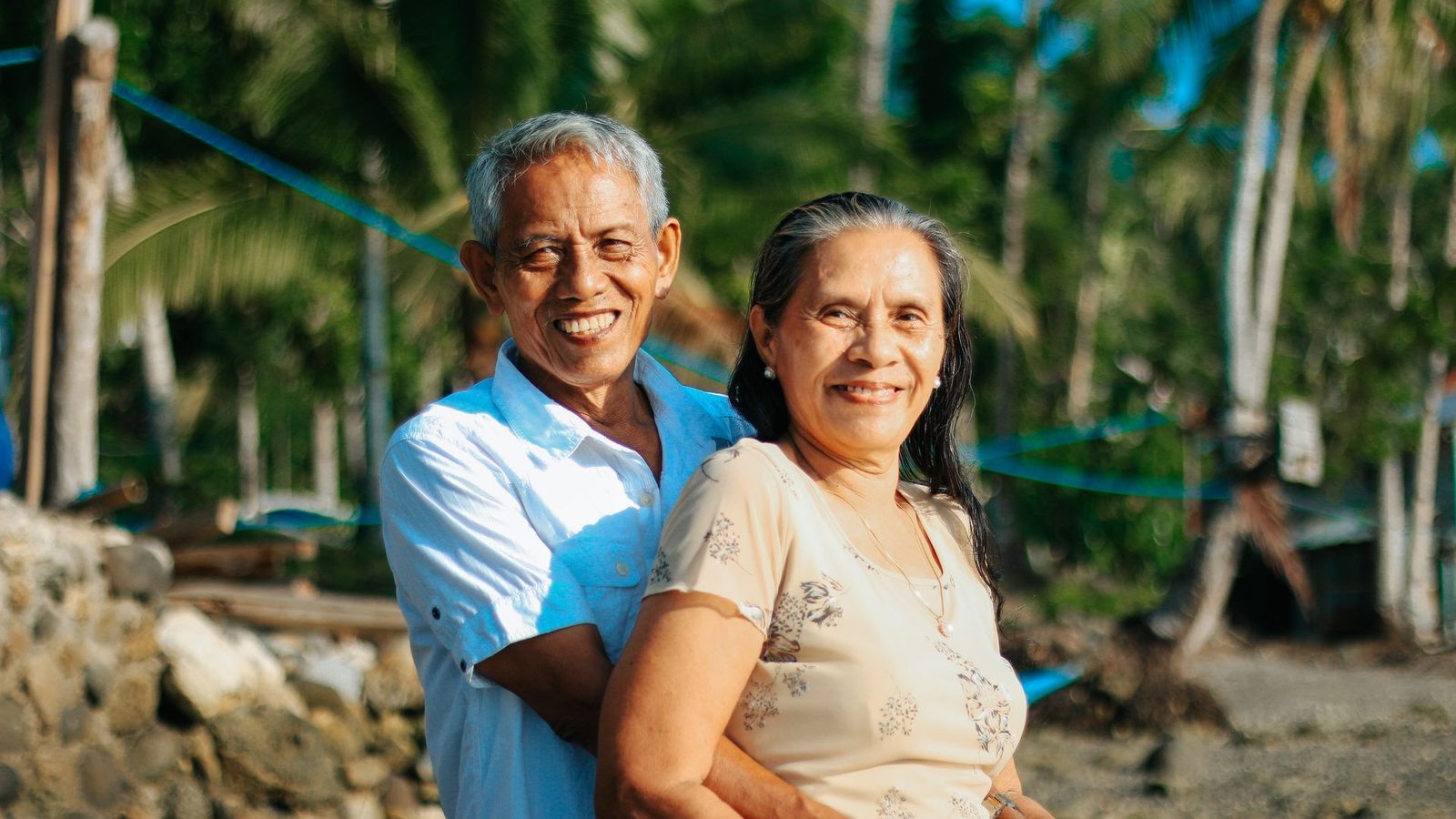
The best places to retire in the Philippines (2026)
The Philippines makes a strong case for retirement: English is everywhere, the cost of living runs at a fraction of Western budgets, the retirement visa is one of Asia's most accessible, and the archipelago offers everything from cool mountain towns to beach villages. The catch is that "the Philippines" is 7,000 islands, and a retirement that thrives in Dumaguete would frustrate the same person in Manila. Picking the right base matters more than picking the country.
The best places to retire in the Philippines, in one paragraph: Dumaguete for the lowest cost and the university town pace, Tagaytay for cool air an hour from Manila and its hospitals, Baguio for the mountain climate at a higher altitude, Cebu for full city services and an international airport, Iloilo for a quiet, well run mid sized city, and Davao for order and space in a big city. The right one depends on your budget, your health needs and how often you want to reach Manila; the sections below take each city in turn, and our guide to condos in Tagaytay covers the retiree favorite in detail.
Here is how the best retirement cities compare in 2026, and the criteria that actually decide the outcome.
What actually matters when you choose
Before the list, the checklist. Retirees who stay happy here tend to have chosen on five things: healthcare within reach (a real hospital, not a clinic), a climate they can live with year round, a cost of living that leaves margin in the budget, an immigration office nearby so visa paperwork stays an errand rather than a journey (our visa guide explains why that matters more than people expect), and an airport for the trips home. Beach views rank lower than most people think after month three.
Dumaguete: the classic, for good reason
The benchmark retirement city. A walkable university town by the sea in Negros Oriental with one of the country's most established expat communities, genuinely low costs, hospitals, and a boulevard made for slow evenings. The pace is the appeal: small enough to know people, big enough to have what you need. Our Dumaguete cost of living guide puts numbers on it.
Tagaytay: cool air an hour from Manila
For retirees who want cooler temperatures without leaving Luzon's conveniences, Tagaytay's ridge above Taal offers a spring-like climate, a deep dining scene, and Manila's hospitals and airport within a morning's drive. It has become the practical compromise for couples splitting time between the Philippines and abroad.
Baguio: the mountain option
The summer capital sits high enough that you will use a blanket, not an air conditioner, and the pine-town character attracts retirees escaping lowland heat for good. Universities keep the city lively and services solid. The trade is distance from a major airport. Our guide to buying a condo in Baguio covers the property side of the move.
Cebu: the full-services choice
If the deciding factors are hospitals, flights and options, Cebu is hard to beat: big-city healthcare, an international airport, islands and beaches an hour away, and a property market deep enough for any budget. It costs more than the smaller cities and brings big-city traffic, but it removes almost every compromise. See the Cebu cost of living guide for the budget picture.
Iloilo: the quiet achiever
Repeatedly ranked among the country's most livable cities, Iloilo pairs provincial costs with real city infrastructure, an esplanade lifestyle, good hospitals and a growing food scene. It suits retirees who want comfort without an expat bubble.
Davao: the orderly big city
The cheapest of the true big cities and known for order and safety, Davao works for retirees who want scale, services and Mindanao's lower prices. The Davao cost of living guide has the numbers.
Bohol and the beach towns
For the postcard retirement, Panglao Island pairs beaches with a new international airport and Tagbilaran's services nearby. Beach living rewards a trial run first: services thin out, and the visa trips and hospital runs get longer, which is exactly the distance problem the visa guide describes.
The practical side: visa, money, home
The SRRV retirement visa, run by the Philippine Retirement Authority, grants indefinitely renewable residency against a deposit, and in some tracks the deposit can go toward a condo purchase. Many retirees simply live on extended tourist stays instead; both paths work, they just trade paperwork for errands differently.
On housing, renting first is the golden rule: spend six months in your shortlisted city before buying anything. When you do buy, foreigners can own condo units but not land, as our foreign buyer's guide explains, and the whole purchase can be run from overseas with the steps in the buying from abroad guide. For the budget, the cheapest places to live and the national cost of living guide set the baseline: a comfortable provincial retirement commonly runs ₱40,000 to ₱80,000 (about $640 to $1,280 / €551 to €1,100) a month for a couple, depending on the city and lifestyle.
What a rental costs in each city, from our listings
Retirees rent before they buy, so here is what our listing price sample shows for the cities above, with the sample sizes, because some are small. Cebu City studios rent at ₱17,000 (about $271 / €238) on 16 listings. Cebu City is the deepest market: 16 one bedroom rentals with a median of ₱26,000 (about $414 / €365) a month, two bedrooms at ₱49,000 (about $781 / €687), and condos selling at about ₱109,000 (about $1,740 / €1,530) per square meter. Davao two bedrooms list at a median of ₱19,000 (about $303 / €266) on four rentals, with condos at ₱68,000 (about $1,080 / €953) per square meter. Tagaytay one bedrooms ask about ₱20,000 (about $319 / €280) on three listings and sell at ₱70,600 (about $1,130 / €990) per square meter. Baguio condos sell at about ₱57,000 (about $908 / €799) per square meter, the lowest of the group. Dumaguete shows two bedroom rentals at ₱15,000 (about $239 / €210) on two listings, and Bohol two bedrooms at ₱12,000 (about $191 / €168) in Dauis and ₱22,000 (about $351 / €308) in Tagbilaran on one listing each. Iloilo has no rentals in the sample yet. As a rule the provincial cities rent a two bedroom for what a Cebu studio costs, and the price per square meter tool updates these medians as listings are added.
The bottom line
Choose Dumaguete or Iloilo for value and community, Tagaytay or Baguio for climate, Cebu or Davao for services, and the beach towns only after a trial season. Rent first, keep the hospital and the immigration office within reach, and the Philippines delivers one of the best retirement equations anywhere. Browse homes for rent in your shortlisted cities to start the trial run, and properties for sale when a city has earned you. This is general information, not immigration or financial advice; verify visa rules and costs for your situation before committing.
Dollar and euro figures are approximate conversions at ₱62.5 per US dollar and ₱72.6 per euro (ECB reference rates, 2026-09-08).
Frequently asked questions
What is the best place to retire in the Philippines?
Dumaguete is the classic benchmark: a walkable, low cost university town by the sea with an established expat community and hospitals. Iloilo offers similar value with more city infrastructure, Tagaytay and Baguio suit retirees who want cool air, and Cebu or Davao fit those who prioritize big hospitals and airports. The right pick depends on your health needs, climate tolerance and budget.
How much do you need to retire in the Philippines?
A comfortable provincial retirement commonly runs about ₱40,000 to ₱80,000 (about $640 to $1,280 / €551 to €1,100) a month for a couple, depending on the city and lifestyle, with rent the biggest variable. The big cities cost more; the small towns less. A trial season of renting in your shortlisted city is the most reliable budget test.
What visa do retirees use in the Philippines?
Many use the SRRV retirement visa from the Philippine Retirement Authority, an indefinitely renewable residency granted against a deposit that in some tracks can go toward a condo purchase. Others simply live on extended tourist stays, which works but means regular extension errands at an immigration office, so office proximity is worth weighing when you choose a city.
Can foreign retirees buy property in the Philippines?
Foreigners can buy condominium units, subject to the 40 percent foreign ownership cap per building, but cannot own land. Renting first for at least six months in the target city is the standard advice before buying anything, and the entire purchase can be handled remotely with a Special Power of Attorney if needed.
How much is rent in the best retirement cities in the Philippines?
From our listing sample: Cebu City one bedrooms at a median of ₱26,000 (about $414 / €365) a month and two bedrooms at ₱49,000 (about $781 / €687); Davao two bedrooms around ₱19,000 (about $303 / €266); Tagaytay one bedrooms about ₱20,000 (about $319 / €280); Dumaguete two bedrooms about ₱15,000 (about $239 / €210); Bohol two bedrooms ₱12,000 to ₱22,000 (about $191 to $351 / €168 to €308). Samples outside Cebu are small, so treat them as a starting point and check current listings before you decide.
Ang pinakamagagandang lugar para mag-retire sa Pilipinas (2026)
Malakas ang kaso ng Pilipinas bilang retirement destination: English ang salita kahit saan, ang cost of living ay maliit na bahagi lang ng budget sa Kanluran, ang retirement visa natin ay isa sa pinaka-accessible sa Asya, at ang arkipelago ay may alok na lahat, mula sa malalamig na bayan sa bundok hanggang sa mga beach village. Ang catch: ang "Pilipinas" ay 7,000 isla, at ang retirement na masaya sa Dumaguete ay puwedeng ikainis ng parehong tao sa Manila. Mas mahalaga ang pagpili ng tamang base kaysa sa pagpili ng bansa.
Ang pinakamagandang lugar para mag-retire sa Pilipinas, sa isang talata: Dumaguete para sa pinakamababang gastos at sa takbo ng buhay ng isang university town, Tagaytay para sa malamig na hangin isang oras mula sa Manila at sa mga ospital nito, Baguio para sa klima ng bundok sa mas mataas na altitude, Cebu para sa kumpletong serbisyo ng lungsod at international airport, Iloilo para sa tahimik at maayos na pinapatakbong lungsod na katamtaman ang laki, at Davao para sa kaayusan at espasyo sa isang malaking lungsod. Ang tamang pili ay depende sa iyong budget, sa iyong pangangailangan sa kalusugan at kung gaano kadalas mo gustong makarating sa Manila; tatalakayin ng mga sumusunod na seksyon ang bawat lungsod isa isa, at ang aming gabay sa mga condo sa Tagaytay ay detalyadong sumasaklaw sa paborito ng mga retiree.
Narito kung paano nagkukumpara ang mga pinakamahusay na retirement city sa 2026, at ang mga criteria na talagang nagdedesisyon ng resulta.
Ano ba talaga ang mahalaga kapag pumipili
Bago ang listahan, ang checklist muna. Ang mga retiree na nananatiling masaya dito ay kadalasang pumili batay sa limang bagay: healthcare na abot-kamay (totoong ospital, hindi clinic), klima na kaya nilang tiisin buong taon, cost of living na nag-iiwan ng margin sa budget, immigration office na malapit para ang visa paperwork ay manatiling simpleng lakad at hindi biyahe (ipinapaliwanag ng aming visa guide kung bakit mas mahalaga iyan kaysa sa inaakala ng karamihan), at airport para sa mga uwian. Ang beach view, pagsapit ng ikatlong buwan, ay mas mababa sa ranking kaysa sa iniisip ng karamihan.
Dumaguete: ang classic, at may magandang dahilan
Ang benchmark na retirement city. Isang walkable na university town sa tabi ng dagat sa Negros Oriental, may isa sa mga pinaka-established na expat community sa bansa, talagang mababang gastusin, mga ospital, at isang boulevard na gawa para sa mabagal na mga gabi. Ang bagal ng buhay ang appeal: sapat na liit para makilala mo ang mga tao, sapat na laki para nandiyan ang kailangan mo. May mga numero ang aming Dumaguete cost of living guide.
Tagaytay: malamig na hangin, isang oras mula Manila
Para sa mga retiree na gusto ng mas malamig na temperatura nang hindi iniiwan ang mga convenience ng Luzon, ang ridge ng Tagaytay sa itaas ng Taal ay may klimang parang spring, malalim na dining scene, at ang mga ospital at airport ng Manila ay aabutin sa isang umagang biyahe. Ito na ang naging praktikal na compromise para sa mga mag-asawang hinahati ang oras sa pagitan ng Pilipinas at abroad.
Baguio: ang opsyon sa bundok
Ang summer capital ay sapat ang taas para kumot ang gamitin mo, hindi aircon, at ang karakter nitong pine town ang umaakit sa mga retiree na tuluyang tumatakas sa init ng lowland. Pinapanatiling buhay ng mga unibersidad ang siyudad at matibay ang mga serbisyo. Ang trade-off ay ang layo sa malaking airport. Tinatalakay ng aming gabay sa pagbili ng condo sa Baguio ang property side ng paglipat.
Cebu: ang full-services na pagpipilian
Kung ang mga deciding factor ay ospital, flights at options, mahirap talunin ang Cebu: big-city healthcare, international airport, mga isla at beach na isang oras ang layo, at property market na sapat ang lalim para sa anumang budget. Mas mahal ito kaysa sa mas maliliit na siyudad at may kasamang big-city traffic, pero halos lahat ng compromise ay natatanggal nito. Tingnan ang Cebu cost of living guide para sa budget picture.
Iloilo: ang tahimik na achiever
Paulit-ulit na na-rank bilang isa sa mga pinaka-livable na siyudad sa bansa, pinagsasama ng Iloilo ang probinsyang gastusin at tunay na city infrastructure, esplanade lifestyle, magagandang ospital at lumalaking food scene. Bagay ito sa mga retiree na gusto ng comfort nang walang expat bubble.
Davao: ang maayos na malaking siyudad
Ang pinakamura sa mga tunay na malalaking siyudad at kilala sa kaayusan at kaligtasan, gumagana ang Davao para sa mga retiree na gusto ng scale, mga serbisyo at mas mababang presyo ng Mindanao. Nasa Davao cost of living guide ang mga numero.
Bohol at ang mga beach town
Para sa postcard na retirement, pinagsasama ng Panglao Island ang mga beach, bagong international airport, at ang mga serbisyo ng Tagbilaran na malapit lang. Ang beach living ay ginagantimpalaan ng trial run muna: kumokonti ang mga serbisyo, at humahaba ang mga visa trip at pagpunta sa ospital, na siya mismong distance problem na inilalarawan ng visa guide.
Ang praktikal na bahagi: visa, pera, bahay
Ang SRRV retirement visa, na pinapatakbo ng Philippine Retirement Authority, ay nagbibigay ng indefinitely renewable na residency kapalit ng deposit, at sa ilang track, ang deposit ay puwedeng gamitin sa pagbili ng condo. Maraming retiree ang simpleng namumuhay sa extended tourist stay na lang; parehong gumagana ang dalawang paraan, magkaiba lang ang palitan ng paperwork at lakad.
Sa housing, ang pag-rent muna ang golden rule: gumugol ng anim na buwan sa napili mong siyudad bago bumili ng kahit ano. Kapag bumili ka na, puwedeng magmay-ari ang mga foreigner ng condo unit pero hindi ng lupa, gaya ng ipinapaliwanag ng aming foreign buyer's guide, at ang buong purchase ay puwedeng patakbuhin mula overseas gamit ang mga hakbang sa buying from abroad guide. Para sa budget, ang cheapest places to live at ang national cost of living guide ang nagtatakda ng baseline: ang komportableng probinsyang retirement ay karaniwang umaabot sa ₱40,000 to ₱80,000 (mga $640 hanggang $1,280 / €551 hanggang €1,100) kada buwan para sa mag-asawa, depende sa siyudad at lifestyle.
Magkano ang upa sa bawat lungsod, mula sa aming listings
Umuupa muna ang mga retiree bago bumili, kaya narito ang ipinapakita ng aming listing price sample para sa mga lungsod sa itaas, kasama ang laki ng sample, dahil maliit ang ilan. Sa Cebu City, ang studio ay nasa ₱17,000 (mga $271 / €238) sa 16 listing. Ang Cebu City ang pinakamalalim na market: 16 one bedroom rental na may median na ₱26,000 (mga $414 / €365) kada buwan, mga two bedroom sa ₱49,000 (mga $781 / €687), at mga condo na nabebenta sa mga ₱109,000 (mga $1,740 / €1,530) per square meter. Nakalista ang mga two bedroom sa Davao sa median na ₱19,000 (mga $303 / €266) sa apat na rental, na may mga condo sa ₱68,000 (mga $1,080 / €953) per square meter. Humihingi ang mga one bedroom sa Tagaytay ng mga ₱20,000 (mga $319 / €280) sa tatlong listing at nabebenta sa ₱70,600 (mga $1,130 / €990) per square meter. Nabebenta ang mga condo sa Baguio sa mga ₱57,000 (mga $908 / €799) per square meter, ang pinakamababa sa grupo. May two bedroom rental ang Dumaguete sa ₱15,000 (mga $239 / €210) sa dalawang listing, at ang Bohol ay may two bedroom sa ₱12,000 (mga $191 / €168) sa Dauis at ₱22,000 (mga $351 / €308) sa Tagbilaran sa tig-isang listing. Wala pang rental ang Iloilo sa sample. Bilang tuntunin, ang upa ng two bedroom sa mga probinsyal na lungsod ay katumbas ng studio sa Cebu, at ina-update ng price per square meter tool ang mga median na ito habang nadaragdagan ang listings.
Ang bottom line
Piliin ang Dumaguete o Iloilo para sa value at community, Tagaytay o Baguio para sa klima, Cebu o Davao para sa mga serbisyo, at ang mga beach town lamang pagkatapos ng trial season. Mag-rent muna, panatilihing abot-kamay ang ospital at ang immigration office, at ibibigay ng Pilipinas ang isa sa pinakamahusay na retirement equation kahit saan. Mag-browse ng mga bahay for rent sa mga napili mong siyudad para simulan ang trial run, at ng mga property for sale kapag may siyudad nang nanalo sa iyo. General information ito, hindi immigration o financial advice; i-verify ang visa rules at mga gastos para sa sitwasyon mo bago mag-commit.
Tinatayang conversion lang ang mga halaga sa dollar at euro, sa ₱62.5 kada US dollar at ₱72.6 kada euro (ECB reference rates, 2026-09-08).
Mga madalas itanong
Saan ang best place para mag-retire sa Pilipinas?
Ang Dumaguete ang classic benchmark: walkable at low cost na university town sa tabi ng dagat, may established expat community at mga ospital. Ang Iloilo ay may katulad na value pero mas maraming city infrastructure, ang Tagaytay at Baguio ay bagay sa retirees na gusto ng malamig na hangin, at ang Cebu o Davao naman sa mga inuuna ang malalaking ospital at airport. Depende ang tamang pili sa health needs mo, sa kaya mong klima, at sa budget.
Magkano ang kailangan para mag-retire sa Pilipinas?
Ang komportableng provincial retirement ay karaniwang umaabot ng mga ₱40,000 hanggang ₱80,000 (mga $640 hanggang $1,280 / €551 hanggang €1,100) kada buwan para sa mag-asawa, depende sa city at lifestyle, at ang renta ang pinakamalaking variable. Mas mahal sa malalaking city; mas mura sa maliliit na bayan. Ang pinaka-reliable na budget test ay ang mag-rent muna nang isang season sa napili mong city.
Anong visa ang ginagamit ng retirees sa Pilipinas?
Marami ang gumagamit ng SRRV retirement visa mula sa Philippine Retirement Authority, isang indefinitely renewable residency na ibinibigay laban sa deposit na sa ilang tracks ay pwedeng mapunta sa pagbili ng condo. Ang iba ay nagti-tourist stay lang nang extended, na gumagana naman pero regular kang pupunta sa immigration office para mag-extend, kaya sulit isaalang-alang ang lapit ng office kapag pumipili ka ng city.
Pwede bang bumili ng property ang foreign retirees sa Pilipinas?
Pwedeng bumili ng condominium units ang foreigners, subject sa 40 percent foreign ownership cap per building, pero hindi sila pwedeng mag-own ng lupa. Ang standard advice ay mag-rent muna nang at least six months sa target city bago bumili ng kahit ano, at pwedeng i-handle nang remote ang buong purchase gamit ang Special Power of Attorney kung kailangan.
Magkano ang upa sa pinakamagagandang retirement city sa Pilipinas?
Mula sa aming listing sample: mga one bedroom sa Cebu City sa median na ₱26,000 (mga $414 / €365) kada buwan at mga two bedroom sa ₱49,000 (mga $781 / €687); mga two bedroom sa Davao sa mga ₱19,000 (mga $303 / €266); mga one bedroom sa Tagaytay sa mga ₱20,000 (mga $319 / €280); mga two bedroom sa Dumaguete sa mga ₱15,000 (mga $239 / €210); mga two bedroom sa Bohol sa ₱12,000 hanggang ₱22,000 (mga $191 hanggang $351 / €168 hanggang €308). Maliit ang mga sample sa labas ng Cebu, kaya ituring ang mga ito bilang panimula at tingnan ang kasalukuyang listings bago ka magdesisyon.
Ang pinakamaayong mga lugar para mag-retire sa Pilipinas (2026)
Lig-on ang kaso sa Pilipinas isip retirement destination: English ang sinultihan bisan asa, ang cost of living gamay ra nga bahin sa budget sa Kasadpan, ang retirement visa nato usa sa pinaka-accessible sa Asya, ug ang arkipelago adunay tanan, gikan sa mga bugnaw nga lungsod sa bukid hangtod sa mga beach village. Ang catch: ang "Pilipinas" 7,000 ka isla, ug ang retirement nga malipayon sa Dumaguete mahimong makapalagot sa sama nga tawo sa Manila. Mas importante ang pagpili sa sakto nga base kaysa pagpili sa nasod.
Ang labing maayong mga lugar para mag-retire sa Pilipinas, sa usa ka paragraph: Dumaguete para sa labing ubos nga gasto ug sa hinay nga dagan sa usa ka university town, Tagaytay para sa bugnaw nga hangin nga usa ka oras gikan sa Manila ug sa mga ospital niini, Baguio para sa klima sa bukid sa mas taas nga altitude, Cebu para sa kompleto nga serbisyo sa siyudad ug international airport, Iloilo para sa hilom ug maayong pagkadumala nga mid sized nga siyudad, ug Davao para sa kahusay ug lapad nga espasyo sa usa ka dakong siyudad. Ang husto nga pilion nagdepende sa imong budget, sa imong panginahanglan sa panglawas ug kung kapila nimo gusto moadto sa Manila; ang mga seksyon sa ubos naghisgot sa matag siyudad nga tinagsa, ug ang among giya sa mga condo sa Tagaytay nagsakop sa paborito sa mga retiree sa detalye.
Ania kung giunsa pagkumpara sa mga pinakamaayong retirement city sa 2026, ug ang mga criteria nga tinuod nga modesisyon sa resulta.
Unsa gyud ang importante kung mopili
Sa dili pa ang lista, ang checklist usa. Ang mga retiree nga magpabiling malipayon dinhi kasagaran mipili base sa lima ka butang: healthcare nga maabot (tinuod nga ospital, dili clinic), klima nga makaya nila sa tibuok tuig, cost of living nga magbilin og margin sa budget, immigration office nga duol aron ang visa paperwork magpabiling simple nga lakaw ug dili biyahe (gipasabot sa among visa guide kung nganong mas importante kana kaysa gituohan sa kadaghanan), ug airport para sa mga pag-uli. Ang beach view, pag-abot sa ikatulong bulan, mas ubos sa ranking kaysa gihunahuna sa kadaghanan.
Dumaguete: ang classic, ug adunay maayong rason
Ang benchmark nga retirement city. Usa ka walkable nga university town daplin sa dagat sa Negros Oriental, adunay usa sa mga pinaka-established nga expat community sa nasod, tinuod nga ubos nga gastos, mga ospital, ug usa ka boulevard nga hinimo para sa hinay nga mga gabii. Ang hinay nga dagan sa kinabuhi ang appeal: igo ka gamay aron mailhan nimo ang mga tawo, igo ka dako aron naa ang imong gikinahanglan. Adunay mga numero ang among Dumaguete cost of living guide.
Tagaytay: bugnaw nga hangin, usa ka oras gikan sa Manila
Para sa mga retiree nga gusto og mas bugnaw nga temperatura nga dili mobiya sa mga convenience sa Luzon, ang ridge sa Tagaytay ibabaw sa Taal adunay klima nga morag spring, lawom nga dining scene, ug ang mga ospital ug airport sa Manila maabot sa usa ka buntag nga biyahe. Nahimo na kining praktikal nga compromise para sa mga magtiayon nga nagbahin sa ilang panahon tali sa Pilipinas ug abroad.
Baguio: ang opsyon sa bukid
Ang summer capital igo ka taas nga habol ang imong gamiton, dili aircon, ug ang karakter niini isip pine town ang modani sa mga retiree nga permanente nang moikyas sa init sa lowland. Ginapabiling buhi sa mga unibersidad ang siyudad ug lig-on ang mga serbisyo. Ang trade-off mao ang kalayo gikan sa dako nga airport. Gihisgotan sa among giya sa pagpalit og condo sa Baguio ang property side sa pagbalhin.
Cebu: ang full-services nga pilianan
Kung ang mga deciding factor mao ang mga ospital, flights ug options, lisod pildihon ang Cebu: big-city healthcare, international airport, mga isla ug beach nga usa ka oras ra ang gilay-on, ug property market nga igo ka lawom para sa bisan unsang budget. Mas mahal kini kaysa sa mas gagmay nga mga siyudad ug adunay kauban nga big-city traffic, apan gitangtang niini halos tanang compromise. Tan-awa ang Cebu cost of living guide para sa budget picture.
Iloilo: ang hilom nga achiever
Balik-balik nga na-rank isip usa sa mga pinaka-livable nga siyudad sa nasod, gitiman sa Iloilo ang probinsyanhong gastos ug tinuod nga city infrastructure, esplanade lifestyle, maayong mga ospital ug nagtubo nga food scene. Angay kini sa mga retiree nga gusto og comfort nga walay expat bubble.
Davao: ang hapsay nga dako nga siyudad
Ang pinakabarato sa mga tinuod nga dagko nga siyudad ug nailhan sa kahapsay ug kaluwasan, mo-work ang Davao para sa mga retiree nga gusto og scale, mga serbisyo ug ang mas ubos nga presyo sa Mindanao. Anaa sa Davao cost of living guide ang mga numero.
Bohol ug ang mga beach town
Para sa postcard nga retirement, gitiman sa Panglao Island ang mga beach, bag-ong international airport, ug ang mga serbisyo sa Tagbilaran nga duol ra. Ang beach living moganti sa trial run usa: mogamay ang mga serbisyo, ug motaas ang mga visa trip ug pag-adto sa ospital, nga mao gyud ang distance problem nga gihulagway sa visa guide.
Ang praktikal nga bahin: visa, kwarta, balay
Ang SRRV retirement visa, nga ginapadagan sa Philippine Retirement Authority, mohatag og indefinitely renewable nga residency baylo sa deposit, ug sa pipila ka track, ang deposit mahimong gamiton sa pagpalit og condo. Daghang retiree ang simple lang nga magpuyo sa extended tourist stay; parehong mo-work ang duha ka paagi, magkalahi lang ang baylo sa paperwork ug lakaw.
Sa housing, ang pag-rent usa mao ang golden rule: gugol og unom ka bulan sa imong napili nga siyudad sa dili pa mopalit og bisan unsa. Kung mopalit ka na, mahimong manag-iya ang mga foreigner og condo unit apan dili og yuta, sama sa gipasabot sa among foreign buyer's guide, ug ang tibuok purchase mahimong padaganon gikan sa overseas gamit ang mga lakang sa buying from abroad guide. Para sa budget, ang cheapest places to live ug ang national cost of living guide ang nagtakda sa baseline: ang komportable nga probinsyanhong retirement kasagaran moabot og ₱40,000 to ₱80,000 (mga $640 hangtod $1,280 / €551 hangtod €1,100) matag bulan para sa magtiayon, depende sa siyudad ug lifestyle.
Pila ang abang sa matag siyudad, gikan sa among mga listing
Ang mga retirado mag-abang una sa dili pa mopalit, mao nga ania ang gipakita sa among listing price sample para sa mga siyudad sa ibabaw, uban sa sample size, kay gagmay ang uban. Sa Cebu City, ang studio anaa sa ₱17,000 (mga $271 / €238) sa 16 ka listing. Ang Cebu City mao ang pinakalawom nga merkado: 16 ka one bedroom rental nga adunay median nga ₱26,000 (mga $414 / €365) matag bulan, mga two bedroom sa ₱49,000 (mga $781 / €687), ug mga condo nga gibaligya sa mga ₱109,000 (mga $1,740 / €1,530) kada square meter. Ang mga two bedroom sa Davao naglista sa median nga ₱19,000 (mga $303 / €266) sa upat ka rental, nga adunay mga condo sa ₱68,000 (mga $1,080 / €953) kada square meter. Ang mga one bedroom sa Tagaytay nangayo og mga ₱20,000 (mga $319 / €280) sa tulo ka listing ug gibaligya sa ₱70,600 (mga $1,130 / €990) kada square meter. Ang mga condo sa Baguio gibaligya sa mga ₱57,000 (mga $908 / €799) kada square meter, ang pinakaubos sa grupo. Ang Dumaguete nagpakita og two bedroom rental sa ₱15,000 (mga $239 / €210) sa duha ka listing, ug ang mga two bedroom sa Bohol sa ₱12,000 (mga $191 / €168) sa Dauis ug ₱22,000 (mga $351 / €308) sa Tagbilaran sa tagsa ka listing. Ang Iloilo wala pay rental sa sample. Isip lagda ang mga siyudad sa probinsya nagpaabang og two bedroom sa presyo sa studio sa Cebu, ug ang price per square meter tool nag-update niining mga median samtang madugang ang mga listing.
Ang bottom line
Pilia ang Dumaguete o Iloilo para sa value ug community, Tagaytay o Baguio para sa klima, Cebu o Davao para sa mga serbisyo, ug ang mga beach town human lang sa trial season. Mag-rent usa, ipabiling maabot ang ospital ug ang immigration office, ug ihatag sa Pilipinas ang usa sa pinakamaayong retirement equation bisan asa. Pag-browse og mga balay for rent sa imong napili nga mga siyudad aron sugdan ang trial run, ug og mga property for sale kung adunay siyudad nga nakadaog na nimo. General information kini, dili immigration o financial advice; i-verify ang visa rules ug mga gastos para sa imong sitwasyon sa dili pa mo-commit.
Banabana lang ang mga conversion sa dollar ug euro, sa ₱62.5 matag US dollar ug ₱72.6 matag euro (ECB reference rates, 2026-09-08).
Mga kasagarang pangutana
Asa ang best place para mag-retire sa Pilipinas?
Ang Dumaguete mao ang classic benchmark: walkable ug low cost nga university town daplin sa dagat, naay established expat community ug mga hospital. Ang Iloilo naay parehas nga value pero mas daghan og city infrastructure, ang Tagaytay ug Baguio angay sa retirees nga gusto og bugnaw nga hangin, ug ang Cebu o Davao para sa mga nag-una sa dagkong hospital ug airport. Ang saktong pilion depende sa imong health needs, sa klima nga kaya nimo, ug sa budget.
Tagpila ang kinahanglan para mag-retire sa Pilipinas?
Ang komportable nga provincial retirement kasagaran moabot og mga ₱40,000 hangtod ₱80,000 (mga $640 hangtod $1,280 / €551 hangtod €1,100) kada bulan para sa magtiayon, depende sa city ug lifestyle, ug ang abang mao ang pinakadako nga variable. Mas mahal sa dagkong city; mas barato sa gagmayng lungsod. Ang pinaka-kasaligan nga budget test mao ang mag-abang una og usa ka season sa imong napili nga city.
Unsa nga visa ang gigamit sa retirees sa Pilipinas?
Daghan ang mogamit sa SRRV retirement visa gikan sa Philippine Retirement Authority, usa ka indefinitely renewable residency nga ihatag batok sa deposit nga sa ubang tracks pwede mapadulong sa pagpalit og condo. Ang uban magpabilin ra sa extended tourist stays, nga mo-work ra pero magbalik-balik ka sa immigration office para mag-extend, mao nga angay timbang-timbangon ang kaduol sa office kung magpili ka og city.
Makapalit ba og property ang foreign retirees sa Pilipinas?
Makapalit og condominium units ang mga foreigner, subject sa 40 percent foreign ownership cap kada building, pero dili sila maka-own og yuta. Ang standard advice mao ang mag-abang una og at least six months sa target city usa mopalit og bisan unsa, ug pwede ra i-handle nga remote ang tibuok purchase gamit ang Special Power of Attorney kung kinahanglan.
Pila ang abang sa pinakamaayong mga siyudad para sa pagretiro sa Pilipinas?
Gikan sa among listing sample: mga one bedroom sa Cebu City sa median nga ₱26,000 (mga $414 / €365) matag bulan ug mga two bedroom sa ₱49,000 (mga $781 / €687); mga two bedroom sa Davao mga ₱19,000 (mga $303 / €266); mga one bedroom sa Tagaytay mga ₱20,000 (mga $319 / €280); mga two bedroom sa Dumaguete mga ₱15,000 (mga $239 / €210); mga two bedroom sa Bohol ₱12,000 hangtod ₱22,000 (mga $191 hangtod $351 / €168 hangtod €308). Gagmay ang mga sample gawas sa Cebu, mao nga isipa kini nga sinugdanan ug susiha ang kasamtangang mga listing sa dili ka pa modesisyon.
Browse properties on BalayHub
See all listings →
Read next
Commercial Space for Rent Quezon City: Rates by Area (2026)
Commercial space for rent in Quezon City: food stalls from ₱5,500, Cubao ₱800 per sqm, Scout area ₱1,500, Banawe ₱375 to ₱773, and the mall alternative.
Makati vs BGC Condo Investment: Prices, Rents, Yields (2026)
Makati vs BGC condo investment: ₱194,772 against ₱198,063 per sqm, rents by unit type, yields of 5.8% and 6.0%, tenants, vacancy and the foreign cap.
Beachfront Condos in Mactan: Prices, Buildings and Rents
Beachfront condos in Mactan: studios ₱1.95M to ₱4.6M, one bedrooms ₱5.9M to ₱8.5M, rents ₱14,000 to ₱52,000, 22 resort buildings and a 10.8% index yield.