
Jun 19, 2026 · by BalayHub Admin · 4 min read
Which Philippine Cities Actually Pay You Back? A Plain Look at Rental Yields
If you're buying a condo as an investment, one number cuts through the marketing: yield. Here's the simple math, why prime districts disappoint, and where the income hides.
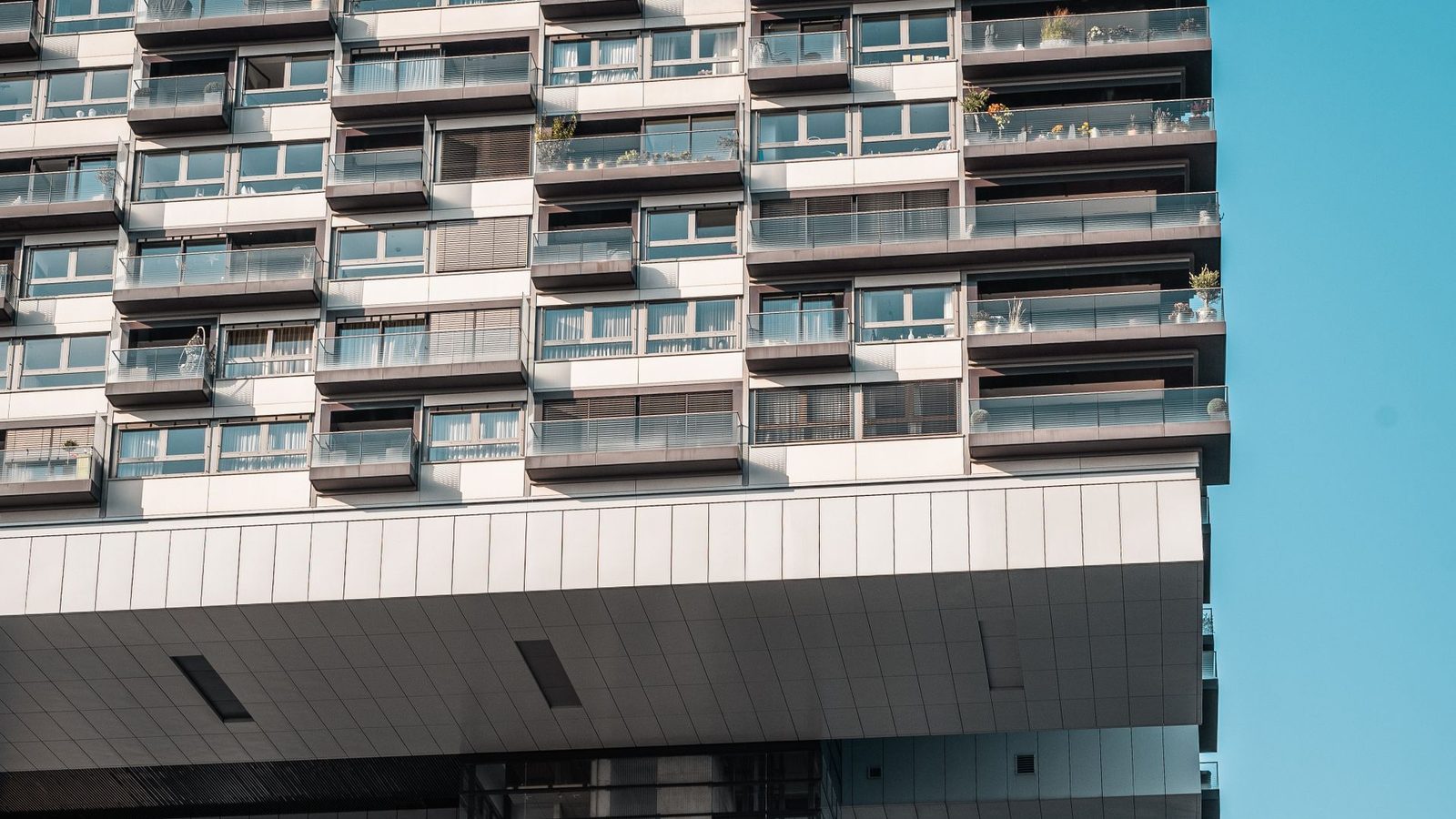
Which Philippine cities actually pay you back? A plain look at rental yields
If you're buying a condo as an investment rather than a home, there's one number that cuts through all the marketing: yield. Everything else, the lobby, the brand, the "prime address", is just decoration around the question of how much rent the unit earns against what you paid for it.
The good news is the math is simple enough to do on your phone. The bad news is that the answer often points away from the buildings everyone tells you to buy.
The one calculation that matters
Gross rental yield is just the annual rent divided by the purchase price, as a percentage. A unit you bought for ₱5,000,000 (about $80,000 / €68,900) that rents for ₱25,000 (about $400 / €344) a month earns ₱300,000 (about $4,800 / €4,130) a year, that's a 6% gross yield. Do that one sum before you fall for anything else.
You can shortcut the whole thing with our price-per-sqm tool, which shows the median sale and median rent per square meter for each city. Multiply the rent figure by twelve, divide by the sale figure, and you've got a rough yield for that market without owning a single unit. It won't be exact for your specific building, but it tells you which cities are even worth the spreadsheet.
Why the prime districts disappoint on yield
Here's the counterintuitive part. The most expensive, most prestigious markets, the prime stretches of Makati and BGC, often produce the lowest gross yields, and if you want to see that play out at the unit level you can browse condos in Makati and compare their asking prices against the rents nearby. Not because the rent is bad, but because the prices are so high that the rent can't keep up. You're paying a premium for capital appreciation and prestige, and you're financing part of that with a thinner income stream.
That's a perfectly valid strategy if your goal is long-term value and you don't need the cash flow. Just don't confuse it with an income play.
Where the income usually hides
Secondary and provincial markets tend to flip the equation. Prices are lower, rents hold up better than you'd expect because demand is real and supply is thinner, and the gross yield comes out higher. University towns, regional commercial hubs, and cities with a steady stream of workers, think the kind of places people move to for jobs rather than brag about owning in, are where the math often gets interesting.
The catch is liquidity. A higher-yield unit in a small market can take longer to sell when you want out, and a vacancy hurts more when you've only got one unit. Yield rewards you for taking on a little more of that risk.
Don't trust the gross number too far
Gross yield is the headline; net yield is what actually lands in your account. Before you celebrate a 7%, subtract the reality:
- Association dues, every month, whether the unit's occupied or not.
- Real property tax (amilyar), every year.
- Vacancy, even a great unit sits empty between tenants.
- Repairs, management, and the occasional bad tenant.
By the time you've taken all of that out, a 7% gross can become a 4-5% net. That's still respectable, just go in with the real number, not the brochure number.
How I'd actually use this
Start with the yield to build a shortlist, then judge the specific building on its own merits, location, developer, how easily units rent and resell. Pull up the markets you're curious about on the price-per-sqm tool, check which way prices are moving on the quarterly price index, and then look at the live numbers: line up units that are for sale against what's renting in the same area and see whether the yields hold up in the real listings, not just the medians.
Buy on the math, hold for the long run, and let the rent quietly do its job. The decoration was never the point.
Dollar and euro figures are approximate conversions at ₱62.5 per US dollar and ₱72.6 per euro (ECB reference rates, 2026-09-08).
Frequently asked questions
How do I calculate rental yield?
Gross rental yield is the annual rent divided by the purchase price, as a percentage. A ₱5,000,000 (about $80,000 / €68,900) unit renting for ₱25,000 (about $400 / €344) a month earns ₱300,000 (about $4,800 / €4,130) a year, a 6% gross yield. You can estimate a city's yield by taking its median rent per sqm times twelve, divided by its median sale per sqm.
Why do prime Makati and BGC condos have low yields?
Because prices are so high that rent can't keep pace. Prime districts often produce the lowest gross yields, you're paying a premium for capital appreciation and prestige, financed partly by a thinner income stream. That's fine for a long-term value play, but it isn't an income play.
Where are rental yields usually higher?
Secondary and provincial markets tend to flip the equation: lower prices, surprisingly resilient rents, and higher gross yields. University towns and regional job hubs are where the math often gets interesting, at the cost of thinner liquidity when you want to sell.
What's the difference between gross and net yield?
Gross is the headline; net is what lands in your account after association dues, real property tax, vacancy between tenants, repairs and management. A 7% gross can become a 4-5% net, so always plan around the net figure rather than the brochure number.
Aling mga lungsod sa Pilipinas ang talagang nagbabayad sa iyo? Simpleng tingin sa rental yields
Kung bumibili ka ng condo bilang investment at hindi bilang tirahan, may isang numero na humihiwa sa lahat ng marketing: yield. Lahat ng iba pa, ang lobby, ang brand, ang "prime address", ay dekorasyon lang sa paligid ng tanong kung magkano ang kinikita ng unit sa renta kumpara sa binayad mo.
Ang magandang balita, sapat na simple ang math para gawin sa phone mo. Ang masamang balita, madalas itinuturo ng sagot palayo sa mga building na sinasabi ng lahat na dapat mong bilhin.
Ang nag-iisang kalkulasyon na mahalaga
Ang gross rental yield ay ang annual rent na hinati sa purchase price, bilang porsyento. Ang unit na binili mo ng ₱5,000,000 (mga $80,000 / €68,900) na napapaupahan ng ₱25,000 (mga $400 / €344) kada buwan ay kumikita ng ₱300,000 (mga $4,800 / €4,130) kada taon, 6% gross yield iyon. Gawin muna ang isang kuwentang iyan bago ka mahulog sa kahit ano pa.
Puwede mong i-shortcut ang buong proseso gamit ang aming price-per-sqm tool, na nagpapakita ng median sale at median rent kada square meter para sa bawat lungsod. I-multiply ang rent figure sa labindalawa, hatiin sa sale figure, at may rough yield ka na para sa market na iyon nang hindi ka nagmamay-ari ng kahit isang unit. Hindi ito magiging eksakto para sa partikular mong building, pero sasabihin nito sa iyo kung aling mga lungsod ang sulit pang i-spreadsheet.
Bakit nakaka-disappoint sa yield ang mga prime district
Heto ang counterintuitive na parte. Ang pinakamahal at pinaka-prestihiyosong markets, ang prime na mga bahagi ng Makati at BGC, ay madalas nagbibigay ng pinakamababang gross yields, at kung gusto mong makita iyon sa unit level, puwede mong i-browse ang condos sa Makati at ikumpara ang asking prices ng mga ito sa mga renta sa paligid. Hindi dahil masama ang renta, kundi dahil sobrang taas ng presyo kaya hindi makahabol ang renta. Nagbabayad ka ng premium para sa capital appreciation at prestige, at pinopondohan mo ang bahagi niyon gamit ang mas manipis na income stream.
Perpektong valid na strategy iyon kung ang layunin mo ay long-term value at hindi mo kailangan ang cash flow. Huwag mo lang itong ipagkamaling income play.
Kung saan kadalasang nagtatago ang income
Kabaligtaran ang ekwasyon sa mga secondary at provincial market. Mas mababa ang presyo, mas matibay ang renta kaysa sa inaasahan mo dahil totoo ang demand at mas manipis ang supply, at mas mataas ang lumalabas na gross yield. Mga university town, mga regional commercial hub, at mga lungsod na may tuloy-tuloy na daloy ng mga manggagawa, isipin ang klase ng mga lugar na nililipatan ng mga tao para sa trabaho sa halip na ipinagyayabang na pag-aari, dito madalas nagiging interesante ang math.
Ang catch ay liquidity. Ang unit na mas mataas ang yield sa maliit na market ay puwedeng mas matagal maibenta kapag gusto mo nang lumabas, at mas masakit ang vacancy kapag iisa lang ang unit mo. Ginagantimpalaan ka ng yield sa pagpasan ng kaunti pang ganoong risk.
Huwag masyadong magtiwala sa gross na numero
Ang gross yield ang headline; ang net yield ang aktwal na pumapasok sa account mo. Bago ka mag-celebrate sa 7%, ibawas ang realidad:
- Association dues, buwan-buwan, may nakatira man o wala sa unit.
- Real property tax (amilyar), taon-taon.
- Vacancy, kahit magandang unit ay nauupo nang walang laman sa pagitan ng mga tenant.
- Repairs, management, at ang paminsan-minsang problemang tenant.
Pagkabawas mo ng lahat ng iyon, ang 7% gross ay puwedeng maging 4 to 5% net. Respetable pa rin iyon, basta pumasok ka nang dala ang totoong numero, hindi ang numero sa brochure.
Paano ko ito aktwal na gagamitin
Magsimula sa yield para bumuo ng shortlist, tapos husgahan ang partikular na building sa sarili nitong merito, lokasyon, developer, kung gaano kadaling napapaupahan at naibebenta muli ang units. Buksan ang mga market na gusto mong silipin sa price-per-sqm tool, i-check kung saan papunta ang mga presyo sa quarterly price index, at pagkatapos tingnan ang live na mga numero: ihanay ang mga unit na for sale laban sa mga nagpapaupa sa parehong lugar at tingnan kung tumatayo ang yields sa totoong listings, hindi lang sa medians.
Bumili base sa math, i-hold nang matagal, at hayaang tahimik na gawin ng renta ang trabaho nito. Ang dekorasyon ay hindi kailanman ang punto.
Tinatayang conversion lang ang mga halaga sa dollar at euro, sa ₱62.5 kada US dollar at ₱72.6 kada euro (ECB reference rates, 2026-09-08).
Mga madalas itanong
Paano i-compute ang rental yield?
Ang gross rental yield ay ang annual rent na hinati sa purchase price, bilang percentage. Ang ₱5,000,000 (mga $80,000 / €68,900) na unit na pinapaupahan ng ₱25,000 (mga $400 / €344) kada buwan ay kumikita ng ₱300,000 (mga $4,800 / €4,130) kada taon, 6% gross yield. Pwede mong i-estimate ang yield ng isang city sa pamamagitan ng median rent per sqm nito times twelve, hinati sa median sale per sqm nito.
Bakit mababa ang yields ng prime Makati at BGC condos?
Kasi sobrang taas na ng presyo kaya hindi na kayang habulin ng rent. Ang mga prime district ang kadalasang may pinakamababang gross yields; nagbabayad ka ng premium para sa capital appreciation at prestige, na financed nang bahagya ng mas manipis na income stream. Okay iyon para sa long-term value play, pero hindi ito income play.
Saan kadalasan mas mataas ang rental yields?
Ang mga secondary at provincial market ang bumabaliktad sa equation: mas mababang presyo, surprisingly matibay na rents, at mas mataas na gross yields. Sa mga university town at regional job hub kadalasang gumaganda ang math, kapalit ng mas manipis na liquidity kapag gusto mo nang magbenta.
Ano ang pagkakaiba ng gross at net yield?
Ang gross ang headline; ang net ang aktwal na papasok sa account mo matapos ang association dues, real property tax, vacancy sa pagitan ng mga tenant, repairs at management. Ang 7% gross ay pwedeng maging 4-5% net, kaya laging mag-plano base sa net figure at hindi sa numero sa brochure.
Asa nga mga siyudad sa Pilipinas ang tinuod nga mobayad kanimo? Yano nga tan-aw sa rental yields
Kung mopalit ka og condo isip investment ug dili isip puy-anan, adunay usa ka numero nga molusot sa tanang marketing: yield. Ang tanang uban pa, ang lobby, ang brand, ang "prime address", dekorasyon lang palibot sa pangutana kung pila ang kita sa unit sa abang batok sa imong gibayad.
Ang maayong balita, igo ra ka simple ang math nga mahimo nimo sa imong phone. Ang dili maayong balita, kasagaran ang tubag motudlo palayo sa mga building nga giingnan ka sa tanan nga angay paliton.
Ang usa ka kalkulasyon nga importante
Ang gross rental yield mao lang ang annual rent nga gibahin sa purchase price, isip porsyento. Ang unit nga imong gipalit og ₱5,000,000 (mga $80,000 / €68,900) nga gipaabangan og ₱25,000 (mga $400 / €344) matag bulan mokita og ₱300,000 (mga $4,800 / €4,130) matag tuig, 6% gross yield kana. Buhata una kana nga usa ka kwenta una ka madani sa bisan unsa pa.
Pwede nimong i-shortcut ang tibuok proseso gamit ang among price-per-sqm tool, nga nagpakita sa median sale ug median rent matag square meter sa matag siyudad. I-multiply ang rent figure og dose, bahina sa sale figure, ug naa na kay rough yield para niana nga market bisan wala kay gipanag-iya nga usa ka unit. Dili kini eksakto para sa imong espesipikong building, pero mosulti kini kanimo kung asa nga mga siyudad ang angay pang i-spreadsheet.
Ngano nga makapahigawad sa yield ang mga prime district
Ania ang counterintuitive nga bahin. Ang labing mahal ug labing prestihiyoso nga markets, ang prime nga mga bahin sa Makati ug BGC, kasagaran mohatag sa labing ubos nga gross yields, ug kung gusto nimong makita kana sa unit level, pwede nimong i-browse ang condos sa Makati ug ikumpara ang ilang asking prices sa mga abang sa duol. Dili tungod kay dili maayo ang abang, kondili tungod kay taas kaayo ang presyo nga dili na maapsan sa abang. Nagbayad ka og premium para sa capital appreciation ug prestige, ug gipondohan nimo ang bahin niana gamit ang mas nipis nga income stream.
Balido kaayo kana nga strategy kung ang imong tumong long-term value ug wala ka nanginahanglan sa cash flow. Ayaw lang kini iisip nga income play.
Asa kasagaran magtago ang income
Ang mga secondary ug provincial nga market sagad mobali sa ekwasyon. Mas ubos ang presyo, mas molungtad ang abang kaysa sa imong gidahom kay tinuod ang demand ug mas nipis ang supply, ug mas taas ang mogawas nga gross yield. Mga university town, mga regional commercial hub, ug mga siyudad nga adunay padayon nga dagan sa mga trabahante, hunahunaa ang klase sa mga lugar nga balhinan sa mga tawo para sa trabaho imbes nga ipanghambog nga gipanag-iya, dinhi kasagaran mahimong interesante ang math.
Ang catch mao ang liquidity. Ang unit nga mas taas ang yield sa gamay nga market pwedeng mas dugay mahalin kung gusto na nimong mogawas, ug mas sakit ang vacancy kung usa ra ang imong unit. Gantihan ka sa yield sa pagdala og gamay pa niana nga risk.
Ayaw pagsalig pag-ayo sa gross nga numero
Ang gross yield mao ang headline; ang net yield mao ang aktwal nga mosulod sa imong account. Una ka magsaulog sa 7%, ibawas ang realidad:
- Association dues, matag bulan, naay nagpuyo man o wala sa unit.
- Real property tax (amilyar), matag tuig.
- Vacancy, bisan ang nindot nga unit maglingkod nga walay sulod tali sa mga tenant.
- Repairs, management, ug ang panagsa nga problemadong tenant.
Human nimo mabawas ang tanan niana, ang 7% gross pwedeng mahimong 4 to 5% net. Respetado gihapon kana, basta mosulod ka dala ang tinuod nga numero, dili ang numero sa brochure.
Unsaon nako kini paggamit sa tinuod
Sugdi sa yield aron makahimo og shortlist, dayon hukmi ang espesipikong building sa kaugalingong merito niini, lokasyon, developer, kung unsa ka sayon mapaabangan ug mahalin pag-usab ang units. Ablihi ang mga market nga gusto nimong susihon sa price-per-sqm tool, susiha kung asa padulong ang mga presyo sa quarterly price index, ug dayon tan-awa ang live nga mga numero: ipares ang mga unit nga for sale batok sa mga gipaabang sa samang lugar ug tan-awa kung mobarog ba ang yields sa tinuod nga listings, dili lang sa medians.
Palit base sa math, i-hold sa dugay, ug pasagdi ang abang nga hilom nga mobuhat sa trabaho niini. Ang dekorasyon dili gyud mao ang punto.
Banabana lang ang mga conversion sa dollar ug euro, sa ₱62.5 matag US dollar ug ₱72.6 matag euro (ECB reference rates, 2026-09-08).
Mga kasagarang pangutana
Unsaon pag-compute sa rental yield?
Ang gross rental yield mao ang annual rent nga gibahin sa purchase price, isip porsyento. Ang ₱5,000,000 (mga $80,000 / €68,900) nga unit nga gipaabangan og ₱25,000 (mga $400 / €344) matag bulan mokita og ₱300,000 (mga $4,800 / €4,130) matag tuig, 6% gross yield. Ma-estimate nimo ang yield sa usa ka siyudad pinaagi sa median rent per sqm niini times twelve, nga bahinon sa median sale per sqm niini.
Ngano man ubos ang yields sa prime Makati ug BGC condos?
Tungod kay taas na kaayo ang presyo nga dili na maapas sa abang. Ang mga prime district kasagaran maoy naay pinakaubos nga gross yields; nagbayad ka og premium para sa capital appreciation ug prestige, nga gi-finance og bahin sa mas nipis nga income stream. Okay ra na para sa long-term value play, apan dili ni income play.
Asa kasagaran mas taas ang rental yields?
Ang mga secondary ug provincial market maoy mobaliktad sa equation: mas ubos nga presyo, katingalahang lig-on nga abang, ug mas taas nga gross yields. Sa mga university town ug regional job hub kasagaran mahimong interesante ang math, baylo sa mas nipis nga liquidity kung gusto na ka mobaligya.
Unsa ang kalainan sa gross ug net yield?
Ang gross mao ang headline; ang net mao ang aktwal nga mosulod sa imong account human sa association dues, real property tax, vacancy tali sa mga tenant, repairs ug management. Ang 7% gross mahimong 4-5% net, mao nga kanunay magplano base sa net figure ug dili sa numero sa brochure.
Browse properties on BalayHub
See all listings →

Read next
Pag-IBIG Housing Loan Pasalo: How to Sell Your House (2026)
Pag-IBIG housing loan pasalo, seller's side: three legal exits, why informal pasalo leaves you liable, the 6% capital gains tax and the steps in order.
The Maceda Law: Your Rights When You Stop Paying a Pre-Selling Property
After two years of installments the law entitles a defaulting buyer to a grace period and a refund of at least 50 percent of everything paid. How the Maceda Law works, the pasalo alternative, and the traps.
Are Condotels a Good Investment in the Philippines? (2026)
How the condotel model really works: the rental pool, the free nights, where it earns (Boracay, Mactan, Palawan), where it disappoints, and the questions that separate a sound buy from a brochure.