
Jul 2, 2026 · by BalayHub Admin · 4 min read
Condo vs Apartment in the Philippines: the Difference (2026)
The real difference between an apartment and a condo in the Philippines: ownership, dues, amenities and cost, which one to rent, and why buying almost always means a condo.
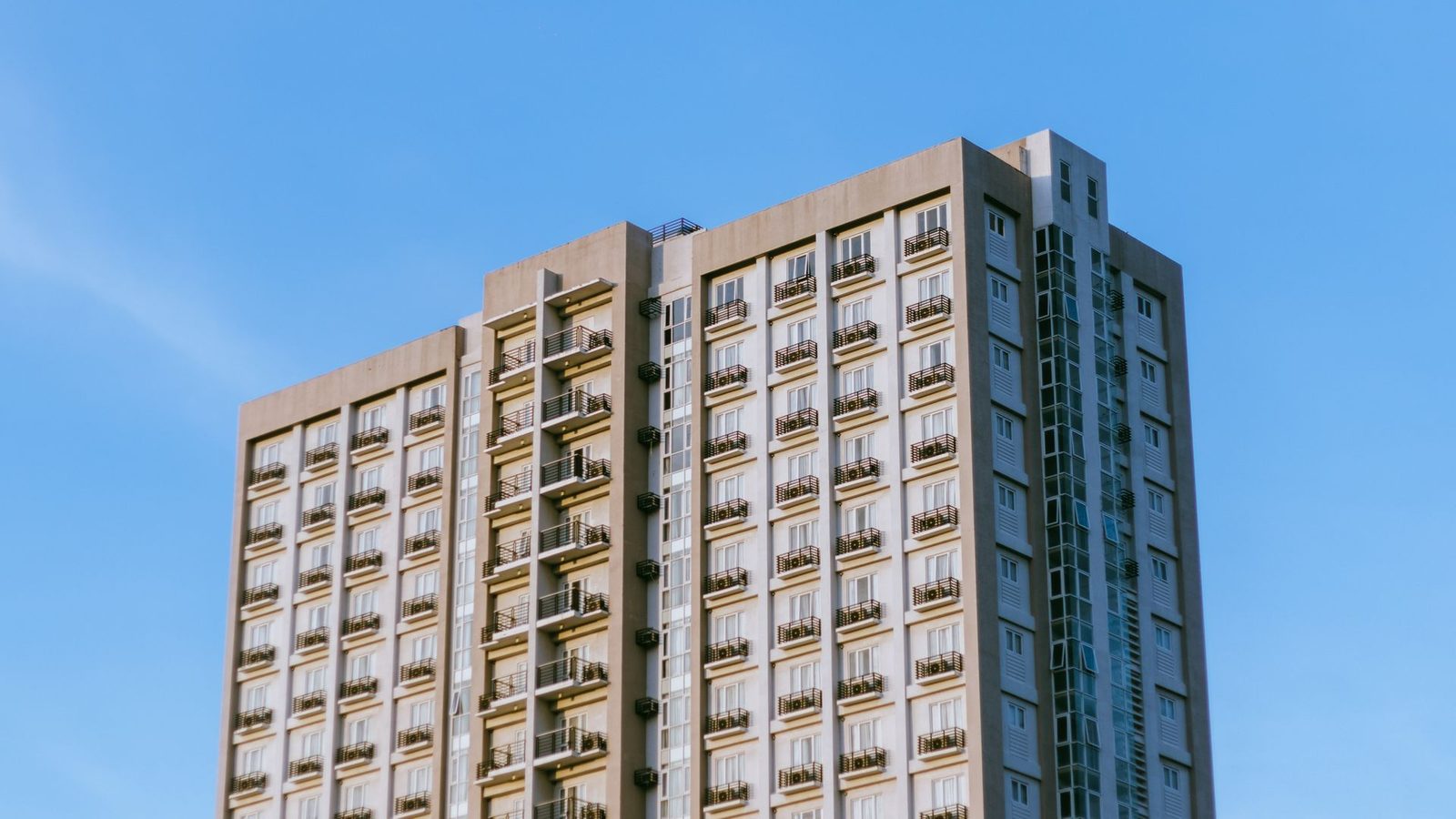
Apartment vs condo in the Philippines: what is the difference?
Condo vs apartment in the Philippines comes down to one word, ownership: a condominium unit has its own title and can be bought, an apartment is a rented unit in a building one owner keeps, and that single difference drives the dues, the amenities and the price. The difference between an apartment and a condo in the Philippines comes down to ownership. A condominium is a building divided into individually owned units, each with its own title, so you can buy a condo and own it. An apartment building is typically owned whole by a single landlord who rents the units out, so in everyday Filipino usage "apartment" means a rental, usually a low rise walk up, while "condo" can be bought, sold or rented.
That one distinction drives everything else: the price, the amenities, the monthly dues, and which one fits you. Here is the practical comparison.
The quick comparison
| Factor | Apartment | Condo |
|---|---|---|
| Ownership | Whole building owned by one landlord; you rent | Units individually owned, each with a title (CCT) |
| Can you buy one? | Rarely; buildings sell whole | Yes, this is the standard purchase |
| Typical building | Low rise walk up, a few units | Mid or high rise tower with shared facilities |
| Monthly dues | None; just the rent | Association dues, always, owner pays |
| Amenities | Basic; sometimes a gate and parking | Pool, gym, lobby, elevators, 24 hour security |
| Rent level | Lower for the same area | Higher, you pay for the tower and amenities |
| Utilities | Often billed by the landlord | Metered to your unit |
Renting: apartment or condo?
If your goal is simply the lowest rent for the most floor space, the apartment usually wins. A walk up apartment has no association dues baked into the rent, no amenity overhead, and landlords are often more flexible on terms. The trade is what you give up: no pool or gym, thinner security, older buildings, and quality that varies wildly from one landlord to the next.
A condo rents for more, but the premium buys you the elevator, the guards at the lobby, the amenity deck, and usually a newer unit in a better located tower. For young professionals near a business district, that package is often worth it; for a family stretching a budget, the apartment's extra square meters often matter more. Our guide to renting a condo or apartment in Metro Manila walks through the process end to end, and the budget renting guide covers what each price band really gets you, from bedspace to 1BR.
Buying: why the answer is almost always a condo
In the Philippine market you generally cannot buy a single apartment unit, because the building belongs to one owner. What you can buy is the condo unit, with a Condominium Certificate of Title in your name, the right to sell or lease it out, and a monthly association due that funds the building. If you are weighing that step, start with our guide to studio condos for the entry price point, and browse the current condos for sale.
Investors sometimes buy an entire apartment building as an income property. That is a land and building purchase, closer to buying a house and lot than a condo, and it is priced accordingly.
Cost, in practice
For the same neighborhood, expect the apartment to rent below the condo. The gap is the association dues and amenities you are not paying for: a two bedroom walk up in a residential street can cost what a one bedroom runs in the tower five minutes away. On the buying side, condos are the entry point to ownership in the cities, with studios starting around the low millions in most markets. Check what either option costs in your target area with live listings for apartments and condos, and sanity check any asking price with our price per square meter tool.
So which one is right for you?
Choose an apartment if you are renting on a budget, want maximum space per peso, and can live without amenities. Choose a condo rental if you want security, facilities and a newer building near work, and the premium fits your budget. Choose to buy a condo if you are ready to own: it is the realistic first purchase in Philippine cities, it can earn rent when you move on, and the title is yours.
Whichever way you lean, compare real listings side by side: browse apartments for rent and condos across the country, or start from everything for rent in your city. This is general information; confirm rents, dues and terms for the specific building before you sign.
Frequently asked questions
What is the difference between an apartment and a condo in the Philippines?
Ownership. A condominium is divided into individually owned units, each with its own title, so you can buy one. An apartment building is typically owned whole by a single landlord who rents units out, so in everyday Filipino usage an apartment is a rental, usually a low rise walk up.
Is it cheaper to rent an apartment or a condo?
An apartment, usually. For the same area a walk up apartment rents below a condo because there are no association dues or amenity overhead in the rent. The condo premium buys security, elevators, a pool and gym, and typically a newer unit.
Can you buy an apartment in the Philippines?
Rarely as a single unit, because the building belongs to one owner. What you buy is a condo unit, with a Condominium Certificate of Title in your name. Investors sometimes buy an entire apartment building, but that is a land and building purchase priced like one.
Do apartments have association dues?
No. You pay rent and utilities, and the landlord shoulders the building. Condo owners always pay monthly association dues, and a condo tenant effectively pays them through a higher rent.
Apartment vs condo sa Pilipinas: ano ba ang pagkakaiba?
Ang condo vs apartment sa Pilipinas ay nakasalalay sa isang salita, ownership: ang condominium unit ay may sariling title at puwedeng bilhin, ang apartment ay inuupahang unit sa building na pag-aari ng iisang may-ari, at ang iisang pagkakaibang iyon ang nagtatakda ng dues, ng amenities at ng presyo. Ang pagkakaiba ng apartment at condo sa Pilipinas ay nasa ownership. Ang condominium ay building na hinati sa mga unit na may kanya-kanyang may-ari, at bawat unit ay may sariling title, kaya pwede kang bumili ng condo at ikaw mismo ang magmamay-ari nito. Ang apartment building naman ay karaniwang pag-aari ng iisang landlord na nagpaparenta ng mga unit, kaya sa pang-araw-araw na usapang Pinoy, kapag sinabing "apartment," ang ibig sabihin ay rental, kadalasang low rise na walk up, habang ang "condo" ay pwedeng bilhin, ibenta, o iparenta.
Ang isang pagkakaibang iyon ang nagtatakda ng lahat ng iba pa: ang presyo, ang amenities, ang monthly dues, at kung alin ang bagay sa iyo. Heto ang praktikal na paghahambing.
Ang mabilisang paghahambing
| Factor | Apartment | Condo |
|---|---|---|
| Ownership | Buong building ay pag-aari ng isang landlord; ikaw ay umuupa | Mga unit ay may kanya-kanyang may-ari, bawat isa may title (CCT) |
| Pwede mo bang bilhin? | Bihira; ang building ay ibinebenta nang buo | Oo, ito ang standard na binibili |
| Karaniwang building | Low rise na walk up, iilang unit lang | Mid o high rise tower na may shared facilities |
| Monthly dues | Wala; renta lang | Association dues, palagi, ang owner ang nagbabayad |
| Amenities | Basic; minsan may gate at parking | Pool, gym, lobby, elevator, 24 hour security |
| Laki ng renta | Mas mababa para sa parehong lugar | Mas mataas, binabayaran mo ang tower at amenities |
| Utilities | Kadalasang ang landlord ang naniningil | May sariling metro ang unit mo |
Aarkila: apartment o condo?
Kung ang gusto mo lang ay pinakamurang renta para sa pinakamalaking floor space, kadalasang panalo ang apartment. Ang walk up apartment ay walang association dues na nakapaloob sa renta, walang gastos sa amenities, at madalas mas flexible ang mga landlord sa terms. Ang kapalit ay ang mga isusuko mo: walang pool o gym, mas manipis na security, mas lumang building, at kalidad na iba-iba nang husto depende sa landlord.
Mas mahal ang renta sa condo, pero ang premium na iyon ang bayad mo sa elevator, sa mga guwardiya sa lobby, sa amenity deck, at kadalasan mas bagong unit sa tower na mas maganda ang lokasyon. Para sa mga young professional malapit sa business district, sulit madalas ang package na iyon; para sa pamilyang hinihigpitan ang budget, mas mahalaga madalas ang dagdag na square meters ng apartment. Ang aming gabay sa pag-arkila ng condo o apartment sa Metro Manila ay tumatalakay sa buong proseso mula umpisa hanggang dulo, at ang gabay sa pag-arkila nang naka-budget ay nagpapakita kung ano talaga ang makukuha mo sa bawat price band, mula bedspace hanggang 1BR.
Bibili: bakit halos laging condo ang sagot
Sa merkado ng Pilipinas, hindi mo karaniwang mabibili ang isang apartment unit lang, dahil ang buong building ay pag-aari ng iisang may-ari. Ang mabibili mo ay ang condo unit, na may Condominium Certificate of Title sa pangalan mo, may karapatang ibenta o iparenta ito, at may monthly association due na pambayad sa pangangalaga ng building. Kung tinitimbang mo ang hakbang na iyan, magsimula sa aming gabay sa studio condos para sa entry price point, at tingnan ang mga kasalukuyang condo na for sale.
May mga investor na bumibili ng buong apartment building bilang income property. Iyon ay pagbili ng lupa at building, mas malapit sa pagbili ng house and lot kaysa condo, at ganoon din ang presyo nito.
Ang gastos, sa aktwal
Para sa parehong neighborhood, asahang mas mababa ang renta ng apartment kaysa condo. Ang agwat ay ang association dues at amenities na hindi mo binabayaran: ang two bedroom na walk up sa isang residential street ay pwedeng kasing presyo ng one bedroom sa tower na limang minuto lang ang layo. Sa panig naman ng pagbili, ang condo ang entry point sa pagmamay-ari sa mga siyudad, kung saan ang mga studio ay nagsisimula sa mababang milyon sa karamihan ng mga merkado. Alamin kung magkano ang alinmang option sa target area mo gamit ang mga live listing ng apartments at condos, at i-double check ang anumang asking price gamit ang aming price per square meter tool.
Kaya alin nga ba ang tama para sa iyo?
Piliin ang apartment kung umuupa ka nang naka-budget, gusto mo ng pinakamalaking space kada piso, at kaya mong mabuhay nang walang amenities. Piliin ang condo rental kung gusto mo ng security, facilities at mas bagong building malapit sa trabaho, at kaya ng budget mo ang premium. Piliin ang pagbili ng condo kung handa ka nang magmay-ari: ito ang makatotohanang unang purchase sa mga siyudad ng Pilipinas, kikita ito ng renta kapag lumipat ka na, at sa iyo ang title.
Saan ka man kumiling, ikumpara ang mga totoong listing nang magkatabi: tingnan ang mga apartment na for rent at condos sa buong bansa, o magsimula sa lahat ng for rent sa siyudad mo. Pangkalahatang impormasyon ito; kumpirmahin ang renta, dues at terms para sa mismong building bago ka pumirma.
Mga madalas itanong
Ano ang pinagkaiba ng apartment at condo sa Pilipinas?
Ownership ang pinagkaiba. Ang condominium ay hati-hati sa mga unit na may kanya-kanyang may-ari, bawat isa may sariling title, kaya pwede kang bumili ng isa. Ang apartment building naman ay karaniwang pag-aari ng iisang landlord na nagpapaupa ng mga unit, kaya sa pang-araw-araw na usapang Pinoy, ang apartment ay paupahan, kadalasang low rise walk up.
Mas mura ba mag-rent ng apartment o condo?
Apartment, kadalasan. Sa parehong laki, mas mababa ang renta ng walk up apartment kaysa condo dahil walang association dues o gastos sa amenities na nakapatong sa upa. Ang premium ng condo ang bumabayad sa security, elevator, pool at gym, at kadalasan mas bagong unit.
Pwede ka bang bumili ng apartment sa Pilipinas?
Bihira kung isang unit lang, dahil ang buong building ay pag-aari ng iisang may-ari. Ang binibili mo ay condo unit, na may Condominium Certificate of Title sa pangalan mo. May mga investor na bumibili ng buong apartment building, pero bili na iyon ng lupa at building at ganoon din ang presyo.
May association dues ba ang apartment?
Wala. Renta at utilities lang ang babayaran mo, at ang landlord ang sasagot sa building. Ang mga condo owner ay laging may buwanang association dues, at ang condo tenant ay nagbabayad din nito sa pamamagitan ng mas mataas na renta.
Apartment vs condo sa Pilipinas: unsa may kalainan?
Ang condo vs apartment sa Pilipinas nagsumada sa usa ka pulong, pagpanag-iya: ang condominium unit adunay kaugalingong title ug mapalit, ang apartment usa ka giabangan nga unit sa building nga gihuptan sa usa ka tag-iya, ug kana nga usa ka kalainan maoy nagdala sa dues, sa mga amenity ug sa presyo. Ang kalainan sa apartment ug condo sa Pilipinas naa gyud sa ownership. Ang condominium usa ka building nga gibahin sa mga unit nga adunay tagsa-tagsa ka tag-iya, ug ang matag unit adunay kaugalingong title, mao nga mahimo kang mopalit og condo ug ikaw mismo ang tag-iya niini. Ang apartment building sagad gipanag-iya nga tibuok sa usa ra ka landlord nga nagpaabang sa mga unit, mao nga sa adlaw-adlaw nga sinultihan sa mga Pilipino, kung moingon kag "apartment," ang buot ipasabot rental, kasagaran low rise nga walk up, samtang ang "condo" mahimong paliton, ibaligya, o paabangan.
Kanang usa ka kalainan ang nagtakda sa tanan: ang presyo, ang amenities, ang monthly dues, ug kung asa ang angay nimo. Ania ang praktikal nga pagtandi.
Ang paspas nga pagtandi
| Factor | Apartment | Condo |
|---|---|---|
| Ownership | Tibuok building gipanag-iya sa usa ka landlord; ikaw nag-abang | Mga unit adunay tagsa-tagsa ka tag-iya, matag usa naay title (CCT) |
| Mahimo ba nimong paliton? | Talagsa ra; ang building ibaligya nga tibuok | Oo, mao ni ang standard nga paliton |
| Kasagaran nga building | Low rise nga walk up, pipila ra ka unit | Mid o high rise nga tower nga naay shared facilities |
| Monthly dues | Wala; abang ra | Association dues, kanunay, ang owner ang mobayad |
| Amenities | Basic; usahay naay gate ug parking | Pool, gym, lobby, elevator, 24 hour security |
| Gidak-on sa abang | Mas barato para sa samang lugar | Mas mahal, gibayran nimo ang tower ug amenities |
| Utilities | Sagad ang landlord ang maningil | Naay kaugalingong metro ang imong unit |
Mag-abang: apartment o condo?
Kung ang imong tumong mao ra gyud ang pinakabarato nga abang para sa pinakadako nga floor space, kasagaran modaog ang apartment. Ang walk up nga apartment walay association dues nga naapil sa abang, walay gasto sa amenities, ug sagad mas flexible ang mga landlord sa terms. Ang baylo mao ang imong isakripisyo: walay pool o gym, mas huyang nga security, mas karaan nga building, ug kalidad nga lahi-lahi kaayo depende sa landlord.
Mas mahal ang abang sa condo, apan ang maong premium mao ang bayad nimo sa elevator, sa mga guwardiya sa lobby, sa amenity deck, ug kasagaran mas bag-o nga unit sa tower nga mas maayo ang lokasyon. Para sa mga young professional duol sa business district, sagad sulit kana nga package; para sa pamilya nga ginagmay ang budget, mas importante sagad ang dugang nga square meters sa apartment. Ang among giya sa pag-abang og condo o apartment sa Metro Manila naghisgot sa tibuok proseso gikan sa sinugdanan hangtod sa katapusan, ug ang giya sa pag-abang nga naka-budget nagpakita kung unsa gyud ang makuha nimo sa matag price band, gikan sa bedspace hangtod sa 1BR.
Mopalit: nganong halos kanunay condo ang tubag
Sa merkado sa Pilipinas, dili nimo sagad mapalit ang usa lang ka apartment unit, kay ang tibuok building gipanag-iya sa usa ra ka tawo. Ang mapalit nimo mao ang condo unit, nga adunay Condominium Certificate of Title sa imong ngalan, adunay katungod nga ibaligya o paabangan kini, ug adunay monthly association due nga ipang-atiman sa building. Kung gitimbang-timbang nimo kana nga lakang, sugdi sa among giya sa studio condos para sa entry price point, ug tan-awa ang mga karon nga condo nga for sale.
Adunay mga investor nga mopalit og tibuok apartment building isip income property. Kana usa ka pagpalit og yuta ug building, mas duol sa pagpalit og house and lot kaysa condo, ug mao usab ang presyo niini.
Ang gasto, sa aktwal
Para sa samang neighborhood, damha nga mas barato ang abang sa apartment kaysa condo. Ang gintang mao ang association dues ug amenities nga wala nimo gibayri: ang two bedroom nga walk up sa usa ka residential street mahimong pareho ra og presyo sa one bedroom sa tower nga lima ka minuto ra ang gilay-on. Sa bahin sa pagpalit, ang condo mao ang entry point sa pagpanag-iya sa mga siyudad, diin ang mga studio magsugod sa ubos nga milyon sa kadaghanan sa mga merkado. Susiha kung tagpila ang bisan asa nga option sa imong target area gamit ang mga live listing sa apartments ug condos, ug i-double check ang bisan unsang asking price gamit ang among price per square meter tool.
Busa asa man gyud ang angay nimo?
Pilia ang apartment kung nag-abang ka nga naka-budget, gusto nimo ang pinakadako nga space matag piso, ug mabuhi ka nga walay amenities. Pilia ang condo rental kung gusto nimo og security, facilities ug mas bag-o nga building duol sa trabaho, ug kaya sa imong budget ang premium. Pilia ang pagpalit og condo kung andam ka nang manag-iya: mao kini ang realistiko nga unang purchase sa mga siyudad sa Pilipinas, makakita kini og abang kung mobalhin ka na, ug imoha ang title.
Bisan asa ka mokiling, itandi ang mga tinuod nga listing nga magtapad: tan-awa ang mga apartment nga for rent ug condos sa tibuok nasod, o sugdi sa tanan nga for rent sa imong siyudad. Kini kinatibuk-ang impormasyon; kumpirmaha ang abang, dues ug terms para sa mismong building sa dili ka pa mopirma.
Mga kasagarang pangutana
Unsa may kalainan sa apartment ug condo sa Pilipinas?
Ownership ang kalainan. Ang condominium gibahin sa mga unit nga tagsa-tagsa ug tag-iya, matag usa naay kaugalingong title, mao nga makapalit ka ug usa. Ang apartment building sagad gipanag-iya sa usa lang ka landlord nga magpaabang sa mga unit, mao nga sa adlaw-adlaw nga sinultihan sa Pinoy, ang apartment abangan, kasagaran low rise walk up.
Mas barato ba mag-abang ug apartment o condo?
Apartment, kasagaran. Sa parehas nga gidak-on, mas ubos ang abang sa walk up apartment kaysa condo kay walay association dues o gasto sa amenities nga naapil sa abang. Ang premium sa condo mao ang bayad sa security, elevator, pool ug gym, ug kasagaran mas bag-o nga unit.
Makapalit ba ka ug apartment sa Pilipinas?
Panagsa ra kung usa lang ka unit, kay ang tibuok building gipanag-iya sa usa ka tag-iya. Ang imong mapalit condo unit, nga naay Condominium Certificate of Title sa imong ngalan. Naay mga investor nga mopalit sa tibuok apartment building, pero palit na na sa yuta ug building ug ingon ana sad ang presyo.
Naa bay association dues ang apartment?
Wala. Abang ug utilities ra imong bayran, ug ang landlord ang moatiman sa building. Ang mga condo owner kanunay adunay binulan nga association dues, ug ang condo tenant nagbayad sad ani pinaagi sa mas taas nga abang.
Browse properties on BalayHub
See all listings →

Read next
Lost Land Title in the Philippines: How to Replace It
A lost land title is replaced by court petition under Section 109 of PD 1529: steps, documents, 6 to 12 months and ₱50,000 to ₱200,000 in estimated costs.
Real Estate Broker Commission & PRC License Check (2026)
Real estate broker commission in the Philippines: 3% to 5% by custom, who pays, when it is earned, and how to verify a PRC license before you sign.
Condo Investment for Foreigners in the Philippines: the Math
Condo investment for foreigners in the Philippines: gross yields from 4.3% in Pasig to 11.9% in Davao, the 25% tax on non resident rent, and the 40% cap.