
Oct 2, 2026 · by BalayHub Admin · 5 min read
Pre-Selling Condo Payment Terms: Spot DP, Lump Sum, Balloon
Pre-selling condo payment terms explained on one ₱5M unit: spot cash, spot DP, stretched DP, lump sums, deferred cash and the balance due at turnover.
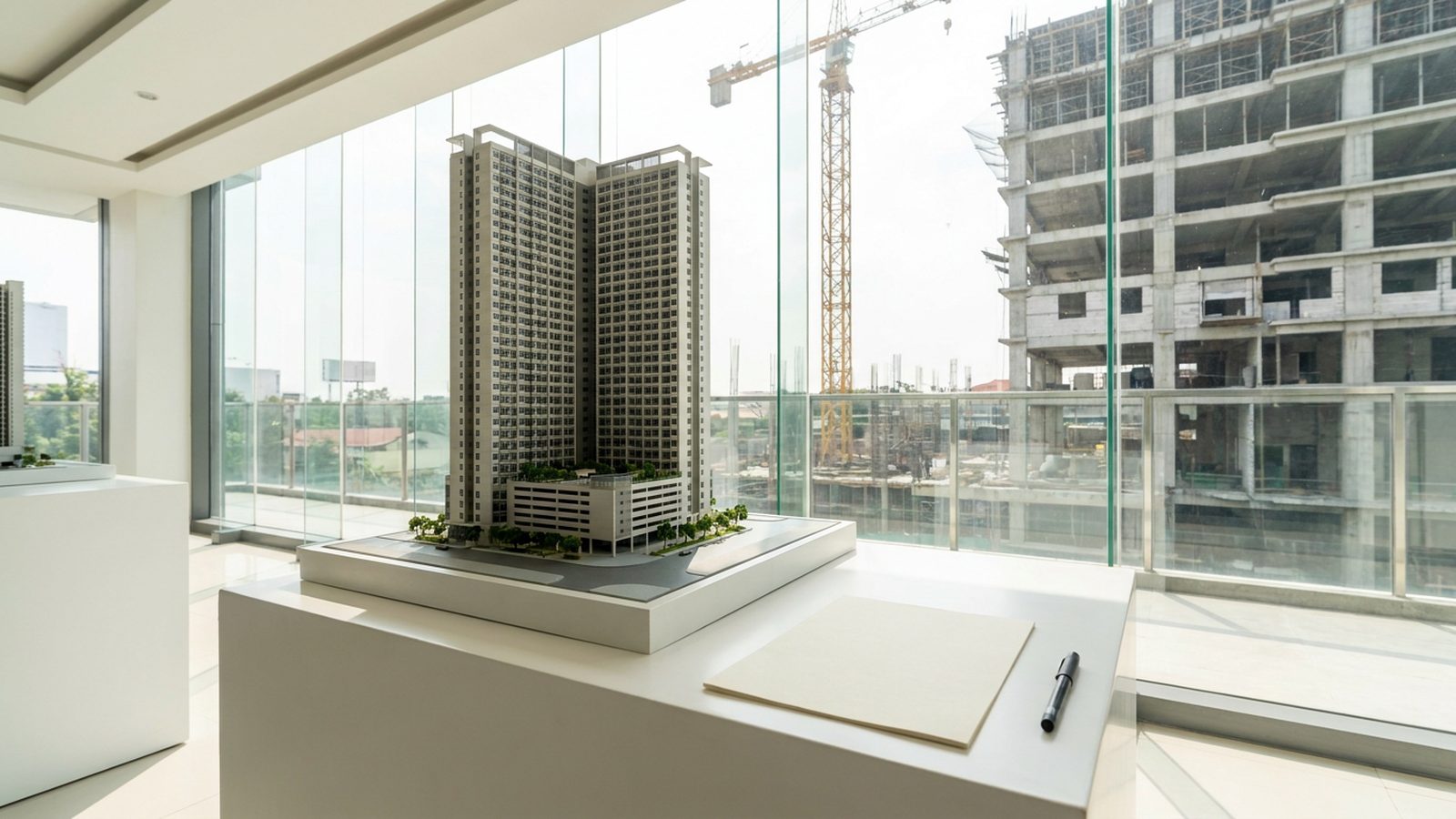
Pre-selling condo payment terms are printed on a single sheet the agent slides across the table, and that sheet decides more about the purchase than the brochure does. The same unit can be offered under five schemes: spot cash, spot down payment, stretched down payment, a version with lump sums, deferred cash. They differ in price, in how much cash is needed and when, and in how exposed the buyer is if a loan is refused at turnover. This guide translates each term, runs all of them on one example unit, and lists the questions to ask before choosing.
The parts every scheme is built from
Three pieces appear in every computation sheet. The reservation fee holds the unit while the papers are prepared; it typically runs ₱20,000 to ₱50,000 (about $319 to $798 / €285 to €712), is usually credited to the down payment and is generally not refundable. The down payment, also called equity, is typically 10% to 30% of the contract price. The balance is everything else, due at or near turnover.
A scheme is simply a rule for when the down payment and the balance are paid. Our guide to how much down payment you really need covers the upfront cash in detail; this article is about choosing between the schemes.
One unit, five ways to pay
Take a pre-selling unit with a contract price of ₱5,000,000 (about $79,800 / €71,200), a 20% down payment of ₱1,000,000 (about $16,000 / €14,200) and turnover in 36 months. The figures are an illustration, and discounts are left out because each developer sets its own.
Spot cash. The whole ₱5,000,000 (about $79,800 / €71,200) is paid shortly after reserving. Developers reward it with their largest discount. It suits a buyer with the money in hand and no better use for it, and it carries the most exposure to the project itself, since everything is paid years before the unit exists.
Spot down payment. The ₱1,000,000 (about $16,000 / €14,200) is paid at once, for a smaller discount, and the ₱4,000,000 (about $63,800 / €57,000) balance waits for turnover. Monthly cash flow is free during construction, at the cost of one large payment at the start.
Stretched down payment. The ₱1,000,000 (about $16,000 / €14,200) is spread without interest over the construction period: 36 payments of about ₱27,800 (about $444 / €396). This is what "no spot DP" means in an advertisement. There is usually no discount, and it is the scheme most buyers take, because the monthly amount resembles rent.
Stretched down payment with lump sums. The monthly amount is cut by moving part of the equity into scheduled larger payments. For example, half the equity over 36 months, about ₱13,900 (about $222 / €198) a month, and the other half in two lump sums of ₱250,000 (about $3,990 / €3,560) on fixed dates. The monthly figure looks light; the lump sums are where buyers fall behind, so read the dates before the amounts.
Deferred cash. The entire ₱5,000,000 (about $79,800 / €71,200) is paid in equal installments over a fixed period with no bank involved, about ₱138,900 (about $2,220 / €1,980) a month over 36 months. It avoids loan interest and suits buyers with high, steady income, including some working abroad.
A balloon payment is the same idea as a lump sum, moved to the end: a large final amount after a run of small ones. Ask whether the sheet in front of you has one and when it falls.
The balance at turnover
In every scheme except spot cash and deferred cash, the large remainder falls due at turnover: ₱4,000,000 (about $63,800 / €57,000) in the example. Buyers settle it in one of four ways: cash, a bank loan, a Pag-IBIG loan, or the developer's in house financing, which is the quickest to approve and usually the most expensive. Our comparison of Pag-IBIG, bank and in house financing sets the three loan routes side by side.
This is the step that sinks purchases. The loan is applied for years after the reservation, on the income and credit record the buyer has at that time, not the ones they had on the day they signed. A buyer who paid every installment can still be refused, and the contract then expects the balance in cash or on in house terms. Check today what monthly payment the balance implies, using the loan calculator, and whether your income supports it under the rule of thumb in our guide on the salary needed to buy a condo.
What the sheet leaves out
The contract price is rarely the whole bill. Taxes and miscellaneous fees are charged on top and are often collected near turnover, on a separate line or a separate sheet. Our guide to the hidden costs of buying a condo lists them, and our notes on a first visit to a pre-selling showroom explain why the price on the board and the price you pay differ.
Late payments carry penalties under the contract to sell. And if payments stop altogether, the law gives installment buyers a floor: after at least two years of installments, a grace period and, if the contract is cancelled, a refund of at least 50% of what was paid, as our guide to the Maceda Law explains. Before two years, the protection is only a grace period.
How to choose
Ask for every scheme in writing with its discount, then compare totals, not monthly amounts. A discount for spot payment is worth taking only if it beats what the same money would earn or save elsewhere over the construction period. Choose a schedule you could keep if one income in the household stopped for three months. Treat lump sums as debts with dates. Confirm in writing that the reservation fee is credited to the down payment. And before paying anything, confirm that the project has a license to sell, following our guide on how to verify a DHSUD license to sell.
Once discounts are counted, the cheapest scheme is usually spot cash, and the easiest is the long stretch with no lump sums. Most buyers are best served somewhere in between, by the schedule they are certain they can finish.
This article is general information, not financial advice. The example figures are illustrative; discounts, terms and fees are set by each developer, so rely on the written computation sheet and the contract to sell.
Dollar and euro figures are approximate conversions at ₱62.7 per US dollar and ₱70.2 per euro (ECB reference rates, 2026-10-05).
Frequently asked questions
What does spot down payment mean?
Spot down payment means paying the entire down payment at once, shortly after reserving the unit, instead of spreading it over the construction period. Developers usually give a discount on the contract price for it. On a ₱5,000,000 (about $79,800 / €71,200) unit with a 20% down payment, that is ₱1,000,000 (about $16,000 / €14,200) paid upfront, with the ₱4,000,000 (about $63,800 / €57,000) balance due at turnover.
What does no spot DP or stretched down payment mean?
It means the down payment is not waived but spread, without interest, over the construction period, commonly 24 to 48 months. A ₱1,000,000 (about $16,000 / €14,200) down payment stretched over 36 months is about ₱27,800 (about $444 / €396) a month. There is usually no discount, and the balance of the price still falls due at turnover, to be paid in cash or through a bank, Pag-IBIG or in house loan.
What is a lump sum or balloon payment in a condo payment scheme?
A lump sum is a larger scheduled payment inserted into the down payment period to make the monthly installments smaller, for example two payments of ₱250,000 (about $3,990 / €3,560) alongside 36 monthly payments of about ₱13,900 (about $222 / €198). A balloon payment is the same idea placed at the end of the schedule. Both are fixed obligations with dates, so check when they fall before you look at the monthly amount.
What happens if my loan is not approved at turnover?
The contract still expects the balance, so the options are cash, another lender, or the developer's in house financing, which is usually the most expensive. If you cannot continue, the Maceda Law gives a buyer who has paid at least two years of installments a grace period and a refund of at least 50% of total payments. Check your loan capacity before you reserve, not at turnover.
Ang payment terms ng pre-selling condo ay nakalimbag sa iisang sheet na iniaabot ng agent sa ibabaw ng mesa, at ang sheet na iyon ang mas nagpapasya sa takbo ng pagbili kaysa sa brochure. Ang parehong unit ay puwedeng ialok sa limang scheme: spot cash, spot down payment, stretched down payment, isang bersyong may mga lump sum, deferred cash. Nagkakaiba ang mga ito sa presyo, sa laki ng cash na kailangan at kung kailan ito kailangan, at sa laki ng panganib ng buyer kapag hindi naaprubahan ang loan sa turnover. Isinasalin ng gabay na ito ang bawat termino, kinukuwenta ang lahat ng scheme sa iisang halimbawang unit, at inililista ang mga tanong na dapat itanong bago pumili.
Ang mga bahaging bumubuo sa bawat scheme
Tatlong piraso ang lumalabas sa bawat computation sheet. Ang reservation fee ang humahawak sa unit habang inihahanda ang mga papeles; karaniwan itong ₱20,000 hanggang ₱50,000 (mga $319 hanggang $798 / €285 hanggang €712), kadalasang ibinabawas sa down payment at sa pangkalahatan ay hindi na nare-refund. Ang down payment, na tinatawag ding equity, ay karaniwang 10% hanggang 30% ng contract price. Ang balance ay ang lahat ng natitira, na babayaran sa turnover o malapit dito.
Ang scheme ay isang patakaran lang kung kailan babayaran ang down payment at ang balance. Detalyadong sinasaklaw ng aming gabay sa kung magkano talaga ang down payment na kailangan mo ang paunang cash; ang artikulong ito ay tungkol sa pagpili sa pagitan ng mga scheme.
Isang unit, limang paraan ng pagbabayad
Kunin nating halimbawa ang isang pre-selling unit na may contract price na ₱5,000,000 (mga $79,800 / €71,200), 20% down payment na ₱1,000,000 (mga $16,000 / €14,200) at turnover sa loob ng 36 na buwan. Ilustrasyon lang ang mga figure, at hindi isinama ang mga discount dahil bawat developer ang nagtatakda ng sarili nito.
Spot cash. Ang buong ₱5,000,000 (mga $79,800 / €71,200) ay binabayaran di nagtagal pagkatapos mag-reserve. Ito ang ginagantimpalaan ng mga developer ng pinakamalaki nilang discount. Bagay ito sa buyer na hawak na ang pera at walang mas magandang mapaggagamitan nito, at ito ang may pinakamalaking exposure sa mismong proyekto, dahil bayad na ang lahat ilang taon bago pa umiral ang unit.
Spot down payment. Ang ₱1,000,000 (mga $16,000 / €14,200) ay binabayaran nang isang bagsakan, kapalit ng mas maliit na discount, at ang ₱4,000,000 (mga $63,800 / €57,000) na balance ay naghihintay sa turnover. Malaya ang buwanang cash flow habang ginagawa ang proyekto, kapalit ng isang malaking bayad sa simula.
Stretched down payment. Ang ₱1,000,000 (mga $16,000 / €14,200) ay hinahati nang walang interes sa buong panahon ng construction: 36 na hulog na mga ₱27,800 (mga $444 / €396) bawat isa. Ito ang ibig sabihin ng "no spot DP" sa isang advertisement. Kadalasan ay walang discount, at ito ang scheme na kinukuha ng karamihan ng buyer, dahil ang buwanang halaga ay kahawig ng upa.
Stretched down payment with lump sums. Pinaliliit ang buwanang halaga sa pamamagitan ng paglilipat ng bahagi ng equity sa mga nakatakdang mas malalaking bayad. Halimbawa, kalahati ng equity sa loob ng 36 na buwan, mga ₱13,900 (mga $222 / €198) kada buwan, at ang kalahati pa sa dalawang lump sum na ₱250,000 (mga $3,990 / €3,560) sa mga takdang petsa. Mukhang magaan ang buwanang figure; sa mga lump sum naaantala ang mga buyer, kaya basahin muna ang mga petsa bago ang mga halaga.
Deferred cash. Ang buong ₱5,000,000 (mga $79,800 / €71,200) ay binabayaran sa magkakapantay na installment sa loob ng takdang panahon nang walang kasamang bangko, mga ₱138,900 (mga $2,220 / €1,980) kada buwan sa loob ng 36 na buwan. Naiiwasan nito ang interes ng loan at bagay ito sa mga buyer na may mataas at tuloy-tuloy na kita, kabilang ang ilang nagtatrabaho sa abroad.
Ang balloon payment ay kaparehong ideya ng lump sum, na inilipat sa dulo: isang malaking huling halaga pagkatapos ng sunod-sunod na maliliit na bayad. Itanong kung mayroon nito ang sheet na nasa harap mo at kung kailan ito papatak.
Ang balance sa turnover
Sa bawat scheme maliban sa spot cash at deferred cash, ang malaking natitira ay babayaran sa turnover: ₱4,000,000 (mga $63,800 / €57,000) sa halimbawa. Binabayaran ito ng mga buyer sa isa sa apat na paraan: cash, bank loan, Pag-IBIG loan, o ang in house financing ng developer, na pinakamabilis maaprubahan at kadalasang pinakamahal. Pinagtatabi ng aming paghahambing ng Pag-IBIG, bangko at in house financing ang tatlong ruta ng loan.
Ito ang hakbang na nagpapalubog sa mga pagbili. Ina-apply ang loan ilang taon pagkatapos ng reservation, batay sa kita at credit record ng buyer sa panahong iyon, hindi sa kung ano ang mayroon siya noong araw na pumirma siya. Ang buyer na nagbayad ng bawat installment ay puwede pa ring ma-deny, at inaasahan pa rin ng kontrata na babayaran ang balance nang cash o sa in house terms. Alamin ngayon pa lang kung magkano ang buwanang bayad na katumbas ng balance, gamit ang loan calculator, at kung kaya ito ng iyong kita ayon sa rule of thumb sa aming gabay sa sahod na kailangan para makabili ng condo.
Ang hindi nakasulat sa sheet
Bihirang ang contract price ang buong babayaran. Ang mga buwis at miscellaneous fees ay sinisingil nang dagdag at kadalasang kinokolekta malapit sa turnover, sa hiwalay na linya o hiwalay na sheet. Inililista ang mga ito ng aming gabay sa mga nakatagong gastos sa pagbili ng condo, at ipinapaliwanag ng aming mga tala sa unang pagbisita sa pre-selling showroom kung bakit magkaiba ang presyong nasa board at ang presyong babayaran mo.
May penalty ang mga late na bayad sa ilalim ng contract to sell. At kung tuluyang huminto ang mga bayad, may ibinibigay na sahig ang batas sa mga installment buyer: pagkatapos ng hindi bababa sa dalawang taon ng installment, isang grace period at, kung kanselahin ang kontrata, refund na hindi bababa sa 50% ng nabayaran, gaya ng ipinapaliwanag ng aming gabay sa Maceda Law. Bago umabot ng dalawang taon, grace period lang ang proteksyon.
Paano pumili
Hingin ang bawat scheme nang nakasulat kasama ang discount nito, pagkatapos ay ikumpara ang mga kabuuan, hindi ang mga buwanang halaga. Sulit lang kunin ang discount para sa spot payment kung mas malaki ito kaysa sa kikitain o matitipid ng parehong pera sa ibang lugar sa buong panahon ng construction. Pumili ng schedule na kaya mong ituloy kahit huminto nang tatlong buwan ang isang kita sa sambahayan. Ituring ang mga lump sum bilang mga utang na may petsa. Kumpirmahin nang nakasulat na ibinabawas sa down payment ang reservation fee. At bago magbayad ng kahit ano, kumpirmahing may license to sell ang proyekto, kasunod ang aming gabay sa kung paano i-verify ang DHSUD license to sell.
Kapag isinama na ang mga discount, ang pinakamurang scheme ay kadalasang spot cash, at ang pinakamadali ay ang mahabang stretch na walang lump sum. Para sa karamihan ng buyer, ang pinakamainam ay nasa pagitan ng dalawa: ang schedule na sigurado silang matatapos nila.
Ang artikulong ito ay pangkalahatang impormasyon, hindi financial advice. Ilustrasyon lang ang mga figure sa halimbawa; bawat developer ang nagtatakda ng mga discount, terms at fees, kaya umasa sa nakasulat na computation sheet at sa contract to sell.
Tinatayang conversion lang ang mga halaga sa dollar at euro, sa ₱62.7 kada US dollar at ₱70.2 kada euro (ECB reference rates, 2026-10-05).
Mga madalas itanong
Ano ang ibig sabihin ng spot down payment?
Ang spot down payment ay ang pagbabayad ng buong down payment nang isang bagsakan, di nagtagal pagkatapos i-reserve ang unit, sa halip na hatiin ito sa buong panahon ng construction. Kadalasang nagbibigay ang mga developer ng discount sa contract price para dito. Sa unit na ₱5,000,000 (mga $79,800 / €71,200) na may 20% down payment, iyon ay ₱1,000,000 (mga $16,000 / €14,200) na babayaran agad, at ang ₱4,000,000 (mga $63,800 / €57,000) na balance ay babayaran sa turnover.
Ano ang ibig sabihin ng no spot DP o stretched down payment?
Ibig sabihin nito ay hindi inaalis ang down payment kundi hinahati ito, nang walang interes, sa buong panahon ng construction, karaniwang 24 hanggang 48 buwan. Ang ₱1,000,000 (mga $16,000 / €14,200) na down payment na hinati sa 36 na buwan ay mga ₱27,800 (mga $444 / €396) kada buwan. Kadalasan ay walang discount, at ang balance ng presyo ay babayaran pa rin sa turnover, nang cash o sa pamamagitan ng bank loan, Pag-IBIG loan o in house loan.
Ano ang lump sum o balloon payment sa payment scheme ng condo?
Ang lump sum ay mas malaking nakatakdang bayad na isinisingit sa panahon ng down payment para lumiit ang mga buwanang installment, halimbawa dalawang bayad na ₱250,000 (mga $3,990 / €3,560) kasabay ng 36 na buwanang hulog na mga ₱13,900 (mga $222 / €198). Ang balloon payment ay kaparehong ideya na inilagay sa dulo ng schedule. Pareho itong mga takdang obligasyon na may petsa, kaya alamin kung kailan papatak ang mga ito bago tingnan ang buwanang halaga.
Ano ang mangyayari kung hindi maaprubahan ang loan ko sa turnover?
Inaasahan pa rin ng kontrata ang balance, kaya ang mga opsyon ay cash, ibang lender, o ang in house financing ng developer, na kadalasang pinakamahal. Kung hindi mo na kayang ituloy, binibigyan ng Maceda Law ang buyer na nakabayad na ng hindi bababa sa dalawang taon ng installment ng grace period at refund na hindi bababa sa 50% ng kabuuang nabayaran. Alamin ang kakayahan mong umutang bago ka mag-reserve, hindi sa turnover.
Ang pre-selling condo payment terms giimprinta sa usa ra ka panid nga iduso sa agent tabok sa lamesa, ug kana nga panid mas dako og epekto sa pagpalit kaysa sa brochure. Ang samang unit mahimong itanyag ubos sa lima ka scheme: spot cash, spot down payment, stretched down payment, usa ka bersyon nga adunay mga lump sum, deferred cash. Managlahi sila sa presyo, sa kung pila ka cash ang gikinahanglan ug kanus-a, ug sa kung unsa ka-expose ang buyer kung balibaran ang loan sa turnover. Kini nga giya nagpasabot sa matag termino, nagkuwenta sa tanan niini gamit ang usa ka ehemplo nga unit, ug naglista sa mga pangutana nga angay ipangutana sa dili pa mopili.
Ang mga bahin nga naglangkob sa matag scheme
Tulo ka bahin ang makita sa matag computation sheet. Ang reservation fee mao ang mo-hold sa unit samtang giandam ang mga papeles; kasagaran kini ₱20,000 hangtod ₱50,000 (mga $319 hangtod $798 / €285 hangtod €712), kasagarang i-credit sa down payment ug sa kinatibuk-an dili na ma-refund. Ang down payment, nga gitawag usab og equity, kasagaran 10% hangtod 30% sa contract price. Ang balance mao ang tanan nga nahibilin, nga bayran sa turnover o duol niini.
Ang scheme usa lang ka lagda kung kanus-a bayran ang down payment ug ang balance. Ang among giya sa pila gyud ka down payment ang imong gikinahanglan naghisgot og detalyado sa upfront nga cash; kini nga artikulo bahin sa pagpili taliwala sa mga scheme.
Usa ka unit, lima ka paagi sa pagbayad
Pananglitan usa ka pre-selling unit nga adunay contract price nga ₱5,000,000 (mga $79,800 / €71,200), 20% nga down payment nga ₱1,000,000 (mga $16,000 / €14,200) ug turnover sulod sa 36 ka bulan. Ang mga numero usa lang ka ilustrasyon, ug wala iapil ang mga discount kay ang matag developer adunay kaugalingong discount.
Spot cash. Ang tibuok ₱5,000,000 (mga $79,800 / €71,200) bayran sa dili madugay human sa pag-reserve. Gigantihan kini sa mga developer sa ilang pinakadako nga discount. Angay kini sa buyer nga naa nay kuwarta sa kamot ug walay mas maayong kagamitan niini, ug kini ang adunay pinakadako nga exposure sa proyekto mismo, kay ang tanan nabayran na mga tuig sa dili pa matukod ang unit.
Spot down payment. Ang ₱1,000,000 (mga $16,000 / €14,200) bayran sa usa ka higayon, baylo sa mas gamay nga discount, ug ang ₱4,000,000 (mga $63,800 / €57,000) nga balance maghulat sa turnover. Libre ang binulan nga cash flow samtang nagpadayon ang construction, baylo sa usa ka dako nga bayad sa sinugdanan.
Stretched down payment. Ang ₱1,000,000 (mga $16,000 / €14,200) bahinon nga walay interes sulod sa panahon sa construction: 36 ka bayad nga mga ₱27,800 (mga $444 / €396) matag usa. Mao kini ang buot ipasabot sa "no spot DP" sa usa ka advertisement. Kasagaran walay discount, ug mao kini ang scheme nga kuhaon sa kadaghanan sa mga buyer, kay ang binulan nga kantidad morag abang ra.
Stretched down payment with lump sums. Ang binulan nga kantidad mapagamay pinaagi sa pagbalhin sa usa ka bahin sa equity ngadto sa mas dagkong bayad nga naka-schedule. Pananglitan, katunga sa equity sulod sa 36 ka bulan, mga ₱13,900 (mga $222 / €198) kada bulan, ug ang laing katunga sa duha ka lump sum nga ₱250,000 (mga $3,990 / €3,560) sa mga piho nga petsa. Gaan tan-awon ang binulan nga numero; ang mga lump sum mao ang hinungdan nga maulahi ang mga buyer, mao nga basaha una ang mga petsa sa dili pa ang mga kantidad.
Deferred cash. Ang tibuok ₱5,000,000 (mga $79,800 / €71,200) bayran sa managsamang hulugan sulod sa piho nga panahon nga walay bangko nga naapil, mga ₱138,900 (mga $2,220 / €1,980) kada bulan sulod sa 36 ka bulan. Makalikay kini sa interes sa loan ug angay sa mga buyer nga taas ug makanunayon ang kita, apil ang pipila nga nagtrabaho sa gawas sa nasod.
Ang balloon payment susama ra og ideya sa lump sum, gibalhin lang sa kataposan: usa ka dako nga kataposang kantidad human sa sunod-sunod nga gagmay nga bayad. Pangutan-a kung ang sheet nga anaa sa imong atubangan adunay ingon niini ug kung kanus-a kini mahulog.
Ang balance sa turnover
Sa matag scheme gawas sa spot cash ug deferred cash, ang dako nga nahibilin bayran sa turnover: ₱4,000,000 (mga $63,800 / €57,000) sa ehemplo. Bayran kini sa mga buyer sa usa sa upat ka paagi: cash, bank loan, Pag-IBIG loan, o ang in house financing sa developer, nga mao ang pinakapaspas ma-approve ug kasagaran ang pinakamahal. Ang among pagtandi sa Pag-IBIG, bangko ug in house financing nagbutang sa tulo ka ruta sa loan nga magtapad.
Mao kini ang lakang nga makapalunod sa mga pagpalit. Ang loan i-apply mga tuig human sa reservation, base sa kita ug credit record sa buyer nianang panahona, dili sa kung unsay anaa niya sa adlaw nga mipirma siya. Ang buyer nga nakabayad sa matag hulugan mahimo gihapong balibaran, ug ang kontrata magdahom dayon sa balance nga cash o sa in house nga mga termino. Susiha karon kung pila ang binulan nga bayad nga ipasabot sa balance, gamit ang loan calculator, ug kung makaya ba kini sa imong kita ubos sa rule of thumb sa among giya sa sweldo nga gikinahanglan aron makapalit og condo.
Ang wala iapil sa sheet
Ang contract price panagsa ra nga mao na ang tibuok bayranan. Ang mga buhis ug miscellaneous fees idugang pa sa ibabaw niini ug kasagarang kolektahon duol sa turnover, sa bulag nga linya o sa bulag nga sheet. Ang among giya sa hidden costs sa pagpalit og condo naglista niini, ug ang among mga nota sa unang bisita sa pre-selling showroom nagpasabot kung nganong lahi ang presyo sa board ug ang presyo nga imong bayran.
Ang mga ulahi nga bayad adunay penalty ubos sa contract to sell. Ug kung mohunong gyud ang mga bayad, ang balaod naghatag sa mga installment buyer og minimum nga proteksyon: human sa labing menos duha ka tuig nga hulugan, usa ka grace period ug, kung makansela ang kontrata, refund nga labing menos 50% sa nabayad na, sumala sa gipasabot sa among giya sa Maceda Law. Sa dili pa moabot og duha ka tuig, ang proteksyon grace period ra.
Unsaon pagpili
Pangayoa ang matag scheme nga sinulat uban sa discount niini, dayon itandi ang mga total, dili ang mga binulan nga kantidad. Ang discount para sa spot nga bayad angay lang kuhaon kung molabaw kini sa kitaon o madaginot unta sa samang kuwarta sa laing dapit sulod sa panahon sa construction. Pilia ang schedule nga imong mapadayon bisan kung mohunong ang usa ka kita sa panimalay sulod sa tulo ka bulan. Isipa ang mga lump sum isip mga utang nga adunay petsa. Kumpirmaha nga sinulat nga ang reservation fee i-credit sa down payment. Ug sa dili ka pa mobayad og bisan unsa, kumpirmaha nga ang proyekto adunay license to sell, sunod sa among giya kung unsaon pag-verify sa DHSUD license to sell.
Kung iapil na ang mga discount, ang pinakabarato nga scheme kasagaran mao ang spot cash, ug ang pinakasayon mao ang taas nga stretch nga walay lump sum. Ang kadaghanan sa mga buyer mas maalagaran sa usa ka dapit sa tunga, sa schedule nga sigurado silang mahuman nila.
Kini nga artikulo kinatibuk-ang impormasyon, dili financial advice. Ang mga numero sa ehemplo ilustrasyon lang; ang mga discount, termino ug bayranan gitakda sa matag developer, mao nga saligi ang sinulat nga computation sheet ug ang contract to sell.
Banabana lang ang mga conversion sa dollar ug euro, sa ₱62.7 matag US dollar ug ₱70.2 matag euro (ECB reference rates, 2026-10-05).
Mga kasagarang pangutana
Unsa ang buot ipasabot sa spot down payment?
Ang spot down payment nagpasabot nga bayran ang tibuok down payment sa usa ka higayon, sa dili madugay human sa pag-reserve sa unit, imbes nga bahinon kini sulod sa panahon sa construction. Kasagaran ang mga developer mohatag og discount sa contract price tungod niini. Sa usa ka ₱5,000,000 (mga $79,800 / €71,200) nga unit nga adunay 20% nga down payment, kana ₱1,000,000 (mga $16,000 / €14,200) nga bayran upfront, ug ang ₱4,000,000 (mga $63,800 / €57,000) nga balance bayran sa turnover.
Unsa ang buot ipasabot sa no spot DP o stretched down payment?
Nagpasabot kini nga ang down payment wala tangtanga kundili gibahin, nga walay interes, sulod sa panahon sa construction, kasagaran 24 hangtod 48 ka bulan. Ang ₱1,000,000 (mga $16,000 / €14,200) nga down payment nga gi-stretch sulod sa 36 ka bulan mga ₱27,800 (mga $444 / €396) kada bulan. Kasagaran walay discount, ug ang balance sa presyo bayran gihapon sa turnover, pinaagi sa cash o sa bank loan, Pag-IBIG loan o in house loan.
Unsa ang lump sum o balloon payment sa usa ka condo payment scheme?
Ang lump sum usa ka mas dako nga bayad nga naka-schedule ug gisal-ot sa panahon sa down payment aron mapagamay ang binulan nga hulugan, pananglitan duha ka bayad nga ₱250,000 (mga $3,990 / €3,560) uban sa 36 ka binulan nga bayad nga mga ₱13,900 (mga $222 / €198). Ang balloon payment susama ra og ideya, gibutang lang sa kataposan sa schedule. Ang duha piho nga mga obligasyon nga adunay petsa, mao nga susiha kung kanus-a sila mahulog sa dili ka pa motan-aw sa binulan nga kantidad.
Unsay mahitabo kung dili ma-approve ang akong loan sa turnover?
Ang kontrata magdahom gihapon sa balance, mao nga ang mga kapilian mao ang cash, laing lender, o ang in house financing sa developer, nga kasagaran ang pinakamahal. Kung dili ka na makapadayon, ang Maceda Law naghatag sa buyer nga nakabayad og labing menos duha ka tuig nga hulugan og grace period ug refund nga labing menos 50% sa kinatibuk-ang nabayad. Susiha ang imong kapasidad sa loan sa dili ka pa mo-reserve, dili sa turnover.
Browse properties on BalayHub
See all listings →
Read next
Capital Gains Tax on Property Sale Philippines: 6% Guide
Capital gains tax on property sale in the Philippines: 6% of price or zonal value, the 30 day deadline, and the principal residence exemption with escrow.
Missed Pag-IBIG Housing Loan Payments: Penalties, Options
Missed Pag-IBIG housing loan payments cost 1/20 of 1% a day and become a default at three months. Penalties, restructuring, foreclosure, selling options.
Zonal Value vs Market Value vs Assessed Value: Philippines
Zonal value vs market value vs assessed value: which one sets the 6% capital gains tax, which one sets amilyar, and what RA 12001 changes in 2026.