
Jul 2, 2026 · by BalayHub Admin · 5 min read
Philippine Visa Guide 2026: Extensions and Renewals
The tourist extension ladder, the long stay visas (SRRV, 13a, 9g), and the logistics nobody prices in: what renewing actually looks like when you live hours from the nearest Bureau of Immigration office.
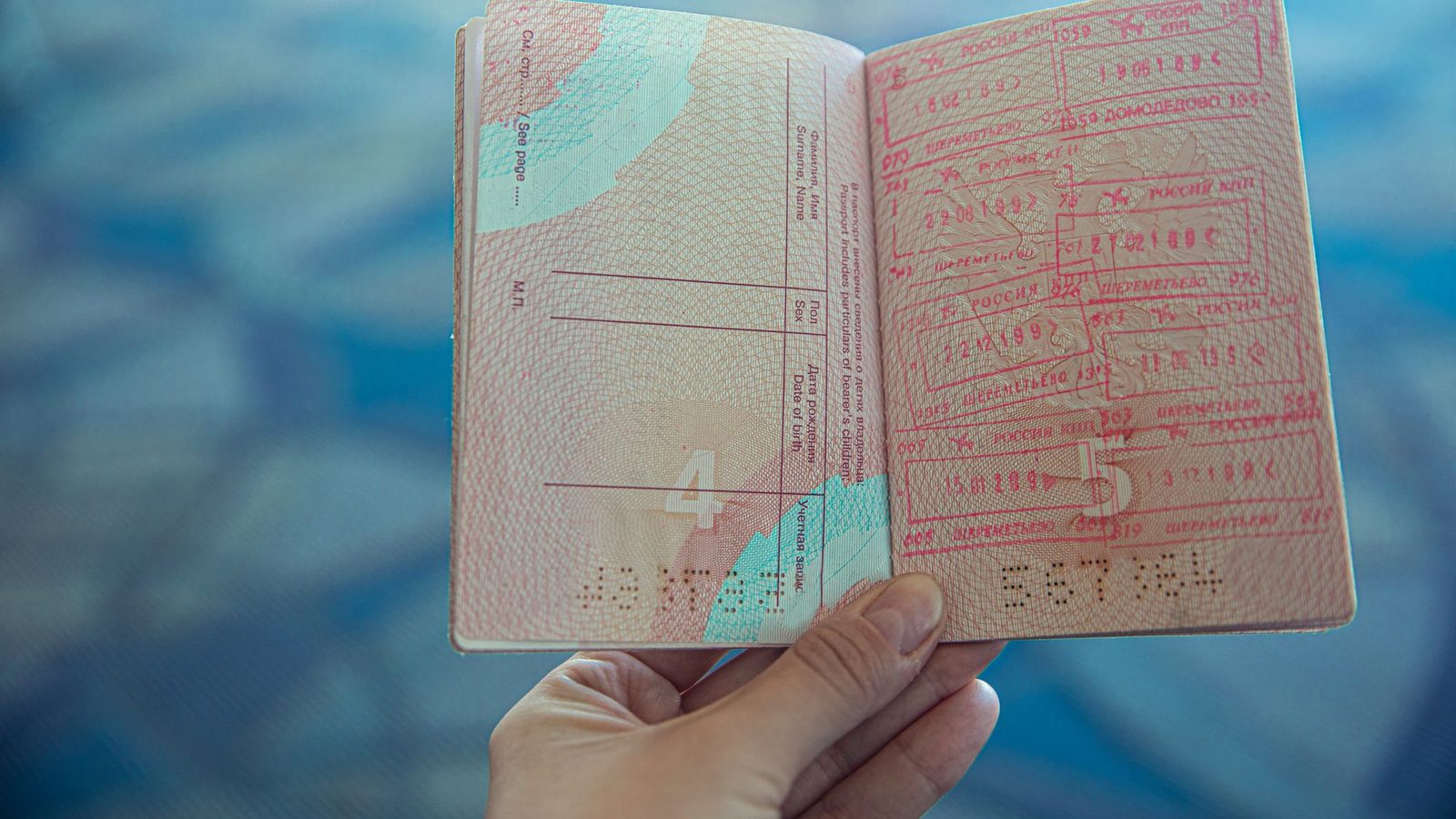
How visas work in the Philippines, and the reality of renewing far from an immigration office (2026)
The Philippines is one of the easiest countries in Asia to enter and one of the easiest to stay in long term, which is a big part of why so many foreigners end up renting or buying a home here. The system, run by the Bureau of Immigration, is genuinely workable. What surprises people is not the rules but the logistics: your visa does not renew itself, and if you settle on a quiet island three hours from the nearest immigration office, those renewals become a recurring trip you need to plan your life around.
Here is how the visa ladder works, the long stay options, and the practical side of renewing when you live far from a BI office. Rules and fees change, so treat this as the map and confirm the current details with the Bureau of Immigration or a Philippine embassy before you rely on them.
The tourist route: enter free, extend as you go
Most nationalities enter visa free for an initial stay of 30 days. From there, the tourist visa becomes a ladder of extensions filed at Bureau of Immigration offices: a first short extension, then longer ones of one, two or six months at a time. Stack them and most visa free nationals can remain in the country for up to around three years in practice before needing to exit, while nationals who required a visa to enter reach the ceiling earlier. Stay past 59 days and you will also be issued an ACR I-Card, the foreigner's identity card, and long stayers must file the annual report at a BI office each start of year, in person.
The tourist ladder is how a large share of foreign residents actually live here, including many who own condos. Its cost is not just the fees; it is the trips. Every extension is a visit to an immigration office, and that is where geography enters the story.
The long stay visas, briefly
- SRRV, the retirement visa run by the Philippine Retirement Authority: a deposit-based, indefinitely renewable residency popular with retirees, and the deposit can in some tracks be converted into a condo purchase.
- 13(a) for foreigners married to a Filipino citizen: probationary then permanent residency.
- 9(g) working visa, employer sponsored, and the SIRV investor visa for qualifying investments.
- Student and special visas cover the remaining cases.
Long stay visas trade paperwork upfront for fewer errands later: an SRRV or 13(a) holder is not climbing the extension ladder every 60 days. If you are planning to buy property and stay indefinitely, they are usually worth the effort, and our foreign buyer's guide covers how ownership works alongside them.
The distance problem nobody prices in
The Bureau of Immigration is headquartered in Intramuros, Manila, with district, field and satellite offices around the country, from Cebu and Davao to smaller provincial desks. The catch is that not every office handles every transaction. Routine tourist extensions are widely available; ACR card matters, visa conversions and some approvals may require a larger district office or the main office itself. In practice that means:
- On the main islands and big cities, renewals are an errand: Cebu, Davao, Angeles, Baguio and the major hubs have offices that handle the common transactions.
- In island and rural destinations, renewals are a journey. Living in a surf town or a small island province can mean a ferry plus a bus, or a flight, every time your stamp runs low. Some transactions may still route you to Manila.
- Timing risk is real. Offices work limited hours, queues vary, holidays cluster, and an extension filed late is an overstay with daily fines. The renewal trip needs slack built into it.
For anyone choosing where to live, this belongs on the same checklist as flood maps and internet speed. It is part of why the foreigner-heavy cities are foreigner-heavy: places like Cebu, Dumaguete, Davao and Angeles combine low living costs with an immigration office within reach, which you can cross-check against our cost of living guides and the cheapest places to live, or start from the best places to retire.
How long stayers make it painless
- Take the longest extension available, usually six months once you are eligible, and cut the number of trips per year to two.
- File early, not on the deadline. A week of buffer absorbs office closures and processing delays.
- Use the official channels: BI's online appointment and e-services where available, published fee schedules, official receipts for everything. Politely decline fixers; they are a known problem around immigration offices and BI itself warns against them.
- Batch the errands. Long stayers near the ceiling combine the annual report, the ACR card renewal and an extension into one trip.
- If the trips wear you down, upgrade the visa. The math is simple: an SRRV or 13(a) costs effort once and removes the ladder entirely.
The bottom line
The Philippine visa system rewards planning, not proximity to Manila, but proximity to any BI office makes long stay life dramatically easier. If you are picking a base, weigh the renewal trip alongside rent and lifestyle; if you have already fallen for a remote island, budget the trips honestly and take the longest extensions you can. When you are ready to look for a base, browse homes for rent and for sale across the cities foreigners actually settle in, and read the buying from abroad guide if you want the property side sorted before you land. This is general information, not immigration advice; rules, fees and office coverage change, so verify current requirements with the Bureau of Immigration.
Frequently asked questions
How long can a tourist stay in the Philippines?
Most nationalities enter visa free for an initial 30 days, then extend repeatedly at Bureau of Immigration offices with extensions of one, two or six months at a time. Stacked, most visa free nationals can remain up to around three years in practice before needing to exit, with an ACR I-Card issued for stays past 59 days. Confirm current rules with the Bureau of Immigration, since they change.
What long stay visas does the Philippines offer?
The main routes are the SRRV retirement visa run by the Philippine Retirement Authority, the 13(a) visa for foreigners married to a Filipino citizen, the employer sponsored 9(g) working visa, the SIRV investor visa, and student and special visas. They cost more effort upfront but remove the constant extension trips.
Can I renew my Philippine visa in any immigration office?
Not always. Routine tourist extensions are handled widely across district, field and satellite offices, but ACR card matters, visa conversions and some approvals may require a larger district office or the main office in Intramuros, Manila. Check what your nearest office actually processes before relying on it.
What happens if I overstay my visa in the Philippines?
Overstaying accrues fines and can lead to more serious consequences the longer it runs, so file extensions early rather than on the deadline. Long stayers reduce risk by taking the longest available extension, building buffer days around office closures and holidays, and keeping official receipts for every transaction.
Paano gumagana ang visa sa Pilipinas, at ang realidad ng pag-renew kapag malayo ka sa immigration office (2026)
Ang Pilipinas ay isa sa pinakamadaling puntahan na bansa sa Asya at isa sa pinakamadaling tirhan nang long term, kaya nga napakaraming foreigner ang nauuwi sa pag-upa o pagbili ng bahay dito. Ang sistema, na pinapatakbo ng Bureau of Immigration, ay talagang workable. Ang nakakagulat sa mga tao ay hindi ang rules kundi ang logistics: hindi nagre-renew nang mag-isa ang visa mo, at kung titira ka sa isang tahimik na isla na tatlong oras ang layo mula sa pinakamalapit na immigration office, ang mga renewal na iyon ay magiging paulit-ulit na biyahe na kailangan mong ipaikot ang buhay mo.
Narito kung paano gumagana ang visa ladder, ang mga long stay option, at ang praktikal na bahagi ng pag-renew kapag malayo ka sa isang BI office. Nagbabago ang rules at fees, kaya ituring mo itong mapa at kumpirmahin ang kasalukuyang detalye sa Bureau of Immigration o sa isang Philippine embassy bago ka umasa sa mga ito.
Ang tourist route: pumasok nang libre, mag-extend habang tumatagal
Karamihan sa mga nationality ay nakakapasok nang visa free para sa initial stay na 30 days. Mula roon, ang tourist visa ay nagiging hagdan ng mga extension na fina-file sa mga opisina ng Bureau of Immigration: isang unang maikling extension, tapos mas mahahaba na one, two o six months bawat isa. Pagpatung-patungin mo ang mga ito at karamihan sa mga visa free national ay maaaring manatili sa bansa nang hanggang humigit-kumulang tatlong taon in practice bago kailanganing lumabas, habang ang mga national na nangailangan ng visa para makapasok ay mas maagang aabot sa ceiling. Kapag lumampas ka ng 59 days, bibigyan ka rin ng ACR I-Card, ang identity card ng foreigner, at ang mga long stayer ay kailangang mag-file ng annual report sa isang BI office tuwing simula ng taon, in person.
Ang tourist ladder ang paraan kung paano talaga namumuhay dito ang malaking bahagi ng mga foreign resident, kasama ang maraming may-ari ng condo. Ang gastos nito ay hindi lang ang fees; ito ay ang mga biyahe. Bawat extension ay isang pagpunta sa immigration office, at doon pumapasok ang geography sa kuwento.
Ang mga long stay visa, sa maikli
- SRRV, ang retirement visa na pinapatakbo ng Philippine Retirement Authority: deposit-based, indefinitely renewable na residency na popular sa mga retiree, at sa ilang track ay maaaring i-convert ang deposit sa pagbili ng condo.
- 13(a) para sa mga foreigner na kasal sa isang Filipino citizen: probationary muna, tapos permanent residency.
- 9(g) working visa, employer sponsored, at ang SIRV investor visa para sa mga qualifying investment.
- Student at special visas ang sumasakop sa natitirang mga kaso.
Ang mga long stay visa ay pagpapalit ng paperwork upfront para sa mas kaunting lakad sa susunod: ang may hawak ng SRRV o 13(a) ay hindi na umaakyat sa extension ladder tuwing 60 days. Kung plano mong bumili ng property at manatili nang indefinitely, karaniwang sulit ang effort, at tinatalakay ng aming foreign buyer's guide kung paano gumagana ang ownership kasabay ng mga ito.
Ang problema sa distansya na walang nagsasama sa kwenta
Ang Bureau of Immigration ay naka-headquarter sa Intramuros, Manila, na may district, field at satellite offices sa buong bansa, mula Cebu at Davao hanggang sa mas maliliit na provincial desk. Ang catch ay hindi lahat ng office ay humahawak ng lahat ng transaction. Ang mga routine tourist extension ay malawak na available; ang mga usaping ACR card, visa conversion at ilang approval ay maaaring mangailangan ng mas malaking district office o ng main office mismo. In practice, ang ibig sabihin nito:
- Sa mga main island at malalaking lungsod, ang renewal ay isang lakad lang: ang Cebu, Davao, Angeles, Baguio at ang mga major hub ay may mga office na humahawak sa mga karaniwang transaction.
- Sa mga island at rural na destinasyon, ang renewal ay isang biyahe. Ang pagtira sa isang surf town o sa maliit na island province ay maaaring mangahulugan ng ferry tapos bus, o flight, tuwing malapit nang maubos ang stamp mo. May ilang transaction na maaari ka pa ring idaan sa Manila.
- Totoo ang timing risk. Limitado ang oras ng mga office, iba-iba ang pila, nagkukumpul-kumpol ang mga holiday, at ang extension na na-file nang late ay overstay na may daily fines. Kailangang may nakalaang palugit ang renewal trip.
Para sa sinumang pumipili kung saan titira, kabilang ito sa parehong checklist ng flood maps at internet speed. Bahagi ito ng dahilan kung bakit foreigner-heavy ang mga foreigner-heavy na lungsod: ang mga lugar tulad ng Cebu, Dumaguete, Davao at Angeles ay pinagsasama ang mababang living costs at immigration office na abot-kamay, na maaari mong i-cross-check sa aming cost of living guides at sa pinakamurang lugar na matitirhan, o magsimula sa pinakamagagandang lugar para mag-retire.
Paano ginagawang painless ito ng mga long stayer
- Kunin ang pinakamahabang extension na available, karaniwang six months kapag eligible ka na, at gawing dalawa na lang ang bilang ng biyahe kada taon.
- Mag-file nang maaga, hindi sa mismong deadline. Ang isang linggong buffer ay sasalo sa mga office closure at processing delay.
- Gamitin ang official channels: ang online appointment at e-services ng BI kung saan available, published fee schedules, official receipts para sa lahat. Magalang na tanggihan ang mga fixer; kilala silang problema sa paligid ng mga immigration office at ang BI mismo ay nagbababala laban sa kanila.
- Pagsamahin ang mga lakad. Ang mga long stayer na malapit na sa ceiling ay pinagsasama ang annual report, ang ACR card renewal at ang extension sa iisang biyahe.
- Kung napapagod ka na sa mga biyahe, i-upgrade ang visa. Simple lang ang math: ang SRRV o 13(a) ay isang beses lang ang effort at buburahin nito ang buong ladder.
Ang bottom line
Ang Philippine visa system ay gumagantimpala sa planning, hindi sa pagiging malapit sa Manila, pero ang pagiging malapit sa kahit anong BI office ay lubos na nagpapadali sa long stay life. Kung pumipili ka ng base, timbangin ang renewal trip kasabay ng renta at lifestyle; kung nahulog na ang loob mo sa isang malayong isla, maging tapat sa pag-budget ng mga biyahe at kunin ang pinakamahahabang extension na kaya mo. Kapag handa ka nang maghanap ng base, mag-browse ng mga bahay for rent at for sale sa mga lungsod na talagang tinitirhan ng mga foreigner, at basahin ang gabay sa pagbili mula abroad kung gusto mong maayos na ang property side bago ka pa dumating. General information ito, hindi immigration advice; nagbabago ang rules, fees at office coverage, kaya i-verify ang kasalukuyang requirements sa Bureau of Immigration.
Mga madalas itanong
Gaano katagal pwedeng mag-stay ang tourist sa Pilipinas?
Karamihan ng nationalities ay pumapasok nang visa free sa unang 30 days, tapos paulit-ulit na nag-e-extend sa mga Bureau of Immigration office na may extensions na one, two o six months bawat isa. Kapag pinagsama-sama, karamihan ng visa free nationals ay pwedeng manatili nang hanggang mga three years in practice bago kailanganing lumabas ng bansa, na may ACR I-Card na ini-issue para sa stay na lagpas 59 days. Kumpirmahin ang current rules sa Bureau of Immigration dahil nagbabago ang mga ito.
Anong mga long stay visa ang inooffer ng Pilipinas?
Ang mga pangunahing ruta ay ang SRRV retirement visa na hawak ng Philippine Retirement Authority, ang 13(a) visa para sa mga foreigner na kasal sa Filipino citizen, ang employer sponsored 9(g) working visa, ang SIRV investor visa, at mga student at special visa. Mas malaking effort sa umpisa pero tinatanggal nila ang paulit-ulit na extension trips.
Pwede ko bang i-renew ang Philippine visa ko sa kahit anong immigration office?
Hindi palagi. Ang routine tourist extensions ay ginagawa sa maraming district, field at satellite office, pero ang ACR card matters, visa conversions at ilang approvals ay maaaring mangailangan ng mas malaking district office o ng main office sa Intramuros, Manila. Alamin muna kung ano talaga ang pinoproseso ng pinakamalapit mong office bago ka umasa doon.
Ano ang mangyayari kapag nag-overstay ako sa visa ko sa Pilipinas?
May naiipong fines ang overstay at pwedeng humantong sa mas seryosong konsekwensya habang tumatagal, kaya mag-file ng extension nang maaga imbes na sa mismong deadline. Binabawasan ng mga long stayer ang risk sa pagkuha ng pinakamahabang available na extension, paglalagay ng buffer days para sa office closures at holidays, at pag-iingat ng official receipts sa bawat transaction.
Giunsa pagdagan ang visa sa Pilipinas, ug ang realidad sa pag-renew kon layo ka sa immigration office (2026)
Ang Pilipinas usa sa labing sayon nga sudlan nga nasod sa Asya ug usa sa labing sayon puy-an og long term, mao nga daghan kaayong foreigner ang matapos og abang o palit og balay dinhi. Ang sistema, nga gipadagan sa Bureau of Immigration, tinuod nga workable. Ang makapakurat sa mga tawo dili ang rules kondili ang logistics: dili mag-renew ang imong visa sa iyang kaugalingon, ug kon mopuyo ka sa hilom nga isla nga tulo ka oras ang gilay-on gikan sa labing duol nga immigration office, kanang mga renewal mahimong balikbalik nga biyahe nga kinahanglan nimong planohan ang imong kinabuhi palibot niini.
Ania kon giunsa pagdagan ang visa ladder, ang mga long stay option, ug ang praktikal nga bahin sa pag-renew kon layo ka sa usa ka BI office. Mausab ang rules ug fees, mao nga isipa kini nga mapa ug kumpirmaha ang kasamtangang detalye sa Bureau of Immigration o sa usa ka Philippine embassy una ka mosalig niini.
Ang tourist route: sulod nga libre, mag-extend samtang nagdugay
Kadaghanan sa mga nationality makasulod nga visa free alang sa initial stay nga 30 days. Gikan didto, ang tourist visa mahimong hagdan sa mga extension nga i-file sa mga opisina sa Bureau of Immigration: usa ka unang mubo nga extension, dayon mas taas nga one, two o six months matag higayon. Sumpaysumpaya kini ug kadaghanan sa mga visa free national makapabilin sa nasod hangtod sa mga tulo ka tuig in practice una pa kinahanglan mogawas, samtang ang mga national nga nanginahanglan og visa aron makasulod mas sayo moabot sa ceiling. Kon molapas ka og 59 days, hatagan sab ka og ACR I-Card, ang identity card sa foreigner, ug ang mga long stayer kinahanglan mo-file sa annual report sa usa ka BI office matag sinugdanan sa tuig, in person.
Ang tourist ladder mao ang paagi kon giunsa gyud pagpuyo dinhi sa dakong bahin sa mga foreign resident, apil ang daghang tag-iya og condo. Ang gasto niini dili lang ang fees; ang mga biyahe mismo. Matag extension usa ka adto sa immigration office, ug diha mosulod ang geography sa istorya.
Ang mga long stay visa, sa mubo
- SRRV, ang retirement visa nga gipadagan sa Philippine Retirement Authority: deposit-based, indefinitely renewable nga residency nga sikat sa mga retiree, ug sa pipila ka track ang deposit mahimong i-convert ngadto sa pagpalit og condo.
- 13(a) alang sa mga foreigner nga naminyo og Filipino citizen: probationary usa, dayon permanent residency.
- 9(g) working visa, employer sponsored, ug ang SIRV investor visa alang sa mga qualifying investment.
- Student ug special visas ang mokobre sa nahibiling mga kaso.
Ang mga long stay visa nagbaylo og paperwork sa sinugdan alang sa mas gamay nga lakaw sa ulahi: ang naghupot og SRRV o 13(a) dili na mosaka sa extension ladder matag 60 days. Kon nagplano kang mopalit og property ug magpabilin nga indefinitely, kasagaran sulit ang effort, ug ang among foreign buyer's guide naghisgot kon giunsa pagdagan ang ownership uban niini.
Ang problema sa distansya nga walay nag-apil sa kwenta
Ang Bureau of Immigration naka-headquarter sa Intramuros, Manila, nga adunay district, field ug satellite offices sa tibuok nasod, gikan sa Cebu ug Davao hangtod sa mas gagmay nga provincial desks. Ang catch mao nga dili tanang office modumala sa tanang transaction. Ang mga routine tourist extension kaylap nga available; ang mga butang bahin sa ACR card, visa conversion ug pipila ka approval mahimong manginahanglan og mas dako nga district office o sa main office mismo. In practice, kini nagpasabot:
- Sa mga main island ug dagkong siyudad, ang renewal usa ra ka lakaw: ang Cebu, Davao, Angeles, Baguio ug ang mga major hub adunay mga office nga modumala sa mga komon nga transaction.
- Sa mga isla ug rural nga destinasyon, ang renewal usa ka biyahe. Ang pagpuyo sa surf town o sa gamay nga island province mahimong magpasabot og ferry dayon bus, o flight, matag hapit na mahurot ang imong stamp. Adunay mga transaction nga mahimo gihapon nga modala nimo sa Manila.
- Tinuod ang timing risk. Limitado ang oras sa mga office, managlahi ang pila, magtapok ang mga holiday, ug ang extension nga na-file og late usa ka overstay nga adunay daily fines. Kinahanglan adunay luag nga panahon ang renewal trip.
Alang ni bisan kinsa nga nagpili asa mopuyo, kini apil sa samang checklist sa flood maps ug internet speed. Kabahin kini sa rason ngano nga foreigner-heavy ang mga foreigner-heavy nga siyudad: ang mga lugar sama sa Cebu, Dumaguete, Davao ug Angeles naghiusa sa ubos nga living costs ug immigration office nga maabot ra, nga mahimo nimong i-cross-check sa among cost of living guides ug sa labing barato nga mga lugar puy-an, o magsugod sa labing maayo nga mga lugar para mag-retire.
Giunsa kini paghimo nga painless sa mga long stayer
- Kuhaa ang labing taas nga extension nga available, kasagaran six months kon eligible na ka, ug pakunhora ngadto sa duha ang gidaghanon sa biyahe matag tuig.
- Mag-file og sayo, dili sa mismong deadline. Ang usa ka semana nga buffer mosalo sa mga office closure ug processing delay.
- Gamita ang official channels: ang online appointment ug e-services sa BI kon asa available, published fee schedules, official receipts sa tanan. Balibari nga matinahuron ang mga fixer; nailhan sila nga problema palibot sa mga immigration office ug ang BI mismo nagpasidaan batok kanila.
- Usaha ang mga lakaw. Ang mga long stayer nga duol na sa ceiling maghiusa sa annual report, sa ACR card renewal ug sa extension sa usa ra ka biyahe.
- Kon gikapoy na ka sa mga biyahe, i-upgrade ang visa. Simple ra ang math: ang SRRV o 13(a) kausa ra ang effort ug wagtangon niini ang tibuok ladder.
Ang bottom line
Ang Philippine visa system moganti sa planning, dili sa kaduol sa Manila, pero ang kaduol sa bisan unsang BI office makapasayon pag-ayo sa long stay life. Kon nagpili ka og base, timbangi ang renewal trip uban sa abang ug lifestyle; kon nahigugma na ka sa usa ka hilit nga isla, i-budget nga matinud-anon ang mga biyahe ug kuhaa ang labing taas nga extension nga mahimo. Kon andam na kang mangita og base, i-browse ang mga balay for rent ug for sale sa mga siyudad nga tinuod nga gipuy-an sa mga foreigner, ug basaha ang giya sa pagpalit gikan sa abroad kon gusto nimo nga sulbad na ang property side una pa ka moabot. General information kini, dili immigration advice; mausab ang rules, fees ug office coverage, mao nga i-verify ang kasamtangang requirements sa Bureau of Immigration.
Mga kasagarang pangutana
Unsa kadugay makapabilin ang tourist sa Pilipinas?
Kadaghanan sa mga nationality mosulod nga visa free sa unang 30 days, dayon magbalik-balik ug extend sa mga Bureau of Immigration office nga naay extensions nga one, two o six months matag usa. Kung tapokon, kadaghanan sa visa free nationals makapabilin hangtod mga three years in practice una kinahanglan mogawas sa nasod, nga naay ACR I-Card nga i-issue para sa stay nga molapas 59 days. Kumpirmaha ang current rules sa Bureau of Immigration kay mag-usab-usab ni.
Unsa nga mga long stay visa ang gitanyag sa Pilipinas?
Ang mga nag-unang ruta mao ang SRRV retirement visa nga gidumala sa Philippine Retirement Authority, ang 13(a) visa para sa mga foreigner nga minyo sa Filipino citizen, ang employer sponsored 9(g) working visa, ang SIRV investor visa, ug mga student ug special visa. Mas dako nga effort sa sugod pero mawala ang balik-balik nga extension trips.
Mahimo ba nako i-renew ang akong Philippine visa sa bisan asa nga immigration office?
Dili kanunay. Ang routine tourist extensions gihimo sa daghang district, field ug satellite office, pero ang ACR card matters, visa conversions ug pipila ka approvals mahimong magkinahanglan ug mas dako nga district office o ang main office sa Intramuros, Manila. Susiha una kung unsa gyud ang giproseso sa imong pinakaduol nga office una ka mosalig ani.
Unsa may mahitabo kung mag-overstay ko sa akong visa sa Pilipinas?
Magtapok ang fines sa overstay ug mahimong mosangpot sa mas seryoso nga sangputanan kung magdugay, mao nga pag-file ug extension ug sayo imbes nga sa mismong deadline. Gipakunhod sa mga long stayer ang risgo pinaagi sa pagkuha sa pinakataas nga available nga extension, pagbutang ug buffer days para sa office closures ug holidays, ug pagtipig sa official receipts sa matag transaction.
Browse properties on BalayHub
See all listings →
Read next
Lost Land Title in the Philippines: How to Replace It
A lost land title is replaced by court petition under Section 109 of PD 1529: steps, documents, 6 to 12 months and ₱50,000 to ₱200,000 in estimated costs.
Real Estate Broker Commission & PRC License Check (2026)
Real estate broker commission in the Philippines: 3% to 5% by custom, who pays, when it is earned, and how to verify a PRC license before you sign.
Condo Investment for Foreigners in the Philippines: the Math
Condo investment for foreigners in the Philippines: gross yields from 4.3% in Pasig to 11.9% in Davao, the 25% tax on non resident rent, and the 40% cap.