
Jun 29, 2026 · by BalayHub Admin · 5 min read
How to Buy Property in the Philippines from Abroad (2026)
A practical 2026 guide for OFWs and overseas buyers: what you can own, the Special Power of Attorney that lets someone sign for you, the step by step remote purchase, how to pay safely, and the scams to avoid.
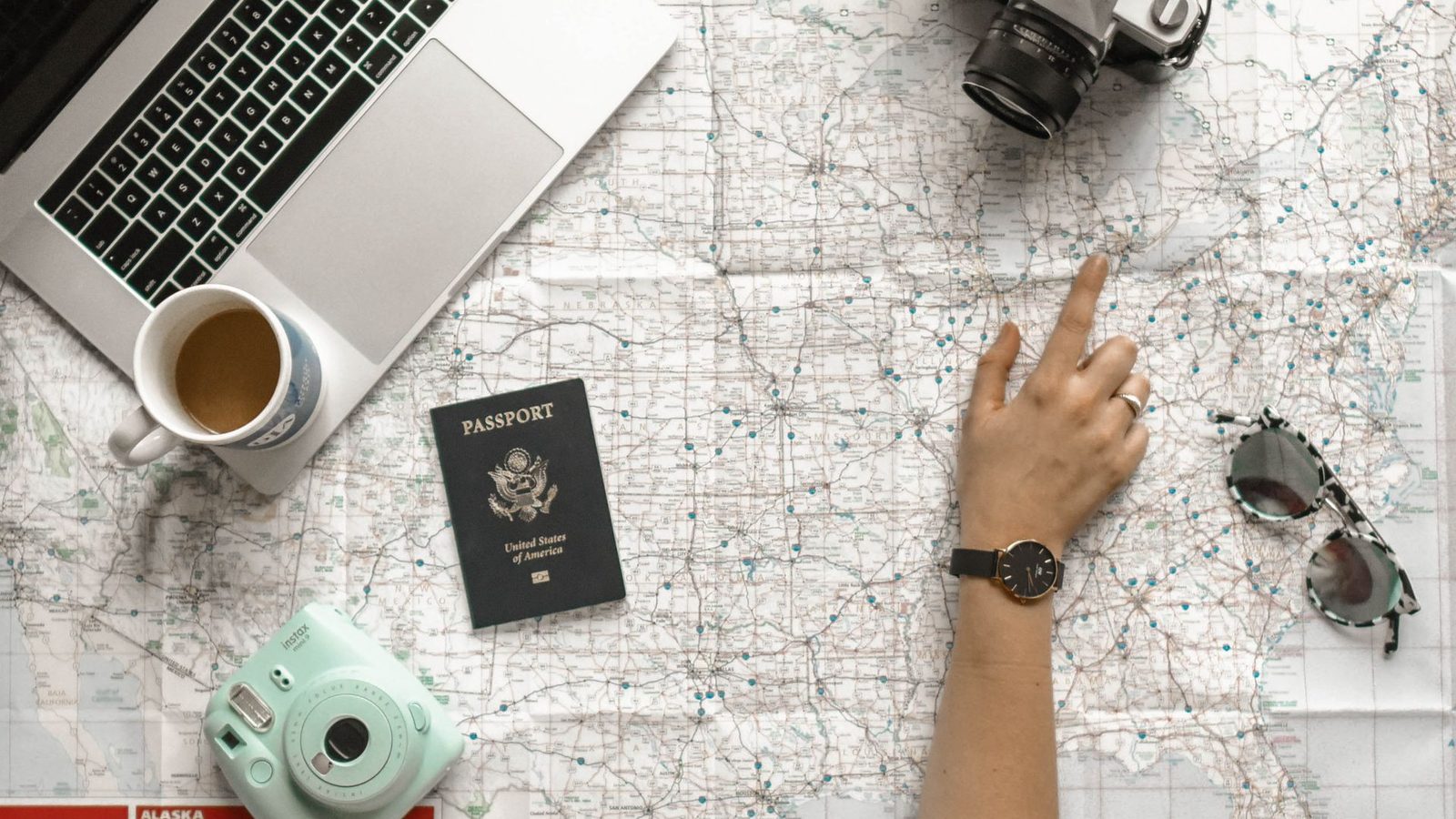
How to buy property in the Philippines from abroad (2026)
If you want the single complete walkthrough, start with our main guide on how to buy property in the Philippines from abroad; this article goes deeper on the specific points below.
Thousands of overseas Filipinos buy a condo or a house back home every year without ever booking a flight to close the deal. It is completely doable, but buying from abroad adds a few steps that a local buyer never thinks about: someone has to sign for you, the money has to move across borders cleanly, and you have to verify a property you cannot walk through yourself. Get those three things right and the distance stops mattering.
This is a practical guide to buying property in the Philippines from abroad in 2026, whether you are an OFW on contract, a migrant who settled overseas, or a foreign national buying a unit. It covers what you are allowed to buy, the document that makes remote buying possible, the step by step, and the traps that catch long-distance buyers.
What you are allowed to buy from abroad
The rules depend on your citizenship, not your location.
Filipino citizens, including dual citizens, can buy both land and condominium units, exactly as a resident would. If you have given up Filipino citizenship, reacquiring it under the dual citizenship law restores the right to own land.
Foreign nationals cannot own land, but they can buy condominium units, as long as foreign ownership in that particular building stays within the legal limit of 40 percent. Our foreign buyer's guide goes through the details and the common questions people ask.
The document that makes it possible: the SPA
You cannot be in two places at once, so the heart of a remote purchase is a Special Power of Attorney. This is a notarized document that appoints someone you trust in the Philippines, often a relative, to sign contracts, process paperwork and represent you in the transaction.
The catch for an overseas buyer is that the SPA has to be authenticated where you are, either consularized at a Philippine embassy or consulate, or apostilled if you are in a country that is part of the Apostille Convention, before it is valid back home. Plan for the time this takes. Our full guide on the Special Power of Attorney for OFWs walks through how to draft and authenticate one.
Buying step by step from overseas
- Shortlist online. Browse listings, compare prices by city, and ask agents for video walkthroughs and live video calls rather than relying on photos alone. Treat a seller who refuses a live video tour as a warning sign.
- Verify before you pay anything. Have your representative or a lawyer confirm the title is clean and the developer is legitimate. Our guide on how to verify a land title shows what to check.
- Set up your SPA. Authenticate it abroad and send the original home to your attorney-in-fact so they can sign on your behalf.
- Reserve and pay through proper channels. Pay the reservation and any down payment by bank transfer or a traceable remittance into the developer's or seller's official account, never an unverified personal account, and always insist on official receipts.
- Sort out financing. As an OFW you can borrow through Pag-IBIG, which has loan programs for overseas members, or through a Philippine bank, or take the developer's in-house terms. Compare the three in our guide to Pag-IBIG, bank and in-house financing.
- Sign through your representative. Your attorney-in-fact signs the Contract to Sell and later the Deed of Absolute Sale under the authority of your SPA.
- Transfer the title. Once the unit is paid or the loan is in place, the title is moved into your name. Our land title transfer guide covers that process.
Moving the money
Paying from abroad is mostly about doing it traceably. Use bank transfers or established remittance channels, keep every receipt, and watch the exchange rate and transfer fees, because on a property-sized payment a poor rate costs real money. Pay into official company accounts for developer purchases. For a private resale, release funds in step with the documents, not before, and let your representative confirm each stage on the ground.
The remote buyer's risk checklist
Distance is what scammers count on, so slow down on these:
- Never wire a large amount to an individual's personal account on trust alone. Verify who owns the property and who you are paying first.
- Insist on a live video tour of the actual unit, not a model unit or stock photos.
- Get official receipts for every payment, however small.
- Be extra careful with pasalo and foreclosed bargains. A deal that looks far too cheap usually has a documentation problem behind it, which is exactly the kind of thing that is hard to catch from overseas.
- Use a representative you genuinely trust, and where the stakes are high, add a lawyer who answers to you rather than to the seller.
You do not have to fly home to start
The hardest part of buying from abroad is not the rules, it is the discipline to verify everything before money moves. Line up a trusted representative, get your SPA authenticated early, and confirm the title and the developer before you pay a peso. When you are ready, browse the current properties for sale and start shortlisting. If you are planning to build rather than buy a ready unit, our guide on building a house from abroad covers that path. This is general information, not legal or financial advice; confirm the current rules and your own situation with a licensed professional before you transact.
Frequently asked questions
Can I buy property in the Philippines while living abroad?
Yes. Filipino citizens, including dual citizens, can buy both land and condominium units from overseas, and foreign nationals can buy condominium units as long as foreign ownership in the building stays within the 40 percent legal limit. The purchase is handled remotely through a representative you appoint with a Special Power of Attorney.
What is a Special Power of Attorney and why do I need one?
A Special Power of Attorney (SPA) is a notarized document that authorizes someone you trust in the Philippines to sign contracts and process the paperwork on your behalf. For an overseas buyer it must be authenticated where you live, either consularized at a Philippine embassy or consulate, or apostilled if your country is part of the Apostille Convention, before it is valid back home.
How do OFWs pay for property bought from abroad?
Through traceable channels. Use a bank transfer or an established remittance service into the developer's or seller's official account, never an unverified personal account, and keep an official receipt for every payment. Watch the exchange rate and transfer fees, since on a property-sized payment a poor rate is real money.
Can an OFW get a loan to buy property in the Philippines?
Yes. Pag-IBIG has housing loan programs for overseas members, and you can also borrow through a Philippine bank or take the developer's in-house financing. Each has different rates and requirements, so it is worth comparing all three before you commit.
Paano bumili ng property sa Pilipinas mula abroad (2026)
Kung gusto mo ng iisang kumpletong walkthrough, magsimula sa aming main guide kung paano bumili ng property sa Pilipinas mula abroad; mas malalim ang artikulong ito sa mga partikular na puntong nasa ibaba.
Libu-libong overseas Filipinos ang bumibili ng condo o bahay sa Pilipinas taun-taon nang hindi man lang nagba-book ng flight para i-close ang deal. Kayang-kaya talaga, pero ang pagbili mula abroad ay may dagdag na ilang hakbang na hindi kailanman iisipin ng local buyer: may kailangang pumirma para sa iyo, kailangang gumalaw nang malinis ang pera across borders, at kailangan mong i-verify ang isang property na hindi mo mismo malalakaran. Ayusin mo ang tatlong bagay na iyan at hindi na mahalaga ang distansya.
Ito ay praktikal na guide sa pagbili ng property sa Pilipinas mula abroad sa 2026, OFW ka man na naka-contract, migrant na nanirahan na overseas, o foreign national na bibili ng unit. Sakop nito kung ano ang pwede mong bilhin, ang dokumentong nagpapa-posible sa remote buying, ang step by step, at ang mga patibong na humuhuli sa mga long-distance buyer.
Ano ang pwede mong bilhin mula abroad
Ang rules ay nakadepende sa citizenship mo, hindi sa lokasyon mo.
Ang mga Filipino citizen, kasama ang dual citizens, ay pwedeng bumili ng parehong lupa at condominium units, eksaktong katulad ng isang residente. Kung isinuko mo na ang Filipino citizenship, ang pag-reacquire nito sa ilalim ng dual citizenship law ay nagbabalik ng karapatang magmay-ari ng lupa.
Ang mga foreign national ay hindi pwedeng magmay-ari ng lupa, pero pwede silang bumili ng condominium units, basta ang foreign ownership sa partikular na building na iyon ay nananatili sa loob ng legal limit na 40 percent. Ang aming foreign buyer's guide ang dumadaan sa mga detalye at sa mga karaniwang tanong.
Ang dokumentong nagpapa-posible nito: ang SPA
Hindi ka pwedeng nasa dalawang lugar nang sabay, kaya ang puso ng remote purchase ay ang Special Power of Attorney. Ito ay notarized na dokumento na nag-a-appoint ng taong pinagkakatiwalaan mo sa Pilipinas, madalas kamag-anak, para pumirma ng mga kontrata, mag-proseso ng papeles at i-represent ka sa transaksyon.
Ang catch para sa overseas buyer, kailangang i-authenticate ang SPA kung nasaan ka, either consularized sa Philippine embassy o consulate, o apostilled kung nasa bansang kasapi ng Apostille Convention, bago ito maging valid pauwi. Maglaan ng oras para dito. Ang aming buong guide sa Special Power of Attorney para sa OFWs ang naglalakad sa kung paano mag-draft at mag-authenticate ng isa.
Pagbili step by step mula overseas
- Mag-shortlist online. Mag-browse ng listings, mag-compare ng presyo by city, at humingi sa mga agent ng video walkthroughs at live video calls sa halip na umasa sa mga litrato lang. Ituring na warning sign ang seller na tumatanggi sa live video tour.
- Mag-verify bago ka magbayad ng kahit ano. Ipa-confirm sa representative mo o sa abogado na malinis ang titulo at lehitimo ang developer. Ang aming guide kung paano mag-verify ng land title ang nagpapakita kung ano ang dapat i-check.
- I-set up ang SPA mo. I-authenticate ito abroad at ipadala ang original pauwi sa attorney-in-fact mo para makapirma sila for your behalf.
- Mag-reserve at magbayad sa tamang channels. Bayaran ang reservation at anumang down payment via bank transfer o traceable na remittance papunta sa official account ng developer o seller, huwag kailanman sa unverified na personal account, at laging mag-insist ng official receipts.
- Ayusin ang financing. Bilang OFW pwede kang humiram sa Pag-IBIG, na may mga loan program para sa overseas members, o sa Philippine bank, o kunin ang in-house terms ng developer. I-compare ang tatlo sa aming guide sa Pag-IBIG, bank at in-house financing.
- Pumirma sa pamamagitan ng representative mo. Ang attorney-in-fact mo ang pipirma sa Contract to Sell at pagkatapos sa Deed of Absolute Sale sa ilalim ng awtoridad ng SPA mo.
- I-transfer ang titulo. Kapag bayad na ang unit o nakalagay na ang loan, ililipat ang titulo sa pangalan mo. Ang aming land title transfer guide ang sumasakop sa prosesong iyon.
Ang paggalaw ng pera
Ang pagbabayad mula abroad ay pangunahing tungkol sa paggawa nito nang traceable. Gumamit ng bank transfers o established na remittance channels, itago ang bawat resibo, at bantayan ang exchange rate at transfer fees, dahil sa isang property-sized na bayad, ang masamang rate ay totoong pera ang nawawala. Magbayad sa official company accounts para sa mga developer purchase. Para sa private resale, i-release ang pondo kasabay ng mga dokumento, hindi nauuna, at hayaan ang representative mo na i-confirm ang bawat stage on the ground.
Ang risk checklist ng remote buyer
Ang distansya ang inaasahan ng mga scammer, kaya dahan-dahan sa mga ito:
- Huwag kailanman mag-wire ng malaking halaga sa personal account ng isang indibidwal dahil lang sa tiwala. I-verify muna kung sino ang may-ari ng property at kung sino ang binabayaran mo.
- Mag-insist ng live video tour ng aktwal na unit, hindi ng model unit o stock photos.
- Kumuha ng official receipts para sa bawat bayad, gaano man kaliit.
- Mag-extra ingat sa pasalo at foreclosed na mga bargain. Ang deal na mukhang sobrang mura, kadalasan may documentation problem sa likod, na eksaktong klase ng bagay na mahirap mahuli mula overseas.
- Gumamit ng representative na tunay mong pinagkakatiwalaan, at kung mataas ang stakes, magdagdag ng abogado na sumasagot sa iyo, hindi sa seller.
Hindi mo kailangang lumipad pauwi para magsimula
Ang pinakamahirap na parte ng pagbili mula abroad ay hindi ang rules, kundi ang disiplina na i-verify ang lahat bago gumalaw ang pera. Ihanda ang pinagkakatiwalaang representative, ipa-authenticate ang SPA mo nang maaga, at i-confirm ang titulo at ang developer bago ka magbayad ng kahit piso. Kapag handa ka na, mag-browse ng mga kasalukuyang properties for sale at magsimulang mag-shortlist. Kung nagpaplano kang magpatayo sa halip na bumili ng ready unit, ang aming guide sa pagpapatayo ng bahay mula abroad ang sumasakop sa landas na iyon. General information ito, hindi legal o financial advice; i-confirm ang kasalukuyang rules at ang sarili mong sitwasyon sa isang licensed professional bago ka mag-transact.
Mga madalas itanong
Pwede ba akong bumili ng property sa Pilipinas habang nasa abroad?
Oo. Ang mga Filipino citizen, kasama ang dual citizens, ay pwedeng bumili ng lupa at condominium unit mula sa abroad, at ang mga foreign national ay pwedeng bumili ng condominium unit basta ang foreign ownership sa building ay nasa loob ng 40 percent legal limit. Ang bilihan ay ginagawa nang remote sa pamamagitan ng representative na inatasan mo gamit ang Special Power of Attorney.
Ano ang Special Power of Attorney at bakit ko ito kailangan?
Ang Special Power of Attorney (SPA) ay notarized na dokumentong nagbibigay ng awtoridad sa taong pinagkakatiwalaan mo sa Pilipinas na pumirma ng mga kontrata at mag-asikaso ng papeles para sa iyo. Para sa overseas buyer, kailangan itong ma-authenticate kung saan ka nakatira, either consularized sa Philippine embassy o consulate, o apostilled kung kasali ang bansa mo sa Apostille Convention, bago ito maging valid sa Pilipinas.
Paano nagbabayad ang mga OFW sa property na binili mula abroad?
Sa mga traceable na channel. Gumamit ng bank transfer o kilalang remittance service papunta sa official account ng developer o seller, huwag kailanman sa unverified personal account, at itago ang official receipt sa bawat bayad. Bantayan ang exchange rate at transfer fees, dahil sa laki ng bayad sa property, totoong pera ang mawawala sa pangit na rate.
Pwede bang umutang ang OFW para bumili ng property sa Pilipinas?
Oo. May housing loan programs ang Pag-IBIG para sa overseas members, at pwede ka ring umutang sa Philippine bank o kumuha ng in-house financing ng developer. Iba-iba ang rates at requirements ng bawat isa, kaya sulit ikumpara ang tatlo bago ka mag-commit.
Unsaon pagpalit og property sa Pilipinas gikan sa abroad (2026)
Kung gusto nimo ang usa ka kompleto nga walkthrough, sugdi sa among main guide kung unsaon ang pagpalit og property sa Pilipinas gikan sa gawas sa nasod; kini nga artikulo mas lawom sa espesipikong mga punto sa ubos.
Libo-libo ka overseas Filipinos ang mopalit og condo o balay sa Pilipinas matag tuig nga wala gani mag-book og flight para i-close ang deal. Mahimo gyud kaayo, pero ang pagpalit gikan sa abroad naay pipila ka dugang lakang nga dili gyud hunahunaon sa local buyer: naay kinahanglan mopirma para nimo, kinahanglan molihok nga limpyo ang kwarta across borders, ug kinahanglan nimong i-verify ang usa ka property nga dili nimo malakaw-lakawan mismo. Ayoha nang tulo ka butang ug dili na igsapayan ang distansya.
Kini usa ka praktikal nga guide sa pagpalit og property sa Pilipinas gikan sa abroad sa 2026, OFW ka man nga naa sa kontrata, migrant nga namuyo na sa gawas, o foreign national nga mopalit og unit. Sakop niini kung unsa ang mahimo nimong paliton, ang dokumento nga magpaposible sa remote buying, ang step by step, ug ang mga lit-ag nga makadakop sa mga long-distance buyer.
Unsa ang mahimo nimong paliton gikan sa abroad
Ang rules nagdepende sa imong citizenship, dili sa imong lokasyon.
Ang mga Filipino citizen, apil ang dual citizens, mahimong mopalit og yuta ug condominium units, eksaktong sama sa usa ka residente. Kung gibiyaan na nimo ang Filipino citizenship, ang pag-reacquire niini ubos sa dual citizenship law mopabalik sa katungod sa pagpanag-iya og yuta.
Ang mga foreign national dili makapanag-iya og yuta, pero mahimo silang mopalit og condominium units, basta ang foreign ownership sa maong building magpabilin sulod sa legal limit nga 40 percent. Ang among foreign buyer's guide moagi sa mga detalye ug sa mga komon nga pangutana.
Ang dokumento nga magpaposible niini: ang SPA
Dili ka mahimong naa sa duha ka lugar nga dungan, mao nga ang kasingkasing sa remote purchase mao ang Special Power of Attorney. Kini usa ka notarized nga dokumento nga mo-appoint og tawo nga imong gisaligan sa Pilipinas, kasagaran paryente, para mopirma og mga kontrata, mo-proseso og papeles ug mo-represent nimo sa transaksyon.
Ang catch para sa overseas buyer, ang SPA kinahanglan i-authenticate kung asa ka, either consularized sa Philippine embassy o consulate, o apostilled kung naa ka sa nasod nga kabahin sa Apostille Convention, una ni mahimong valid pauli. Pag-andam sa panahon nga kinahanglan ani. Ang among tibuok guide sa Special Power of Attorney para sa OFWs maglakaw sa unsaon pag-draft ug pag-authenticate og usa.
Pagpalit step by step gikan sa overseas
- Pag-shortlist online. Pag-browse og listings, pagkumpara og presyo matag city, ug pangayo sa mga agent og video walkthroughs ug live video calls imbes nga mosalig ra sa mga litrato. Isipa nga warning sign ang seller nga mobalibad og live video tour.
- Pag-verify una ka mobayad og bisan unsa. Ipaconfirm sa imong representative o sa abogado nga limpyo ang titulo ug lehitimo ang developer. Ang among guide kung unsaon pag-verify og land title magpakita kung unsa ang i-check.
- I-set up ang imong SPA. I-authenticate ni sa abroad ug ipadala ang original pauli sa imong attorney-in-fact aron makapirma sila alang nimo.
- Pag-reserve ug pagbayad sa hustong channels. Bayri ang reservation ug bisan unsang down payment pinaagi sa bank transfer o traceable nga remittance ngadto sa official account sa developer o seller, ayaw gyud sa unverified nga personal account, ug kanunay mag-insist og official receipts.
- Ayoha ang financing. Isip OFW mahimo kang mohulam sa Pag-IBIG, nga naay mga loan program para sa overseas members, o sa Philippine bank, o kuhaa ang in-house terms sa developer. Ikumpara ang tulo sa among guide sa Pag-IBIG, bank ug in-house financing.
- Pagpirma pinaagi sa imong representative. Ang imong attorney-in-fact mopirma sa Contract to Sell ug human ana sa Deed of Absolute Sale ubos sa awtoridad sa imong SPA.
- I-transfer ang titulo. Kung bayad na ang unit o naa na ang loan, ibalhin ang titulo sa imong ngalan. Ang among land title transfer guide mosakop anang prosesoha.
Paglihok sa kwarta
Ang pagbayad gikan sa abroad kay kasagaran mahitungod sa pagbuhat niini nga traceable. Paggamit og bank transfers o established nga remittance channels, tipigi ang matag resibo, ug bantayi ang exchange rate ug transfer fees, kay sa usa ka property-sized nga bayad, ang dili maayong rate makawagtang og tinuod nga kwarta. Pagbayad sa official company accounts para sa mga developer purchase. Para sa private resale, i-release ang pondo dungan sa mga dokumento, dili mag-una, ug pasagdi ang imong representative nga mo-confirm sa matag stage on the ground.
Ang risk checklist sa remote buyer
Ang distansya mao ang gisaligan sa mga scammer, mao nga paghinay-hinay ani:
- Ayaw gyud pag-wire og dako nga kantidad sa personal account sa usa ka indibidwal base ra sa pagsalig. I-verify una kung kinsa ang tag-iya sa property ug kinsa imong gibayran.
- Pag-insist og live video tour sa aktwal nga unit, dili sa model unit o stock photos.
- Pagkuha og official receipts para sa matag bayad, bisan unsa ka gamay.
- Pag-extra amping sa pasalo ug foreclosed nga mga barato. Ang deal nga murag sobra ka barato, kasagaran naay documentation problem sa luyo, nga mao gyud ang klase sa butang nga lisod madakpan gikan sa overseas.
- Paggamit og representative nga tinuod nimong gisaligan, ug kung taas ang stakes, pagdugang og abogado nga motubag nimo, dili sa seller.
Dili nimo kinahanglan molupad pauli para magsugod
Ang pinakalisod nga bahin sa pagpalit gikan sa abroad kay dili ang rules, kondili ang disiplina nga i-verify ang tanan una molihok ang kwarta. Andama ang kasaligang representative, ipa-authenticate ang imong SPA og sayo, ug i-confirm ang titulo ug ang developer una ka mobayad og bisan piso. Kung andam na ka, pag-browse sa mga current nga properties for sale ug sugdi ang pag-shortlist. Kung nagplano kang magpatukod imbes nga mopalit og ready unit, ang among guide sa pagpatukod og balay gikan sa abroad mosakop anang dalana. General information ni, dili legal o financial advice; i-confirm ang current rules ug ang imong kaugalingong sitwasyon sa usa ka licensed professional una ka mo-transact.
Mga kasagarang pangutana
Makapalit ba ko ug property sa Pilipinas samtang naa sa abroad?
Oo. Ang mga Filipino citizen, apil ang dual citizens, makapalit ug yuta ug condominium unit gikan sa abroad, ug ang mga foreign national makapalit ug condominium unit basta ang foreign ownership sa building anaa sulod sa 40 percent legal limit. Ang palit himoon nga remote pinaagi sa representative nga imong gitudlo gamit ang Special Power of Attorney.
Unsa ang Special Power of Attorney ug nganong kinahanglan nako ni?
Ang Special Power of Attorney (SPA) usa ka notarized nga dokumento nga mohatag ug awtoridad sa tawo nga imong gisaligan sa Pilipinas nga mopirma sa mga kontrata ug mag-asikaso sa papeles para nimo. Para sa overseas buyer, kinahanglan ni ma-authenticate kung asa ka nagpuyo, consularized sa Philippine embassy o consulate, o apostilled kung apil ang imong nasod sa Apostille Convention, una ni mahimong valid sa Pilipinas.
Unsaon pagbayad sa mga OFW sa property nga gipalit gikan sa abroad?
Pinaagi sa mga traceable nga channel. Gamit ug bank transfer o kilala nga remittance service padulong sa official account sa developer o seller, ayaw gyud sa unverified personal account, ug tipigi ang official receipt sa matag bayad. Bantayi ang exchange rate ug transfer fees, kay sa kadako sa bayad sa property, tinuod nga kwarta ang mawala sa dili maayo nga rate.
Makahulam ba ang OFW para mopalit ug property sa Pilipinas?
Oo. Naay housing loan programs ang Pag-IBIG para sa overseas members, ug makahulam sad ka sa Philippine bank o mokuha sa in-house financing sa developer. Lahi-lahi ang rates ug requirements sa matag usa, mao nga angay ikumpara ang tulo una ka mo-commit.
Browse properties on BalayHub
See all listings →
Read next
Condo Investment for Foreigners in the Philippines: the Math
Condo investment for foreigners in the Philippines: gross yields from 4.3% in Pasig to 11.9% in Davao, the 25% tax on non resident rent, and the 40% cap.
How to Check a TCT Online in the Philippines (LRA eSerbisyo)
How to check a TCT online through LRA eSerbisyo: the request step by step, fees from ₱644.97, delivery in 3 to 7 working days, reading the certified copy.
Beachfront Property in the Philippines: Rules and Prices
Beachfront property in the Philippines: the 20 meter no build easement, why the beach cannot be titled, lot prices from ₱2,500 to ₱30,000 per sqm.