
Oct 1, 2026 · by BalayHub Admin · 6 min read
Homeowners Association Dues and Rights: RA 9904 Explained
Homeowners association dues need a basis in the bylaws and majority approval. RA 9904 on membership, records, gates, the board and fines up to ₱50,000.
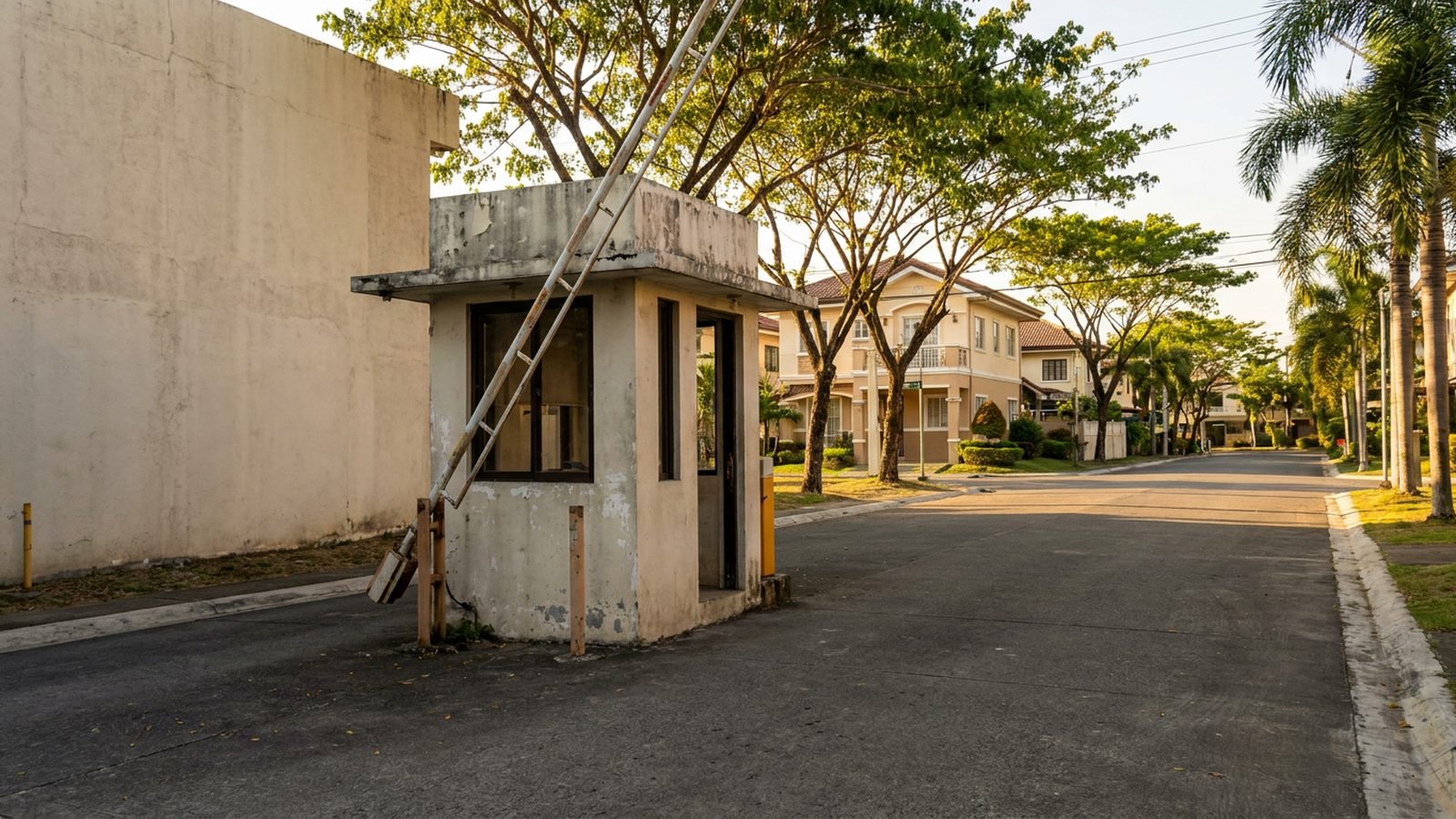
Homeowners association dues are the one cost of a house in a subdivision that no bank computation shows, and the rules around them are set by a law most homeowners have never read. Republic Act 9904, the Magna Carta for Homeowners and Homeowners' Associations, approved on January 7, 2010, says what an association may charge, what it must show its members, and what it cannot do to its members. This guide goes through the parts that matter to someone buying, owning or renting a house in a village: membership, dues, records, the board, gates and where to complain.
Who is a homeowner, and is membership required
The law defines a homeowner broadly: the owner or purchaser of a lot in a subdivision or village, an awardee or legal occupant in a government housing project, and even an informal settler being accredited under programs such as the Community Mortgage Program. An association is a non stock, non profit corporation of those homeowners, registered with the housing regulator, which was the HLURB when the law was written and is the DHSUD today.
The law does not make membership automatic. It respects two things that can: the deed of restrictions on the property, and the contract under which the lot was bought. In most developer built subdivisions one of those documents requires the buyer to join, which is why the question to ask before buying is not whether there is an association but what the deed of restrictions says about it.
Whether a member or not, every homeowner has the right to the basic community services and facilities on paying the necessary fees. The law lists what those are: security, street and vicinity lights, maintenance and cleaning of streets, garbage collection, and similar services that benefit everyone and from which no one can practically be excluded.
What the association can charge
The board collects the fees, dues and assessments provided in the bylaws and approved by a majority of the members. The association may also impose or collect reasonable fees for the use of its facilities and services. Those two sentences carry the protections: dues need a basis in the bylaws and the approval of a majority of the members, and fees for facilities and services have to be reasonable.
The law sets no amount, and we have no reliable sample of dues across villages to publish, so the figure to rely on is the one in the association's own statement. Ask the seller for the latest billing and a clearance showing nothing is owed, so that you do not inherit an argument over unpaid dues. For a condominium the charge works differently and is computed per square meter, as our guide to condo association dues explains.
A member who does not pay can be declared delinquent, but only through the procedure in the bylaws and with due process. The association may suspend privileges for violations of the bylaws. What it may not do is prevent a homeowner who has paid the fees for basic services from enjoying them.
What members are entitled to see and do
A member may inspect the association's books and records during office hours, take part in meetings and votes, and stand for office. The association must keep records detailed enough to show each member the association's true financial position, and those records are open on reasonable notice to owners and to holders of mortgages on the lots. An annual financial statement, audited, has to be prepared within 90 days from the end of the accounting period and posted where members can read it.
The board itself is on a short leash. A director's term may not exceed two years. A director can be removed by a signed petition of a simple majority of members in good standing, and the whole board can be dissolved by a petition of two thirds of the members, with the regulator verifying the petition.
Gates, roads and outsiders
Associations may regulate access to and passage through subdivision roads, which is the legal footing for gates, stickers and visitor rules. The power comes with four conditions: public consultations must be held, existing laws and regulations must be met, the authority of the government agencies or local governments concerned must be obtained, and the necessary agreements must be signed among the parties. A gate put up by board resolution alone does not meet that test.
Tenants are covered through their landlords. A lessee can exercise the homeowner's rights in the association with the owner's written consent, so a tenant who wants a gate sticker, a clubhouse booking or a vote should ask the owner for that letter at the start of the lease.
When the board gets it wrong
The law lists prohibited acts: preventing a homeowner who has paid from using basic services and facilities, refusing a member access to the records, keeping members in good standing out of meetings and elections, denying due process, and unreasonably failing to provide the basic services. The penalty is a fine of ₱5,000 to ₱50,000 (about $80 to $798 / €71 to €712) and permanent disqualification from serving as a director, officer or employee of the association.
Disputes within an association and between associations go to the housing regulator, not straight to court. Buyers who know the DHSUD from its role with developers, covered in our guides on complaints against a developer and on how to verify a license to sell, will find it is the same agency.
What to check before you buy in a village
Read the deed of restrictions, which is annotated on the title or attached to the contract, for membership, building rules and limits on use; a home business or a short term rental can be barred there. Ask for the association's latest dues billing, a clearance for the property, and the most recent posted financial statement. Ask whether any special assessment has been approved. Walk the roads and the perimeter, since they are what the dues pay for.
Then compare like with like. Our guides on condo vs house and lot and on townhouses weigh the running costs of each kind of home, village profiles such as the Makati villages guide show how much association rules shape a neighborhood, and current houses for sale are listed by city.
This article is general information, not legal advice. It summarizes Republic Act 9904 as written; each association's bylaws and deed of restrictions add their own rules, so read them before you buy.
Dollar and euro figures are approximate conversions at ₱62.7 per US dollar and ₱70.2 per euro (ECB reference rates, 2026-10-05).
Frequently asked questions
Are homeowners association dues mandatory in the Philippines?
Republic Act 9904 does not make membership automatic, but it respects the deed of restrictions on the property and the purchase contract, and in most developer built subdivisions one of them requires the owner to join. Members must pay the dues set in the bylaws. Every homeowner, member or not, is entitled to basic community services such as security, street lights and garbage collection on paying the necessary fees.
Who decides how much the association dues are?
The board collects the fees, dues and assessments that are provided in the bylaws and approved by a majority of the members. Fees for the use of facilities and services must be reasonable. The law sets no amount, so ask for the association's latest billing and the minutes or resolution approving the current rate, and for a clearance on the property before you buy.
Can a homeowners association cut off services to a member who has not paid?
It can sanction a member who has not paid, but only by the rules. A member can be declared delinquent and have privileges suspended under the procedure in the bylaws and with due process. What the law protects is the homeowner who has paid the fees for basic community services: the association may not prevent that person from enjoying them. Violations by the association carry a fine of ₱5,000 to ₱50,000 (about $80 to $798 / €71 to €712) and permanent disqualification from holding office in it.
Can I inspect the books of my homeowners association?
Yes. A member has the right to inspect the association's books and records during office hours, and the association must keep records detailed enough to show its true financial position. An audited annual financial statement has to be prepared within 90 days from the end of the accounting period and posted. Refusing a member access to the records is a prohibited act under Republic Act 9904.
Ang homeowners association dues ang nag-iisang gastos ng bahay sa subdivision na hindi lumalabas sa anumang computation ng bangko, at ang mga patakaran tungkol dito ay itinakda ng batas na hindi pa nababasa ng karamihan ng homeowner. Ang Republic Act 9904, ang Magna Carta for Homeowners and Homeowners' Associations, na inaprubahan noong January 7, 2010, ang nagsasabi kung ano ang puwedeng singilin ng association, kung ano ang dapat nitong ipakita sa mga miyembro, at kung ano ang hindi nito puwedeng gawin sa mga miyembro nito. Dinadaanan ng gabay na ito ang mga bahaging mahalaga sa sinumang bumibili, nagmamay-ari o umuupa ng bahay sa isang village: membership, dues, records, ang board, mga gate at kung saan magrereklamo.
Sino ang homeowner, at kung required ang membership
Malawak ang depinisyon ng batas sa homeowner: ang may-ari o bumibili ng lote sa subdivision o village, ang awardee o legal na occupant sa government housing project, at maging ang informal settler na ina-accredit sa ilalim ng mga programang gaya ng Community Mortgage Program. Ang association ay isang non stock, non profit na korporasyon ng mga homeowner na iyon, na nakarehistro sa housing regulator, na HLURB noong isinulat ang batas at DHSUD na ngayon.
Hindi ginagawang awtomatiko ng batas ang membership. Iginagalang nito ang dalawang bagay na puwedeng gumawa niyon: ang deed of restrictions sa property, at ang kontratang pinagbatayan ng pagbili ng lote. Sa karamihan ng subdivision na gawa ng developer, isa sa mga dokumentong iyon ang nag-oobliga sa buyer na sumali, kaya ang dapat itanong bago bumili ay hindi kung may association kundi kung ano ang sinasabi ng deed of restrictions tungkol dito.
Miyembro man o hindi, bawat homeowner ay may karapatan sa basic community services at facilities kapag binayaran ang mga kinakailangang fees. Inililista ng batas kung ano ang mga iyon: security, ilaw sa kalye at paligid, maintenance at paglilinis ng mga kalye, koleksyon ng basura, at mga katulad na serbisyong pinakikinabangan ng lahat at kung saan walang sinumang praktikal na maibubukod.
Ano ang puwedeng singilin ng association
Kinokolekta ng board ang mga fees, dues at assessment na nakasaad sa bylaws at inaprubahan ng mayorya ng mga miyembro. Puwede ring magpataw o mangolekta ang association ng makatwirang fees para sa paggamit ng mga pasilidad at serbisyo nito. Dala ng dalawang pangungusap na iyon ang mga proteksyon: kailangan ng dues ng batayan sa bylaws at ng pag-apruba ng mayorya ng mga miyembro, at kailangang makatwiran ang fees para sa mga pasilidad at serbisyo.
Walang halagang itinatakda ang batas, at wala kaming mapagkakatiwalaang sample ng dues sa iba't ibang village na mailalathala, kaya ang figure na dapat asahan ay ang nasa sariling statement ng association. Hingin sa seller ang pinakabagong billing at isang clearance na nagpapakitang walang utang, para hindi mo mamana ang pagtatalo tungkol sa hindi nabayarang dues. Sa condominium, iba ang takbo ng singil at kinukuwenta ito kada square meter, gaya ng ipinapaliwanag ng aming gabay sa condo association dues.
Ang miyembrong hindi nagbabayad ay puwedeng ideklarang delinquent, pero sa pamamagitan lang ng prosesong nasa bylaws at may due process. Puwedeng suspindihin ng association ang mga pribilehiyo dahil sa paglabag sa bylaws. Ang hindi nito puwedeng gawin ay pigilan ang homeowner na nakabayad ng fees para sa basic services na makinabang sa mga ito.
Ano ang karapatang makita at gawin ng mga miyembro
Puwedeng inspeksyunin ng miyembro ang mga libro at records ng association sa oras ng opisina, makilahok sa mga meeting at botohan, at tumakbo sa posisyon. Kailangang mag-ingat ang association ng records na sapat ang detalye para maipakita sa bawat miyembro ang tunay na kalagayang pinansyal ng association, at bukas ang mga records na iyon, sa makatwirang abiso, sa mga may-ari at sa mga may hawak ng mortgage sa mga lote. Ang taunang financial statement, na audited, ay kailangang maihanda sa loob ng 90 araw mula sa pagtatapos ng accounting period at maipaskil kung saan mababasa ng mga miyembro.
Maikli ang tali ng board mismo. Ang termino ng isang director ay hindi puwedeng lumampas sa dalawang taon. Puwedeng tanggalin ang isang director sa pamamagitan ng pirmadong petition ng simple majority ng mga miyembrong in good standing, at puwedeng buwagin ang buong board sa pamamagitan ng petition ng two thirds ng mga miyembro, at ang regulator ang magbe-verify ng petition.
Mga gate, kalsada at tagalabas
Puwedeng i-regulate ng mga association ang pagpasok at pagdaan sa mga kalsada ng subdivision, at ito ang legal na batayan ng mga gate, sticker at patakaran sa bisita. May apat na kondisyon ang kapangyarihang ito: kailangang magsagawa ng public consultation, kailangang masunod ang mga umiiral na batas at regulasyon, kailangang makuha ang awtorisasyon ng mga kinauukulang ahensya ng gobyerno o lokal na pamahalaan, at kailangang mapirmahan ng mga partido ang mga kinakailangang kasunduan. Ang gate na itinayo batay lang sa board resolution ay hindi pumapasa sa pamantayang iyon.
Saklaw ang mga tenant sa pamamagitan ng kanilang landlord. Magagamit ng lessee ang mga karapatan ng homeowner sa association kapag may nakasulat na pahintulot ng may-ari, kaya ang tenant na gusto ng gate sticker, booking sa clubhouse o boto ay dapat humingi ng sulat na iyon sa may-ari sa simula ng lease.
Kapag nagkamali ang board
Inililista ng batas ang mga ipinagbabawal na gawain: pagpigil sa homeowner na nakabayad na gumamit ng basic services at facilities, pagtangging ipakita sa miyembro ang records, pagharang sa mga miyembrong in good standing sa mga meeting at eleksyon, pagkakait ng due process, at hindi makatwirang kabiguang magbigay ng basic services. Ang parusa ay multang ₱5,000 hanggang ₱50,000 (mga $80 hanggang $798 / €71 hanggang €712) at permanenteng diskwalipikasyon sa paglilingkod bilang director, officer o empleyado ng association.
Ang mga alitan sa loob ng isang association at sa pagitan ng mga association ay dinadala sa housing regulator, hindi diretso sa korte. Ang mga buyer na kilala ang DHSUD dahil sa papel nito sa mga developer, na sinasaklaw ng aming mga gabay sa reklamo laban sa developer at sa kung paano i-verify ang license to sell, ay makikitang iisang ahensya lang ito.
Ano ang dapat tingnan bago bumili sa isang village
Basahin ang deed of restrictions, na naka-annotate sa titulo o nakakabit sa kontrata, para sa membership, mga patakaran sa pagtatayo at mga limitasyon sa paggamit; puwedeng ipagbawal doon ang home business o short term rental. Hingin ang pinakabagong dues billing ng association, isang clearance para sa property, at ang pinakahuling naipaskil na financial statement. Itanong kung may naaprubahang special assessment. Lakarin ang mga kalsada at ang perimeter, dahil ang mga iyon ang binabayaran ng dues.
Pagkatapos, ikumpara ang magkatulad sa magkatulad. Tinitimbang ng aming mga gabay sa condo vs house and lot at sa mga townhouse ang tuloy-tuloy na gastos ng bawat uri ng bahay, ipinapakita ng mga village profile gaya ng gabay sa mga village ng Makati kung gaano hinuhubog ng mga patakaran ng association ang isang komunidad, at ang kasalukuyang mga bahay na ibinebenta ay nakalista kada lungsod.
Ang artikulong ito ay pangkalahatang impormasyon, hindi legal advice. Binubuod nito ang Republic Act 9904 ayon sa pagkakasulat nito; nagdadagdag ng sariling mga patakaran ang bylaws at deed of restrictions ng bawat association, kaya basahin ang mga ito bago ka bumili.
Tinatayang conversion lang ang mga halaga sa dollar at euro, sa ₱62.7 kada US dollar at ₱70.2 kada euro (ECB reference rates, 2026-10-05).
Mga madalas itanong
Mandatory ba ang homeowners association dues sa Pilipinas?
Hindi ginagawang awtomatiko ng Republic Act 9904 ang membership, pero iginagalang nito ang deed of restrictions sa property at ang kontrata ng pagbili, at sa karamihan ng subdivision na gawa ng developer ay isa sa mga ito ang nag-oobliga sa may-ari na sumali. Kailangang bayaran ng mga miyembro ang dues na itinakda sa bylaws. Bawat homeowner, miyembro man o hindi, ay may karapatan sa basic community services gaya ng security, ilaw sa kalye at koleksyon ng basura kapag binayaran ang mga kinakailangang fees.
Sino ang nagpapasya kung magkano ang association dues?
Kinokolekta ng board ang mga fees, dues at assessment na nakasaad sa bylaws at inaprubahan ng mayorya ng mga miyembro. Kailangang makatwiran ang fees para sa paggamit ng mga pasilidad at serbisyo. Walang halagang itinatakda ang batas, kaya hingin ang pinakabagong billing ng association at ang minutes o resolution na nag-apruba sa kasalukuyang rate, at isang clearance sa property bago ka bumili.
Puwede bang putulin ng homeowners association ang serbisyo sa miyembrong hindi nakabayad?
Puwede nitong patawan ng sanction ang miyembrong hindi nakabayad, pero ayon lang sa mga patakaran. Puwedeng ideklarang delinquent ang isang miyembro at suspindihin ang kanyang mga pribilehiyo sa ilalim ng prosesong nasa bylaws at may due process. Ang pinoprotektahan ng batas ay ang homeowner na nakabayad ng fees para sa basic community services: hindi puwedeng pigilan ng association ang taong iyon na makinabang sa mga ito. Ang mga paglabag ng association ay may multang ₱5,000 hanggang ₱50,000 (mga $80 hanggang $798 / €71 hanggang €712) at permanenteng diskwalipikasyon sa paghawak ng posisyon dito.
Puwede ko bang inspeksyunin ang mga libro ng aking homeowners association?
Oo. May karapatan ang miyembro na inspeksyunin ang mga libro at records ng association sa oras ng opisina, at kailangang mag-ingat ang association ng records na sapat ang detalye para maipakita ang tunay nitong kalagayang pinansyal. Ang audited na taunang financial statement ay kailangang maihanda sa loob ng 90 araw mula sa pagtatapos ng accounting period at maipaskil. Ang pagtangging ipakita sa miyembro ang records ay ipinagbabawal na gawain sa ilalim ng Republic Act 9904.
Ang homeowners association dues mao ang bugtong gasto sa usa ka balay sa subdivision nga dili makita sa bisan unsang computation sa bangko, ug ang mga lagda bahin niini gitakda sa usa ka balaod nga wala pa sukad mabasa sa kadaghanan sa mga homeowner. Ang Republic Act 9904, ang Magna Carta for Homeowners and Homeowners' Associations, nga giaprobahan niadtong January 7, 2010, nag-ingon kung unsay mahimong singilon sa usa ka association, unsay kinahanglan niining ipakita sa mga miyembro niini, ug unsay dili niini mahimo ngadto sa mga miyembro niini. Kini nga giya naghisgot sa mga bahin nga importante sa tawo nga mopalit, tag-iya o nag-abang og balay sa usa ka village: membership, dues, mga rekord, ang board, mga gate ug kung asa moreklamo.
Kinsa ang homeowner, ug kung gikinahanglan ba ang membership
Lapad ang kahulogan sa balaod sa homeowner: ang tag-iya o mipalit og lote sa usa ka subdivision o village, ang awardee o legal nga okupante sa usa ka government housing project, ug bisan ang informal settler nga gi-accredit ubos sa mga programa sama sa Community Mortgage Program. Ang association usa ka non stock, non profit nga korporasyon sa maong mga homeowner, nga narehistro sa housing regulator, nga mao ang HLURB sa dihang gisulat ang balaod ug mao na ang DHSUD karon.
Ang balaod wala maghimo sa membership nga awtomatiko. Girespeto niini ang duha ka butang nga makahimo niana: ang deed of restrictions sa property, ug ang kontrata nga gigamit sa pagpalit sa lote. Sa kadaghanan sa mga subdivision nga gitukod sa developer, usa niadtong mga dokumento nagmando sa buyer nga moapil, mao nga ang pangutana nga angay ipangutana sa dili pa mopalit dili kung aduna bay association kundili kung unsay giingon sa deed of restrictions bahin niini.
Miyembro man o dili, ang matag homeowner adunay katungod sa basic community services ug mga pasilidad basta mobayad sa gikinahanglan nga mga bayranan. Gilista sa balaod kung unsa kini: security, mga suga sa dalan ug sa palibot, maintenance ug pagpanglimpyo sa mga dalan, pagkolekta sa basura, ug susamang mga serbisyo nga makabenepisyo sa tanan ug nga sa praktika walay usa nga mahimong dili iapil.
Unsay mahimong singilon sa association
Ang board mokolekta sa mga fees, dues ug assessments nga gilatid sa bylaws ug giaprobahan sa mayoriya sa mga miyembro. Ang association mahimo usab nga mopahamtang o mokolekta og makatarunganon nga mga bayranan para sa paggamit sa mga pasilidad ug serbisyo niini. Kanang duha ka sentence nagdala sa mga proteksyon: ang dues nagkinahanglan og basehan sa bylaws ug sa pag-aprobar sa mayoriya sa mga miyembro, ug ang mga bayranan para sa mga pasilidad ug serbisyo kinahanglan makatarunganon.
Ang balaod walay gitakda nga kantidad, ug wala kami kasaligang sample sa dues sa nagkalain-laing village nga among mamantala, mao nga ang numero nga angay saligan mao ang anaa sa kaugalingong statement sa association. Pangayoa sa seller ang pinakaulahing billing ug usa ka clearance nga nagpakita nga walay utang, aron dili nimo mapanunod ang lalis bahin sa wala mabayri nga dues. Para sa condominium lahi ang pagdagan sa singil ug gikuwenta kini kada square meter, sumala sa gipasabot sa among giya sa condo association dues.
Ang miyembro nga dili mobayad mahimong ideklarar nga delinquent, pero pinaagi lang sa proseso nga anaa sa bylaws ug uban sa due process. Ang association mahimong mosuspinde sa mga pribilehiyo tungod sa mga paglapas sa bylaws. Ang dili niini mahimo mao ang pagpugong sa homeowner nga nakabayad sa mga bayranan para sa basic services sa pagpahimulos niini.
Unsay katungod sa mga miyembro nga makita ug mabuhat
Ang miyembro mahimong mo-inspect sa mga libro ug rekord sa association sulod sa office hours, moapil sa mga miting ug botasyon, ug modagan sa posisyon. Ang association kinahanglan magtipig og mga rekord nga igo ka detalyado aron ipakita sa matag miyembro ang tinuod nga kahimtang sa panalapi sa association, ug kadtong mga rekord abli, basta adunay makatarunganon nga abiso, ngadto sa mga tag-iya ug sa mga naghupot og mortgage sa mga lote. Usa ka tinuig nga financial statement, nga audited, kinahanglan maandam sulod sa 90 ka adlaw gikan sa kataposan sa accounting period ug i-post sa dapit diin mabasa kini sa mga miyembro.
Ang board mismo mubo ra og pisi. Ang termino sa usa ka director dili mahimong molapas og duha ka tuig. Ang director mahimong tangtangon pinaagi sa pinirmahan nga petition sa simple majority sa mga miyembro nga in good standing, ug ang tibuok board mahimong bungkagon pinaagi sa petition sa two thirds sa mga miyembro, diin ang regulator maoy mo-verify sa petition.
Mga gate, dalan ug mga taga-gawas
Ang mga association mahimong mo-regulate sa pagsulod ug pag-agi sa mga dalan sa subdivision, nga mao ang legal nga basehan sa mga gate, sticker ug mga lagda sa bisita. Ang maong gahom adunay upat ka kondisyon: kinahanglan adunay mga public consultation, kinahanglan matuman ang kasamtangang mga balaod ug regulasyon, kinahanglan makuha ang pagtugot sa mga ahensya sa gobyerno o mga lokal nga gobyerno nga hingtungdan, ug kinahanglan mapirmahan ang gikinahanglan nga mga kasabotan taliwala sa mga partido. Ang gate nga gipatindog pinaagi lang sa resolution sa board dili makapasar niana nga sukdanan.
Ang mga tenant sakop pinaagi sa ilang mga landlord. Ang lessee makagamit sa mga katungod sa homeowner sa association kung adunay sinulat nga pagtugot sa tag-iya, mao nga ang tenant nga gusto og gate sticker, booking sa clubhouse o boto angay mangayo sa tag-iya nianang sulat sa sinugdanan pa lang sa lease.
Kung masayop ang board
Gilista sa balaod ang mga gidili nga buhat: pagpugong sa homeowner nga nakabayad sa paggamit sa basic services ug mga pasilidad, pagdumili sa miyembro nga makakita sa mga rekord, dili pagpaapil sa mga miyembro nga in good standing sa mga miting ug eleksyon, paghikaw sa due process, ug dili makatarunganon nga pagkapakyas sa paghatag sa basic services. Ang silot mao ang multa nga ₱5,000 hangtod ₱50,000 (mga $80 hangtod $798 / €71 hangtod €712) ug permanente nga diskwalipikasyon sa pagserbisyo isip director, opisyal o empleyado sa association.
Ang mga panagbangi sulod sa usa ka association ug taliwala sa mga association moadto sa housing regulator, dili diretso sa korte. Ang mga buyer nga nakaila sa DHSUD tungod sa papel niini sa mga developer, nga gihisgotan sa among mga giya sa mga reklamo batok sa developer ug kung unsaon pag-verify sa license to sell, makamatikod nga mao ra kini nga ahensya.
Unsay susihon sa dili ka pa mopalit sa usa ka village
Basaha ang deed of restrictions, nga naka-annotate sa titulo o gilakip sa kontrata, bahin sa membership, mga lagda sa pagtukod ug mga limitasyon sa paggamit; ang negosyo sa balay o ang short term rental mahimong gidili didto. Pangayoa ang pinakaulahing dues billing sa association, usa ka clearance para sa property, ug ang pinakabag-ong financial statement nga na-post. Pangutan-a kung aduna bay special assessment nga naaprobahan. Lakwa ang mga dalan ug ang perimeter, kay mao kana ang gibayran sa dues.
Dayon itandi ang managsama. Ang among mga giya sa condo vs house and lot ug sa mga townhouse nagtimbang sa running costs sa matag klase sa balay, ang mga village profile sama sa giya sa mga village sa Makati nagpakita kung unsa kadako ang paghulma sa mga lagda sa association sa usa ka kasilinganan, ug ang kasamtangang mga balay nga gibaligya gilista kada siyudad.
Kini nga artikulo kinatibuk-ang impormasyon, dili legal advice. Gi-summarize niini ang Republic Act 9904 sumala sa pagkasulat niini; ang bylaws ug deed of restrictions sa matag association modugang og kaugalingong mga lagda, mao nga basaha kini sa dili ka pa mopalit.
Banabana lang ang mga conversion sa dollar ug euro, sa ₱62.7 matag US dollar ug ₱70.2 matag euro (ECB reference rates, 2026-10-05).
Mga kasagarang pangutana
Mandatory ba ang homeowners association dues sa Pilipinas?
Ang Republic Act 9904 wala maghimo sa membership nga awtomatiko, pero girespeto niini ang deed of restrictions sa property ug ang kontrata sa pagpalit, ug sa kadaghanan sa mga subdivision nga gitukod sa developer usa niini nagmando sa tag-iya nga moapil. Ang mga miyembro kinahanglan mobayad sa dues nga gitakda sa bylaws. Ang matag homeowner, miyembro man o dili, adunay katungod sa basic community services sama sa security, mga suga sa dalan ug pagkolekta sa basura basta mobayad sa gikinahanglan nga mga bayranan.
Kinsa ang modesisyon kung pila ang association dues?
Ang board mokolekta sa mga fees, dues ug assessments nga gilatid sa bylaws ug giaprobahan sa mayoriya sa mga miyembro. Ang mga bayranan para sa paggamit sa mga pasilidad ug serbisyo kinahanglan makatarunganon. Ang balaod walay gitakda nga kantidad, mao nga pangayoa ang pinakaulahing billing sa association ug ang minutes o resolution nga nag-aprobar sa kasamtangang rate, ug usa ka clearance sa property sa dili ka pa mopalit.
Mahimo bang putlon sa homeowners association ang mga serbisyo sa miyembro nga wala makabayad?
Mahimo kining mosilot sa miyembro nga wala makabayad, pero sumala lang sa mga lagda. Ang miyembro mahimong ideklarar nga delinquent ug masuspinde ang mga pribilehiyo ubos sa proseso nga anaa sa bylaws ug uban sa due process. Ang gipanalipdan sa balaod mao ang homeowner nga nakabayad sa mga bayranan para sa basic community services: ang association dili makapugong sa maong tawo sa pagpahimulos niini. Ang mga paglapas sa association adunay multa nga ₱5,000 hangtod ₱50,000 (mga $80 hangtod $798 / €71 hangtod €712) ug permanente nga diskwalipikasyon sa paghupot og katungdanan niini.
Mahimo ba nakong i-inspect ang mga libro sa akong homeowners association?
Oo. Ang miyembro adunay katungod nga mo-inspect sa mga libro ug rekord sa association sulod sa office hours, ug ang association kinahanglan magtipig og mga rekord nga igo ka detalyado aron ipakita ang tinuod nga kahimtang sa panalapi niini. Usa ka audited nga tinuig nga financial statement kinahanglan maandam sulod sa 90 ka adlaw gikan sa kataposan sa accounting period ug i-post. Ang pagdumili sa miyembro nga makakita sa mga rekord usa ka gidili nga buhat ubos sa Republic Act 9904.
Browse properties on BalayHub
See all listings →

Read next
Cancel a Mortgage Annotation on Title After Full Payment
A mortgage annotation on title stays after the loan is paid. How to cancel it at the Registry of Deeds: the release, the documents and the common snags.
Lost Land Title in the Philippines: How to Replace It
A lost land title is replaced by court petition under Section 109 of PD 1529: steps, documents, 6 to 12 months and ₱50,000 to ₱200,000 in estimated costs.
Real Estate Broker Commission & PRC License Check (2026)
Real estate broker commission in the Philippines: 3% to 5% by custom, who pays, when it is earned, and how to verify a PRC license before you sign.