
Sep 29, 2026 · by BalayHub Admin · 7 min read
Lost Land Title in the Philippines: How to Replace It
A lost land title is replaced by court petition under Section 109 of PD 1529: steps, documents, 6 to 12 months and ₱50,000 to ₱200,000 in estimated costs.
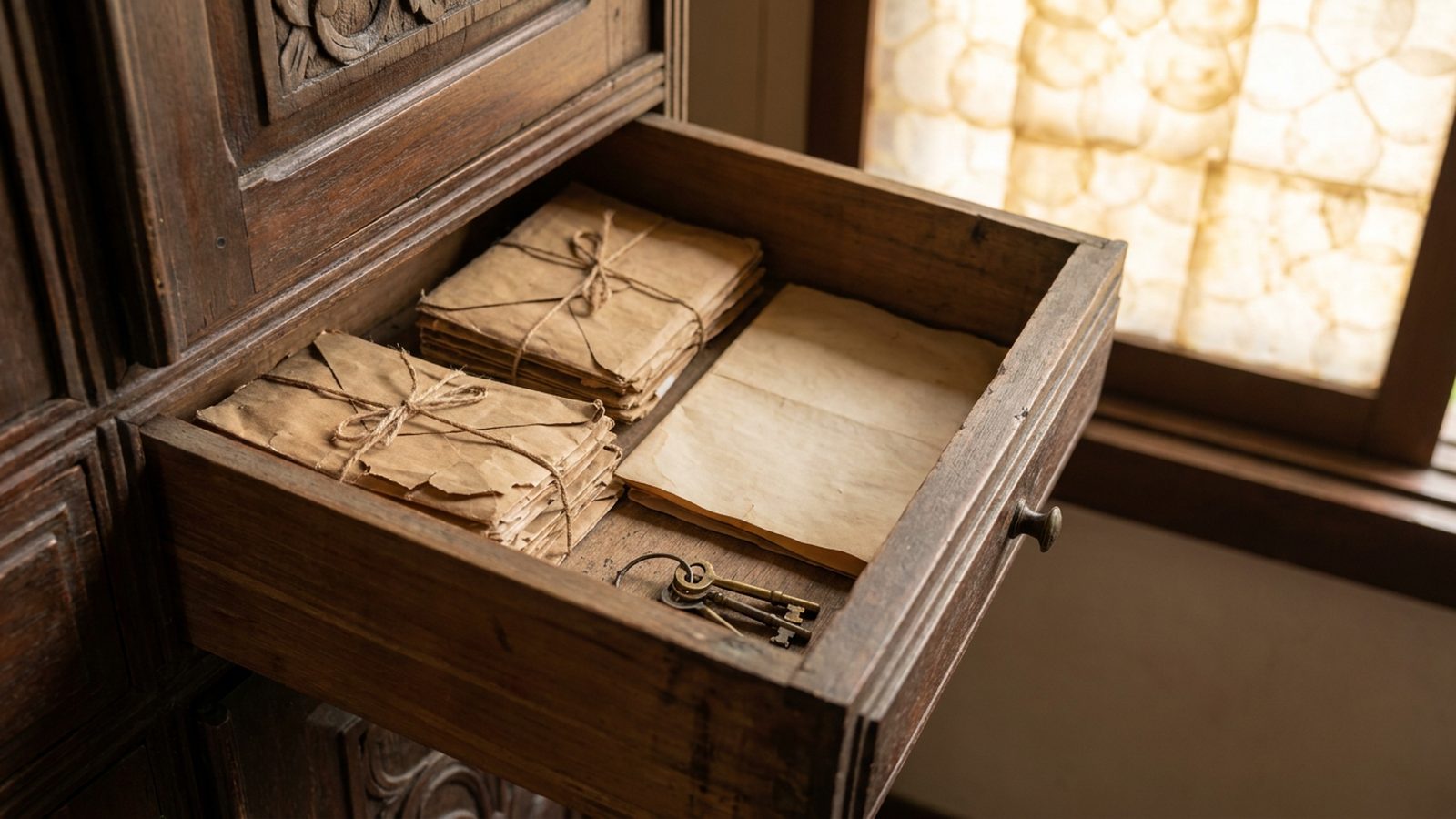
A lost land title is a fixable problem in the Philippines, but it is fixed by a judge, not at a counter. Every title exists in two copies: the original, kept by the Registry of Deeds where the property is located, and the owner's duplicate, the one in your drawer. When the duplicate is lost, stolen, burned or ruined by floodwater, the owner still owns the land and the Registry still has its original. What is missing is the paper every buyer, bank and government office will ask to see, and replacing it means a court petition that takes most of a year. This guide covers the procedure, the documents, the cost, and the mistakes that add months.
What the law requires
The rule is Section 109 of Presidential Decree 1529, the Property Registration Decree, and it has two parts. First, notice: as soon as the loss or theft is discovered, the owner or someone acting for the owner must send notice under oath to the Register of Deeds of the province or city where the land lies. In practice this is a notarized affidavit of loss. Second, replacement: on petition of the registered owner or another person in interest, the court may, after notice and hearing, direct the issuance of a new duplicate certificate. The new copy carries a memorandum that it was issued in place of the lost one, and the law gives it the same faith and credit as the original duplicate.
The court's job is narrow. It checks that the petitioner is the registered owner or a person in interest, that the procedure was followed, and that the duplicate was in fact lost or destroyed. A clean, well documented petition with no opposition moves faster than one a relative disputes. A lost Condominium Certificate of Title follows the same route, and our guide on TCT vs CCT explains how the two documents differ.
The steps, in order
Search first, and write down where you looked, because the affidavit and your testimony will have to describe the circumstances. Then execute the affidavit of loss. It should state how the title was lost, that it was not delivered to any person or entity to secure a loan or other obligation, and that the loss is genuine. For a theft, add a police or barangay blotter; for a fire, the fire report.
File the affidavit with the Registry of Deeds so that the loss is annotated on the original title. Then ask for a Certified True Copy showing that annotation. If you are abroad, the copy itself can be ordered through the portal described in our guide on how to check a TCT online, while the affidavit and the petition can be handled by a representative holding a special power of attorney, apostilled if signed overseas.
Next comes the petition itself, filed through a lawyer with the Regional Trial Court of the place where the property is located. The court sets a hearing and orders notice to the Register of Deeds and to anyone with an interest recorded on the title, such as a mortgagee. Section 109 does not itself require newspaper publication, but courts commonly order the notice posted at the Registry, the city or municipal hall and the barangay for about 30 days, and some order publication as well.
At the hearing you, or your representative, present the annotated copy, the affidavit, the tax records and testimony on how the title was lost. Once the court grants the petition, you wait for the order to become final, obtain a certificate of finality, and present both to the Register of Deeds, which issues the new owner's duplicate.
Documents to prepare
The list below is what practitioners who handle these petitions ask clients to bring, and having it complete on day one is the easiest way to save time:
- the notarized affidavit of loss, and the Certified True Copy of the title with the loss annotated
- a certified copy of the current tax declaration, and real property tax receipts or a tax clearance, often for the last three to five years
- a valid government ID of the registered owner
- a police or barangay blotter, or a fire report, where the loss came from theft or calamity
- affidavits of witnesses who know the facts, if the court asks for them
- a special power of attorney if someone else is filing for the owner
Years of tax payments in the owner's name are the strongest supporting proof of ownership and possession, so gather the receipts even if the clearance alone would do.
How long it takes and what it costs
Expect six to twelve months for a straightforward case, and longer in a congested court. A breakdown published by the law firm Respicio & Co. puts preparation and the Registry annotation at one to four weeks, the court stage at three to eight months, and finality plus issuance of the new title at one to three months. Another of the firm's commentaries gives a wider range of six to eighteen months.
The same firm estimates the total at ₱50,000 to ₱200,000 (about $797 to $3,190 / €702 to €2,810) for an uncomplicated petition. Most of it is professional fees, quoted at ₱30,000 to ₱150,000 (about $478 to $2,390 / €421 to €2,110) and up. Court filing fees run about ₱5,000 to ₱25,000 (about $80 to $399 / €70 to €351), posting or publication ₱5,000 to ₱20,000 (about $80 to $319 / €70 to €281) when the court orders it, Registry of Deeds fees ₱2,000 to ₱10,000 (about $32 to $159 / €28 to €140), and notarization and certified copies ₱2,000 to ₱8,000 (about $32 to $128 / €28 to €112). These are estimates from practitioners, not official fees; ask for a written quotation that separates the lawyer's fee from the out of pocket costs.
Three situations that change the procedure
If the registered owner has died, the heirs can file, but they must first prove they are heirs: death certificate, birth and marriage certificates, and usually an extrajudicial settlement or a court declaration. The settlement and the lost title petition often run one after the other, and our guide to inheriting property covers the first half.
If the Registry's own original was destroyed, for example when a Registry building burned or flooded, the remedy is different and heavier. That is reconstitution of title under Republic Act 26, a separate court proceeding with publication in the Official Gazette, and practitioners put its cost at ₱60,000 to ₱120,000 (about $957 to $1,910 / €843 to €1,690) in the provinces and ₱150,000 to ₱300,000 (about $2,390 to $4,780 / €2,110 to €4,210) or more in Metro Manila or when contested. Administrative reconstitution exists only for mass losses in the Registry's custody.
If the old duplicate turns up after the new one is issued, surrender it to the Register of Deeds or the court. The old copy is void once the replacement is issued, so it should not stay in anyone's hands.
Selling or borrowing while the title is missing
In practice you cannot. Buyers, banks and notaries want the owner's duplicate, and a Certified True Copy proves the title exists but does not replace it. That is why the petition should start the day the loss is confirmed, not the day a buyer appears, a point we also make in our seller's guide to costs and process. Once the replacement is in hand, you can list the property with a clean file.
For buyers, the mirror applies. A seller who says the title is "lost but being replaced" should be able to show the annotated Certified True Copy, the petition and the court's order, and the sale should close only when the new duplicate exists. Run the usual checks on the replacement as you would on any title, following the seven steps in our guide on how to verify a land title, and read the memorandum on it: a properly replaced title says so on its face.
This article is general information, not legal advice. Procedures and fees vary by court and Registry; consult a lawyer before filing, and treat the cost figures as practitioner estimates as of 2026.
Dollar and euro figures are approximate conversions at ₱62.7 per US dollar and ₱71.2 per euro (ECB reference rates, 2026-09-30).
Frequently asked questions
What should I do first if I lose my land title?
Execute a notarized affidavit of loss describing how the owner's duplicate was lost and stating that it was not given to anyone as security for a loan, then file it with the Registry of Deeds where the property is located so the loss is annotated on the original title. Section 109 of PD 1529 requires this notice as soon as the loss or theft is discovered. After that, get a Certified True Copy showing the annotation and see a lawyer about the court petition.
Can the Registry of Deeds simply print a new copy of a lost title?
No. The Registry can issue a Certified True Copy of its original at any time, but a new owner's duplicate needs a court order. The registered owner or another person in interest files a petition with the Regional Trial Court where the land lies, and after notice and hearing the court directs the Registry to issue a replacement, which carries a note that it was issued in place of the lost duplicate.
How long does it take to replace a lost land title?
About six to twelve months for a straightforward case, according to practitioner estimates, and one estimate runs to eighteen months. Preparation and the Registry annotation take one to four weeks, the court stage three to eight months, and finality plus issuance of the new duplicate one to three months. A complete set of documents and the absence of any opposition are what keep it near the short end.
How much does replacing a lost title cost in the Philippines?
Practitioner estimates put an uncomplicated petition at ₱50,000 to ₱200,000 (about $797 to $3,190 / €702 to €2,810) in total. Professional fees are the largest part at ₱30,000 to ₱150,000 (about $478 to $2,390 / €421 to €2,110) or more, followed by court filing fees of about ₱5,000 to ₱25,000 (about $80 to $399 / €70 to €351), posting or publication of ₱5,000 to ₱20,000 (about $80 to $319 / €70 to €281) when ordered, Registry of Deeds fees of ₱2,000 to ₱10,000 (about $32 to $159 / €28 to €140) and notarization and certified copies of ₱2,000 to ₱8,000 (about $32 to $128 / €28 to €112). These are estimates, not official fees.
Can I sell a property while the title is lost?
In practice, no. Buyers, banks and notaries require the owner's duplicate, and a Certified True Copy from the Registry proves the title exists but does not replace it. Start the petition as soon as the loss is confirmed. A buyer offered a property with a lost title should ask for the annotated copy, the petition and the court order, and close only when the new duplicate has been issued.
Ang nawalang land title ay problemang naaayos sa Pilipinas, pero hukom ang nag-aayos nito, hindi isang counter. Bawat titulo ay may dalawang kopya: ang original, na hawak ng Registry of Deeds kung saan matatagpuan ang property, at ang owner's duplicate, ang nasa drawer mo. Kapag nawala, nanakaw, nasunog o nasira ng baha ang duplicate, pag-aari pa rin ng may-ari ang lupa at nasa Registry pa rin ang original nito. Ang nawawala ay ang papel na hihingin ng bawat buyer, bangko at opisina ng gobyerno, at ang pagpapalit nito ay nangangahulugan ng petition sa korte na inaabot ng halos isang taon. Sinasaklaw ng gabay na ito ang proseso, ang mga dokumento, ang gastos, at ang mga pagkakamaling nagdadagdag ng mga buwan.
Ano ang hinihingi ng batas
Ang patakaran ay ang Section 109 ng Presidential Decree 1529, ang Property Registration Decree, at may dalawa itong bahagi. Una, notice: sa sandaling matuklasan ang pagkawala o pagnanakaw, ang may-ari o ang sinumang kumikilos para sa may-ari ay kailangang magpadala ng sinumpaang notice sa Register of Deeds ng probinsya o lungsod kung saan naroon ang lupa. Sa praktika, ito ay notaryadong affidavit of loss. Ikalawa, pagpapalit: sa petition ng registered owner o ng ibang person in interest, maaaring iutos ng korte, pagkatapos ng notice at hearing, ang pag-isyu ng bagong duplicate certificate. May memorandum ang bagong kopya na inisyu ito kapalit ng nawala, at binibigyan ito ng batas ng parehong faith and credit gaya ng orihinal na duplicate.
Makitid ang trabaho ng korte. Tinitingnan nito kung ang petitioner ay ang registered owner o isang person in interest, kung nasunod ang proseso, at kung talagang nawala o nasira ang duplicate. Mas mabilis umusad ang malinis at kumpleto sa dokumentong petition na walang oposisyon kaysa sa petition na tinututulan ng isang kamag-anak. Parehong ruta ang sinusundan ng nawalang Condominium Certificate of Title, at ipinapaliwanag ng aming gabay sa TCT vs CCT kung paano nagkakaiba ang dalawang dokumento.
Ang mga hakbang, ayon sa pagkakasunod
Maghanap muna, at isulat kung saan ka naghanap, dahil kailangang ilarawan ng affidavit at ng iyong testimonya ang mga pangyayari. Pagkatapos, gawin ang affidavit of loss. Dapat nitong sabihin kung paano nawala ang titulo, na hindi ito ibinigay sa sinumang tao o entity bilang garantiya sa utang o iba pang obligasyon, at na totoo ang pagkawala. Kung nanakaw, magdagdag ng police o barangay blotter; kung nasunog, ang fire report.
I-file ang affidavit sa Registry of Deeds para ma-annotate ang pagkawala sa original na titulo. Pagkatapos, humingi ng Certified True Copy na nagpapakita ng annotation na iyon. Kung nasa abroad ka, ang kopya mismo ay puwedeng i-order sa portal na inilalarawan sa aming gabay sa kung paano mag-check ng TCT online, habang ang affidavit at ang petition ay puwedeng asikasuhin ng isang kinatawang may hawak na special power of attorney, na apostilled kung pinirmahan sa ibang bansa.
Susunod ang petition mismo, na ifa-file sa pamamagitan ng abogado sa Regional Trial Court ng lugar kung saan matatagpuan ang property. Magtatakda ang korte ng hearing at mag-uutos ng notice sa Register of Deeds at sa sinumang may interes na nakatala sa titulo, gaya ng mortgagee. Hindi mismo hinihingi ng Section 109 ang publication sa diyaryo, pero karaniwang iniuutos ng mga korte na ipaskil ang notice sa Registry, sa city o municipal hall at sa barangay nang mga 30 araw, at ang ilan ay nag-uutos din ng publication.
Sa hearing, ikaw, o ang iyong kinatawan, ang maghaharap ng annotated na kopya, ng affidavit, ng mga tax record at ng testimonya kung paano nawala ang titulo. Kapag pinagbigyan na ng korte ang petition, hihintayin mong maging final ang order, kukuha ka ng certificate of finality, at ihaharap mo ang dalawa sa Register of Deeds, na mag-iisyu ng bagong owner's duplicate.
Mga dokumentong ihahanda
Ang listahan sa ibaba ang ipinapadala sa mga kliyente ng mga practitioner na humahawak ng ganitong petition, at ang pagkakaroon nito nang kumpleto sa unang araw ang pinakamadaling paraan para makatipid ng oras:
- ang notaryadong affidavit of loss, at ang Certified True Copy ng titulo na may annotation ng pagkawala
- certified copy ng kasalukuyang tax declaration, at mga resibo ng real property tax o tax clearance, kadalasan para sa huling tatlo hanggang limang taon
- valid na government ID ng registered owner
- police o barangay blotter, o fire report, kung ang pagkawala ay dahil sa pagnanakaw o kalamidad
- mga affidavit ng mga saksing nakakaalam ng mga pangyayari, kung hihingin ng korte
- special power of attorney kung ibang tao ang magfa-file para sa may-ari
Ang mga taon ng pagbabayad ng buwis sa pangalan ng may-ari ang pinakamatibay na pansuportang patunay ng pagmamay-ari at possession, kaya tipunin ang mga resibo kahit sapat na sana ang clearance lang.
Gaano katagal at magkano ang gastos
Asahan ang anim hanggang labindalawang buwan para sa simpleng kaso, at mas matagal sa korteng siksik ang docket. Ayon sa breakdown na inilathala ng law firm na Respicio & Co., isa hanggang apat na linggo ang paghahanda at ang annotation sa Registry, tatlo hanggang walong buwan ang yugto sa korte, at isa hanggang tatlong buwan ang finality at ang pag-isyu ng bagong titulo. Isa pang commentary ng firm ang nagbibigay ng mas malawak na range na anim hanggang labingwalong buwan.
Tinatantya ng parehong firm ang kabuuan sa ₱50,000 hanggang ₱200,000 (mga $797 hanggang $3,190 / €702 hanggang €2,810) para sa hindi komplikadong petition. Karamihan nito ay professional fees, na naka-quote sa ₱30,000 hanggang ₱150,000 (mga $478 hanggang $2,390 / €421 hanggang €2,110) pataas. Ang court filing fees ay mga ₱5,000 hanggang ₱25,000 (mga $80 hanggang $399 / €70 hanggang €351), ang posting o publication ay ₱5,000 hanggang ₱20,000 (mga $80 hanggang $319 / €70 hanggang €281) kapag iniutos ng korte, ang fees sa Registry of Deeds ay ₱2,000 hanggang ₱10,000 (mga $32 hanggang $159 / €28 hanggang €140), at ang notaryo at mga certified copy ay ₱2,000 hanggang ₱8,000 (mga $32 hanggang $128 / €28 hanggang €112). Mga tantya ito ng mga practitioner, hindi opisyal na fees; humingi ng nakasulat na quotation na naghihiwalay sa bayad ng abogado at sa mga out of pocket na gastos.
Tatlong sitwasyong nagbabago ng proseso
Kung patay na ang registered owner, puwedeng mag-file ang mga tagapagmana, pero kailangan muna nilang patunayan na tagapagmana sila: death certificate, birth at marriage certificate, at kadalasan ay extrajudicial settlement o deklarasyon ng korte. Madalas na magkasunod na tumatakbo ang settlement at ang petition para sa nawalang titulo, at sinasaklaw ng aming gabay sa pagmamana ng property ang unang kalahati.
Kung ang mismong original ng Registry ang nasira, halimbawa nang masunog o bahain ang gusali ng Registry, iba at mas mabigat ang remedyo. Iyon ay reconstitution ng titulo sa ilalim ng Republic Act 26, isang hiwalay na proseso sa korte na may publication sa Official Gazette, at tinatantya ng mga practitioner ang gastos nito sa ₱60,000 hanggang ₱120,000 (mga $957 hanggang $1,910 / €843 hanggang €1,690) sa mga probinsya at ₱150,000 hanggang ₱300,000 (mga $2,390 hanggang $4,780 / €2,110 hanggang €4,210) o higit pa sa Metro Manila o kapag may tumututol. Ang administrative reconstitution ay para lang sa maramihang pagkawala ng mga titulong nasa kustodiya ng Registry.
Kung lumitaw ang lumang duplicate pagkatapos ma-isyu ang bago, isuko ito sa Register of Deeds o sa korte. Wala nang bisa ang lumang kopya kapag nai-isyu na ang kapalit, kaya hindi ito dapat manatili sa kamay ninuman.
Pagbebenta o pag-utang habang nawawala ang titulo
Sa praktika, hindi puwede. Hinahanap ng mga buyer, bangko at notaryo ang owner's duplicate, at pinatutunayan ng Certified True Copy na umiiral ang titulo pero hindi nito pinapalitan iyon. Kaya dapat simulan ang petition sa araw na makumpirma ang pagkawala, hindi sa araw na may lumitaw na buyer, isang puntong binabanggit din namin sa aming seller's guide sa gastos at proseso. Kapag hawak mo na ang kapalit, puwede mo nang i-list ang property na malinis ang file.
Para sa mga buyer, ganoon din sa kabilang panig. Ang seller na nagsasabing ang titulo ay "nawala pero pinapapalitan na" ay dapat makapagpakita ng annotated na Certified True Copy, ng petition at ng order ng korte, at dapat lang magsara ang bentahan kapag umiiral na ang bagong duplicate. Gawin sa kapalit ang mga karaniwang check na gagawin mo sa anumang titulo, kasunod ang pitong hakbang sa aming gabay sa kung paano i-verify ang land title, at basahin ang memorandum dito: ang titulong maayos na napalitan ay nagsasabi niyon sa mismong mukha nito.
Ang artikulong ito ay pangkalahatang impormasyon, hindi legal advice. Nagkakaiba ang mga proseso at fees kada korte at Registry; kumonsulta sa abogado bago mag-file, at ituring ang mga figure ng gastos bilang mga tantya ng practitioner ngayong 2026.
Tinatayang conversion lang ang mga halaga sa dollar at euro, sa ₱62.7 kada US dollar at ₱71.2 kada euro (ECB reference rates, 2026-09-30).
Mga madalas itanong
Ano ang una kong dapat gawin kapag nawala ang aking land title?
Gumawa ng notaryadong affidavit of loss na naglalarawan kung paano nawala ang owner's duplicate at nagsasabing hindi ito ibinigay kaninuman bilang garantiya sa utang, pagkatapos ay i-file ito sa Registry of Deeds kung saan matatagpuan ang property para ma-annotate ang pagkawala sa original na titulo. Hinihingi ng Section 109 ng PD 1529 ang notice na ito sa sandaling matuklasan ang pagkawala o pagnanakaw. Pagkatapos niyon, kumuha ng Certified True Copy na nagpapakita ng annotation at kumonsulta sa abogado tungkol sa petition sa korte.
Puwede bang mag-print na lang ang Registry of Deeds ng bagong kopya ng nawalang titulo?
Hindi. Puwedeng mag-isyu ang Registry ng Certified True Copy ng original nito anumang oras, pero kailangan ng court order para sa bagong owner's duplicate. Ang registered owner o ibang person in interest ang magfa-file ng petition sa Regional Trial Court kung saan naroon ang lupa, at pagkatapos ng notice at hearing ay iuutos ng korte sa Registry na mag-isyu ng kapalit, na may talang nagsasabing inisyu ito kapalit ng nawalang duplicate.
Gaano katagal bago mapalitan ang nawalang land title?
Mga anim hanggang labindalawang buwan para sa simpleng kaso, ayon sa mga tantya ng practitioner, at may isang tantyang umaabot sa labingwalong buwan. Isa hanggang apat na linggo ang paghahanda at ang annotation sa Registry, tatlo hanggang walong buwan ang yugto sa korte, at isa hanggang tatlong buwan ang finality at ang pag-isyu ng bagong duplicate. Kumpletong mga dokumento at kawalan ng anumang oposisyon ang nagpapanatili nito sa mas maikling dulo.
Magkano ang pagpapalit ng nawalang titulo sa Pilipinas?
Ayon sa mga tantya ng practitioner, ₱50,000 hanggang ₱200,000 (mga $797 hanggang $3,190 / €702 hanggang €2,810) ang kabuuan ng hindi komplikadong petition. Professional fees ang pinakamalaking bahagi sa ₱30,000 hanggang ₱150,000 (mga $478 hanggang $2,390 / €421 hanggang €2,110) o higit pa, kasunod ang court filing fees na mga ₱5,000 hanggang ₱25,000 (mga $80 hanggang $399 / €70 hanggang €351), posting o publication na ₱5,000 hanggang ₱20,000 (mga $80 hanggang $319 / €70 hanggang €281) kapag iniutos, fees sa Registry of Deeds na ₱2,000 hanggang ₱10,000 (mga $32 hanggang $159 / €28 hanggang €140) at notaryo at mga certified copy na ₱2,000 hanggang ₱8,000 (mga $32 hanggang $128 / €28 hanggang €112). Mga tantya ito, hindi opisyal na fees.
Puwede ko bang ibenta ang property habang nawawala ang titulo?
Sa praktika, hindi. Hinihingi ng mga buyer, bangko at notaryo ang owner's duplicate, at pinatutunayan ng Certified True Copy mula sa Registry na umiiral ang titulo pero hindi nito pinapalitan iyon. Simulan ang petition sa sandaling makumpirma ang pagkawala. Ang buyer na inaalok ng property na nawala ang titulo ay dapat humingi ng annotated na kopya, ng petition at ng court order, at magsara lang kapag nai-isyu na ang bagong duplicate.
Ang lost land title, o nawala nga titulo sa yuta, usa ka problema nga masulbad sa Pilipinas, pero huwes ang mosulbad niini, dili sa counter. Ang matag titulo adunay duha ka kopya: ang orihinal, nga gitipigan sa Registry of Deeds diin nahimutang ang property, ug ang owner's duplicate, kadtong anaa sa imong drawer. Kung ang duplicate mawala, makawat, masunog o madaot sa tubig sa baha, ang tag-iya mao gihapon ang tag-iya sa yuta ug ang Registry aduna gihapoy orihinal niini. Ang kulang mao ang papel nga pangitaon sa matag buyer, bangko ug opisina sa gobyerno, ug ang pag-ilis niini nagpasabot og petition sa korte nga molungtad og hapit usa ka tuig. Kini nga giya naghisgot sa proseso, sa mga dokumento, sa gasto, ug sa mga sayop nga makadugang og mga bulan.
Unsa ang gikinahanglan sa balaod
Ang lagda mao ang Section 109 sa Presidential Decree 1529, ang Property Registration Decree, ug duha kini ka bahin. Una, notice: sa diha nga madiskobrehan ang pagkawala o pagkakawat, ang tag-iya o ang tawo nga naglihok para sa tag-iya kinahanglan magpadala og notice nga pinanumpaan ngadto sa Register of Deeds sa probinsya o siyudad diin nahimutang ang yuta. Sa praktika, kini usa ka notaryadong affidavit of loss. Ikaduha, pag-ilis: sa petition sa registered owner o sa laing person in interest, ang korte mahimong, human sa notice ug hearing, momando sa pag-isyu og bag-ong duplicate certificate. Ang bag-ong kopya adunay memorandum nga gi-isyu kini puli sa nawala, ug ang balaod naghatag niini og samang faith and credit sa orihinal nga duplicate.
Pig-ot ra ang trabaho sa korte. Susihon niini nga ang petitioner mao ang registered owner o person in interest, nga nasunod ang proseso, ug nga ang duplicate nawala o naguba gyud. Ang limpyo ug maayong pagkadokumento nga petition nga walay oposisyon mas paspas modagan kaysa sa usa nga gikuwestiyon sa paryente. Ang nawala nga Condominium Certificate of Title mosunod sa samang ruta, ug ang among giya sa TCT vs CCT nagpasabot kung unsay kalainan sa duha ka dokumento.
Ang mga lakang, sunod-sunod
Pangitaa una, ug isulat kung asa ka nangita, kay ang affidavit ug ang imong testimonya kinahanglan maghulagway sa mga sirkumstansya. Dayon himoa ang affidavit of loss. Kinahanglan isulti niini kung giunsa pagkawala sa titulo, nga wala kini ihatag sa bisan kinsang tawo o entity isip garantiya sa utang o sa laing obligasyon, ug nga tinuod ang pagkawala. Kung kawat, idugang ang police o barangay blotter; kung sunog, ang fire report.
I-file ang affidavit sa Registry of Deeds aron ma-annotate ang pagkawala sa orihinal nga titulo. Dayon pangayo og Certified True Copy nga nagpakita sa maong annotation. Kung naa ka sa gawas sa nasod, ang kopya mismo mahimong i-order pinaagi sa portal nga gihulagway sa among giya sa unsaon pagsusi sa TCT online, samtang ang affidavit ug ang petition mahimong atimanon sa usa ka representante nga nagkupot og special power of attorney, nga apostilled kung gipirmahan sa gawas sa nasod.
Sunod ang petition mismo, nga i-file pinaagi sa abogado sa Regional Trial Court sa lugar diin nahimutang ang property. Ang korte motakda og hearing ug momando og notice ngadto sa Register of Deeds ug sa bisan kinsa nga adunay interes nga narekord sa titulo, sama sa mortgagee. Ang Section 109 mismo wala magkinahanglan og publication sa mantalaan, pero ang mga korte kasagarang momando nga i-post ang notice sa Registry, sa city o municipal hall ug sa barangay sulod sa mga 30 ka adlaw, ug ang uban momando usab og publication.
Sa hearing, ikaw o ang imong representante mopresentar sa annotated nga kopya, sa affidavit, sa mga tax record ug sa testimonya kung giunsa pagkawala sa titulo. Kung i-grant na sa korte ang petition, maghulat ka nga mahimong final ang order, mokuha og certificate of finality, ug ipresentar ang duha sa Register of Deeds, nga maoy mo-isyu sa bag-ong owner's duplicate.
Mga dokumento nga andamon
Ang lista sa ubos mao ang ipadala sa mga practitioner nga nagdumala niining mga petition ngadto sa ilang mga kliyente, ug ang pagkompleto niini sa unang adlaw mao ang pinakasayon nga paagi aron makadaginot og panahon:
- ang notaryadong affidavit of loss, ug ang Certified True Copy sa titulo nga naka-annotate ang pagkawala
- certified copy sa kasamtangang tax declaration, ug mga resibo sa real property tax o tax clearance, kasagaran para sa miaging tulo hangtod lima ka tuig
- valid nga government ID sa registered owner
- police o barangay blotter, o fire report, kung ang pagkawala tungod sa kawat o kalamidad
- mga affidavit sa mga testigo nga nahibalo sa mga panghitabo, kung pangayoon sa korte
- special power of attorney kung laing tawo ang mo-file para sa tag-iya
Ang katuigan sa pagbayad og buhis sa ngalan sa tag-iya mao ang pinakalig-on nga supporting proof sa ownership ug possession, mao nga tiguma ang mga resibo bisan kung igo na unta ang clearance ra.
Kung unsa kadugay ug kung pila ang gasto
Dahoma ang unom hangtod dose ka bulan para sa simple nga kaso, ug mas dugay pa sa korte nga daghan og kaso. Usa ka breakdown nga gimantala sa law firm nga Respicio & Co. nagbutang sa pagpangandam ug sa annotation sa Registry sa usa hangtod upat ka semana, sa yugto sa korte sa tulo hangtod walo ka bulan, ug sa finality dugang ang pag-isyu sa bag-ong titulo sa usa hangtod tulo ka bulan. Laing commentary sa maong firm naghatag og mas lapad nga range nga unom hangtod dise-otso ka bulan.
Ang samang firm nagbanabana sa total sa ₱50,000 hangtod ₱200,000 (mga $797 hangtod $3,190 / €702 hangtod €2,810) para sa dili komplikado nga petition. Kadaghanan niini professional fees, nga gi-quote sa ₱30,000 hangtod ₱150,000 (mga $478 hangtod $2,390 / €421 hangtod €2,110) ug pataas. Ang court filing fees mokabat og mga ₱5,000 hangtod ₱25,000 (mga $80 hangtod $399 / €70 hangtod €351), ang posting o publication ₱5,000 hangtod ₱20,000 (mga $80 hangtod $319 / €70 hangtod €281) kung imando sa korte, ang mga bayranan sa Registry of Deeds ₱2,000 hangtod ₱10,000 (mga $32 hangtod $159 / €28 hangtod €140), ug ang notaryo ug mga certified copy ₱2,000 hangtod ₱8,000 (mga $32 hangtod $128 / €28 hangtod €112). Mga banabana kini gikan sa mga practitioner, dili opisyal nga bayranan; pangayo og sinulat nga quotation nga nagbulag sa bayad sa abogado gikan sa mga out of pocket nga gasto.
Tulo ka sitwasyon nga mag-usab sa proseso
Kung patay na ang registered owner, ang mga heredero makahimo sa pag-file, pero kinahanglan una nilang pamatud-an nga mga heredero sila: death certificate, birth ug marriage certificate, ug kasagaran extrajudicial settlement o deklarasyon sa korte. Ang settlement ug ang petition sa nawala nga titulo kasagarang magsunod, usa human sa usa, ug ang among giya sa pagpanunod og property naghisgot sa unang katunga.
Kung ang kaugalingong orihinal sa Registry ang naguba, pananglitan kung nasunog o gibahaan ang building sa Registry, lahi ug mas bug-at ang remedyo. Kana mao ang reconstitution sa titulo ubos sa Republic Act 26, usa ka bulag nga proseso sa korte nga adunay publication sa Official Gazette, ug ang mga practitioner nagbutang sa gasto niini sa ₱60,000 hangtod ₱120,000 (mga $957 hangtod $1,910 / €843 hangtod €1,690) sa mga probinsya ug ₱150,000 hangtod ₱300,000 (mga $2,390 hangtod $4,780 / €2,110 hangtod €4,210) o labaw pa sa Metro Manila o kung adunay mokontra. Ang administrative reconstitution anaa lang para sa dinaghan nga pagkawala sa mga titulo nga anaa sa kustodiya sa Registry.
Kung makit-an ang daang duplicate human ma-isyu ang bag-o, i-surrender kini sa Register of Deeds o sa korte. Ang daang kopya wala nay bili sa higayon nga ma-isyu ang puli, mao nga dili kini angay magpabilin sa kamot ni bisan kinsa.
Pagbaligya o pagpangutang samtang wala ang titulo
Sa praktika, dili mahimo. Ang mga buyer, bangko ug notaryo mangita sa owner's duplicate, ug ang Certified True Copy nagpamatuod nga anaa ang titulo pero dili kini makapuli niini. Mao nga ang petition kinahanglan magsugod sa adlaw nga makumpirma ang pagkawala, dili sa adlaw nga motungha ang buyer, usa ka punto nga among gihisgotan usab sa among giya sa seller bahin sa mga gasto ug proseso. Kung naa na sa imong kamot ang puli, mahimo nimong i-lista ang property nga limpyo ang mga papeles.
Para sa mga buyer, mao ra usab sa pikas bahin. Ang seller nga moingon nga ang titulo "nawala pero gipailisan na" kinahanglan makapakita sa annotated nga Certified True Copy, sa petition ug sa order sa korte, ug ang baligya kinahanglan mahuman lang kung anaa na ang bag-ong duplicate. Buhata ang naandang mga pagsusi sa puli sama sa imong buhaton sa bisan unsang titulo, sunod sa pito ka lakang sa among giya sa unsaon pag-verify sa land title, ug basaha ang memorandum niini: ang titulo nga husto nga pagkailis mag-ingon niana sa atubangan mismo niini.
Kini nga artikulo kinatibuk-ang impormasyon, dili legal advice. Ang mga proseso ug bayranan managlahi kada korte ug Registry; pagkonsulta og abogado sa dili ka pa mo-file, ug isipa ang mga numero sa gasto isip banabana sa mga practitioner sukad 2026.
Banabana lang ang mga conversion sa dollar ug euro, sa ₱62.7 matag US dollar ug ₱71.2 matag euro (ECB reference rates, 2026-09-30).
Mga kasagarang pangutana
Unsa ang una nakong buhaton kung mawala ang akong land title?
Paghimo og notaryadong affidavit of loss nga naghulagway kung giunsa pagkawala sa owner's duplicate ug nag-ingon nga wala kini ihatag kang bisan kinsa isip garantiya sa utang, dayon i-file kini sa Registry of Deeds diin nahimutang ang property aron ma-annotate ang pagkawala sa orihinal nga titulo. Ang Section 109 sa PD 1529 nagkinahanglan niining notice sa diha nga madiskobrehan ang pagkawala o pagkakawat. Human niana, pagkuha og Certified True Copy nga nagpakita sa annotation ug pakigkita og abogado bahin sa petition sa korte.
Mahimo bang mo-print lang ang Registry of Deeds og bag-ong kopya sa nawala nga titulo?
Dili. Ang Registry maka-isyu og Certified True Copy sa orihinal niini bisan kanus-a, pero ang bag-ong owner's duplicate nagkinahanglan og order sa korte. Ang registered owner o laing person in interest mo-file og petition sa Regional Trial Court diin nahimutang ang yuta, ug human sa notice ug hearing ang korte momando sa Registry nga mo-isyu og puli, nga adunay nota nga gi-isyu kini puli sa nawala nga duplicate.
Unsa kadugay ang pag-ilis sa nawala nga land title?
Mga unom hangtod dose ka bulan para sa simple nga kaso, sumala sa banabana sa mga practitioner, ug usa ka banabana moabot og dise-otso ka bulan. Ang pagpangandam ug ang annotation sa Registry molungtad og usa hangtod upat ka semana, ang yugto sa korte tulo hangtod walo ka bulan, ug ang finality dugang ang pag-isyu sa bag-ong duplicate usa hangtod tulo ka bulan. Ang kompletong mga dokumento ug ang pagkawalay oposisyon maoy makapabilin niini duol sa mas mubo nga panahon.
Pila ang gasto sa pag-ilis sa nawala nga titulo sa Pilipinas?
Ang banabana sa mga practitioner nagbutang sa dili komplikado nga petition sa ₱50,000 hangtod ₱200,000 (mga $797 hangtod $3,190 / €702 hangtod €2,810) sa kinatibuk-an. Ang professional fees mao ang pinakadako nga bahin sa ₱30,000 hangtod ₱150,000 (mga $478 hangtod $2,390 / €421 hangtod €2,110) o labaw pa, sunod ang court filing fees nga mga ₱5,000 hangtod ₱25,000 (mga $80 hangtod $399 / €70 hangtod €351), posting o publication nga ₱5,000 hangtod ₱20,000 (mga $80 hangtod $319 / €70 hangtod €281) kung imando, mga bayranan sa Registry of Deeds nga ₱2,000 hangtod ₱10,000 (mga $32 hangtod $159 / €28 hangtod €140) ug notaryo ug mga certified copy nga ₱2,000 hangtod ₱8,000 (mga $32 hangtod $128 / €28 hangtod €112). Mga banabana kini, dili opisyal nga bayranan.
Makabaligya ba ko og property samtang nawala ang titulo?
Sa praktika, dili. Ang mga buyer, bangko ug notaryo nagkinahanglan sa owner's duplicate, ug ang Certified True Copy gikan sa Registry nagpamatuod nga anaa ang titulo pero dili kini makapuli niini. Sugdi ang petition sa diha nga makumpirma ang pagkawala. Ang buyer nga gitanyagan og property nga nawala ang titulo kinahanglan mangayo sa annotated nga kopya, sa petition ug sa order sa korte, ug mo-close lang kung na-isyu na ang bag-ong duplicate.
Browse properties on BalayHub
See all listings →

Read next
Real Estate Broker Commission & PRC License Check (2026)
Real estate broker commission in the Philippines: 3% to 5% by custom, who pays, when it is earned, and how to verify a PRC license before you sign.
Condo Investment for Foreigners in the Philippines: the Math
Condo investment for foreigners in the Philippines: gross yields from 4.3% in Pasig to 11.9% in Davao, the 25% tax on non resident rent, and the 40% cap.
How to Check a TCT Online in the Philippines (LRA eSerbisyo)
How to check a TCT online through LRA eSerbisyo: the request step by step, fees from ₱644.97, delivery in 3 to 7 working days, reading the certified copy.