
Sep 28, 2026 · by BalayHub Admin · 7 min read
Real Estate Broker Commission & PRC License Check (2026)
Real estate broker commission in the Philippines: 3% to 5% by custom, who pays, when it is earned, and how to verify a PRC license before you sign.
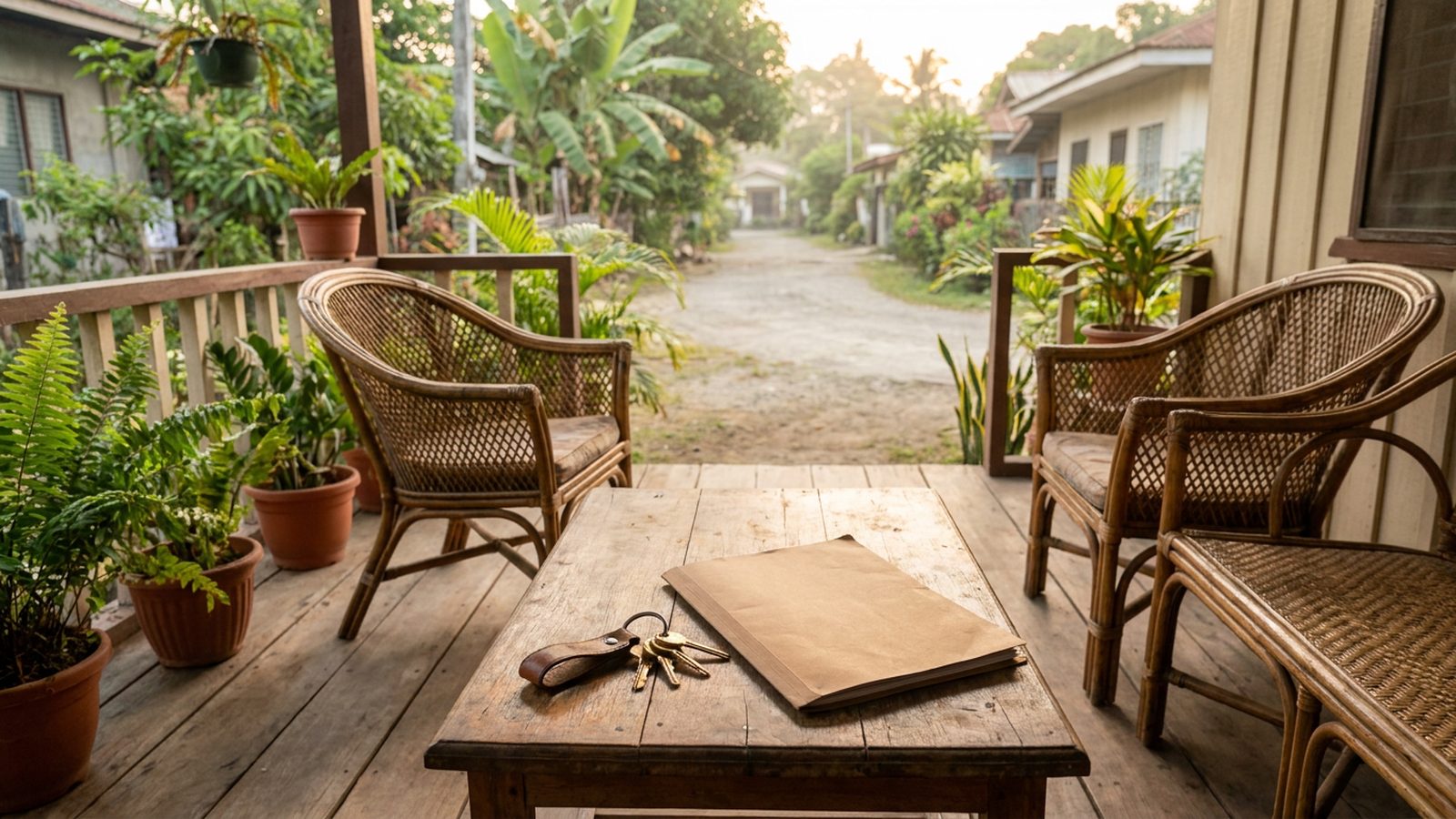
The real estate broker commission in the Philippines is not set by any law. It is whatever the owner and the broker agree in writing, and by custom that means 3% to 5% of the selling price on a sale, toward 5% for raw land, and about one month's rent on a residential lease. What the law does regulate, strictly, is who may collect it: only a broker licensed by the Professional Regulation Commission, and the license can be checked online in a few minutes. This guide explains the going rates, who pays, when the fee is earned, and how to confirm that the person across the table is allowed to charge you at all.
Who may act as a broker
Republic Act 9646, the Real Estate Service Act, makes brokering a licensed profession. A real estate broker is a registered and licensed person who, for a fee or commission, acts as agent of a party to a sale, purchase, exchange, mortgage or lease. To get there a broker needs a relevant bachelor's degree and must pass the PRC licensure examination; to practice, the broker must hold a certificate of registration and a valid professional identification card.
A real estate salesperson is a different thing. Salespersons take no examination. They need at least two years of college plus training, they are accredited under a specific licensed broker, and they work under that broker's direct supervision. The law is explicit on two points that matter to clients: a salesperson cannot sign an agreement on a real estate transaction unless the supervising broker signs too, and a salesperson may receive compensation only from the employing broker, never directly from you. A brokerage firm must keep at least one licensed broker for every twenty accredited salespersons.
Owners are exempt. Anyone may sell or lease their own property without a license, which is why you can list your own property and deal with buyers directly.
The penalties explain why serious practitioners volunteer their license number. Violations of the Act carry a fine of at least ₱100,000 (about $1,590 / €1,400), imprisonment of at least two years, or both, and the penalty is doubled when the offender is an unlicensed practitioner.
How to check a PRC license
The PRC runs a public verification page at verification.prc.gov.ph. It has two routes. Verification by name asks for the profession, first name and last name; choose Real Estate Broker from the list of professions. Verification by license number asks for the profession, the license number and the professional's birthdate, which the broker will have to give you. The result shows the registered professional's details, and the page can also read the barcode on the PRC's electronic ID card.
Three practical notes. Ask for the PRC ID itself and compare the name, photo and expiry date with the person in front of you. If you are dealing with a salesperson, ask who the supervising broker is and verify that broker. And do not treat a failed search as proof of fraud on its own: the PRC states that errors and delays in posting are possible, so ask the broker to clear up a mismatch before you walk away, and walk away if they will not.
For pre selling condos and subdivision lots there is a second register. Under Presidential Decree 957, no broker or salesman may sell subdivision lots or condominium units without registering with the housing regulator, now the DHSUD, and that registration expires every December 31. It sits alongside the project's own license to sell, which our guide on how to verify a DHSUD license to sell covers.
What the commission usually is
On a resale, 3% to 5% of the gross selling price is the customary range, with raw land and farm lots at the upper end. On a ₱5,000,000 (about $79,700 / €70,200) house that is ₱150,000 to ₱250,000 (about $2,390 to $3,990 / €2,110 to €3,510). If the broker is VAT registered, 12% VAT is added on top, which turns a 5% fee into ₱280,000 (about $4,460 / €3,930), so ask whether a quoted rate is inclusive. On a residential lease the usual fee is one month's rent.
The party who engaged the broker pays. On a sale that is normally the seller, and the fee comes out of the proceeds at closing; on a lease it is normally the landlord. A buyer who hires a broker to search can agree to pay instead; a buyer who did not engage the broker has no fee to pay. On developer projects the developer pays the commission to its accredited sellers.
None of this is a legal ceiling or floor. Rates are negotiable. Our seller's guide to costs and process shows where the commission sits next to capital gains tax and the other costs of a sale.
When the commission is earned
A broker earns the fee by being the procuring cause of the deal, meaning the broker's efforts brought buyer and seller to an agreement. The consequence is the one owners dislike: if a buyer introduced by the broker later deals with you directly, the broker can still claim the commission, and will win if the link between the introduction and the sale can be shown.
Timing is a matter of contract. The fee can fall due on signing, on receipt of the down payment, on full payment or on transfer of title, and an agreement that says nothing invites a dispute. Many Authority to Sell documents also carry a holdover clause giving the broker the commission if a registered buyer purchases within a set period after the authority ends; one published sample clause sets it at six months.
An unlicensed person stands on much weaker ground. Someone who performs a broker's work without a license may be unable to enforce a claim for commission at all, which is one more reason to check the license before anyone starts showing your property.
Put it in writing
The document is the Authority to Sell, or an authority to lease. It names the property, the asking price, the commission rate and its base, whether VAT is included, when the fee is due, the term, and whether the authority is exclusive. An exclusive authority gives one broker the sole right to sell for a fixed period; a non exclusive one lets several brokers work at once and pays only the one who closes. Our guide to the Authority to Sell explains each clause, and the free contracts tool generates a draft in English or Tagalog.
Keep two limits in mind. The authority lets a broker market and negotiate; it does not let the broker sign the deed or receive the price for you unless you grant that separately. And every peso of the price should be paid to the seller named on the title, not to an agent's personal account, a rule that also protects tenants, as our guide on fake rental listings explains.
A short checklist
Verify the PRC license before the first viewing. Ask a salesperson for the supervising broker's name and check that broker's license. For a project, ask for the DHSUD registration as well. Agree the rate, the base, VAT and the due date in a signed authority with an end date. Pay the price to the owner, and pay the commission to the broker against an official receipt. You can also start from the agents on BalayHub or compare what a sale will cost you overall in our guide to closing costs.
This article is general information, not legal advice. Commission rates are customary figures, not rules, and tax treatment depends on the broker's registration; read the authority before you sign it.
Dollar and euro figures are approximate conversions at ₱62.7 per US dollar and ₱71.2 per euro (ECB reference rates, 2026-09-30).
Frequently asked questions
How much is the real estate broker commission in the Philippines?
There is no rate fixed by law. By custom the commission on a sale is 3% to 5% of the gross selling price, toward 5% for raw land, and about one month's rent on a residential lease. On a ₱5,000,000 (about $79,700 / €70,200) sale that is ₱150,000 to ₱250,000 (about $2,390 to $3,990 / €2,110 to €3,510), plus 12% VAT if the broker is VAT registered. The rate is negotiable and should be written into the Authority to Sell.
Who pays the broker's commission, the buyer or the seller?
The party who engaged the broker. On a sale that is normally the seller, and the fee is taken from the proceeds at closing; on a lease it is normally the landlord. A buyer who hires a broker to search for a property can agree to pay instead. On developer projects, the developer pays its accredited sellers. Whatever is agreed should be stated in writing before marketing starts.
How do I verify a real estate broker's PRC license?
Go to the PRC verification page at verification.prc.gov.ph. Verification by name asks for the profession, first name and last name; verification by license number asks for the profession, the license number and the birthdate. Choose Real Estate Broker as the profession and compare the result with the PRC ID the broker shows you. If you are dealing with a salesperson, verify the supervising broker instead.
Can a real estate salesperson collect a commission from me directly?
No. Under the Real Estate Service Act a salesperson is accredited under a licensed broker, works under that broker's supervision and may receive compensation only from that broker. A salesperson also cannot sign a real estate agreement alone; the supervising broker must sign as well. If an agent asks you to pay a commission to them personally, ask for the broker and pay the broker against an official receipt.
What happens if I deal with an unlicensed broker?
The unlicensed person carries the legal risk: violations of the Real Estate Service Act are punished with a fine of at least ₱100,000 (about $1,590 / €1,400), imprisonment of at least two years, or both, doubled for unlicensed practitioners, and an unlicensed broker may be unable to enforce a claim for commission. Your own risk is practical: no professional accountability if the sale goes wrong. Owners selling their own property need no license.
Ang real estate broker commission sa Pilipinas ay hindi itinatakda ng anumang batas. Ito ay kung ano ang pinagkasunduan nang nakasulat ng may-ari at ng broker, at sa nakaugalian ay 3% hanggang 5% ng selling price sa bentahan, papalapit sa 5% para sa raw land, at mga isang buwang upa sa residential lease. Ang mahigpit na nire-regulate ng batas ay kung sino ang puwedeng maningil nito: tanging broker na lisensyado ng Professional Regulation Commission, at mache-check ang lisensya online sa loob ng ilang minuto. Ipinapaliwanag ng gabay na ito ang mga umiiral na rate, sino ang nagbabayad, kailan nakukuha ang fee, at paano kumpirmahin na ang taong kaharap mo ay may karapatang maningil sa iyo.
Sino ang puwedeng kumilos bilang broker
Ginagawang lisensyadong propesyon ng Republic Act 9646, ang Real Estate Service Act, ang pagbo-broker. Ang real estate broker ay rehistrado at lisensyadong tao na, kapalit ng fee o commission, kumikilos bilang ahente ng isang partido sa bentahan, pagbili, palitan, mortgage o lease. Para makarating doon, kailangan ng broker ng kaugnay na bachelor's degree at kailangang pumasa sa PRC licensure examination; para makapag-practice, kailangang may hawak ang broker na certificate of registration at valid na professional identification card.
Iba ang real estate salesperson. Walang examination na kinukuha ang mga salesperson. Kailangan nila ng hindi bababa sa dalawang taon sa kolehiyo at training, naka-accredit sila sa ilalim ng isang partikular na lisensyadong broker, at nagtatrabaho sila sa ilalim ng direktang superbisyon ng broker na iyon. Malinaw ang batas sa dalawang puntong mahalaga sa mga kliyente: hindi puwedeng pumirma ang salesperson ng kasunduan sa isang real estate transaction maliban kung pipirma rin ang supervising broker, at puwede lang tumanggap ng bayad ang salesperson mula sa broker na kumuha sa kanya, hindi kailanman direkta mula sa iyo. Kailangang may hindi bababa sa isang lisensyadong broker ang brokerage firm para sa bawat dalawampung accredited na salesperson.
Exempted ang mga may-ari. Puwedeng magbenta o magpaupa ang sinuman ng sarili niyang property nang walang lisensya, kaya puwede mong i-list ang sarili mong property at direktang makipag-usap sa mga buyer.
Ipinapaliwanag ng mga parusa kung bakit kusang ibinibigay ng mga seryosong practitioner ang kanilang license number. Ang mga paglabag sa Act ay may multang hindi bababa sa ₱100,000 (mga $1,590 / €1,400), pagkakakulong na hindi bababa sa dalawang taon, o pareho, at dinodoble ang parusa kapag ang lumabag ay practitioner na walang lisensya.
Paano i-check ang PRC license
May public verification page ang PRC sa verification.prc.gov.ph. May dalawa itong ruta. Ang verification by name ay humihingi ng propesyon, first name at last name; piliin ang Real Estate Broker sa listahan ng mga propesyon. Ang verification by license number ay humihingi ng propesyon, license number at birthdate ng professional, na kailangang ibigay sa iyo ng broker. Ipinapakita ng resulta ang mga detalye ng rehistradong professional, at kaya ring basahin ng page ang barcode sa electronic ID card ng PRC.
Tatlong praktikal na paalala. Hingin ang mismong PRC ID at ihambing ang pangalan, litrato at expiry date sa taong kaharap mo. Kung salesperson ang kausap mo, itanong kung sino ang supervising broker at i-verify ang broker na iyon. At huwag ituring na patunay ng panloloko ang bigong search nang mag-isa: sinasabi mismo ng PRC na posible ang mga error at delay sa pag-post, kaya hilingin sa broker na linawin ang hindi pagtutugma bago ka umatras, at umatras ka kung ayaw nila.
Para sa mga pre selling condo at subdivision lot, may ikalawang rehistro. Sa ilalim ng Presidential Decree 957, walang broker o salesman na puwedeng magbenta ng mga subdivision lot o condominium unit nang hindi nagpaparehistro sa housing regulator, na ngayon ay ang DHSUD, at nag-e-expire ang rehistrong iyon tuwing December 31. Katabi ito ng sariling license to sell ng proyekto, na sinasaklaw ng aming gabay sa kung paano i-verify ang DHSUD license to sell.
Magkano ang karaniwang commission
Sa resale, 3% hanggang 5% ng gross selling price ang nakaugaliang range, at nasa itaas na dulo ang raw land at mga farm lot. Sa bahay na ₱5,000,000 (mga $79,700 / €70,200), iyon ay ₱150,000 hanggang ₱250,000 (mga $2,390 hanggang $3,990 / €2,110 hanggang €3,510). Kung VAT registered ang broker, idinaragdag sa ibabaw ang 12% VAT, kaya nagiging ₱280,000 (mga $4,460 / €3,930) ang 5% na fee, kaya itanong kung inclusive na ang naka-quote na rate. Sa residential lease, isang buwang upa ang karaniwang fee.
Ang partidong kumuha sa broker ang nagbabayad. Sa bentahan, karaniwang ang seller iyon, at kinukuha ang fee mula sa proceeds sa closing; sa lease, karaniwang ang landlord. Puwedeng pumayag na siya ang magbayad ang buyer na kumuha ng broker para maghanap; walang fee na babayaran ang buyer na hindi kumuha sa broker. Sa mga proyekto ng developer, ang developer ang nagbabayad ng commission sa mga accredited seller nito.
Wala sa mga ito ang legal na ceiling o floor. Napag-uusapan ang mga rate. Ipinapakita ng aming seller's guide sa gastos at proseso kung saan pumapasok ang commission katabi ng capital gains tax at ng iba pang gastos sa bentahan.
Kailan nakukuha ang commission
Nakukuha ng broker ang fee sa pagiging procuring cause ng deal, ibig sabihin ang pagsisikap ng broker ang nagdala sa buyer at seller sa isang kasunduan. Ang resulta ay ang ayaw ng mga may-ari: kung ang buyer na ipinakilala ng broker ay direktang makipag-deal sa iyo kalaunan, puwede pa ring singilin ng broker ang commission, at mananalo siya kung maipapakita ang koneksyon ng pagpapakilala at ng bentahan.
Nakadepende sa kontrata ang timing. Puwedeng dapat nang bayaran ang fee sa pagpirma, sa pagtanggap ng down payment, sa full payment o sa transfer ng titulo, at ang kasunduang walang sinasabi ay nag-aanyaya ng alitan. Maraming Authority to Sell ang may holdover clause din na nagbibigay sa broker ng commission kung bumili ang isang registered buyer sa loob ng itinakdang panahon pagkatapos matapos ang authority; anim na buwan ang itinakda ng isang nailathalang sample clause.
Mas mahina nang malaki ang kinatatayuan ng taong walang lisensya. Ang gumagawa ng trabaho ng broker nang walang lisensya ay maaaring hindi makapagpatupad ng anumang claim para sa commission, na isa pang dahilan para i-check ang lisensya bago pa may magsimulang magpakita ng iyong property.
Isulat ito
Ang dokumento ay ang Authority to Sell, o authority to lease. Nakasaad dito ang property, ang asking price, ang commission rate at ang base nito, kung kasama ang VAT, kailan dapat bayaran ang fee, ang term, at kung exclusive ang authority. Ang exclusive authority ay nagbibigay sa iisang broker ng tanging karapatang magbenta sa takdang panahon; ang non exclusive ay nagpapahintulot sa ilang broker na sabay-sabay na magtrabaho at binabayaran lang ang nakapagsara. Ipinapaliwanag ng aming gabay sa Authority to Sell ang bawat clause, at ang libreng contracts tool ay gumagawa ng draft sa English o Tagalog.
Tandaan ang dalawang limitasyon. Pinapayagan ng authority ang broker na mag-market at makipag-negosasyon; hindi nito pinapayagan ang broker na pumirma ng deed o tumanggap ng bayad para sa iyo maliban kung hiwalay mo itong ibibigay. At bawat piso ng presyo ay dapat ibayad sa seller na nakapangalan sa titulo, hindi sa personal na account ng ahente, isang patakarang nagpoprotekta rin sa mga tenant, gaya ng ipinapaliwanag ng aming gabay sa mga pekeng rental listing.
Maikling checklist
I-verify ang PRC license bago ang unang viewing. Hingin sa salesperson ang pangalan ng supervising broker at i-check ang lisensya ng broker na iyon. Para sa proyekto, hingin din ang DHSUD registration. Pagkasunduan ang rate, ang base, ang VAT at ang due date sa pirmadong authority na may end date. Ibayad ang presyo sa may-ari, at ibayad ang commission sa broker kapalit ng official receipt. Puwede ka ring magsimula sa mga agent sa BalayHub o ihambing kung magkano ang aabutin ng bentahan sa kabuuan sa aming gabay sa closing costs.
Ang artikulong ito ay pangkalahatang impormasyon, hindi legal advice. Ang mga commission rate ay mga nakaugaliang figure, hindi patakaran, at nakadepende ang tax treatment sa rehistro ng broker; basahin ang authority bago mo ito pirmahan.
Tinatayang conversion lang ang mga halaga sa dollar at euro, sa ₱62.7 kada US dollar at ₱71.2 kada euro (ECB reference rates, 2026-09-30).
Mga madalas itanong
Magkano ang real estate broker commission sa Pilipinas?
Walang rate na itinatakda ng batas. Sa nakaugalian, ang commission sa bentahan ay 3% hanggang 5% ng gross selling price, papalapit sa 5% para sa raw land, at mga isang buwang upa sa residential lease. Sa bentahang ₱5,000,000 (mga $79,700 / €70,200), iyon ay ₱150,000 hanggang ₱250,000 (mga $2,390 hanggang $3,990 / €2,110 hanggang €3,510), dagdag ang 12% VAT kung VAT registered ang broker. Napag-uusapan ang rate at dapat nakasulat sa Authority to Sell.
Sino ang nagbabayad ng commission ng broker, ang buyer o ang seller?
Ang partidong kumuha sa broker. Sa bentahan, karaniwang ang seller iyon, at kinukuha ang fee mula sa proceeds sa closing; sa lease, karaniwang ang landlord. Puwedeng pumayag na siya ang magbayad ang buyer na kumuha ng broker para maghanap ng property. Sa mga proyekto ng developer, ang developer ang nagbabayad sa mga accredited seller nito. Anuman ang pinagkasunduan ay dapat nakasulat bago magsimula ang marketing.
Paano ko ive-verify ang PRC license ng isang real estate broker?
Pumunta sa verification page ng PRC sa verification.prc.gov.ph. Ang verification by name ay humihingi ng propesyon, first name at last name; ang verification by license number ay humihingi ng propesyon, license number at birthdate. Piliin ang Real Estate Broker bilang propesyon at ihambing ang resulta sa PRC ID na ipinapakita sa iyo ng broker. Kung salesperson ang kausap mo, ang supervising broker ang i-verify.
Puwede bang direktang maningil ng commission sa akin ang real estate salesperson?
Hindi. Sa ilalim ng Real Estate Service Act, ang salesperson ay naka-accredit sa ilalim ng lisensyadong broker, nagtatrabaho sa ilalim ng superbisyon ng broker na iyon at puwede lang tumanggap ng bayad mula sa broker na iyon. Hindi rin puwedeng pumirma nang mag-isa ang salesperson ng real estate agreement; kailangang pumirma rin ang supervising broker. Kung hilingin ng ahente na sa kanya mismo ibayad ang commission, hanapin ang broker at sa broker magbayad kapalit ng official receipt.
Ano ang mangyayari kung makipag-deal ako sa broker na walang lisensya?
Ang taong walang lisensya ang may dalang legal na panganib: ang mga paglabag sa Real Estate Service Act ay pinaparusahan ng multang hindi bababa sa ₱100,000 (mga $1,590 / €1,400), pagkakakulong na hindi bababa sa dalawang taon, o pareho, doble para sa mga practitioner na walang lisensya, at maaaring hindi makapagpatupad ng claim para sa commission ang broker na walang lisensya. Praktikal ang sarili mong panganib: walang professional accountability kapag pumalya ang bentahan. Hindi kailangan ng lisensya ng mga may-aring nagbebenta ng sarili nilang property.
Ang real estate broker commission sa Pilipinas wala gitakda sa bisan unsang balaod. Kung unsa ang gikasabotan sa tag-iya ug sa broker sa sinulat, mao kana, ug sa naandan kana nagpasabot og 3% hangtod 5% sa selling price sa baligya, paduol sa 5% para sa raw land, ug mga usa ka bulan nga abang sa residential lease. Ang estrikto nga gi-regulate sa balaod mao kung kinsa ang makasingil niini: ang broker lang nga lisensyado sa Professional Regulation Commission, ug ang lisensya masusi online sulod sa pipila ka minuto. Kini nga giya nagpasabot sa kasagarang mga rate, kung kinsa ang mobayad, kanus-a makuha ang fee, ug unsaon pagkumpirma nga ang tawo sa pikas bahin sa lamesa gitugotan ba gyud nga mosingil nimo.
Kinsa ang mahimong molihok isip broker
Ang Republic Act 9646, ang Real Estate Service Act, naghimo sa brokering nga lisensyadong propesyon. Ang real estate broker usa ka rehistrado ug lisensyadong tawo nga, baylo sa fee o commission, molihok isip agent sa usa ka partido sa baligya, pagpalit, exchange, mortgage o lease. Aron makaabot didto, ang broker nagkinahanglan og may kalabotan nga bachelor's degree ug kinahanglan mopasar sa PRC licensure examination; aron maka-practice, ang broker kinahanglan adunay certificate of registration ug valid nga professional identification card.
Lahi ang real estate salesperson. Ang mga salesperson walay examination nga kuhaon. Nagkinahanglan sila og labing menos duha ka tuig sa kolehiyo dugang ang training, accredited sila ubos sa usa ka piho nga lisensyadong broker, ug nagtrabaho sila ubos sa direktang supervision sa maong broker. Klaro ang balaod sa duha ka punto nga importante sa mga kliyente: ang salesperson dili makapirma og kasabotan sa real estate transaction gawas kung mopirma usab ang supervising broker, ug ang salesperson makadawat og bayad gikan lang sa broker nga nag-empleyo niya, dili gyud direkta gikan nimo. Ang brokerage firm kinahanglan adunay labing menos usa ka lisensyadong broker sa matag baynte ka accredited nga salesperson.
Exempted ang mga tag-iya. Bisan kinsa makabaligya o makapa-lease sa ilang kaugalingong property nga walay lisensya, mao nga mahimo nimong i-lista ang imong kaugalingong property ug direktang makig-deal sa mga buyer.
Ang mga silot nagpasabot kung nganong ang seryosong mga practitioner boluntaryong mohatag sa ilang license number. Ang mga paglapas sa Act adunay multa nga labing menos ₱100,000 (mga $1,590 / €1,400), pagkabilanggo nga labing menos duha ka tuig, o ang duha, ug doblehon ang silot kung ang nakalapas usa ka practitioner nga walay lisensya.
Unsaon pagsusi sa PRC license
Ang PRC adunay public verification page sa verification.prc.gov.ph. Duha kini ka ruta. Ang verification by name mangayo sa propesyon, first name ug last name; pilia ang Real Estate Broker gikan sa lista sa mga propesyon. Ang verification by license number mangayo sa propesyon, sa license number ug sa birthdate sa professional, nga kinahanglan ihatag sa broker kanimo. Ang resulta nagpakita sa mga detalye sa rehistradong professional, ug ang page makabasa usab sa barcode sa electronic ID card sa PRC.
Tulo ka praktikal nga nota. Pangayoa ang PRC ID mismo ug itandi ang ngalan, litrato ug expiry date sa tawo nga anaa sa imong atubangan. Kung salesperson ang imong ka-deal, pangutan-a kung kinsa ang supervising broker ug i-verify ang maong broker. Ug ayaw isipa ang napakyas nga search isip pruweba sa fraud sa iyang kaugalingon: ang PRC nag-ingon nga posible ang mga sayop ug langan sa pag-post, mao nga hangyoa ang broker nga klarohon ang dili pagtugma sa dili ka pa mobiya, ug biya kung dili sila mobuhat niini.
Para sa mga pre selling nga condo ug subdivision lot, adunay ikaduhang rehistro. Ubos sa Presidential Decree 957, walay broker o salesman nga makabaligya og subdivision lot o condominium unit nga dili magparehistro sa housing regulator, karon ang DHSUD, ug ang maong rehistro ma-expire matag Disyembre 31. Kauban kini sa kaugalingong license to sell sa project, nga gihisgotan sa among giya kung unsaon pag-verify sa DHSUD license to sell.
Kung pila kasagaran ang commission
Sa resale, 3% hangtod 5% sa gross selling price ang naandang range, nga ang raw land ug farm lot anaa sa taas nga bahin. Sa ₱5,000,000 (mga $79,700 / €70,200) nga balay, kana ₱150,000 hangtod ₱250,000 (mga $2,390 hangtod $3,990 / €2,110 hangtod €3,510). Kung VAT registered ang broker, 12% VAT ang idugang sa ibabaw, nga maghimo sa 5% nga fee nga ₱280,000 (mga $4,460 / €3,930), mao nga pangutana kung ang gi-quote nga rate inclusive ba. Sa residential lease, ang kasagarang fee usa ka bulan nga abang.
Ang partido nga nag-engage sa broker maoy mobayad. Sa baligya, kasagaran kana ang seller, ug ang fee kuhaon gikan sa halin sa closing; sa lease, kasagaran ang landlord. Ang buyer nga mokuha og broker aron mangita mahimong mouyon nga siya ang mobayad; ang buyer nga wala mag-engage sa broker walay fee nga bayran. Sa mga developer project, ang developer maoy mobayad sa commission sa iyang mga accredited seller.
Walay bisan usa niini ang legal nga ceiling o floor. Negotiable ang mga rate. Ang among giya sa seller bahin sa mga gasto ug proseso nagpakita kung asa nahimutang ang commission tupad sa capital gains tax ug sa ubang gasto sa baligya.
Kanus-a makuha ang commission
Makuha sa broker ang fee pinaagi sa pagkahimong procuring cause sa deal, nga nagpasabot nga ang mga paningkamot sa broker maoy nagdala sa buyer ug seller ngadto sa kasabotan. Ang sangpotanan mao ang dili ganahan sa mga tag-iya: kung ang buyer nga gipaila sa broker direktang makig-deal nimo sa ulahi, ang broker maka-claim gihapon sa commission, ug modaog kung mapakita ang koneksyon tali sa pagpaila ug sa baligya.
Ang timing butang sa kontrata. Ang fee mahimong due sa pagpirma, sa pagdawat sa down payment, sa full payment o sa transfer sa titulo, ug ang kasabotan nga walay giingon mag-imbitar og panagbangi. Daghang dokumento sa Authority to Sell ang adunay usab holdover clause nga naghatag sa broker sa commission kung ang usa ka registered buyer mopalit sulod sa gitakdang panahon human matapos ang authority; usa ka gimantala nga sample clause nagbutang niini sa unom ka bulan.
Ang tawo nga walay lisensya nagbarog sa mas huyang nga yuta. Ang tawo nga mobuhat sa trabaho sa broker nga walay lisensya tingali dili gyud maka-enforce og claim sa commission, nga usa pa ka rason aron susihon ang lisensya sa dili pa magsugod si bisan kinsa og pakita sa imong property.
Isulat kini
Ang dokumento mao ang Authority to Sell, o authority to lease. Ginganlan niini ang property, ang asking price, ang commission rate ug ang basehan niini, kung apil ba ang VAT, kanus-a due ang fee, ang termino, ug kung exclusive ba ang authority. Ang exclusive authority naghatag sa usa ka broker sa bugtong katungod nga mobaligya sulod sa gitakdang panahon; ang non exclusive nagtugot sa daghang broker nga magdungan og trabaho ug mobayad lang sa usa nga maka-close. Ang among giya sa Authority to Sell nagpasabot sa matag clause, ug ang libre nga contracts tool maghimo og draft sa English o Tagalog.
Hinumdomi ang duha ka limitasyon. Ang authority nagtugot sa broker nga mo-market ug makig-negotiate; wala kini magtugot sa broker nga mopirma sa deed o modawat sa bayad para nimo gawas kung ihatag nimo kana nga bulag. Ug ang matag piso sa presyo kinahanglan ibayad sa seller nga ginganlan sa titulo, dili sa personal account sa agent, usa ka lagda nga nanalipod usab sa mga tenant, sama sa gipasabot sa among giya sa mga fake rental listing.
Mubo nga checklist
I-verify ang PRC license sa dili pa ang unang viewing. Pangayoa sa salesperson ang ngalan sa supervising broker ug susiha ang lisensya sa maong broker. Para sa project, pangayoa usab ang DHSUD registration. Kasabotan ang rate, ang basehan, ang VAT ug ang due date sa usa ka pinirmahang authority nga adunay end date. Ibayad ang presyo sa tag-iya, ug ibayad ang commission sa broker baylo sa official receipt. Makasugod ka usab gikan sa mga agent sa BalayHub o itandi kung pila ang kinatibuk-ang gasto nimo sa baligya sa among giya sa closing costs.
Kini nga artikulo kinatibuk-ang impormasyon, dili legal advice. Ang mga commission rate naandang mga numero, dili lagda, ug ang tax treatment nagdepende sa rehistro sa broker; basaha ang authority sa dili ka pa mopirma niini.
Banabana lang ang mga conversion sa dollar ug euro, sa ₱62.7 matag US dollar ug ₱71.2 matag euro (ECB reference rates, 2026-09-30).
Mga kasagarang pangutana
Pila ang real estate broker commission sa Pilipinas?
Walay rate nga gitakda sa balaod. Sa naandan, ang commission sa baligya 3% hangtod 5% sa gross selling price, paduol sa 5% para sa raw land, ug mga usa ka bulan nga abang sa residential lease. Sa ₱5,000,000 (mga $79,700 / €70,200) nga baligya, kana ₱150,000 hangtod ₱250,000 (mga $2,390 hangtod $3,990 / €2,110 hangtod €3,510), dugang 12% VAT kung VAT registered ang broker. Negotiable ang rate ug kinahanglan isulat sa Authority to Sell.
Kinsa ang mobayad sa commission sa broker, ang buyer o ang seller?
Ang partido nga nag-engage sa broker. Sa baligya, kasagaran kana ang seller, ug ang fee kuhaon gikan sa halin sa closing; sa lease, kasagaran ang landlord. Ang buyer nga mokuha og broker aron mangita og property mahimong mouyon nga siya ang mobayad. Sa mga developer project, ang developer maoy mobayad sa iyang mga accredited seller. Bisan unsa ang gikasabotan kinahanglan isulat sa dili pa magsugod ang marketing.
Unsaon nako pag-verify sa PRC license sa usa ka real estate broker?
Adto sa PRC verification page sa verification.prc.gov.ph. Ang verification by name mangayo sa propesyon, first name ug last name; ang verification by license number mangayo sa propesyon, sa license number ug sa birthdate. Pilia ang Real Estate Broker isip propesyon ug itandi ang resulta sa PRC ID nga ipakita sa broker nimo. Kung salesperson ang imong ka-deal, ang supervising broker ang i-verify.
Makasingil ba og commission ang real estate salesperson direkta gikan nako?
Dili. Ubos sa Real Estate Service Act, ang salesperson accredited ubos sa usa ka lisensyadong broker, nagtrabaho ubos sa supervision sa maong broker ug makadawat og bayad gikan lang sa maong broker. Ang salesperson dili usab makapirma og real estate agreement nga siya ra; kinahanglan mopirma usab ang supervising broker. Kung ang agent mohangyo nimo nga ibayad ang commission ngadto kaniya mismo, pangitaa ang broker ug ibayad sa broker baylo sa official receipt.
Unsa ang mahitabo kung makig-deal ko sa broker nga walay lisensya?
Ang tawo nga walay lisensya maoy nagdala sa legal nga risgo: ang mga paglapas sa Real Estate Service Act silotan og multa nga labing menos ₱100,000 (mga $1,590 / €1,400), pagkabilanggo nga labing menos duha ka tuig, o ang duha, nga doblehon para sa mga practitioner nga walay lisensya, ug ang broker nga walay lisensya tingali dili maka-enforce og claim sa commission. Ang imong kaugalingong risgo praktikal: walay professional accountability kung masayop ang baligya. Ang mga tag-iya nga mobaligya sa ilang kaugalingong property wala magkinahanglan og lisensya.
Browse properties on BalayHub
See all listings →

Read next
Lost Land Title in the Philippines: How to Replace It
A lost land title is replaced by court petition under Section 109 of PD 1529: steps, documents, 6 to 12 months and ₱50,000 to ₱200,000 in estimated costs.
Condo Investment for Foreigners in the Philippines: the Math
Condo investment for foreigners in the Philippines: gross yields from 4.3% in Pasig to 11.9% in Davao, the 25% tax on non resident rent, and the 40% cap.
How to Check a TCT Online in the Philippines (LRA eSerbisyo)
How to check a TCT online through LRA eSerbisyo: the request step by step, fees from ₱644.97, delivery in 3 to 7 working days, reading the certified copy.