
Aug 31, 2026 · by BalayHub Admin · 3 min read
Affordable Housing in the Philippines: 2026 Options
The real options for a home on an ordinary income: the 4PH program at around 3% interest, Pag-IBIG's socialized tiers, the provinces where ₱2M to ₱4M buys a real house, and the side doors, pasalo, foreclosed and rent-to-own, with the catch each one carries.
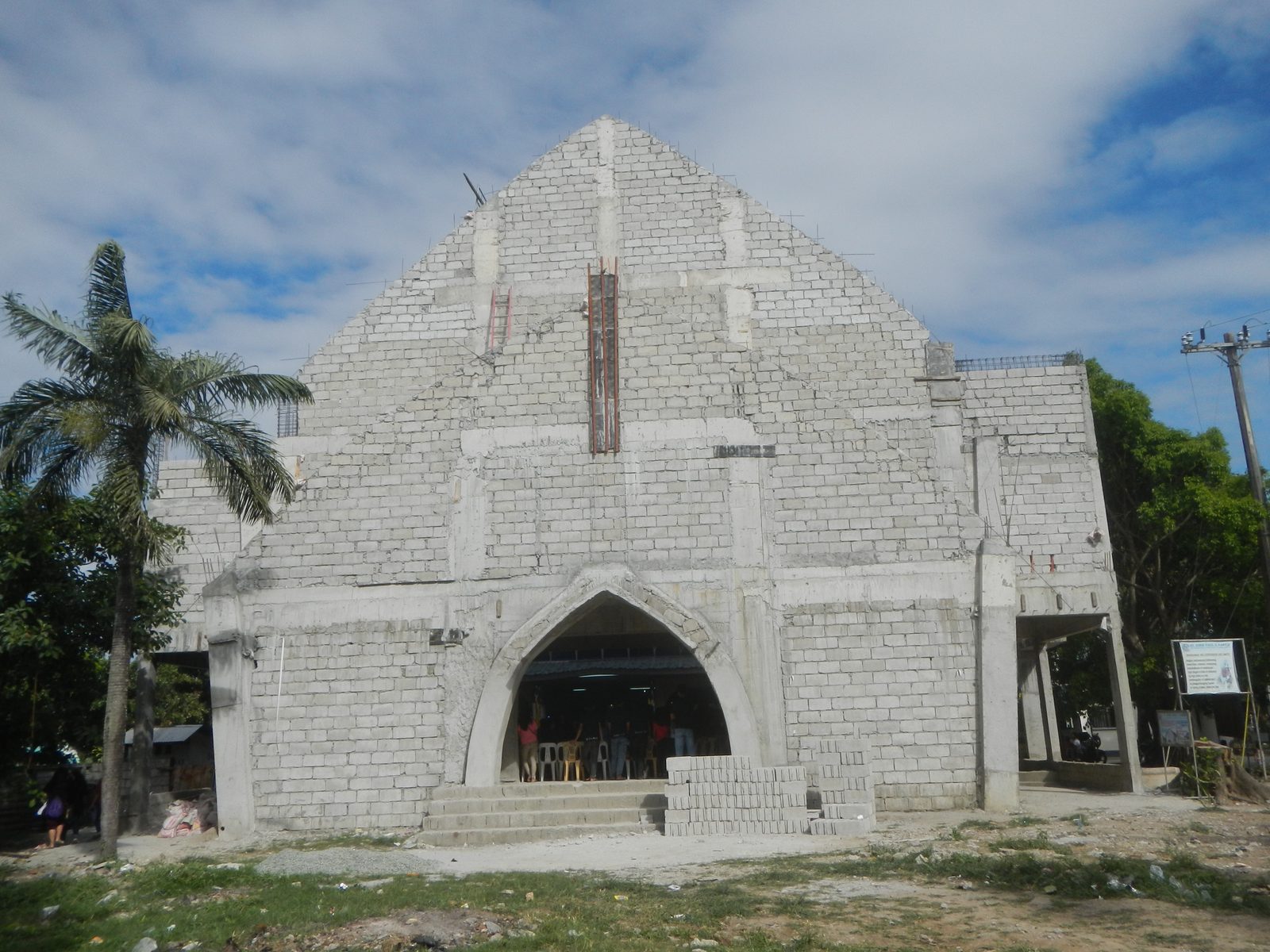
Type "affordable housing" into a search bar in the Philippines and you get two useless extremes: government press releases about programs you cannot find the door to, and listings for "affordable" condos at ₱6 million (about $96,000 / €82,600). This guide is the missing middle: the real options for a household that needs a home on an ordinary income, ranked from cheapest to most conventional, with what each genuinely requires.
Option 1: government-backed socialized housing
The state's answer to affordability runs through two doors. The 4PH program (Pambansang Pabahay para sa Pilipino) is the flagship: government-subsidized housing with interest brought down to around 3%, a fraction of market rates, aimed at minimum-wage and informal-sector households. Supply is the catch: projects roll out city by city, and the queue matters more than the brochure. Ask your city's housing office directly, since allocation is local.
The broader workhorse is the Pag-IBIG housing loan itself: for lower-priced homes the fund's socialized and affordable tiers carry reduced rates and low down payments, and the regular program lends up to ₱10 million (about $160,000 / €138,000) (the ceiling rose from ₱6 million (about $96,000 / €82,600) in 2026, with promo rates until December 31) at rates that undercut the banks. If you have contributions, this is the first door to knock on: our application walkthrough covers eligibility and papers, and the calculator turns any price into a monthly figure you can compare against your rent.
Option 2: buy where housing is actually cheap
Affordability is mostly geography. The national conversation happens in Metro Manila prices, but the same budget behaves completely differently two hours away: our cheapest places to live and most affordable cities for property guides rank the cities where a ₱2M to ₱4M (about $32,000 to $64,000 / €27,500 to €55,100) budget buys a real house, and the average house price breakdown shows medians by province, from ₱3.2M (about $51,200 / €44,100) in Bulacan upward. For workers tied to the capital, the Cavite, Laguna and Bulacan belt remains the honest compromise: subdivision houses at a fraction of metro prices, paid for with a commute.
Option 3: the side doors, cheaper entry, sharper caveats
Three routes put a roof over you below market price, each with a catch worth respecting:
- Pasalo (assume balance). Take over someone's existing loan, pay their equity, continue the amortization: no down payment machinery, no new loan approval. The catch is paperwork discipline; our pasalo guide covers the checks that separate a bargain from a trap.
- Foreclosed and acquired assets. Pag-IBIG and the banks auction repossessed homes at real discounts. As-is-where-is condition and occupied units are the risks; the foreclosed buying guide explains the auction mechanics.
- Rent-to-own. Part of the rent builds toward ownership, useful when the down payment is the blocker; terms vary wildly, so read our rent-to-own guide before signing anything.
Option 4: rent smaller, on purpose
Sometimes the affordable house is not buying yet. A deliberate stretch of cheap renting, bedspace, studio, or a shared 1BR, while contributions and savings build, beats an overstretched loan that collapses in year three. The budget renting guide maps that path, and the salary-to-condo math tells you honestly when buying starts making sense: the usual rule is that the amortization should stay near a third of household income.
The one-page decision
With Pag-IBIG contributions and a steady income: price your target with the calculator, then choose geography with the city guides. Without contributions or formal income: 4PH and the LGU housing office first, pasalo and rent-to-own as pragmatic seconds, renting small while you build eligibility as the honest third. Whatever the path, run the numbers on the actual unit, not the model unit, and browse what is really listed among current houses and condos before believing any brochure. General information, not financial advice; program terms change, confirm current rules with Pag-IBIG, DHSUD or your city housing office.
Dollar and euro figures are approximate conversions at ₱62.5 per US dollar and ₱72.6 per euro (ECB reference rates, 2026-09-08).
Frequently asked questions
Where can I find affordable housing in the Philippines?
Through four realistic doors: government-backed programs (the 4PH flagship at around 3% interest and Pag-IBIG's socialized tiers, via your city housing office and Pag-IBIG), the provinces where ₱2M to ₱4M (about $32,000 to $64,000 / €27,500 to €55,100) buys a real house (Bulacan, Cavite, Laguna and the regional cities), the discounted side doors (pasalo, foreclosed auctions, rent-to-own), or deliberately renting small while savings and contributions build.
What is the 4PH housing program?
Pambansang Pabahay para sa Pilipino is the government's flagship affordable-housing program: subsidized housing with interest brought down to roughly 3%, aimed at minimum-wage and informal-sector households. Allocation runs locally, so the practical step is asking your city or municipal housing office which projects are open and how the queue works.
How much house can I afford with a Pag-IBIG loan?
The regular program lends up to ₱10 million (about $160,000 / €138,000) (raised from ₱6 million (about $96,000 / €82,600) in 2026), with socialized and affordable tiers below that carrying reduced rates for lower-priced homes. The honest ceiling is your income: keep the amortization near a third of household income. Run any price through a Pag-IBIG calculator to see the monthly figure before falling for a brochure.
Is pasalo a good way to get affordable housing?
It can be the cheapest entry there is: you pay the seller's equity and continue their existing amortization, skipping the down payment machinery entirely. The risk is informality, deals done on trust without the documents that make the transfer stick. Done with the proper checks and paperwork, pasalo is a legitimate path; done on a handshake, it is how people lose their savings.
I-type mo ang "affordable housing" sa search bar dito sa Pilipinas at dalawang walang kwentang extreme ang lalabas: mga press release ng gobyerno tungkol sa mga programang hindi mo mahanap kung saan ang pinto, at mga listing ng "affordable" na condo na ₱6 million (mga $96,000 / €82,600). Ang guide na ito ang nawawalang gitna: ang totoong mga opsyon para sa pamilyang kailangan ng bahay sa ordinaryong kita, nakahanay mula sa pinakamura hanggang sa pinaka-conventional, kasama kung ano talaga ang hinihingi ng bawat isa.
Option 1: socialized housing na suportado ng gobyerno
Dalawang pinto ang sagot ng gobyerno sa affordability. Ang 4PH program (Pambansang Pabahay para sa Pilipino) ang flagship: government-subsidized housing na may interest na ibinaba sa mga 3%, maliit na bahagi lang ng market rates, para sa mga minimum-wage at informal-sector na pamilya. Ang supply ang catch: paisa-isang lungsod ang rollout ng mga proyekto, at mas mahalaga ang pila kaysa sa brochure. Dumiretso ka na sa housing office ng lungsod ninyo, dahil lokal ang allocation.
Ang mas malawak na workhorse ay ang Pag-IBIG housing loan mismo: para sa mas murang bahay, may pinababang rates at mababang down payment ang socialized at affordable tiers ng fund, at ang regular program ay nagpapahiram hanggang ₱10 million (mga $160,000 / €138,000) (itinaas mula sa ₱6 million (mga $96,000 / €82,600) noong 2026, may promo rates hanggang December 31) sa rates na mas mababa pa kaysa sa mga bangko. Kung may contributions ka, ito ang unang pintong dapat katukin: sakop ng aming gabay sa pag-apply ang eligibility at mga papeles, at ginagawa ng calculator ang kahit anong presyo na monthly na maikukumpara mo sa renta mo ngayon.
Option 2: bumili kung saan talagang mura ang bahay
Ang affordability ay halos geography lang. Ang usapang pambansa ay laging naka-presyo Metro Manila, pero ibang-iba ang kilos ng parehong budget dalawang oras ang layo: nire-rank ng aming mga gabay sa pinakamurang lugar na matitirhan at pinaka-affordable na lungsod para sa property ang mga lungsod kung saan ang budget na ₱2M hanggang ₱4M (mga $32,000 hanggang $64,000 / €27,500 hanggang €55,100) ay nakakabili ng totoong bahay, at ipinapakita ng breakdown ng average na presyo ng bahay ang medians kada probinsya, mula ₱3.2M (mga $51,200 / €44,100) sa Bulacan pataas. Para sa mga manggagawang nakatali sa Metro Manila, ang Cavite, Laguna at Bulacan belt pa rin ang tapat na kompromiso: bahay sa subdivision sa maliit na bahagi ng presyo sa metro, na binabayaran mo ng commute.
Option 3: ang mga side door, mas murang entry, mas matalas na caveats
Tatlong ruta ang maglalagay ng bubong sa ulo mo nang mas mura sa market price, bawat isa may catch na dapat mong respetuhin:
- Pasalo (assume balance). Kunin mo ang existing loan ng iba, bayaran ang equity nila, ituloy ang amortization: walang makinarya ng down payment, walang bagong loan approval. Ang catch ay disiplina sa papeles; sakop ng aming gabay sa pasalo ang mga check na naghihiwalay sa bargain at sa trap.
- Foreclosed at acquired assets. Ini-auction ng Pag-IBIG at ng mga bangko ang mga na-repossess na bahay sa totoong discount. As-is-where-is na kondisyon at mga unit na may nakatira pa ang mga risk; ipinapaliwanag ng gabay sa pagbili ng foreclosed ang mekanika ng auction.
- Rent-to-own. Bahagi ng renta ang napupunta sa ownership, kapaki-pakinabang kung ang down payment ang nakaharang; iba-iba nang husto ang mga terms, kaya basahin muna ang aming gabay sa rent-to-own bago ka pumirma ng kahit ano.
Option 4: mag-renta ng mas maliit, sinasadya
Minsan ang affordable na bahay ay ang hindi muna pagbili. Ang sinadyang panahon ng murang pagrenta, bedspace, studio, o shared 1BR, habang lumalaki ang contributions at ipon, ay mas maganda kaysa sa sobrang inat na loan na babagsak sa ikatlong taon. Minamapa ng gabay sa budget renting ang daang iyon, at tapat na sinasabi ng kwentahan ng sweldo papuntang condo kung kailan nagsisimulang maging makatuwiran ang pagbili: ang karaniwang rule, dapat manatili ang amortization malapit sa isang-katlo ng kita ng household.
Ang one-page na desisyon
Kung may Pag-IBIG contributions ka at steady na kita: presyuhan mo ang target mo gamit ang calculator, saka pumili ng lugar gamit ang mga city guide. Kung walang contributions o formal na kita: 4PH at ang LGU housing office muna, pasalo at rent-to-own bilang praktikal na pangalawa, pagrenta ng maliit habang binubuo mo ang eligibility bilang tapat na pangatlo. Anuman ang daanan mo, i-compute mo ang numero sa aktwal na unit, hindi sa model unit, at silipin kung ano talaga ang naka-lista sa mga kasalukuyang bahay at condo bago ka maniwala sa kahit anong brochure. General information ito, hindi financial advice; nagbabago ang program terms, kaya kumpirmahin ang kasalukuyang rules sa Pag-IBIG, DHSUD o sa city housing office ninyo.
Tinatayang conversion lang ang mga halaga sa dollar at euro, sa ₱62.5 kada US dollar at ₱72.6 kada euro (ECB reference rates, 2026-09-08).
Mga madalas itanong
Saan ako makakahanap ng affordable housing sa Pilipinas?
May apat na realistic na daan: mga government-backed program (ang 4PH flagship na nasa mga 3% interest at ang socialized tiers ng Pag-IBIG, sa pamamagitan ng city housing office ninyo at ng Pag-IBIG), ang mga probinsya kung saan ang ₱2M hanggang ₱4M (mga $32,000 hanggang $64,000 / €27,500 hanggang €55,100) ay nakakabili na ng totoong bahay (Bulacan, Cavite, Laguna at ang mga regional city), ang mga discounted na side door (pasalo, foreclosed auctions, rent-to-own), o ang sadyang mag-rent muna ng maliit habang lumalaki ang ipon at contributions.
Ano ang 4PH housing program?
Ang Pambansang Pabahay para sa Pilipino ang flagship affordable-housing program ng gobyerno: subsidized housing na ibinaba ang interest sa humigit-kumulang 3%, para sa mga minimum-wage at informal-sector na pamilya. Lokal ang allocation, kaya ang praktikal na hakbang ay magtanong sa city o municipal housing office ninyo kung anong mga project ang bukas at paano gumagana ang pila.
Magkano ang bahay na kaya ko sa Pag-IBIG loan?
Umaabot sa ₱10 million (mga $160,000 / €138,000) (itinaas mula sa ₱6 million (mga $96,000 / €82,600) noong 2026) ang regular program, at may socialized at affordable tiers sa ibaba nito na mas mababa ang rates para sa mas murang bahay. Ang totoong ceiling ay ang income mo: panatilihin ang amortization sa mga isang-katlo ng household income. Ipasok muna ang kahit anong presyo sa Pag-IBIG calculator para makita ang monthly bago ma-fall sa brochure.
Magandang paraan ba ang pasalo para makakuha ng affordable housing?
Pwede itong maging pinakamurang entry: babayaran mo lang ang equity ng seller at ipagpapatuloy ang existing amortization nila, laktaw na ang buong down payment na proseso. Ang risk ay ang pagiging informal, mga deal na tiwala lang ang basehan nang walang mga dokumentong magpapatibay sa transfer. Kapag ginawa nang may tamang checks at papeles, lehitimong daan ang pasalo; kapag handshake lang, dito nawawala ang ipon ng mga tao.
I-type ang "affordable housing" sa search bar dinhi sa Pilipinas ug duha ka walay pulos nga extreme ang mogawas: mga press release sa gobyerno bahin sa mga programa nga dili nimo makit-an kung asa ang pultahan, ug mga listing sa "affordable" nga condo nga ₱6 million (mga $96,000 / €82,600). Kini nga guide mao ang nawala nga tunga: ang tinuod nga mga opsyon para sa panimalay nga nagkinahanglan og balay sa ordinaryong kita, gihan-ay gikan sa pinakabarato hangtod sa pinaka-conventional, uban ang kung unsa gyud ang gipangayo sa matag usa.
Option 1: socialized housing nga gipaluyohan sa gobyerno
Duha ka pultahan ang tubag sa gobyerno sa affordability. Ang 4PH program (Pambansang Pabahay para sa Pilipino) mao ang flagship: government-subsidized housing nga ang interest gipaubos ngadto sa mga 3%, gamay ra kaayo nga bahin sa market rates, gitumong sa mga minimum-wage ug informal-sector nga panimalay. Ang supply mao ang catch: tagsa-tagsa ka siyudad ang rollout sa mga proyekto, ug mas importante ang linya kaysa brochure. Pangutan-a direkta ang housing office sa inyong siyudad, kay lokal man ang allocation.
Ang mas lapad nga workhorse mao ang Pag-IBIG housing loan mismo: para sa mas barato nga balay, ang socialized ug affordable tiers sa fund adunay pinaubos nga rates ug ubos nga down payment, ug ang regular program mopahulam hangtod ₱10 million (mga $160,000 / €138,000) (gipataas gikan sa ₱6 million (mga $96,000 / €82,600) sa 2026, naay promo rates hangtod December 31) sa rates nga mas ubos pa kaysa mga bangko. Kung naa kay contributions, kini ang unang pultahan nga tuktukan: ang among giya sa pag-apply naglakip sa eligibility ug mga papeles, ug ang calculator mohimo sa bisan unsang presyo ngadto sa monthly nga ikakumpara nimo sa imong abang karon.
Option 2: palit kung asa gyud barato ang balay
Ang affordability kasagaran geography ra. Ang nasudnong istorya kanunay naka-presyo og Metro Manila, pero lahi kaayo ang lihok sa samang budget duha ka oras ang gilay-on: ang among mga giya sa pinakabarato nga lugar nga kapuy-an ug pinaka-affordable nga siyudad para sa property nag-rank sa mga siyudad diin ang budget nga ₱2M hangtod ₱4M (mga $32,000 hangtod $64,000 / €27,500 hangtod €55,100) makapalit og tinuod nga balay, ug ang breakdown sa average nga presyo sa balay nagpakita sa medians matag probinsya, gikan sa ₱3.2M (mga $51,200 / €44,100) sa Bulacan pataas. Para sa mga trabahante nga nakagapos sa Metro Manila, ang Cavite, Laguna ug Bulacan belt mao gihapon ang matinud-anon nga kompromiso: balay sa subdivision sa gamay ra nga bahin sa presyo sa metro, nga bayran nimo og commute.
Option 3: ang mga side door, mas barato nga entry, mas hait nga caveats
Tulo ka ruta ang mobutang og atop sa imong ulo nga mas barato sa market price, matag usa adunay catch nga angay nimong tahuron:
- Pasalo (assume balance). Kuhaa ang existing loan sa uban, bayri ang ilang equity, padayuna ang amortization: walay makinarya sa down payment, walay bag-ong loan approval. Ang catch mao ang disiplina sa papeles; ang among giya sa pasalo naglakip sa mga tseke nga mobulag sa bargain ug sa lit-ag.
- Foreclosed ug acquired assets. Gi-auction sa Pag-IBIG ug sa mga bangko ang mga na-repossess nga balay sa tinuod nga discount. As-is-where-is nga kondisyon ug mga unit nga adunay nagpuyo pa ang mga risgo; ang giya sa pagpalit og foreclosed nagpasabot sa mekanika sa auction.
- Rent-to-own. Bahin sa abang ang mapadulong sa ownership, mapuslanon kung ang down payment ang nakababag; lahi-lahi kaayo ang mga terms, busa basaha una ang among giya sa rent-to-own usa ka mopirma og bisan unsa.
Option 4: mag-abang og mas gamay, tinuyo
Usahay ang affordable nga balay mao ang dili pa lang pagpalit. Ang tinuyo nga panahon sa barato nga pag-abang, bedspace, studio, o shared 1BR, samtang nagtubo ang contributions ug tinigom, mas maayo kaysa sobra ka inat nga loan nga mahugno sa ikatulong tuig. Ang giya sa budget nga pag-abang nagmapa niana nga dalan, ug ang kwenta sa sweldo padulong sa condo matinud-anon nga mosulti kung kanus-a magsugod nga makatarunganon ang pagpalit: ang naandan nga rule, kinahanglan magpabilin ang amortization duol sa ikatulong bahin sa kita sa household.
Ang one-page nga desisyon
Kung naa kay Pag-IBIG contributions ug steady nga kita: presyohi ang imong target gamit ang calculator, unya pilia ang lugar gamit ang mga city guide. Kung walay contributions o pormal nga kita: 4PH ug ang LGU housing office una, pasalo ug rent-to-own isip praktikal nga ikaduha, pag-abang og gamay samtang gitukod nimo ang eligibility isip matinud-anon nga ikatulo. Bisan unsa ang imong agian, kwentaha ang numero sa aktwal nga unit, dili sa model unit, ug tan-awa kung unsa gyud ang naka-lista sa kasamtangang mga balay ug condo usa ka motuo sa bisan unsang brochure. General information kini, dili financial advice; mausab ang program terms, busa kumpirmaha ang kasamtangang rules sa Pag-IBIG, DHSUD o sa inyong city housing office.
Banabana lang ang mga conversion sa dollar ug euro, sa ₱62.5 matag US dollar ug ₱72.6 matag euro (ECB reference rates, 2026-09-08).
Mga kasagarang pangutana
Asa ko makakita og affordable housing sa Pilipinas?
Naay upat ka realistic nga agianan: mga government-backed program (ang 4PH flagship nga mga 3% ang interest ug ang socialized tiers sa Pag-IBIG, pinaagi sa inyong city housing office ug sa Pag-IBIG), ang mga probinsya diin ang ₱2M hangtod ₱4M (mga $32,000 hangtod $64,000 / €27,500 hangtod €55,100) makapalit na og tinuod nga balay (Bulacan, Cavite, Laguna ug ang mga regional city), ang mga discounted nga side door (pasalo, foreclosed auctions, rent-to-own), o ang tinuyo nga mag-abang una og gamay samtang nagtubo ang tinigom ug contributions.
Unsa ang 4PH housing program?
Ang Pambansang Pabahay para sa Pilipino mao ang flagship affordable-housing program sa gobyerno: subsidized housing nga gipaubos ang interest ngadto sa mga 3%, para sa mga minimum-wage ug informal-sector nga pamilya. Lokal ang allocation, mao nga ang praktikal nga lakang mao ang pagpangutana sa inyong city o municipal housing office kung unsang mga project ang abli ug unsaon ang linya.
Unsa ka dako nga balay ang maabot nako sa Pag-IBIG loan?
Ang regular program mopahulam hangtod ₱10 million (mga $160,000 / €138,000) (gipataas gikan sa ₱6 million (mga $96,000 / €82,600) sa 2026), ug naay socialized ug affordable tiers ubos niana nga mas barato ang rates para sa mas barato nga balay. Ang tinuod nga ceiling mao ang imong income: ipabilin ang amortization sa mga un-tersiya sa household income. Isulod una ang bisan unsang presyo sa Pag-IBIG calculator aron makita ang monthly una ka madani sa brochure.
Maayo ba nga paagi ang pasalo aron makakuha og affordable housing?
Mahimo ni ang pinakabarato nga entry: bayran ra nimo ang equity sa seller ug ipadayon ang ilang existing amortization, laktawan na ang tibuok down payment nga proseso. Ang risgo mao ang pagka-informal, mga deal nga sinaligay ra nga walay mga dokumento nga mopalig-on sa transfer. Kung buhaton uban sa hustong checks ug papeles, lehitimong dalan ang pasalo; kung handshake ra, mao ni ang hinungdan nga mawad-an og tinigom ang mga tawo.
Browse properties on BalayHub
See all listings →
Read next
RFO Condo vs Pre-Selling in the Philippines: Which to Buy
RFO condo vs pre-selling: cash needed now or stretched over 24 to 48 months, construction risk, rent from month one, and the finished buildings by city.
Vacation Home in the Philippines: Tagaytay, Baguio or Beach
Vacation home in the Philippines: condos at ₱70,600 per sqm in Tagaytay, ₱57,200 in Baguio, ₱65,000 on Mactan, with upkeep, climate and rental income.
Documents Needed to Buy a House in the Philippines (2026)
The documents needed to buy a house in the Philippines: IDs, TIN, PSA marriage certificate, cedula, Pag-IBIG number, income papers, and where to get each.