
Sep 19, 2026 · by BalayHub Admin · 7 min read
Condo Investment for Foreigners in the Philippines: the Math
Condo investment for foreigners in the Philippines: gross yields from 4.3% in Pasig to 11.9% in Davao, the 25% tax on non resident rent, and the 40% cap.
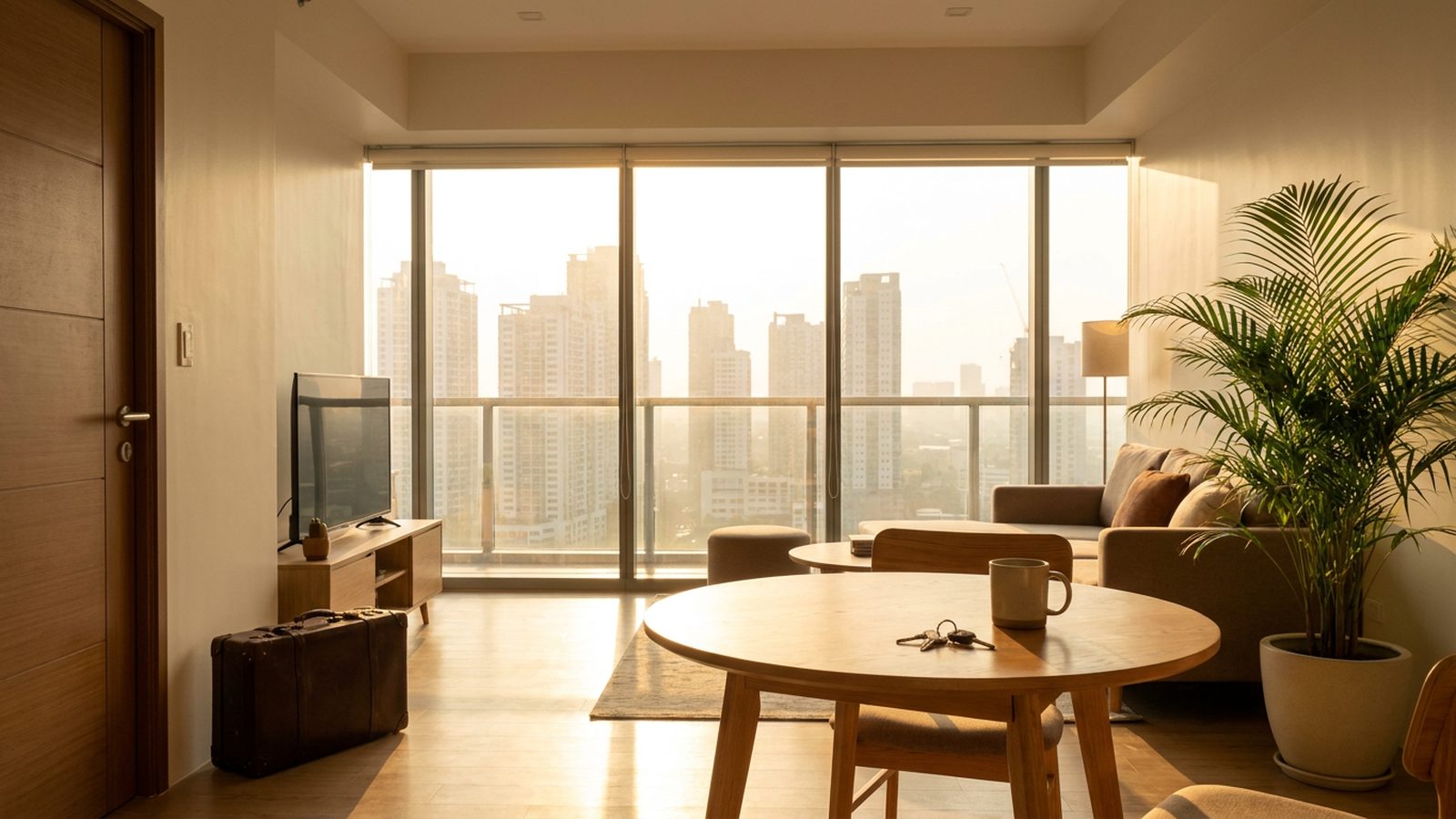
Condo investment for foreigners in the Philippines rests on one legal fact and three numbers. The legal fact is that a condominium unit is the only form of real property a foreign individual can hold in his or her own name. The numbers are the rent the unit earns, the tax the Philippines takes from a non resident landlord, and the price per square meter going in. Most of what is written for foreign buyers covers the first point and stops. This guide does the arithmetic: gross yields by city from our own price index, what is left after tax and costs, how the 40% foreign cap works in practice, and which cities make sense for which investor.
What you can buy, and the 40% line
The Condominium Act, Republic Act 4726, allows units to be transferred to foreigners so long as Filipino citizens, or corporations at least 60% Filipino owned, hold at least 60% of the project. In practice that means foreign ownership in any one condominium corporation is capped at 40%. Land, houses with their lots and townhouses with land titles remain closed, a line we trace in detail in our guide to what foreigners can and cannot own.
The cap matters when you buy a resale unit in a building popular with foreign buyers, in parts of BGC, Makati and Mactan in particular. Before you pay a reservation, ask the property management office or the condominium corporation for a written certification of the current foreign ownership percentage, and make the sale conditional on the transfer being allowed. A developer selling new units tracks the quota itself and will tell you whether the foreign allocation in a tower is still open. The step by step purchase, from reservation to title, is in our foreign buyer's guide.
Gross yields by city, from our price index
Our quarterly price index takes the median asking price per square meter to buy and to rent in each city. Dividing twelve months of rent by the purchase price gives a gross yield, before tax, dues and vacancy. For the third quarter of 2026:
| City | Buy, per sqm | Rent, per sqm a month | Gross yield |
|---|---|---|---|
| Davao City | ₱68,000 (about $1,080 / €945) | ₱676 (about $11 / €9.4) | 11.9% |
| Lapu-Lapu (Mactan) | ₱65,000 (about $1,040 / €903) | ₱583 (about $9.3 / €8.1) | 10.8% |
| Quezon City | ₱98,643 (about $1,570 / €1,370) | ₱684 (about $11 / €9.5) | 8.3% |
| Cebu City | ₱109,306 (about $1,740 / €1,520) | ₱652 (about $10 / €9.1) | 7.2% |
| Taguig (BGC) | ₱198,063 (about $3,150 / €2,750) | ₱987 (about $16 / €14) | 6.0% |
| Makati | ₱194,772 (about $3,100 / €2,710) | ₱943 (about $15 / €13) | 5.8% |
| Parañaque | ₱90,000 (about $1,430 / €1,250) | ₱435 (about $6.9 / €6) | 5.8% |
| Pasig | ₱167,098 (about $2,660 / €2,320) | ₱598 (about $9.5 / €8.3) | 4.3% |
Two cautions before you book a flight to Davao. The samples outside Metro Manila are small, 11 to 15 price points each against 45 to 57 rentals in Taguig and Makati, and the units for rent are not the same units that are for sale, so the provincial figures flatter the yield. And asking rents are not achieved rents. Read the table as a ranking: the business districts of the capital pay the least for every peso invested, the regional cities pay the most, and the gap is wide enough to survive the statistical noise. The live figures are on the price index report.
What is left after tax
The tax on rental income depends on your status, and the difference is large. A non resident alien who is not engaged in trade or business in the Philippines, which describes most foreign owners who visit for less than 180 days a year, pays a final withholding tax of 25% on the gross rent, with no deductions for dues, repairs or agent fees. A foreigner who is resident, or treated as engaged in business here, is taxed like a Filipino landlord: graduated rates on net income, or the optional 8% on gross receipts when they do not exceed ₱3 million (about $47,800 / €41,700) a year. The rules are summarized in a Respicio & Co. commentary on rental income tax, and a Philippine accountant should confirm which status applies to you before you sign a lease.
Run it on a real unit. The median one bedroom among the condos for sale in Makati in our sample asks ₱10 million (about $159,000 / €139,000) and the median one bedroom rent is ₱35,000 (about $557 / €486) a month, or ₱420,000 (about $6,690 / €5,840) a year: a gross yield of 4.2%. At 25% on the gross, the tax is ₱105,000 (about $1,670 / €1,460) and the yield drops to about 3.2%, before association dues, which the owner usually pays, and before any vacancy. The same arithmetic on Cebu City's 7.2% index yield leaves about 5.4% after the 25% tax, and on Lapu-Lapu's 10.8% about 8.1%.
Other taxes are smaller. Residential units rented at ₱15,000 (about $239 / €208) a month or less are exempt from value added tax, and a landlord whose gross receipts stay under ₱3 million (about $47,800 / €41,700) a year pays 3% percentage tax instead of 12% VAT. When the tenant is a company, it withholds 5% of the rent as a creditable tax and gives you a certificate for it. On the way in, budget about 3% of the price for the buyer's closing costs; on the way out the seller pays 6% capital gains tax. Our closing costs guide has the full split.
Which city for which investor
BGC and Makati are liquidity, not yield. Units rent in days to expatriates and corporate tenants at ₱35,000 to ₱40,000 (about $557 to $637 / €486 to €556) for a one bedroom, and resell to the deepest buyer pool in the country, but at ₱195,000 to ₱200,000 (about $3,110 to $3,180 / €2,710 to €2,780) per square meter the net return after a 25% tax is around 3% to 4.5%. They suit the investor whose first aim is to hold value in a hard asset; the price bands inside each district are in our guides to condo prices per square meter in Taguig and BGC and in Makati.
Quezon City and Cebu City are the middle: ₱100,000 to ₱110,000 (about $1,590 to $1,750 / €1,390 to €1,530) per square meter, yields of 7% to 8% gross, tenants who are students, BPO staff and young families, and a resale market that is slower but real. Cebu adds an international airport and a tourism economy, and our Cebu area guide sets out its districts.
Mactan and Davao top the table because prices are still near ₱65,000 to ₱68,000 (about $1,040 to $1,080 / €903 to €945) per square meter. In Mactan the rent comes from resort workers, aviation staff and short stay guests, and the question to settle first is whether the building allows short term letting; the hotel operated version of the same idea is covered in our piece on condotel investment. Davao rents to locals and regional professionals, with little foreign demand, which makes resale to another foreigner harder.
The costs that do not show in the yield
Association dues, real property tax, insurance, a property manager if you live abroad, furniture for the expatriate market, and the months between tenants. Together they take a visible slice of the gross rent before tax, which is why the comparison that matters is net yield, and why our plain guide to rental yields across Philippine cities insists on it. If you will manage from overseas, read the landlord's guide to renting out a condo before you choose a building, because a good management office is worth more than half a point of yield.
Bring the money in through a bank and keep the inward remittance records, since you will need them to send the proceeds home when you sell. And buy in your own name only what the law lets you own; arrangements that put land in a Filipino partner's name are gifts in the eyes of the courts.
This article is general information, not investment, legal or tax advice. Yields are computed from BalayHub's listing price sample and are asking figures, not achieved returns; confirm your tax status with a Philippine accountant before you invest.
Dollar and euro figures are approximate conversions at ₱62.8 per US dollar and ₱72.0 per euro (ECB reference rates, 2026-09-18).
Frequently asked questions
Can a foreigner buy a condo in the Philippines as an investment?
Yes. Under the Condominium Act a foreigner can own a condominium unit in his or her own name, provided foreign ownership in that condominium project does not exceed 40%. Land, houses with lots and titled townhouses remain closed to foreign individuals. Before paying a reservation on a resale unit, ask the condominium corporation for a written certification of the current foreign ownership percentage.
What rental yield can a foreign investor expect from a Philippine condo?
Gross yields from our third quarter 2026 price index run from 4.3% in Pasig and 5.8% to 6.0% in Makati and Taguig to 7.2% in Cebu City, 8.3% in Quezon City, 10.8% in Lapu-Lapu and 11.9% in Davao. These are asking figures before tax, dues and vacancy, and the provincial samples are small, so read them as a ranking, not as a promise.
How is rental income taxed for a foreign condo owner?
A non resident alien not engaged in trade or business in the Philippines pays a final withholding tax of 25% on the gross rent, with no deductions. A resident foreigner, or one treated as engaged in business, is taxed like a local landlord: graduated rates on net income, or an optional 8% on gross receipts up to ₱3 million (about $47,800 / €41,700) a year. Confirm your status with a Philippine accountant.
What does the 25% tax do to the yield on a Makati condo?
Take the median one bedroom in our Makati sample: ₱10 million (about $159,000 / €139,000) to buy and ₱35,000 (about $557 / €486) a month to rent. The gross yield is 4.2%. The 25% final tax on ₱420,000 (about $6,690 / €5,840) of annual rent is ₱105,000 (about $1,670 / €1,460), which brings the yield to about 3.2% before association dues, real property tax, insurance and vacancy. That is why Makati and BGC are better understood as stores of value than as income plays.
Which Philippine city is best for a foreign condo investor?
It depends on the aim. Makati and BGC offer the fastest letting and the deepest resale market at the lowest yield. Quezon City and Cebu City sit in the middle at 7% to 8% gross. Mactan and Davao show the highest yields because prices are near ₱65,000 to ₱68,000 (about $1,040 to $1,080 / €903 to €945) per square meter, but resale to another foreigner is slower and short term letting depends on building rules.
Ang condo investment para sa mga foreigner sa Pilipinas ay nakasandig sa isang legal na katotohanan at tatlong numero. Ang legal na katotohanan: ang condominium unit ang tanging uri ng real property na maaaring ipangalan sa isang dayuhang indibidwal. Ang mga numero ay ang upang kinikita ng unit, ang buwis na kinukuha ng Pilipinas mula sa non resident na landlord, at ang presyo per square meter sa pagpasok. Ang karamihan ng mga babasahin para sa foreign buyer ay tumatalakay sa unang punto at humihinto roon. Dito, kinukuwenta namin ang lahat: gross yield ayon sa lungsod mula sa aming price index, ang natitira matapos ang buwis at mga gastos, ang takbo ng 40% foreign cap sa praktika, at aling lungsod ang bagay sa aling uri ng investor.
Ano ang maaaring bilhin, at ang 40% na hangganan
Pinapayagan ng Condominium Act, ang Republic Act 4726, ang paglilipat ng mga unit sa foreigner hangga't ang mga Filipino citizen, o mga korporasyong hindi bababa sa 60% Filipino owned, ay may hawak ng hindi bababa sa 60% ng project. Sa praktika, nangangahulugan ito na ang foreign ownership sa alinmang condominium corporation ay limitado sa 40%. Nananatiling sarado ang lupa, ang mga bahay na may lote at ang mga townhouse na may land title, isang hangganang tinatalakay namin nang detalyado sa aming gabay tungkol sa kung ano ang maaari at hindi maaaring ariin ng foreigner.
Mahalaga ang cap kapag bumibili ng resale unit sa building na popular sa mga foreign buyer, lalo na sa ilang bahagi ng BGC, Makati at Mactan. Bago magbayad ng reservation, humingi sa property management office o sa condominium corporation ng written certification ng kasalukuyang porsiyento ng foreign ownership, at gawing kondisyon ng sale na pinapayagan ang transfer. Ang developer na nagbebenta ng mga bagong unit ay sumusubaybay sa quota at sasabihin sa iyo kung bukas pa ang foreign allocation sa isang tower. Ang hakbang hakbang na proseso ng pagbili, mula reservation hanggang title, ay nasa aming gabay para sa foreign buyer.
Gross yield ayon sa lungsod, mula sa aming price index
Kinukuha ng aming quarterly price index ang median asking price per square meter sa pagbili at sa pag-upa sa bawat lungsod. Hatiin ang labindalawang buwan ng upa sa purchase price at makukuha ang gross yield, bago ang buwis, dues at vacancy. Para sa ikatlong quarter ng 2026:
| Lungsod | Bili, per sqm | Upa, per sqm kada buwan | Gross yield |
|---|---|---|---|
| Davao City | ₱68,000 (mga $1,080 / €945) | ₱676 (mga $11 / €9.4) | 11.9% |
| Lapu-Lapu (Mactan) | ₱65,000 (mga $1,040 / €903) | ₱583 (mga $9.3 / €8.1) | 10.8% |
| Quezon City | ₱98,643 (mga $1,570 / €1,370) | ₱684 (mga $11 / €9.5) | 8.3% |
| Cebu City | ₱109,306 (mga $1,740 / €1,520) | ₱652 (mga $10 / €9.1) | 7.2% |
| Taguig (BGC) | ₱198,063 (mga $3,150 / €2,750) | ₱987 (mga $16 / €14) | 6.0% |
| Makati | ₱194,772 (mga $3,100 / €2,710) | ₱943 (mga $15 / €13) | 5.8% |
| Parañaque | ₱90,000 (mga $1,430 / €1,250) | ₱435 (mga $6.9 / €6) | 5.8% |
| Pasig | ₱167,098 (mga $2,660 / €2,320) | ₱598 (mga $9.5 / €8.3) | 4.3% |
Dalawang babala bago mag-book ng flight papuntang Davao. Maliit ang mga sample sa labas ng Metro Manila, 11 hanggang 15 price point bawat lungsod laban sa 45 hanggang 57 rental sa Taguig at Makati, at ang mga unit na pinapaupahan ay hindi ang mga unit na ibinebenta, kaya pinapaganda ng mga numero sa probinsya ang yield. At ang asking rent ay hindi ang upang totohanang nakukuha. Basahin ang table bilang ranking: ang mga business district ng kabisera ang nagbibigay ng pinakakaunti sa bawat pisong ipinuhunan, ang mga regional city ang nagbibigay ng pinakamarami, at ang agwat ay sapat na lapad para manatili kahit may statistical noise. Ang live na mga numero ay nasa price index report.
Ang natitira matapos ang buwis
Ang buwis sa rental income ay nakasalalay sa iyong status, at malaki ang pagkakaiba. Ang non resident alien na hindi engaged in trade or business sa Pilipinas, na siyang kalagayan ng karamihan ng foreign owner na bumibisita nang wala pang 180 araw kada taon, ay nagbabayad ng final withholding tax na 25% sa gross rent, walang deduction para sa dues, repair o agent fee. Ang foreigner na resident, o itinuturing na engaged in business dito, ay binubuwisan gaya ng Filipino landlord: graduated rates sa net income, o ang optional na 8% sa gross receipts kapag hindi hihigit sa ₱3 million (mga $47,800 / €41,700) kada taon. Ang mga patakaran ay nakabuod sa isang commentary ng Respicio & Co. tungkol sa rental income tax, at dapat kumpirmahin ng isang Philippine accountant kung aling status ang naaangkop sa iyo bago pumirma ng lease.
Subukin sa isang totohanang unit. Ang median na one bedroom sa mga condo for sale sa Makati sa aming sample ay may asking price na ₱10 million (mga $159,000 / €139,000) at ang median na upa ng one bedroom ay ₱35,000 (mga $557 / €486) kada buwan, o ₱420,000 (mga $6,690 / €5,840) kada taon: gross yield na 4.2%. Sa 25% ng gross, ang buwis ay ₱105,000 (mga $1,670 / €1,460) at bumababa ang yield sa mga 3.2%, bago ang association dues, na kadalasang binabayaran ng may-ari, at bago ang anumang vacancy. Ang parehong kuwenta sa 7.2% index yield ng Cebu City ay nag-iiwan ng mga 5.4% matapos ang 25% na buwis, at sa 10.8% ng Lapu-Lapu, mga 8.1%.
Mas maliit ang ibang buwis. Ang mga residential unit na inuupahan sa ₱15,000 (mga $239 / €208) kada buwan o mas mababa ay exempt sa value added tax, at ang landlord na ang gross receipts ay hindi hihigit sa ₱3 million (mga $47,800 / €41,700) kada taon ay nagbabayad ng 3% percentage tax sa halip ng 12% VAT. Kapag company ang tenant, nagwi-withhold ito ng 5% ng upa bilang creditable tax at nagbibigay ng certificate para rito. Sa pagpasok, maglaan ng mga 3% ng presyo para sa closing costs ng buyer; sa paglabas, nagbabayad ang seller ng 6% capital gains tax. Nasa aming closing costs guide ang buong hatian.
Aling lungsod para sa aling investor
Ang BGC at Makati ay liquidity, hindi yield. Nauupahan ang mga unit sa loob ng ilang araw ng mga expatriate at corporate tenant sa ₱35,000 hanggang ₱40,000 (mga $557 hanggang $637 / €486 hanggang €556) para sa one bedroom, at nare-resell sa pinakalalim na buyer pool sa bansa, ngunit sa ₱195,000 hanggang ₱200,000 (mga $3,110 hanggang $3,180 / €2,710 hanggang €2,780) per square meter ang net return matapos ang 25% na buwis ay nasa 3% hanggang 4.5%. Bagay ang mga ito sa investor na ang unang layunin ay panatilihin ang halaga sa isang hard asset; ang mga price band sa loob ng bawat district ay nasa aming mga gabay sa presyo ng condo per square meter sa Taguig at BGC at sa Makati.
Ang Quezon City at Cebu City ay ang gitna: ₱100,000 hanggang ₱110,000 (mga $1,590 hanggang $1,750 / €1,390 hanggang €1,530) per square meter, gross yield na 7% hanggang 8%, mga tenant na estudyante, BPO staff at batang pamilya, at resale market na mas mabagal ngunit totohanan. Dagdag sa Cebu ang international airport at tourism economy, at inilalatag ng aming Cebu area guide ang mga district nito.
Nasa tuktok ng table ang Mactan at Davao dahil ang mga presyo ay nasa ₱65,000 hanggang ₱68,000 (mga $1,040 hanggang $1,080 / €903 hanggang €945) per square meter pa. Sa Mactan, ang upa ay mula sa mga resort worker, aviation staff at short stay guest, at ang unang dapat alamin ay kung pinapayagan ng building ang short term letting; ang bersyong pinapatakbo ng hotel ay tinatalakay sa aming artikulo tungkol sa condotel investment. Ang Davao ay inuupahan ng mga lokal at regional professional, kakaunti ang foreign demand, kaya mas mahirap ang resale sa kapwa foreigner.
Ang mga gastos na hindi nakikita sa yield
Association dues, real property tax, insurance, property manager kung nakatira sa abroad, furniture para sa expatriate market, at ang mga buwan sa pagitan ng mga tenant. Magkakasama, kumakain ang mga ito ng malaking bahagi ng gross rent bago ang buwis. Ito ang dahilan na ang paghahambing na mahalaga ay ang net yield, at ito ang idinidiin ng aming payak na gabay sa rental yield sa mga lungsod ng Pilipinas. Kung mamamahala mula sa overseas, basahin ang gabay ng landlord sa pagpapaupa ng condo bago pumili ng building, dahil ang mahusay na management office ay higit na mahalaga kaysa kalahating punto ng yield.
Ipasok ang pera sa pamamagitan ng bangko at itago ang mga inward remittance record, dahil kakailanganin ang mga ito sa pagpapadala ng proceeds sa iyong bansa kapag nagbenta. At bilhin sa iyong pangalan tanging ang pinapayagan ng batas na ariin; ang mga arrangement na naglalagay ng lupa sa pangalan ng Filipino partner ay regalo sa mata ng mga korte.
Ang artikulong ito ay pangkalahatang impormasyon, hindi investment, legal o tax advice. Ang mga yield ay kinuwenta mula sa listing price sample ng BalayHub at mga asking figure, hindi achieved return; kumpirmahin ang iyong tax status sa isang Philippine accountant bago mag-invest.
Tinatayang conversion lang ang mga halaga sa dollar at euro, sa ₱62.8 kada US dollar at ₱72.0 kada euro (ECB reference rates, 2026-09-18).
Mga madalas itanong
Maaari bang bumili ng condo sa Pilipinas ang foreigner bilang investment?
Oo. Sa ilalim ng Condominium Act, maaaring ariin ng foreigner ang isang condominium unit sa kanyang pangalan, hangga't ang foreign ownership sa condominium project na iyon ay hindi hihigit sa 40%. Nananatiling sarado sa mga dayuhang indibidwal ang lupa, mga bahay na may lote at mga titled townhouse. Bago magbayad ng reservation sa resale unit, humingi sa condominium corporation ng written certification ng kasalukuyang porsiyento ng foreign ownership.
Anong rental yield ang maaaring asahan ng foreign investor mula sa condo sa Pilipinas?
Ang gross yield mula sa aming price index para sa ikatlong quarter ng 2026 ay mula 4.3% sa Pasig at 5.8% hanggang 6.0% sa Makati at Taguig, hanggang 7.2% sa Cebu City, 8.3% sa Quezon City, 10.8% sa Lapu-Lapu at 11.9% sa Davao. Mga asking figure ang mga ito, bago ang buwis, dues at vacancy, at maliit ang mga sample sa probinsya. Basahin ang mga ito bilang ranking, hindi bilang pangako.
Paano binubuwisan ang rental income ng foreign condo owner?
Ang non resident alien na hindi engaged in trade or business sa Pilipinas ay nagbabayad ng final withholding tax na 25% sa gross rent, walang deduction. Ang resident foreigner, o ang itinuturing na engaged in business, ay binubuwisan gaya ng lokal na landlord: graduated rates sa net income, o optional na 8% sa gross receipts hanggang ₱3 million (mga $47,800 / €41,700) kada taon. Kumpirmahin ang iyong status sa isang Philippine accountant.
Ano ang epekto ng 25% na buwis sa yield ng condo sa Makati?
Kunin ang median na one bedroom sa aming Makati sample: ₱10 million (mga $159,000 / €139,000) sa pagbili at ₱35,000 (mga $557 / €486) kada buwan sa upa. Ang gross yield ay 4.2%. Ang 25% final tax sa ₱420,000 (mga $6,690 / €5,840) na taunang upa ay ₱105,000 (mga $1,670 / €1,460), at ibinababa nito ang yield sa mga 3.2% bago ang association dues, real property tax, insurance at vacancy. Dahil dito, ang Makati at BGC ay mas mainam unawain bilang imbakan ng halaga kaysa pagkukunan ng income.
Aling lungsod sa Pilipinas ang pinakamainam para sa foreign condo investor?
Depende sa layunin. Ang Makati at BGC ay nag-aalok ng pinakamabilis na pagpapaupa at ng pinakalalim na resale market, sa pinakamababang yield. Nasa gitna ang Quezon City at Cebu City sa 7% hanggang 8% gross. Ang Mactan at Davao ay may pinakamataas na yield dahil ang mga presyo ay nasa ₱65,000 hanggang ₱68,000 (mga $1,040 hanggang $1,080 / €903 hanggang €945) per square meter, ngunit mas mabagal ang resale sa kapwa foreigner at ang short term letting ay nakasalalay sa mga patakaran ng building.
Ang condo investment alang sa mga langyaw dinhi sa Pilipinas nagbarog sa usa ka legal nga kamatuoran ug tulo ka numero. Ang legal nga kamatuoran mao kini: ang condominium unit mao ra ang matang sa real property nga mahimong huptan sa usa ka langyaw nga indibidwal sa iyang kaugalingong ngalan. Ang mga numero mao ang abang nga makuha sa unit, ang buhis nga kuhaon sa Pilipinas gikan sa non resident nga landlord, ug ang presyo matag square meter sa pagpalit. Kadaghanan sa gisulat alang sa mga langyaw nga buyer naghisgot ra sa unang punto ug mohunong didto. Kini nga giya mohimo sa aritmetika: gross yield matag siyudad gikan sa among kaugalingong price index, unsay mahibilin human sa buhis ug mga gasto, giunsa pagdagan ang 40% foreign cap sa praktika, ug unsang siyudara ang haom sa unsang matang sa investor.
Unsay imong mapalit, ug ang 40% nga utlanan
Ang Condominium Act, Republic Act 4726, nagtugot nga ibalhin ang mga unit ngadto sa mga langyaw samtang ang mga Filipino citizen, o mga korporasyon nga labing menos 60% gipanag-iya sa Pilipino, naghupot og labing menos 60% sa project. Sa praktika, kini nagpasabot nga ang foreign ownership sa bisan unsang condominium corporation limitado sa 40%. Ang yuta, mga balay uban sa ilang lote ug mga townhouse nga adunay land title nagpabiling sirado, usa ka utlanan nga among gisubay sa detalye sa among giya bahin sa unsay mahimo ug dili mahimong panag-iyahon sa mga langyaw.
Ang cap importante kon mopalit ka og resale unit sa building nga popular sa mga langyaw nga buyer, ilabina sa pipila ka bahin sa BGC, Makati ug Mactan. Sa dili pa mobayad og reservation, pangayo sa property management office o sa condominium corporation og sinulat nga certification sa kasamtangang porsiyento sa foreign ownership, ug himoa nga ang sale magdepende sa pagtugot sa transfer. Ang developer nga namaligya og bag-ong mga unit mosubay sa quota sa iyang kaugalingon ug mosulti kanimo kon bukas ba gihapon ang foreign allocation sa usa ka tower. Ang step by step nga pagpalit, gikan sa reservation hangtod sa title, anaa sa among giya alang sa langyaw nga buyer.
Gross yield matag siyudad, gikan sa among price index
Ang among quarterly price index mokuha sa median asking price matag square meter alang sa pagpalit ug pag-abang sa matag siyudad. Kon bahinon ang dose ka bulan nga abang sa presyo sa pagpalit, mogawas ang gross yield, sa wala pa ang buhis, dues ug vacancy. Alang sa ikatulong quarter sa 2026:
| Siyudad | Palit, matag sqm | Abang, matag sqm sa usa ka bulan | Gross yield |
|---|---|---|---|
| Davao City | ₱68,000 (mga $1,080 / €945) | ₱676 (mga $11 / €9.4) | 11.9% |
| Lapu-Lapu (Mactan) | ₱65,000 (mga $1,040 / €903) | ₱583 (mga $9.3 / €8.1) | 10.8% |
| Quezon City | ₱98,643 (mga $1,570 / €1,370) | ₱684 (mga $11 / €9.5) | 8.3% |
| Cebu City | ₱109,306 (mga $1,740 / €1,520) | ₱652 (mga $10 / €9.1) | 7.2% |
| Taguig (BGC) | ₱198,063 (mga $3,150 / €2,750) | ₱987 (mga $16 / €14) | 6.0% |
| Makati | ₱194,772 (mga $3,100 / €2,710) | ₱943 (mga $15 / €13) | 5.8% |
| Parañaque | ₱90,000 (mga $1,430 / €1,250) | ₱435 (mga $6.9 / €6) | 5.8% |
| Pasig | ₱167,098 (mga $2,660 / €2,320) | ₱598 (mga $9.5 / €8.3) | 4.3% |
Duha ka pahimangno sa dili pa mo-book og flight paingon sa Davao. Gagmay ang mga sample gawas sa Metro Manila, 11 hangtod 15 ka price point matag usa kon itandi sa 45 hangtod 57 ka rental sa Taguig ug Makati, ug ang mga unit nga paabangan dili mao ang mga unit nga gibaligya, busa ang mga numero sa probinsiya nagpatahom sa yield. Ug ang asking rent dili mao ang abang nga tinuod nga nakuha. Basaha ang table isip ranking: ang mga business district sa kaulohan mohatag og labing gamay alang sa matag pisong gi-invest, ang mga regional nga siyudad mohatag og labing daghan, ug ang gintang igo nga lapad aron dili mapapas sa statistical noise. Ang live nga mga numero anaa sa price index report.
Unsay mahibilin human sa buhis
Ang buhis sa rental income nagdepende sa imong status, ug dako ang kalainan. Ang non resident alien nga wala nakigbahin sa trade o business sa Pilipinas, nga mao ang kahimtang sa kadaghanan sa mga langyaw nga tag-iya nga mobisita ubos sa 180 ka adlaw sa usa ka tuig, mobayad og final withholding tax nga 25% sa gross rent, walay deduction alang sa dues, repair o agent fee. Ang langyaw nga resident, o giisip nga nagnegosyo dinhi, buhisan sama sa Pilipinong landlord: graduated rates sa net income, o ang optional nga 8% sa gross receipts kon dili kini molapas og ₱3 million (mga $47,800 / €41,700) sa usa ka tuig. Ang mga lagda gi-summarize sa usa ka commentary sa Respicio & Co. bahin sa rental income tax, ug kinahanglan nga usa ka Philippine accountant mokumpirma unsang status ang mohaom kanimo sa dili pa mopirma og lease.
Sulayan nato sa usa ka tinuod nga unit. Ang median one bedroom sa mga condo nga gibaligya sa Makati sa among sample nangayo og ₱10 million (mga $159,000 / €139,000) ug ang median nga abang sa one bedroom ₱35,000 (mga $557 / €486) sa usa ka bulan, o ₱420,000 (mga $6,690 / €5,840) sa usa ka tuig: gross yield nga 4.2%. Sa 25% sa gross, ang buhis ₱105,000 (mga $1,670 / €1,460) ug ang yield mous-os ngadto sa mga 3.2%, sa wala pa ang association dues, nga kasagaran bayran sa tag-iya, ug sa wala pa ang bisan unsang vacancy. Ang samang aritmetika sa 7.2% index yield sa Cebu City mobilin og mga 5.4% human sa 25% nga buhis, ug sa 10.8% sa Lapu-Lapu mga 8.1%.
Gagmay ang ubang buhis. Ang mga residential unit nga giabangan og ₱15,000 (mga $239 / €208) sa usa ka bulan o ubos niana exempt sa value added tax, ug ang landlord kansang gross receipts magpabiling ubos sa ₱3 million (mga $47,800 / €41,700) sa usa ka tuig mobayad og 3% percentage tax inay 12% VAT. Kon ang tenant usa ka kompanya, mo-withhold kini og 5% sa abang isip creditable tax ug mohatag kanimo og certificate alang niini. Sa pagsulod, pag-andam og mga 3% sa presyo alang sa closing costs sa buyer; sa paggawas, ang seller mobayad og 6% capital gains tax. Ang among giya sa closing costs adunay tibuok nga bahin-bahin.
Unsang siyudara alang sa unsang investor
Ang BGC ug Makati liquidity, dili yield. Ang mga unit maabangan sulod sa pipila ka adlaw ngadto sa mga expatriate ug corporate tenant sa ₱35,000 hangtod ₱40,000 (mga $557 hangtod $637 / €486 hangtod €556) alang sa one bedroom, ug ma-resell ngadto sa labing lawom nga buyer pool sa nasod, apan sa ₱195,000 hangtod ₱200,000 (mga $3,110 hangtod $3,180 / €2,710 hangtod €2,780) matag square meter, ang net return human sa 25% nga buhis mga 3% hangtod 4.5% ra. Haom kini sa investor kansang unang tumong mao ang paghupot og bili sa usa ka hard asset; ang mga price band sulod sa matag district anaa sa among mga giya sa presyo sa condo matag square meter sa Taguig ug BGC ug sa Makati.
Ang Quezon City ug Cebu City anaa sa tunga: ₱100,000 hangtod ₱110,000 (mga $1,590 hangtod $1,750 / €1,390 hangtod €1,530) matag square meter, gross yield nga 7% hangtod 8%, mga tenant nga estudyante, BPO staff ug batan-ong mga pamilya, ug resale market nga hinay apan tinuod. Ang Cebu adunay international airport ug ekonomiya sa turismo, ug ang among Cebu area guide nagpatin-aw sa mga district niini.
Ang Mactan ug Davao anaa sa ibabaw sa table tungod kay ang mga presyo duol gihapon sa ₱65,000 hangtod ₱68,000 (mga $1,040 hangtod $1,080 / €903 hangtod €945) matag square meter. Sa Mactan ang abang gikan sa mga trabahante sa resort, aviation staff ug short stay nga mga bisita, ug ang unang pangutana nga angay tubagon mao kon ang building motugot ba og short term letting; ang bersiyon niining ideyaha nga gipadagan sa hotel gihisgotan sa among artikulo bahin sa condotel investment. Ang Davao moabang ngadto sa mga lokal ug regional nga professional, nga gamay ra ang foreign demand, busa lisod ang resale ngadto sa laing langyaw.
Ang mga gasto nga dili makita sa yield
Association dues, real property tax, insurance, property manager kon nagpuyo ka sa gawas sa nasod, furniture alang sa expatriate market, ug ang mga bulan tali sa mga tenant. Kon tipunon, mokuha kini og dayag nga bahin sa gross rent sa wala pa ang buhis, mao nga ang pagtandi nga importante mao ang net yield, ug mao nga ang among yano nga giya sa rental yield sa mga siyudad sa Pilipinas nag-insister niini. Kon mo-manage ka gikan sa gawas sa nasod, basaha ang giya sa landlord sa pagpaabang og condo sa dili pa mopili og building, kay ang maayong management office bililhon labaw sa tunga sa punto sa yield.
Ipasulod ang kuwarta agi sa bangko ug tipigi ang mga inward remittance record, kay kinahanglanon nimo kini aron ipadala ang halin ngadto sa imong nasod kon mobaligya ka. Ug palita sa imong kaugalingong ngalan ang gitugot ra sa balaod nga imong panag-iyahon; ang mga kahikayan nga nagbutang sa yuta sa ngalan sa Pilipinong partner giisip nga regalo sa mata sa mga korte.
Kini nga artikulo kinatibuk-ang impormasyon, dili investment, legal o tax advice. Ang mga yield gikuwenta gikan sa listing price sample sa BalayHub ug mga asking figure, dili tinuod nga nakuhang return; kumpirmaha ang imong tax status sa usa ka Philippine accountant sa dili pa mo-invest.
Banabana lang ang mga conversion sa dollar ug euro, sa ₱62.8 matag US dollar ug ₱72.0 matag euro (ECB reference rates, 2026-09-18).
Mga kasagarang pangutana
Makapalit ba ang langyaw og condo sa Pilipinas isip investment?
Oo. Ubos sa Condominium Act, ang langyaw mahimong manag-iya og condominium unit sa iyang kaugalingong ngalan, basta ang foreign ownership sa maong condominium project dili molapas og 40%. Ang yuta, mga balay nga adunay lote ug mga titled townhouse nagpabiling sirado alang sa mga langyaw nga indibidwal. Sa dili pa mobayad og reservation sa usa ka resale unit, pangayo sa condominium corporation og sinulat nga certification sa kasamtangang porsiyento sa foreign ownership.
Unsa nga rental yield ang mapaabot sa langyaw nga investor gikan sa condo sa Pilipinas?
Ang gross yield gikan sa among price index sa ikatulong quarter sa 2026 nagsugod sa 4.3% sa Pasig ug 5.8% hangtod 6.0% sa Makati ug Taguig, dayon 7.2% sa Cebu City, 8.3% sa Quezon City, 10.8% sa Lapu-Lapu ug 11.9% sa Davao. Kini mga asking figure sa wala pa ang buhis, dues ug vacancy, ug gagmay ang mga sample sa probinsiya. Basaha kini isip ranking, dili isip saad.
Giunsa pagbuhis ang rental income sa langyaw nga tag-iya og condo?
Ang non resident alien nga wala nakigbahin sa trade o business sa Pilipinas mobayad og final withholding tax nga 25% sa gross rent, walay deduction. Ang resident nga langyaw, o ang giisip nga nagnegosyo dinhi, buhisan sama sa lokal nga landlord: graduated rates sa net income, o optional nga 8% sa gross receipts hangtod ₱3 million (mga $47,800 / €41,700) sa usa ka tuig. Kumpirmaha ang imong status sa usa ka Philippine accountant.
Unsay epekto sa 25% nga buhis sa yield sa usa ka condo sa Makati?
Kuhaa ang median one bedroom sa among Makati sample: ₱10 million (mga $159,000 / €139,000) ang pagpalit ug ₱35,000 (mga $557 / €486) sa usa ka bulan ang abang. Ang gross yield 4.2%. Ang 25% final tax sa ₱420,000 (mga $6,690 / €5,840) nga tinuig nga abang mao ang ₱105,000 (mga $1,670 / €1,460), nga mopaubos sa yield ngadto sa mga 3.2% sa wala pa ang association dues, real property tax, insurance ug vacancy. Mao nga ang Makati ug BGC labi nga masabtan isip tipiganan sa bili kay sa tinubdan sa income.
Unsang siyudara sa Pilipinas ang labing maayo alang sa langyaw nga condo investor?
Nagdepende sa tumong. Ang Makati ug BGC nagtanyag sa labing paspas nga pagpaabang ug labing lawom nga resale market, apan sa labing ubos nga yield. Ang Quezon City ug Cebu City anaa sa tunga, 7% hangtod 8% gross. Ang Mactan ug Davao nagpakita sa labing taas nga yield kay ang presyo duol sa ₱65,000 hangtod ₱68,000 (mga $1,040 hangtod $1,080 / €903 hangtod €945) matag square meter, apan hinay ang resale ngadto sa laing langyaw ug ang short term letting nagdepende sa mga lagda sa building.
Homes you can buy right now
See all listings →

Read next
How to Check a TCT Online in the Philippines (LRA eSerbisyo)
How to check a TCT online through LRA eSerbisyo: the request step by step, fees from ₱644.97, delivery in 3 to 7 working days, reading the certified copy.
Beachfront Property in the Philippines: Rules and Prices
Beachfront property in the Philippines: the 20 meter no build easement, why the beach cannot be titled, lot prices from ₱2,500 to ₱30,000 per sqm.
Deed of Donation vs Sale vs Inheritance: Passing On Property
Deed of donation vs sale vs inheritance: donor's tax 6% above ₱250,000, capital gains 6%, estate tax with a ₱5M deduction, on the same ₱3M lot.