
Jun 19, 2026 · by BalayHub Admin · 4 min read
The Condos Filipinos Actually Search For, and How to Size One Up Before You Buy
Plenty of buyers search by building name, not by city. Here's how to vet any named development, developer, dues, resale liquidity, before you put down a peso.
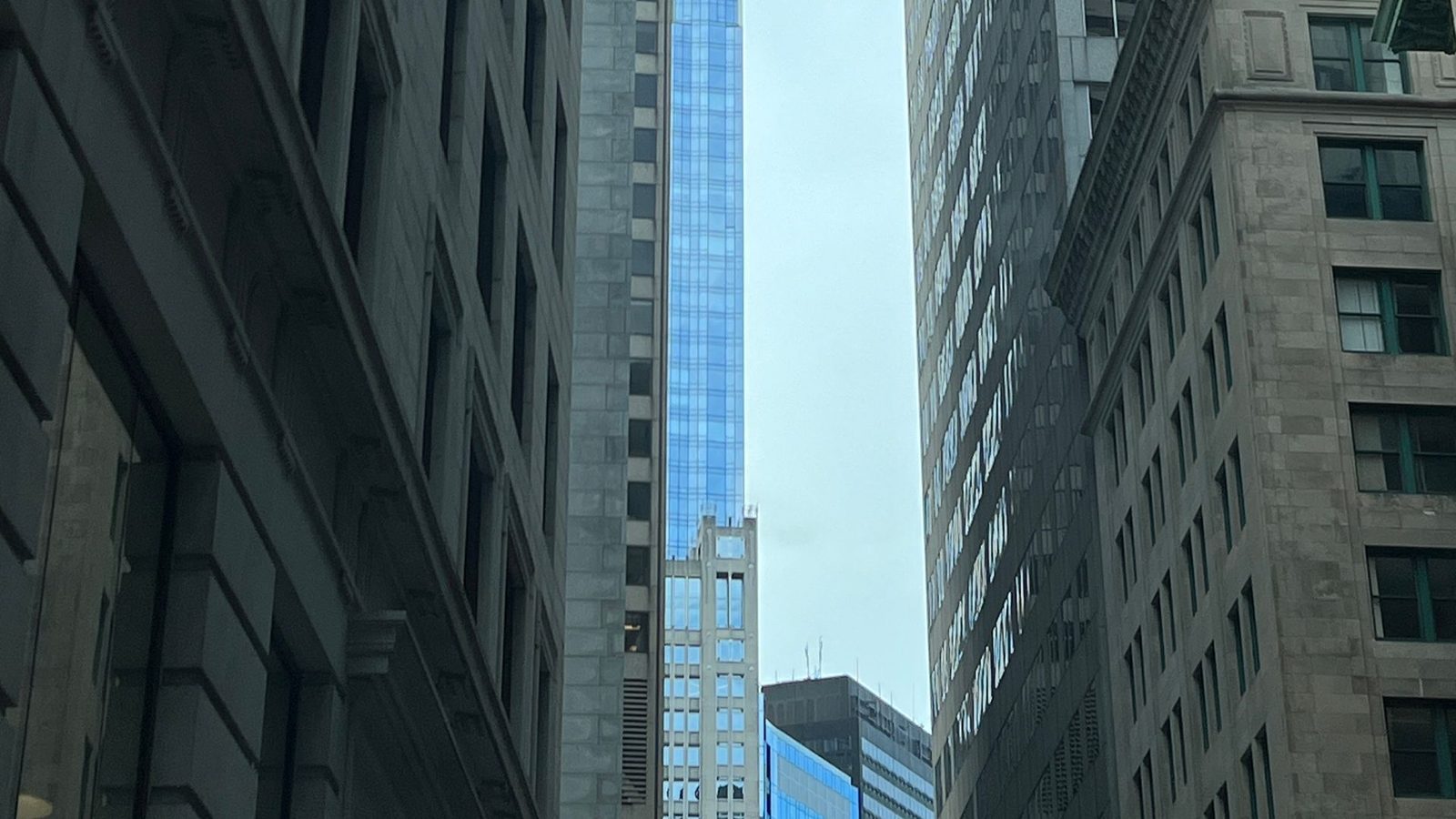
The condos Filipinos actually search for, and how to size one up before you buy
Spend a few weeks watching what people type into Google about Philippine property and a pattern jumps out fast. A lot of them aren't searching "condo for sale in Pasig." They're searching a name. Harmonis Residences. One Oasis. Mandani Bay. They already have a building in mind, and what they really want is the inside story: is it any good, who built it, what do units actually go for, and would I be able to sell or rent it later.
That's a smarter way to shop than most people give it credit for. A specific tower is a known quantity. Same developer, same dues, same amenities, same management, so once you understand one building, comparing the units inside it comes down to floor, view, and price. The hard part is getting honest information about the building itself, because the developer's own brochure will never tell you the unflattering bits.
So here's how I'd vet any named development before putting down a single peso.
Start with the developer's track record
Names matter here, and not for snob reasons. A developer with twenty finished projects has a turnover history you can check. Did past buildings get delivered on time? Are the older towers still well-kept ten years on, or did the lobby go shabby the moment the warranty lapsed? Ask around in Filipino property groups, people are blunt about developers who overpromised. A pre-selling unit from a shaky developer is a bet on a building that doesn't exist yet. A ready-for-occupancy (RFO) unit from a solid one is a thing you can stand inside and inspect.
RFO or pre-selling, know which game you're playing
Pre-selling is cheaper and the payment terms are gentler, but you're buying a render. Handover slips. Finishes change. RFO costs more up front and the choice units may be gone, but you see the actual unit, the actual hallway, the actual water pressure. If it's your first place and you're nervous, RFO removes most of the unknowns.
The number nobody asks about: association dues
This is the cost that quietly eats your budget for the entire time you own the unit. Dues are charged per square meter every month, and they vary a lot between buildings, a resort-style tower with three pools and a gym costs far more to run than a plain mid-rise. Get the exact figure before you fall in love with the amenities, because you'll be paying it whether you use the pool or not. Ask about special assessments too: when a building needs a new elevator or a repainting, the cost gets split among the owners.
Will you be able to get out?
Buying is easy. Selling is the test. Some towers have a deep resale and rental market, units move, tenants are easy to find. Others sit. A building near a business district, a university, or a transport line tends to stay liquid because there's always someone who needs to live there. If your only exit plan is "I'll sell it someday," make sure someday has buyers in it.
Use the building pages as a shortcut
This is honestly why we built out detailed pages for hundreds of named developments across the country, so you can look one up the way you'd look up a restaurant before booking. Browse the full directory of buildings, or drop into a city and see what's there: the condo developments in Cebu City, the towers around Makati, or the fast-growing Mandaue and Cagayan de Oro markets. A few examples people search by name: The Padgett Place in Cebu, Brixton Place in Kapitolyo, or One Oasis Cagayan de Oro. If Pasig is on your shortlist, the condo towers in Pasig cover everything from Ortigas Center and Capitol Commons to the Bridgetowne and Arcovia estates, and our where-to-buy guide for Pasig walks through which districts hold their value.
Once you've shortlisted a building, line up the actual units for sale or for rent inside it, and check the going rate per square meter on our price-per-sqm tool so you know whether the asking price is fair or hopeful.
Buy the building first, the unit second. Get that order right and the rest is just picking a floor.
Frequently asked questions
Is it smart to search for a condo by building name?
Yes. A specific tower is a known quantity, same developer, dues, amenities and management, so once you understand the building, comparing units inside it comes down to floor, view and price. The hard part is getting honest information on the building itself, which is exactly what a building directory and resale checks are for.
What's the difference between pre-selling and RFO?
Pre-selling is cheaper with gentler payment terms, but you're buying a render and the handover can slip. Ready-for-occupancy (RFO) costs more and the best units may be gone, but you can stand inside the actual unit and inspect it. First-time, nervous buyers usually do better with RFO.
Why do association dues matter so much?
Dues are charged per square meter every month for as long as you own the unit, and they vary widely, an amenity-heavy resort tower costs far more to run than a plain mid-rise. Always get the exact rate, and ask about special assessments for big building repairs, before you commit.
How do I know if a condo will be easy to resell?
Look at the resale and rental depth of the specific building. Towers near business districts, universities or transport lines stay liquid because someone always needs to live there. If your only exit plan is 'I'll sell it someday,' make sure that someday has buyers in it.
Ang mga condo na talagang sine-search ng mga Pilipino, at paano suriin ang isa bago ka bumili
Ilang linggo ka lang magmasid sa kung ano ang tina-type ng mga tao sa Google tungkol sa Philippine property, at agad kang makakakita ng pattern. Marami sa kanila, hindi "condo for sale in Pasig" ang sine-search. Pangalan ang sine-search nila. Harmonis Residences. One Oasis. Mandani Bay. May building na sila sa isip, at ang gusto talaga nilang malaman ay ang totoong kwento: maganda ba talaga, sino ang nagtayo, magkano ba talaga ang bentahan ng mga unit, at maibebenta o maipapa-rent ko kaya ito later.
Mas matalinong paraan ito ng pamimili kaysa sa inaakala ng karamihan. Ang isang specific na tower ay known quantity. Parehong developer, parehong dues, parehong amenities, parehong management, kaya kapag naintindihan mo na ang isang building, ang paghahambing ng mga unit sa loob nito ay usapin na lang ng floor, view, at presyo. Ang mahirap na parte ay ang pagkuha ng honest na impormasyon tungkol sa building mismo, dahil hinding-hindi sasabihin ng brochure ng developer ang mga hindi magagandang detalye.
Kaya heto kung paano ko susuriin ang kahit anong named development bago maglabas ng kahit isang piso.
Simulan sa track record ng developer
Mahalaga ang pangalan dito, at hindi dahil sa pagiging sosyal. Ang developer na may dalawampung tapos na proyekto ay may turnover history na pwede mong i-check. Na-deliver ba on time ang mga nakaraang building? Maayos pa ba ang mga mas lumang tower pagkalipas ng sampung taon, o naging losyang na ang lobby nang mag-expire ang warranty? Magtanong-tanong sa mga Filipino property group, prangka ang mga tao pagdating sa mga developer na nag-overpromise. Ang pre-selling unit mula sa alanganing developer ay taya sa building na hindi pa nage-exist. Ang ready-for-occupancy (RFO) unit mula sa solid na developer ay bagay na pwede mong puntahan at inspeksyunin mismo.
RFO o pre-selling, alamin kung aling laro ang nilalaro mo
Mas mura ang pre-selling at mas magaan ang payment terms, pero render ang binibili mo. Nadedelay ang handover. Nagbabago ang finishes. Mas mahal ang RFO up front at baka ubos na ang pinakamagagandang unit, pero nakikita mo ang actual na unit, ang actual na hallway, ang actual na water pressure. Kung first home mo ito at kinakabahan ka, tinatanggal ng RFO ang karamihan ng unknowns.
Ang numerong walang nagtatanong: association dues
Ito ang gastos na tahimik na kumakain ng budget mo sa buong panahong hawak mo ang unit. Sinisingil ang dues per square meter bawat buwan, at malaki ang pagkakaiba nito sa bawat building; mas malaki ang gastos sa pagpapatakbo ng resort-style tower na may tatlong pool at gym kaysa sa simpleng mid-rise. Kunin ang eksaktong figure bago ka ma-in love sa amenities, dahil babayaran mo ito gamitin mo man ang pool o hindi. Itanong din ang tungkol sa special assessments: kapag kailangan ng building ng bagong elevator o repaint, hinahati ang gastos sa mga may-ari.
Makakalabas ka kaya?
Madali ang bumili. Ang pagbebenta ang tunay na pagsubok. May mga tower na malalim ang resale at rental market, gumagalaw ang mga unit, madaling makahanap ng tenant. May mga iba namang tumatambay lang. Ang building na malapit sa business district, unibersidad, o transport line ay kadalasang nananatiling liquid dahil laging may taong kailangang tumira doon. Kung ang tanging exit plan mo ay "ibebenta ko rin ito someday," siguraduhing may mga buyer sa someday na iyon.
Gamitin ang mga building page bilang shortcut
Ito talaga ang dahilan kung bakit gumawa kami ng detalyadong pages para sa daan-daang named development sa buong bansa, para ma-look up mo ang isa tulad ng pag-look up mo sa restaurant bago mag-book. I-browse ang buong directory ng mga building, o pasyalan ang isang lungsod at tingnan kung ano ang nandoon: ang mga condo development sa Cebu City, ang mga tower sa paligid ng Makati, o ang mabilis lumalagong Mandaue at Cagayan de Oro markets. Ilang halimbawa ng sine-search ng mga tao by name: The Padgett Place sa Cebu, Brixton Place sa Kapitolyo, o One Oasis Cagayan de Oro. Kung nasa shortlist mo ang Pasig, sakop ng mga condo tower sa Pasig ang lahat mula Ortigas Center at Capitol Commons hanggang sa Bridgetowne at Arcovia estates, at tinatalakay ng aming where-to-buy guide para sa Pasig kung aling mga distrito ang nagpapanatili ng halaga.
Kapag na-shortlist mo na ang isang building, ihanay ang mga actual na unit for sale o for rent sa loob nito, at i-check ang going rate per square meter sa aming price-per-sqm tool para alam mo kung fair ang asking price o umaasa lang.
Bilhin muna ang building, saka ang unit. Kapag tama ang order na iyan, ang natitira na lang ay ang pagpili ng floor.
Mga madalas itanong
Matalino bang maghanap ng condo gamit ang building name?
Oo. Ang specific tower ay known quantity, parehong developer, dues, amenities at management, kaya kapag naintindihan mo na ang building, ang pagkukumpara ng mga unit sa loob nito ay usapin na lang ng floor, view at presyo. Ang mahirap ay makakuha ng honest information tungkol sa building mismo, na siyang silbi ng building directory at ng resale checks.
Ano ang pagkakaiba ng pre-selling at RFO?
Mas mura ang pre-selling at mas magaan ang payment terms, pero render pa lang ang binibili mo at pwedeng ma-delay ang handover. Mas mahal ang ready-for-occupancy (RFO) at baka ubos na ang best units, pero makakatayo ka mismo sa loob ng actual unit at mai-inspect ito. Para sa first-time at kabadong buyers, kadalasang mas okay ang RFO.
Bakit ganito kahalaga ang association dues?
Ang dues ay siningil per square meter kada buwan habang sa iyo ang unit, at malaki ang pagkakaiba-iba nito, mas mahal patakbuhin ang amenity-heavy na resort tower kaysa sa simpleng mid-rise. Kunin lagi ang exact rate, at itanong ang tungkol sa special assessments para sa malalaking building repair, bago ka mag-commit.
Paano ko malalaman kung madaling i-resell ang isang condo?
Tingnan ang resale at rental depth ng specific building. Ang mga tower malapit sa business districts, universities o transport lines ay nananatiling liquid dahil laging may kailangang tumira doon. Kung ang tanging exit plan mo ay 'ibebenta ko rin ito someday,' siguraduhing may buyers sa someday na iyon.
Ang mga condo nga gipangita gyud sa mga Pilipino, ug unsaon pag-susi sa usa una ka mopalit
Pila ka semana ka lang magtan-aw kung unsa ang gi-type sa mga tawo sa Google bahin sa Philippine property, makita dayon nimo ang pattern. Daghan kanila, dili "condo for sale in Pasig" ang gi-search. Ngalan ang ilang gi-search. Harmonis Residences. One Oasis. Mandani Bay. Naa na silay building sa hunahuna, ug ang gusto gyud nilang mahibaloan mao ang tinuod nga istorya: nindot ba gyud, kinsa ang nagtukod, pila gyud ang bili sa mga unit, ug mahalin ba nako ni o mapa-rent unya.
Mas maayo ni nga paagi sa pagpamalit kaysa gihunahuna sa kadaghanan. Ang usa ka specific nga tower kay known quantity. Parehas nga developer, parehas nga dues, parehas nga amenities, parehas nga management, mao nga kung nasabtan na nimo ang usa ka building, ang pagkumpara sa mga unit sulod niini kay floor, view, ug presyo na lang. Ang lisod nga bahin mao ang pagkuha og tinuod nga impormasyon bahin sa building mismo, kay dili gyud isulti sa brochure sa developer ang mga dili nindot nga detalye.
Mao ni ang akong buhaton para susihon ang bisan unsang named development una mogasto og bisan usa ka piso.
Sugdi sa track record sa developer
Importante ang ngalan dinhi, ug dili tungod sa pagka-sosyal. Ang developer nga naay kawhaan ka nahuman nga proyekto naay turnover history nga ma-check nimo. Na-deliver ba on time ang mga nauna nga building? Maayo pa ba ang mga mas karaan nga tower human sa napulo ka tuig, o nadaot dayon ang lobby pag-expire sa warranty? Pangutana sa mga Filipino property group, prangka ang mga tawo bahin sa mga developer nga nag-overpromise. Ang pre-selling unit gikan sa dili kasaligan nga developer kay pusta sa building nga wala pa nag-exist. Ang ready-for-occupancy (RFO) unit gikan sa solid nga developer kay butang nga ma-adtoan ug ma-inspeksyon nimo mismo.
RFO o pre-selling, hibaloi kung unsang duwa ang imong gidula
Mas barato ang pre-selling ug mas gaan ang payment terms, pero render ang imong gipalit. Ma-delay ang handover. Mag-usab ang finishes. Mas mahal ang RFO daan ug basin nahurot na ang mga pinakanindot nga unit, pero makita nimo ang actual nga unit, ang actual nga hallway, ang actual nga water pressure. Kung una nimo ni nga balay ug nakulbaan ka, tangtangon sa RFO ang kadaghanan sa mga unknown.
Ang numero nga walay nangutana: association dues
Mao ni ang gasto nga hilom nga mokaon sa imong budget sa tibuok panahon nga imoha ang unit. Singlon ang dues per square meter matag bulan, ug dako ang kalainan niini sa matag building; mas dako ang gasto sa pagpadagan sa resort-style tower nga naay tulo ka pool ug gym kaysa sa yano nga mid-rise. Kuhaa ang eksaktong figure una ka ma-in love sa amenities, kay bayran nimo ni gamiton man nimo ang pool o dili. Pangutana pud bahin sa special assessments: kung kinahanglan sa building og bag-ong elevator o repaint, bahinon ang gasto sa mga tag-iya.
Makagawas ba ka unya?
Sayon ang pagpalit. Ang pagbaligya mao ang tinuod nga pagsulay. Naay mga tower nga lawom ang resale ug rental market, molihok ang mga unit, sayon makakita og tenant. Ang uban magpabilin lang. Ang building nga duol sa business district, unibersidad, o transport line kasagaran magpabiling liquid kay kanunay naay tawo nga kinahanglan mopuyo didto. Kung ang imong bugtong exit plan kay "ibaligya ra nako ni puhon," siguroha nga naay mga buyer anang puhon nga imong giingon.
Gamita ang mga building page isip shortcut
Mao gyud ni ang rason ngano naghimo mi og detalyado nga pages para sa gatusan ka named development sa tibuok nasod, para ma-look up nimo ang usa sama sa pag-look up nimo og restaurant una mag-book. I-browse ang tibuok directory sa mga building, o adto sa usa ka siyudad ug tan-awa kung unsa ang naa didto: ang mga condo development sa Cebu City, ang mga tower palibot sa Makati, o ang paspas nga nagtubo nga Mandaue ug Cagayan de Oro nga mga merkado. Pipila ka ehemplo nga gipangita sa mga tawo by name: The Padgett Place sa Cebu, Brixton Place sa Kapitolyo, o One Oasis Cagayan de Oro. Kung naa sa imong shortlist ang Pasig, sakop sa mga condo tower sa Pasig ang tanan gikan sa Ortigas Center ug Capitol Commons hangtod sa Bridgetowne ug Arcovia estates, ug gihisgutan sa among where-to-buy guide para sa Pasig kung asang mga distrito ang naghupot sa ilang bili.
Kung na-shortlist na nimo ang usa ka building, tan-awa ang mga actual nga unit for sale o for rent sulod niini, ug i-check ang going rate per square meter sa among price-per-sqm tool para mahibaloan nimo kung fair ang asking price o nagdamgo lang.
Palita una ang building, dayon ang unit. Kung husto ang order niana, ang mahabilin na lang mao ang pagpili og floor.
Mga kasagarang pangutana
Maayo ba nga mangita og condo gamit ang building name?
Oo. Ang specific nga tower kay known quantity, parehas nga developer, dues, amenities ug management, mao nga kung nasabtan na nimo ang building, ang pagtandi sa mga unit sulod niini kay floor, view ug presyo na lang. Ang lisod kay ang pagkuha og honest nga impormasyon bahin sa building mismo, nga mao gyuy gamit sa building directory ug sa resale checks.
Unsa ang kalainan sa pre-selling ug RFO?
Mas barato ang pre-selling ug mas gaan ang payment terms, pero render pa lang ang imong gipalit ug mahimong ma-delay ang handover. Mas mahal ang ready-for-occupancy (RFO) ug basin nahurot na ang best units, pero makatindog ka mismo sulod sa actual nga unit ug ma-inspect kini. Para sa first-time ug kulbaan nga buyers, kasagaran mas maayo ang RFO.
Ngano importante kaayo ang association dues?
Ang dues singlon per square meter kada bulan samtang imo ang unit, ug magkalahi kaayo kini, mas mahal padaganon ang amenity-heavy nga resort tower kaysa sa yano nga mid-rise. Kuhaa kanunay ang exact rate, ug pangutana bahin sa special assessments para sa dagkong building repair, una ka mo-commit.
Unsaon nako pagkahibalo kung sayon ba i-resell ang usa ka condo?
Tan-awa ang resale ug rental depth sa specific nga building. Ang mga tower duol sa business districts, unibersidad o transport lines magpabilin nga liquid kay pirmi ray magkinahanglan nga mopuyo didto. Kung ang imo ra nga exit plan kay 'ibaligya ra nako ni someday,' siguroha nga naay buyers anang someday.
Browse properties on BalayHub
See all listings →
Read next
Foreigner Married to a Filipino: Property Rights Explained
A foreigner married to a Filipino gets a 13(a) visa, not land: what two Supreme Court cases say about money, houses, inheritance and the 25 year lease.
High-Rise vs Mid-Rise Condo in the Philippines: Which to Buy
High rise vs mid rise condo in the Philippines: the 15 meter Fire Code line, why dues climb with height, quake and flood behavior, and who each suits.
Rent Increase Philippines 2026: the 1% Cap and Your Rights
Rent increase Philippines 2026: the 1% cap on units at ₱10,000 or less, what the contract governs above that, deposit limits, ejectment and penalties.