
Sep 18, 2026 · by BalayHub Admin · 7 min read
Deed of Donation vs Sale vs Inheritance: Passing On Property
Deed of donation vs sale vs inheritance: donor's tax 6% above ₱250,000, capital gains 6%, estate tax with a ₱5M deduction, on the same ₱3M lot.
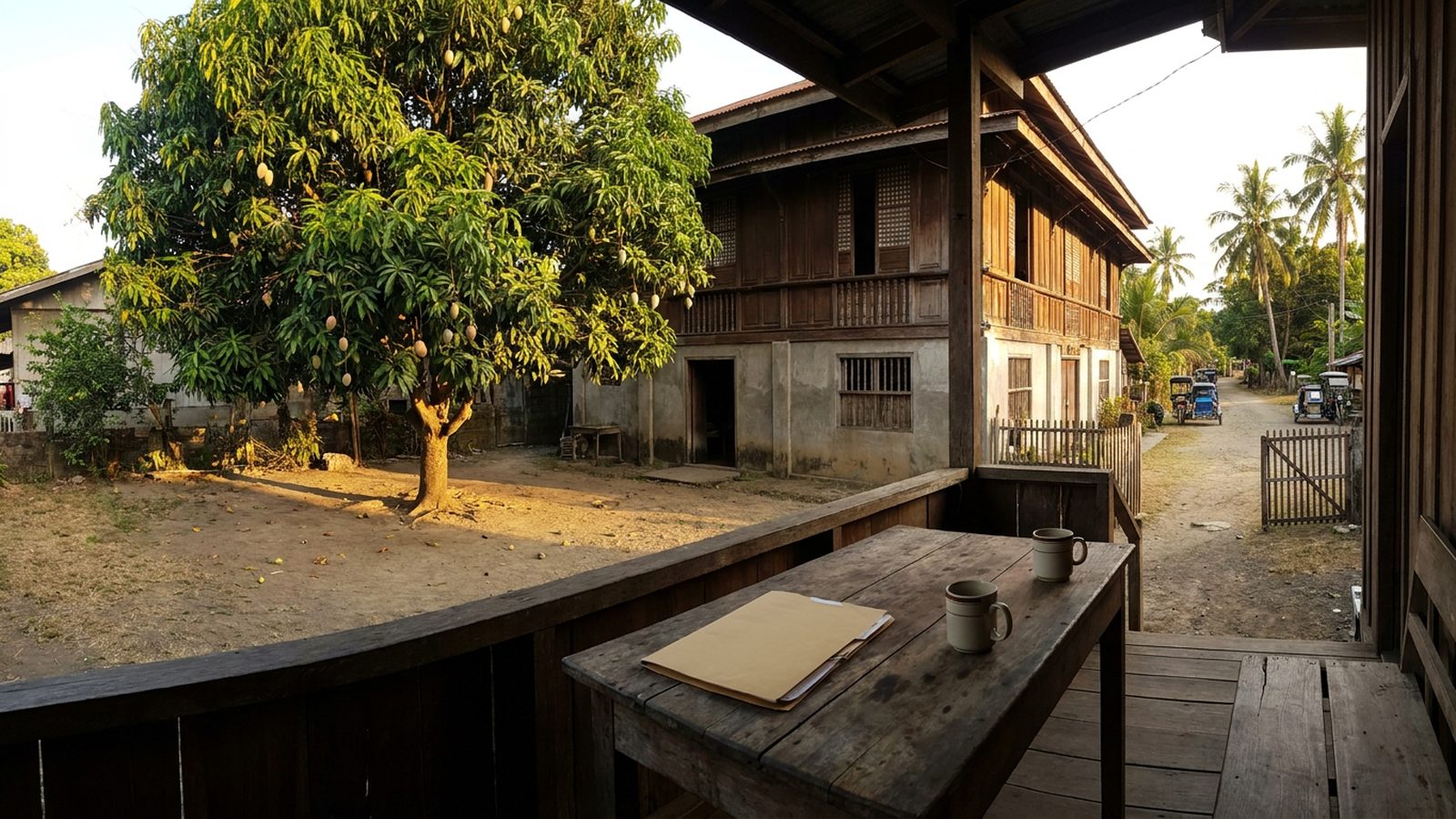
Parents who own a house or a lot in the Philippines eventually face the same decision, and OFW families face it from a distance: hand the property to the children now, sell it to them, or let it pass through the estate. The choice between a deed of donation vs sale vs inheritance is mostly a tax question with a family question hiding inside it. All three routes are taxed at a headline 6%, but on different bases, with different exemptions and at different moments, and the cheapest one on paper is not always the one that keeps the peace. This guide sets out what each route costs on the same property, what the law requires for each, and the traps that undo them.
Donation: a gift with formal requirements
A donation of real property is valid only if it is made in a public instrument, meaning a notarized deed that describes the property and any conditions attached, and only if the recipient accepts it, in the same deed or in a separate notarized document of which the donor is notified while still alive. This is Article 749 of the Civil Code, and courts apply it strictly: a handwritten note or a verbal promise to give the house to a child transfers nothing.
The tax is the donor's tax. Under the TRAIN law, Republic Act 10963, it is a flat 6% of the total gifts made in a calendar year in excess of ₱250,000 (about $3,980 / €3,470), with no discount for giving to your own children. The base is the fair market value of the property, taken as the higher of the BIR zonal value and the assessor's value, not whatever number the family writes in the deed. The return is due within 30 days of the donation. Donations are not subject to capital gains tax, since nothing is sold, but documentary stamp tax of 1.5% applies, along with the local transfer tax of about 0.5% to 0.75% and the registration fees, and the Registry of Deeds will not issue the new title without the BIR's Certificate Authorizing Registration.
A donor can keep living in the house. The deed can reserve the usufruct, the right to use and enjoy the property for life, while the children receive the bare ownership now. That single clause is what makes donation workable for most parents.
Sale: the same 6%, on a different logic
A sale to a child is a sale like any other. The seller pays capital gains tax of 6% on the selling price or the fair market value, whichever is higher, and the transaction carries documentary stamp tax of 1.5%, the local transfer tax and registration, exactly as laid out in our guide to closing costs and who pays them. There is no ₱250,000 (about $3,980 / €3,470) exemption.
Families sometimes choose a sale at a token price to avoid the word donation. It does not work. The tax is computed on fair market value regardless of the price in the deed, and the tax code treats a transfer for less than adequate consideration as a gift for the difference, so an underpriced sale can attract both taxes' attention and saves neither. A genuine sale, where the child actually pays, makes sense when the parents need the money or when one child is buying out the others' future shares. As a tax device it has nothing to offer.
Inheritance: often the cheapest, always the slowest
If the parents do nothing, the property passes on death and the estate pays estate tax of 6% of the net estate. The word net matters. The law allows a standard deduction of ₱5 million (about $79,600 / €69,500), and a further deduction for the family home up to ₱10 million (about $159,000 / €139,000) of its fair market value. For a family whose main asset is a house worth a few million pesos, the taxable net estate can be zero.
What inheritance costs is time and coordination. The heirs have to settle the estate, usually through an extrajudicial settlement that every heir signs, publish it, file the estate tax return, obtain the BIR's clearance and only then transfer the title, a process our guide to inheriting property and settling an estate walks through. One heir abroad who cannot be reached, one sibling who refuses to sign, and the title stays in a dead person's name for a decade. Much of the untransferable property on the market, the kind we describe in selling inherited property, is the result.
The three routes on the same ₱3 million lot
Take a titled lot with a fair market value of ₱3 million (about $47,800 / €41,700), owned by parents who want it to end up with their children.
Donated now, the donor's tax is 6% of ₱2.75 million (about $43,800 / €38,200), the value above the ₱250,000 (about $3,980 / €3,470) exemption, or ₱165,000 (about $2,630 / €2,290). Documentary stamp tax adds ₱45,000 (about $717 / €625) and the local transfer tax ₱15,000 to ₱22,500 (about $239 to $358 / €208 to €313). Total: about ₱225,000 to ₱232,500 (about $3,580 to $3,700 / €3,130 to €3,230), plus notarial and registration fees. If the lot is conjugal property, each spouse is a donor of his or her half and each has a ₱250,000 (about $3,980 / €3,470) exemption, which brings the donor's tax down to ₱150,000 (about $2,390 / €2,080).
Sold to the children at ₱3 million (about $47,800 / €41,700), the capital gains tax is ₱180,000 (about $2,870 / €2,500), the stamp tax ₱45,000 (about $717 / €625) and the transfer tax the same ₱15,000 to ₱22,500 (about $239 to $358 / €208 to €313). Total: about ₱240,000 to ₱247,500 (about $3,820 to $3,940 / €3,330 to €3,440), and the children also need ₱3 million (about $47,800 / €41,700), or the sale is not real.
Inherited, with the lot as the main asset of an estate below the ₱5 million (about $79,600 / €69,500) standard deduction, the estate tax is zero, and the heirs pay the settlement costs, publication, the transfer tax and registration. The saving over donation is real, roughly ₱150,000 to ₱165,000 (about $2,390 to $2,630 / €2,080 to €2,290) on this example, and it is the price of the certainty that donation buys.
The limits the law puts on giving
A parent cannot give everything to one child. Compulsory heirs, the children and the surviving spouse first among them, are entitled to a reserved share of the estate called the legitime, and a donation that eats into it is inofficious: after the donor's death the other heirs can ask the court to reduce it. Donations to children are also brought back into the computation of the estate when it is divided, which lawyers call collation, so a gift made today is usually an advance on the inheritance, not an addition to it.
Donations can also be revoked, by court action, on a few grounds the Civil Code lists: the recipient's ingratitude, failure to comply with conditions in the deed, and the later birth of a child to a donor who had none. And a donation to a minor is accepted through the parents or a guardian. None of this argues against donating. It argues for a deed drafted by a lawyer who knows the whole family picture, including the siblings who are not in the room.
Which route for which family
Donate when certainty matters more than tax: a blended family, heirs who do not get along, a child who has built a house on the lot, or parents abroad who want the papers finished while they can still sign. Reserve the usufruct, and check the title first; our guide on how to check a TCT online shows how to get the Registry's copy. Let it pass by inheritance when the estate is small enough to fall under the deductions and the heirs are few, cooperative and reachable. Sell only when money really changes hands. For OFW parents, any of the three can be executed through a Special Power of Attorney, though a deed of donation signed abroad needs consular acknowledgment or an apostille.
Whatever the route, the title has to move afterwards, and the steps at the BIR, the treasurer's office and the Registry of Deeds are the ones in our guide on how to transfer a land title. To put a current number on the property before you compute any of these taxes, the property valuation tool gives a market estimate, and the zonal value comes from the BIR.
This article is general information, not legal or tax advice. Tax rates and deductions are those of the National Internal Revenue Code as amended by RA 10963; consult a lawyer and the BIR before executing any deed.
Dollar and euro figures are approximate conversions at ₱62.8 per US dollar and ₱72.0 per euro (ECB reference rates, 2026-09-18).
Frequently asked questions
How much is the tax on donating property to my children in the Philippines?
Donor's tax is a flat 6% of the total gifts in a calendar year above ₱250,000 (about $3,980 / €3,470), computed on the property's fair market value, the higher of the BIR zonal value and the assessor's value. Add documentary stamp tax of 1.5%, a local transfer tax of about 0.5% to 0.75% and registration fees. On a ₱3 million (about $47,800 / €41,700) lot that is about ₱225,000 to ₱232,500 (about $3,580 to $3,700 / €3,130 to €3,230) in all. The return is due within 30 days.
Is it cheaper to donate, sell or leave property as inheritance?
On tax alone, inheritance is often cheapest, because the estate gets a ₱5 million (about $79,600 / €69,500) standard deduction and up to ₱10 million (about $159,000 / €139,000) for the family home before the 6% estate tax applies. Donation costs 6% above ₱250,000 (about $3,980 / €3,470) and a sale 6% capital gains tax with no exemption. Inheritance is also the slowest and needs every heir's signature, so many families pay the donor's tax to settle matters while the parents are alive.
Can I sell my house to my child for ₱1 to avoid donor's tax?
No. Capital gains tax and stamp tax are computed on the fair market value whatever price the deed states, and the tax code treats a transfer for less than adequate consideration as a gift for the difference. An underpriced sale therefore saves nothing and invites questions from the BIR. Sell only when the child really pays; otherwise use a deed of donation.
Can parents keep living in a house they have donated?
Yes. The deed of donation can reserve the usufruct, the right to use and enjoy the property for life, while the children receive the bare ownership immediately. The reservation is written into the deed and annotated on the new title. It is the clause that makes donation practical for most parents, and a lawyer should draft it.
Can I donate all my property to just one child?
Not safely. The other children and the surviving spouse are compulsory heirs with a reserved share called the legitime, and a donation that cuts into it is inofficious: after your death they can ask a court to reduce it. Donations to children are also counted back into the estate when it is divided, so a gift is usually an advance on that child's inheritance.
Ang mga magulang na may bahay o lote sa Pilipinas ay humaharap sa parehong desisyon sa kalaunan, at ang mga OFW family ay humaharap dito mula sa malayo: ilipat ang property sa mga anak ngayon, ibenta ito sa kanila, o hayaang dumaan sa estate. Ang pagpili sa deed of donation vs sale vs inheritance ay pangunahing tax question na may family question na nakatago sa loob. Ang tatlong ruta ay pawang pinapatawan ng headline rate na 6%, ngunit sa magkaibang base, may magkaibang exemption at sa magkaibang panahon, at ang pinakamurang ruta sa papel ay hindi palaging ang rutang nagpapanatili ng kapayapaan sa pamilya. Inilalatag ng gabay na ito ang gastos ng bawat ruta sa parehong property, ang hinihingi ng batas para sa bawat isa, at ang mga bitag na nagpapawalang-bisa sa mga ito.
Donation: regalo na may pormal na requirements
Ang donation ng real property ay valid lamang kung ginawa sa public instrument, ibig sabihin ay isang notarized deed na naglalarawan ng property at ng anumang kondisyong nakakabit, at kung tinanggap ito ng recipient, sa parehong deed o sa hiwalay na notarized na dokumento na ipinaalam sa donor habang nabubuhay ito. Ito ang Article 749 ng Civil Code, at mahigpit ang mga korte sa paglalapat nito: ang handwritten note o pangakong binitawan nang pasalita na ibibigay ang bahay sa anak ay walang naililipat.
Ang buwis ay ang donor's tax. Sa ilalim ng TRAIN law, Republic Act 10963, ito ay flat na 6% ng kabuuang gifts sa isang calendar year na lampas sa ₱250,000 (mga $3,980 / €3,470), walang discount kahit sa sariling anak ibinigay. Ang base ay ang fair market value ng property, na siyang higher sa pagitan ng BIR zonal value at assessor's value, hindi ang anumang numerong inilagay ng pamilya sa deed. Ang return ay due sa loob ng 30 days mula sa donation. Hindi sakop ng capital gains tax ang donation, dahil walang ibinebenta, ngunit may documentary stamp tax na 1.5%, kasama ang local transfer tax na mga 0.5% hanggang 0.75% at ang registration fees, at hindi maglalabas ng bagong title ang Registry of Deeds kung walang Certificate Authorizing Registration mula sa BIR.
Puwedeng manatiling nakatira sa bahay ang donor. Maaaring i-reserve sa deed ang usufruct, ang karapatang gamitin at pakinabangan ang property habang nabubuhay, samantalang tinatanggap ng mga anak ang bare ownership ngayon. Dahil sa isang clause na iyon, praktikal ang donation para sa karamihan ng mga magulang.
Sale: parehong 6%, sa ibang lohika
Ang sale sa anak ay sale gaya ng anumang iba. Ang seller ay nagbabayad ng capital gains tax na 6% ng selling price o ng fair market value, alinman ang higher, at ang transaksyon ay may documentary stamp tax na 1.5%, local transfer tax at registration, eksaktong gaya ng inilatag sa aming gabay sa closing costs at kung sino ang nagbabayad. Walang ₱250,000 (mga $3,980 / €3,470) na exemption.
May mga pamilyang pumipili ng sale sa token price para iwasan ang salitang donation. Hindi ito umuubra. Ang buwis ay kinukuwenta sa fair market value anuman ang presyo sa deed, at itinuturing ng tax code ang transfer na may less than adequate consideration bilang gift para sa difference, kaya ang underpriced sale ay maaaring makaakit ng atensyon ng dalawang buwis at walang isa mang naiiwasan. Ang genuine sale, kung saan totohanang nagbabayad ang anak, ay makatwiran kapag kailangan ng mga magulang ang pera o kapag binibili ng isang anak ang mga future share ng mga kapatid. Bilang tax device, wala itong iniaalok.
Inheritance: kadalasang pinakamura, palaging pinakamabagal
Kung walang gagawin ang mga magulang, maililipat ang property sa pagkamatay at magbabayad ang estate ng estate tax na 6% ng net estate. Mahalaga ang salitang net. Pinapayagan ng batas ang standard deduction na ₱5 million (mga $79,600 / €69,500), at karagdagang deduction para sa family home hanggang ₱10 million (mga $159,000 / €139,000) ng fair market value nito. Para sa pamilyang ang pangunahing asset ay bahay na may halagang ilang milyong peso, maaaring zero ang taxable net estate.
Ang kabayaran ng inheritance ay panahon at koordinasyon. Kailangang i-settle ng mga heir ang estate, kadalasan sa pamamagitan ng extrajudicial settlement na pinipirmahan ng bawat heir, i-publish ito, i-file ang estate tax return, kunin ang clearance ng BIR at saka lamang i-transfer ang title, isang prosesong tinatalakay sa aming gabay sa pagmamana ng property at pag-settle ng estate. Isang heir sa abroad na hindi makontak, isang kapatid na ayaw pumirma, at nananatili ang title sa pangalan ng namatay nang isang dekada. Marami sa mga property sa market na hindi mai-transfer, ang uring inilalarawan namin sa pagbebenta ng inherited property, ay bunga ng ganito.
Ang tatlong ruta sa parehong lote na ₱3 million
Ipagpalagay ang isang titled na lote na may fair market value na ₱3 million (mga $47,800 / €41,700), pag-aari ng mga magulang na gustong mapunta ito sa kanilang mga anak.
Kung i-donate ngayon, ang donor's tax ay 6% ng ₱2.75 million (mga $43,800 / €38,200), ang halagang lampas sa ₱250,000 (mga $3,980 / €3,470) na exemption, o ₱165,000 (mga $2,630 / €2,290). Nagdadagdag ang documentary stamp tax ng ₱45,000 (mga $717 / €625) at ang local transfer tax ng ₱15,000 hanggang ₱22,500 (mga $239 hanggang $358 / €208 hanggang €313). Kabuuan: mga ₱225,000 hanggang ₱232,500 (mga $3,580 hanggang $3,700 / €3,130 hanggang €3,230), dagdag ang notarial at registration fees. Kung conjugal property ang lote, bawat asawa ay donor ng kanyang kalahati at bawat isa ay may ₱250,000 (mga $3,980 / €3,470) na exemption, na nagpapababa ng donor's tax sa ₱150,000 (mga $2,390 / €2,080).
Kung ibenta sa mga anak sa ₱3 million (mga $47,800 / €41,700), ang capital gains tax ay ₱180,000 (mga $2,870 / €2,500), ang stamp tax ₱45,000 (mga $717 / €625) at ang transfer tax ang parehong ₱15,000 hanggang ₱22,500 (mga $239 hanggang $358 / €208 hanggang €313). Kabuuan: mga ₱240,000 hanggang ₱247,500 (mga $3,820 hanggang $3,940 / €3,330 hanggang €3,440), at kailangan din ng mga anak ang ₱3 million (mga $47,800 / €41,700), kung hindi ay hindi totohanan ang sale.
Kung ipamana, at ang lote ang pangunahing asset ng estate na nasa ilalim ng ₱5 million (mga $79,600 / €69,500) standard deduction, zero ang estate tax, at ang mga heir ay nagbabayad ng settlement costs, publication, transfer tax at registration. Totohanan ang saving kumpara sa donation, mga ₱150,000 hanggang ₱165,000 (mga $2,390 hanggang $2,630 / €2,080 hanggang €2,290) sa halimbawang ito, at iyon ang presyo ng katiyakang binibili ng donation.
Ang mga limitasyong itinakda ng batas sa pagbibigay
Hindi maaaring ibigay ng magulang ang lahat sa isang anak. Ang mga compulsory heir, una sa mga ito ang mga anak at ang surviving spouse, ay may karapatan sa reserved share ng estate na tinatawag na legitime, at ang donation na bumabawas dito ay inofficious: matapos ang pagkamatay ng donor, maaaring humiling sa korte ang ibang heir na bawasan ito. Ang mga donation sa mga anak ay ibinabalik din sa computation ng estate kapag hinahati ito, na tinatawag ng mga abogado na collation, kaya ang gift na ibinigay ngayon ay kadalasang advance sa inheritance, hindi dagdag dito.
Maaari ding bawiin ang donation, sa pamamagitan ng court action, sa ilang ground na nakalista sa Civil Code: ingratitude ng recipient, hindi pagtupad sa mga kondisyon sa deed, at ang pagkakaroon ng anak ng donor na dati ay walang anak. At ang donation sa minor ay tinatanggap sa pamamagitan ng mga magulang o guardian. Wala sa mga ito ang argumento laban sa donation. Argumento ang mga ito para sa deed na binalangkas ng abogadong nakakaalam ng buong larawan ng pamilya, kasama ang mga kapatid na wala sa kuwarto.
Aling ruta para sa aling pamilya
Mag-donate kapag higit na mahalaga ang katiyakan kaysa buwis: blended family, mga heir na hindi magkasundo, anak na nagpatayo ng bahay sa lote, o mga magulang sa abroad na gustong tapusin ang mga papeles habang makakapirma pa. I-reserve ang usufruct, at i-check ang title muna; ipinapakita ng aming gabay sa kung paano i-check ang TCT online ang pagkuha ng kopya ng Registry. Hayaang dumaan sa inheritance kapag ang estate ay sapat na maliit para masakop ng mga deduction at ang mga heir ay kaunti, nakikipagtulungan at madaling makontak. Magbenta lamang kapag totohanang may perang nag-aabutan. Para sa mga OFW na magulang, alinman sa tatlo ay maisasagawa sa pamamagitan ng Special Power of Attorney, bagaman ang deed of donation na pinirmahan sa abroad ay nangangailangan ng consular acknowledgment o apostille.
Anuman ang ruta, kailangang mailipat ang title pagkatapos, at ang mga hakbang sa BIR, sa treasurer's office at sa Registry of Deeds ay ang mga nasa aming gabay sa kung paano i-transfer ang land title. Para maglagay ng kasalukuyang numero sa property bago kuwentahin ang alinman sa mga buwis na ito, nagbibigay ang property valuation tool ng market estimate, at ang zonal value ay mula sa BIR.
Ang artikulong ito ay general information, hindi legal o tax advice. Ang tax rates at deductions ay ang mga nasa National Internal Revenue Code na inamyendahan ng RA 10963; kumonsulta sa abogado at sa BIR bago magsagawa ng anumang deed.
Tinatayang conversion lang ang mga halaga sa dollar at euro, sa ₱62.8 kada US dollar at ₱72.0 kada euro (ECB reference rates, 2026-09-18).
Mga madalas itanong
Magkano ang buwis sa pag-donate ng property sa aking mga anak sa Pilipinas?
Ang donor's tax ay flat na 6% ng kabuuang gifts sa isang calendar year na lampas sa ₱250,000 (mga $3,980 / €3,470), kinukuwenta sa fair market value ng property, ang higher sa pagitan ng BIR zonal value at assessor's value. Idagdag ang documentary stamp tax na 1.5%, local transfer tax na mga 0.5% hanggang 0.75% at registration fees. Sa lote na ₱3 million (mga $47,800 / €41,700), iyon ay mga ₱225,000 hanggang ₱232,500 (mga $3,580 hanggang $3,700 / €3,130 hanggang €3,230) sa kabuuan. Ang return ay due sa loob ng 30 days.
Alin ang mas mura: mag-donate, magbenta o ipamana ang property?
Sa buwis lamang, kadalasang pinakamura ang inheritance, dahil ang estate ay may ₱5 million (mga $79,600 / €69,500) na standard deduction at hanggang ₱10 million (mga $159,000 / €139,000) para sa family home bago ipataw ang 6% estate tax. Ang donation ay 6% ng halagang lampas sa ₱250,000 (mga $3,980 / €3,470), at ang sale ay 6% capital gains tax na walang exemption. Pinakamabagal din ang inheritance at kailangan ang pirma ng bawat heir, kaya maraming pamilya ang nagbabayad ng donor's tax para ayusin ang lahat habang nabubuhay ang mga magulang.
Puwede bang ibenta ang bahay sa aking anak sa ₱1 para iwasan ang donor's tax?
Hindi. Ang capital gains tax at stamp tax ay kinukuwenta sa fair market value anuman ang presyong nakasaad sa deed, at itinuturing ng tax code ang transfer na may less than adequate consideration bilang gift para sa difference. Walang naiiwasang buwis sa underpriced sale, at umaakit ito ng mga tanong mula sa BIR. Magbenta lamang kung totohanang nagbabayad ang anak; kung hindi, gumamit ng deed of donation.
Puwede bang manatiling nakatira ang mga magulang sa bahay na kanilang i-donate?
Oo. Maaaring i-reserve sa deed of donation ang usufruct, ang karapatang gamitin at pakinabangan ang property habang nabubuhay, samantalang tinatanggap ng mga anak ang bare ownership kaagad. Ang reservation ay nakasulat sa deed at naka-annotate sa bagong title. Dahil sa clause na ito, praktikal ang donation para sa karamihan ng mga magulang, at abogado ang dapat bumalangkas nito.
Puwede bang i-donate ang lahat ng aking property sa isang anak lamang?
Hindi nang ligtas. Ang ibang mga anak at ang surviving spouse ay compulsory heirs na may reserved share na tinatawag na legitime, at ang donation na bumabawas dito ay inofficious: matapos ang iyong pagkamatay, maaari silang humiling sa korte na bawasan ito. Ang mga donation sa mga anak ay ibinibilang din muli sa estate kapag hinahati ito, kaya ang gift ay kadalasang advance sa inheritance ng anak na iyon.
Ang mga ginikanan nga adunay balay o lote sa Pilipinas moabot ra gihapon sa samang desisyon, ug ang mga pamilyang OFW moatubang niini gikan sa layo: ihatag ang property sa mga anak karon, ibaligya kini kanila, o pasagdan nga moagi sa estate. Ang pagpili tali sa deed of donation vs sale vs inheritance kasagaran usa ka pangutana sa buhis nga adunay pangutana sa pamilya nga nagtago sulod niini. Ang tulo ka ruta tanan gibuhisan og 6% sa ngalan, apan sa lain-laing base, uban sa lain-laing exemption ug sa lain-laing panahon, ug ang labing barato sa papel dili kanunay mao ang makapabilin sa kalinaw sa pamilya. Kini nga giya nagpakita pila ang matag ruta sa samang property, unsay gikinahanglan sa balaod alang sa matag usa, ug ang mga lit-ag nga makaguba niini.
Donation: usa ka gasa nga adunay pormal nga mga kinahanglanon
Ang donation sa real property balido lamang kon gihimo sa usa ka public instrument, nga nagpasabot og notarized deed nga naghulagway sa property ug sa bisan unsang kondisyon nga gilakip, ug kon ang modawat mo-accept niini, sa samang deed o sa lain nga notarized nga dokumento nga gipahibalo sa donor samtang buhi pa kini. Mao kini ang Article 749 sa Civil Code, ug ang mga korte estrikto sa paggamit niini: ang sinulat sa kamot nga nota o saad sa baba nga ihatag ang balay sa anak walay ikabalhin.
Ang buhis mao ang donor's tax. Ubos sa TRAIN law, Republic Act 10963, kini flat nga 6% sa total nga mga gasa nga gihimo sulod sa usa ka calendar year nga sobra sa ₱250,000 (mga $3,980 / €3,470), walay discount bisan kon sa imong kaugalingong mga anak. Ang base mao ang fair market value sa property, nga mao ang mas taas tali sa BIR zonal value ug sa assessor's value, dili bisan unsang numero nga isulat sa pamilya sa deed. Ang return kinahanglan i-file sulod sa 30 days gikan sa donation. Ang donation dili sakop sa capital gains tax, kay walay gibaligya, apan mo-apply ang documentary stamp tax nga 1.5%, uban sa local transfer tax nga mga 0.5% hangtod 0.75% ug sa registration fees, ug ang Registry of Deeds dili mo-issue sa bag-ong title kon walay Certificate Authorizing Registration gikan sa BIR.
Ang donor makapadayon sa pagpuyo sa balay. Ang deed maka-reserve sa usufruct, ang katungod sa paggamit ug pagpahimulos sa property sa tibuok kinabuhi, samtang ang mga anak modawat sa bare ownership karon. Kana nga usa ka clause mao ang nakapahimo sa donation nga praktikal para kadaghanan sa mga ginikanan.
Sale: ang samang 6%, sa lahi nga lohika
Ang sale ngadto sa anak usa ka sale sama sa uban. Ang seller mobayad og capital gains tax nga 6% sa selling price o sa fair market value, hain ang mas taas, ug ang transaksyon adunay documentary stamp tax nga 1.5%, local transfer tax ug registration, sama gayod sa gipasabot sa among giya sa closing costs ug kinsay mobayad niini. Walay ₱250,000 (mga $3,980 / €3,470) nga exemption.
Ang ubang pamilya usahay mopili og sale sa token nga presyo aron malikayan ang pulong donation. Dili kini mosalir. Ang buhis gikuwenta sa fair market value bisan unsa ang presyo sa deed, ug ang tax code nag-isip sa transfer nga ubos sa igo nga consideration isip gasa alang sa kalainan, busa ang underpriced nga sale makadani sa atensyon sa duha ka buhis ug walay usa nga ma-save. Ang tinuod nga sale, diin ang anak mobayad gayod, makataronganon kon ang mga ginikanan nagkinahanglan sa kuwarta o kon ang usa ka anak mopalit sa umaabot nga bahin sa ubang igsoon. Isip tax device, wala kini ikatanyag.
Inheritance: kasagaran ang labing barato, kanunay ang labing hinay
Kon ang mga ginikanan walay buhaton, ang property mobalhin inigkamatay ug ang estate mobayad og estate tax nga 6% sa net estate. Importante ang pulong net. Ang balaod nagtugot og standard deduction nga ₱5 million (mga $79,600 / €69,500), ug dugang deduction para sa family home hangtod sa ₱10 million (mga $159,000 / €139,000) sa fair market value niini. Para pamilya nga ang main asset usa ka balay nga nagkantidad og pipila ka million pesos, ang taxable net estate mahimong zero.
Ang bayad sa inheritance mao ang panahon ug koordinasyon. Ang mga heredero kinahanglan mo-settle sa estate, kasagaran pinaagi sa extrajudicial settlement nga pirmahan sa matag heredero, ipatik kini, i-file ang estate tax return, kuhaon ang clearance sa BIR ug unya lang ibalhin ang title, usa ka proseso nga gipasabot sa among giya sa pagpanunod og property ug pag-settle sa estate. Usa ka heredero sa abroad nga dili makontak, usa ka igsoon nga dili mopirma, ug ang title magpabilin sa ngalan sa namatay sulod sa napulo ka tuig. Daghan sa mga property sa merkado nga dili mabalhin, ang klase nga among gihulagway sa pagbaligya og inherited property, resulta niini.
Ang tulo ka ruta sa samang ₱3 million nga lote
Pananglitan, usa ka titled nga lote nga adunay fair market value nga ₱3 million (mga $47,800 / €41,700), gipanag-iya sa mga ginikanan nga gustong moadto kini sa ilang mga anak.
Kon i-donate karon, ang donor's tax mao ang 6% sa ₱2.75 million (mga $43,800 / €38,200), ang value nga labaw sa ₱250,000 (mga $3,980 / €3,470) exemption, o ₱165,000 (mga $2,630 / €2,290). Ang documentary stamp tax modugang og ₱45,000 (mga $717 / €625) ug ang local transfer tax ₱15,000 hangtod ₱22,500 (mga $239 hangtod $358 / €208 hangtod €313). Total: mga ₱225,000 hangtod ₱232,500 (mga $3,580 hangtod $3,700 / €3,130 hangtod €3,230), dugang ang notarial ug registration fees. Kon ang lote conjugal property, ang matag bana o asawa donor sa iyang katunga ug ang matag usa adunay ₱250,000 (mga $3,980 / €3,470) exemption, nga mopaubos sa donor's tax ngadto sa ₱150,000 (mga $2,390 / €2,080).
Kon ibaligya sa mga anak sa ₱3 million (mga $47,800 / €41,700), ang capital gains tax ₱180,000 (mga $2,870 / €2,500), ang stamp tax ₱45,000 (mga $717 / €625) ug ang transfer tax ang samang ₱15,000 hangtod ₱22,500 (mga $239 hangtod $358 / €208 hangtod €313). Total: mga ₱240,000 hangtod ₱247,500 (mga $3,820 hangtod $3,940 / €3,330 hangtod €3,440), ug ang mga anak nagkinahanglan usab og ₱3 million (mga $47,800 / €41,700), kay kon dili, ang sale dili tinuod.
Kon panunodon, diin ang lote mao ang main asset sa estate nga ubos sa ₱5 million (mga $79,600 / €69,500) standard deduction, ang estate tax zero, ug ang mga heredero mobayad sa settlement costs, publication, transfer tax ug registration. Tinuod ang savings kon itandi sa donation, mga ₱150,000 hangtod ₱165,000 (mga $2,390 hangtod $2,630 / €2,080 hangtod €2,290) niini nga pananglitan, ug mao kana ang presyo sa kasegurohan nga gipalit sa donation.
Ang mga limitasyon sa balaod sa paghatag
Ang ginikanan dili makahatag sa tanan ngadto sa usa ra ka anak. Ang mga compulsory heir, una niini ang mga anak ug ang surviving spouse, adunay katungod sa usa ka reserved share sa estate nga gitawag og legitime, ug ang donation nga mokunhod niini inofficious: human sa kamatayon sa donor, ang ubang heredero makahangyo sa korte sa pagpakunhod niini. Ang mga donation ngadto sa mga anak ibalik usab sa pagkuwenta sa estate kon kini bahinon, nga gitawag sa mga abogado og collation, busa ang gasa nga gihatag karon kasagaran usa ka advance sa inheritance, dili dugang niini.
Ang donation mahimo usab nga i-revoke, pinaagi sa court action, sa pipila ka hinungdan nga gilista sa Civil Code: ang ingratitude sa modawat, ang dili pagtuman sa mga kondisyon sa deed, ug ang pagkahimugso sa anak sa donor nga kaniadto walay anak. Ug ang donation ngadto sa minor dawaton pinaagi sa mga ginikanan o guardian. Walay usa niini nga argumento batok sa pag-donate. Argumento kini alang sa deed nga gi-draft sa abogado nga nasayod sa tibuok hulagway sa pamilya, lakip ang mga igsoon nga wala sa kuwarto.
Hain nga ruta para hain nga pamilya
Pag-donate kon ang kasegurohan labaw og bili kay sa buhis: blended family, mga heredero nga dili magkasinabot, anak nga nakatukod na og balay sa lote, o mga ginikanan sa abroad nga gustong mahuman ang mga papeles samtang makapirma pa sila. I-reserve ang usufruct, ug susiha una ang title; ang among giya sa unsaon pag-check og TCT online nagpakita unsaon pagkuha sa kopya sa Registry. Pasagdi nga moagi sa inheritance kon ang estate gamay ra nga masulod sa mga deduction ug ang mga heredero pipila ra, kooperatibo ug dali makontak. Pagbaligya lamang kon ang kuwarta mobalhin gayod. Para OFW nga mga ginikanan, bisan hain sa tulo mahimong buhaton pinaagi sa Special Power of Attorney, apan ang deed of donation nga gipirmahan sa abroad nagkinahanglan og consular acknowledgment o apostille.
Bisan unsa ang ruta, ang title kinahanglan ibalhin human niana, ug ang mga lakang sa BIR, sa treasurer's office ug sa Registry of Deeds mao ang naa sa among giya sa unsaon pagbalhin og land title. Aron makabutang og karon nga numero sa property sa dili pa mokuwenta sa bisan hain niini nga buhis, ang property valuation tool mohatag og market estimate, ug ang zonal value gikan sa BIR.
Kini nga artikulo kinatibuk-ang impormasyon, dili legal o tax advice. Ang tax rates ug deductions mao ang anaa sa National Internal Revenue Code nga gi-amendar sa RA 10963; pagkonsulta og abogado ug sa BIR sa dili pa mo-execute og bisan unsang deed.
Banabana lang ang mga conversion sa dollar ug euro, sa ₱62.8 matag US dollar ug ₱72.0 matag euro (ECB reference rates, 2026-09-18).
Mga kasagarang pangutana
Pila ang buhis sa pag-donate og property ngadto sa akong mga anak sa Pilipinas?
Ang donor's tax flat nga 6% sa total nga mga gasa sulod sa usa ka calendar year nga labaw sa ₱250,000 (mga $3,980 / €3,470), gikuwenta sa fair market value sa property, ang mas taas tali sa BIR zonal value ug sa assessor's value. Idugang ang documentary stamp tax nga 1.5%, local transfer tax nga mga 0.5% hangtod 0.75% ug registration fees. Sa ₱3 million (mga $47,800 / €41,700) nga lote, kana mga ₱225,000 hangtod ₱232,500 (mga $3,580 hangtod $3,700 / €3,130 hangtod €3,230) sa tanan. Ang return kinahanglan i-file sulod sa 30 days.
Hain ang mas barato: pag-donate, pagbaligya o pagbilin sa property isip inheritance?
Sa buhis lamang, ang inheritance kasagaran ang labing barato, kay ang estate makakuha og ₱5 million (mga $79,600 / €69,500) nga standard deduction ug hangtod sa ₱10 million (mga $159,000 / €139,000) para family home sa dili pa mo-apply ang 6% estate tax. Ang donation mokantidad og 6% labaw sa ₱250,000 (mga $3,980 / €3,470) ug ang sale 6% capital gains tax nga walay exemption. Ang inheritance mao usab ang labing hinay ug nagkinahanglan sa pirma sa matag heredero, busa daghang pamilya mobayad sa donor's tax aron mahusay ang tanan samtang buhi pa ang mga ginikanan.
Mahimo ba nako ibaligya ang akong balay sa akong anak sa ₱1 aron malikayan ang donor's tax?
Dili. Ang capital gains tax ug stamp tax gikuwenta sa fair market value bisan unsa ang presyo nga gisulat sa deed, ug ang tax code nag-isip sa transfer nga ubos sa igo nga consideration isip gasa alang sa kalainan. Busa ang underpriced nga sale walay ma-save ug modapit og mga pangutana gikan sa BIR. Pagbaligya lamang kon ang anak mobayad gayod; kon dili, paggamit og deed of donation.
Makapadayon ba ang mga ginikanan sa pagpuyo sa balay nga ilang gi-donate?
Oo. Ang deed of donation maka-reserve sa usufruct, ang katungod sa paggamit ug pagpahimulos sa property sa tibuok kinabuhi, samtang ang mga anak modawat dayon sa bare ownership. Ang reservation isulat sa deed ug i-annotate sa bag-ong title. Mao kini ang clause nga nakapahimo sa donation nga praktikal para kadaghanan sa mga ginikanan, ug usa ka abogado ang angay mo-draft niini.
Mahimo ba nako i-donate ang tanan nakong property ngadto sa usa ra ka anak?
Dili nga luwas. Ang ubang mga anak ug ang surviving spouse mga compulsory heir nga adunay reserved share nga gitawag og legitime, ug ang donation nga mokunhod niini inofficious: human sa imong kamatayon, makahangyo sila sa korte sa pagpakunhod niini. Ang mga donation ngadto sa mga anak iapil usab pagbalik sa pagkuwenta sa estate kon kini bahinon, busa ang gasa kasagaran usa ka advance sa inheritance sa maong anak.
Browse properties on BalayHub
See all listings →

Read next
Condo Investment for Foreigners in the Philippines: the Math
Condo investment for foreigners in the Philippines: gross yields from 4.3% in Pasig to 11.9% in Davao, the 25% tax on non resident rent, and the 40% cap.
How to Check a TCT Online in the Philippines (LRA eSerbisyo)
How to check a TCT online through LRA eSerbisyo: the request step by step, fees from ₱644.97, delivery in 3 to 7 working days, reading the certified copy.
Beachfront Property in the Philippines: Rules and Prices
Beachfront property in the Philippines: the 20 meter no build easement, why the beach cannot be titled, lot prices from ₱2,500 to ₱30,000 per sqm.