
Jun 17, 2026 · by BalayHub Admin · 8 min read
Renting a Condo or Apartment in Metro Manila (2026 Guide)
A practical guide to renting in Metro Manila: how advance and deposit work, what your lease must include, Rent Control basics, real upfront-cash examples, and the scams to avoid.
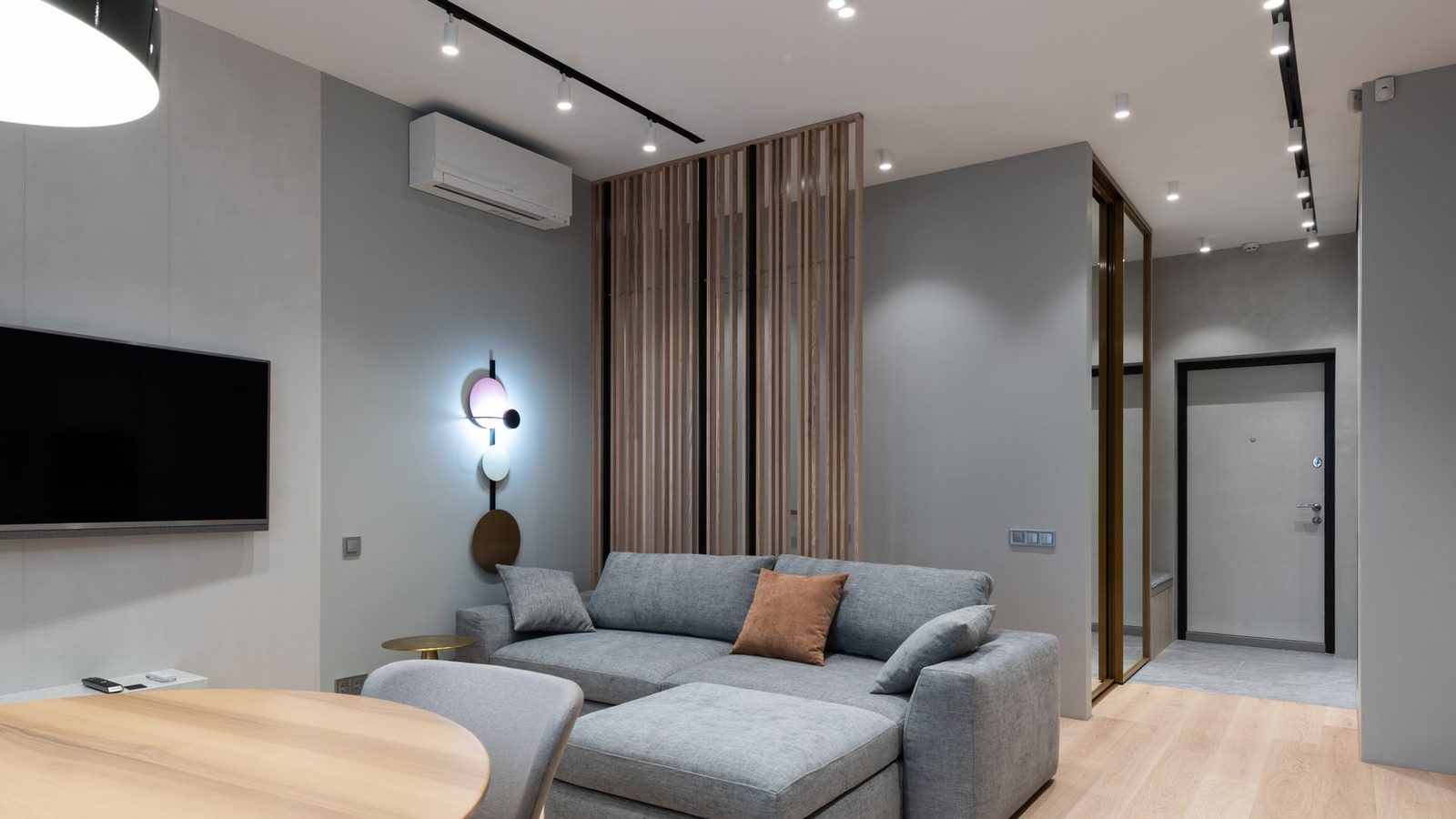
Renting in Metro Manila usually starts with a number that surprises first-timers: not the monthly rent, but the lump sum you need before you can move in. Between advance, deposit, and the first round of dues, the cash you hand over on day one is often three to four times the headline rent. This guide walks through how that money works, what your lease should say, the basic protections the law gives you, and the red flags that separate a real listing from a scam.
If you are still shopping, you can browse condos and apartments for rent on BalayHub while you read.
The "2 months advance + 1 month deposit", and its variations
Almost every Metro Manila rental asks for money in two buckets, and renters constantly mix them up:
- Advance rent pays for your first month (or months) of occupancy. It is rent you are paying early, it gets consumed as you live there.
- Security deposit is a hold against unpaid bills and damage. It is not rent. You should get it back when you move out, minus legitimate deductions.
The most common arrangement you will hear is "2 months advance + 1 month deposit." A close cousin, "one month advance, one month deposit," means exactly what it says: one month of rent paid upfront that covers your first month, plus one month held as security that you get back at move-out, so you hand over two months of rent to get the keys. But the split varies a lot by landlord and by building:
| Arrangement | What it usually means |
|---|---|
| 1 advance + 2 deposit | Common, and the structure favored for lower-rent units under the law (see below) |
| 2 advance + 1 deposit | Very common in practice for condos and mid-range units |
| 2 advance + 2 deposit | Often asked for furnished condos or higher-end units |
| 1 advance + 1 deposit | Friendlier landlords, smaller apartments, longer-term tenants |
What matters more than the exact split is that the deposit is refundable and the advance is applied to actual rent, not quietly forfeited. Get both in writing. A landlord asking for four to six months upfront with no clear breakdown is a warning sign, not a premium service.
A realistic upfront-cash example
Say you rent a one-bedroom condo at ₱25,000 (about $400 / €344)/month, on a "2 advance + 1 deposit" basis, in a building with ₱3,000 (about $48 / €41)/month in association dues.
| Item | Amount |
|---|---|
| Advance rent (2 months) | ₱50,000 (about $800 / €689) |
| Security deposit (1 month) | ₱25,000 (about $400 / €344) |
| First association dues | ₱3,000 (about $48 / €41) |
| Move-in cash needed | ₱78,000 (about $1,250 / €1,070) |
That is more than three times the monthly rent before you have bought a single piece of furniture. Budget for it early, this is the number that derails most rushed moves.
What the Rent Control Act covers (kept general)
The Philippines has a Rent Control Act that caps deposits, advance, and annual rent increases, but only for lower-rent units below set monthly thresholds, which differ between Metro Manila and the rest of the country. For covered units, the general shape of the rules is:
- A landlord may demand no more than one month of advance and no more than two months of deposit.
- The deposit may only be applied to unpaid rent, unpaid utilities, and damage beyond normal wear, and only up to actual cost.
- Annual rent increases are capped at a percentage that the government sets each year.
Two important caveats. First, the rent thresholds, the exact increase cap, and the law's expiry date are revised periodically, so treat any specific figure you read online as something to confirm rather than rely on. Second, units that rent above the threshold are not rent-controlled at all, the deposit and increase terms are then whatever you and the landlord agree, which makes the written contract even more important. Check the current numbers with DHSUD before you sign.
What your lease contract should include
Never rent on a handshake. A proper written lease should at minimum spell out:
- Full names and addresses of landlord and tenant.
- The exact unit being leased (address, unit/floor number).
- Term, start and end dates, and how renewal works.
- Rent, amount, due date, and where/how to pay.
- Advance and deposit, the amounts, what the deposit covers, and the return timeline after move-out.
- Utilities and dues, who pays electricity, water, internet, and association dues.
- Repairs, which fixes fall on the landlord and which on you.
- Termination and notice, how much notice each side must give.
- House rules, pets, subletting, guests, and any building restrictions.
If the landlord hands you a one-paragraph contract or none at all, slow down. For a deeper walkthrough of clauses and tenant protections, our lease agreement guide and the verification steps below are worth a read before you commit.
Bills, dues, and who pays what
In most Metro Manila rentals:
- You (the tenant) pay your own electricity and water (sub-metered or billed separately), internet, and cable.
- Association / condo dues are split case by case. In many condo rentals the tenant pays them; in others they are baked into the rent. Confirm this in writing, dues of ₱2,000 to ₱5,000 (about $32 to $80 / €28 to €69)+ a month change your real cost significantly.
- Real property tax and major structural repairs are the owner's responsibility.
Always read the meter and note utility balances on move-in day so old bills do not land on you.
Typical rent ranges (indicative only)
Rents move with location, size, furnishing, and building age, so treat these as rough 2026 starting points, not quotes:
| Unit type | Indicative monthly range |
|---|---|
| Bedspace / shared room | ₱3,000 to ₱8,000 (about $48 to $128 / €41 to €110) |
| Studio condo | ₱12,000 to ₱25,000 (about $192 to $400 / €165 to €344) |
| 1-bedroom condo | ₱20,000 to ₱40,000 (about $320 to $640 / €275 to €551) |
| 2-bedroom condo | ₱35,000 to ₱70,000 (about $560 to $1,120 / €482 to €964)+ |
| Small apartment / townhouse | ₱12,000 to ₱35,000 (about $192 to $560 / €165 to €482) |
Prime business districts (Makati CBD, BGC, Ortigas) sit at the top of these bands; outer areas run lower. To sanity-check whether an asking rent is fair for the floor area, our price per square metre tool helps you compare. You can also browse a specific market like condos for rent in Pasig to see live ranges.
Condo vs apartment vs bedspace
- Condo: a unit in a managed high-rise, usually with amenities (gym, pool, security). Comes with association dues and stricter house rules. Best for those wanting facilities and a central location.
- Apartment / townhouse: typically a standalone or low-rise unit, often more space for the money and fewer dues, but fewer amenities and variable management quality.
- Bedspace: a shared room, the cheapest option, popular with students and new arrivals. Little privacy, but minimal upfront cash and bills are usually shared.
Move-in checklist and getting your deposit back
The deposit fight is almost always won (or lost) on move-in day. Protect yourself:
- Document everything. Photograph and video the unit before you bring anything in, walls, floors, fixtures, appliances, existing scratches and stains. Date-stamp them.
- Test appliances and fixtures. Aircon, water heater, taps, toilet flush, locks, outlets.
- Record utility meter readings and confirm no unpaid balances carry over.
- Get receipts for the advance, deposit, and dues you pay, with the amounts clearly labeled.
- Keep the signed contract and any chat agreements about repairs.
When you leave, give proper notice, clean the unit, settle final bills, and ask in writing for the deposit return with an itemized list of any deductions. The same photos you took on day one are your best evidence that "damage" was already there.
Red flags and rental scams
Metro Manila has plenty of honest landlords, and a steady stream of scams. Walk away if you see:
- No physical viewing allowed. "I'm abroad, just send the reservation fee" is the classic scam. Always view the unit in person or via live video.
- Pressure to pay a "reservation fee" fast to "hold" a unit before you have seen a contract. Reservation fees should be small, receipted, and credited to your move-in cost.
- No written contract, or a refusal to put the deposit-return terms in writing.
- The "landlord" cannot prove ownership or authority to rent. Ask for ID and proof of ownership, and verify it, see how to verify a listing / land title.
- Price far below market for the area, usually bait.
- Payment only by personal transfer with no receipt, or requests to pay before any documents are signed.
A legitimate landlord will let you view, sign a clear contract, and issue receipts. Anyone rushing you past those steps is the problem.
Ready to look?
Knowing how advance, deposit, and dues actually work puts you in a far stronger position the moment you start viewing units. Verify the listing, read the contract, document the unit on move-in day, and keep every receipt. When you are ready, start your search with condos and apartments for rent across Metro Manila on BalayHub. This is general information, not legal advice, confirm current Rent Control figures with DHSUD and have a lawyer review any high-value or unusual lease.
Dollar and euro figures are approximate conversions at ₱62.5 per US dollar and ₱72.6 per euro (ECB reference rates, 2026-09-08).
Frequently asked questions
How much cash do I need to rent a condo in Metro Manila?
Expect to pay advance rent plus a security deposit before moving in, commonly structured as 2 months advance and 1 month deposit, plus the first association dues. On a ₱25,000 (about $400 / €344)/month unit that can total around ₱78,000 (about $1,250 / €1,070) upfront, roughly three times the monthly rent.
What is the difference between advance rent and a security deposit?
Advance rent pays for your first month or months and is consumed as you live there. The security deposit is a refundable hold against unpaid bills and damage, returned when you move out minus legitimate, itemized deductions.
Does the Rent Control Act limit my deposit and rent increases?
It does, but only for lower-rent units below set monthly thresholds. For covered units it generally caps advance at one month, deposit at two months, and limits the annual rent increase to a percentage set each year. The figures are revised periodically, so confirm current numbers with DHSUD.
What are the biggest rental scam red flags?
No in-person or live-video viewing, pressure to send a 'reservation fee' before seeing a contract, no written lease, a landlord who can't prove ownership, prices far below market, and payment requests with no receipts.
How do I get my security deposit back?
Photograph and video the unit on move-in day, record meter readings, keep all receipts and the signed contract, then give proper notice, settle final bills, and request the refund in writing with any deductions itemized.
Ang pag-upa sa Metro Manila ay karaniwang nagsisimula sa numerong nakakagulat sa mga first-timer: hindi ang buwanang renta, kundi ang lump sum na kailangan mo bago ka makalipat. Sa pagitan ng advance, deposit, at ng unang round ng dues, ang cash na iaabot mo sa day one ay madalas na tatlo hanggang apat na beses ng headline rent. Tatalakayin ng guide na ito kung paano gumagana ang perang iyon, ano ang dapat sabihin ng lease mo, ang mga basic na proteksyong ibinibigay ng batas, at ang mga red flag na naghihiwalay sa totoong listing at sa scam.
Kung naghahanap ka pa lang, pwede kang mag-browse ng mga condo at apartment for rent sa BalayHub habang nagbabasa.
Ang "2 months advance + 1 month deposit", at ang mga variation nito
Halos lahat ng rental sa Metro Manila ay humihingi ng pera sa dalawang bucket, at laging napagpapalit ng mga renter ang dalawa:
- Advance rent ang nagbabayad sa una mong buwan (o mga buwan) ng pagtira. Renta itong binabayaran mo nang maaga, nauubos ito habang nakatira ka.
- Security deposit ay panagot laban sa hindi nabayarang bills at sa sira. Hindi ito renta. Dapat maibalik ito sa iyo paglipat mo palabas, bawas ang mga lehitimong deduction.
Ang pinakakaraniwang ayos na maririnig mo ay "2 months advance + 1 month deposit." Pero malaki ang pagkakaiba-iba ng hatian depende sa landlord at sa building:
| Ayos | Ano ang karaniwang ibig sabihin |
|---|---|
| 1 advance + 2 deposit | Karaniwan, at ito ang structure na pinapaboran ng batas para sa mga unit na mas mababa ang renta (tingnan sa ibaba) |
| 2 advance + 1 deposit | Napakakaraniwan sa practice para sa mga condo at mid-range na unit |
| 2 advance + 2 deposit | Madalas hingin para sa furnished na condo o mas mataas na klase ng unit |
| 1 advance + 1 deposit | Mas mababait na landlord, mas maliliit na apartment, mga long-term na tenant |
Ang mas mahalaga kaysa sa eksaktong hatian ay ang deposit ay refundable at ang advance ay ina-apply sa aktwal na renta, hindi tahimik na kinukumpiska. Pareho itong ipasulat. Ang landlord na humihingi ng apat hanggang anim na buwan nang paunang bayad nang walang malinaw na breakdown ay warning sign, hindi premium service.
Isang makatotohanang halimbawa ng upfront cash
Sabihin nating umuupa ka ng one-bedroom condo sa ₱25,000 (mga $400 / €344)/month, sa "2 advance + 1 deposit" na basehan, sa building na may ₱3,000 (mga $48 / €41)/month na association dues.
| Item | Halaga |
|---|---|
| Advance rent (2 buwan) | ₱50,000 (mga $800 / €689) |
| Security deposit (1 buwan) | ₱25,000 (mga $400 / €344) |
| Unang association dues | ₱3,000 (mga $48 / €41) |
| Kailangang move-in cash | ₱78,000 (mga $1,250 / €1,070) |
Iyan ay mahigit tatlong beses ng buwanang renta bago ka pa nakabili ng kahit isang piraso ng muwebles. I-budget ito nang maaga, ito ang numerong sumisira sa karamihan ng minamadaling paglipat.
Ano ang sakop ng Rent Control Act (pinanatiling general)
May Rent Control Act ang Pilipinas na naglalagay ng cap sa deposits, advance, at taunang rent increase, pero para lamang sa mga unit na mas mababa ang renta sa itinakdang buwanang thresholds, na magkaiba sa Metro Manila at sa ibang bahagi ng bansa. Para sa mga covered na unit, ganito ang pangkalahatang hugis ng mga patakaran:
- Ang landlord ay maaaring humingi ng hindi hihigit sa isang buwang advance at hindi hihigit sa dalawang buwang deposit.
- Ang deposit ay maaari lamang gamitin sa hindi nabayarang renta, hindi nabayarang utilities, at sa sira na lampas sa normal na wear, at hanggang sa aktwal na halaga lamang.
- Ang taunang rent increase ay may cap na porsyentong itinatakda ng gobyerno bawat taon.
Dalawang mahalagang caveat. Una, ang mga rent threshold, ang eksaktong increase cap, at ang expiry date ng batas ay pana-panahong nirerebisa, kaya ituring ang anumang specific na figure na mababasa mo online bilang bagay na dapat kumpirmahin, hindi paniwalaan agad. Pangalawa, ang mga unit na umuupa nang lampas sa threshold ay hindi saklaw ng rent control, ang mga tuntunin sa deposit at increase ay kung ano ang napagkasunduan ninyo ng landlord, kaya lalong nagiging mahalaga ang nakasulat na kontrata. I-check ang kasalukuyang mga numero sa DHSUD bago ka pumirma.
Ano ang dapat nakapaloob sa lease contract mo
Huwag kailanman umupa sa kamayan lang. Ang maayos na nakasulat na lease ay dapat maglinaw man lang ng:
- Buong pangalan at address ng landlord at ng tenant.
- Ang eksaktong unit na inuupahan (address, unit/floor number).
- Term, petsa ng simula at pagtatapos, at kung paano gumagana ang renewal.
- Renta, halaga, due date, at kung saan/paano magbabayad.
- Advance at deposit, ang mga halaga, ano ang sakop ng deposit, at ang timeline ng pagbabalik pagkatapos ng move-out.
- Utilities at dues, sino ang magbabayad ng kuryente, tubig, internet, at association dues.
- Repairs, aling mga ayos ang sa landlord at alin ang sa iyo.
- Termination at notice, gaano katagal na abiso ang dapat ibigay ng bawat panig.
- House rules, alagang hayop, subletting, mga bisita, at anumang restriction ng building.
Kung inabot ka ng landlord ng isang talatang kontrata o wala talaga, dahan-dahan muna. Para sa mas malalim na walkthrough ng mga clause at proteksyon ng tenant, sulit basahin ang aming lease agreement guide at ang mga verification step sa ibaba bago ka mag-commit.
Bills, dues, at kung sino ang nagbabayad ng ano
Sa karamihan ng rental sa Metro Manila:
- Ikaw (ang tenant) ang nagbabayad ng sarili mong kuryente at tubig (sub-metered o hiwalay na sinisingil), internet, at cable.
- Association / condo dues ay hinahati case by case. Sa maraming condo rental, tenant ang nagbabayad; sa iba, kasama na ito sa renta. Kumpirmahin ito nang nakasulat, ang dues na ₱2,000 to ₱5,000 (mga $32 hanggang $80 / €28 hanggang €69)+ kada buwan ay malaki ang epekto sa totoong gastos mo.
- Real property tax at malalaking structural repair ay responsibilidad ng may-ari.
Laging basahin ang metro at itala ang balanse ng utilities sa araw ng move-in para hindi bumagsak sa iyo ang mga lumang bill.
Karaniwang rent ranges (indicative lamang)
Gumagalaw ang renta ayon sa lokasyon, laki, furnishing, at edad ng building, kaya ituring ang mga ito bilang rough na 2026 starting points, hindi quotes:
| Uri ng unit | Indicative na buwanang range |
|---|---|
| Bedspace / shared room | ₱3,000 to ₱8,000 (mga $48 hanggang $128 / €41 hanggang €110) |
| Studio condo | ₱12,000 to ₱25,000 (mga $192 hanggang $400 / €165 hanggang €344) |
| 1-bedroom condo | ₱20,000 to ₱40,000 (mga $320 hanggang $640 / €275 hanggang €551) |
| 2-bedroom condo | ₱35,000 to ₱70,000 (mga $560 hanggang $1,120 / €482 hanggang €964)+ |
| Maliit na apartment / townhouse | ₱12,000 to ₱35,000 (mga $192 hanggang $560 / €165 hanggang €482) |
Ang mga prime business district (Makati CBD, BGC, Ortigas) ay nasa tuktok ng mga band na ito; mas mababa sa mga area na nasa labas. Para i-sanity-check kung patas ang hinihinging renta para sa floor area, makakatulong ang aming price per square metre na tool sa pagkukumpara. Pwede ka ring mag-browse ng specific na market tulad ng mga condo for rent sa Pasig para makita ang mga live na range.
Condo vs apartment vs bedspace
- Condo: unit sa managed na high-rise, karaniwang may amenities (gym, pool, security). May kasamang association dues at mas istriktong house rules. Pinakamainam para sa gustong may facilities at central na lokasyon.
- Apartment / townhouse: karaniwang standalone o low-rise na unit, madalas mas malaking espasyo para sa pera at mas kaunting dues, pero mas kaunting amenities at pabago-bago ang kalidad ng management.
- Bedspace: shared na kwarto, ang pinakamurang option, sikat sa mga estudyante at mga bagong dating. Kaunti ang privacy, pero minimal ang paunang cash at karaniwang hati-hati ang bills.
Move-in checklist at ang pagbawi ng deposit mo
Ang laban sa deposit ay halos laging napapanalunan (o natatalo) sa araw ng move-in. Protektahan ang sarili mo:
- I-document ang lahat. Kuhanan ng litrato at video ang unit bago ka magpasok ng kahit ano, mga dingding, sahig, fixtures, appliances, mga dating gasgas at mantsa. Lagyan ng date-stamp.
- Subukan ang mga appliance at fixture. Aircon, water heater, mga gripo, flush ng inidoro, mga kandado, mga saksakan.
- Itala ang utility meter readings at kumpirmahing walang hindi nabayarang balanseng madadala sa iyo.
- Kumuha ng mga resibo para sa advance, deposit, at dues na binayaran mo, na malinaw na naka-label ang mga halaga.
- Itago ang pinirmahang kontrata at anumang usapan sa chat tungkol sa repairs.
Pag-alis mo, magbigay ng tamang abiso, linisin ang unit, ayusin ang mga huling bill, at hilingin nang nakasulat ang pagbabalik ng deposit na may itemized na listahan ng anumang deduction. Ang mga litratong kinuha mo noong day one ang pinakamagandang ebidensya mo na ang "sira" ay naroon na dati pa.
Mga red flag at rental scam
Maraming tapat na landlord ang Metro Manila, at tuloy-tuloy ding may mga scam. Umalis agad kapag nakita mo ang:
- Walang pinapayagang physical viewing. Ang "Nasa abroad ako, ipadala mo na lang ang reservation fee" ang classic na scam. Laging tingnan ang unit nang personal o sa live video.
- Pagmamadali para magbayad ng "reservation fee" para "i-hold" ang unit bago ka pa nakakita ng kontrata. Ang mga reservation fee ay dapat maliit, may resibo, at naka-credit sa move-in cost mo.
- Walang nakasulat na kontrata, o pagtangging isulat ang mga tuntunin sa pagbabalik ng deposit.
- Hindi mapatunayan ng "landlord" ang pagmamay-ari o awtoridad na magpaupa. Humingi ng ID at proof of ownership, at i-verify ito, tingnan ang paano i-verify ang isang listing / land title.
- Presyong sobrang baba kumpara sa market para sa area, karaniwang pain lang.
- Bayad lamang sa personal na transfer nang walang resibo, o paghingi ng bayad bago pa mapirmahan ang anumang dokumento.
Papapayagan ka ng lehitimong landlord na mag-view, papapirmahin ka sa malinaw na kontrata, at magbibigay ng mga resibo. Ang sinumang nagmamadali sa iyo lampas sa mga hakbang na iyon ang problema.
Handa nang maghanap?
Ang pag-alam kung paano talaga gumagana ang advance, deposit, at dues ay naglalagay sa iyo sa mas malakas na posisyon sa sandaling magsimula kang mag-view ng mga unit. I-verify ang listing, basahin ang kontrata, i-document ang unit sa araw ng move-in, at itago ang bawat resibo. Kapag handa ka na, simulan ang paghahanap sa mga condo at apartment for rent sa buong Metro Manila sa BalayHub. General information ito, hindi legal advice, kumpirmahin ang kasalukuyang Rent Control figures sa DHSUD at ipa-review sa abogado ang anumang high-value o hindi pangkaraniwang lease.
Tinatayang conversion lang ang mga halaga sa dollar at euro, sa ₱62.5 kada US dollar at ₱72.6 kada euro (ECB reference rates, 2026-09-08).
Mga madalas itanong
Magkano ang cash na kailangan ko para maka-rent ng condo sa Metro Manila?
Mag-expect na magbabayad ka ng advance rent plus security deposit bago lumipat, karaniwang naka-structure bilang 2 months advance at 1 month deposit, plus ang unang association dues. Sa ₱25,000 (mga $400 / €344)/month na unit, pwedeng umabot ito sa mga ₱78,000 (mga $1,250 / €1,070) upfront, humigit-kumulang three times ng monthly rent.
Ano ang pagkakaiba ng advance rent at security deposit?
Ang advance rent ay bayad para sa una mong buwan o mga buwan at nauubos habang nakatira ka doon. Ang security deposit ay refundable na hold laban sa unpaid bills at damage, ibinabalik pag-alis mo minus ang mga lehitimo at itemized na deductions.
Nili-limit ba ng Rent Control Act ang deposit ko at ang rent increases?
Oo, pero para lang sa lower-rent units na below ng set monthly thresholds. Para sa covered units, generally naka-cap ang advance sa one month, ang deposit sa two months, at limitado ang annual rent increase sa percentage na itinatakda kada taon. Nire-revise ang figures paminsan-minsan, kaya i-confirm ang current numbers sa DHSUD.
Ano ang pinakamalalaking rental scam red flags?
Walang in-person o live-video viewing, pressure na magpadala ng 'reservation fee' bago makakita ng kontrata, walang written lease, landlord na hindi mapatunayan ang ownership, presyong sobrang baba kumpara sa market, at payment requests na walang resibo.
Paano ko mababawi ang security deposit ko?
Kuhanan ng photo at video ang unit sa move-in day, i-record ang meter readings, itago lahat ng resibo at ang signed contract, tapos magbigay ng proper notice, ayusin ang final bills, at i-request ang refund in writing na naka-itemize ang kahit anong deductions.
Ang pag-abang sa Metro Manila kasagaran magsugod sa numero nga makapakurat sa mga first-timer: dili ang binulan nga abang, kondili ang lump sum nga kinahanglan nimo una pa ka makabalhin. Tali sa advance, deposit, ug sa unang round sa dues, ang cash nga imong ihatag sa day one sagad tulo hangtod upat ka pilo sa headline rent. Kini nga guide moagi kung giunsa paglihok kanang kwartaha, unsa ang angay isulti sa imong lease, ang mga basic nga proteksyon nga gihatag sa balaod, ug ang mga red flag nga magbulag sa tinuod nga listing gikan sa scam.
Kung nangita pa ka, mahimo kang mag-browse og mga condo ug apartment nga paabangan sa BalayHub samtang nagbasa.
Ang "2 months advance + 1 month deposit", ug ang mga variation niini
Halos tanang abangan sa Metro Manila mangayo og kwarta sa duha ka bucket, ug kanunay kining malibog sa mga renter:
- Advance rent ang mobayad sa imong unang bulan (o mga bulan) sa pagpuyo. Abang kini nga gibayad og sayo, maut-ot kini samtang nagpuyo ka.
- Security deposit usa ka panagana batok sa wala mabayri nga bills ug sa kadaot. Dili kini abang. Angay kining ibalik nimo inig-gawas nimo, minus ang mga lehitimong deduction.
Ang pinakakomon nga kahikayan nga imong madungog mao ang "2 months advance + 1 month deposit." Apan lahi-lahi kaayo ang bahinay depende sa landlord ug sa building:
| Kahikayan | Unsa ang kasagarang pasabot |
|---|---|
| 1 advance + 2 deposit | Komon, ug mao ang structure nga gipaboran sa balaod para sa mga unit nga mas ubos ang abang (tan-awa sa ubos) |
| 2 advance + 1 deposit | Komon kaayo sa praktis para sa mga condo ug mid-range nga unit |
| 2 advance + 2 deposit | Sagad pangayoon para sa furnished nga condo o mas taas nga klase sa unit |
| 1 advance + 1 deposit | Mas buotan nga mga landlord, mas gagmay nga apartment, mga long-term nga tenant |
Ang mas importante kaysa eksaktong bahinay mao nga ang deposit refundable ug ang advance i-apply sa aktwal nga abang, dili hilom nga kuhaon. Ipasulat ang duha. Ang landlord nga mangayo og upat hangtod unom ka bulan nga abante nga walay klaro nga breakdown usa ka warning sign, dili premium service.
Usa ka realistic nga pananglitan sa upfront cash
Ingnon ta nga moabang ka og one-bedroom condo sa ₱25,000 (mga $400 / €344)/month, sa "2 advance + 1 deposit" nga basehan, sa building nga adunay ₱3,000 (mga $48 / €41)/month nga association dues.
| Item | Kantidad |
|---|---|
| Advance rent (2 ka bulan) | ₱50,000 (mga $800 / €689) |
| Security deposit (1 ka bulan) | ₱25,000 (mga $400 / €344) |
| Unang association dues | ₱3,000 (mga $48 / €41) |
| Kinahanglan nga move-in cash | ₱78,000 (mga $1,250 / €1,070) |
Kana sobra sa tulo ka pilo sa binulan nga abang una pa ka makapalit og bisan usa ka muwebles. I-budget kini og sayo, mao kini ang numero nga makadaot sa kadaghanan sa dinalian nga pagbalhin.
Unsa ang sakop sa Rent Control Act (gipabilin nga general)
Ang Pilipinas adunay Rent Control Act nga nag-cap sa deposits, advance, ug sa tinuig nga rent increase, apan para lamang sa mga unit nga mas ubos ang abang ubos sa gitakda nga binulan nga thresholds, nga lahi sa Metro Manila ug sa ubang bahin sa nasod. Para sa mga covered nga unit, ingon niini ang kinatibuk-ang porma sa mga lagda:
- Ang landlord mahimong mangayo og dili molapas sa usa ka bulan nga advance ug dili molapas sa duha ka bulan nga deposit.
- Ang deposit mahimo lamang gamiton sa wala mabayri nga abang, wala mabayri nga utilities, ug sa kadaot nga lapas sa normal nga wear, ug hangtod ra sa aktwal nga gasto.
- Ang tinuig nga rent increase adunay cap nga porsyento nga gitakda sa gobyerno matag tuig.
Duha ka importante nga caveat. Una, ang mga rent threshold, ang eksakto nga increase cap, ug ang expiry date sa balaod girebisar matag karon ug unya, mao nga isipa ang bisan unsang specific nga figure nga imong mabasa online nga butang nga angay kumpirmahon, dili saligan dayon. Ikaduha, ang mga unit nga giabangan og labaw sa threshold dili sakop sa rent control, ang mga termino sa deposit ug increase mao na kung unsa ang inyong gikasabotan sa landlord, nga maoy nakapahimo sa sinulat nga kontrata nga mas importante pa. Susiha ang kasamtangang mga numero sa DHSUD una ka mopirma.
Unsa ang angay nga naa sa imong lease contract
Ayaw gyud pag-abang pinaagi lang og lamano. Ang tarong nga sinulat nga lease angay maglatid labing menos sa:
- Kompleto nga ngalan ug address sa landlord ug sa tenant.
- Ang eksakto nga unit nga giabangan (address, unit/floor number).
- Term, petsa sa sugod ug kataposan, ug kung unsaon ang renewal.
- Abang, kantidad, due date, ug kung asa/unsaon pagbayad.
- Advance ug deposit, ang mga kantidad, unsa ang sakop sa deposit, ug ang timeline sa pag-uli human sa move-out.
- Utilities ug dues, kinsa ang mobayad sa kuryente, tubig, internet, ug association dues.
- Repairs, asang mga ayohonon ang sa landlord ug asa ang imoha.
- Termination ug notice, unsa kadugay nga pahibalo ang angay ihatag sa matag bahin.
- House rules, mga binuhi, subletting, mga bisita, ug bisan unsang restriction sa building.
Kung tunolan ka sa landlord og usa ka parapo nga kontrata o wala gyud, hinaya usa. Para sa mas lawom nga walkthrough sa mga clause ug proteksyon sa tenant, angay basahon ang among lease agreement guide ug ang mga verification step sa ubos una ka mo-commit.
Bills, dues, ug kinsa ang mobayad sa unsa
Sa kadaghanan sa mga abangan sa Metro Manila:
- Ikaw (ang tenant) ang mobayad sa imong kaugalingong kuryente ug tubig (sub-metered o lahi ang singil), internet, ug cable.
- Association / condo dues bahinon case by case. Sa daghang condo rental ang tenant ang mobayad; sa uban, apil na kini sa abang. Kumpirmaha kini nga sinulat, ang dues nga ₱2,000 to ₱5,000 (mga $32 hangtod $80 / €28 hangtod €69)+ kada bulan dako og epekto sa imong tinuod nga gasto.
- Real property tax ug ang dagko nga structural repair, responsibilidad kini sa tag-iya.
Kanunay basaha ang metro ug isulat ang balanse sa utilities sa adlaw sa move-in aron dili mahulog nimo ang mga karaan nga bill.
Kasagarang rent ranges (indicative ra)
Ang abang molihok sumala sa lokasyon, gidak-on, furnishing, ug edad sa building, mao nga isipa kini nga banabana nga 2026 starting points, dili quotes:
| Klase sa unit | Indicative nga binulan nga range |
|---|---|
| Bedspace / shared room | ₱3,000 to ₱8,000 (mga $48 hangtod $128 / €41 hangtod €110) |
| Studio condo | ₱12,000 to ₱25,000 (mga $192 hangtod $400 / €165 hangtod €344) |
| 1-bedroom condo | ₱20,000 to ₱40,000 (mga $320 hangtod $640 / €275 hangtod €551) |
| 2-bedroom condo | ₱35,000 to ₱70,000 (mga $560 hangtod $1,120 / €482 hangtod €964)+ |
| Gamay nga apartment / townhouse | ₱12,000 to ₱35,000 (mga $192 hangtod $560 / €165 hangtod €482) |
Ang mga prime business district (Makati CBD, BGC, Ortigas) naa sa ibabaw niining mga band; mas ubos sa mga area nga naa sa gawas. Aron i-sanity-check kung patas ba ang gipangayo nga abang para sa floor area, makatabang ang among price per square metre nga tool sa pag-compare. Mahimo sab kang mag-browse og specific nga market sama sa mga condo nga paabangan sa Pasig aron makita ang mga live nga range.
Condo vs apartment vs bedspace
- Condo: unit sa managed nga high-rise, kasagaran adunay amenities (gym, pool, security). Adunay association dues ug mas estrikto nga house rules. Pinakamaayo para sa gusto og facilities ug central nga lokasyon.
- Apartment / townhouse: kasagaran standalone o low-rise nga unit, sagad mas dako nga espasyo para sa kwarta ug mas gamay nga dues, apan mas gamay nga amenities ug lahi-lahi ang kalidad sa management.
- Bedspace: shared nga kwarto, ang pinakabarato nga kapilian, sikat sa mga estudyante ug sa mga bag-ong abot. Gamay ra ang privacy, apan minimal ang abante nga cash ug kasagaran bahinon ang bills.
Move-in checklist ug ang pagbawi sa imong deposit
Ang away sa deposit halos kanunay madaog (o mapildi) sa adlaw sa move-in. Panalipdi ang imong kaugalingon:
- I-document ang tanan. Kuhai og litrato ug video ang unit una ka magsulod og bisan unsa, ang mga bungbong, salog, fixtures, appliances, mga daan nga garas ug mantsa. Butangi og date-stamp.
- Testingi ang mga appliance ug fixture. Aircon, water heater, mga gripo, flush sa inidoro, mga kandado, mga saksakan.
- Isulat ang utility meter readings ug kumpirmaha nga walay wala mabayri nga balanse nga madala nimo.
- Pangayo og mga resibo para sa advance, deposit, ug dues nga imong gibayad, nga klaro nga naka-label ang mga kantidad.
- Tipigi ang pinirmahan nga kontrata ug bisan unsang sabot sa chat bahin sa repairs.
Inig-biya nimo, paghatag og husto nga pahibalo, limpyohi ang unit, husaya ang kataposang mga bill, ug pangayoa nga sinulat ang pag-uli sa deposit uban ang itemized nga lista sa bisan unsang deduction. Ang mga litrato nga imong gikuha sa day one mao ang imong pinakamaayong ebidensya nga ang "kadaot" naa na daan didto.
Mga red flag ug rental scam
Daghan og matinud-anon nga landlord ang Metro Manila, ug padayon sab nga adunay mga scam. Palayo dayon kung makita nimo ang:
- Walay gitugot nga physical viewing. Ang "Naa ko sa abroad, ipadala na lang ang reservation fee" mao ang classic nga scam. Kanunay tan-awa ang unit nga personal o pinaagi sa live video.
- Pagpugos nga mobayad dayon og "reservation fee" aron "i-hold" ang unit una pa ka makakita og kontrata. Ang mga reservation fee angay gamay ra, adunay resibo, ug i-credit sa imong move-in cost.
- Walay sinulat nga kontrata, o pagdumili nga isulat ang mga termino sa pag-uli sa deposit.
- Ang "landlord" dili makapamatuod sa pagpanag-iya o sa awtoridad sa pagpaabang. Pangayo og ID ug proof of ownership, ug i-verify kini, tan-awa ang unsaon pag-verify sa usa ka listing / land title.
- Presyo nga layo kaayo sa ubos sa market para sa maong area, kasagaran paon ra.
- Bayad lamang pinaagi sa personal nga transfer nga walay resibo, o pagpangayo og bayad una pa mapirmahan ang bisan unsang dokumento.
Ang lehitimong landlord motugot nga mag-view ka, mopapirma og klaro nga kontrata, ug mohatag og mga resibo. Si bisan kinsa nga magdali-dali nimo lapas niadtong mga lakang mao ang problema.
Andam na ba mangita?
Ang pagkahibalo kung giunsa gyud paglihok ang advance, deposit, ug dues magbutang nimo sa mas lig-on nga posisyon sa higayon nga magsugod ka og view sa mga unit. I-verify ang listing, basaha ang kontrata, i-document ang unit sa adlaw sa move-in, ug tipigi ang matag resibo. Kung andam na ka, sugdi ang imong pagpangita sa mga condo ug apartment nga paabangan sa tibuok Metro Manila sa BalayHub. Kini general information, dili legal advice, kumpirmaha ang kasamtangang Rent Control figures sa DHSUD ug ipa-review sa abogado ang bisan unsang high-value o dili kasagaran nga lease.
Banabana lang ang mga conversion sa dollar ug euro, sa ₱62.5 matag US dollar ug ₱72.6 matag euro (ECB reference rates, 2026-09-08).
Mga kasagarang pangutana
Pila ang cash nga kinahanglan nako aron maka-rent og condo sa Metro Manila?
Pag-expect nga mobayad ka og advance rent ug security deposit una mobalhin, kasagaran naka-structure isip 2 months advance ug 1 month deposit, dugang pa ang unang association dues. Sa ₱25,000 (mga $400 / €344)/month nga unit, mahimong moabot kini og mga ₱78,000 (mga $1,250 / €1,070) upfront, mga three times sa monthly rent.
Unsa ang kalainan sa advance rent ug security deposit?
Ang advance rent bayad sa imong unang bulan o mga bulan ug mahurot samtang nagpuyo ka didto. Ang security deposit refundable nga hold batok sa wala mabayri nga bills ug damage, iuli kung mobalhin ka minus ang lehitimo ug itemized nga deductions.
Gi-limit ba sa Rent Control Act ang akong deposit ug ang rent increases?
Oo, apan para ra sa lower-rent units nga ubos sa gitakda nga monthly thresholds. Para sa covered units, kasagaran naka-cap ang advance sa one month, ang deposit sa two months, ug limitado ang annual rent increase sa percentage nga gitakda kada tuig. Usbon ang figures matag karon ug unya, mao nga i-confirm ang current numbers sa DHSUD.
Unsa ang pinakadagko nga rental scam red flags?
Walay in-person o live-video viewing, pressure nga magpadala og 'reservation fee' una pa makakita og kontrata, walay written lease, landlord nga dili makapamatuod sa ownership, presyo nga layo kaayo sa ubos kumpara sa market, ug payment requests nga walay resibo.
Unsaon nako pagkuha balik sa akong security deposit?
Kuhai og photo ug video ang unit sa move-in day, i-record ang meter readings, tipigi ang tanan nga resibo ug ang pinirmahang kontrata, unya paghatag og hustong notice, husaya ang final bills, ug i-request ang refund in writing nga naka-itemize ang bisan unsang deductions.
Browse properties on BalayHub
See all listings →
Read next
High-Rise vs Mid-Rise Condo in the Philippines: Which to Buy
High rise vs mid rise condo in the Philippines: the 15 meter Fire Code line, why dues climb with height, quake and flood behavior, and who each suits.
House Construction Cost per Square Meter Philippines 2026
House construction cost per square meter in the Philippines 2026: ₱28,000 basic to ₱75,000 high end, what the rate excludes, and a full 100 sqm budget.
Lapu-Lapu Condos and Houses: Buy or Rent in Mactan (2026)
Lapu-Lapu condos for rent at a ₱30,000 median, houses from ₱1.9M and resort units to ₱8.5M: Mactan Newtown, Punta Engaño, Maribago and Basak compared.