
May 2, 2026 · by BalayHub Admin · 4 min read
Best Locations for Rental Income Properties in the Philippines
Where should you buy if your goal is steady rental income? We break down yields, vacancy rates, and tenant demand across the country's top rental markets.

Rental income sounds simple enough. Buy a property, find a tenant, collect rent every month. But anyone who has actually done it knows that location makes or breaks the whole thing. A beautiful condo in the wrong area sits empty for months. A modest apartment in the right spot has tenants lining up. Here is where the math works best right now.
BGC and Makati CBD
These two still dominate the high-end rental market. If you own a studio or one-bedroom unit near a major office tower, you are looking at gross yields of 5 to 7 percent annually. Demand comes from BPO workers, expats, and young professionals who want walkable access to their offices and nightlife.
The catch is the entry price. A decent one-bedroom in BGC starts around 8 to 10 million pesos (about $128,000 to $160,000 / €110,000 to €138,000). You need deep pockets to get in, and the net yield after association dues, RPT, and occasional vacancy drops to 3 to 4.5 percent. Still better than a savings account, but not the double-digit returns some agents promise.
Tip: furnished units rent faster and for more. A 50,000-peso investment in basic furniture and appliances can add 5,000 to 8,000 pesos (about $80 to $128 / €69 to €110) to your monthly rent.
Ortigas Center and Pasig
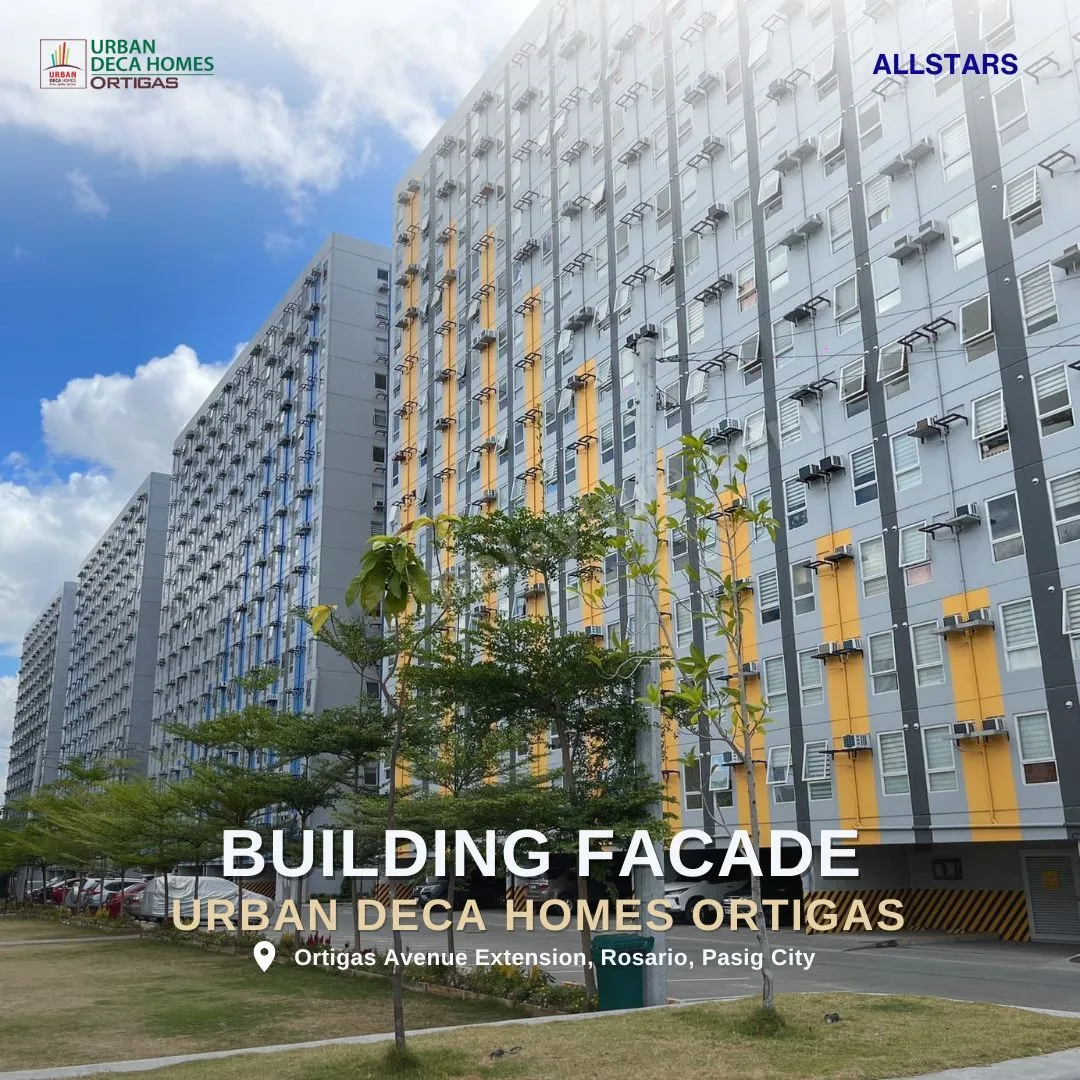
Ortigas is where value investors go. Condo prices are 20 to 30 percent lower than BGC for comparable units, and the tenant pool is just as deep, Ortigas has a massive concentration of offices, malls, and hospitals. Gross yields here tend to be slightly higher than BGC, in the 6 to 8 percent range, because the purchase price is lower but rents are not proportionally cheaper.
The downside: traffic. Ortigas is notoriously congested, and that keeps some tenants away. But if your unit is near the MRT or one of the newer mixed-use developments, that matters less.
Cebu IT Park and surrounds
Cebu's rental market has matured significantly. The IT Park area is ground zero for BPO tenants, young, employed, and willing to pay 15,000 to 25,000 per month for a furnished studio or one-bedroom. Purchase prices for condos in this area range from 3 to 6 million, which translates to gross yields of 6 to 9 percent.
The advantage over Manila is the lower entry cost. You can own two units in Cebu IT Park for the price of one in BGC, which diversifies your risk and smooths out your cash flow.
Near university belts
This is the bread-and-butter rental strategy that has worked for decades. Buy a small apartment building or a partitioned house near a major university, UP Diliman, UST, La Salle, Ateneo, Cebu Doctors, Silliman, and rent to students.
The yields are higher than condos because the properties are cheaper, but the management is more hands-on. Students are harder on properties, turnover is annual, and you have to deal with parents, not corporate HR departments. That said, if you are willing to put in the work, net yields of 8 to 12 percent are achievable.
Clark and the Freeport Zone
Clark is an emerging play. The new Clark International Airport terminal, the ongoing development of New Clark City, and the steady stream of Korean and other foreign tourists create diverse rental demand. Short-term rentals near the Freeport Zone do well, and longer-term rentals for airport and BPO workers are growing.
Property prices are still reasonable compared to Manila, and the infrastructure is improving rapidly. The risk here is timing, Clark has been "about to boom" for years, and the full vision will take another decade to materialize. But if you are patient and buy at current prices, the upside is substantial.
Provincial towns with tourism
Places like El Nido, Siargao, and Panglao have an entirely different rental model. You are not targeting monthly tenants, you are doing short-term vacation rentals through platforms like Airbnb. Nightly rates can be impressive during peak season, but the seasonality is brutal. Off-peak months can mean near-zero occupancy.
If you go this route, factor in the cost of a property manager, regular maintenance for tropical weather damage, and the regulatory risk, some LGUs are starting to crack down on short-term rentals that are not properly registered as tourism businesses.
What matters more than location
Even in the best location, a poorly managed rental property will bleed money. Screen your tenants properly. Maintain the property so small problems do not become expensive ones. Build a cash reserve for vacancies, assume at least one month per year with no income. And run the numbers honestly before you buy. If the math only works with 100 percent occupancy and zero maintenance costs, it does not actually work.
Dollar and euro figures are approximate conversions at ₱62.5 per US dollar and ₱72.6 per euro (ECB reference rates, 2026-09-08).
Frequently asked questions
Where are the best locations for rental income in the Philippines?
BGC and Makati CBD for high-end demand, Ortigas Center for value, Cebu IT Park for lower entry cost, university belts for the highest yields, and Clark for a longer-term play. Gross yields range from 5 to 7 percent in BGC up to 8 to 12 percent net near universities. The right choice depends on your budget and how hands-on you want to be.
What rental yield can I expect from a condo in BGC or Makati?
Gross yields run 5 to 7 percent annually for studios and one-bedrooms near major office towers. After association dues, real property tax, and vacancy, net yield drops to 3 to 4.5 percent. Entry is expensive too, since a decent one-bedroom in BGC starts around 8 to 10 million pesos (about $128,000 to $160,000 / €110,000 to €138,000).
Is Cebu IT Park a good place to buy a rental condo?
Yes, it is one of the strongest yield plays right now. Condos there cost 3 to 6 million pesos (about $48,000 to $96,000 / €41,300 to €82,600) and furnished studios or one-bedrooms rent for 15,000 to 25,000 pesos (about $240 to $400 / €207 to €344) per month to BPO workers, which translates to gross yields of 6 to 9 percent. You can own two units in Cebu IT Park for the price of one in BGC, which diversifies your risk.
Do furnished rental units earn more in the Philippines?
Yes, furnished units rent faster and for more money. A 50,000 peso investment in basic furniture and appliances can add 5,000 to 8,000 pesos (about $80 to $128 / €69 to €110) to your monthly rent. That is one of the highest-return upgrades a landlord can make.
Parang simple lang ang rental income. Bumili ka ng property, maghanap ng tenant, maningil ng renta buwan-buwan. Pero alam ng sinumang nakagawa na nito na ang lokasyon ang bumubuhay o pumapatay sa buong negosyo. Ang magandang condo sa maling lugar, ilang buwang walang laman. Ang simpleng apartment sa tamang puwesto, pila-pila ang mga tenant. Narito kung saan pinakamaganda ang kalkulasyon ngayon.
BGC at Makati CBD
Ang dalawang ito pa rin ang naghahari sa high-end rental market. Kung may studio o one-bedroom unit ka malapit sa isang malaking office tower, aasahan mo ang gross yields na 5 hanggang 7 percent kada taon. Ang demand ay galing sa mga BPO worker, expat, at young professional na gustong lakad lang papunta sa opisina at sa nightlife.
Ang problema ay ang entry price. Ang disenteng one-bedroom sa BGC ay nagsisimula sa bandang 8 hanggang 10 million pesos (mga $128,000 hanggang $160,000 / €110,000 hanggang €138,000). Kailangan mo ng malalim na bulsa para makapasok, at ang net yield pagkatapos ng association dues, RPT, at paminsan-minsang vacancy ay bumabagsak sa 3 hanggang 4.5 percent. Mas maganda pa rin kaysa savings account, pero hindi ito ang double-digit returns na ipinapangako ng ilang agent.
Tip: mas mabilis at mas mahal maparenta ang furnished units. Ang 50,000-peso na puhunan sa basic na furniture at appliances ay puwedeng magdagdag ng 5,000 hanggang 8,000 pesos (mga $80 hanggang $128 / €69 hanggang €110) sa iyong monthly rent.
Ortigas Center at Pasig
Sa Ortigas pumupunta ang mga value investor. Ang presyo ng condo dito ay 20 hanggang 30 percent na mas mura kaysa BGC para sa magkatulad na unit, at kasinlalim din ang tenant pool, napakalaki ng konsentrasyon ng mga opisina, mall, at ospital sa Ortigas. Ang gross yields dito ay medyo mas mataas kaysa BGC, nasa 6 hanggang 8 percent range, dahil mas mababa ang purchase price pero hindi naman proporsyonal na mas mura ang renta.
Ang downside: traffic. Kilalang-kilala ang Ortigas sa pagkabara, at may mga tenant na umiiwas dahil dito. Pero kung malapit ang unit mo sa MRT o sa isa sa mga mas bagong mixed-use development, hindi na iyon gaanong mahalaga.
Cebu IT Park at ang paligid nito
Malaki na ang paglago ng rental market ng Cebu. Ang IT Park area ang ground zero para sa mga BPO tenant, mga batang may trabaho at handang magbayad ng 15,000 hanggang 25,000 kada buwan para sa furnished studio o one-bedroom. Ang purchase prices ng mga condo sa area na ito ay nasa 3 hanggang 6 million, na katumbas ng gross yields na 6 hanggang 9 percent.
Ang bentahe kumpara sa Manila ay ang mas mababang entry cost. Kaya mong magmay-ari ng dalawang unit sa Cebu IT Park sa presyo ng isa sa BGC, na nagpapakalat ng risk mo at nagpapapantay ng cash flow mo.
Malapit sa mga university belt
Ito ang bread-and-butter na rental strategy na gumagana na sa loob ng ilang dekada. Bumili ka ng maliit na apartment building o partitioned na bahay malapit sa isang malaking unibersidad, UP Diliman, UST, La Salle, Ateneo, Cebu Doctors, Silliman, at iparenta sa mga estudyante.
Mas mataas ang yields kaysa condo dahil mas mura ang mga property, pero mas hands-on ang management. Mas malikot ang mga estudyante sa property, taun-taon ang turnover, at mga magulang ang kaharap mo, hindi corporate HR departments. Pero kung handa kang magpakahirap, aabot ka sa net yields na 8 hanggang 12 percent.
Clark at ang Freeport Zone
Ang Clark ay isang emerging play. Ang bagong terminal ng Clark International Airport, ang tuloy-tuloy na pag-develop ng New Clark City, at ang tuloy-tuloy na dating ng mga Korean at iba pang dayuhang turista ay lumilikha ng iba't ibang klase ng rental demand. Maganda ang takbo ng mga short-term rental malapit sa Freeport Zone, at lumalaki ang longer-term rentals para sa mga airport at BPO worker.
Makatuwiran pa rin ang mga presyo ng property kumpara sa Manila, at mabilis na umaayos ang imprastraktura. Ang risk dito ay ang timing, ilang taon nang "malapit nang bumoom" ang Clark, at aabutin pa ng isa pang dekada bago matupad ang buong bisyon. Pero kung matiyaga ka at bibili sa kasalukuyang presyo, malaki ang posibleng kita.
Mga probinsyanong bayan na may turismo
Ang mga lugar tulad ng El Nido, Siargao, at Panglao ay may ibang-ibang rental model. Hindi mo tina-target ang mga monthly tenant, gumagawa ka ng short-term vacation rentals sa mga platform tulad ng Airbnb. Puwedeng maganda ang nightly rates tuwing peak season, pero brutal ang seasonality. Ang mga off-peak na buwan ay puwedeng mangahulugan ng halos zero occupancy.
Kung dito ka pupunta, isama sa kalkulasyon ang gastos sa property manager, ang regular na maintenance dahil sa sira ng tropikal na panahon, at ang regulatory risk, may mga LGU nang nagsisimulang maghigpit sa mga short-term rental na hindi maayos na nakarehistro bilang tourism business.
Ang mas mahalaga pa kaysa lokasyon
Kahit sa pinakamagandang lokasyon, ang rental property na pangit ang management ay maglalabas ng pera. I-screen mo nang maayos ang mga tenant mo. Alagaan ang property para ang maliliit na problema ay hindi maging mamahaling problema. Mag-ipon ng cash reserve para sa mga vacancy, asahan ang hindi bababa sa isang buwan kada taon na walang kita. At kalkulahin nang tapat ang mga numero bago ka bumili. Kung ang math ay gumagana lang sa 100 percent occupancy at zero maintenance costs, hindi talaga iyon gumagana.
Tinatayang conversion lang ang mga halaga sa dollar at euro, sa ₱62.5 kada US dollar at ₱72.6 kada euro (ECB reference rates, 2026-09-08).
Mga madalas itanong
Saan ang pinakamagandang lokasyon para sa rental income sa Pilipinas?
BGC at Makati CBD para sa high-end demand, Ortigas Center para sa value, Cebu IT Park para sa mas mababang entry cost, mga university belt para sa pinakamataas na yields, at Clark kung mas long-term ang plano mo. Ang gross yields ay mula 5 to 7 percent sa BGC hanggang 8 to 12 percent net malapit sa mga unibersidad. Depende sa budget mo at kung gaano ka ka-hands-on ang tamang pipiliin.
Magkano ang rental yield na aasahan ko sa condo sa BGC o Makati?
Ang gross yields ay nasa 5 to 7 percent kada taon para sa studios at one-bedroom malapit sa malalaking office tower. Pagkabawas ng association dues, real property tax, at vacancy, bumababa ang net yield sa 3 to 4.5 percent. Mahal din ang entry, kasi ang disenteng one-bedroom sa BGC ay nagsisimula sa mga 8 to 10 million pesos (mga $128,000 hanggang $160,000 / €110,000 hanggang €138,000).
Maganda bang bilhan ng rental condo ang Cebu IT Park?
Oo, isa ito sa pinakamalakas na yield play ngayon. Ang mga condo doon ay nasa 3 to 6 million pesos (mga $48,000 hanggang $96,000 / €41,300 hanggang €82,600), at ang furnished studios o one-bedroom ay napapaupahan ng 15,000 to 25,000 pesos (mga $240 hanggang $400 / €207 hanggang €344) kada buwan sa mga BPO worker, na katumbas ng gross yields na 6 to 9 percent. Sa presyo ng isang unit sa BGC, makakabili ka ng dalawang unit sa Cebu IT Park, kaya mas kalat ang risk mo.
Mas kumikita ba ang furnished rental units sa Pilipinas?
Oo, mas mabilis maupahan at mas mataas ang renta ng furnished units. Ang 50,000 peso na puhunan sa basic furniture at appliances ay pwedeng magdagdag ng 5,000 to 8,000 pesos (mga $80 hanggang $128 / €69 hanggang €110) sa monthly rent mo. Isa ito sa pinaka-sulit na upgrade na magagawa ng isang landlord.
Morag simple ra ang rental income. Mopalit ka og property, mangita og tenant, maningil og abang matag bulan. Apan kabalo ang bisan kinsa nga nakahimo na niini nga ang lokasyon maoy magbuhi o magpatay sa tibuok negosyo. Ang nindot nga condo sa sayop nga lugar, pila ka bulan nga walay sulod. Ang simpleng apartment sa sakto nga puwesto, naglinya ang mga tenant. Ania kung asa labing maayo ang kalkulasyon karon.
BGC ug Makati CBD
Kining duha maoy naghari gihapon sa high-end rental market. Kung aduna kay studio o one-bedroom unit duol sa usa ka dakong office tower, mapaabot nimo ang gross yields nga 5 hangtod 7 percent matag tuig. Ang demand gikan sa mga BPO worker, expat, ug young professional nga gusto nga lakaw ra padulong sa ilang opisina ug sa nightlife.
Ang problema mao ang entry price. Ang desenteng one-bedroom sa BGC magsugod sa mga 8 hangtod 10 million pesos (mga $128,000 hangtod $160,000 / €110,000 hangtod €138,000). Kinahanglan kag lawom nga bulsa aron makasulod, ug ang net yield human sa association dues, RPT, ug panagsang vacancy mous-os sa 3 hangtod 4.5 percent. Mas maayo gihapon kaysa savings account, apan dili kini ang double-digit returns nga gisaad sa ubang agent.
Tip: mas paspas ug mas mahal maabangan ang furnished units. Ang 50,000-peso nga puhunan sa basic nga furniture ug appliances mahimong makadugang og 5,000 hangtod 8,000 pesos (mga $80 hangtod $128 / €69 hangtod €110) sa imong monthly rent.
Ortigas Center ug Pasig
Sa Ortigas moadto ang mga value investor. Ang presyo sa condo dinhi 20 hangtod 30 percent nga mas barato kaysa BGC para sa parehas nga unit, ug parehas ra usab ka lawom ang tenant pool, dako kaayo ang konsentrasyon sa mga opisina, mall, ug ospital sa Ortigas. Ang gross yields dinhi medyo mas taas kaysa BGC, anaa sa 6 hangtod 8 percent range, kay mas ubos ang purchase price apan dili proporsyonal nga mas barato ang abang.
Ang downside: traffic. Ilado ang Ortigas sa kahuot, ug tungod niini adunay mga tenant nga molikay. Apan kung duol ang imong unit sa MRT o sa usa sa mga bag-ong mixed-use development, dili na kaayo kana importante.
Cebu IT Park ug ang palibot niini
Dako na ang paghamtong sa rental market sa Cebu. Ang IT Park area mao ang ground zero para sa mga BPO tenant, mga batan-on nga adunay trabaho ug andam mobayad og 15,000 hangtod 25,000 matag bulan para sa furnished studio o one-bedroom. Ang purchase prices sa mga condo niini nga area anaa sa 3 hangtod 6 million, nga katumbas sa gross yields nga 6 hangtod 9 percent.
Ang bentaha kompara sa Manila mao ang mas ubos nga entry cost. Makapanag-iya ka og duha ka unit sa Cebu IT Park sa presyo sa usa sa BGC, nga magpakatag sa imong risk ug magpahapsay sa imong cash flow.
Duol sa mga university belt
Mao kini ang bread-and-butter nga rental strategy nga nagana na sulod sa mga dekada. Mopalit ka og gamay nga apartment building o partitioned nga balay duol sa usa ka dakong unibersidad, UP Diliman, UST, La Salle, Ateneo, Cebu Doctors, Silliman, ug ipaabang sa mga estudyante.
Mas taas ang yields kaysa condo kay mas barato ang mga property, apan mas hands-on ang management. Mas grabe ang mga estudyante sa property, tinuig ang turnover, ug mga ginikanan ang imong atubangon, dili corporate HR departments. Apan kung andam kang manghago, maabot nimo ang net yields nga 8 hangtod 12 percent.
Clark ug ang Freeport Zone
Ang Clark usa ka emerging play. Ang bag-ong terminal sa Clark International Airport, ang padayon nga pag-develop sa New Clark City, ug ang walay hunong nga pag-abot sa mga Korean ug ubang langyaw nga turista maoy nagmugna og lainlaing rental demand. Maayo ang dagan sa mga short-term rental duol sa Freeport Zone, ug nagkadako ang longer-term rentals para sa mga airport ug BPO worker.
Makatarunganon pa gihapon ang mga presyo sa property kompara sa Manila, ug paspas nga nagakauswag ang imprastraktura. Ang risk dinhi mao ang timing, pila na ka tuig nga "hapit na mobuto" ang Clark, ug moabot pa og usa ka dekada una matuman ang tibuok bisyon. Apan kung mapailubon ka ug mopalit sa karon nga presyo, dako ang posibleng ganansya.
Mga lungsod sa probinsya nga adunay turismo
Ang mga lugar sama sa El Nido, Siargao, ug Panglao adunay lahi kaayo nga rental model. Dili nimo gina-target ang mga monthly tenant, nagahimo ka og short-term vacation rentals pinaagi sa mga platform sama sa Airbnb. Mahimong makapadani ang nightly rates panahon sa peak season, apan brutal ang seasonality. Ang mga off-peak nga bulan mahimong magpasabot og halos zero occupancy.
Kung moadto ka niini nga dalan, iapil sa kalkulasyon ang gasto sa property manager, ang regular nga maintenance tungod sa danyos sa tropikal nga panahon, ug ang regulatory risk, adunay mga LGU nga nagsugod na og paghigpit sa mga short-term rental nga wala husto nga narehistro isip tourism business.
Ang mas importante pa kaysa lokasyon
Bisan sa labing maayong lokasyon, ang rental property nga daot ang management mag-usik og kwarta. I-screen og husto ang imong mga tenant. Atimana ang property aron ang gagmay nga problema dili mahimong mahal nga problema. Pagtigom og cash reserve para sa mga vacancy, ipaabot nga adunay labing menos usa ka bulan matag tuig nga walay kita. Ug kalkulaha og tinuoray ang mga numero una ka mopalit. Kung ang math mogana lang sa 100 percent occupancy ug zero maintenance costs, dili gyud kana mogana.
Banabana lang ang mga conversion sa dollar ug euro, sa ₱62.5 matag US dollar ug ₱72.6 matag euro (ECB reference rates, 2026-09-08).
Mga kasagarang pangutana
Asa ang pinakamaayong lokasyon para sa rental income sa Pilipinas?
BGC ug Makati CBD para sa high-end demand, Ortigas Center para sa value, Cebu IT Park para sa mas ubos nga entry cost, mga university belt para sa pinakataas nga yields, ug Clark kung mas long-term ang imong plano. Ang gross yields anaa sa 5 to 7 percent sa BGC hangtod 8 to 12 percent net duol sa mga unibersidad. Depende sa imong budget ug kung unsa ka ka-hands-on ang saktong pilion.
Pila ang rental yield nga akong madahom sa condo sa BGC o Makati?
Ang gross yields anaa sa 5 to 7 percent kada tuig para sa studios ug one-bedroom duol sa dagkong office tower. Human sa association dues, real property tax, ug vacancy, mokunhod ang net yield sa 3 to 4.5 percent. Mahal pud ang entry, kay ang desente nga one-bedroom sa BGC magsugod sa mga 8 to 10 million pesos (mga $128,000 hangtod $160,000 / €110,000 hangtod €138,000).
Maayo bang paliton og rental condo ang Cebu IT Park?
Oo, usa kini sa pinakalig-on nga yield play karon. Ang mga condo didto anaa sa 3 to 6 million pesos (mga $48,000 hangtod $96,000 / €41,300 hangtod €82,600), ug ang furnished studios o one-bedroom mapaabangan og 15,000 to 25,000 pesos (mga $240 hangtod $400 / €207 hangtod €344) kada bulan sa mga BPO worker, nga katumbas og gross yields nga 6 to 9 percent. Sa presyo sa usa ka unit sa BGC, makapalit ka og duha ka unit sa Cebu IT Park, mao nga mas kalat ang imong risk.
Mas dako bag kita ang furnished rental units sa Pilipinas?
Oo, mas paspas maabangan ug mas taas ang abang sa furnished units. Ang 50,000 peso nga puhunan sa basic furniture ug appliances makadugang og 5,000 to 8,000 pesos (mga $80 hangtod $128 / €69 hangtod €110) sa imong monthly rent. Usa kini sa pinaka-sulit nga upgrade nga mahimo sa usa ka landlord.
Browse properties on BalayHub
See all listings →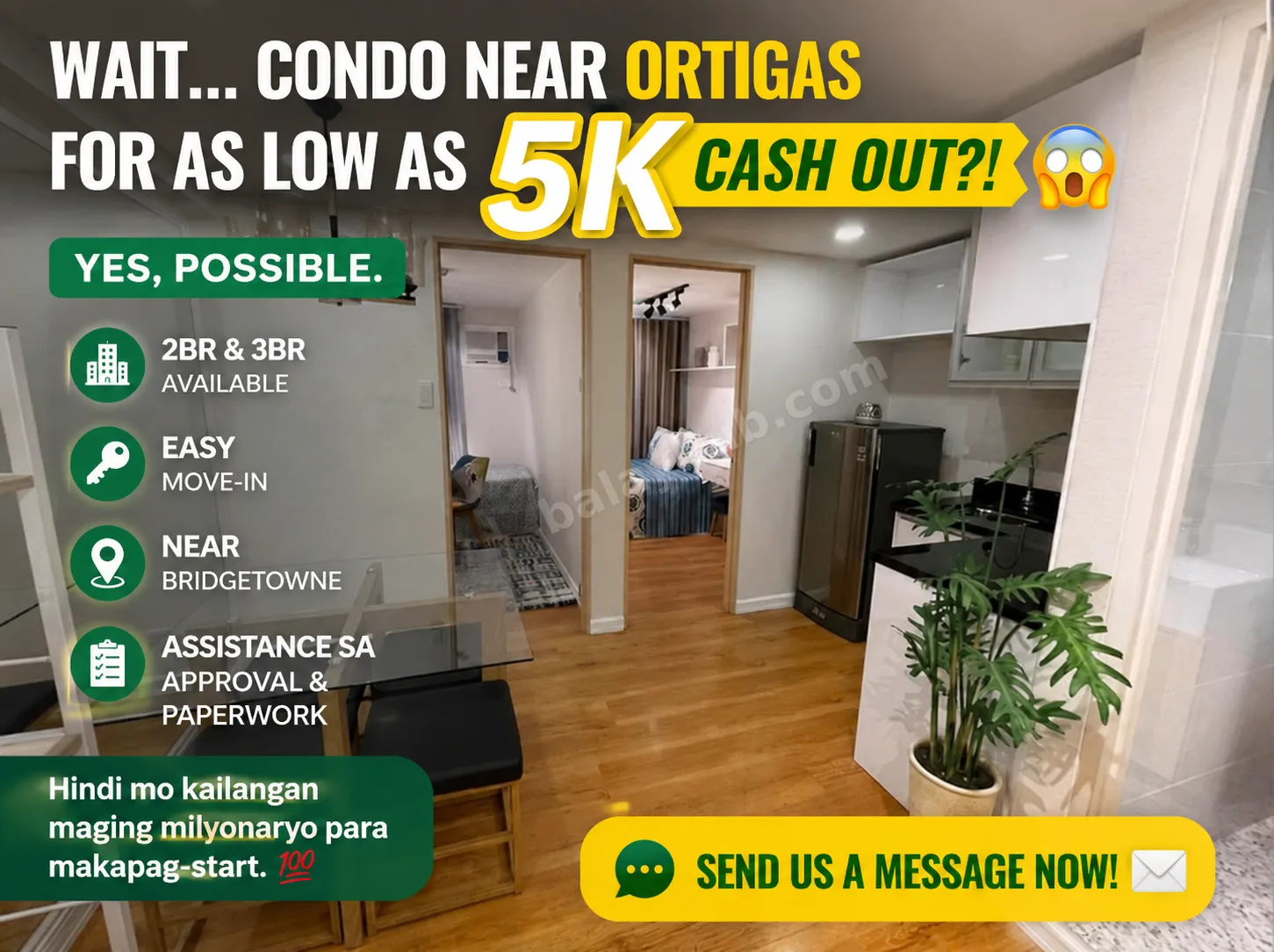
Read next
High-Rise vs Mid-Rise Condo in the Philippines: Which to Buy
High rise vs mid rise condo in the Philippines: the 15 meter Fire Code line, why dues climb with height, quake and flood behavior, and who each suits.
House Construction Cost per Square Meter Philippines 2026
House construction cost per square meter in the Philippines 2026: ₱28,000 basic to ₱75,000 high end, what the rate excludes, and a full 100 sqm budget.
Lapu-Lapu Condos and Houses: Buy or Rent in Mactan (2026)
Lapu-Lapu condos for rent at a ₱30,000 median, houses from ₱1.9M and resort units to ₱8.5M: Mactan Newtown, Punta Engaño, Maribago and Basak compared.