
Oct 6, 2026 · by BalayHub Admin · 7 min read
Documents Needed to Buy a House in the Philippines (2026)
The documents needed to buy a house in the Philippines: IDs, TIN, PSA marriage certificate, cedula, Pag-IBIG number, income papers, and where to get each.
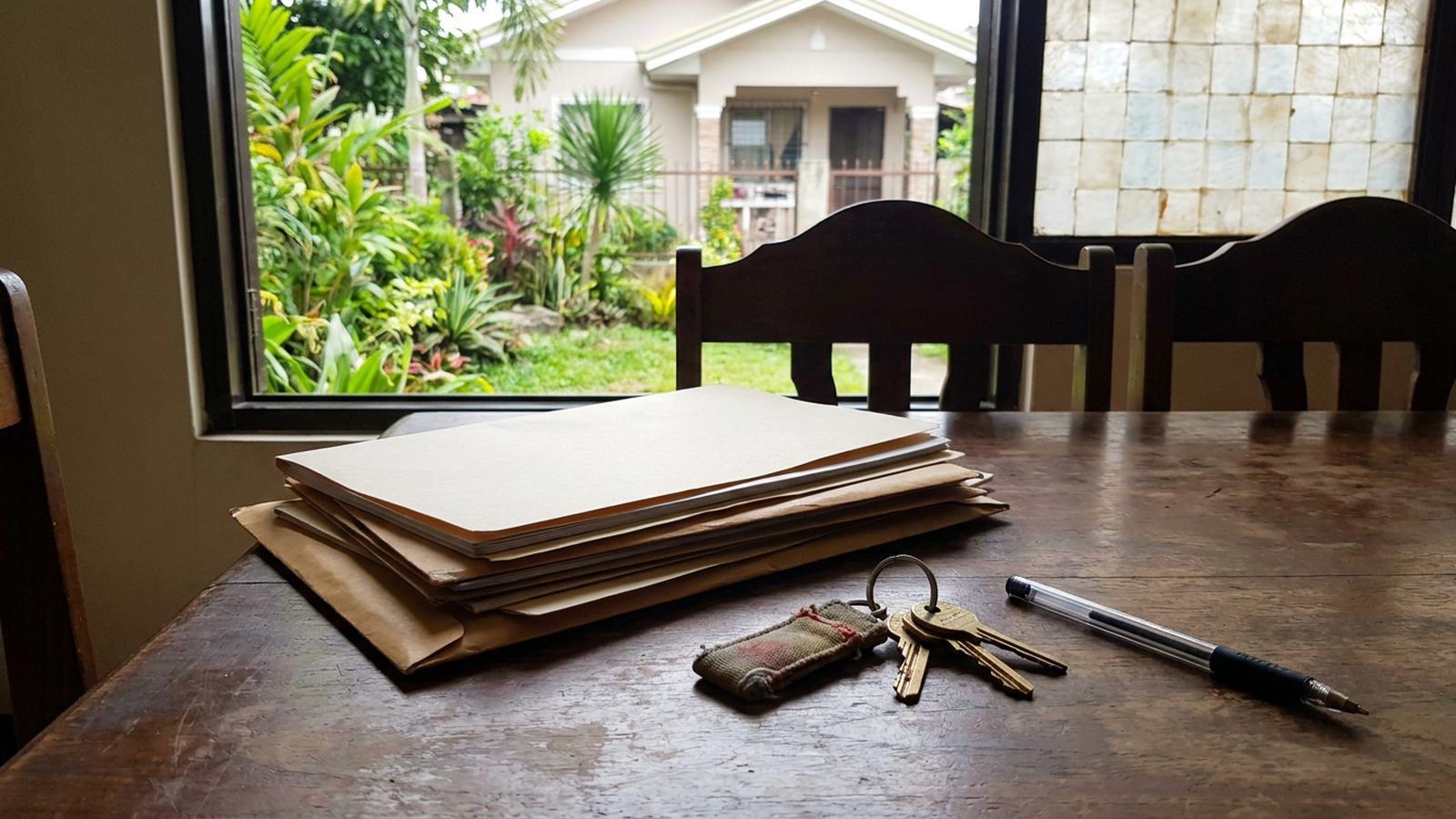
The documents needed to buy a house in the Philippines fall into two piles, and buyers usually prepare only one of them. The first pile comes from the seller: the title, the tax declaration, proof that the property tax is paid. The second is the buyer's own, and it is the one that stalls a purchase at the last minute: a tax number that was never issued, a marriage certificate nobody ordered, a Pag-IBIG membership with too few contributions. Most of these papers are free or cheap, but several take days or weeks to arrive. This checklist goes through the buyer's pile first, then the seller's, with what each paper is for and where to get it.
The buyer's short list
| Document | What it is for | Where it comes from |
|---|---|---|
| Valid government IDs | The deed, the notary, the lender | PhilSys and other government agencies |
| TIN | The BIR tax returns on the sale | BIR, online through ORUS |
| PSA marriage certificate | Proof of marriage for a married buyer or seller | PSA, online or at an outlet |
| Cedula | Notarization of the deed | City or municipal treasurer, or the barangay |
| Pag-IBIG MID number and contributions | A Pag-IBIG housing loan | Pag-IBIG Fund |
| Proof of income | Any housing loan | Employer, BIR, bank |
| Special power of attorney | Buying through a representative | Notary abroad plus apostille, or a Philippine consulate |
For the pages that explain each government application we point to Listo Papeles, a guide site that covers the steps, fees and portal instructions.
Identity, tax number and civil status
Every party to a sale shows valid government identification to the notary, and the BIR asks for the IDs and the tax identification numbers of both buyer and seller when the taxes on the transfer are filed. A buyer without a TIN cannot be named on those returns, so the transfer waits until one is issued.
If you have never had a TIN, the application is free and is filed online through the BIR's ORUS system; the form differs for employees, for the self employed, and for people who need the number only for a one time transaction such as a property purchase. The TIN application guide walks through each case. If you may have been issued one years ago by an employer, do not apply again: a person may hold only one TIN, so check or recover the existing number first.
For identification, the national ID is the simplest to obtain if you have none, and PhilSys registration is free.
Marriage changes who has to sign. Where a buyer or seller is married, the spouse is normally part of the transaction, and the transfer papers call for a marriage certificate where relevant. The copy that offices accept is the one issued by the Philippine Statistics Authority. It can be requested online with delivery, at ₱330 (about $5.3 / €4.7) per copy, or at a PSA outlet by appointment, at ₱155 (about $2.5 / €2.2), according to the PSA marriage certificate guide. Newly married couples should allow extra time, because the local civil registrar has to send the record to the PSA before a copy can be issued.
Birth certificates matter less in an ordinary purchase and a great deal in an inheritance, where heirs prove their relationship to the registered owner with PSA birth and marriage certificates. The PSA birth certificate guide covers the online request.
One small paper is asked for at the notary's desk: the cedula, or community tax certificate. It is issued by the city or municipal treasurer or at the barangay hall, costs ₱5 (about $0.08 / €0.07) plus ₱1 (about $0.02 / €0.01) for every ₱1,000 (about $16 / €14) of income, up to a ceiling of ₱5,000 (about $80 / €71), and is valid for the calendar year. The cedula guide shows how it is computed.
Papers for the loan
A housing loan adds its own file. For a Pag-IBIG loan the starting point is membership: the borrower needs a Pag-IBIG MID number and at least 24 monthly contributions. Registration is free and done through Virtual Pag-IBIG, which issues a tracking number first and the permanent 12 digit MID number afterwards, as the Pag-IBIG registration guide explains. A member short of 24 contributions should ask the branch how to complete them before applying.
The core set for an employed borrower is the loan application form, valid IDs, and proof of income: the latest income tax return and payslips, or a certificate of employment and compensation. Self employed borrowers substitute business documents and bank statements. Our guide on how to apply for a Pag-IBIG housing loan lists the full set and the sequence, and the loan calculator shows what the monthly payment would be.
Before collecting any of it, check that the loan fits your pay. The Listo Papeles take-home pay calculator gives the net figure after contributions and withholding tax, and our guide on the salary needed to buy a condo turns that figure into a price range.
If you are buying from abroad
Overseas workers who take a loan need everything above plus proof that the income abroad is real and continuing. For a Pag-IBIG loan that means the employment contract, a certificate of employment and compensation, recent payslips, proof of remittances for the last three to six months, and the overseas employment certificate, as set out in our guide to the Pag-IBIG housing loan for OFWs. Remittance receipts alone do not prove income; they support the contract and the payslips. The guide to remittance records for loans explains how to keep them in a form a lender accepts.
A buyer who cannot fly home signs through a representative, and the law requires a special power of attorney for that. It is notarized where you live and then apostilled, or signed before a Philippine consular officer, which requires an embassy appointment. Our guide to the special power of attorney explains what the document must say and why a general authority is not enough.
What the seller must hand you
The seller's pile is shorter and matters more. Ask for the owner's duplicate title, the current tax declaration, and proof that the real property tax is paid, ideally a tax clearance. For a pre selling unit there is no individual title yet, and the document to ask for is the contract to sell. Do not rely on the seller's copy of the title: order your own certified copy and check it line by line, following our guide on how to verify a land title.
Once the deed of absolute sale is signed and notarized, the deed, the IDs and TINs and the property papers travel to the BIR, the local treasurer and the Registry of Deeds, in the order described in our guide on how to transfer a land title. The notarization date starts the clock on the taxes, which is the practical reason to have every paper in this checklist in hand before the signing, not after.
The order to do it in
Start with the slow items. Check your TIN and your Pag-IBIG contributions first, since both can take time to fix. Order the PSA marriage certificate next if you are married. Buyers abroad should start the special power of attorney at the same time, since the apostille or the embassy appointment takes the longest. Gather the income papers when you are ready to apply, because lenders want recent ones. Get the cedula close to the signing, since it is valid only for the calendar year in which it is issued. And while the papers arrive, shortlist properties from the current homes for sale, so that the file is ready when you find the one you want.
This article is general information, not legal advice. Fees are those published as of October 2026 and change; lenders and registries may ask for additional documents, so confirm the list with the office handling your transaction.
Dollar and euro figures are approximate conversions at ₱62.7 per US dollar and ₱70.2 per euro (ECB reference rates, 2026-10-05).
Frequently asked questions
What documents does a buyer need to buy a house in the Philippines?
On the buyer's side: valid government IDs, a TIN for the BIR returns, a PSA marriage certificate if married, and a cedula for the notary. A buyer taking a loan adds the lender's file: for Pag-IBIG, a MID number with at least 24 monthly contributions, the application form and proof of income. From the seller come the title, the tax declaration and proof that real property tax is paid.
Do I need a TIN to buy property in the Philippines?
Yes. The BIR asks for the tax identification numbers of both buyer and seller when the taxes on the transfer are filed, so a buyer without one has to get it before the transfer can be completed. Applying is free and done online through the BIR's ORUS system. A person may hold only one TIN, so if an employer may have issued you one in the past, verify it instead of applying again.
Do I need a marriage certificate to buy a house?
If you are married, expect to be asked for one. A spouse is normally part of the transaction, and the transfer papers call for marriage certificates where relevant. The accepted copy is the one issued by the PSA, which costs ₱330 (about $5.3 / €4.7) per copy requested online with delivery or ₱155 (about $2.5 / €2.2) at a PSA outlet by appointment, as of October 2026. Order it early if you married recently.
What documents does an OFW need to buy a house from abroad?
The same IDs, TIN and civil status papers and, for a buyer taking a Pag-IBIG loan, proof of income abroad: the employment contract, a certificate of employment and compensation, recent payslips, remittance records for the last three to six months and the overseas employment certificate. A buyer who cannot come home also needs a special power of attorney for a representative, notarized and apostilled abroad or signed at a Philippine embassy or consulate.
Ang mga dokumentong kailangan para makabili ng bahay sa Pilipinas ay nahahati sa dalawang tumpok, at kadalasan ay isa lang sa mga ito ang inihahanda ng mga buyer. Ang unang tumpok ay galing sa seller: ang titulo, ang tax declaration, patunay na bayad ang property tax. Ang ikalawa ay sa buyer mismo, at ito ang nagpapahinto sa bilihan sa huling sandali: isang tax number na hindi kailanman na-isyu, isang marriage certificate na walang nag-order, isang Pag-IBIG membership na kulang ang contributions. Karamihan sa mga papeles na ito ay libre o mura, pero ang ilan ay inaabot ng ilang araw o linggo bago dumating. Dinadaanan ng checklist na ito ang tumpok ng buyer muna, pagkatapos ang sa seller, kasama kung para saan ang bawat papel at kung saan ito kukunin.
Ang maikling listahan ng buyer
| Dokumento | Para saan ito | Saan ito galing |
|---|---|---|
| Mga valid na government ID | Ang deed, ang notaryo, ang lender | PhilSys at iba pang ahensya ng gobyerno |
| TIN | Ang mga BIR tax return sa bentahan | BIR, online sa pamamagitan ng ORUS |
| PSA marriage certificate | Patunay ng kasal para sa buyer o seller na may asawa | PSA, online o sa isang outlet |
| Cedula | Notarization ng deed | City o municipal treasurer, o ang barangay |
| Pag-IBIG MID number at contributions | Pag-IBIG housing loan | Pag-IBIG Fund |
| Patunay ng kita | Anumang housing loan | Employer, BIR, bangko |
| Special power of attorney | Pagbili sa pamamagitan ng kinatawan | Notaryo sa abroad at apostille, o isang konsulado ng Pilipinas |
Para sa mga pahinang nagpapaliwanag ng bawat application sa gobyerno, itinuturo namin ang Listo Papeles, isang guide site na sumasaklaw sa mga hakbang, fees at mga instruksyon sa portal.
Pagkakakilanlan, tax number at civil status
Bawat partido sa bentahan ay nagpapakita ng valid na government identification sa notaryo, at hinihingi ng BIR ang mga ID at ang tax identification number ng buyer at ng seller kapag ifina-file ang mga buwis sa transfer. Ang buyer na walang TIN ay hindi maipapangalan sa mga return na iyon, kaya maghihintay ang transfer hanggang sa ma-isyu ito.
Kung hindi ka pa kailanman nagkaroon ng TIN, libre ang application at ifina-file ito online sa ORUS system ng BIR; magkakaiba ang form para sa mga empleyado, para sa mga self employed, at para sa mga taong kailangan lang ang numero para sa one time transaction gaya ng pagbili ng property. Dinadaanan ng gabay sa TIN application ang bawat kaso. Kung posibleng na-isyuhan ka na ng isa ng isang employer ilang taon na ang nakalipas, huwag nang mag-apply ulit: isang TIN lang ang puwedeng hawakan ng isang tao, kaya i-check o i-recover muna ang kasalukuyang numero.
Para sa identification, ang national ID ang pinakamadaling kunin kung wala ka pang kahit anong ID, at libre ang PhilSys registration.
Binabago ng kasal kung sino ang kailangang pumirma. Kapag may asawa ang buyer o ang seller, karaniwang bahagi ng transaksyon ang asawa, at humihingi ang mga papeles ng transfer ng marriage certificate kung naaangkop. Ang kopyang tinatanggap ng mga opisina ay ang inisyu ng Philippine Statistics Authority. Puwede itong i-request online na may delivery, sa ₱330 (mga $5.3 / €4.7) kada kopya, o sa isang PSA outlet by appointment, sa ₱155 (mga $2.5 / €2.2), ayon sa gabay sa PSA marriage certificate. Ang mga bagong kasal ay dapat maglaan ng dagdag na panahon, dahil kailangan munang ipadala ng local civil registrar ang record sa PSA bago makapag-isyu ng kopya.
Hindi gaanong mahalaga ang mga birth certificate sa ordinaryong pagbili pero napakahalaga ng mga ito sa mana, kung saan pinatutunayan ng mga tagapagmana ang relasyon nila sa registered owner gamit ang mga PSA birth at marriage certificate. Sinasaklaw ng gabay sa PSA birth certificate ang online request.
May isang maliit na papel na hinihingi sa mesa ng notaryo: ang cedula, o community tax certificate. Iniisyu ito ng city o municipal treasurer o sa barangay hall, nagkakahalaga ng ₱5 (mga $0.08 / €0.07) dagdag ang ₱1 (mga $0.02 / €0.01) sa bawat ₱1,000 (mga $16 / €14) ng kita, hanggang sa ceiling na ₱5,000 (mga $80 / €71), at valid para sa calendar year. Ipinapakita ng gabay sa cedula kung paano ito kinukuwenta.
Mga papeles para sa loan
Nagdadagdag ang housing loan ng sarili nitong file. Para sa Pag-IBIG loan, membership ang simula: kailangan ng borrower ng Pag-IBIG MID number at hindi bababa sa 24 na buwanang contributions. Libre ang registration at ginagawa ito sa Virtual Pag-IBIG, na nag-iisyu muna ng tracking number at pagkatapos ay ng permanenteng 12 digit na MID number, gaya ng ipinapaliwanag ng gabay sa Pag-IBIG registration. Ang member na kulang sa 24 na contributions ay dapat magtanong sa branch kung paano makukumpleto ang mga ito bago mag-apply.
Ang pangunahing set para sa borrower na empleyado ay ang loan application form, mga valid na ID, at patunay ng kita: ang pinakabagong income tax return at mga payslip, o isang certificate of employment and compensation. Ang mga self employed na borrower ay naghaharap naman ng mga dokumento ng negosyo at mga bank statement kapalit ng mga iyon. Inililista ng aming gabay sa kung paano mag-apply ng Pag-IBIG housing loan ang buong set at ang pagkakasunod-sunod, at ipinapakita ng loan calculator kung magkano ang magiging buwanang hulog.
Bago tipunin ang alinman sa mga ito, tiyaking kasya ang loan sa sahod mo. Ibinibigay ng take-home pay calculator ng Listo Papeles ang net na halaga pagkatapos ng contributions at withholding tax, at ginagawang price range ng aming gabay sa sahod na kailangan para makabili ng condo ang halagang iyon.
Kung bumibili ka mula sa abroad
Kailangan ng mga overseas worker na kukuha ng loan ang lahat ng nasa itaas at dagdag pa ang patunay na totoo at tuloy-tuloy ang kita sa abroad. Para sa Pag-IBIG loan, ang ibig sabihin niyon ay ang employment contract, isang certificate of employment and compensation, mga bagong payslip, patunay ng remittances para sa huling tatlo hanggang anim na buwan, at ang overseas employment certificate, gaya ng nakalatag sa aming gabay sa Pag-IBIG housing loan para sa mga OFW. Hindi napapatunayan ng mga resibo ng remittance lang ang kita; sinusuportahan ng mga ito ang kontrata at ang mga payslip. Ipinapaliwanag ng gabay sa remittance records para sa mga loan kung paano itago ang mga ito sa anyong tinatanggap ng lender.
Ang buyer na hindi makakauwi ay pumipirma sa pamamagitan ng kinatawan, at hinihingi ng batas ang special power of attorney para doon. Ipinapanotaryo ito kung saan ka nakatira at pagkatapos ay ipinapa-apostille, o pinipirmahan sa harap ng isang Philippine consular officer, na nangangailangan ng embassy appointment. Ipinapaliwanag ng aming gabay sa special power of attorney kung ano ang dapat sabihin ng dokumento at kung bakit hindi sapat ang general authority.
Ang dapat iabot sa iyo ng seller
Mas maikli ang tumpok ng seller at mas mahalaga ito. Hingin ang owner's duplicate title, ang kasalukuyang tax declaration, at patunay na bayad ang real property tax, mas mainam kung tax clearance. Para sa pre selling na unit, wala pang indibidwal na titulo, at ang dokumentong dapat hingin ay ang contract to sell. Huwag umasa sa kopya ng titulo na hawak ng seller: mag-order ng sarili mong certified copy at suriin ito linya por linya, kasunod ang aming gabay sa kung paano i-verify ang land title.
Kapag napirmahan at nanotaryo na ang deed of absolute sale, ang deed, ang mga ID at TIN at ang mga papeles ng property ay dadaan sa BIR, sa local treasurer at sa Registry of Deeds, sa pagkakasunod na inilalarawan sa aming gabay sa kung paano mag-transfer ng land title. Sa petsa ng notarization nagsisimulang tumakbo ang orasan para sa mga buwis, at iyon ang praktikal na dahilan kung bakit dapat hawak mo na ang bawat papel sa checklist na ito bago ang pirmahan, hindi pagkatapos.
Ang pagkakasunod-sunod ng paggawa
Magsimula sa mga bagay na matagal makuha. I-check muna ang iyong TIN at ang iyong Pag-IBIG contributions, dahil pareho itong puwedeng matagalan bago maayos. Sunod na i-order ang PSA marriage certificate kung may asawa ka. Ang mga buyer na nasa abroad ay dapat simulan na rin ang special power of attorney nang kasabay nito, dahil ang apostille o ang embassy appointment ang pinakamatagal. Tipunin ang mga papeles ng kita kapag handa ka nang mag-apply, dahil mga bago ang gusto ng mga lender. Kunin ang cedula kapag malapit na ang pirmahan, dahil valid lang ito para sa calendar year kung kailan ito inisyu. At habang dumarating ang mga papeles, mag-shortlist ng mga property mula sa kasalukuyang mga bahay na for sale, para handa na ang file kapag nahanap mo na ang gusto mo.
Ang artikulong ito ay pangkalahatang impormasyon, hindi legal advice. Ang mga fees ay ang mga nakalathala ngayong Oktubre 2026 at nagbabago; maaaring humingi ang mga lender at registry ng karagdagang dokumento, kaya kumpirmahin ang listahan sa opisinang humahawak ng iyong transaksyon.
Tinatayang conversion lang ang mga halaga sa dollar at euro, sa ₱62.7 kada US dollar at ₱70.2 kada euro (ECB reference rates, 2026-10-05).
Mga madalas itanong
Anong mga dokumento ang kailangan ng buyer para makabili ng bahay sa Pilipinas?
Sa panig ng buyer: mga valid na government ID, TIN para sa mga BIR return, PSA marriage certificate kung may asawa, at cedula para sa notaryo. Ang buyer na kukuha ng loan ay magdadagdag ng file ng lender: para sa Pag-IBIG, MID number na may hindi bababa sa 24 na buwanang contributions, ang application form at patunay ng kita. Mula naman sa seller ang titulo, ang tax declaration at patunay na bayad ang real property tax.
Kailangan ko ba ng TIN para makabili ng property sa Pilipinas?
Oo. Hinihingi ng BIR ang tax identification number ng buyer at ng seller kapag ifina-file ang mga buwis sa transfer, kaya ang buyer na walang TIN ay kailangang kumuha muna nito bago makumpleto ang transfer. Libre ang pag-apply at ginagawa ito online sa ORUS system ng BIR. Isang TIN lang ang puwedeng hawakan ng isang tao, kaya kung posibleng na-isyuhan ka na ng isang employer noon, i-verify ito sa halip na mag-apply ulit.
Kailangan ko ba ng marriage certificate para makabili ng bahay?
Kung may asawa ka, asahang hihingan ka nito. Karaniwang bahagi ng transaksyon ang asawa, at humihingi ang mga papeles ng transfer ng marriage certificate kung naaangkop. Ang tinatanggap na kopya ay ang inisyu ng PSA, na nagkakahalaga ng ₱330 (mga $5.3 / €4.7) kada kopya kapag ni-request online na may delivery o ₱155 (mga $2.5 / €2.2) sa isang PSA outlet by appointment, ngayong Oktubre 2026. I-order ito nang maaga kung kamakailan ka lang ikinasal.
Anong mga dokumento ang kailangan ng OFW para makabili ng bahay mula sa abroad?
Ang parehong mga ID, TIN at papeles ng civil status at, para sa buyer na kukuha ng Pag-IBIG loan, patunay ng kita sa abroad: ang employment contract, isang certificate of employment and compensation, mga bagong payslip, remittance records para sa huling tatlo hanggang anim na buwan at ang overseas employment certificate. Ang buyer na hindi makakauwi ay kailangan din ng special power of attorney para sa isang kinatawan, na notaryado at apostilled sa abroad o pinirmahan sa isang Philippine embassy o konsulado.
Ang mga dokumento nga gikinahanglan aron makapalit og balay sa Pilipinas mabahin sa duha ka pundok, ug ang mga buyer kasagarang mag-andam og usa ra niini. Ang unang pundok gikan sa seller: ang titulo, ang tax declaration, pruweba nga bayad na ang property tax. Ang ikaduha iya mismo sa buyer, ug mao kini ang makapaundang sa pagpalit sa kataposang gutlo: usa ka tax number nga wala gyud ma-isyu, usa ka marriage certificate nga walay nag-order, usa ka Pag-IBIG membership nga kulang ra kaayo ang contributions. Kadaghanan niining mga papeles libre o barato, pero pipila niini molungtad og mga adlaw o mga semana ayha moabot. Kini nga checklist moagi una sa pundok sa buyer, dayon sa iya sa seller, uban ang katuyoan sa matag papel ug kung asa kini makuha.
Ang mubo nga lista sa buyer
| Dokumento | Para sa unsa kini | Asa kini gikan |
|---|---|---|
| Valid nga mga government ID | Ang deed, ang notaryo, ang lender | PhilSys ug uban pang mga ahensya sa gobyerno |
| TIN | Ang mga BIR tax return sa baligya | BIR, online pinaagi sa ORUS |
| PSA marriage certificate | Pruweba sa kaminyoon para sa buyer o seller nga minyo | PSA, online o sa usa ka outlet |
| Cedula | Pag-notaryo sa deed | City o municipal treasurer, o ang barangay |
| Pag-IBIG MID number ug contributions | Usa ka Pag-IBIG housing loan | Pag-IBIG Fund |
| Proof of income | Bisan unsang housing loan | Employer, BIR, bangko |
| Special power of attorney | Pagpalit pinaagi sa representante | Notaryo sa gawas sa nasod dugang apostille, o usa ka konsulado sa Pilipinas |
Para sa mga panid nga nagpasabot sa matag aplikasyon sa gobyerno, among itudlo ang Listo Papeles, usa ka guide site nga naghisgot sa mga lakang, sa mga bayranan ug sa mga instruksyon sa portal.
Identidad, tax number ug civil status
Ang matag partido sa usa ka baligya mopakita og valid nga government identification ngadto sa notaryo, ug ang BIR mangayo sa mga ID ug sa mga tax identification number sa buyer ug sa seller kung i-file na ang mga buhis sa transfer. Ang buyer nga walay TIN dili mahinganlan sa maong mga return, mao nga maghulat ang transfer hangtod nga ma-isyu ang usa.
Kung wala pa gyud kay TIN sukad, libre ang aplikasyon ug i-file kini online pinaagi sa ORUS system sa BIR; lahi ang form para sa mga empleyado, para sa mga self employed, ug para sa mga tawo nga nagkinahanglan sa numero para lang sa usa ka one time transaction sama sa pagpalit og property. Ang giya sa TIN application nagpasabot sa matag kaso. Kung posible nga gi-isyuhan ka na og usa sa employer pipila ka tuig na ang milabay, ayaw na pag-apply pag-usab: ang usa ka tawo mahimong magkupot og usa ra ka TIN, mao nga susiha o bawia una ang kasamtangang numero.
Para sa identification, ang national ID mao ang pinakasayon nga makuha kung wala kay bisan usa, ug libre ang PhilSys registration.
Ang kaminyoon mag-usab kung kinsa ang kinahanglan mopirma. Kung minyo ang buyer o ang seller, ang bana o asawa kasagarang kabahin sa transaksyon, ug ang mga papeles sa transfer mangayo og marriage certificate kung haom. Ang kopya nga dawaton sa mga opisina mao kadtong gi-isyu sa Philippine Statistics Authority. Mahimo kining i-request online nga may delivery, sa ₱330 (mga $5.3 / €4.7) kada kopya, o sa usa ka PSA outlet pinaagi sa appointment, sa ₱155 (mga $2.5 / €2.2), sumala sa giya sa PSA marriage certificate. Ang mga bag-ong minyo kinahanglan mogahin og dugang panahon, kay ang local civil registrar kinahanglan una mopadala sa record ngadto sa PSA ayha ma-isyu ang kopya.
Ang mga birth certificate dili kaayo importante sa ordinaryong pagpalit pero importante kaayo sa panunod, diin ang mga heredero mopamatuod sa ilang relasyon sa registered owner pinaagi sa PSA birth ug marriage certificate. Ang giya sa PSA birth certificate naghisgot sa online nga request.
Usa ka gamay nga papel ang pangayoon sa lamesa sa notaryo: ang cedula, o community tax certificate. I-isyu kini sa city o municipal treasurer o sa barangay hall, mokantidad og ₱5 (mga $0.08 / €0.07) dugang ₱1 (mga $0.02 / €0.01) sa matag ₱1,000 (mga $16 / €14) nga kita, nga may kinatas-an nga ₱5,000 (mga $80 / €71), ug valid sulod sa calendar year. Ang giya sa cedula nagpakita kung giunsa kini pagkuwenta.
Mga papeles para sa loan
Ang housing loan modugang og kaugalingon niining file. Para sa Pag-IBIG loan, ang sinugdanan mao ang membership: ang borrower nagkinahanglan og Pag-IBIG MID number ug labing menos 24 ka binulan nga contributions. Libre ang registration ug himoon kini pinaagi sa Virtual Pag-IBIG, nga mo-isyu una og tracking number ug pagkahuman sa permanenteng 12 digit nga MID number, sumala sa gipasabot sa giya sa Pag-IBIG registration. Ang member nga kulang pa sa 24 ka contributions kinahanglan mangutana sa branch kung unsaon kini pagkompleto sa dili pa mo-apply.
Ang batakang set para sa empleyado nga borrower mao ang loan application form, mga valid nga ID, ug proof of income: ang pinakaulahing income tax return ug mga payslip, o usa ka certificate of employment and compensation. Ang mga self employed nga borrower mopuli og mga dokumento sa negosyo ug mga bank statement. Ang among giya sa unsaon pag-apply og Pag-IBIG housing loan naglista sa kompletong set ug sa pagkasunod-sunod, ug ang loan calculator nagpakita kung pila ang mahimong binulan nga bayad.
Sa dili ka pa magtigom og bisan unsa niini, susiha nga ang loan haom sa imong suweldo. Ang take-home pay calculator sa Listo Papeles mohatag sa net nga kantidad human sa mga contribution ug withholding tax, ug ang among giya sa suweldo nga gikinahanglan aron makapalit og condo mohimo niana nga kantidad ngadto sa usa ka price range.
Kung mopalit ka gikan sa gawas sa nasod
Ang mga overseas worker nga mokuha og loan nagkinahanglan sa tanan nga nahisgotan sa ibabaw, dugang ang pruweba nga ang kita sa gawas sa nasod tinuod ug nagpadayon. Para sa Pag-IBIG loan, nagpasabot kana sa employment contract, usa ka certificate of employment and compensation, mga bag-ong payslip, proof of remittances sa miaging tulo hangtod unom ka bulan, ug ang overseas employment certificate, sumala sa gilatid sa among giya sa Pag-IBIG housing loan para sa mga OFW. Ang mga resibo sa remittance lang dili makapamatuod sa kita; mosuporta kini sa kontrata ug sa mga payslip. Ang giya sa remittance records para sa mga loan nagpasabot kung unsaon kini pagtipig sa porma nga dawaton sa lender.
Ang buyer nga dili makalupad pauli mopirma pinaagi sa representante, ug ang balaod nagkinahanglan og special power of attorney para niana. I-notaryo kini sa lugar diin ka nagpuyo ug dayon i-apostille, o pirmahan atubangan sa usa ka Philippine consular officer, nga nagkinahanglan og embassy appointment. Ang among giya sa special power of attorney nagpasabot kung unsay kinahanglan isulti sa dokumento ug kung nganong dili igo ang general nga awtoridad.
Unsay kinahanglan ihatag kanimo sa seller
Ang pundok sa seller mas mubo ug mas importante. Pangayoa ang owner's duplicate title, ang kasamtangang tax declaration, ug pruweba nga bayad na ang real property tax, labing maayo kung usa ka tax clearance. Para sa pre selling nga unit, wala pay indibidwal nga titulo, ug ang dokumento nga pangayoon mao ang contract to sell. Ayaw pagsalig sa kopya sa titulo nga gikan sa seller: pag-order og kaugalingon nimong certified copy ug susiha kini linya por linya, sunod sa among giya sa unsaon pag-verify sa land title.
Sa higayon nga mapirmahan ug ma-notaryo na ang deed of absolute sale, ang deed, ang mga ID ug TIN ug ang mga papeles sa property mobiyahe ngadto sa BIR, sa local treasurer ug sa Registry of Deeds, sa han-ay nga gihulagway sa among giya sa unsaon pag-transfer sa land title. Ang petsa sa notarization maoy sinugdanan sa pag-ihap sa panahon para sa mga buhis, ug mao kini ang praktikal nga rason nga kinahanglan anaa na sa imong kamot ang matag papel niining checklist sa dili pa ang pirmahan, dili human niini.
Ang han-ay sa pagbuhat niini
Sugdi sa mga butang nga dugay. Susiha una ang imong TIN ug ang imong Pag-IBIG contributions, kay ang duha mahimong magkinahanglan og panahon aron maayo. Sunod, i-order ang PSA marriage certificate kung minyo ka. Ang mga buyer nga anaa sa gawas sa nasod kinahanglan mosugod sa special power of attorney sa samang higayon, kay ang apostille o ang embassy appointment maoy pinakadugay. Tiguma ang mga papeles sa kita kung andam ka nang mo-apply, kay ang mga lender mangita og mga bag-o. Kuhaa ang cedula duol sa pirmahan, kay valid ra kini sulod sa calendar year diin kini gi-isyu. Ug samtang nag-abot ang mga papeles, pag-shortlist og mga property gikan sa kasamtangang mga balay nga gibaligya, aron andam na ang file kung makit-an nimo ang imong gusto.
Kini nga artikulo kinatibuk-ang impormasyon, dili legal advice. Ang mga bayranan mao kadtong gimantala sukad sa Oktubre 2026 ug mausab; ang mga lender ug mga registry mahimong mangayo og dugang nga mga dokumento, mao nga kumpirmaha ang lista sa opisina nga nagdumala sa imong transaksyon.
Banabana lang ang mga conversion sa dollar ug euro, sa ₱62.7 matag US dollar ug ₱70.2 matag euro (ECB reference rates, 2026-10-05).
Mga kasagarang pangutana
Unsa nga mga dokumento ang gikinahanglan sa buyer aron makapalit og balay sa Pilipinas?
Sa bahin sa buyer: mga valid nga government ID, usa ka TIN para sa mga BIR return, usa ka PSA marriage certificate kung minyo, ug cedula para sa notaryo. Ang buyer nga mokuha og loan modugang sa file sa lender: para sa Pag-IBIG, usa ka MID number nga adunay labing menos 24 ka binulan nga contributions, ang application form ug proof of income. Gikan sa seller ang titulo, ang tax declaration ug pruweba nga bayad na ang real property tax.
Kinahanglan ba ko og TIN aron makapalit og property sa Pilipinas?
Oo. Ang BIR mangayo sa mga tax identification number sa buyer ug sa seller kung i-file na ang mga buhis sa transfer, mao nga ang buyer nga wala niini kinahanglan mokuha una niini ayha makompleto ang transfer. Libre ang pag-apply ug himoon kini online pinaagi sa ORUS system sa BIR. Ang usa ka tawo mahimong magkupot og usa ra ka TIN, mao nga kung posible nga gi-isyuhan ka na og usa sa employer kaniadto, i-verify kini imbes mo-apply pag-usab.
Kinahanglan ba ko og marriage certificate aron makapalit og balay?
Kung minyo ka, dahoma nga pangayoan ka niini. Ang bana o asawa kasagarang kabahin sa transaksyon, ug ang mga papeles sa transfer mangayo og mga marriage certificate kung haom. Ang kopya nga dawaton mao kadtong gi-isyu sa PSA, nga mokantidad og ₱330 (mga $5.3 / €4.7) kada kopya kung i-request online nga may delivery o ₱155 (mga $2.5 / €2.2) sa usa ka PSA outlet pinaagi sa appointment, sukad sa Oktubre 2026. I-order kini og sayo kung bag-o ka lang naminyo.
Unsa nga mga dokumento ang gikinahanglan sa OFW aron makapalit og balay gikan sa gawas sa nasod?
Ang samang mga ID, TIN ug mga papeles sa civil status ug, para sa buyer nga mokuha og Pag-IBIG loan, pruweba sa kita sa gawas sa nasod: ang employment contract, usa ka certificate of employment and compensation, mga bag-ong payslip, remittance records sa miaging tulo hangtod unom ka bulan ug ang overseas employment certificate. Ang buyer nga dili makapauli nagkinahanglan usab og special power of attorney para sa usa ka representante, nga notaryado ug apostilled sa gawas sa nasod o gipirmahan sa usa ka Philippine embassy o konsulado.
Browse properties on BalayHub
See all listings →

Read next
Cancel a Mortgage Annotation on Title After Full Payment
A mortgage annotation on title stays after the loan is paid. How to cancel it at the Registry of Deeds: the release, the documents and the common snags.
Homeowners Association Dues and Rights: RA 9904 Explained
Homeowners association dues need a basis in the bylaws and majority approval. RA 9904 on membership, records, gates, the board and fines up to ₱50,000.
Lost Land Title in the Philippines: How to Replace It
A lost land title is replaced by court petition under Section 109 of PD 1529: steps, documents, 6 to 12 months and ₱50,000 to ₱200,000 in estimated costs.