
Aug 26, 2026 · by BalayHub Admin · 5 min read
Housing Supply Squeeze: DHSUD Approvals at a Decade Low
Housing supply squeeze in numbers: 91 licenses to sell in H1 2026 against 816 a year on average, a 3.7 million backlog past 2028, and the effect on prices.
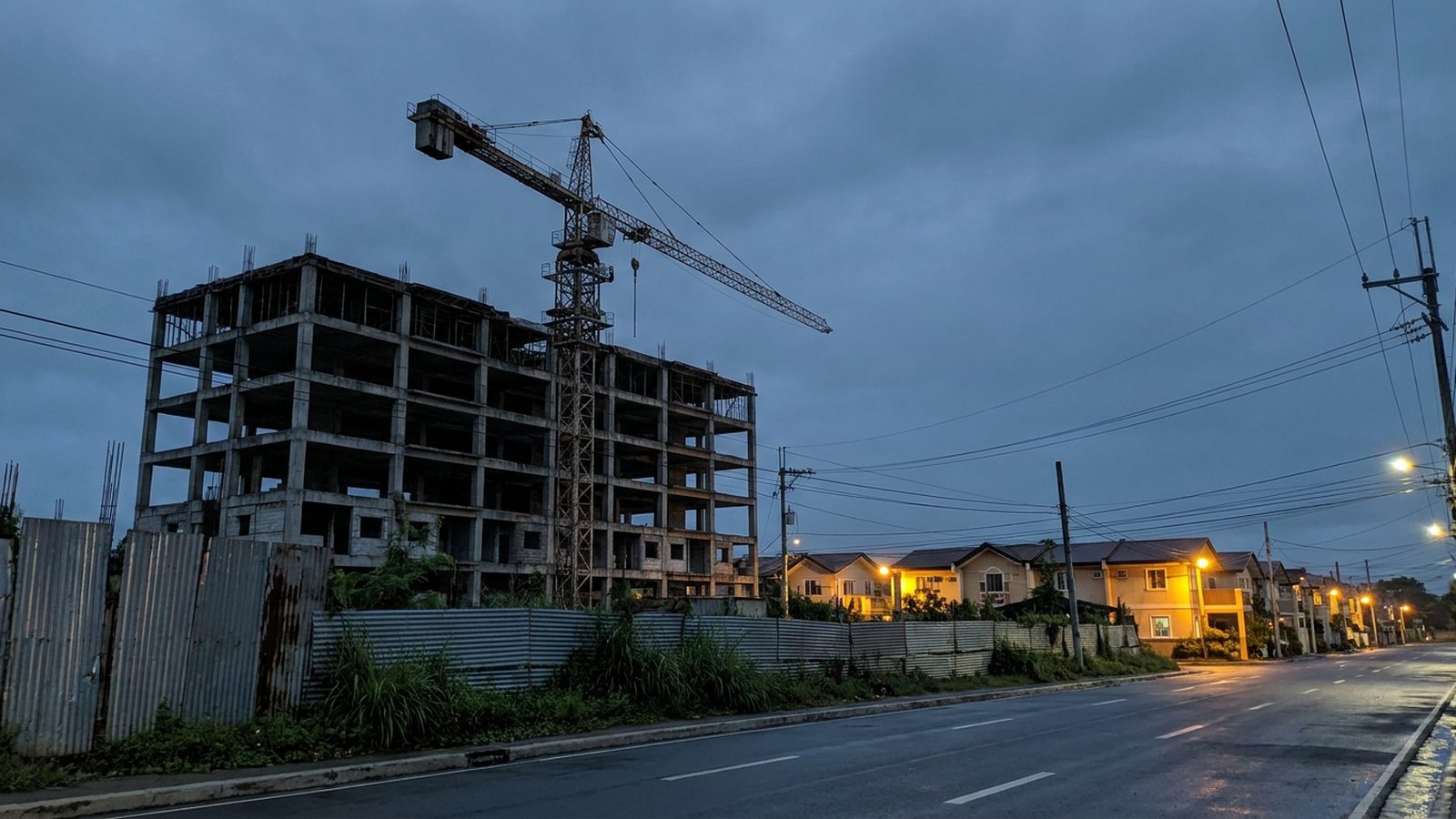
The number that matters most for anyone buying a pre selling home in this housing supply squeeze is not a price. It is 91: the licenses to sell that the housing regulator issued in the first half of 2026, covering 23,440 units, according to an audit of the DHSUD registry by the Organization of Socialized and Economic Housing Developers reported by Bilyonaryo on August 21. At that pace 2026 ends with about 188 projects and 48,337 units approved, against a decade average of 816 licenses and 234,074 units a year and a previous low of 631 licenses in 2018. That is a housing supply squeeze of roughly 77 percent fewer projects and 79 percent fewer units than normal.
Four days later the housing secretary told reporters that the government's own program, about 1.13 million units or forms of housing assistance by the end of the administration, will not clear the 3.7 million unit backlog by 2028 without private production, as reported by BusinessWorld, and that the 2027 budget proposal gives the housing agencies ₱5.49 billion (about $87.8 million / €75.6 million) against the ₱60 billion (about $960 million / €826 million) they asked for. Fewer private approvals and less public money at the same time: here is what that does to prices, and to the value of a unit that already exists.
What a license to sell shortage actually means
A developer cannot sell a pre selling unit in the Philippines without a license to sell for that project, so the count of licenses is the count of new inventory allowed to reach buyers. When it falls from 800 to 900 a year to a pace of 93 by early August, as SunStar reported from Cebu, launches stop. Cebu Landmasters, the largest Visayas developer, said it had "really no new launches in the first half" and saw its reservation sales drop to ₱10.7 billion (about $171 million / €147 million) from ₱14.3 billion (about $229 million / €197 million) while its existing projects sold out to 95 percent. The stock did not stop selling; the pipeline behind it emptied.
The regulator disputes that it is slow, attributing rejections to incomplete documents, and the industry group admits the registry alone cannot show whether the cause is bottlenecks, poor submissions or fewer applications. For a buyer the cause matters less than the effect the group itself spelled out: fewer launches, lower construction activity and tighter supply over the next two to three years.
Where prices go from here
Tight new supply does two things at once. It supports asking prices on the projects that do have licenses, because developers with permits in hand face fewer competing launches; the big estate groups are already reloading only inside townships where approvals exist. And it raises the relative value of ready units and resale homes, because a family that needs to move in 2027 cannot wait for a project that has not been approved. Our average house price data shows a ₱7.5 million (about $120,000 / €103,000) median for a house and lot nationwide; expect the ready for occupancy end of that market to hold firmer than the pre selling end over the next year.
The exception is the mid market condominium segment in Metro Manila, which entered the squeeze with an overhang of unsold units. There the shortage of new licenses gives developers room to clear stock rather than to raise prices, and our 2026 outlook already flagged that condominiums and houses are moving on different cycles. Watch the discounts on completed towers before you sign for a tower that has not broken ground.
What the backlog numbers mean for the affordable end
The 3.7 million backlog is concentrated where the licenses matter most: socialized and economic housing, the segment the audit's authors represent. If the public program delivers 1.13 million units and forms of assistance by 2028 and the private pipeline is at a decade low, the gap widens, and the effect shows up as rising rents and waiting lists rather than headline prices. Buyers relying on Pag-IBIG's socialized tiers should look at what is already licensed and under construction; the affordable housing guide lists the programs and the provinces where ₱2 million to ₱4 million (about $32,000 to $64,000 / €27,500 to €55,100) still buys a real house, and the fund's higher ₱10 million loan ceiling helps only where there is something to buy.
How to buy well inside a squeeze
Ask for the license to sell number and check it on the regulator's registry before paying a reservation fee; in a year when most projects do not have one, a project that does is the product. Prefer developers with several completed projects and a permit in hand over a brochure and a date. Put the turnover date, the refund schedule and the remedy for delay in the contract, because a slow pipeline also means slower deliveries; how to file a complaint against a developer explains the regulator's new 30 day rule if things go wrong, and the pre selling first visit guide lists the promises worth writing down. If you are a seller of a ready house, this is a market that rewards you: price against current listings, not against what pre selling brochures ask, and expect buyers who cannot wait.
Figures are from the sources cited as of their publication dates; approval counts and budgets change. This is general market information, not investment advice.
Dollar and euro figures are approximate conversions at ₱62.5 per US dollar and ₱72.6 per euro (ECB reference rates, 2026-09-08).
Frequently asked questions
How many housing projects did DHSUD approve in 2026?
Ninety one licenses to sell covering 23,440 units in the first half of 2026, according to an audit of the DHSUD registry by the Organization of Socialized and Economic Housing Developers reported on August 21. At that pace the year ends near 188 projects and 48,337 units, about 77 percent fewer projects and 79 percent fewer units than the 2016 to 2025 average of 816 licenses and 234,074 units.
Will the Philippine housing backlog be cleared by 2028?
No, according to the housing secretary. The government program aims at about 1.13 million units or forms of housing assistance by the end of the administration, which he said will not address the 3.7 million backlog by 2028 without private sector production. The 2027 budget proposal gives the housing agencies ₱5.49 billion (about $87.8 million / €75.6 million) against the ₱60 billion (about $960 million / €826 million) they proposed, as BusinessWorld reported on August 25, 2026.
What does a shortage of licenses to sell mean for prices?
Fewer new projects can reach buyers, so asking prices on licensed projects hold and ready units and resale homes gain relative value, because families who must move cannot wait for unapproved projects. The exception is the Metro Manila mid market condominium segment, which entered the squeeze with unsold stock and is more likely to discount completed towers than to raise prices.
How should a pre selling buyer protect themselves in 2026?
Ask for the project's license to sell number and check it on the regulator's registry before paying a reservation fee, prefer developers with completed projects, and write the turnover date, the refund schedule and the remedy for delay into the contract. A thin pipeline also means slower deliveries, and the regulator's new 30 day rule on complaints is the route if a developer fails to perform.
Ang numerong pinakamahalaga para sa sinumang bibili ng pre selling home sa gitna ng housing supply squeeze na ito ay hindi presyo. Ito ay 91: ang bilang ng license to sell na inilabas ng housing regulator sa first half ng 2026, na sumasaklaw sa 23,440 units, ayon sa audit ng DHSUD registry na isinagawa ng Organization of Socialized and Economic Housing Developers at iniulat ng Bilyonaryo noong August 21. Sa ganitong bilis, magtatapos ang 2026 na may humigit-kumulang 188 projects at 48,337 units na aprubado, kumpara sa decade average na 816 licenses at 234,074 units bawat taon at sa dating pinakamababa na 631 licenses noong 2018. Iyon ay housing supply squeeze na halos 77 percent na mas kaunting proyekto at 79 percent na mas kaunting unit kaysa sa normal.
Makalipas ang apat na araw, sinabi ng housing secretary sa mga reporter na ang sariling programa ng gobyerno, humigit-kumulang 1.13 million units o anyo ng housing assistance pagsapit ng katapusan ng administrasyon, ay hindi makakapag-clear ng 3.7 million unit backlog pagsapit ng 2028 kung walang private production, ayon sa ulat ng BusinessWorld, at na ang 2027 budget proposal ay nagbibigay sa mga housing agency ng ₱5.49 billion (mga $87.8 million / €75.6 million) kumpara sa ₱60 billion (mga $960 million / €826 million) na hiniling nila. Mas kaunting private approval at mas kaunting pondo ng gobyerno nang sabay: narito ang epekto nito sa mga presyo, at sa halaga ng unit na umiiral na.
Ano talaga ang ibig sabihin ng kakulangan sa license to sell
Hindi maaaring magbenta ang developer ng pre selling unit sa Pilipinas nang walang license to sell para sa proyektong iyon, kaya ang bilang ng mga license ay siyang bilang ng bagong inventory na pinapayagang umabot sa mga buyer. Kapag bumagsak ito mula 800 hanggang 900 bawat taon sa bilis na 93 pagsapit ng early August, gaya ng iniulat ng SunStar mula Cebu, tumitigil ang mga launch. Ayon sa Cebu Landmasters, ang pinakamalaking developer sa Visayas, "really no new launches in the first half" ang naganap, at nakita nitong bumaba ang reservation sales sa ₱10.7 billion (mga $171 million / €147 million) mula ₱14.3 billion (mga $229 million / €197 million) habang ang mga existing project nito ay nabenta hanggang 95 percent. Hindi tumigil sa pagbebenta ang stock; naubos ang pipeline sa likod nito.
Itinatanggi ng regulator na mabagal ito, at iniuugnay nito ang mga rejection sa kulang na dokumento, samantalang inaamin ng industry group na hindi maipapakita ng registry lang kung ang sanhi ay bottleneck, mahinang submission o mas kaunting aplikasyon. Para sa buyer, mas mahalaga ang epekto kaysa sa sanhi, at mismong ang grupo ang naglinaw nito: mas kaunting launch, mas mababang construction activity at mas mahigpit na supply sa susunod na dalawa hanggang tatlong taon.
Saan papunta ang mga presyo mula rito
Dalawang bagay ang sabay na ginagawa ng manipis na bagong supply. Sinusuportahan nito ang asking prices ng mga proyektong may license, dahil mas kaunti ang kakumpitensyang launch na hinaharap ng mga developer na may hawak nang permit; ang malalaking estate group ay naglulunsad na muli ngunit sa loob lang ng mga township kung saan may approval na. At itinataas nito ang relatibong halaga ng mga ready unit at resale home, dahil ang pamilyang kailangang lumipat sa 2027 ay hindi makakapaghintay sa proyektong hindi pa aprubado. Ipinapakita ng aming average house price data ang ₱7.5 million (mga $120,000 / €103,000) median para sa house and lot sa buong bansa; asahang mas matatag ang ready for occupancy na bahagi ng merkadong iyon kaysa sa pre selling na bahagi sa susunod na taon.
Ang eksepsyon ay ang mid market condominium segment sa Metro Manila, na pumasok sa squeeze na may overhang ng mga hindi nabentang unit. Doon, ang kakulangan ng bagong license ay nagbibigay sa mga developer ng puwang para mag-clear ng stock sa halip na magtaas ng presyo, at ang aming 2026 outlook ay nagbabala nang magkaiba ang cycle ng mga condominium at bahay. Bantayan ang mga discount sa mga tapos nang tower bago ka pumirma para sa tower na hindi pa nagsisimulang itayo.
Ano ang ibig sabihin ng backlog numbers para sa affordable na bahagi
Ang 3.7 million backlog ay nakakonsentra kung saan pinakamahalaga ang mga license: socialized at economic housing, ang segment na kinakatawan ng mga may-akda ng audit. Kung makapag-deliver ang public program ng 1.13 million units at anyo ng tulong pagsapit ng 2028 at nasa decade low ang private pipeline, lumalawak ang agwat, at lumalabas ang epekto bilang tumataas na upa at waiting list sa halip na headline prices. Ang mga buyer na umaasa sa socialized tiers ng Pag-IBIG ay dapat tumingin sa kung ano na ang may license at itinatayo na; inililista ng affordable housing guide ang mga programa at ang mga probinsya kung saan ang ₱2 million hanggang ₱4 million (mga $32,000 hanggang $64,000 / €27,500 hanggang €55,100) ay nakakabili pa rin ng totoong bahay, at ang mas mataas na ₱10 million loan ceiling ng fund ay nakakatulong lang kung may mabibili.
Paano bumili nang tama sa gitna ng squeeze
Hingin ang license to sell number at i-check ito sa registry ng regulator bago magbayad ng reservation fee; sa taon kung kailan karamihan ng proyekto ay wala nito, ang proyektong mayroon ang siyang produkto. Mas piliin ang mga developer na may ilang tapos nang proyekto at hawak na permit kaysa sa brochure at petsa. Ilagay sa kontrata ang turnover date, ang refund schedule at ang remedy kung ma-delay, dahil ang mabagal na pipeline ay nangangahulugan din ng mas mabagal na delivery; ipinapaliwanag ng paano mag-file ng reklamo laban sa developer ang bagong 30 day rule ng regulator kung may magkamali, at inililista ng pre selling first visit guide ang mga pangakong dapat isulat. Kung nagbebenta ka ng ready house, merkado ito na pabor sa iyo: magpresyo batay sa kasalukuyang listings, hindi sa hinihingi ng mga pre selling brochure, at asahan ang mga buyer na hindi makakapaghintay.
Ang mga numero ay mula sa mga binanggit na source sa kanilang publication dates; nagbabago ang approval counts at budget. Pangkalahatang impormasyon ito tungkol sa merkado, hindi investment advice.
Tinatayang conversion lang ang mga halaga sa dollar at euro, sa ₱62.5 kada US dollar at ₱72.6 kada euro (ECB reference rates, 2026-09-08).
Mga madalas itanong
Ilang housing project ang inaprubahan ng DHSUD sa 2026?
Siyamnapu't isang license to sell na sumasaklaw sa 23,440 units sa first half ng 2026, ayon sa audit ng DHSUD registry na isinagawa ng Organization of Socialized and Economic Housing Developers at iniulat noong August 21. Sa ganitong bilis, magtatapos ang taon malapit sa 188 projects at 48,337 units, humigit-kumulang 77 percent na mas kaunting proyekto at 79 percent na mas kaunting unit kaysa sa 2016 hanggang 2025 average na 816 licenses at 234,074 units.
Matatapos ba ang housing backlog ng Pilipinas pagsapit ng 2028?
Hindi, ayon sa housing secretary. Layunin ng programa ng gobyerno ang humigit-kumulang 1.13 million units o anyo ng housing assistance pagsapit ng katapusan ng administrasyon, na sinabi niyang hindi makakatugon sa 3.7 million backlog pagsapit ng 2028 kung walang produksyon mula sa private sector. Ang 2027 budget proposal ay nagbibigay sa mga housing agency ng ₱5.49 billion (mga $87.8 million / €75.6 million) kumpara sa ₱60 billion (mga $960 million / €826 million) na iminungkahi nila, ayon sa ulat ng BusinessWorld noong August 25, 2026.
Ano ang ibig sabihin ng kakulangan sa license to sell para sa mga presyo?
Mas kaunting bagong proyekto ang makakaabot sa mga buyer, kaya nananatili ang asking prices ng mga licensed project at tumataas ang relatibong halaga ng mga ready unit at resale home, dahil ang mga pamilyang kailangang lumipat ay hindi makakapaghintay sa mga proyektong hindi pa aprubado. Ang eksepsyon ay ang mid market condominium segment sa Metro Manila, na pumasok sa squeeze na may hindi nabentang stock at mas malamang na mag-discount sa mga tapos nang tower kaysa magtaas ng presyo.
Paano dapat protektahan ng pre selling buyer ang sarili sa 2026?
Hingin ang license to sell number ng proyekto at i-check ito sa registry ng regulator bago magbayad ng reservation fee, mas piliin ang mga developer na may tapos nang proyekto, at isulat sa kontrata ang turnover date, ang refund schedule at ang remedy kung ma-delay. Ang manipis na pipeline ay nangangahulugan din ng mas mabagal na delivery, at ang bagong 30 day rule ng regulator sa mga reklamo ang daan kung hindi tumupad ang developer.
Ang numero nga labing importante para sa bisan kinsa nga mopalit og pre-selling nga balay karong tuiga dili presyo. Kini ang 91: ang mga license to sell nga gi-isyu sa housing regulator sa first half sa 2026, nga nagsakop sa 23,440 units, sumala sa audit sa DHSUD registry sa Organization of Socialized and Economic Housing Developers nga gitaho sa Bilyonaryo niadtong August 21. Sa maong pace, matapos ang 2026 nga naay mga 188 ka project ug 48,337 units nga na-aprobahan, kumpara sa decade average nga 816 ka license ug 234,074 units matag tuig ug sa miaging pinakaubos nga 631 ka license sa 2018. Usa kana ka housing supply squeeze nga mga 77 percent nga mas gamay ang mga project ug 79 percent nga mas gamay ang mga unit kaysa normal.
Upat ka adlaw human niini, gisultihan sa housing secretary ang mga reporter nga ang kaugalingong programa sa gobyerno, mga 1.13 million units o mga porma sa housing assistance sa katapusan sa administrasyon, dili makahurot sa 3.7 million unit nga backlog sa 2028 kung walay produksyon sa pribadong sektor, sumala sa taho sa BusinessWorld, ug nga ang 2027 budget proposal naghatag sa mga housing agency og ₱5.49 billion (mga $87.8 million / €75.6 million) kumpara sa ₱60 billion (mga $960 million / €826 million) nga ilang gipangayo. Mas gamay nga pribadong approvals ug mas gamay nga pampublikong kwarta sa samang higayon: ania kung unsa ang epekto niini sa mga presyo, ug sa bili sa unit nga naa na.
Unsa gyud ang buot ipasabot sa kakulang sa license to sell
Dili makabaligya ang developer og pre-selling unit sa Pilipinas kung walay license to sell para sa maong project, mao nga ang ihap sa mga license mao ang ihap sa bag-ong inventory nga gitugotan nga moabot sa mga buyer. Kung mahulog kini gikan sa 800 hangtod 900 matag tuig ngadto sa pace nga 93 sa sayong bahin sa August, sumala sa taho sa SunStar gikan sa Cebu, mohunong ang mga launch. Ang Cebu Landmasters, ang pinakadakong developer sa Visayas, miingon nga naay "really no new launches in the first half" ug nakita nga mius-os ang reservation sales niini ngadto sa ₱10.7 billion (mga $171 million / €147 million) gikan sa ₱14.3 billion (mga $229 million / €197 million) samtang ang mga existing project niini nahalin hangtod 95 percent. Wala mohunong sa pagbaligya ang stock; ang pipeline luyo niini ang nahurot.
Gilalisan sa regulator nga hinay kini, nga gipasangil ang mga rejection sa dili kompletong dokumento, ug giangkon sa industry group nga ang registry lang dili makapakita kung ang hinungdan mga bottleneck, dili maayong submission o mas gamay nga aplikasyon. Para sa buyer, dili kaayo importante ang hinungdan kaysa sa epekto nga gipasabot mismo sa grupo: mas gamay nga mga launch, mas ubos nga construction activity ug mas hugot nga supply sa sunod duha hangtod tulo ka tuig.
Asa paingon ang mga presyo gikan dinhi
Ang hugot nga bag-ong supply naghimo og duha ka butang sa samang higayon. Nagsuporta kini sa mga asking price sa mga project nga naa nay license, kay ang mga developer nga naa nay permit sa kamot mas gamay ang atubangon nga kakompetensya nga launch; ang dagkong estate group nag-reload na lang sulod sa mga township diin naa na ang approvals. Ug gipataas niini ang relative value sa mga ready unit ug resale nga balay, kay ang pamilya nga kinahanglan mobalhin sa 2027 dili makahulat sa project nga wala pa ma-aprobahi. Ang among average house price data nagpakita og ₱7.5 million (mga $120,000 / €103,000) nga median para sa house and lot sa tibuok nasod; paabota nga ang ready for occupancy nga bahin sa maong merkado mas magpabilin nga lig-on kaysa sa pre-selling nga bahin sa sunod tuig.
Ang exception mao ang mid market condominium segment sa Metro Manila, nga misulod sa squeeze nga naay overhang sa wala mahalin nga mga unit. Didto, ang kakulang sa bag-ong mga license naghatag sa mga developer og luna sa paghurot sa stock imbes sa pagpataas sa presyo, ug ang among 2026 outlook nag-flag na nga ang mga condominium ug mga balay naglihok sa lahi nga mga cycle. Bantayi ang mga discount sa mga nahuman nga tower sa dili pa ka mopirma para sa tower nga wala pa masugdi og tukod.
Unsa ang buot ipasabot sa mga numero sa backlog para sa affordable nga bahin
Ang 3.7 million nga backlog nakapokus kung asa labing importante ang mga license: socialized ug economic housing, ang segment nga girepresentar sa mga tagsulat sa audit. Kung ang pampublikong programa mo-deliver og 1.13 million units ug mga porma sa assistance sa 2028 ug ang pribadong pipeline naa sa decade low, molapad ang gap, ug ang epekto makita isip nagsaka nga abang ug mga waiting list imbes sa mga headline price. Ang mga buyer nga nagsalig sa socialized tiers sa Pag-IBIG angay motan-aw sa naa nay license ug gitukod na; ang affordable housing guide naglista sa mga programa ug sa mga probinsya diin ang ₱2 million hangtod ₱4 million (mga $32,000 hangtod $64,000 / €27,500 hangtod €55,100) makapalit pa gihapon og tinuod nga balay, ug ang mas taas nga ₱10 million loan ceiling sa fund makatabang lang kung naay mapalit.
Unsaon pagpalit og maayo sulod sa squeeze
Pangayoa ang license to sell number ug susiha kini sa registry sa regulator sa dili pa mobayad og reservation fee; sa tuig nga kadaghanan sa mga project walay license, ang project nga naa niini mao ang produkto. Palabiha ang mga developer nga naay pipila ka nahuman nga project ug permit sa kamot kaysa brochure ug petsa. Ibutang ang turnover date, ang refund schedule ug ang remedy kung ma-delay sa kontrata, kay ang hinay nga pipeline nagpasabot usab og mas hinay nga mga delivery; ang unsaon pag-file og reklamo batok sa developer nagpasabot sa bag-ong 30 day rule sa regulator kung masayop ang mga butang, ug ang pre-selling first visit guide naglista sa mga saad nga angay isulat. Kung nagbaligya ka og ready nga balay, kini ang merkado nga mogantimpala kanimo: i-presyo kini kumpara sa kasamtangang mga listing, dili sa gipangayo sa mga pre-selling brochure, ug paabota ang mga buyer nga dili makahulat.
Ang mga numero gikan sa mga gikutlo nga source sa ilang mga petsa sa pagpatik; mausab ang mga approval count ug budget. Kinatibuk-ang impormasyon sa merkado kini, dili investment advice.
Banabana lang ang mga conversion sa dollar ug euro, sa ₱62.5 matag US dollar ug ₱72.6 matag euro (ECB reference rates, 2026-09-08).
Mga kasagarang pangutana
Pila ka housing project ang gi-aprobahan sa DHSUD sa 2026?
91 ka license to sell nga nagsakop sa 23,440 units sa first half sa 2026, sumala sa audit sa DHSUD registry sa Organization of Socialized and Economic Housing Developers nga gitaho niadtong August 21. Sa maong pace matapos ang tuig duol sa 188 ka project ug 48,337 units, mga 77 percent nga mas gamay ang mga project ug 79 percent nga mas gamay ang mga unit kaysa sa 2016 hangtod 2025 average nga 816 ka license ug 234,074 units.
Mahurot ba ang housing backlog sa Pilipinas sa 2028?
Dili, sumala sa housing secretary. Ang programa sa gobyerno nagtumong og mga 1.13 million units o mga porma sa housing assistance sa katapusan sa administrasyon, nga matod niya dili makasulbad sa 3.7 million nga backlog sa 2028 kung walay produksyon sa pribadong sektor. Ang 2027 budget proposal naghatag sa mga housing agency og ₱5.49 billion (mga $87.8 million / €75.6 million) kumpara sa ₱60 billion (mga $960 million / €826 million) nga ilang gisugyot, sumala sa taho sa BusinessWorld niadtong August 25, 2026.
Unsa ang buot ipasabot sa kakulang sa mga license to sell para sa mga presyo?
Mas gamay nga bag-ong project ang makaabot sa mga buyer, mao nga magpabilin ang mga asking price sa mga licensed project ug mosaka ang relative value sa mga ready unit ug resale nga balay, kay ang mga pamilya nga kinahanglan mobalhin dili makahulat sa mga project nga wala pa ma-aprobahi. Ang exception mao ang mid market condominium segment sa Metro Manila, nga misulod sa squeeze nga naay wala mahalin nga stock ug mas lagmit mo-discount sa mga nahuman nga tower kaysa mopataas sa presyo.
Unsaon sa pre-selling buyer pagpanalipod sa iyang kaugalingon sa 2026?
Pangayoa ang license to sell number sa project ug susiha kini sa registry sa regulator sa dili pa mobayad og reservation fee, palabiha ang mga developer nga naay nahuman nga mga project, ug isulat sa kontrata ang turnover date, ang refund schedule ug ang remedy kung ma-delay. Ang nipis nga pipeline nagpasabot usab og mas hinay nga mga delivery, ug ang bag-ong 30 day rule sa regulator bahin sa mga reklamo mao ang dalan kung dili motuman ang developer.
Browse properties on BalayHub
See all listings →
Read next
Ayala Land Lots in Nuvali, Lipa, Cresendo: What to Compare
Ayala Land lots return in Nuvali, Lipa and Cresendo as inventory falls to 15 months and capex rises to ₱60B: how to price an estate lot against raw land.
Pag-IBIG Housing Loan P10 Million Cap: What It Changes
Pag-IBIG formalized its P10 million loan ceiling with promo rates of 4.5% and 5.75% until December 31, 2026: what the cap reaches and the monthly numbers.
Habagat Flooding House Damage 2026: A Buyer's Read
OCD counts 8.8 million people affected, 3,300 houses damaged and 330 Pampanga villages flooded: what the map means for buyers in Cavite, Rizal, Pampanga.